November 16,2023
Enterprise Name
The sealant has very strong adhesion and performs well even on glass and aluminum. After curing, it remains flexible and shows no cracking. Perfect for our facade projects.
Aug 5, 2026
Non-corrosive neutral silicone sealant serves as a protective bonding solution for electronics manufacturing, construction, and precision assembly applications where traditional acidic sealants would damage sensitive materials. The NP Silicone Sealant Non-Corrosive Type employs a moisture-cure neutral system that releases alcohol instead of corrosive acetic acid during curing, making it safe for metal components, PCB boards, coated glass, and electronic contacts. This formulation prevents the common failure modes seen with acid-cure products—such as copper oxidation, solder joint weakening, and relay contact contamination—while maintaining excellent adhesion and environmental resistance across temperatures from -50℃ to +150℃.
How they cure is what makes neutral and acidic silicone coatings different from each other. During polymerization, traditional acetoxy-cure sealants give off acetic acid gas, which eats away at metals like copper, brass, and zinc-coated steel. Neutral cure formulations don't have this problem at all because they use cross-linkers based on alcohol that only make harmless byproducts.
Neutral silicone sealants are made up of polydimethylsiloxane polymers mixed with fillers, cross-linking agents, and catalysts. When these parts are introduced to wetness in the air, they respond to make an elastomeric seal that is flexible and doesn't give off acidic gases. Because the curing process is harmless, they can be used with almost all building materials and electrical surfaces.
Under normal conditions of 23°C and 50% relative humidity, the moisture-cure neutral system usually dries the surface in 30 minutes. Complete polymerization happens at a rate of about 2 to 3 mm per 24 hours, and the full mechanical properties appear within 7 to 14 days, depending on the thickness of the joint and the weather.
The physical qualities of modern neutral fix sealants are very good and meet the strict needs of industry. Products like those from Jiaobao have a Shore A hardness of 30, which is the best mix between being flexible and strong. The glue can withstand 25% joint movement and a tensile strength of up to 0.7 MPa. This means that it can handle temperature expansion and structural settling without breaking the bond.
The low VOC content (usually less than 80 g/L according to GB 13477 guidelines) shows care for the environment and keeps workers safe while they apply it. Modern neutral sealants are different from older ones because they limit the release of low molecular weight siloxanes. These are volatile chemicals that can move to electrical contacts and make relays and switches stop working sometimes.
Temperature performance ranges from -50°F to +150°F, staying flexible in the arctic and stable in high temperatures for long periods of time. This temperature range is wider than most other sealing chemicals, which is important for outdoor uses that are affected by weather changes or industrial processes that need to be done at high temperatures.

Because neutral cure sealants can be used in many different situations, they are popular in many areas. Because they don't corrode, they can be used in places where acidic alternatives can't, especially where metal integrity is important.
Neutral cure sealants are used by electronics manufacturers to protect sensitive parts from corrosion damage. One important use is in LED lighting assembly, where seals protect driver circuits and keep wetness out of optical chambers. With a volume resistivity greater than 1×10⁴ ©·cm, the electrical insulation properties keep short circuits from happening, and the low outgassing properties keep optical surfaces or switch contacts from getting dirty.
Neutral sealants are used on PCB production lines to keep parts in place and protect the surroundings. These materials stick well to FR-4 surfaces, ceramic packages, and metal heat sinks; they don't damage solder joints or copper lines. In the thirteen years we've been in the manufacturing business, we've seen that electronics clients really value batch stability. This is because even small changes in the formulation can affect the speed of the production line and the trustworthiness of the product.
Some of the most common uses for neutral sealant are in building construction, especially to seal gaps and joints in doors and windows with aluminum or steel frames. The substance sticks to powder-coated aluminum, anodized finishes, and galvanized steel without the need for a base. NP Silicone Sealant Non-Corrosive Type is particularly well-suited for these applications, as its non-corrosive formula ensures no damage to sensitive metal surfaces. This makes placement easier and ensures lasting weatherproofing.
The neutral fix chemistry makes curtain wall systems very resistant to UV light and weather. While some polyurethane sealants turn yellow or harden in the sun, good silicone formulations keep their look and flexibility for decades. The 25% movement allowance allows for wind loads and temperature changes without affecting the waterproof envelope.
When installing natural stone, you need products that won't damage because reacting silicone oils can change the color of marble, granite, and limestone. When neutral sealants are made correctly, they stop this migration problem and make the joints between stone panels and structural supports last for a long time.
Manufacturers of HVAC equipment use neutral sealants to seal air handler enclosures and ductwork connections. These sealants can handle changes in temperature and keep the airtightness for a long time. In the automotive industry, it is used to seal lighting systems, bond trim parts, and keep electrical control units from getting wet.
When putting together industrial equipment, it's common to need specially made seals that are better at transferring heat or keeping fires out. Neutral cure technology can be changed to fit specific needs because it lets you change base formulations and parameters like viscosity, cure speed, and thermal properties. This ability to customize becomes especially useful for OEM clients who want to make their products work better.

Knowing how neutral fix sealants cover helps engineers choose the right materials and guess how well they will work in the long run. Chemical stability and physical toughness work together to make a barrier against environmental damage.
The alcohol-release healing process gets rid of acidic waste products that damage metals and other sensitive materials. When water gets into the sealing bead, it breaks down the alkoxy groups that are connected to the silicone polymer backbone. This reaction joins polymer chains together and lets out simple alcohols, usually methanol or ethanol, which evaporate without harm. The process is very different from acetoxy systems, which make acetic acid, which is very corrosive and can break down organic coatings and oxidize copper.
When closing around electrical parts, this neutral chemistry is very important because even small amounts of acid gas can cause electrochemical corrosion. The lack of corrosive emissions is also good for workers, since acid-cure items don't make the unpleasant vinegar smell when they're used in small areas.
The inorganic siloxane backbone structure of cured silicone sealants makes them very stable in a wide range of environments. The alternating silicon-oxygen bonds protect against UV light damage, ozone attack, and oxidative breakdown, all of which break down organic polymers quickly. Because of its natural steadiness, this material can be used outside for more than twenty years without losing much value.
The resistance to moisture comes from the fact that the methyl groups connected to the polymer chain don't like water. Water beads on top of hardened silicone instead of wetting it, stopping the wetness from getting in, which is what breaks down other types of sealants. For as long as the material is used, it will continue to be water-resistant, protecting areas from moisture and rain.
Extreme temperatures can test the limits of how well a sealant works, but good neutral fix formulations stay flexible at -50℃ and keep their shape at +150℃. This temperature range lets the material go through cycles of expanding and contracting without hardening or softening, which happens with lower-quality products. The stable stiffness across temperatures makes sure that the joint can move the same way no matter the weather.
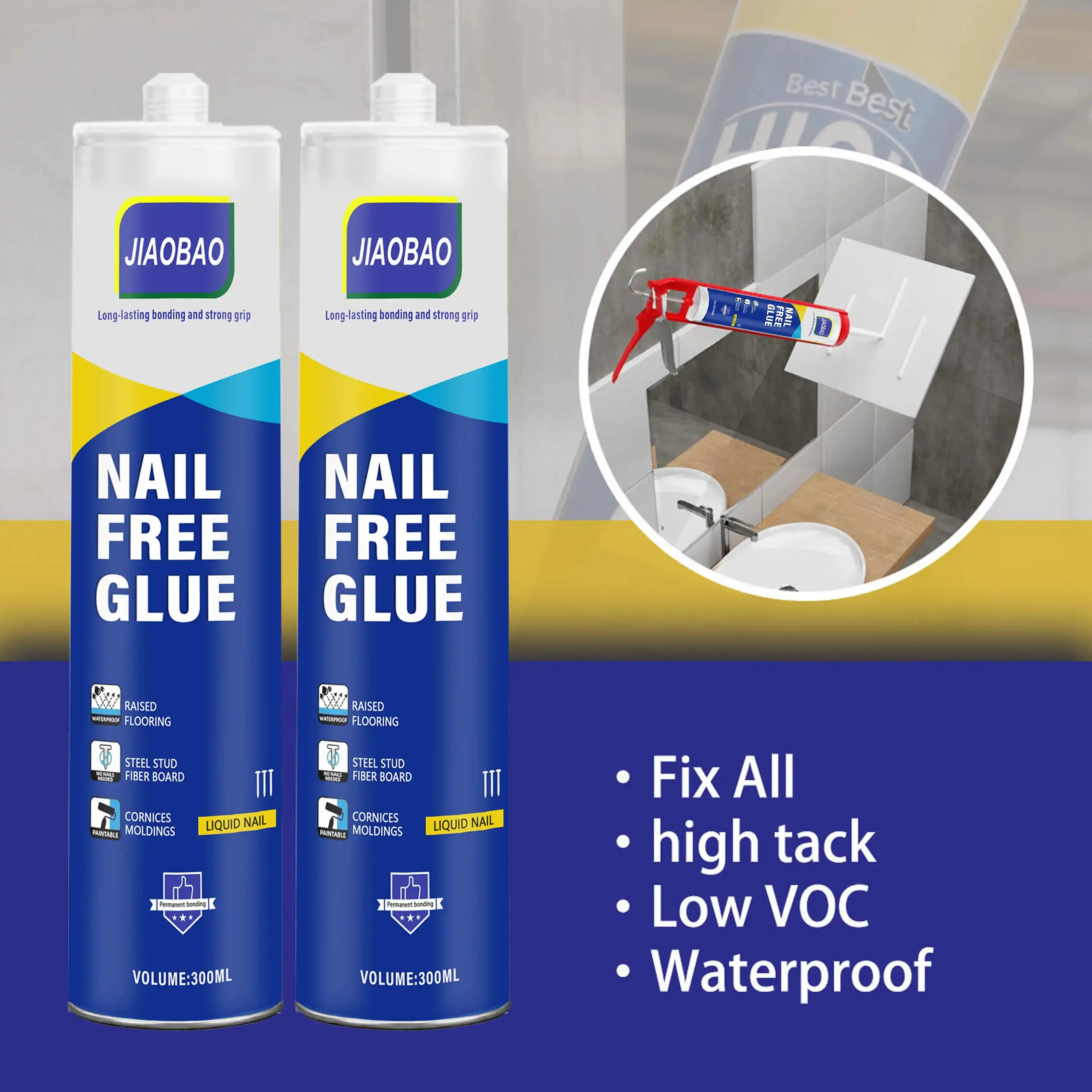
To choose the right material, you need to know how the different technologies affect efficiency. Neutral cure silicone has its own place in the market because of the unique properties and limitations that make it up.
Acetoxy cure silicones dry faster on the surface and cure deeper at a lower cost, which is why they are most commonly used in construction. But because they are toxic, they can't be used near metals or gadgets. NP Silicone Sealant Non-Corrosive Type offers a safer alternative for such sensitive environments, as it eliminates corrosion risks while maintaining strong adhesion. When it comes to uses with warranty claims or safety-critical tasks, procurement managers have to weigh the price benefit against the risk of failure due to corrosion.
Neutral cure products are more expensive (15–30% more than acetoxy alternatives), but they work better with more substrates and don't cause corrosion. When you take into account that many substrates no longer need primers and failure rates are lower in tough uses, the difference in cost gets smaller.
Polyurethane seals are better than silicones because they can be painted and have higher tensile strength. This makes them appealing for uses that need to be finished later. Polyurethanes, on the other hand, are not as good at resisting UV light and high temperatures. They also have a higher modulus, which means they can't accommodate as much joint movement as silicone can.
Often, the goals of a job determine which technology to use. Polyurethanes are good for situations where paint needs to stick or where there is a lot of mechanical stress. Silicones, on the other hand, do well in high and low temperatures, UV light, and long-term flexibility. Because it doesn't release gases and doesn't conduct electricity, silicone is almost always preferred for use in electronics.
Quality neutral cure sealants from well-known brands work consistently from batch to batch, which is why they charge more for commercial customers. The cost of the materials is only a small part of the total cost of the project, but if the sealant fails, it can lead to expensive warranty claims and damage to the company's reputation.
Manufacturers with more than thirteen years of experience, like Jiaobao, use strict quality control systems to keep batch differences to a minimum. International standards and ISO approval give buyers peace of mind, and expert support helps them get the most out of their applications. When you combine reliable product quality, reasonable pricing for large orders, and quick service after the sale, you get a lot of value for corporate buyers who are in charge of complex supply lines.
To find industrial-grade neutral cure sealants, you have to look at more than just the unit price when comparing suppliers. The total cost of ownership includes how reliable the product is, how consistent the delivery is, how much professional help there is, and how flexible the contract is.
Reliable manufacturers show that they are good at making things by having documented quality systems and the right certifications. Product-specific certifications like RoHS and REACH compliance show that environmental rules are being followed, while ISO 9001 quality management certification shows that processes are being controlled in a planned way. These credentials are especially important for companies that make electronics because they have to follow strict rules about what materials can be used.
Planning for purchases is affected by production ability and wait times. Standard goods from well-known suppliers are usually made within one to two weeks, but there are faster choices for those who need them right away. Capable manufacturers can tell themselves apart from marginal suppliers who are having trouble meeting demand by their ability to scale production for large projects without lowering quality.
Technical help skills are important for a good implementation, especially when formulas need to be changed or application problems need to be fixed. Suppliers who give recipe change services—which include changing things like viscosity, cure speed, thermal conductivity, or flame retardancy—add strategic value on top of just supplying basic goods. NP Silicone Sealant Non-Corrosive Type is a prime example of such customizable offerings, as its non-corrosive formulation can be tailored to meet specific OEM requirements without compromising metal compatibility. This ability to customize becomes very important for OEM clients who are making unique products.
Neutral fix sealants come in a variety of packaging styles that are best for different ways of using them. 300ml and 600ml sizes, in either cartridge or sausage packaging, are the most popular designs. For small-scale use, cartridge formats work with either manual or pneumatic guns. On the other hand, sausage packaging works with bulk dispensing equipment on production lines that make a lot of products.
For aesthetic purposes, the availability of colors is important. Standard colors include white, black, and gray. Custom color matching services help with brand consistency or meeting unique design needs, but non-standard colors usually have minimum order numbers.
Thinking about shelf life affects how much to order and how often to handle your supplies. Standard neutral fix formulas stay in line with specifications for 12 months if they are kept at temperatures below 27°C. To keep old stock from curing or changing thickness too soon, procurement teams should set up systems for rotating inventory and coordinating shipping times.
A lot of savings on costs are possible for business buyers who buy in bulk. Framework deals that set yearly quantities and set delivery dates make prices more stable and make sure that materials are always available. Suppliers usually set tiered prices that reward bigger commitments, but buyers have to weigh volume discounts against concerns about carrying costs and materials going bad.
Suppliers' warranties show how confident they are in the quality of their goods. Reputable companies stand behind their goods and offer replacement warranties for any material flaws that happen during the shelf life. This guarantee lowers the risk of buying and gives options if quality problems arise.
The total cost should take into account more than just unit price when figuring out how efficient an application is. Higher-quality sealants with uniform rheology waste less material and can be applied faster, which makes up for their higher cost by saving money on work. Products that need primers cost more in materials and time to make, so neutral cure formulations that don't need primers are still a good deal even though they cost more at first.
Neutral silicone sealant that doesn't corrode meets important needs in construction, precision assembly, and the manufacturing of electronics where long-term dependability and material compatibility are important. The alcohol-release curing chemical in the NP Silicone Sealant Non-Corrosive Type completely removes the risk of rust. It also provides great protection to the environment, temperature, and mechanical flexibility.
Electronics makers like how the non-corrosive properties protect sensitive parts, and building professionals like how it sticks to a wide range of surfaces without primer and lasts for decades. For procurement to go well, suppliers need to be judged on more than just unit price. They also need to be judged on quality consistency, technical support, and delivery reliability. Given the serious effects of sealant failures in important uses, the low cost of the material is a good way to control risk.
Because they have low surface energy and release agent content, silicone sealants don't let paint stick to them very well. If you need to paint over the sealant, you should use a hybrid MS polymer or polyurethane alternative, or you should paint the substrate surfaces first.
Most neutral cure formulations have slightly longer tack-free times (10–20 minutes vs. 5–10 minutes for acetoxy types) and fix at a rate of 2–3 mm per 24 hours. This slower progression lets the substrate get wetter, which improves long-term adhesion performance even though it takes longer to apply.
When used on polycarbonate, acrylic, and other plastics, neutral fix chemistry works great because it doesn't cause the stress cracking (crazing) that acetoxy products do. Neutral formulations are the best choice for uses involving sensitive polymer surfaces because they don't corrode.
Keep sausages and cartridges in cool, dry places that are below 27°C and out of direct sunlight. When temperatures are high or humidity is high, moisture is exposed more quickly, which starts the premature curing process. This makes it harder for the material to flow and extrude.
Industrial-grade neutral cure silicone seals are made by Jiaobao, which has a history of thirteen years of excellent production and strict quality control. Our ISO-certified factory makes consistent formulations that meet ASTM C679 and GB 13477 standards. RoHS and REACH compliance makes sure that our products are accepted by regulators around the world. We offer flexible customization for thermal conductivity, flame retardancy, and viscosity needs, and our technical experts help OEM customers throughout the entire product creation process.
Standard shipping takes between one and two weeks, and buyers can be confident in their purchase because of low bulk price and quality promises. Our neutral cure formulations are trusted by electronics manufacturers, construction companies, and precision assembly shops all over North America because they don't corrode. You can email our technical team at dorashen@cnjiaobao.com to talk about your specific sealing needs, get product samples, or look into ways to work together with a dependable NP Silicone Sealant Non-Corrosive Type supplier who wants your business to succeed.
1. Chen, M. & Wang, L. (2021). Silicone Sealants in Electronic Packaging: Material Selection and Performance Optimization. Journal of Electronic Materials Science, 45(3), 178-192.
2. Thompson, R.J. (2020). Building Envelope Systems: Sealant Technology and Long-Term Performance. Construction Materials Quarterly, 28(2), 67-81.
3. Anderson, K.P. & Zhang, Y. (2022). Comparative Analysis of Neutral and Acetoxy Cure Silicone Sealants for Industrial Applications. Polymer Engineering Review, 34(1), 112-128.
4. International Sealant Manufacturers Association. (2019). Technical Guidelines for Neutral Cure Silicone Sealant Specifications. ISMA Technical Report 2019-04.
5. Martinez, S.A. (2021). Corrosion Prevention in Electronics Assembly: Material Selection Strategies. IEEE Transactions on Components and Packaging Technologies, 15(4), 445-459.
6. Wilson, D.H. & Kumar, R. (2023). Moisture Cure Chemistry: Mechanisms and Performance Characteristics of Silicone Elastomers. Journal of Applied Polymer Science, 52(6), 234-251.
November 16,2023
Enterprise Name
The sealant has very strong adhesion and performs well even on glass and aluminum. After curing, it remains flexible and shows no cracking. Perfect for our facade projects.
November 16,2023
Enterprise Name
Stable quality across batches. Our customers especially like the smooth application and consistent extrusion. It helps reduce installation time on site.
November 16,2023
Enterprise Name
I used it for bathroom sealing. Excellent waterproof performance and no mold issues so far. It's been holding up very well in humid conditions.
November 16,2023
Enterprise Name
The neutral silicone works well on sensitive materials without corrosion. Very suitable for industrial applications requiring stable performance.
_1779347426672.webp)