November 16,2023
Enterprise Name
The sealant has very strong adhesion and performs well even on glass and aluminum. After curing, it remains flexible and shows no cracking. Perfect for our facade projects.
Jun 16, 2026
When project managers walk through plant production lines or building sites, they're looking for ways to get things done quickly and easily. Nail-free glue has become just that kind of answer. It is a revolutionary new kind of glue that can be used instead of traditional mechanical fasteners in both industrial and business settings. This guide breaks down what these adhesives are good for and why they're useful for B2B buying workers who need reliable bonding methods that speed up assembly and make products last longer. We'll talk about the most important technical details, real-world uses, and buying factors that you should think about when adding Nail Free Adhesive Strong Bond to your work process.
Nail free glue is a type of high-performance building adhesive that is designed to stick things together permanently without using nails, screws, or other mechanical fixings. These glues usually use a modified silane polymer chemistry that hardens when exposed to water, making links that are strong enough to hold up heavy structures. The Nail Free Adhesive Strong Bond category is designed to meet the needs of curtain wall fitters, door and window manufacturers, and industry builders who need strong adhesion right away and over time. These formulations, unlike temporary bonding agents, spread stress evenly across joined surfaces. This gets rid of the stress concentration points that often cause material to fail around holes that have been made.
The main benefit of nail-free glue technology is the way it bonds molecules together. When moisture in the air reacts with modified silane polymers, they make cross-linked networks that go through substrate surfaces at the microscopic level. This makes ties that are often stronger than the materials' own tensile strength. When buying teams look at adhesive choices, they're basically picking between molecular integration and surface-level attachment. Molecular integration is what sets professional-grade solutions apart from consumer goods.
Modern nail-free adhesives like Nail Free Adhesive Strong Bond are made up of modified silane polymers, which are much better than older adhesives that use solvents. These polymers stay solid in their tube packaging, but they start to work right away when they come into contact with humidity in the air. Under normal conditions of 23°C and 50% relative humidity, the hardening process moves from the outside inward at a rate of about 2.5 mm per 24 hours. Because the curing speed can be predicted, project managers can make accurate plans for building dates because they know exactly when bonded assemblies can carry full loads.
Within 20 minutes, the surface usually forms a protected skin that sticks well enough to hold things in place without the need for temporary supports. This feature is especially useful for steep installs, since gravity would normally pull materials down before they are fully bonded. The final hardness hits 50 Shore A, making a connection that is both flexible and strong. It can handle the natural growth and contraction of building materials from -40°C to 80°C.
With a maximum tensile strength of 2.5 N/mm² and 300% elongation at break, this glue can hold a lot of weight and bend when it's under stress. This combo fixes one of the biggest problems with mechanical fasteners: they tend to make joining places that are rigid and stress-prone. When curtain wall panels move because of wind loads or temperature changes, nail-free adhesives spread the forces across the whole bound area instead of putting stress on specific bolt sites.
The glue has a constant resistance throughout its stretch range, as shown by its elastic modulus of 1.400 N/mm² at 100% extension. This feature is very useful for procurement workers who work with glass curtain walls or aluminum composite panels because it stops the tiny movements that lead to seal failures and water getting in over time. The glue essentially does two things: it bonds the structure together and stops vibrations. This improves the performance of the building environment in a way that mechanical connections can't.
When digging stops, a lot of safety risks are taken away from work places. No longer do construction teams have to risk cutting electrical cables or plumbing lines that are hidden inside walls. The lack of sharp metal fixings makes it less likely that someone will get hurt during installation or later use of the building. These safety changes directly lead to lower insurance costs and liability exposure, which are things that risk management teams are thinking about more and more when they approve procurement specs.
It gets easier for workers of all skill levels to do the installation process itself. For mechanical fastening, you need to be very careful about where you place the drill, how much force you use, and often special pneumatic tools. For nail-free glue application, all you need to do is prepare the surface well and place the beads evenly. This opening up of installation skills to more people helps general contractors keep quality standards even though the building industry is currently facing a lack of skilled workers.
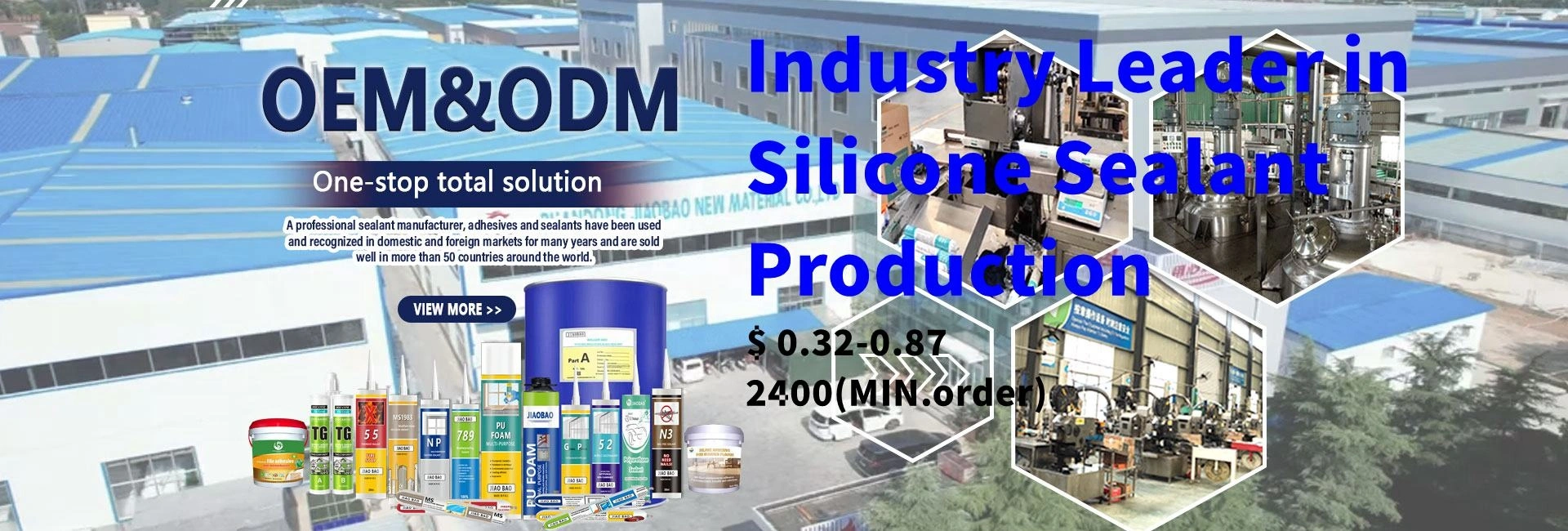
A clear comparison of the different bonding methods is helpful for making choices about what to buy. Different options have different pros and cons that make them better or worse for different uses.
Mechanical fasteners give you full power right away and let you take things apart if you need to. But they make stress points, need access to both sides of materials, leave connection points that can be seen, and need holes to be lined up perfectly. During the assembly process, dust and noise are made, and the base could be damaged, especially if it is made of a fragile material like ceramic tile or tempered glass.
Adhesive bonding spreads loads out evenly, only needs access to one surface, keeps the look of continuity, and can be used on materials that are too thin or fragile to cut. The trade-off is that it takes time to cure before it reaches full strength, and the fixed connection makes it harder to make changes in the future. In the end, the choice will depend on whether the project needs value flexibility or certainty more.
Two-part epoxy systems have very strong bonds and don't react with chemicals, so they are perfect for harsh industrial settings. They harden because of a chemical reaction between the glue and hardener parts, which lets them cure in deep sections even when moisture isn't available. Nail Free Adhesive Strong Bond, on the other hand, offers excellent flexibility after curing, which prevents failure when bonded materials experience different levels of temperature expansion.
Some modified silane adhesives, like the ones used in good nail-free glue, are very flexible while still sticking well. They fix reliably in normal building sites and don't need to be mixed in a certain way or have their pot life managed. A Shore A hardness of about 50 gives the structure enough give to allow for material movement while still keeping its shape. When purchasing materials for building envelope uses, procurement teams usually choose silane polymers over rigid epoxy bonds because they have a better mix of flexibility and strength.
Acrylic adhesives dry quickly and stick well to a variety of surfaces, but they don't always fill in gaps well enough for real-world building standards. Urethane adhesives are very flexible and don't react badly to weather, but they usually need starters to stick well to smooth surfaces. Modified silane formulations combine the quick initial grab of acrylics with the flexibility of urethanes. They also keep the ease of using a single component and their ability to bond to a wide range of substrates.
Because they can fill in gaps, good nail-free adhesives can be used in building, where surfaces don't always meet perfectly straight. The thickness of the beads can range from not covering much to leaving holes of more than 5 mm without affecting the strength of the bond. This forgiveness factor lowers the number of installations that fail and lets crews keep working even when they're working with materials that aren't exactly matched but are within acceptable error ranges.
Glue bonding works best when the surface is properly prepared and the glue is applied correctly. The steps below are based on best practices in the business that have been honed over a lot of work experience.
Surfaces that are clean and dry are the best for sticking things to them. If dust, oil, mold release agents, or old coats get on the glue or substrate, they can't make good molecular contact with each other. Specifications for buying things should stress the right way to clean different types of materials. For example, liquid washing is best for metal surfaces, abrasive cleaning is best for painted or coated materials, and thorough drying is best for porous materials like concrete or wood.
Surface porosity changes how well adhesives stick and how well things fit together mechanically. Dense materials, like polished tile or powder-coated metal, don't stick together very well mechanically, so chemical binding is the main way they stick together. Materials with pores, like concrete that hasn't been sealed or raw wood, let adhesives stick to them and form chemical and mechanical links. When construction teams know about these differences, they can change how they apply materials to get the best results with a wide range of combinations.
Cut the cartridge tip of Nail Free Adhesive Strong Bond at a 45-degree angle to get the bead width you want, which for structural uses is usually between 5 and 10 mm. Put on continuous beads in designs that fit the size of the part and the way the load is supposed to be distributed. For smaller items, you might only need to bead the edges, but grid designs on bigger panels make sure that the support is the same all the way across the surface.
Within the adhesive's open time, which is usually 10 to 15 minutes but can vary based on temperature and humidity, press the parts tightly into place. The pressure pushes the glue into rough spots on the surface and fills in any gaps that could weaken the bond. For most uses, moving back and forth quickly during placement helps the glue spread and the surface get wet. Heavy parts may need temporary supports until the skin on the top gets strong enough to grab, which usually happens in 20 to 30 minutes.
Under normal conditions, the full cure moves along at a rate of 2.5 mm per 24 hours. In other words, a 5mm bead cures completely in about 48 hours, while a 10mm gap-filling treatment needs four days to reach full strength. These dates need to be included in project plans, especially when other activities depend on the integrity of the bond.
Temperature has a big effect on both the open time and the cure speed. Applications below 5°C take a lot longer to cure and might not cross-link properly. On the other hand, temperatures above 35°C speed up skin formation and shorten the working time. The best temperature range for construction is between 5 and 35°C. This range works for most standard building situations, but schedules need to be changed during times of extreme weather. To keep things from breaking down in the field because of bad application conditions, procurement managers should make sure that installation teams get technical data sheets with these factors written on them.
Contractors who build curtain walls use glues that don't need nails to connect trim around the edges, hold back panels in place, and attach artistic pieces without going through weather barriers. Due to their weather protection and flexibility, the adhesives are especially useful for these outdoor uses where mechanical closures could allow water to get in.
When making doors and windows, companies use these glue to stick glazing beads on, keep corner supports in place, and join composite parts together. The increases in production efficiency are big, as assembly lines keep going at the same speed without stopping for cutting, fixing, or checking the quality of mechanical connections. The clean look that more and more people are looking for in high-quality window goods is supported by the fact that there are no obvious fasteners.
Decisions about B2B purchases include more than just the specs of the product. They also include how reliable the seller is, how well they can handle shipping, and the total cost of ownership.
When it comes to price, customization options, and expert help, direct manufacturer ties are usually the best bet. Shandong Jiaobao New Material Co., Ltd. is one example of a company that has been making glue and adhesive solutions for over 13 years. Their ISO and CE licenses show that they are committed to high standards that are in line with rules for buying things around the world.
Distributor networks make it easy to place smaller orders and offer ease, but they usually can't match the prices of manufacturers for large orders or let you change the way the formula is made. Purchasing teams that are in charge of various project sites in different parts of the world may find that working with distributors makes planning easier, but teams that are in charge of large-scale production operations usually get more value from working directly with manufacturers.
Buying adhesive sticks to expected volume-discount curves. Buying a single refill is useful for upkeep and small projects, but it costs a lot. The first level of discounts usually kicks in when you buy 20 to 30 refills in a case, which makes them good for mid-sized contractors. When you buy in pallet numbers, you're getting close to the point where buying directly from the manufacturer is cheaper, especially for formulations that need to be customized in color or have certain performance qualities.
Long-term supply deals keep prices stable and make sure there is enough product. Construction companies that are working on multiple projects at the same time can get better prices and more freedom by making basic volume promises that allow for changes to delivery schedules. Manufacturers like supply deals because they let them see what the demand is. During times of high market demand, they often react with more technical help and priority placement.
Standard colors like white, black, and gray work well for most structure uses where you want to hide the glue. For installations that will be seen in business spaces or high-end homes, custom color matching is often needed to make sure they blend in with the finishes around them. When a manufacturer offers RAL color chart matching, it gives buying teams the precise specifications they need to meet the needs of architects and designers.
When it comes to big projects where adhesive exposure has an aesthetic effect, color uniformity across production batches is very important. Specifications for buying things should make it clear what the color range limits are from batch to batch, and companies should have to show samples from real production runs instead of just theoretical color standards. Companies like Jiaobao have quality control systems that are meant to make sure that colors are always the same. They do this because they know that noticeable differences can lead to expensive repairs and hurt relationships with customers.
Along with standard performance and cost measures, modern procurement strategies put more and more emphasis on worker safety and sustainability.
When using Nail Free Adhesive Strong Bond, modified silane sealants don't pose many health risks, but you should still take some basic safety measures. Trace volatiles that are released during healing don't build up if there is enough air. Even though skin contact isn't very dangerous, it can irritate sensitive people. Disposable gloves are a simple way to protect your hands while doing application work. Eye protection keeps you from accidentally touching uncured material, which can cause brief pain that needs to be irrigated.
The storage temperature affects how stable a product is and how long it will last. The normal shelf life for quality nail-free adhesives is 12 months, assuming they are kept between 5°C and 25°C in their original, sealed package. Extreme temperatures speed up the breakdown of polymers or cause them to separate, which lowers their performance. To keep products from going bad before their expiration dates, procurement teams should make sure that the conditions in warehouses are up to maker standards and use first-in, first-out inventory movement.
Changing the chemistry of silane polymers gets rid of the solvents that used to make building glue give off a lot of volatile organic compounds (VOCs). Because of this basic change in how they are made, these goods can meet the stricter air quality rules in California, EU member states, and other places that have green building standards.
Because they don't contain isocyanates, solvents, or silicones, these adhesives can be used indoors in buildings that are already filled without the need for a lot of air or moving people. When working in places like schools, hospitals, and businesses that are still open during renovations, this feature comes in very handy. Specifications for buying things that aim for LEED approval or similar green building programs should clearly state that they must be zero-VOC formulas with test results to back them up.
Having ISO 9001 certification means that a company has a written quality management system and regular production rules. This basic approval should be required for all business-to-business purchases used in industry and commercial settings. The CE mark shows that a building product has been approved by the European Union. This is important for companies that sell to international markets or to foreign clients who have global specification standards.
Tensile strength proof (ISO 37), weathering resistance data (accelerated age tests), and substrate suitability matrices should all be included in the testing paperwork for each product. Manufacturers who are responsible give this specialized information away without being asked again and again. The paperwork helps with both writing the original specifications and fixing problems in the future if there are problems with performance in the field. Procurement managers should keep full technical file libraries for all approved glue products so that they can easily check that the products meet specifications and help with guarantee claims if they are needed.
The technology behind nail-free glue is an advanced type of glue that effectively solves real-world operational problems in production, building, and industry maintenance settings. Because they are strong, easy to use, and last a long time, Nail Free Adhesive Strong Bond options are very useful for procurement teams that want to improve both the speed of the project right now and its performance over its entire life. The chemistry of modified silane polymers gives them the freedom to work with moving building materials while still keeping bonds that are often stronger than the base.
To be successful at procurement, you need to pay attention to more than just the product specs that a seller has to offer. Things like manufacturing experience, quality certifications, the ability to customize, and the dependability of logistics all add to the total value. The thorough review method shown here helps procurement workers make smart choices that improve both the efficiency of operations and the quality of projects.
A: The shear strength of good nail-free glue is 2.5 N/mm² across the bound area, which is often higher than the tear strength of the materials themselves. Because mechanical fasteners focus stress at specific places, it is hard to make direct comparisons. When loads are spread out across surfaces, adhesives usually work better than fasteners. On the other hand, fasteners may be stronger when pull-through forces are packed perpendicular to thin materials.
A: Most building materials, like metal, glass, wood, concrete, pottery, and many types of plastic, stick well to these glue. Plastics with low surface energy, like polyethylene and polypropylene, need special binders to stick well. Specifications for purchases should list all base materials that need to be bonded so that compatibility can be checked before big purchases are made.
A: A surface dry time of about 20 minutes gives the first setting power. Because the cure rate is 2.5 mm per 24 hours, thin beadlines reach full strength in 24 to 48 hours. On the other hand, gap-filling tasks that need thicker glue layers need longer cure times. To make sure that ties cure completely, project plans should allow 72 hours before putting them under their full design loads.
Since 2013, Shandong Jiaobao New Material Co., Ltd. has been making professional-grade sealants and adhesives for construction companies, industrial makers, and building material wholesalers in North America and around the world. Our modified silane polymer nail-free glue work consistently, which is what procurement workers need. They are backed by full ISO and CE certifications that meet international quality standards. We support efficient inventory management for businesses of all sizes, with production lead times as short as one to two weeks and shipping choices that can handle both full containers and less than container loads.
Our technical team can change the formulation and even match RAL colors to meet the needs of a particular project. We also offer OEM services to help sellers build their own product lines through private label programs. Before being shipped, each batch goes through strict quality checks, and we stand behind our goods by offering replacement warranties for any quality problems that happen within the first 12 months. Get in touch with our purchasing experts at dorashen@cnjiaobao.com to talk about your Nail Free Adhesive Strong Bond supply needs and find out how Jiaobao's production knowledge, low prices, and quick service can help your business succeed. You can look at all of our products and scientific information at shandongjiaobao.com.
1. Petrie, Edward M. Handbook of Adhesives and Sealants. McGraw-Hill Professional, 2020.
2. Cognard, Philippe. Adhesives and Sealants: General Knowledge, Application Techniques, New Curing Techniques. Technical Publication, 2018.
3. Packham, D.E. Handbook of Adhesion Technology. Springer International Publishing, 2017.
4. Ebnesajjad, Sina and Landrock, Arthur H. Adhesives Technology Handbook. William Andrew Publishing, 2019.
5. Dillard, David A. Advances in Structural Adhesive Bonding. Woodhead Publishing Series in Civil and Structural Engineering, 2021.
6. Habenicht, Gerd. Applied Adhesive Bonding in Science and Technology. Wiley-VCH Professional Reference, 2019.
November 16,2023
Enterprise Name
The sealant has very strong adhesion and performs well even on glass and aluminum. After curing, it remains flexible and shows no cracking. Perfect for our facade projects.
November 16,2023
Enterprise Name
Stable quality across batches. Our customers especially like the smooth application and consistent extrusion. It helps reduce installation time on site.
November 16,2023
Enterprise Name
I used it for bathroom sealing. Excellent waterproof performance and no mold issues so far. It's been holding up very well in humid conditions.
November 16,2023
Enterprise Name
The neutral silicone works well on sensitive materials without corrosion. Very suitable for industrial applications requiring stable performance.
_1779347426672.webp)