November 16,2023
Enterprise Name
The sealant has very strong adhesion and performs well even on glass and aluminum. After curing, it remains flexible and shows no cracking. Perfect for our facade projects.
Jul 25, 2026
When protecting your building from fire hazards, selecting the optimal firestop sealant for expansion joints becomes critical. Fire Rated Silicone Sealant for Joints represents the gold standard for this application, engineered to maintain both flexibility and fire integrity under extreme temperatures exceeding 1000°C. Unlike standard sealants that crack or fail when exposed to heat, fire-rated formulations create a durable barrier that prevents flame, smoke, and toxic gas penetration for hours. This capability proves essential for commercial complexes, high-rise curtain walls, and industrial facilities where compartmentation saves lives and protects assets during emergencies.
Choosing the right firestop caulk for expansion joints is very important if you want to keep your building safe from fire risks. As far as this application goes, Fire Rated Silicone Sealant for Joints is the best. It is made to stay flexible and fire-resistant at temperatures well above 1000°C. Fire-rated seals don't crack or fail when they come in contact with heat. Instead, they form a strong barrier that keeps flames, smoke, and harmful gases out for hours. This feature is very important for business complexes, high-rise curtain walls, and industrial facilities that need to separate areas in case of an emergency.
Unlike regular silicone sealants, fire-rated ones have special ingredients in them that let the material work in temperatures ranging from -50°C to +150°C while still staying strong in a fire. The backbone of silicone polymer is naturally resistant to thermal breakdown, while organic options burn and shrink.
These sealants harden when they come in contact with moisture. They create elastomeric seals that let the joint move between ±25% and ±50%. This adaptability solves one of the main problems with passive fire protection: expansion joints move on their own because of changes in temperature, earthquakes, and building movement. When these stresses are put on rigid firestop materials, they crack, making ways for the fire to spread. Good fire-rated silicone keeps its cover even when it's being moved around all the time.
Managers in charge of buying things should make sure that any fire-rated sealant has third-party certifications. ASTM E1966 tests firestop joint systems in a real-life fire situation, checking for both integrity (making sure flames can't get through) and insulation (keeping the side that isn't in the fire from getting too hot). Products that meet UL 2079 standards show that they meet fire safety standards in North America, while products that meet EN 13501-2 standards show that they are suitable for projects in Europe.
Jiaobao's Fire Rated Silicone Sealant for Joints has to go through a lot of tests to make sure it meets international standards. With a density of 1.40 g/m³ and a non-volatile content of 99.5%, the one-part acidic formulation works like a pro. Under normal conditions (25℃, 50% relative humidity), the material dries at a rate of 3 mm per 24 hours. This creates a strong seal with a Class 1 W Rating that is very resistant to water. Within 45 to 60 minutes, the surface dries, which lets the job go more quickly without sacrificing safety.
Good fire-rated sealants have many benefits for efficiency. Because they don't break down when exposed to UV light, they can be used for outdoor curtain walls where acrylic options would be damaged by the weather. Silicone is hydrophobic, which means it doesn't let water in. This stops mould growth and structural water damage. Chemical stability makes sure that it works with a wide range of surfaces, such as glass, aluminium, galvanised steel, and concrete, which are often found where expansion joints meet.
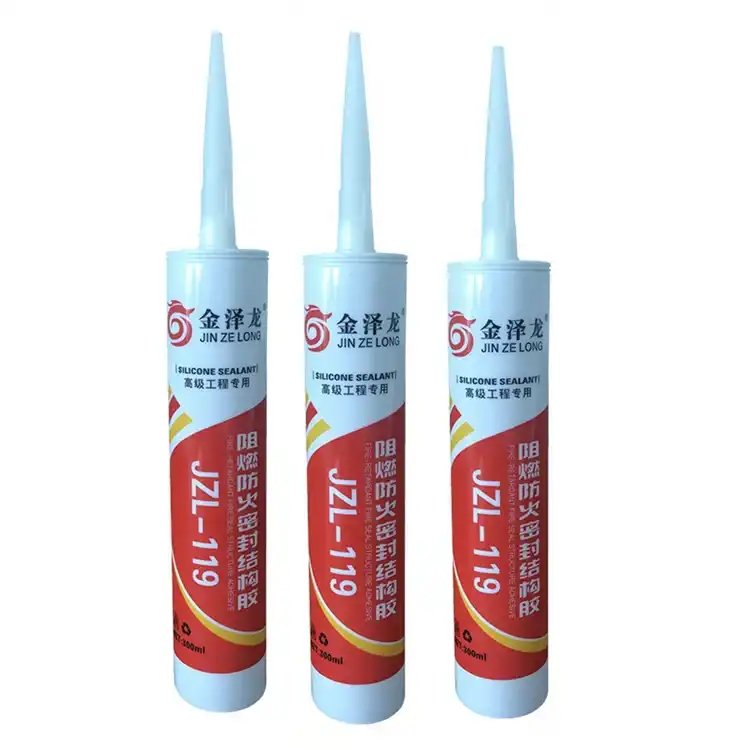
Silicone-based firestop sealants work great in situations that are always changing. Their low modulus of elasticity lets joints move a lot without the glue or cement breaking down or splitting. In high-rise building, where heat expansion causes big changes in size, this trait becomes very important. After being compressed or stretched, the material keeps its elasticity and returns to its original shape by more than 80%.
When it comes to durability, silicone formulas are better than other chemicals. The seal will work for as long as the building is used, which could be 25 to 50 years, because it is resistant to ozone, wetness, and high temperatures. This durability lowers lifetime costs even though the original cost of materials is higher, which is something that procurement professionals are paying more attention to.
Intumescent sealants have chemicals in them that expand when they get hot, filling in gaps as a fire grows. This process of growth is very good at protecting joints that don't move much. But the expanded char can crack if the joint moves after it has been activated, and these materials usually can't handle as much movement as silicone does when they are being built.
These goods work well for indoor uses where the environment is safe, like when electricity needs to get through fire-rated walls. Intumescent acrylics are good for projects that need to stay within a budget because they are cheaper, but buying teams should make sure that the application really is low-movement before selecting this chemistry.
Paintable acrylic seals are popular with builders who want to be able to change the way things look because, unlike silicone, they can accept topcoats. Their water-based formulas give off fewer volatile organic compounds when they are applied, which helps green building efforts. Still, acrylics don't have the weather resistance and flexibility needed for joints that are outside or that move a lot.
Acrylic fire-rated seals break down when they come in contact with water and can't handle the repeated freezing and thawing that happens in many locations. Because they are stiff, they can only accommodate movement within a range of about 10%, so they can't be used for real expansion joints. It is a big mistake to use acrylics for external curtain wall uses or joints that move more than the minimum amount. This lowers the fire safety.
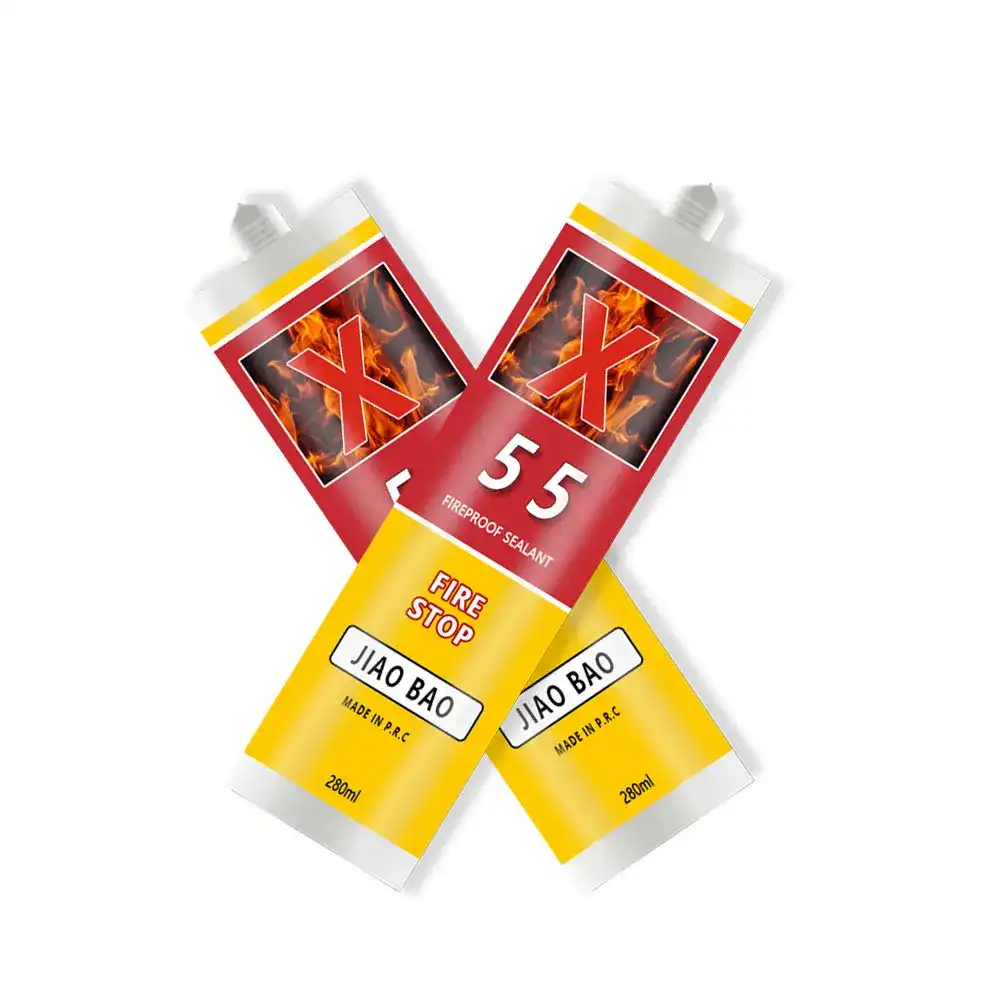
According to building codes, fire resistance ratings must be met based on the type of occupancy, the height of the building, and the type of construction. In fire-rated structures, expansion joints sealed with Fire Rated Silicone Sealant for Joints must keep the same rating as the rest of the building. For a four-hour fire wall to work, the firestop system using Fire Rated Silicone Sealant for Joints must have been tested and approved according to EI 240 standards.
Joint width and depth have a big effect on how well it works. Systems that are fire-rated are certified for certain size ranges, usually needing a 2:1 width-to-depth ratio. For joints wider than 100 mm, you may need more than one bead or a different way to apply them. The backing material is also very important. Mineral wool with a density of at least 100 kg/m³ provides the required insulation, but regular plastic backer rod breaks when exposed to fire.
Different building materials grow at different rates, which can make it hard to work with them. When the temperature changes, aluminium curtain wall frames move a lot more than concrete floor slabs. The sealer has to stick firmly to both surfaces while also allowing for slight movement.
Surface preparation has a big effect on binding. Anodised aluminium, galvanised steel, and dusty concrete are all hard to bond to, and a primer may be needed. Jiaobao's technical team gives advice based on the substrate to make sure the best adhesion across a wide range of material combinations. Our mixture sticks well to glass, metal, and brick without primers in most situations. This makes installation easier and cuts down on labour costs.
For big building projects, it's important to have reliable supply lines. Jiaobao keeps up a production level that allows for delivery times of one to two weeks, making sure that the supply of materials matches up with building plans. Our operations are flexible enough to handle both sea and land freight, balancing cost and speed based on how quickly the job needs to be done.
Transparency in certification tells you the difference between trustworthy manufacturers and suppliers. Make sure that the test reports list the exact product formulation, substrate combination, and joint configuration that were used for the testing. Certifications that are too general or not clear may not work for your application. Jiaobao offers thorough technical information, such as ISO certification and compliance with relevant ASTM and GB standards, which helps customers make confident specifications.
Aesthetic blending is needed for high-end business projects. Color-matched paints that blend in with building finishes are great for use on curtain walls. Jiaobao is an expert at making unique colours that match RAL colour standards and stay consistent from batch to batch throughout the job.
Our ability to customise goes beyond how things look. Both OEM and ODM production can be customised to meet the needs of different regions' regulations and packing tastes. The product comes in 300ml and 600ml sizes and can be packaged in sausage or cartridge style. It can be used with a variety of application tools and installer preferences, which makes it more productive.
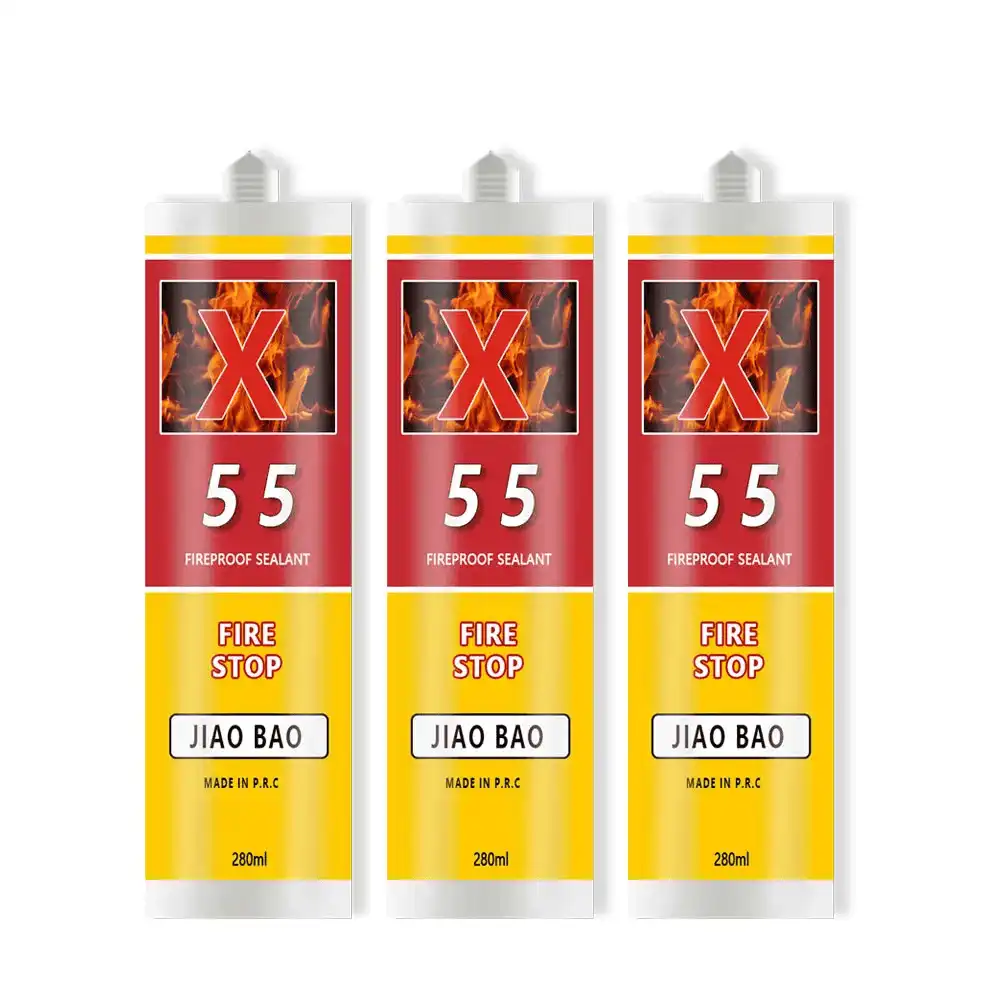
Long-term success depends on how well you prepare. The inside of the joints must be dry, clean, and free of any dust, oils, or release agents. Using wire brushes or abrasive pads for mechanical cleaning gets rid of surface dirt better than wiping with solvent alone. When abrading a porous surface like concrete, you may need to use compressed air to get rid of the dust.
Joint dimensions should be verified before sealant application. When the width-to-depth ratio is off, both the fire rating and the ability to move are reduced. Putting down the right backing material at the right level sets the stage for the best sealing performance. The backing shouldn't stick to the sealant; this lets the material move with the joint without getting stuck.
Professional installation starts with choosing the right tools. For big projects, pneumatic guns give constant extrusion, while manual guns work well for smaller jobs. Cutting the cartridge tip at a 45-degree angle and making the hole the right size for the joint width makes it easier to place the beads correctly.
Apply the sealant in long beads that don't stop, so air doesn't get trapped and weak spots form. Tool the bead right away after putting it on, pressing the material firmly against both joint faces to get the best contact and get rid of any gaps. With the right tools, you can make a profile that is slightly curved, which can handle movement better than a profile that is convex.
In normal settings, curing happens from the outside in at a rate of about 3 mm per 24 hours. It may take a few days for deep joints to fully heal, so be patient. Moving the sealer during this time can weaken its bonding or cause internal tears, so don't touch it.
When sealant is applied when it is cold or wet, it takes longer to dry and sticks less well. If it's below 5°C or the humidity is above 80%, you need to control the temperature or wait to apply the product. When sealer sticks to the backing material on three sides, it stops the material from moving properly and leads to early failure. When you use closed-cell foam backer rod, you make a surface that breaks bonds and only allows two sides to stick together.
Another common mistake is not having enough joint depth. Joints that are too shallow can't hold the amount of sealant that is needed for proper movement, which causes the sealant to split when it is stressed. These problems can be avoided by following the manufacturer's instructions for joint shape.
Material science keeps making progress in firestop technology. Hybrid seals that combine the properties of silicone and intumescent materials provide better security. These mixtures, like Fire Rated Silicone Sealant for Joints, keep silicone's flexibility and weather resistance while adding reactive agents that grow when exposed to fire, giving two types of security with Fire Rated Silicone Sealant for Joints.
Soon, temperature-sensitive indicators built into smart materials could let building managers know about a building's history of fire exposure, which would help them decide which inspections to do first after an accident. Nanotechnology additives make things more stable at high temperatures and stop smoke from spreading, going above and beyond current performance standards.
Building codes stress compartmentation integrity more and more over the lifecycles of structures. Like active suppression equipment, inactive fire prevention systems will likely need to be inspected and maintained on a regular basis. This change opens up chances for companies that make products that last longer and work better over time.
Stricter testing methods that look at combined dangers, like being exposed to both fire and earthquake movement at the same time, will push makers to make stronger formulations. Products that meet these higher standards will be put in a luxury category.
Being responsible for the environment affects how products are made. Low-VOC formulations help green building standards like LEED and lower the health effects of installation. Jiaobao puts an emphasis on environmentally friendly manufacturing, coming up with formulas that protect against fire without using halogenated compounds, which give off harmful byproducts when they burn.
The concepts of the circular economy affect how we package things and throw them away. Cartridge materials that can be recycled and programs that collect leftover products help keep trash out of landfills. As sustainability becomes a part of how buying teams evaluate suppliers, companies that show they care about the environment and do good professional work will have an edge over others.
To choose the best firestop sealant for expansion joints, you need to weigh the cost, fire protection, ability to move, and durability. Fire Rated Silicone Sealant for Joints is the best choice for dynamic uses because it is flexible, doesn't crack in bad weather, and lasts a long time. Knowing the differences between silicone, intumescent, and acrylic formulations helps people who work in procurement choose the right materials for each job. Fire safety systems work as they should when seconds count because suppliers are carefully checked, certifications are followed, and the right methods are used to put them. As rules and technology change, procurement teams can provide better and more environmentally friendly building options by staying up to date on new developments.
Fire Rated Silicone Sealant for Jointss doesn't naturally stick to paint, and coatings that are put on top of silicone crack when the joint moves. This problem can be solved by specifying the right colour when you buy something. Jiaobao can make custom colour formulations that meet RAL standards. This lets you match the look of your product without sacrificing performance. There are hybrid sealants that can be painted, but they might not be as flexible or resistant to weather as silicone, which makes it perfect for expansion joints.
Standard seals aren't stable enough at high temperatures to be used in a fire. When exposed to extreme heat, they melt, shrink, or burn, making ways for flames and smoke to spread. Fire-rated recipes have special ingredients that keep the stability above 1000°C, which stops fires from spreading through sealed joints. Certification through standard testing proves this performance, while products that aren't certified don't offer any proven protection, even if they look the same.
Fire-rated systems are approved for certain amounts of joint thickness, usually up to 100 mm. For wider joints, you might need different backing shapes or more than one glue bead. The ratio of width to depth has a big impact on performance. Keeping the ratio around 2:1 makes sure that there is enough sealing volume to allow for movement. Standard backer rod should not be used; mineral wool backing should be used instead. Only high-density mineral fibre has the thermal qualities that were proven in fire tests.
As a top seller of Fire Rated Silicone Sealant for Joints, Shandong Jiaobao New Material Co., Ltd. has more than 13 years of experience making specialised goods. Our production center is ISO and CE approved and has strict quality control measures in place to make sure that every batch performs the same way. If you need standard formulations in white, black, or grey, or if you need unique colour matching for high-end building projects, our technical team can help.
They can give you application-specific advice and full testing documentation to back it up. Our low prices, OEM/ODM flexibility, and on-time delivery times of 1-2 weeks ensure that your project schedules are met without any problems. You can talk to our procurement specialists about your firestop needs and get technical specifications that are specific to your application by emailing dorashen@cnjiaobao.com. We're committed to more than just shipping; quality promises during the shelf life of each cartridge give you peace of mind.
1. American Society for Testing and Materials. (2019). Standard Test Method for Fire Test of Building Joint Systems. ASTM E1966-19. West Conshohocken, PA: ASTM International.
2. European Committee for Standardization. (2018). Fire Classification of Construction Products and Building Elements – Part 2: Classification Using Data from Fire Resistance Tests. EN 13501-2:2016. Brussels: CEN.
3. Underwriters Laboratories. (2020). Standard for Tests of Fire Resistance of Building Joint Systems. UL 2079. Northbrook, IL: UL LLC.
4. National Fire Protection Association. (2021). Building Construction and Safety Code. NFPA 5000. Quincy, MA: NFPA.
5. International Organization for Standardization. (2015). Building Construction – Sealants – Part 1: Classification and Requirements. ISO 11600-1:2015. Geneva: ISO.
6. Building Sealing Council. (2017). Guide to the Use of Joint Sealants in Fire-Rated Construction Assemblies. Technical Report 47. Washington, DC: Building Sealing Council.
November 16,2023
Enterprise Name
The sealant has very strong adhesion and performs well even on glass and aluminum. After curing, it remains flexible and shows no cracking. Perfect for our facade projects.
November 16,2023
Enterprise Name
Stable quality across batches. Our customers especially like the smooth application and consistent extrusion. It helps reduce installation time on site.
November 16,2023
Enterprise Name
I used it for bathroom sealing. Excellent waterproof performance and no mold issues so far. It's been holding up very well in humid conditions.
November 16,2023
Enterprise Name
The neutral silicone works well on sensitive materials without corrosion. Very suitable for industrial applications requiring stable performance.
_1779347426672.webp)