November 16,2023
Enterprise Name
The sealant has very strong adhesion and performs well even on glass and aluminum. After curing, it remains flexible and shows no cracking. Perfect for our facade projects.
Aug 7, 2026
When selecting adhesives and sealants for electronics manufacturing, durability and material compatibility often determine whether a production line meets quality standards or faces costly failures. The NP Silicone Sealant Non-Corrosive Type delivers long-term performance by combining neutral curing chemistry with exceptional environmental resistance, making it the preferred choice for protecting sensitive electronic components and structural assemblies.
Unlike traditional acidic formulations that release corrosive byproducts, this neutral-cure variant ensures safe bonding to metals, PCB boards, and coated surfaces without degradation risk. Over a 12-month shelf life and operational temperature range from -50℃ to +150℃, this sealant maintains consistent adhesion and elasticity, reducing maintenance cycles and extending product lifespan across demanding industrial applications.
Neutral polymer silicone sealants are a new and exciting development in sealing technology. They are designed to protect the substrate from damage while they cure and during their service life. The main difference is in the chemical reaction: acidic sealants give off acetic acid, which can eat away at metals and cause plastics to crack under stress. Neutral-cure systems, on the other hand, give off alcohols, which are chemically harmless leftovers that don't harm sensitive materials.
This one-part moisture-cure recipe works with humidity in the air to cross-link silicone polymers into an elastomeric seal that lasts. Because it doesn't have any corrosive catalysts, it can be used with copper, aluminum, brass, and other reactive metals that are popular in LED lighting systems and electrical parts. During the hardening process, the sealant changes from a 30 Shore A paste to a fully elastic solid in 7–14 days, based on the depth of the joint and the conditions outside.
According to ASTM C 679 tests, the formulation doesn't flow or sag and stays in place in vertical and ceiling joints without sagging. According to GB 13477 standards, it has a VOC content below 80 g/L, which means it meets environmental rules that are important for export markets. The surface dries in 30 minutes, which makes it easy to work with quickly. Once it's fully cured, it has a tensile strength of 0.7 MPa and a 25% movement range. This mix between stiffness and flexibility lets the bond expand with temperature changes without breaking.
Electronics makers put a high value on properties that don't corrode so that siloxane migration doesn't cause contact failures in relays and switches. This neutral-cure sealant has a low molecular siloxane content, which makes it less likely that gold-plated contacts and optical components will become contaminated. Its volume resistivity is higher than what is required by industry standards for electrical insulation. This keeps short circuits from happening when it is used near live circuits or conductive traces.
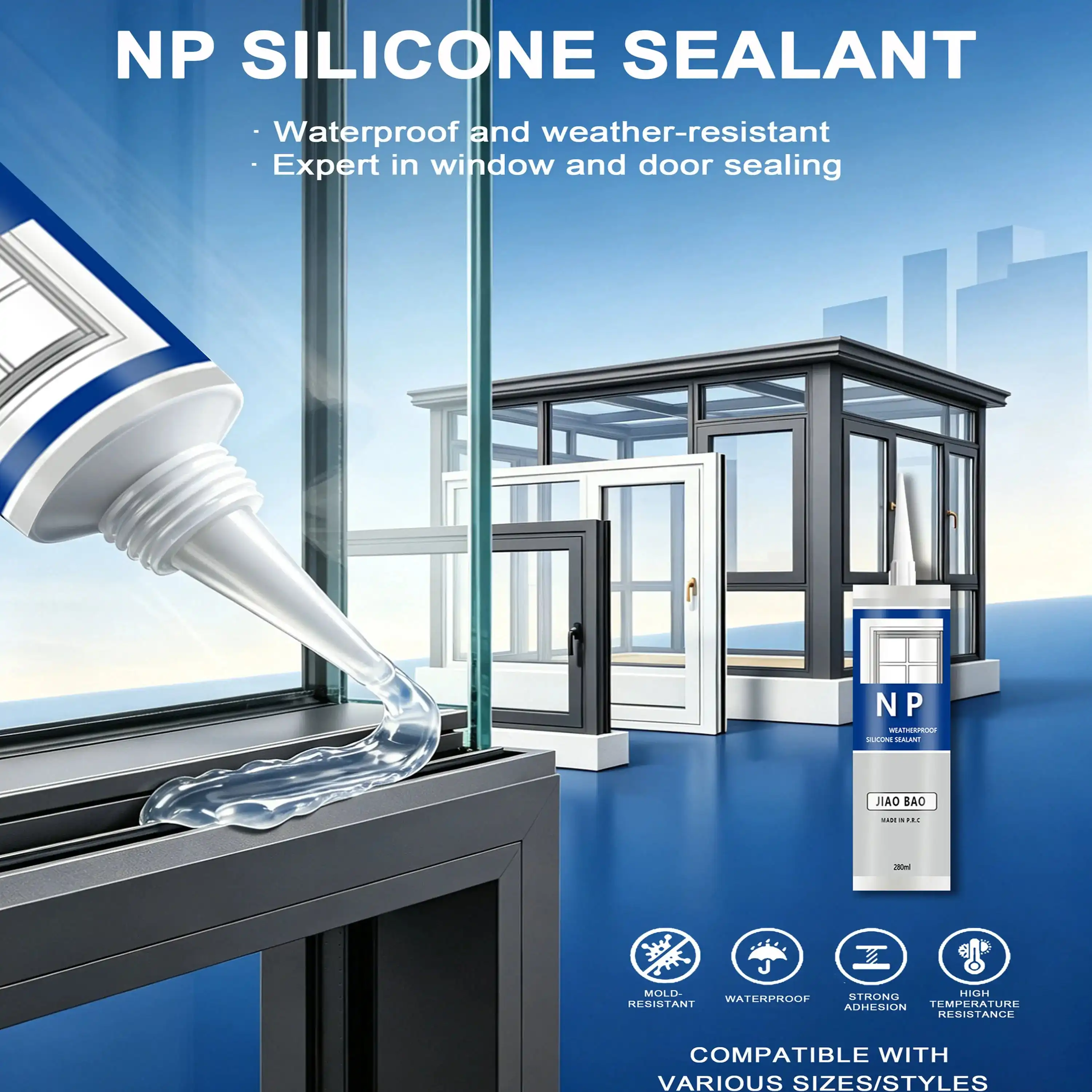
When binding materials last a long time, they last longer, which means lower prices and more reliable products. Neutral silicone sealants work better than other options in a wide range of environmental stresses, providing value over long service periods.
Because they are made of artificial siloxane, silicone polymers are naturally resistant to UV light. This is different from organic polymers, which break down when exposed to UV light. After years of being in the sun, rain, and temperatures ranging from -50°F to +150°F, this glue still sticks and bends. When used near the coast or in factories, where chemical toxins and salt spray make materials break down faster, cured silicone doesn't react with these chemicals and doesn't oxidize or hydrolyze like polyurethane or rubber options would.
Corrosion of metal is a major way that technology and machines break down. Galvanic corrosion can start in aluminum window frames or copper PCB traces when acidic sealants are used, which can weaken the structure and cause electrical problems. NP Silicone Sealant Non-Corrosive Type eliminates this risk entirely by using a neutral-cure formulation, acting as both an adhesive and a barrier against moisture entry that causes oxidation. When put on painted or anodized surfaces, the sealant keeps the coating from flaking off or getting stained.
Neutral silicone coatings may cost more per unit at first than acrylic or butyl options, but they last longer, which lowers the total cost of ownership. If you use silicone joints correctly, they can last for 20 years or more without needing to be replaced. On the other hand, organic seals usually need to be reapplied every 5–7 years. This longer service life cuts down on labor costs, production downtime, and wasteful materials. This is especially helpful in high-volume factory settings where breaks in the assembly line hurt profits.
In addition to being able to seal, neutral silicone has stable dielectric qualities that are necessary to protect devices. The cured material stops current from leaking between adjacent conductors because its volume resistivity is always above 1×10³⁴ Ω·cm. This electrical safety feature is very important when potting electronic modules or sealing junction boxes where water could get in and make conductive paths.
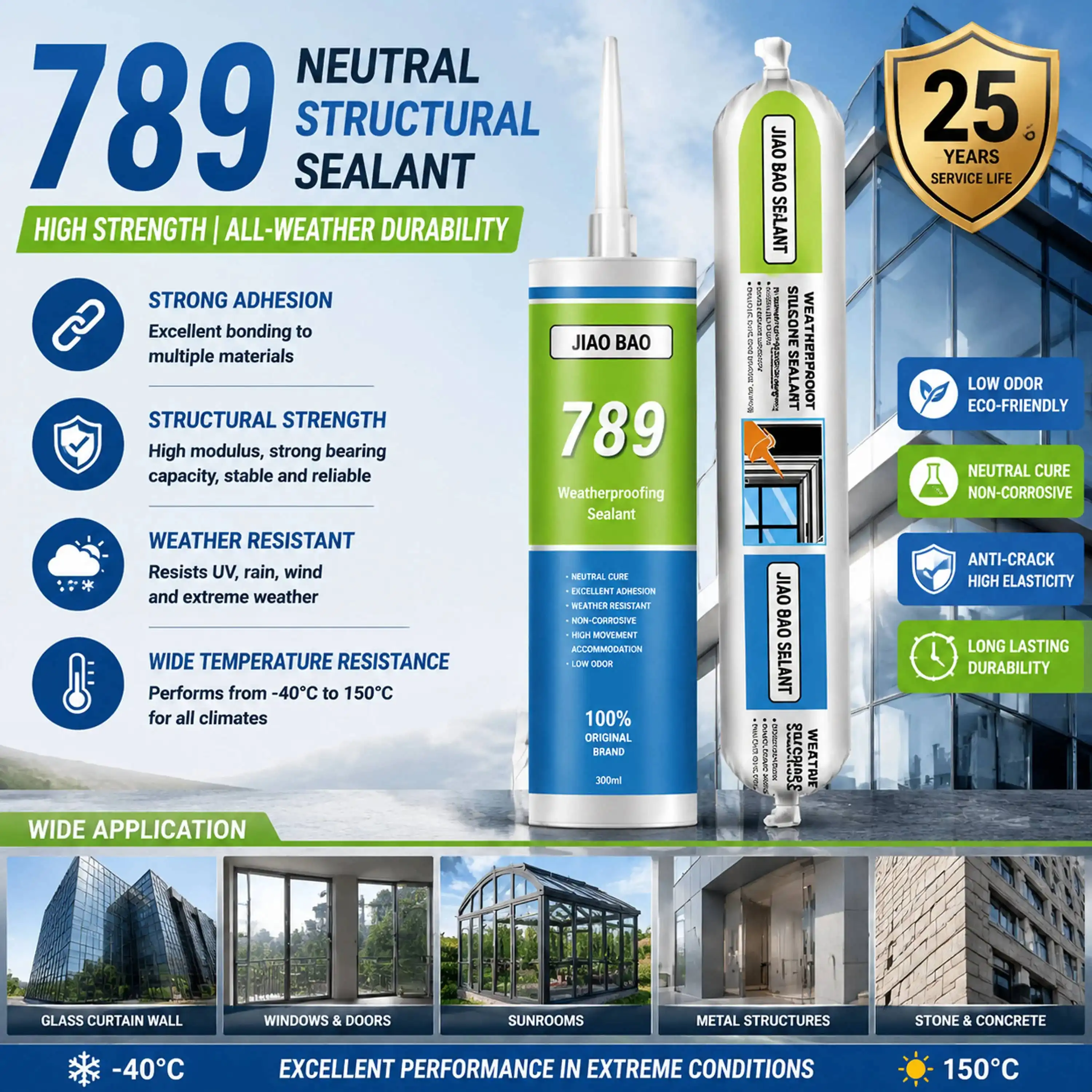
To choose the right material, you need to know how the different technologies affect efficiency. There are many types of sealants that can be used for bonding and sealing, but which ones are best depends on the substrate and the conditions.
Because they fix faster and stick to glass and pottery better at first, acidic silicone sealants are often used for general glazing tasks. But because they create acetic acid, they can't be used on metals, natural stone, or concrete that rust or stain. The neutral-cure option slows down the curing process a bit, but it makes more substrates compatible, like metals, plastics, and painted surfaces. Because they can be used with so many different materials, neutral formulations are essential for building, putting together electronics, and making parts for cars and airplanes.
Polyurethane sealants are very resistant to wear and can be painted, while silicone sealants tend to flake off most topcoats. But polyurethane breaks down in 10–15 years when it is exposed to UV light for a long time. It gets surface cracks and loses its elasticity. Silicone is better at withstanding high temperatures and weathering, which is why it is used for outer walls, housings for industrial equipment, and outdoor electrical structures where the look and seal must last for decades.
Movement capability describes how well a sealant can handle joint expansion without breaking down or becoming less cohesive. NP Silicone Sealant Non-Corrosive Type can move 25% more than hard epoxy and acrylic caulks, which crack when stressed over and over again. There are solid silicones that can withstand 50% movement, but they need to be primed first and cost a lot. The 25% capacity is enough to meet the closing needs of most buildings and equipment, and the price is fair enough for bulk purchases.
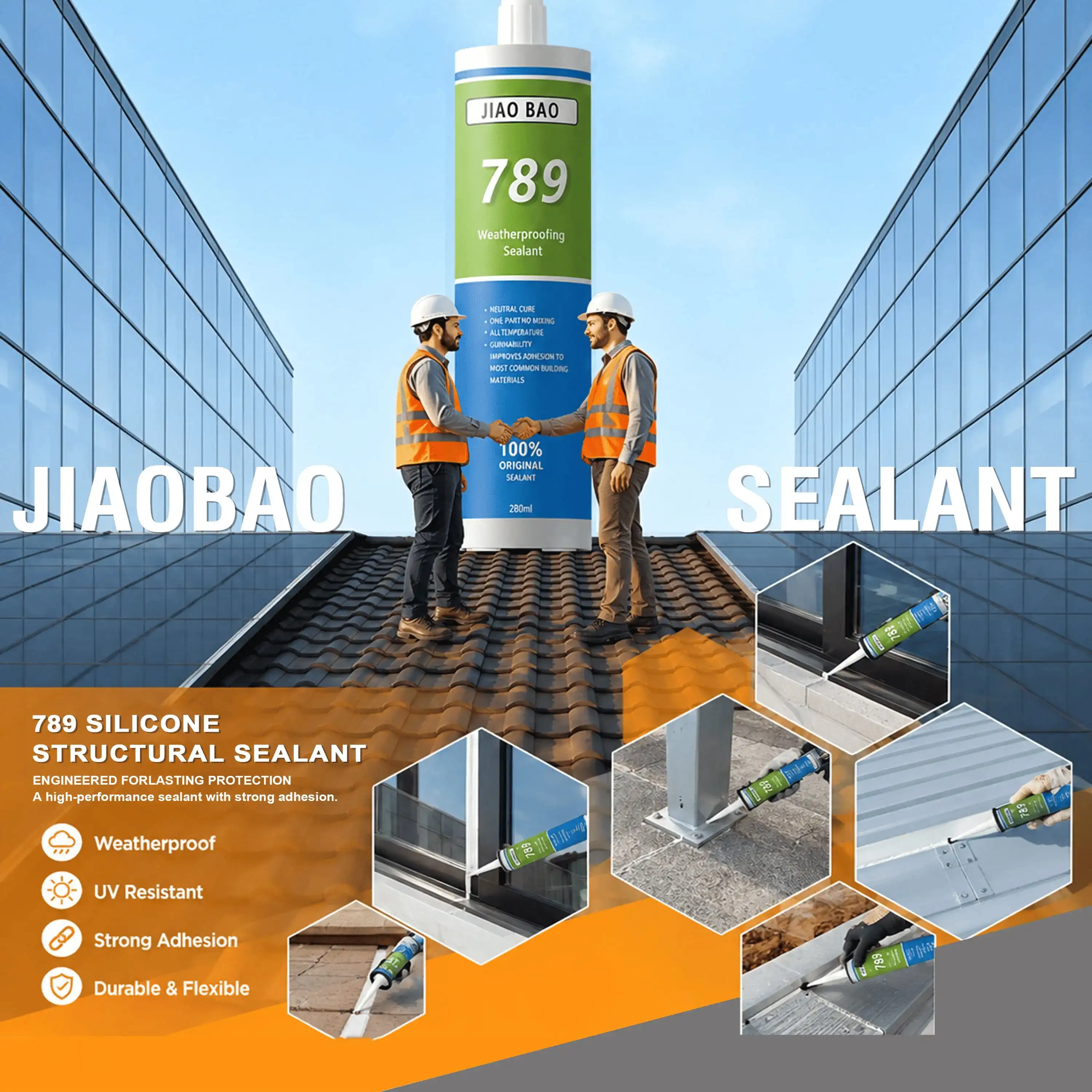
The best performance from a sealer relies on both the quality of the material and the way it is installed. How the surface is prepared and how the adhesive is applied directly affect how well it sticks and how long it lasts.
Substrates that are clean and dry are the building blocks of strong ties. Isopropyl alcohol or acetone can be used to get rid of all toxins, such as dust, oil, wetness, and release agents. Porous materials, like concrete, might need to be primed to keep the sealant from being absorbed too much, which would weaken the joint. Non-porous surfaces like metals and glass usually don't need primers to stick together. However, trying the bonding on painted or powder-coated finishes makes sure they are compatible before the full-scale application.
Put cartridges into regular caulking guns and cut the tips so that they match the desired bead thickness. To keep air from getting trapped, keep the pressure steady while moving the gun slowly along the joints. Within 10 to 15 minutes, use a wet spatula or finger to work the still-uncured sealant to make sure it sticks well to the substrate and has a smooth finish. For the best stress distribution, the joint depth should be half of the width. This will keep the tension from getting too high during movement cycles.
For cross-linking to start, moisture-cure systems need air humidity above 30%. Low humidity slows down the curing process, while high humidity speeds up skinning before the right tools are used. The best temperatures for application are between 5 and 40 degrees Celsius. Colder temperatures make cure times longer, while heat can cause the surface to dry too quickly. For at least 24 hours, keep new joints away from water to stop washout before skin formation happens.
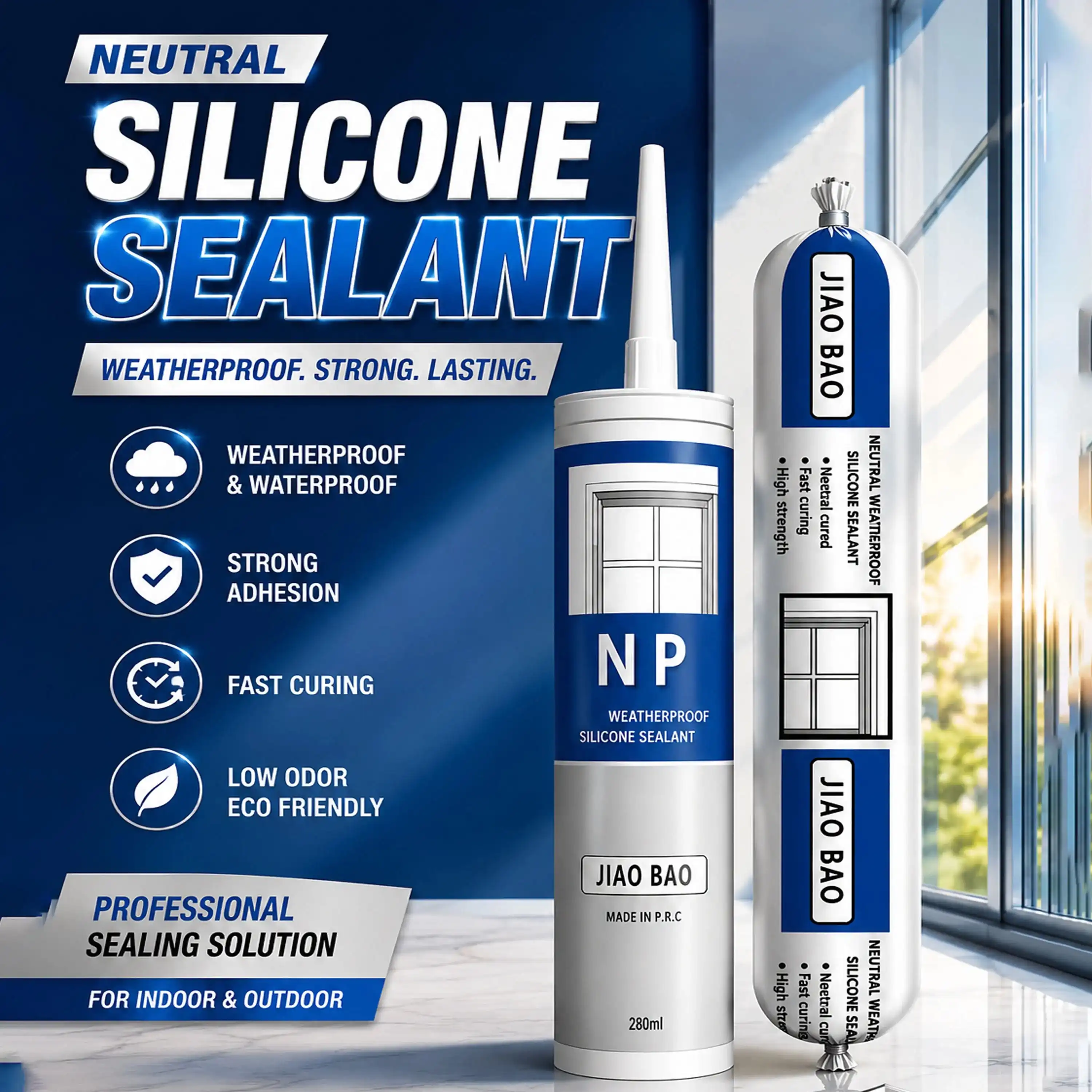
When you strategically source industrial sealants, you make sure that the technical requirements, the supplier's abilities, and the business terms are all balanced. NP Silicone Sealant Non-Corrosive Type exemplifies this balance, as it meets demanding performance standards while remaining cost-effective for bulk procurement. To make sure supply chains are reliable, procurement professionals need to look at more than just unit price.
Work with manufacturers who can show that they have ISO certification and well-documented quality management systems. Ask for detailed data sheets that show the product meets ASTM C920, ISO 11600, or any other regional standards that are important for your purpose. When standard formulations don't exactly meet needs, suppliers who offer customization services, like changing viscosity, flame retardancy, or thermal conductivity, are useful. Shandong Jiaobao New Material Co., Ltd. is a good example of this because they have been making neutral silicone formulations for 13 years and have gotten better at them while still following RoHS and REACH rules.
Standard production times for large orders are between one and two weeks, but special color matching or property changes may cause delays. Make sure that the minimum order amounts are in line with how much you use so that you don't have to pay extra to store too much goods. This neutral-cure sealant comes in 300ml and 600ml sizes and can be shipped in tubes or sausages. It can be used by hand or with pneumatic dispensing systems, which are common in automatic production lines.
Reliable suppliers back up their goods with technical help during the planning, testing, and production stages. Check the guarantee terms to see what happens if a problem with the product is found during the shelf life. Quality problems should be handled in a way that doesn't require complicated claim processes. Having access to application engineers who know how to solve problems in your industry, like PCB potting or LED module sealing, speeds up the process of fixing issues and improves joint design.
Neutral silicone seals last a very long time in harsh industrial settings because they are chemically neutral and have great resistance to the environment. The non-corrosive curing process keeps electronics and toxic metals safe while still being flexible at very high and very low temperatures. When applied correctly to properly prepared surfaces, these sealants last for decades, saving you money on repairs and keeping your products from breaking down too soon.
The choice of material has a direct effect on the total cost of ownership. NP Silicone Sealant Non-Corrosive Type exemplifies this economic rationale, as its slightly higher original investment is economically supported by longer replacement intervals and better substrate compatibility compared to acidic or organic alternatives.
When neutral-cure silicone cures, it doesn't release acetic acid but alcohol instead. This means that metals won't rust and plastics won't crack under stress. Acidic types dry faster, but they still can't be used on flammable surfaces.
Because it doesn't contain much siloxane and doesn't conduct electricity, it is safe to use on PCB assemblies, relay housings, and LED modules where contact contamination and current leakage need to be avoided.
The surface is no longer sticky after 30 minutes, which lets you move and handle it. Full mechanical properties form in 7–14 days, based on how thick the joint is and how humid the air is.
Cured neutral silicone stays strong from -50°C to +150°C and is very resistant to UV light. This means it can be used on exterior walls, equipment enclosures on rooftops, and in marine environments without breaking down.
Most paints don't stick to silicone because it doesn't stick. For jobs that need topcoats, you should use polyurethane that can be painted or paint the surfaces before closing the joints.
Reputable makers offer material test results that prove compliance with ASTM C920, GB 13477, and the RoHS and REACH guidelines for environmental protection, along with ISO 9001 quality certification.
Finding a reliable source for NP Silicone Sealant Non-Corrosive Type that is used in manufacturing will help your production lines keep up with quality standards without having to deal with supply problems. Jiaobao combines its manufacturing know-how with the ability to make formulations that are specific to the needs of electronics, LED lighting, and precise assembly. Our ISO-certified factories offer lead times of one to two weeks, and our OEM/ODM services can change the thermal conductivity, flame ratings, and viscosity parameters to meet your needs.
We make international buying easier by having RoHS and REACH compliance paperwork ready for global markets and giving you the choice of shipping by sea or land. Email our team at dorashen@cnjiaobao.com to talk about your neutral silicone sealant needs and get help from application engineers with a lot of experience.
1. Beers, M.D. (2018). Silicone Sealants: Chemistry, Properties and Applications in Building Construction. Adhesives & Sealants Industry Journal, Vol. 25, Issue 4, pp. 28-35.
2. Chen, W., Liu, Y., & Zhang, H. (2020). Corrosion Resistance Comparison of Neutral and Acidic Cure Silicone Sealants on Metal Substrates. Journal of Materials Protection, Vol. 53, No. 2, pp. 112-119.
3. International Standards Organization. (2015). ISO 11600: Building Construction – Jointing Products – Classification and Requirements for Sealants. Geneva: ISO Publications.
4. Nakamura, T. & Suzuki, K. (2019). Siloxane Migration Effects on Electronic Component Reliability. IEEE Transactions on Components, Packaging and Manufacturing Technology, Vol. 9, No. 7, pp. 1342-1349.
5. Petrie, E.M. (2021). Handbook of Adhesives and Sealants for Electronics Manufacturing, 3rd Edition. New York: McGraw-Hill Professional.
6. Wang, F., Anderson, R., & Thompson, D.C. (2017). Long-Term Durability Assessment of Silicone Sealants in Building Facades. Construction and Building Materials, Vol. 153, pp. 698-707.
November 16,2023
Enterprise Name
The sealant has very strong adhesion and performs well even on glass and aluminum. After curing, it remains flexible and shows no cracking. Perfect for our facade projects.
November 16,2023
Enterprise Name
Stable quality across batches. Our customers especially like the smooth application and consistent extrusion. It helps reduce installation time on site.
November 16,2023
Enterprise Name
I used it for bathroom sealing. Excellent waterproof performance and no mold issues so far. It's been holding up very well in humid conditions.
November 16,2023
Enterprise Name
The neutral silicone works well on sensitive materials without corrosion. Very suitable for industrial applications requiring stable performance.
_1779347426672.webp)