November 16,2023
Enterprise Name
The sealant has very strong adhesion and performs well even on glass and aluminum. After curing, it remains flexible and shows no cracking. Perfect for our facade projects.
Sep 10, 2026
Choosing the right sealing solution for metal applications isn't just about filling gaps—it's about protecting your investment from corrosion, maintaining electrical integrity, and ensuring long-term reliability. The NP Silicone Sealant Non-Corrosive Type delivers exactly that: a neutral-cure formula engineered to bond and seal metal surfaces without triggering the chemical reactions that cause rust, oxidation, or component failure. Unlike acidic silicone variants that release corrosive byproducts during curing, this product safeguards sensitive metals, PCB boards, and electronic contacts, making it the preferred choice for electronics manufacturers, precision equipment assemblers, and industrial applications where material compatibility is non-negotiable.
Environmental exposure, temperature cycling, and chemical touch are all things that can damage metal parts all the time. When traditional acid-cure silicones harden, they give off acetic acid. This acid can damage copper lines on circuit boards, aluminum casings, and metal finishes that are easily damaged. Neutral-cure silicone sealants completely get rid of this risk because they use an alcohol-based fixing system that doesn't give off any corrosive fumes.
Neutral-cure silicone sealants don't use acetic acid to hold their molecules together; instead, they use oxime or alkoxy crosslinking agents. When these mixtures come in contact with water vapor in the air, they give off methanol or ethanol, which evaporate quickly without harming metal surfaces. Because of this chemical difference, neutral-cure products can be used to cover electronic housings, LED systems, and precision instruments, all of which can fail very badly if there is even a small amount of corrosion.
When the temperature changes, metal parts grow and shrink. A good neutral-cure sealant stays flexible in very cold and very hot temperatures, usually from -50℃ to +150℃. This thermal stability keeps the seal from failing during thermal cycling tests, which is very important for electronics in cars, outdoor LED lights, and industrial control panels. The Shore A hardness of 30 of the material strikes the perfect balance between strength and flexibility, allowing joints to bend up to 25% without losing their grip.
When making electronics, you need things that don't give off a lot of heat. Low-molecular-weight siloxanes can move from sealants that aren't made well onto relay contacts, switch terminals, and connector pins, where they can form insulating films that cause failures to happen from time to time. NP Silicone Sealant Non-Corrosive Type is a typical example of a high-quality neutral-cure sealant that effectively controls these volatile components, so that touch contamination doesn't happen. This is proven by strict testing methods that measure VOC content below 80 g/L according to GB 13477 standards.
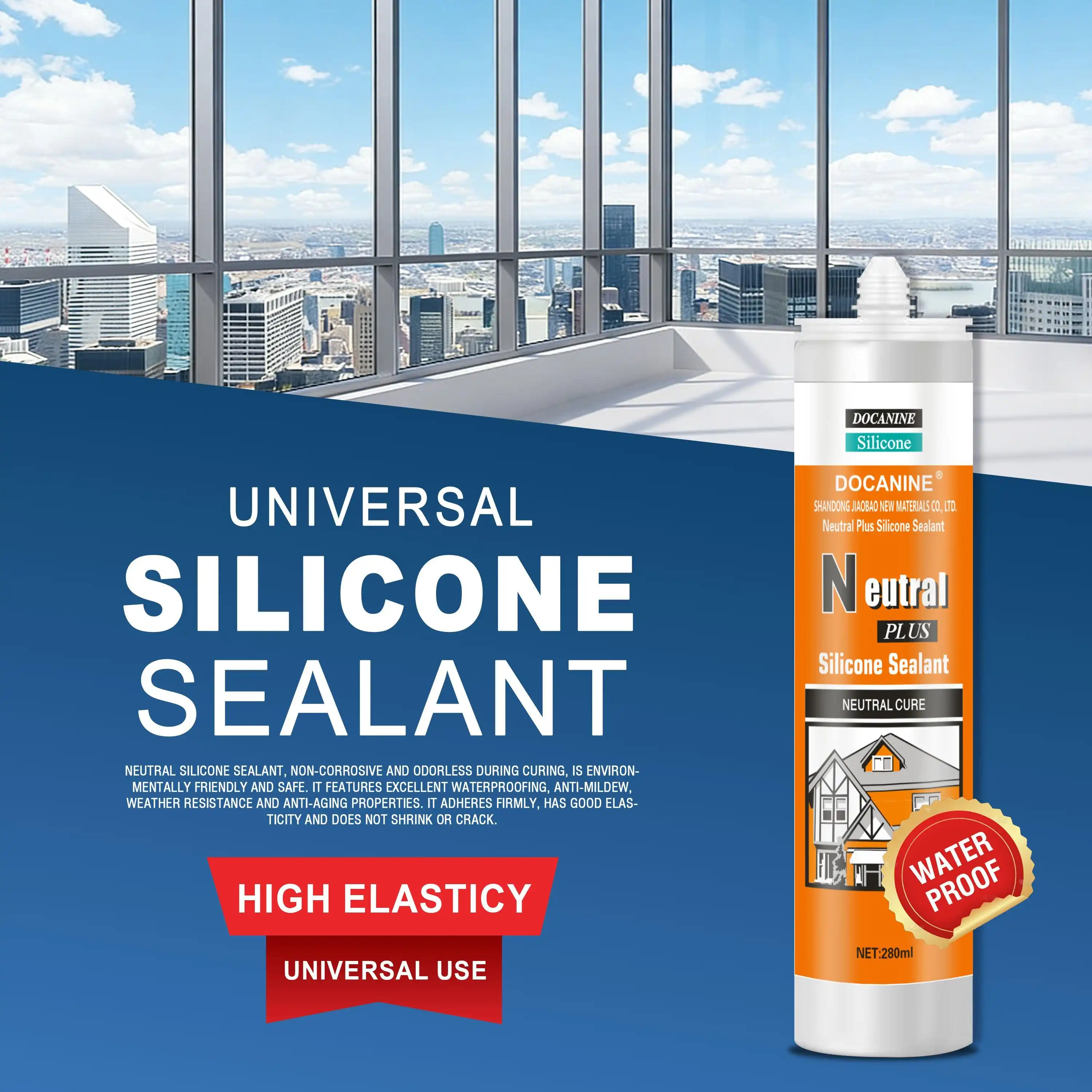
In electronics and precise manufacturing, buying things requires a close look at the qualities of the materials. When engineering teams know how different types of sealants work on metal surfaces, they can choose the best option.
The main change is in the science of curing. Acid-cure silicones cure more quickly and are cheaper, but they give off acetic acid that breaks down copper, brass, zinc, and even some stainless steel alloys. Neutral-cure versions cost a little more up front, but they keep you from having to pay a lot of money for returns, warranty claims, and damage to your image that can happen because of rust. According to ASTM C794, testing shows that neutral formulations stick to anodized aluminum and plated metals better than acid-cure products, which fail after only a few weeks.
Polyurethane sealants stick well to many surfaces, but they break down quickly when exposed to UV light and water, turning yellow and losing their strength over time. When silicone is exposed to the elements for many years, it keeps its shape and brightness. For many metals, polyurethane also needs surface coats, which adds steps to the process and costs more materials. Neutral silicone's moisture-cure feature lets it stick to clean metal surfaces without a primer, which makes production processes easier.
Acrylic sealants work well inside, but they don't stand up to high temperatures or being submerged in water, which is needed for electronics, marine equipment, and industrial machinery that are used outside. Because they can't stretch very much, they can't be used in joints that are expanding because of heat. Neutral-cure silicone seals stay strong even when they are constantly exposed to water, salt spray, and temperature changes that would break plastic goods in months.
To get effective, long-lasting seals, you need to pay attention to how the surface is prepared, how the seal is applied, and how it cures. Standardized procedures help manufacturing environments by making sure that results are the same from one production run to the next.
Surfaces made of metal must not have any grease, release agents, rust, or particles on them. Solvent wiping with isopropyl alcohol is a common way to clean, and it's then left to dry in the air. Surfaces that have been heavily tarnished may need to be lightly rubbed down with Scotch-Brite pads to reveal new metal. Costly rework can be avoided by testing adhesion on representative samples before mass production. Most cleaned metals can stick to the glue without a primer, but highly anodized aluminum or chromate-treated surfaces may need special primers.
The equipment that dispenses should keep the size and placement of the beads consistent. For low-volume assembly, manual application with cartridge guns works well. For high-volume manufacturing, however, automatic filling systems make sure that the process is repeatable. NP Silicone Sealant Non-Corrosive Type also requires careful thickness control, as keeping the bead thickness the same helps it cure evenly, since the material cures from the outside in at a rate of about 2 to 3 mm per 24 hours.
Conditions in the air during application affect how fast it cures. For best results, the temperature should be 23℃ and the relative humidity should be 50%. Within 30 minutes, the surface is dry enough to touch, so it can be handled without smearing. It takes 7–14 days for the full mechanical properties to develop.
Visual checking for holes and partial filling is part of manufacturing quality control. Periodic adhesion pull tests and electrical insulation checks are also part of this. Measurements of volume resistance greater than 1×10¹⁴ Ω·cm show that the material has important electrical isolation qualities for electronic systems. Batch tracking systems connect the quality of a seal to a specific lot number of materials. This lets people quickly fix problems that happen in the field.
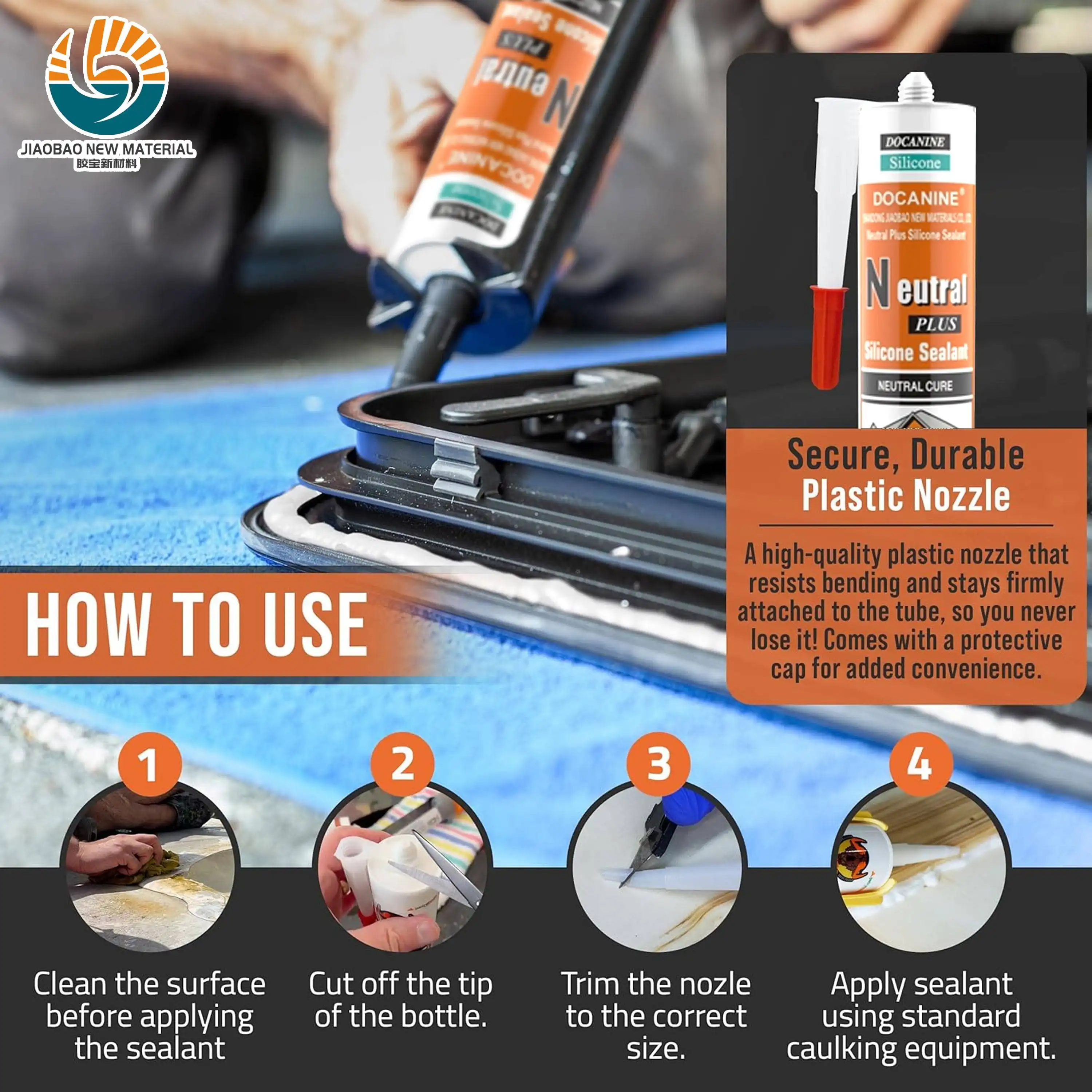
To find industrial adhesives, you have to look at what the provider can do, how the materials are certified, the different ways they can be packaged, and the total cost of ownership. Electronics companies need suppliers that know how to meet strict quality standards and provide proof that they are following the rules.
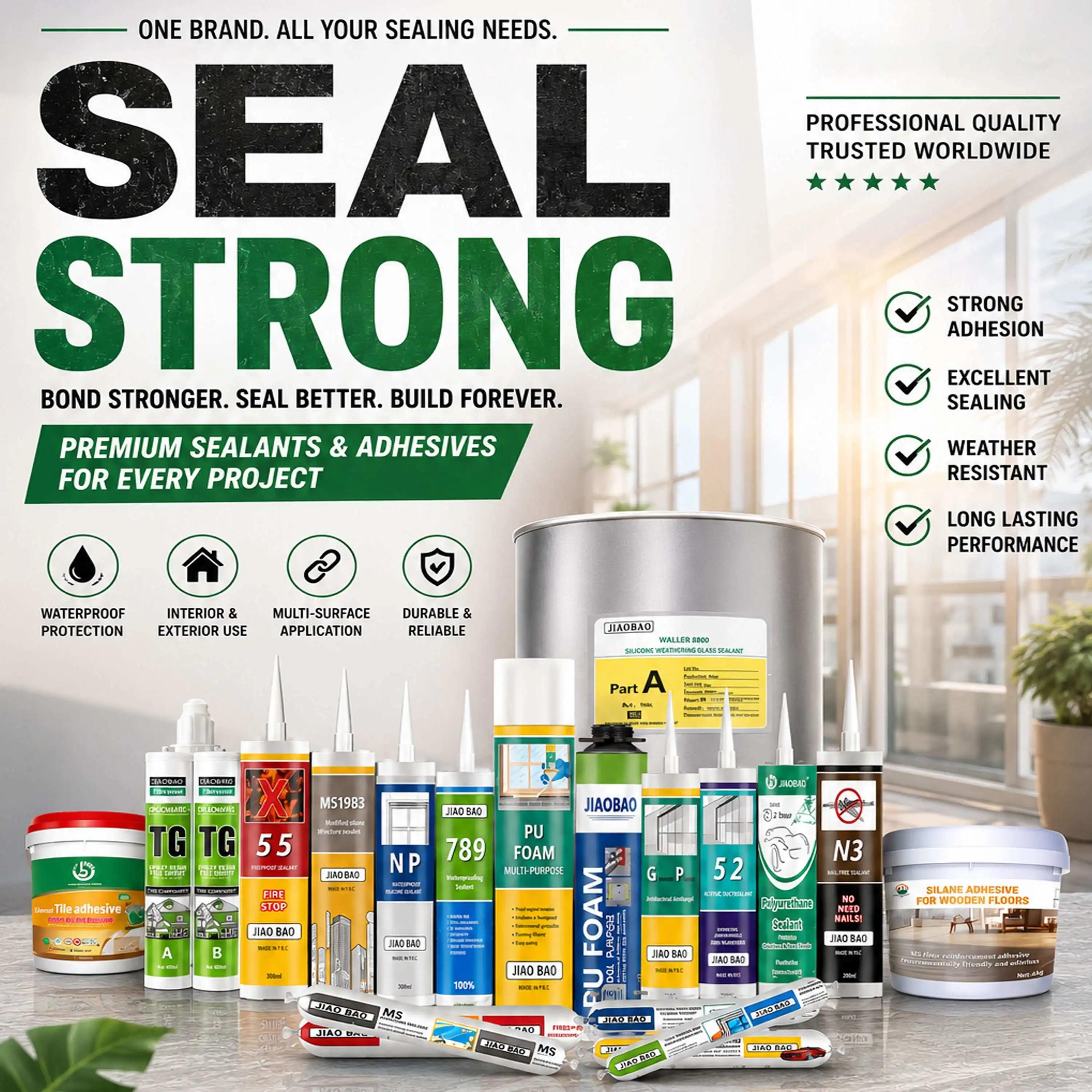
Manufacturers that have been around for a while and have ISO approval show that they are committed to consistent quality control. Over 13 years of production experience shows that the process is mature and the formula is stable. Suppliers who give expert support can help you figure out problems with your application and suggest the best goods for your substrates and working conditions. Batch consistency is very important when production lines depend on materials behaving in an expected way. Changes in viscosity, cure time, or adhesion performance can throw off plans and lead to more waste.
The sealant comes in 300ml and 600ml sizes and can be put in cartridges or sausages to fit different dispensers. When buying in bulk, the cost per unit is lower for high-volume activities. When developing or introducing a new product, smaller amounts are needed. Lead times of one to two weeks allow for quick restocking without having to pay too much to keep an inventory on hand. Shipping choices by sea or land freight are flexible enough to work with both domestic and foreign supply chains.
Before adding materials to products that will be sold in Europe or North America, electronics companies must make sure that they are compliant with RoHS and REACH. For each production batch, suppliers should give material safety data sheets, test reports that show the product meets the requirements, and certificates of analysis. NP Silicone Sealant Non-Corrosive Type is one such material that meets these stringent compliance standards, and its environmental approvals show lower VOC emissions and the removal of harmful substances, which helps companies meet their environmental goals and government rules.
While following environmental rules, industrial facilities must keep workers safe from chemicals. Neutral-cure silicone seals are safer to work with than many other types of chemicals, but it's still important to follow the right steps.
Even though neutral-cure silicones are safer than acid-cure ones, they release alcohols when they fix. Vapor doesn't build up in small spaces when there is enough ventilation. Wearing protective gear like nitrile gloves and safety glasses keeps you from getting skin or eye contact. Temperatures in storage areas should stay below 27℃ so that sealed cartridges don't cure too quickly, which shortens their shelf life from 12 months as stated.
Low VOC level reduces the effects on air quality in factories and crowded areas. Compared to acid-cure alternatives, less hazardous waste is made because there are no corrosive byproducts of curing. Material formulations that meet international standards make it possible for them to be sold all over the world without any problems caused by regulations. According to ASTM C679 testing, there is no sagging in the vertical joints. This means that less material is wasted and there is less cleanup to do during application.
UV protection, thermal stability, and the ability to handle moisture all work together to make sure that the product will last for decades in harsh settings. This durability lowers the cost of maintenance, increases the time between service intervals, and lessens the damage that replacing parts too soon does to the environment. Products that meet the requirements of ASTM C920 Type S have written performance standards that help engineers make figures and keep their guarantee promises.
Picking the right covering materials has a big effect on how reliable a product is, how efficiently it is made, and how well it manages long-term costs. Neutral-cure silicone sealants made just for metal applications get rid of the risk of corrosion while giving the flexibility, temperature resistance, and electrical insulation properties that electronics and precision equipment manufacturing need today.
NP Silicone Sealant Non-Corrosive Type exemplifies these neutral-cure solutions, offering proven non-corrosive performance that protects metal contacts and assemblies. Because they are technically sound, can be used in a lot of different ways, and have a strong network of suppliers who can help, quality neutral-cure goods like this are the best choice for procurement professionals who have to balance performance needs with budget limitations and legal responsibilities.
While fixing, neutral-cure silicone gives off alcohol instead of acetic acid. This keeps copper, aluminum, and other susceptible metals from rusting. This chemistry is very important for electronic systems because acidic waste would damage circuit traces and component leads.
The formula is very stable in UV light and keeps its qualities even when the temperature changes from -50℃ to +150℃. Testing with salt spray according to ASTM B117 shows that the sealant will stay in place and stick well in marine and industrial settings where metal corrosion usually happens faster.
For production lines to work, the viscosity, cure time, and adhesion properties of the material must be predictable. Changes from batch to batch make it hard to calibrate automatic delivery equipment and keep quality high. Well-known suppliers use strict testing methods to make sure that all production lots perform the same.
For initial tests and low-volume assembly, smaller 300ml cartridges work well. For high-volume manufacturing, 600ml forms and bulk packing lower the cost per unit. When suppliers offer both options, it's easy to move from research to full-scale production.
Shandong Jiaobao New Material Co., Ltd. brings over 13 years of specialized manufacturing expertise to the production of neutral-cure silicone sealants tailored for electronic and precision applications. Our ISO-certified facilities produce materials meeting international quality standards, with complete RoHS and REACH compliance documentation supporting your global supply chain requirements. We offer OEM customization capabilities to match specific technical requirements, such as heat conductivity, flame retardancy, and viscosity profiles.
As an experienced NP Silicone Sealant Non-Corrosive Type manufacturer, we offer fast shipping times of one to two weeks, flexible packaging in 300ml and 600ml sizes, and full professional support to help you get the most out of your application processes. You can email our team at dorashen@cnjiaobao.com to ask for examples, talk about special formulations, or set up a framework supply agreement that lowers the risks of buying things and makes sure that all of your production operations use the same materials.
1. Smith, J. R., & Chen, L. (2021). Silicone Sealant Chemistry for Electronics Protection. Industrial Materials Press.
2. European Sealant Association. (2020). Guidelines for Non-Corrosive Sealants in Electronic Applications. ESA Technical Document Series.
3. Zhang, W., et al. (2022). "Comparative Analysis of Neutral and Acid-Cure Silicones on Metal Substrates." Journal of Adhesion Science and Technology, 36(8), 892-910.
4. International Building Materials Council. (2019). Performance Standards for Weatherproofing Sealants. IBMC Reference Manual.
5. Patel, R. K. (2023). Advanced Sealing Technologies in Modern Manufacturing. Engineering Solutions Publishing.
6. American Society for Testing and Materials. (2022). ASTM C920 Standard Specification for Elastomeric Joint Sealants. ASTM International Standards.
November 16,2023
Enterprise Name
The sealant has very strong adhesion and performs well even on glass and aluminum. After curing, it remains flexible and shows no cracking. Perfect for our facade projects.
November 16,2023
Enterprise Name
Stable quality across batches. Our customers especially like the smooth application and consistent extrusion. It helps reduce installation time on site.
November 16,2023
Enterprise Name
I used it for bathroom sealing. Excellent waterproof performance and no mold issues so far. It's been holding up very well in humid conditions.
November 16,2023
Enterprise Name
The neutral silicone works well on sensitive materials without corrosion. Very suitable for industrial applications requiring stable performance.
_1779347426672.webp)