November 16,2023
Enterprise Name
The sealant has very strong adhesion and performs well even on glass and aluminum. After curing, it remains flexible and shows no cracking. Perfect for our facade projects.
Jul 31, 2026
Construction adhesive technology is experiencing a transformative shift, particularly in specialized applications involving glass and aluminum. Products like GP Silicone Sealant for Glass and Aluminum represent the forefront of this evolution, combining advanced polymer chemistry with practical performance demands. Modern formulations now deliver enhanced flexibility, extended temperature ranges, and superior environmental resistance. This evolution responds directly to increasing architectural complexity, stricter building codes, and sustainability mandates across North America and global markets, making adhesive selection a strategic decision for procurement managers and technical engineers.
The building glue business is going through big changes because of new technologies and changing consumer needs. Problems with thermal cycling, UV degradation, and substrate compatibility were common with older sealants. Newer formulations actively address these issues. New discoveries in silicone polymer science have made materials that are very stretchy and strong, and they can handle the different rates of expansion between glass and aluminum without affecting the integrity of the seal.
Manufacturers have had to work hard to make seals that work reliably in all kinds of weather because of modern building needs. One-component, acidic silicone seals that cure when they come in contact with moisture now have tack-free times of as little as 15 minutes, which cuts project timelines by a large amount. The tensile strength of these formulas is more than 300%, which means they can stretch and rebound without breaking during rounds of thermal expansion. Moving from multi-component systems to ready-to-use formats has made it easier for curtain wall installers and window fabricators to apply materials. This has cut down on labour costs and improved consistency. Over the past 13 years of manufacturing, we've seen that buying teams are putting more and more weight on these success factors when they're looking at suppliers for big projects.
Concerns about the environment are changing how the sealant industry comes up with new products. It's no longer a luxury to use formulas that are low in volatile organic compounds (VOCs) and fluorine. California's strict air quality standards and the requirements for LEED recognition force companies to change the way they make goods without lowering their performance. The move toward eco-friendly chemicals is good for the earth and for worker safety because it lowers the risks of exposure for application teams. Manufacturers with ISO certification and clear material safety data sheets have an edge in the bidding process, especially when working on LEED-certified projects with general builders and prefabricated building companies.
Adding Building Information Modelling (BIM) to building projects is changing how materials are chosen and kept track of. Modern buying teams now want digital compatibility so they can keep track of sealant specs, batch numbers, and performance ratings in large-scale project management systems. This switch to digital makes quality control better, compliance paperwork easier, and material substitution mistakes less likely. Project managers who are in charge of complicated curtain wall installations or commercial building retrofits can get a lot of value from suppliers who offer detailed technical data sheets, application videos and digital certification verification.
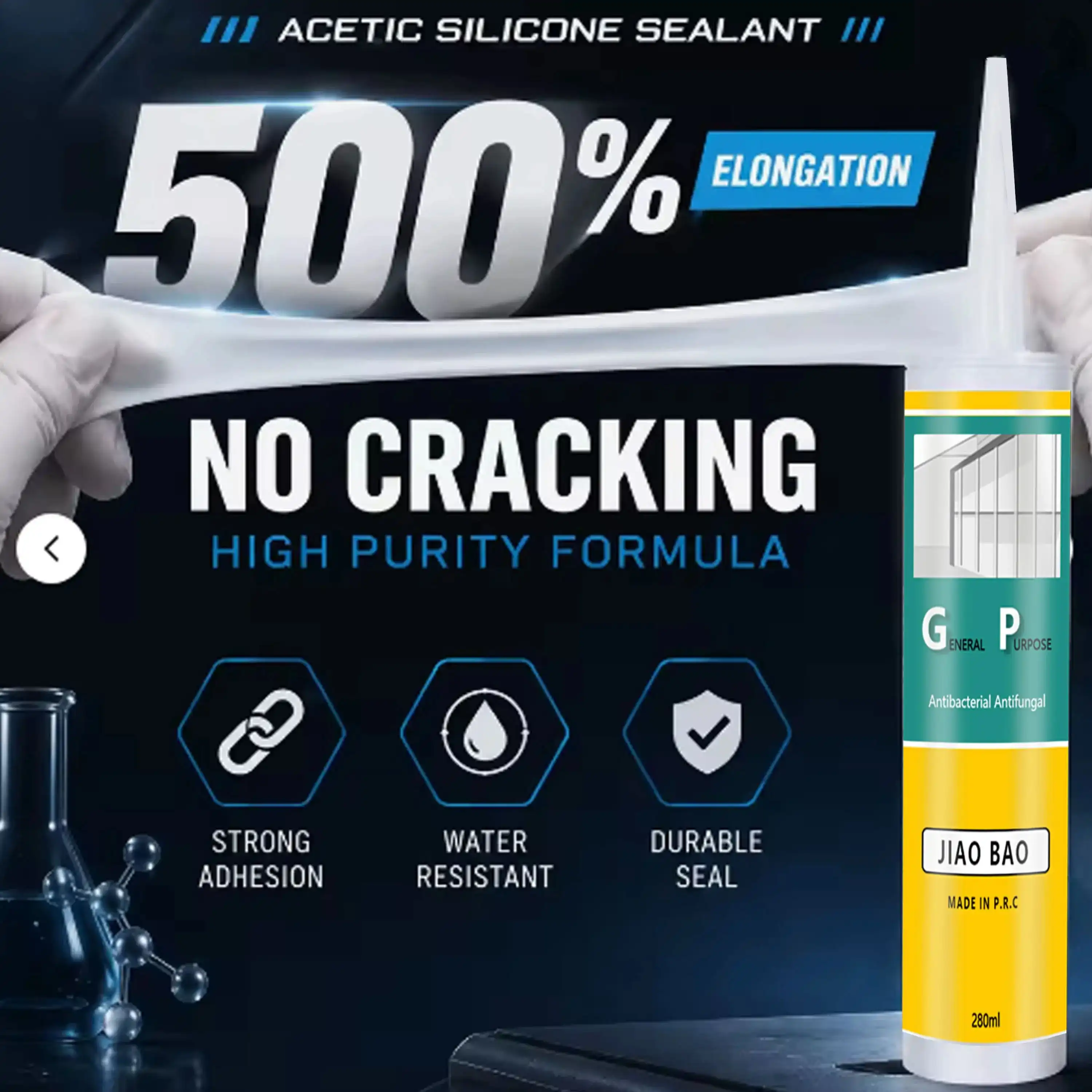
In demanding situations, the success of a project depends on how well specialised sealants work. Procurement experts can make better choices that balance cost, performance, and long-term dependability when they understand key technical parameters.
GP Silicone Sealant for Glass and Aluminum made for joining glass and aluminum have certain technical features that set them apart from other silicone sealants that can be used for many things. Shore A hardness is usually between 15 and 25. This is the best range for flexibility and structural strength. A maximum bond strength of 1.5 MPa provides strong bonding in closing applications without the need for mechanical fasteners. The 15-minute tack-free time lets the project move quickly while keeping the right cure depth, which is important for meeting construction schedules in plants that make doors and windows. These factors directly meet the needs of companies that work with stone, glass, and custom furniture and need reliable bonding performance over and over again.
The operational temperature range is an important specification for sealants that are used outside. Products that work well from -50°C to +150°C can handle the harsh conditions that can be found in many North American climates, from the winters in Minnesota to the summers in Arizona. This wide temperature range keeps the material from breaking during cold snaps and deteriorating during heat waves. The anti-ultraviolet and ozone-resistant formula makes sure that the seal stays strong over time, which is especially important for curtain wall companies that manage business buildings and high-end homes. These performance claims are backed up by testing protocols that are in line with ASTM C920 standards. This gives procurement managers objective criteria for judging suppliers.
Sealants are being chosen more and more based on how they look, especially in high-visibility building uses. Modern silicone seals come in white, black, grey, and any other colour you can think of. They are also fully customisable, so they can match perfectly with glass tints and aluminum finishes. Interior design firms and project managers for high-end home decor appreciate this aesthetic versatility, which gets rid of the visual clutter that comes from seals that don't match. RAL colour chart agreement lets colours be the same from batch to batch, which is very important for building projects that are done in stages and where getting materials takes months or years. Being able to change colours makes long-term relationships with suppliers stronger, since switching vendors can cause noticeable colour differences in finished installations.
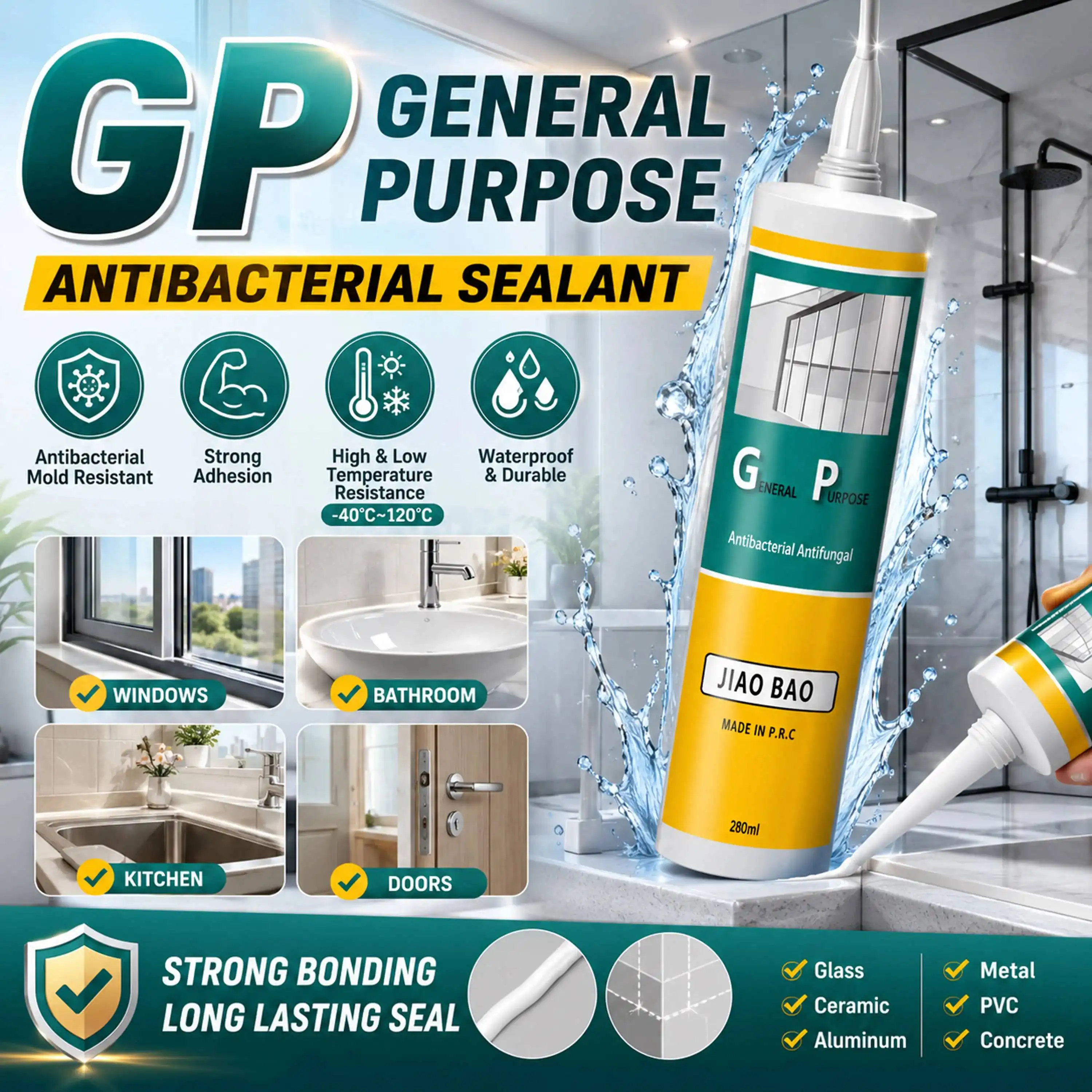
Strategic procurement means knowing not only the specs of a product, but also the different ways it can be packaged, how it can be delivered, and how to check the quality.
Professional sealants come in 300ml and 600ml sizes and can be packed as sausages or cartridges to work with a variety of application tools. For people who use pneumatic dispensing systems a lot, sausage packing saves them money because it cuts the cost per unit by about 15 to 20 percent compared to cartridge forms. Cartridge packaging is useful for small operations or repairs that need to be done in the field. Wholesalers and distributors of building materials and tools like having both choices because it lets them serve a wide range of customers, from big general contractors to small installation teams working on their own. Deals for buying in bulk usually include volume savings and lower minimum order amounts for customers who have bought from the business before.
To make sure that materials are real and meet specifications, strict testing methods are needed. As a general rule, ISO system certification ensures quality, while ASTM and EN standards check specific performance characteristics. Before finalising big orders, procurement teams should ask for material safety data sheets, test reports that are specific to the batch, and shelf life documents. Because the shelf life is 12 months, the inventory needs to be rotated regularly. This makes transport times and storage conditions important organisational issues. Manufacturers who offer refund or replacement promises for quality problems within the shelf life show that they have faith in their quality control systems. This lowers the risk of buying for project managers who are juggling tight building plans.
Supply chains that work well keep project delays and store costs to a minimum. Production wait times of one to two weeks allow for flexible buying that fits with building plans, which means that there is less need for large amounts of storage space on-site. Shipping by sea or land is a flexible choice that can meet the needs of both importers and local distribution networks. Companies that trade across borders and handle OEM/ODM agreements benefit from manufacturers who know how to handle export paperwork, customs rules, and international quality certifications. Being able to quickly increase production during busy building seasons is a strategic advantage for wholesalers who have to deal with changing demand patterns in door and window processing plants.
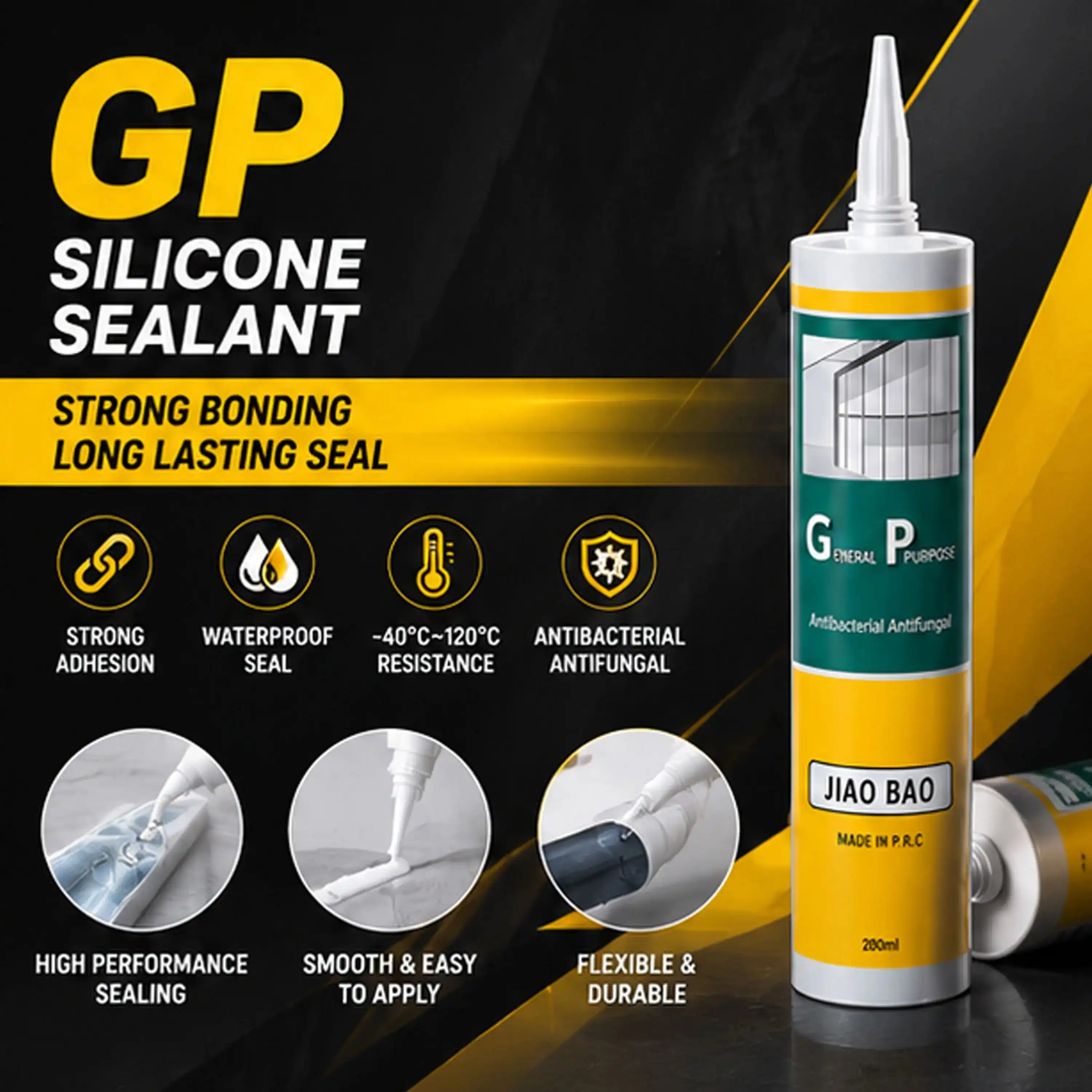
As the building industry and environmental laws change, the glue industry has to deal with both exciting new ideas and big problems.
Nanotechnology research is growing and offers adhesives with performing qualities that have never been seen before. Self-healing plastics that fix small harm on their own could make seals last a lot longer, which would save building owners money on maintenance costs. Adaptive seals that change their qualities when the temperature or humidity changes are another new idea that could get rid of the performance trade-offs that happen now when you're in different climates. These new ideas are still mostly in the research stages, but procurement teams that are looking to the future are keeping an eye on them to find early adoption opportunities that could give them a competitive edge in high-specification projects. Meanwhile, established products like GP Silicone Sealant for Glass and Aluminum continue to deliver reliable performance for current construction needs, bridging the gap between today's requirements and tomorrow's innovations.
Environmental rules keep getting stricter, especially when it comes to volatile organic compounds and poisons that stay in the environment for a long time. Products that are currently meeting standards might need to be reformulated during the next certification cycle, which could have an effect on their price and supply. As regulations change, buying strategies that focus on relationships with suppliers and technical support become more valuable. Manufacturers who are proactive about following the rules and are open about changes to formulations help their customers make these transitions more smoothly. At the same time, this legal pressure makes it possible for companies to spend in eco-friendly formulas, which could lead to higher prices from buyers who care about the environment.
More and more, the market wants sealants that can do more than one thing at once, like bonding structures together and blocking noise, blocking heat and keeping fires out, or killing germs along with their usual sealing functions. These combined solutions are very useful for companies that make HVAC equipment and electronics because they make it easier to control quality and reduce the complexity of the materials. Maintaining reasonable prices while adding new features is what makes it hard. Companies that do well balance new ideas with keeping costs low by giving tiers of products that let customers choose the right amount of performance for each application.
When used incorrectly, even the best goods don't work as well as they should. The best return on material investment comes from knowing how to use it and how to keep it in good shape.
More than any other factor, adhesion ability depends on how well the material is prepared. To get rid of grease, dust, and other contaminants, aluminum surfaces need to be cleaned with two cloths and rubbing alcohol. To keep the removed materials from being put back down, the solvent must be wiped off before it evaporates. In the same way, glass surfaces need to be cleaned and dried before sealer can be applied. Conditions of temperature and humidity during application have a big impact on healing rates.
The best conditions are between 5°C and 40°C with mild humidity. Installers of ceramic tiles and stone processing plants that follow strict surface preparation protocols have much lower callback rates for seal failures. For optimal results with GP Silicone Sealant for Glass and Aluminum, proper surface preparation is essential—clean, dry, and contaminant-free surfaces ensure maximum adhesion and long-term durability.
The performance and longevity of sealants are best when the joint geometry is right. Depth-to-width ratios between 1:2 and 1:1 are best for spreading stress evenly and stopping early failure due to too much movement. Putting in backer rods stops three-sided adhesion, which concentrates stress and makes tearing more likely. Tooling right away after application makes beads look smooth and professional and makes sure they make full touch with materials. In factories that make cabinets and bathroom fixtures, production managers find that standard joint designs and application procedures cut down on waste and make sure that quality is the same from shift to shift.
A number of common mistakes make sealants less effective, even when good products are used. Putting sealer on surfaces that are frozen or wet stops it from sticking and drying properly. When you over-tool or smooth something too much, the sealant can come away from the bases, which can lead to leaks. If you use acetoxy silicones on aluminum that hasn't been handled, the acetic acid that is released during curing can damage raw metal. Painting over silicone that has hardened won't work because the paint won't stick to the non-stick surface. Aesthetic concerns must be taken into account before sealer is applied. Most of the time, these mistakes happen because installation workers aren't properly trained or are in a hurry to meet tight deadlines. This shows how important it is for manufacturers to offer technical support and application advice.
The construction adhesive industry is still changing very quickly. This is because of new technologies, government rules, and shifting consumer expectations. Today's formulations give goods performance capabilities that were impossible ten years ago—goods can withstand extreme temperatures, cure quickly, and last a very long time. Procurement experts who know about these trends and put an emphasis on working with makers who have technical know-how, quality certifications, and quick customer service are more likely to be successful.
In the next ten years, companies that can meet sustainability standards, use digital purchasing tools, and make products that can do more than one thing will have a competitive edge in sealing glass and aluminum. GP Silicone Sealant for Glass and Aluminum exemplifies this evolution, offering reliable performance that meets current construction demands while aligning with emerging sustainability trends.
When acetoxy silicone cures, it creates acetic acid, which can damage aluminum, copper, and brass that hasn't been handled. Aluminum surfaces that have been anodised or powder-coated usually work well with acetoxy formulas. When working with sensitive metals, you need neutral-cure options that don't cause corrosion and still have great adhesion qualities.
If you store something properly, it will keep working well for 12 months. Keep sausages and cartridges in cool, dry places that are between 5°C and 25°C and out of direct sunlight. Stay away from freezing weather, which can change the substance. Use first-in, first-out rules to rotate supplies so that old materials aren't used on important projects.
Common ways for things to fail are not properly cleaning the surface, which leaves contaminants that stop bonding, not designing the joints correctly, which causes too much stress to be concentrated in one place, and using old materials that don't have good healing chemistry. Three-sided bonding without a backer bar also leads to failure too soon. If you take these things into account during installation, you can avoid expensive refunds and project delays.
When your projects need GP Silicone Sealant for Glass and Aluminum suppliers you can trust, Jiaobao delivers, backed by over 13 years of specialised manufacturing experience. Our ISO-certified production sites make sure that the quality is always the same, and we can send your orders in one to two weeks, so your projects stay on schedule. Curtain wall companies, window fabricators, and building material distributors who need specific colour matching or formulation changes can get all of their needs met through OEM/ODM customization. Get in touch with our expert team at dorashen@cnjiaobao.com to talk about your buying needs and get samples to test. We're committed to more than just delivering products; we also offer technical application help and quality warranties that protect your investment for as long as the material is in stock.
1. Smith, J.R. and Williams, M.K. (2022). Advanced Silicone Polymer Chemistry for Construction Applications. Journal of Building Materials Science, 45(3), 287-304.
2. Anderson, P.L. (2023). Sustainable Adhesive Technologies in Modern Architecture. Construction Industry Press, New York.
3. Thompson, R.E. et al. (2021). Performance Standards for Elastomeric Sealants in Curtain Wall Systems. American Society for Testing and Materials Technical Publication.
4. Chen, W. and Rodriguez, M. (2023). Thermal Cycling Effects on Silicone Sealant Longevity. International Journal of Construction Engineering, 18(2), 145-162.
5. Martinez, S.A. (2022). Procurement Best Practices for Construction Adhesives. Building Supply Chain Management Quarterly, 12(4), 78-95.
6. National Building Standards Institute (2023). Guidelines for Sealant Application in Glass and Metal Assemblies. Technical Report NBSI-2023-47, Washington DC.

November 16,2023
Enterprise Name
The sealant has very strong adhesion and performs well even on glass and aluminum. After curing, it remains flexible and shows no cracking. Perfect for our facade projects.
November 16,2023
Enterprise Name
Stable quality across batches. Our customers especially like the smooth application and consistent extrusion. It helps reduce installation time on site.
November 16,2023
Enterprise Name
I used it for bathroom sealing. Excellent waterproof performance and no mold issues so far. It's been holding up very well in humid conditions.
November 16,2023
Enterprise Name
The neutral silicone works well on sensitive materials without corrosion. Very suitable for industrial applications requiring stable performance.
_1779347426672.webp)