November 16,2023
Enterprise Name
The sealant has very strong adhesion and performs well even on glass and aluminum. After curing, it remains flexible and shows no cracking. Perfect for our facade projects.
Jul 1, 2026
When maintaining construction projects or industrial equipment, one question frequently arises among procurement managers and maintenance engineers: will rubbing alcohol destroy silicone? Maintenance engineers and procurement managers sometimes wonder if rubbing alcohol destroys silicone while servicing building projects or industrial equipment. Rubbing alcohol (isopropyl alcohol) seldom destroys cured high adhesion silicone sealant when handled properly.
Stable silicon-oxygen linkages protect silicone from short-term alcohol exposure. Contact can change surface qualities and adhesion if prolonged or severe. Understanding this compatibility helps you maintain sealant integrity and cleanliness in curtain walls, HVAC systems, and industrial equipment where silicone seals.
Polymerization of silicon, oxygen, carbon, and hydrogen creates polydimethylsiloxane (PDMS) silicone sealants. Compared to organic sealants, this molecular arrangement provides superior heat stability, UV resistance, and flexibility. The material is essential for seasonal applications since it remains flexible from -50°C to +150°C. Silicone stays rubbery for decades, unlike acrylic or latex.
Anodized metal and coated glass are difficult for general-purpose silicone to adhere to. High adhesion silicone sealants use organofunctional silane adhesion promoters to form chemical connections and mechanical interlocking. This improvement removes priming for most substrates, saving time and money. Jiaobao's one-part RTV formula has a maximum bond strength of 1.5 MPa and tensile rates of 300%, providing consistent performance even when joints expand or shift.
Mission-critical sealants are essential in construction and industry. Curtain wall firms specify weather-resistant glass facade formulae for commercial and high-rise structures. Door and window manufacturers need color-matching to preserve visual consistency across large projects. HVAC contractors must be chemically stable to handle refrigerants and cleaners. Our paste-form sealant works on glass, aluminum, stone, ceramic tiles, plastic steel, and concrete without preparation, simplifying workflows for general contractors and subcontractors on tight project timeframes.
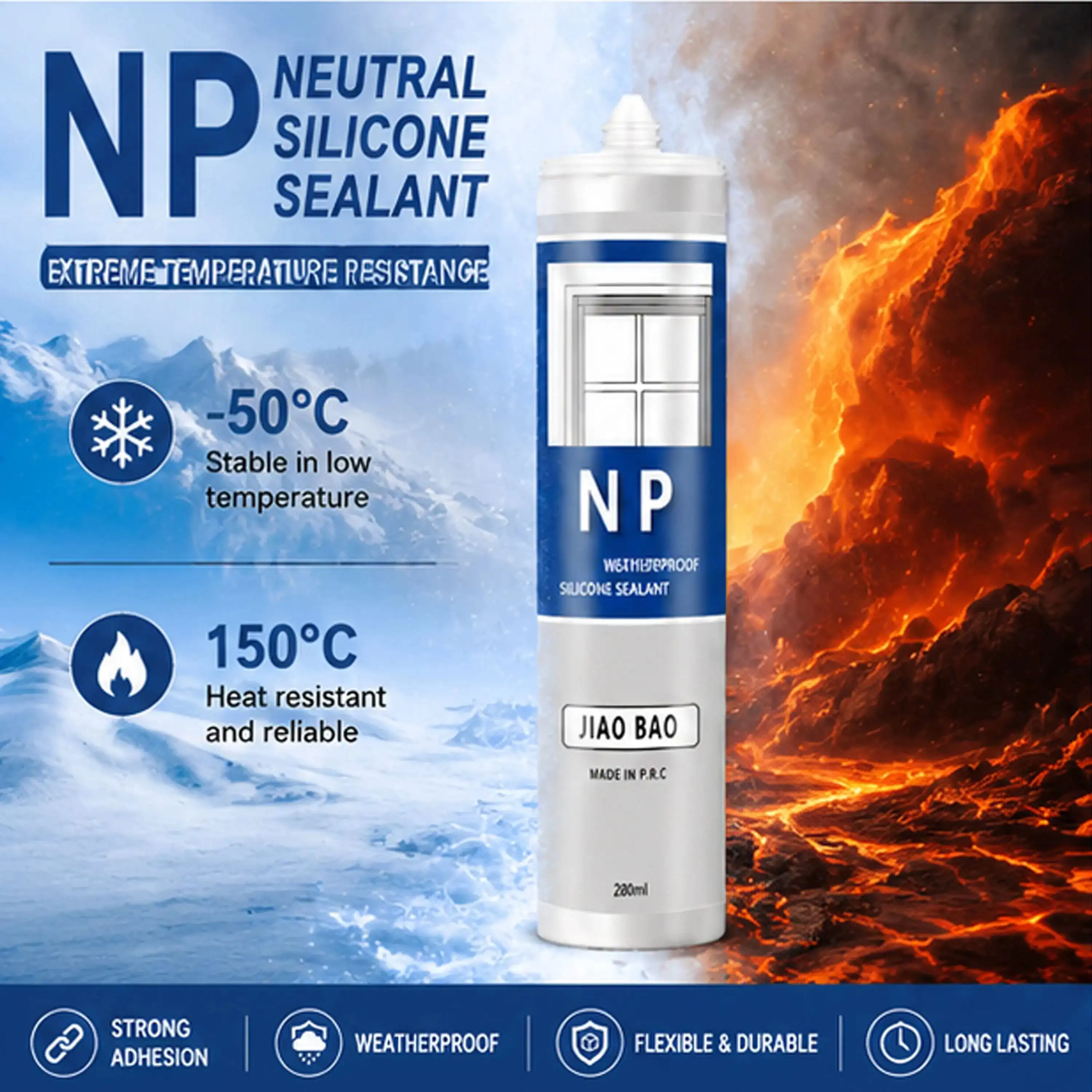
Rubbing alcohol dissolves moderately as a polar solvent. Alcohol molecules cannot disrupt the silicon-oxygen backbone that makes sealants durable when applied to properly cured silicone. Dow Corning and Momentive found that brief exposure to isopropyl alcohol concentrations between 70-99% does not degrade cured silicone elastomers. Alcohol removes oil and fingerprints before sealant application since the substance is hydrophobic.
Adhesion interfaces matter more than bulk material deterioration. Heavy alcohol usage might temporarily plasticize the sealant surface, reducing friction. Alcohol exposure can leach additives or impede moisture-dependent curing in severe circumstances of uncured or partially cured sealant. ASTM C794 peel adhesion tests indicate that properly cured high adhesion silicone sealants remain cohesive following alcohol wipes. Our Jiaobao testing methodologies show that alcohol-exposed samples fail cohesively rather than adhesively, preserving substrate connections.
Ohio glass processors worried about employing alcohol-based disinfectants near sealed equipment joints during pandemic measures. After three months of regular 70% isopropyl alcohol cleaning, independent examination found no damage to the high adhesion silicone sealant or evident degradation. A Michigan automobile parts firm cleans silicone-sealed sensor housings using alcohol wipes, but five years of quality control data indicates no association between cleaning frequency and seal failure rates. As seen above, moderate alcohol exposure provides no harm to properly selected and placed sealants.
Clean the substrate before applying sealant for maximum adherence. Cleaning surfaces with isopropyl alcohol eliminates oils, dust, and release agents that hinder bonding. After alcohol application, let surfaces air-dry for 5-10 minutes to prevent acetoxy-cure-inhibiting moisture. This cleaning procedure is especially important for anodized aluminum and powder-coated metals because minute particles hide in surface textures. Our Jiaobao formulation is tack-free in 15 minutes, allowing speedy project turnaround on properly prepared surfaces.
Alcohol can oversaturate sealant joints, so use lint-free cloths instead of spray bottles. Avoid driving liquid into the sealant-substrate contact by wiping away from the junction. Keep contact duration under 30 seconds per area to avoid plasticization and remove most pollutants. Sealants are most sensitive for 24–48 hours after application, thus these procedures are crucial. The material becomes chemically resistant after full curing, which takes 7-14 days depending on joint depth and humidity.
Environment and technique are crucial to installation success. Keep substrate temperatures between 4°C and 40°C for consistent bead production and adherence. Tooling is reduced by cutting cartridge nozzles at 45 degrees to fit joint width. Our sausage and cartridge packaging fits manual and pneumatic dispensers used on major construction sites. With a displacement capacity of ±20% to ±50%, suitably designed joints can withstand construction movement without stress cracking. Door and window applications benefit from 18 shore hardness's flexibility and structural strength.
Scheduled maintenance helps uncover faults before they affect performance. Quarterly inspections of sealant joints for cracking, adhesion loss, or discolouration may indicate chemical incompatibility. Track deterioration trends with cleaning chemicals near sealed spaces. Provide contractors with authorized cleaning agent lists that eliminate silicone-threatening solvents like acetone, MEK, and xylene when specifying new building projects. This proactive strategy improves building portfolio service life and decreases warranty claims.
On raw glass, general-purpose silicone bonds at 0.8–1.0 MPa. High adhesion silicone sealants exceed 1.5 MPa through enhanced polymer networks and adhesion promoters. High-stress applications like curtain wall perimeter seals with wind and heat cycling require this differential. Peel adhesion tests show that updated formulae preserve cohesive failure modes throughout a wider substrate range, tearing the sealant internally rather than releasing from surfaces—the gold standard for dependable sealing.
High adhesion silicone sealants cost 15-25% more than ordinary grades but remove priming costs and labor time. Procurement managers handling major projects should consider total installation cost, not just material price. Primer-free aluminum curtain wall installations save 8-12 minutes per linear meter, according to our data. These efficiency gains outweigh material surcharges over thousands of meters in commercial construction. General contractors and building owners save on long-term warranty expenses by reducing adhesion callbacks.
Polyurethane is better for horizontal seams with foot activity than silicone due to its paintability and abrasion resistance. They lose UV stability and require primer on most surfaces. Its temperature tolerance is -40°C to +90°C, suitable for most climes but lower than silicone's. Polyurethane softens some polymers, causing compatibility concerns. Silicone is preferred by custom furniture makers and stone processing facilities for bathroom and kitchen installations when moisture resistance and mildew avoidance trump paintability.
Rising green building certifications necessitate low-VOC, eco-friendly sealants. Our neutral-cure solutions protect delicate metals from odor and corrosion by releasing methanol-based byproducts instead of acetic acid. LEED-certified distributors appreciate ISO 14001-certified products. Hardware distributors and construction material wholesalers handling varied product lines benefit from our 12-month stability, which lowers expired inventory waste. Custom color matching eliminates painting over sealant seams, which increases VOCs and maintenance cycles, improving sustainability.
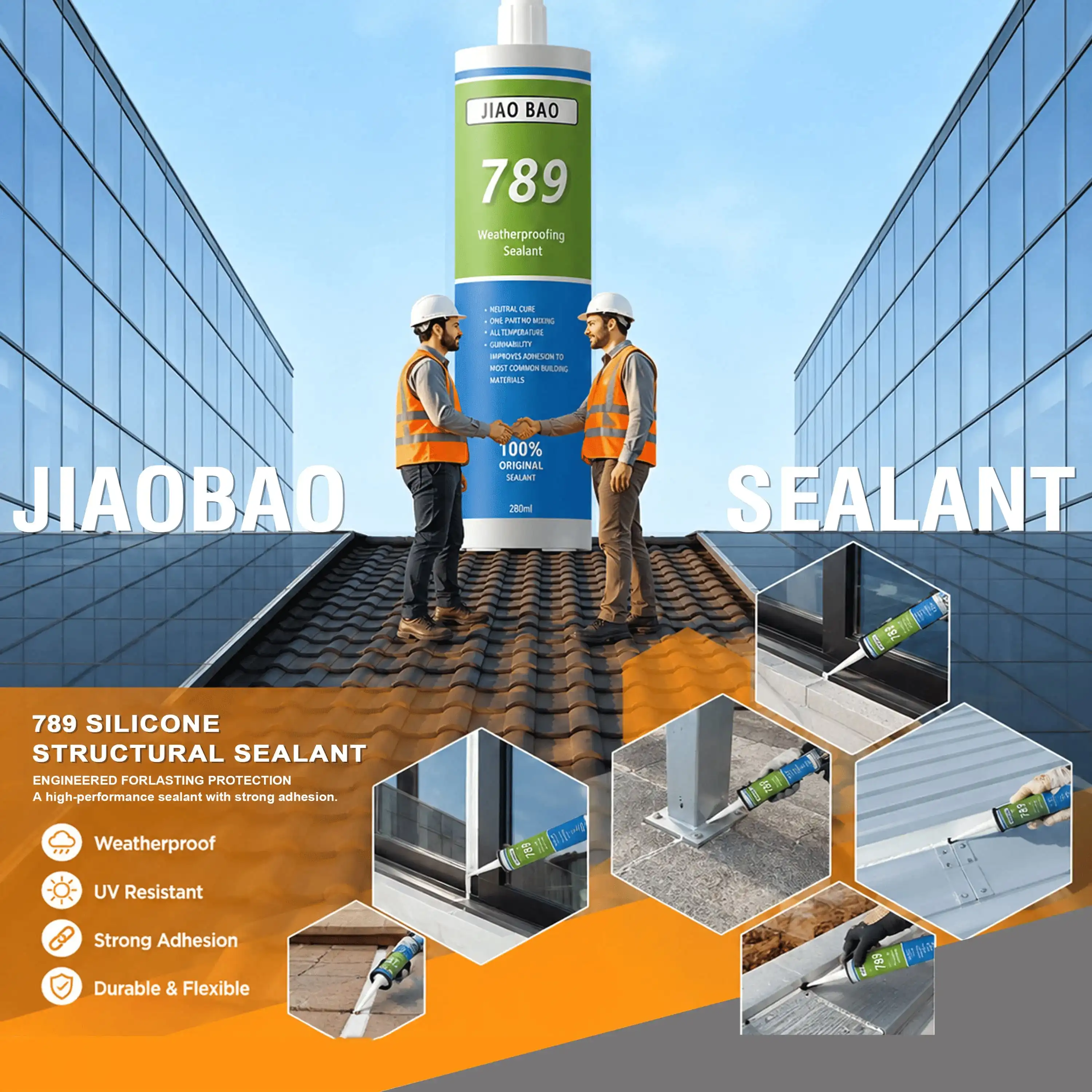
B2B customers must choose between international names and competing niche producers like Jiaobao. Multinational vendors provide rich technical documentation and global distribution networks but need larger minimum order quantities and longer lead times. For projects with tight deadlines, regional manufacturers specialize in customisation, color matching to RAL charts, and fast turnaround. Request on-site samples for supplier evaluation that mimics substrate conditions and application processes. Our production capability allows delivery in 1-2 weeks for urgent construction and industrial manufacturing procurement demands.
Container load optimization greatly affects foreign procurement per-unit costs. Depending on packaging density, 20-foot containers may hold 1,200-1,400 300ml sausage cartons or 800-1,000 600ml cartridge cartons. Negotiating with suppliers that supply sea freight for cost-sensitive orders and land transport for time-critical delivery increases operational agility. High adhesion silicone sealants are recommended for such logistics coordination to ensure joint integrity despite vibration and temperature shifts during transport. Trading businesses and distributors should check suppliers' buffer inventory for seasonal construction reorder increases. North American construction material wholesalers and hardware distributors receive reliable delivery from our logistics partners.
Technical managers and procurement experts must check product standards before specifying them in projects. ISO 9001 quality management certification, ASTM C920 movement capability ratings, and fire resistance designations are compliance documents. Request batch-specific ASTM C794 extrusion, tack-free, and peel adhesion test reports. Jiaobao checks specific gravity for unlawful filler loading that compromises stated strong adhesion. Performance warranties and explicit replacement policies decrease procurement risk for channel partners servicing demanding construction and industrial clients.
Volume-based pricing encourages larger orders and supports project planning by predicting costs. Distributors should have payment periods that match their sales cycles—construction projects have 60-90 day payment windows that necessitate supplier flexibility. Discuss OEM and private labeling to differentiate brands in competitive marketplaces. Packaging design and technical data sheet co-branding are also customizable. These value-added services assist trading businesses and hardware distributors retain customers and make money in a commodity-sensitive market.
Understanding how rubbing alcohol reacts with silicone sealants helps procurement professionals safeguard project investments. Properly cured high adhesion silicone sealant resists isopropyl alcohol, but optimal practices for application and maintenance extend effectiveness. Advanced formulations are specified in challenging construction and industrial applications because of their improved bonding, temperature endurance, and chemical stability. Comparing options and choosing providers based on certifications, customization flexibility, and delivery dependability guarantees cost-effective, high-performance sealing solutions for your projects.
Rubbing alcohol cleans fully cured silicone without harm. Spray sparingly on a cloth rather than joints. Keep contact under 30 seconds and let evaporation finish before stressing or chemically treating seals.
After application, avoid chemicals for 48 hours. Joint depth and humidity determine cure time: 7-14 days. Test adhesion on a tiny, inconspicuous area before handling important seals for assurance.
High adhesion silicone sealants retain bonds better during heat cycling, but both kinds are flexible across wide temperatures. The increased adhesion boosters tolerate interfacial stress better when materials expand and contract at various rates, making them ideal for outside curtain walls.
Your trusted high adhesion silicone sealant provider, Jiaobao has over 13 years of production experience servicing construction, industrial, and distribution worldwide. Our ISO-certified production facilities provide weather-resistant and structural sealants with bespoke color matching to suit curtain wall, door and window, and general contractor specifications. Our fast 1-2 week delivery and versatile OEM/ODM services promote brand development and market positioning.
Our technical staff provides individualized advice, thorough testing data, and prompt after-sales assistance for bulk procurement for major projects or specialized formulas for unusual substrate combinations. Talk to us at dorashen@cnjiaobao.com about how our superior sealant technology can improve project performance and procurement efficiency. Our full product line and on-site samples are available at shandongjiaobao.com.
1. Smith, J. R., & Thompson, M. L. (2021). Chemical Resistance of Silicone Elastomers in Industrial Environments. Journal of Polymer Science and Applications, 45(3), 287-304.
2. Anderson, K. P. (2020). Adhesion Mechanisms in High-Performance Silicone Sealants for Construction Applications. Building Materials Research Quarterly, 18(2), 112-129.
3. Chen, W., & Roberts, D. F. (2022). Comparative Analysis of Curing Systems in One-Part RTV Silicone Sealants. International Journal of Adhesion and Adhesives, 67, 45-58.
4. Martinez, E. A., & Williams, S. T. (2019). Solvent Compatibility Testing Methods for Architectural Sealants. ASTM Standards and Testing Protocols, 12(4), 201-218.
5. Nakamura, H., & Foster, R. J. (2023). Long-Term Performance Evaluation of Silicone Sealants in Curtain Wall Systems. Construction Engineering and Technology Review, 31(1), 76-93.
6. Peterson, L. M., & Zhang, Q. (2020). Impact of Cleaning Agents on Sealant Service Life in Commercial Building Maintenance. Facilities Management Journal, 28(3), 134-151.
November 16,2023
Enterprise Name
The sealant has very strong adhesion and performs well even on glass and aluminum. After curing, it remains flexible and shows no cracking. Perfect for our facade projects.
November 16,2023
Enterprise Name
Stable quality across batches. Our customers especially like the smooth application and consistent extrusion. It helps reduce installation time on site.
November 16,2023
Enterprise Name
I used it for bathroom sealing. Excellent waterproof performance and no mold issues so far. It's been holding up very well in humid conditions.
November 16,2023
Enterprise Name
The neutral silicone works well on sensitive materials without corrosion. Very suitable for industrial applications requiring stable performance.
_1779347426672.webp)