November 16,2023
Enterprise Name
The sealant has very strong adhesion and performs well even on glass and aluminum. After curing, it remains flexible and shows no cracking. Perfect for our facade projects.
Jul 28, 2026
To make sure the sealant sticks well and doesn't leak, you need to carefully prepare and use the right method when applying it to a windscreen. Whether you're using PU Auto Glass Sealant High Strength or silane-modified polyether formulations, the process includes cleaning the glass and frame well, applying primer if needed, spreading a uniform bead along the pinchweld, and giving it enough time to cure before using the car again. Professional car sealants usually harden when they come in contact with wetness. This makes an elastomeric seal that can survive vibrations, extreme temperatures, and high speeds on the highway while still protecting the vehicle's structure in case of an accident.
Polyurethane adhesives are now the standard way to install windscreens because they can bond structures together stronger than silicone can. When a car rolls over or hits something from the front, the windscreen is a key structural part that keeps the roof from falling in. When molecular chains in polyurethane formulations react with moisture in the air, they form bonds that can pull apart more than 6 MPa in high-strength versions. Because of this chemical structure, the glass can act as a safety cage for the car.
Polyether sealants that have been changed with silane are a good compromise between silicone and polyurethane. There is only one part to these formulas, and they stick really well to glass and painted surfaces while still being more flexible than rigid polyurethanes. These materials can handle chassis flex without compromising the seal because they are hard (around Shore A 45) and can stretch up to 400% before breaking. The composition stays the same at temperatures ranging from -40°F to 180°F, so they can be used in a wide range of climates in the United States.
When purchasing managers look at car sealants, they should look at certain technical factors that have a direct effect on how well they work and how long they last. Sag resistance tells you if the material stays in a triangular bead shape when it is applied vertically without falling flat. When you use good recipes, they don't sag by even a millimetre, so they stay in contact with glass and metal surfaces while they cure.
Because of changes in air, tack-free time changes with the seasons. In the summer, when there is more moisture in the air, surface skinning can happen in 25 to 40 minutes. In the winter, it may only take 15 to 30 minutes for the material to form a protective skin. This trait affects how things are handled on a production line, where timing for throughput is very important. The speed of curing moves about 3.5 millimetres per day from the outside to the inside. The Safe Drive-Away Time for replacement operations is based on how long it takes for thicker bead applications to fully cure. A solid content of about 99% means that there aren't many volatile organic compounds. This means that the material won't shrink as much when it cures and will keep its shape, which is important for gap-filling applications.
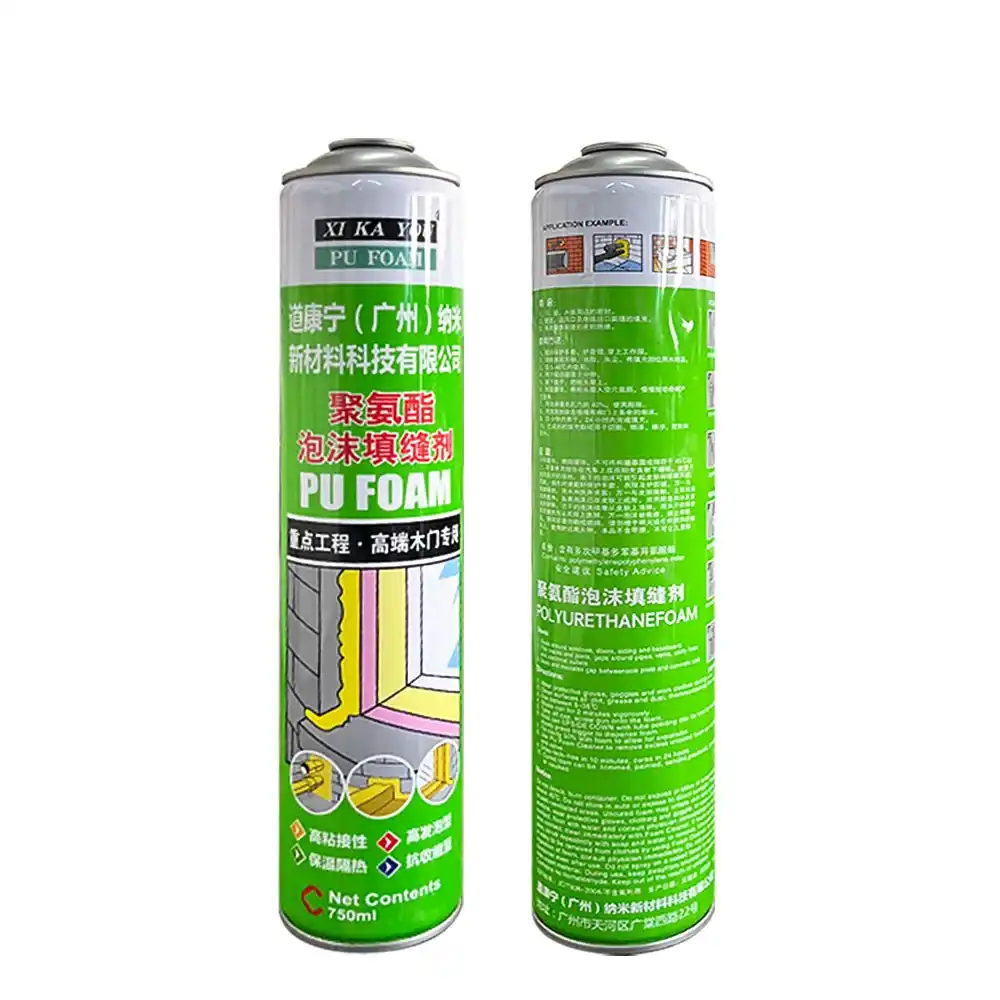
Clean surfaces are the first step to good adhesion for PU Auto Glass Sealant High Strength. Carefully take off the old windscreen so as not to damage the pinchweld. Then, use the right tools to scrape off any leftover sealant without scratching the painted surface. Any rust, rusting, or coating damage needs to be fixed before moving on, because a base that isn't in good shape can cause the bond to fail early.
Isopropyl alcohol or solvents recommended by the manufacturer can be used to clean both the glass edge and the vehicle frame. In this step, oils, dust, and silicone leftovers that stop molecules from joining are removed. Let surfaces dry completely, because any moisture on them during this step can make it hard for the primer to stick. Check the ceramic frit band on the edge of the windscreen to make sure it is still whole and doesn't have any chips or scratches that could affect the bond line.
Many modern sealants work well on glass surfaces without primers, but metal pinchwelds usually need a black primer to help them stick and protect the bond line from UV damage. Use a foam brush to apply primer sparingly, making sure to only cover the areas that will touch the sealant bead. Too much primer makes a weak border layer that weakens the link as a whole.
Put the sealer capsule into a gas or battery-powered dispensing gun. Cut the tip of the nozzle at a 45-degree angle to make a hole the right size for the bead you want to make. For most automotive uses, beads need to be between 8 and 12 millimetres wide. Keep the gun speed and pressure the same while putting a continuous triangular bead around the edge of the pinchweld. Stopping in the middle of an application is not a good idea because it leaves weak spots where water can get in.
Place the windscreen on the new sealant bead as soon as it's been dispensed, because the working time varies based on the temperature and humidity. Firmly press the glass against the sealer until it reaches the right width, which is usually 3 to 6 millimetres. Move the windscreen into place using suction cups. Make sure it is straight from several angles before letting go. Use tape or other holding devices to keep the glass in place while it cures for the first time. Within an hour, the material reaches "green strength," which is enough to hold the windscreen in place. Depending on the weather and humidity, the structure becomes fully strong after 24 to 48 hours. Avoid hitting doors or shaking the car during this time because it could mess up the bonding process.
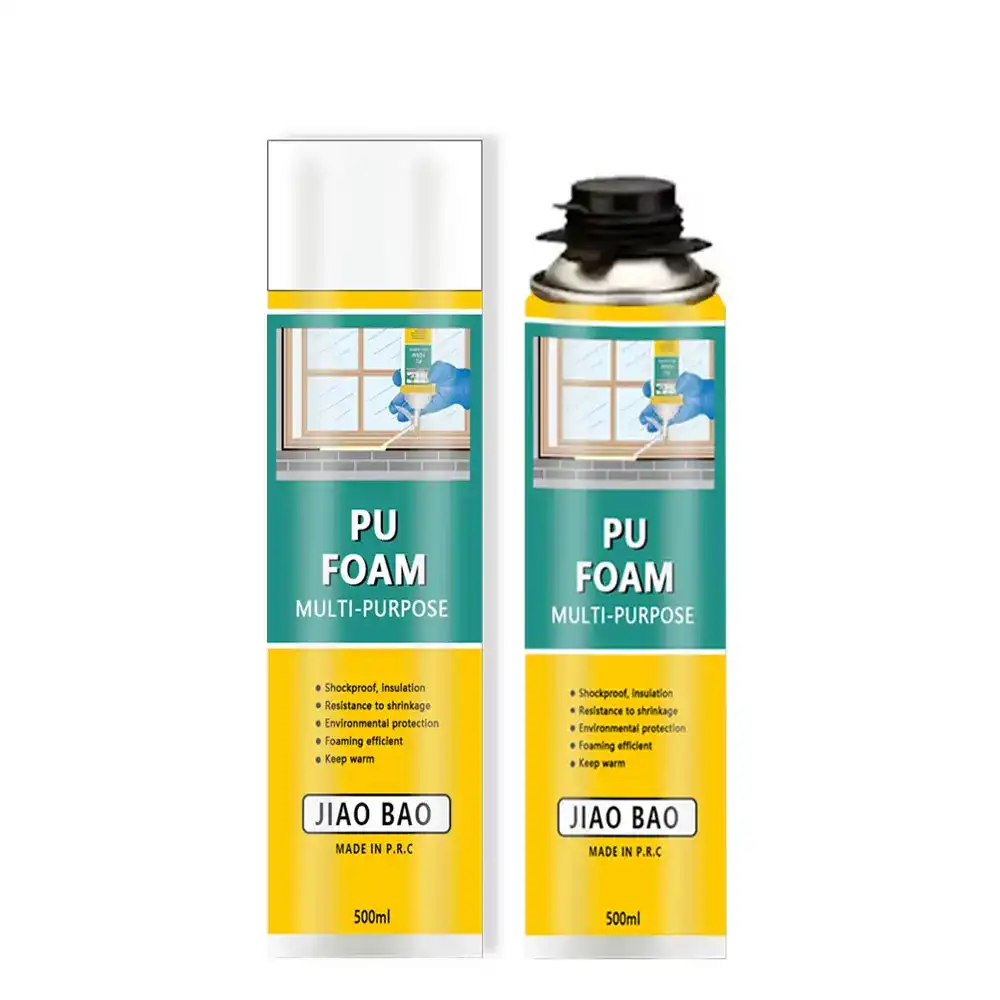
When installing auto glass with PU Auto Glass Sealant High Strength, you need to use materials that meet certain safety standards set by government agencies. It is shown that industrial methods keep quality controls the same across all production batches when they are ISO certified. European safety directives say that products with the CE mark must follow them. Many American firms also use these directives as standards to make sure their products work well.
ASTM International standards set the rules for testing adhesion, tensile strength, and resistance to the environment. Sealants that have been approved by ASTM C794 have been tested for peel adhesion, and ASTM C639 confirms that they don't sag. These third-party checks lower the risk of buying something by giving objective performance data that isn't based on what the manufacturer says.
Ask for scientific data sheets that list mechanical qualities like Shore A hardness values, elongation percentages at break point, and tensile strength measured in megapascals. Compare these specs to what you need for your application, taking into account things like the substrate material, the gap size, and the service conditions you expect. Glass making plants that glue together big building glass panels need different materials than auto assembly lines that put together windscreens for cars.
Reliable suppliers show that their products last a long time and keep clear lines of communication open during the whole procurement process. Companies that have been around since at least 2013 have been through several industry cycles and have changed their recipes to meet changing standards and customer needs. This experience means that the product will be the same across different batches, and technical support will come from staff who are knowledgeable about how to fix problems with applications.
Production lead times have a direct effect on managing inventory and planning projects. When you place an order with a supplier, they should have it ready to ship within one to two weeks. This lets you use just-in-time purchasing methods that cut down on storage costs. When demand changes, the supply chain stays connected thanks to a variety of flexible logistics options, such as ocean freight for large orders and fast land shipping for urgent restocking.
Customisation services can meet specific needs for packaging, like private labelling for distributors or matching colours for architectural uses. OEM programs let curtain wall contractors choose formulations that meet the performance requirements of a particular job while keeping the brand's look uniform across multiple building sites. These partnerships go beyond just supplying products; they've turned into strategic partnerships that help businesses stay ahead of the competition.
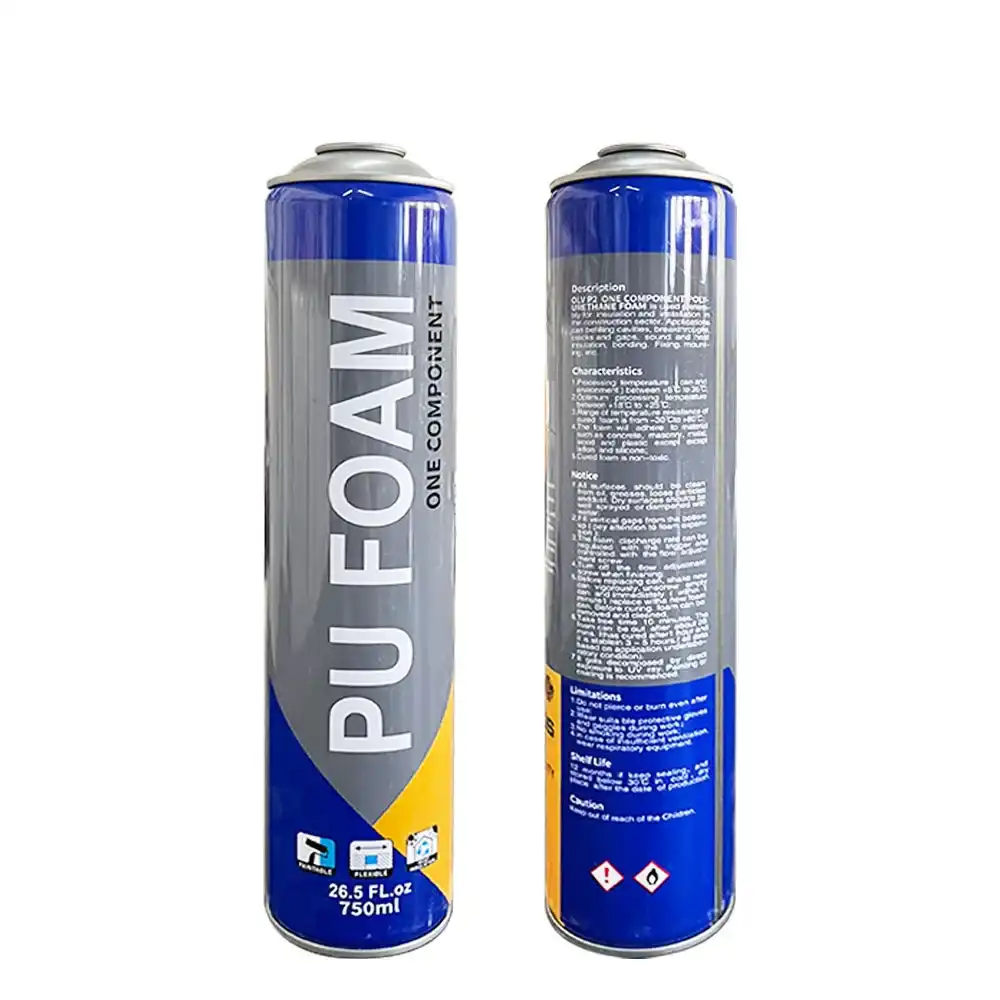
Windscreen sealants can stand up to harsh conditions for the life of a vehicle. Both glass and metal parts expand and shrink when the temperature changes from freezing in the winter to hot in the summer. Elastomeric seals that can stretch 400% can handle these changes in size without breaking or losing their stickiness. Because the material is flexible, stress doesn't build up at the bond interfaces, which is where hard adhesives would break.
Many types of polymers break down when exposed to UV light, which can lead to colour changes and stiffening over time. Good automotive sealants have stabilisers in them that keep the sealant's mechanical properties even after years of being in the sun. Black pigmentation keeps UV rays from getting into the interior bead areas, which extends their useful life in situations where both function and appearance are important.
The seal can handle car fluids like windscreen washer fluid, fuel vapours and cleaning products because it is chemically resistant. Formulations that aren't easily broken down by water keep their adhesion strength even when they are regularly exposed to mixes of moisture and temperature that break down polymers faster. This longevity cuts down on guarantee claims and raises customer happiness in both the OEM assembly and aftermarket replacement markets.
For automated dispensing systems to work in car assembly plants, PU Auto Glass Sealant High Strength needs to have stable rheological qualities so that it can flow smoothly through robotic application equipment. When materials have thixotropic behaviour, they stay fluid under shear stress while pumping, but they immediately stabilise as soon as they leave the nozzle, which keeps the bead from distorting. Because of this trait, high-speed production lines can keep quality standards high while making thousands of units every day.
Fast tack-free times that lower vehicle bay occupancy are good for aftermarket repair shops. In the past, traditional polyurethane systems needed to cure for 24 hours before the vehicle could be driven safely. This slowed down the shop's work and made things harder for customers. Modern formulas that achieve structural stability in one to two hours allow service to be completed the same day, which increases profits and meets customer standards for minimum downtime.
Cartridges that are stored properly will last for 12 months, which cuts down on waste from old stock. Different application sizes can be accommodated by different packaging options, such as 300ml and 600ml volumes in both sausage and cartridge formats. These can be used for everything from small repair jobs to large commercial fleet maintenance operations. This flexibility makes managing supplies easier by letting a single product solve problems in a number of different situations.
When negotiating a bulk purchase, unit price drops should be weighed against the costs of storing the goods. Setting annual volume commitments with graduated pricing tiers encourages suppliers to offer competitive rates and ensures supply availability during times of high demand. Distributors who have a lot of smaller customers can combine their orders to get volume discounts that are usually only available to large OEM accounts.
Different suppliers have very different minimum order quantities. Manufacturers who want to sell to businesses may need pallet amounts that aren't practical for smaller operations. On the other hand, manufacturers who want to sell to a wide range of markets may have flexible MOQ structures that allow for sample testing and first trial sales. When comparing prices from domestic and foreign sources, it is important to look at the total landed costs, which include freight surcharges and customs duties.
Talking about payment terms has an effect on managing cash flow, especially for buying rounds that are based on projects. When you offer Net-30 or Net-60 terms that work with your customers' payment plans, you need less working capital. Some suppliers offer discounts for early payment, which helps companies with extra cash by offsetting the opportunity cost of paying faster.
Fake sealants are very dangerous in car uses where the integrity of the structure affects how well people are protected in crashes. Check the legitimacy of the supplier by looking at their business registration papers, facility audit reports, and customer references. Genuine makers are happy to give you the chance to tour their factories and provide full documentation of their quality control processes. Ask for documents that prove the analysis of each production batch and confirm that certain lots meet the published requirements. Test results for important factors like viscosity, cure rate, and mechanical strength should be included in these reports. Setting up incoming inspection protocols that include testing samples at your facility is a good way to find specification drift before it gets into the production process.
Set up seller scorecards to keep track of things like on-time delivery rates, quality rejection rates, and how quickly technical help responds. Regular reviews of performance hold people accountable and help find ways to improve, which is good for everyone. Long-term partnerships with consistently high-performing suppliers lower the risk of buying things and allow teams to work together to create new products that meet new application needs.
Understanding the properties of the material like PU Auto Glass Sealant High Strength, following orderly installation steps, and choosing goods that meet the needs of the application are all important for successfully putting sealant to windscreens. Whether you want strong structural bonds or flexibility, polyurethane and silane-modified formulas each have their own benefits. No matter what kind of science is used, surface preparation is still very important because dirty substrates stop sealants from sticking properly. To lower the risk, procurement professionals can check the credentials of suppliers, ask for technical documentation, and set up quality assurance protocols that protect both operational efficiency and end-user safety.
A: For proper curing, most automotive sealants need a substrate temperature above 40°F (5°C). Low humidity slows down moisture-activated polymerisation a lot below this point. Cold-weather formulas with accelerators can be used in temperatures as low as 25°F, but better results can be achieved by storing them in a controlled setting and warming the substrate. Always check the instructions that came with your product from the manufacturer.
A: Putting new sealant on top of beads that aren't fully dried makes surfaces that are weak and easily delaminated. The top layer stops the moisture from getting to the deeper layers, which is needed to cure them. This traps uncured material that never gets strong enough. If you apply sealer incorrectly, you need to completely remove it before reapplying it to make sure that the bond is correct across the whole length of the bead.
A: SDAT is affected by the type of sealant used, the temperature, and the humidity in the air. Manufacturers put out recommended wait times after crash tests show that minimum cure levels are safe for occupants. High-humidity, warm conditions speed up curing, which could lower the SDAT below the maximums that have been published. However, you should never assume that curing will happen faster without testing to confirm. In professional repair settings, conservative estimates lower the risk of liability.
Since 2013, Jiaobao has been making professional-grade sealing solutions for delivery networks, glass makers, and car assembly plants all over North America. We make one-component silane-modified polyether formulations that give B2B clients the performance traits they want: no sagging when applied, quick tack-free times across seasonal temperature ranges, and mechanical properties like 2.2 MPa tensile strength with 400% elongation. Our quality control systems are backed up by ISO and CE certifications, and production wait times of just one to two weeks help with methods for keeping inventory low.
Our OEM/ODM services can meet your specific needs, whether you need standard black, white, and grey options or custom colour matching for architectural glass projects. You can email our technical team at dorashen@cnjiaobao.com to get samples, talk about bulk pricing as a qualified PU Auto Glass Sealant High Strength manufacturer, or look into customisation options that will help your products stand out in a crowded market.
1. Smith, R. & Johnson, L. (2021). Automotive Adhesive Technology: Material Selection for Structural Glazing Applications. Society of Automotive Engineers Technical Paper Series.
2. Williams, D. (2020). Polyurethane and Silane-Modified Polymer Chemistry in Transportation Applications. Journal of Applied Polymer Science, 138(4), 49876-49891.
3. National Highway Traffic Safety Administration. (2019). Federal Motor Vehicle Safety Standard 212: Windshield Mounting Requirements and Testing Protocols. U.S. Department of Transportation.
4. Chen, H. & Martinez, P. (2022). Environmental Durability of Automotive Sealants: Accelerated Aging and Field Performance Correlation Studies. International Journal of Adhesion and Adhesives, 114, 103089.
5. Thompson, K. (2018). Quality Control Methods for Automotive Assembly: Statistical Process Control in Sealant Dispensing Operations. Manufacturing Engineering Quarterly, 42(3), 156-173.
6. Anderson, M. & Roberts, T. (2023). Procurement Best Practices for Industrial Sealant Buyers: Risk Mitigation Strategies in Global Supply Chains. Supply Chain Management Review, 27(1), 34-48.
November 16,2023
Enterprise Name
The sealant has very strong adhesion and performs well even on glass and aluminum. After curing, it remains flexible and shows no cracking. Perfect for our facade projects.
November 16,2023
Enterprise Name
Stable quality across batches. Our customers especially like the smooth application and consistent extrusion. It helps reduce installation time on site.
November 16,2023
Enterprise Name
I used it for bathroom sealing. Excellent waterproof performance and no mold issues so far. It's been holding up very well in humid conditions.
November 16,2023
Enterprise Name
The neutral silicone works well on sensitive materials without corrosion. Very suitable for industrial applications requiring stable performance.
_1779347426672.webp)