November 16,2023
Enterprise Name
The sealant has very strong adhesion and performs well even on glass and aluminum. After curing, it remains flexible and shows no cracking. Perfect for our facade projects.
Jun 30, 2026
MS polymer sealant serves as a versatile sealing and bonding solution widely used across construction, automotive, marine, and industrial manufacturing sectors. This advanced hybrid technology combines silicone durability with polyurethane strength, making it ideal for expansion joints, curtain wall sealing, door and window frames, automotive panel bonding, and waterproofing applications where flexibility, strong adhesion, and weather resistance are critical. Its paintability and substrate-friendly characteristics solve longstanding industry challenges that traditional sealants cannot address effectively.
MS polymer sealant is the third generation of elastomeric seals. It is also known as Silyl Terminated Polyether (STPE) in the science world. In contrast to other choices, this combination technology uses a polyether backbone with silane groups on the ends. The recipe doesn't have any isocyanates or silicone oils in it, which gets rid of two big problems: polyurethanes' health risks and bubbling issues, and silicones' oil staining issues. When the silane groups are introduced to water vapor in the air, they break down and condense, creating a forever elastic material that is like rubber and stays flexible at all temperatures.
The healing process is started by the area that is exposed to air and moves inward at a rate of about 3.5 millimeters per day. In the summer, the surface is no longer tacky in 25 to 40 minutes. In the winter, when humidity levels are lower, it takes 15 to 30 minutes. This known cure rate gives project managers the trust they need to plan the next stages of building. The end rubber has a Shore A hardness of about 45, which is just the right amount of rigidity and flexibility for movement.
Temperature resistance is one of the most important features; it keeps working reliably from -40°C to 120°C. The extension capacity is about 400%, which means that sealed joints can stretch and shrink without breaking when the temperature changes with the seasons. With a solid substance of almost 99 percent, the joint doesn't shrink much when it cures, so the measurements stay the same. The almost-zero VOC content meets strict environmental standards, such as LEED v4 approval, and supports green building efforts that many buying professionals now put a high priority on.
A lot of the structural glazing and perimeter joint sealing in glass windows and metal panel systems that curtain wall makers use is MS polymer sealant technology. The substance sticks well to anodized metal, powder-coated surfaces, and architectural glass without primers, which cuts down on the number of steps needed for installation and the cost of work. Expansion joints in precast concrete structures can move a lot, which helps them deal with building settlement and heat expansion while keeping their waterproof integrity. Manufacturers of doors and windows use these seals to protect the edges of the frames because they can be painted and match the color of the surrounding surfaces.
General builders like that the application can be used in any weather, which keeps projects on schedule even when conditions are bad. The substance consistently cures on wet substrates where polyurethanes would bubble and fail. This is a huge benefit when building schedules are tight and waiting for the surface to dry completely is not an option.
MS polymer sealant formulations are used on vehicle assembly lines to join body panels, roof sections, and floor parts together. During operation, the rubber soaks up vibrating energy, which lowers the noise level in the passenger areas while keeping the structural bonding strength. The flexible bond line spreads mechanical loads across the whole joint area, unlike stiff adhesives that build up stress points. Bus and trailer makers like being able to glue different materials together, like fiberglass to metal frames, without having to worry about galvanic rusting.
Weatherproofing parts that are exposed to UV rays, road salt, and changes in temperature need to last a long time, which this technology always does. Fleet owners say that upkeep costs are lower because sealed parts don't crack or delaminate before they should, so the vehicles last longer.
Manufacturers of shipping containers use sealants made especially for salty areas to cover the corners and edges of doors. The sealant works well even when applied to wet surfaces, which is a regular problem in places that make things for the water industry. Yacht builders use these materials for the joints between the deck and the hull because they are flexible enough to allow the hull to bend with the waves while still keeping the water out.
HVAC equipment companies use the technology to seal pipes and put together equipment housings. The substance can handle the constant changes in temperature that come with heating and cooling systems without getting harder or losing its stickiness. It is used by companies that make electronics to waterproof junction boxes and wire openings. This keeps wetness out of sensitive parts, which would otherwise fail early.
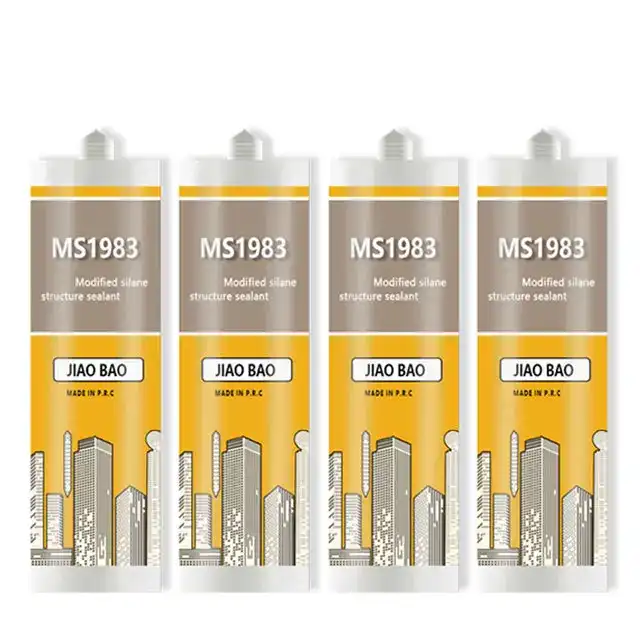
Silicone seals are very good at protecting against weather, but they give off oils that stain porous stones like marble and granite, which can be very expensive to fix for high-end projects. The surface can't be painted, which limits design options when color matching is important. Polyurethane mixtures stick well, but they contain isocyanates that are bad for your health when you use them and make surfaces bubble when they get wet. Over time, UV light breaks down polyurethanes, causing the surface to chalk and the material to lose some of its flexibility.
Acrylic sealants are inexpensive and work well for tasks inside, but they are not strong enough or flexible enough for outdoor parts that move a lot. Their water-based formulation freezes during cold weather, creating application restrictions. Epoxy glue have a very strong bond, but when they dry, they become hard, which isn't good for places that need to be flexible. MS polymer sealant technology fills in these holes by blending the longevity of silicone with the adhesion power of polyurethane, without the problems that come with either one.
For outdoor uses that are subject to UV rays, high temperatures, and weathering, hybrid plastics are needed for their long-term safety. The formula doesn't yellow or break down the surface like other technologies do, which hurts both look and function. The low-odor, solvent-free formula keeps the air quality high during repairs in occupied buildings, which is good for indoor settings. Projects that need surfaces that can be painted right away gain design freedom that silicone options don't offer.
When people are exposed to chemicals in workplace settings, it's important to choose the right materials. When elastomer is fully fixed, it can stand up to most weak acids, alkalis, and cleaning products. However, strong chemicals may make it less effective. If the temperature needs to be higher than 120°C for long periods of time, it seems like other high-temperature materials would be better.
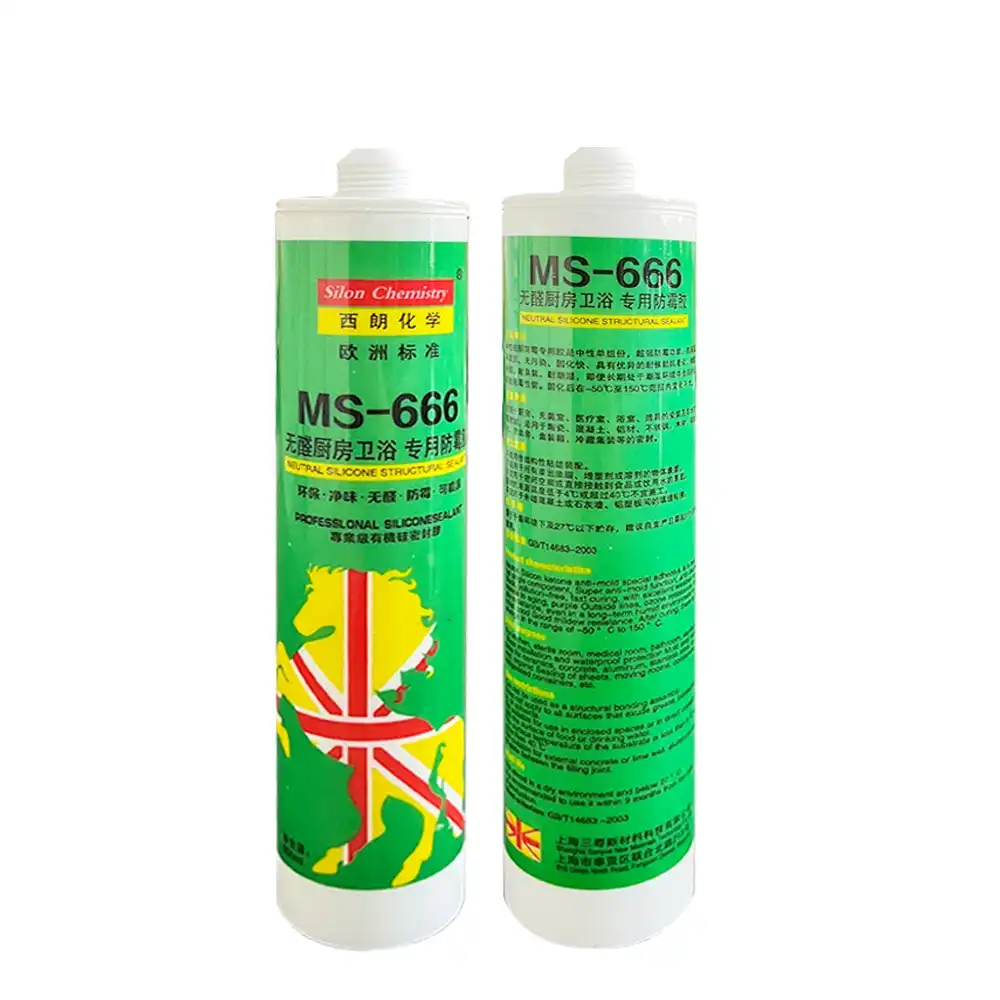
For project-based purchases of more than a few thousand cartridges, volume-based price models usually offer big cost savings. Setting up framework deals with qualified makers makes sure that prices stay the same throughout multi-phase building projects and that attention is given during times of high demand. When coordinating the delivery of materials with the timeline for building, figuring out the lead time is very important. Reliable providers keep enough stock on hand to fill orders within one to two weeks, which keeps projects from being delayed, which can be very expensive.
Choices of packaging affect both how well things are handled and how much waste is thrown away. Standard caulking guns can be used to apply cartridge formats by hand, and sausage packing cuts down on plastic trash and cost per unit volume for people who use a lot of products. The 300 milliliter and 600 milliliter sizes are available to suit a range of application sizes and equipment types.
Verification of certification sets minimum standards for quality. Systematic quality management methods are shown by ISO 9001 certification, and performance specs are confirmed by testing the MS polymer sealant to GB/T 13477-2002 and HG/T 4363-2012 standards. It is easier to see how consistent one batch is with another when you ask for technical data sheets with real test results instead of typical numbers.
Before placing big orders, sample testing methods should be carried out in conditions that are similar to those on the real spot. Checking how well the material sticks to project-specific surfaces, how fast it cures at room temperature and humidity, and how the tool works are all things that help find possible application problems before they delay production. Customer references from related industry uses can tell you a lot about how reliable a seller is, how quickly they respond to technical support requests, and how well they can solve problems when they come up.
When you negotiate a contract, you should talk about promises for shelf life, storage conditions, and replacement plans for materials that don't meet standards. A twelve-month shelf life from the date of creation means that material needs to be rotated often, especially for projects with long lead times.
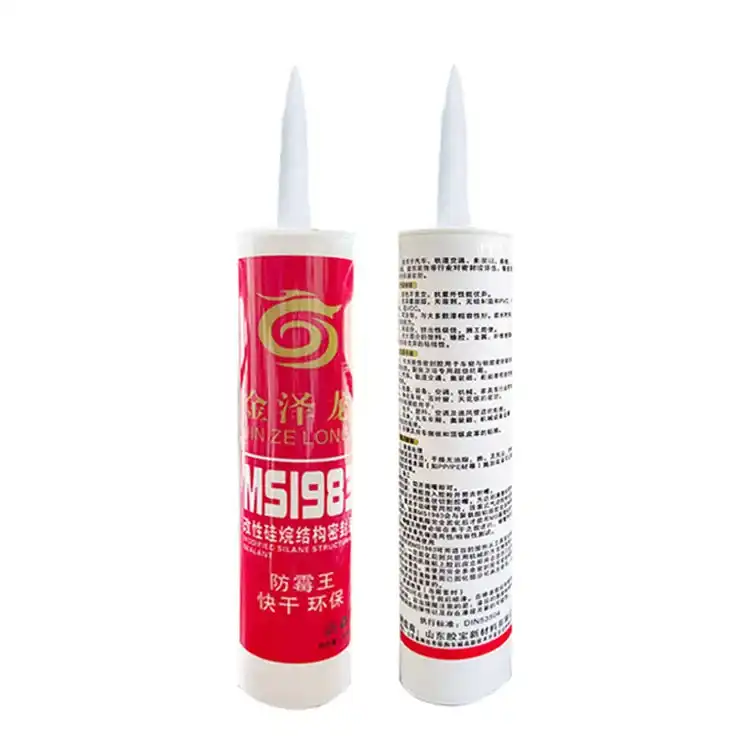
For adhesion to work, the base areas must be clean, dry, and sound. The best conditions for bonding are reached by mechanically cleaning or liquid wiping away any loose materials, dust, oil, or release agents. For important structural uses, porous surfaces like concrete may benefit from a primer coat, but in most cases, adhesion is good enough without this extra step. For best performance, joint design should have a width-to-depth ratio of 2:1. To control MS polymer sealant depth and stop three-sided bonding, use support rod or bond breaker tape.
For smaller jobs or work in the field where movement is important, manual dealing with pneumatic or battery-powered guns works well. Keeping the bead size and tool speed the same guarantees that the final product will look and work the same. In industry settings, automated pouring systems make it possible to place beads precisely and consistently, which cuts down on waste and speeds up production.
To get smooth joint profiles, tooling should happen within the time for skin growth on the surface. The right manufacturing pressure presses the material firmly against the base surfaces, increasing the area of contact and the strength of the bond. By keeping uncured joints out of the rain for at least three hours, you can keep the surface from getting dirty, which can ruin the look.
Visual inspections done on a regular basis find early signs of bond loss or mechanical damage that needs to be fixed. Most situations only need to be inspected once a year, but tough settings may need to be checked more often. Fixing specific problems right away stops damage from getting worse over time, which leads to the need for a full joint replacement in the end. Cleaning the surface with a light cleanser keeps the look without changing the qualities of the elastomer. This is better than using harsh chemicals, which could cause the material to swell or soften.
These preventative steps increase the useful life of the product and boost the return on the initial investment in it. This is especially important for projects where making fixes is hard or costs a lot of money.
The MS polymer sealant technology offers a strong mix of performance features that meet important needs in a wide range of industrial settings. Getting rid of silicone oil stains and isocyanate health issues, along with the ability to be painted and stick to a wide range of substrates, fixes long-standing problems in the industry that used to force compromises. When decision-makers know about the technical skills, the right way to use the materials, and strategic buying issues, they can definitely choose the right materials for a project and see it through to completion. Buying good MS polymer sealant is a good idea because they last longer, don't need as much upkeep, and protect building envelopes and made parts for the whole time they were meant to last.
A: The total time needed to heal varies on the depth of the joint and the weather. At 23°C and 50% relative humidity, a 10-millimeter deep joint takes about three days to fully cure, since the cure rate is about 3.5 millimeters per day. Higher humidity speeds up the drying process, while low temperatures slow it down. It takes 25 to 40 minutes for the surface to cure enough for light to touch it in the summer.
A: The finished rubber stays flexible and sticks to itself at temperatures ranging from -40°C to 120°C, making it useful in most places and situations. Short-term exposure to temperatures up to 150°C doesn't cause failure right away, but long-term exposure above 120°C may slowly make it less effective. This MS polymer sealant is more resistant to heat than many others on the market, especially polyurethanes, which break down in cold weather.
Because it has almost no VOC, it can be used for repairs in active buildings and projects that are sensitive to the environment. Since there are no chemicals, there are no strong smells during application, which makes workers more comfortable. The isocyanate-free recipe gets rid of the breathing problems that come with polyurethane options. These qualities support the standards for LEED recognition and the stricter environmental rules that apply to building materials.
Shandong Jiaobao New Material Co., Ltd. is a trusted MS polymer sealant seller that has been in business for over 13 years and works with building, automotive, and industry sectors around the world. Our one-part RTV recipe gives you the zero-contamination promise you need—no silicone oil staining, surfaces that can be painted, and bonding to glass, metal, stone, concrete, and most building materials without primer. Our products meet ISO and CE standards and come in white, black, gray, custom colors, and 300ml and 600ml sizes.
They also come with full paperwork of performance tests. One- to two-week production lead times keep your project plans on track, and flexible OEM/ODM options meet the standards and package needs of different regions. Our expert team helps with applications and tests samples to make sure they work before placing large orders. If there are any quality problems during the shelf life, we will replace them right away as part of our replacement promise. You can talk about your buying needs with dorashen@cnjiaobao.com and experience the quality, dependability, and service that make Jiaobao the best strategic sourcing partner for you.
1. American Society for Testing and Materials. (2021). Standard Test Method for Sealants and Adhesives Performance in Building Construction. ASTM International.
2. Chen, W., & Liu, H. (2019). Silyl-Modified Polymer Sealant Technology: Composition, Properties and Applications. Journal of Applied Polymer Science, 136(18), 47452.
3. European Sealant and Adhesive Manufacturers Association. (2020). Technical Guidelines for MS Polymer Sealant Application in Facade Engineering. EFSMA Technical Publication.
4. Johnson, R. M., & Williams, T. (2018). Comparative Performance Analysis of Modern Elastomeric Sealants in Construction Applications. Construction and Building Materials, 167, 892-905.
5. National Building Code Standards Committee. (2022). Specifications for Modified Silane Polymer Sealants in Commercial Construction. GB/T 13477-2002 Revision Guidelines.
6. Thompson, D. L. (2020). Hybrid Polymer Technology: Bridging the Gap Between Silicone and Polyurethane Sealants. International Journal of Adhesion and Adhesives, 98, 102543.
November 16,2023
Enterprise Name
The sealant has very strong adhesion and performs well even on glass and aluminum. After curing, it remains flexible and shows no cracking. Perfect for our facade projects.
November 16,2023
Enterprise Name
Stable quality across batches. Our customers especially like the smooth application and consistent extrusion. It helps reduce installation time on site.
November 16,2023
Enterprise Name
I used it for bathroom sealing. Excellent waterproof performance and no mold issues so far. It's been holding up very well in humid conditions.
November 16,2023
Enterprise Name
The neutral silicone works well on sensitive materials without corrosion. Very suitable for industrial applications requiring stable performance.
_1779347426672.webp)