November 16,2023
Enterprise Name
The sealant has very strong adhesion and performs well even on glass and aluminum. After curing, it remains flexible and shows no cracking. Perfect for our facade projects.
Aug 1, 2026
Modern vehicles demand adhesives that go beyond simply holding glass in place. PU Auto Glass Installation Sealant represents a breakthrough in automotive safety engineering, serving as a structural component that contributes up to 30% of a vehicle's roof crush resistance. These specialized polyurethane-based adhesives address critical industry challenges including rapid safe drive-away times, consistent performance across varying climates, and compliance with stringent insurance claim standards. Unlike traditional silicone products, polyurethane sealants cure through moisture reaction to form durable bonds that withstand crash forces while maintaining flexibility through temperature extremes.
Polyurethane seals changed the way car glass was installed because of the way they work and how they are chemically structured. Instead of just weatherstripping, these materials are load-bearing parts of the design of the car.
Polyurethane sealants are based on prepolymers that are ended with isocyanates and react with water in the air. This process for moisture curing makes cross-linked polymer chains that have great mechanical qualities. At Jiaobao, we use a silane-modified polyether resin in our recipe that has a 99% solid content. This means that it doesn't shrink like solvent-based options do. Under normal conditions, the curing process moves along at a rate of about 3.5 mm per day. This lets technicians accurately predict when the concrete will be safe to drive away.
In modern cars, windshields are used for two different things. In addition to letting you see, properly bonded glass strengthens the structure of the car during crash accidents and helps the airbag deploy on the passenger side. Polyurethane bonds keep their tensile strength at 2.2 MPa and their stretch at break at 400%. They absorb impact energy and keep glass from coming loose. This performance meets the FMVSS 212 standards for windshield fixing, which insurance auditors are using more and more when they look at claims.
In different service situations, the adhesive properties need to be different. Standard modulus formulas work for most passenger cars, while high-modulus types are better for cars with built-in electronics or bodies made of aluminum. Our one-component system gets rid of the mixing mistakes that happen with two-part adhesives, so the quality is the same across service networks with multiple locations. The thixotropic properties of the formulation keep the triangular bead profile that is needed for proper bonding while it is being applied.
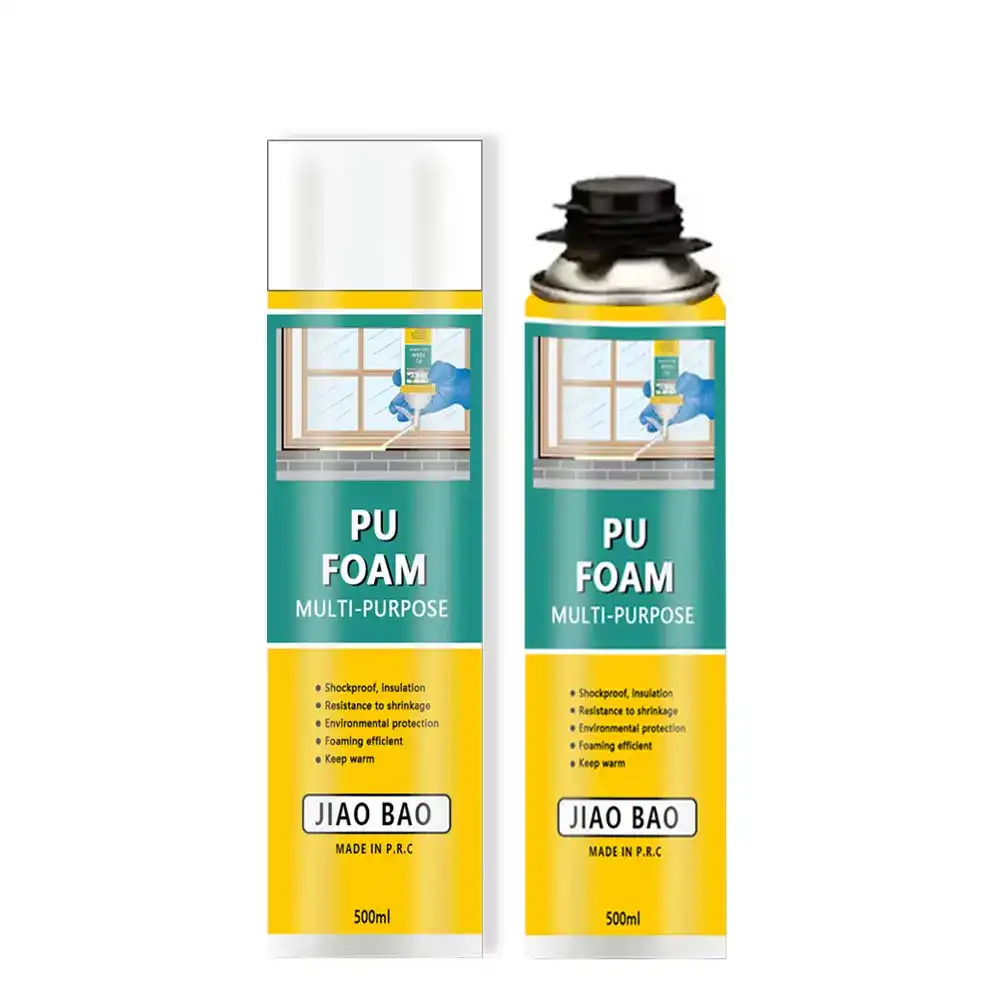
When glass repair companies work with insurance networks, picking the right glue technology can affect the quality of their service, their risk of liability, and how efficiently they run their businesses.
PU Auto Glass Installation Sealant is the specific product we recommend because polyurethane works better than silicone in load-bearing situations since it sticks to surfaces better and has a higher combined strength. Silicone is flexible enough, but it doesn't have the strength needed for modern safety standards in vehicles. MS polymer alternatives are better for the environment, but they take longer to cure, which means that vehicles aren't available for use as long. PU Auto Glass Installation Sealant precisely addresses this trade‑off: our polyurethane mixture has a tack‑free time of 25 to 40 minutes in the summer, which is just right for jobs that need to be done quickly.
Adhesives for auto glass have to be able to handle UV light, temperature changes from -40°C to 90°C, and cleaning chemicals. The aromatic structure of polyurethane makes it naturally resistant to UV light, and its chemical resistance keeps it from breaking down when window washer fluids and soaps are used. This durability means fewer callbacks and warranty claims, which are very important for service providers who are being audited by insurance companies for quality.
More and more, insurance companies only cover products that have been certified safe by foreign organizations. Our sealer is ISO and CE approved, so it meets both performance standards and environmental rules. The solvent-free recipe gets rid of volatile organic compound emissions, which helps service centers get green building approvals. This compliance documentation makes the insurance approval process easier and shows that the right materials were chosen.
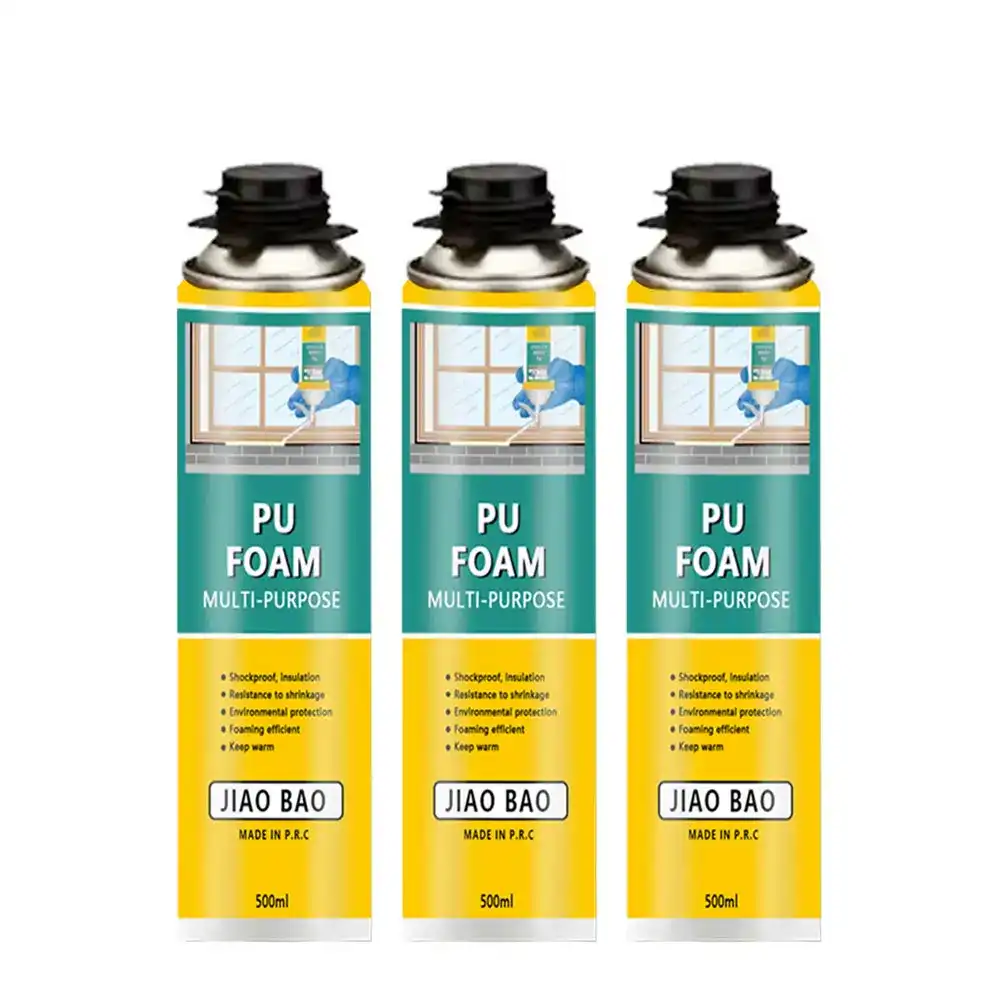
How well the adhesive is installed determines how well it works in the real world. Standardized procedures make sure that results are the same across all service networks.
The material needs to be prepared before joining can happen. Isopropyl alcohol must be used to clean glass frit bands and get rid of any production leftovers. Pinch welds on vehicles need to be checked for paint damage, rust, or old glue residue. When the current urethane is still good, the cut-back method (leaving 1-2 mm of the original glue) works best for bonding. To get to the bare metal, complete removal requires special primers to stop corrosion and make sure chemicals stick.
Bond strength and water sealing are directly affected by the shape of the beads. Technicians should put on a triangle-shaped bead whose base width and height are 5-8 mm and match the gap between the pinch welds. Our options for packaging cartridges and sausages work with both manual guns and pneumatic dispensers, so they can be used in both small shops and high-volume operations. Temperature and humidity in the air have a big effect on how fast things cure. For example, installations done in the winter may have 50–100% longer safe drive-away times than installations done in the summer.
Failures that cause insurance disagreements can be avoided with post-installation review. Visual checks make sure that there are no holes or spaces between the beads and the metal. Checking for surface skin formation is what the "knife test" does to see how well the cure is going. When the glue is properly cured, it should fail to stick to glass or metal when it is tested; it should tear internally instead of coming apart. Keeping records of the work conditions and materials used is very important in case there are claims questions. PU Auto Glass Installation Sealant is particularly well-suited for this process because its predictable curing behavior makes the knife test more reliable and its strong adhesion reduces the risk of visual gaps, thereby minimizing the very installation flaws that often lead to disputes.
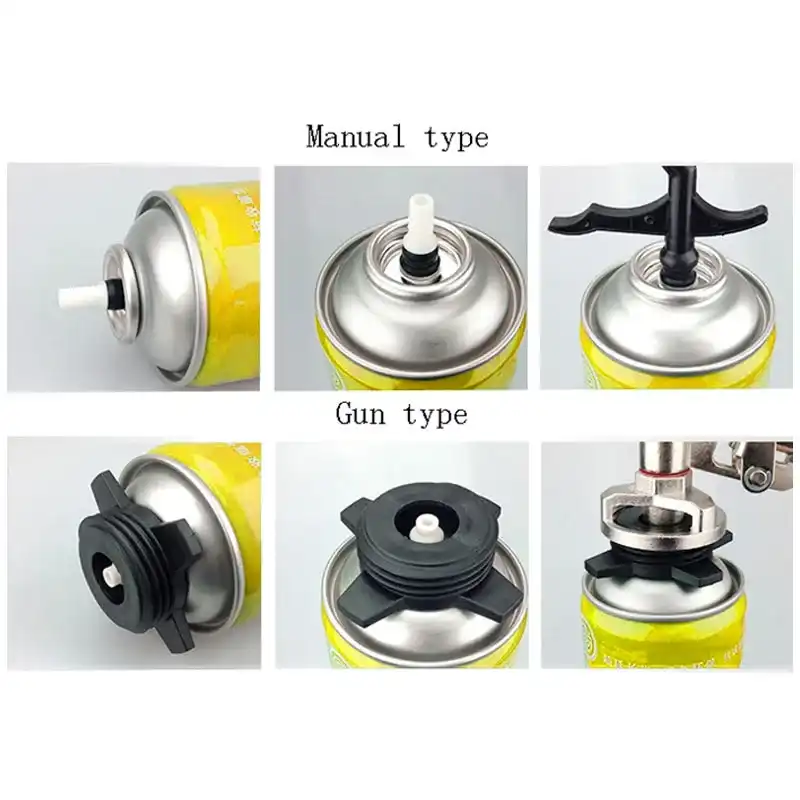
Decisions about what to buy affect how consistent the service is, how well costs are managed, and how happy insurance partners are across regional networks.
The ability to stick to ceramic frit, painted surfaces, and bare metal determines how versatile the product is across all vehicle types. Curing speed affects how much can be done and how flexible the schedule can be. The 45 Shore A hardness of our recipe strikes a good mix between stiffness for structural support and flexibility for vibration damping. Chemical resistance to automotive fluids keeps the bond from breaking down over the life of the vehicle. To keep claims from being turned down, these requirements should match the material standards used by the insurance business.
A lot of the time, insurance partnerships require sealants that meet certain standards set by the business. OEM approvals show that the product is compatible with the original manufacturing standards. Our product documentation has test results for tensile strength, elongation, and environmental aging that meet the needs of technical review. This paperwork speeds up the approval process when adding new insurance network partners or answering to checks.
Strategic connections with vendors are needed to make sure that service areas can always get what they need. Stock shortages that keep technicians from working are avoided by national distribution networks. Agreements to buy in bulk lower the cost per unit while keeping the quality the same. Getting samples lets you test them with current tools and training programs before you commit to large orders. Direct ties with manufacturers give you access to technical support and customization options, such as private labels, that help your service brand stand out.
When installation factors aren't handled properly, even high-quality adhesives can have trouble sticking things together. Finding problems early on keeps safety from failing and keeps guarantee costs down.
Most bond failures are caused by contamination or not properly preparing the surface. Adhesion is harmed by oil leftovers from handling, not using enough primer, or cleaning products that don't work well with the paint. When glass detaches in combined mode (adhesive breaks inside), the composition worked as it should have. Clean separation of the adhesive from the substrate is a sign of poor preparation that needs a review of the process and new training for the technician.
PU Auto Glass Installation Sealant is formulated to tolerate minor surface variations better than many alternatives, but even with this sealant, proper cleaning and priming remain critical—because its superior strength can only perform as designed if the substrate is fully prepared, making process review and technician retraining especially important when using this product.
When it's cold or there's low humidity, moisture-curing processes move much more slowly. For installations that will be done in temperatures below 5°C, climate-controlled areas or booster chemicals may be needed. Too much humidity can cause the skin to bubble on the outside because the fast skin formation traps wetness inside. The 99% solid content of our formulation makes it less sensitive to environmental conditions, but protocol changes are still needed for extreme environments.
Systematic monitoring stops problems from happening again. Batch testing of new adhesive makes sure that it meets performance and shelf life standards. Installation plans make sure that steps for preparing the area aren't missed when there are a lot of jobs going on at once. Callback tracking finds trends that could mean someone needs more training or better control of their surroundings. These steps show insurance partners that you are committed to quality while lowering your risk exposure.
Polyurethane glue changed the process of installing auto glass from a mechanical job to a carefully planned safety process. The technology is necessary for service providers working in insurance networks because it is structurally strong, cures in a predictable way, and follows all the rules. Claim acceptance rates, callback frequency, and operating effectiveness are all directly affected by the materials that are chosen.
PU Auto Glass Installation Sealant exemplifies these required properties, delivering the structural strength and consistent curing that insurance networks demand. Modern formulations, such as Jiaobao's silane-modified polyether system, give insurance partnerships the consistent performance and documentation support they need while keeping costs low across multiple locations.
The safe drive-away time depends on how deep the cure goes before it becomes strong enough to withstand normal driving forces. The daily cure rate of our sealant is 3.5 mm, which means that vehicles can usually be released within 1 to 4 hours under normal conditions. The length of time it takes to cure depends a lot on the temperature and humidity. Cold or dry places take longer, while warm, humid places speed it up. To make sure that all cases are handled the same way, insurance standards often set minimum wait times that don't depend on the circumstances.
Polyurethane has better tensile strength and load-bearing ability, which are both important for meeting safety standards for vehicles. Silicone is very flexible and doesn't change much when it gets hot or cold, but it doesn't have the cohesive strength needed for windshields that support the roof. Because of this, insurance companies are specifying polyurethane more and more because it better meets crash safety standards that affect who is responsible for accidents.
When insurance inspectors look at installation standards, material specs have a direct effect on how claims are processed. If you use materials that aren't allowed or have the right certifications, your claim could be denied or you'll have to pay for the service provider to do it again. During quality checks, insurance partners need proof that goods that are ISO and CE certified meet FMVSS standards. Documentation that shows this is what they need.
Jiaobao has the adhesive performance and supply reliability that glass replacement services that work with insurance companies need. With 13 years of experience making things, we were able to create a polyurethane mixture that has a tensile strength of 2.2 MPa and a stretch of 400%. This makes it better for protecting against crashes. The one-part system comes in 300ml and 600ml sizes that are ready to use and can be used with both cartridge guns and sausage dispensers. We give you all the technical paperwork you need, including ISO and CE certifications that make the insurance approval process easier.
Our flexible logistics support service networks that are spread out by providing efficient ways to transport goods by sea and land. In addition to selling products, we also offer OEM customization for private label programs that help your service brand stand out. Email our team at dorashen@cnjiaobao.com to get technical specs, set up testing samples, or talk about price for large orders for your area network. You can look at our full range of sealants on shandongjiaobao.com and learn how working with an experienced PU Auto Glass Installation Sealant supplier can lower your procurement risks and raise the quality of your service.
1. National Highway Traffic Safety Administration. (2020). Federal Motor Vehicle Safety Standards: Windshield Mounting and Retention Systems. Washington, DC: U.S. Department of Transportation.
2. Society of Automotive Engineers. (2019). Automotive Adhesives and Sealants: Performance Requirements and Test Methods. SAE International Technical Paper Series.
3. International Organization for Standardization. (2018). ISO 11600: Building Construction - Jointing Products - Classification and Requirements for Sealants. Geneva: ISO Standards Catalogue.
4. Auto Glass Safety Council. (2021). Safe Drive-Away Time Guidelines for Urethane Adhesive Systems in Automotive Glass Replacement. Phoenix: AGSC Technical Committee.
5. European Chemicals Agency. (2022). REACH Compliance for Polyurethane Sealants in Automotive Applications. Helsinki: ECHA Regulatory Guidance Documents.
6. Adhesive and Sealant Council. (2023). Structural Glazing and Vehicle Safety: The Role of Polyurethane Adhesives in Modern Automotive Design. Bethesda: ASC Industry Research Publications.
November 16,2023
Enterprise Name
The sealant has very strong adhesion and performs well even on glass and aluminum. After curing, it remains flexible and shows no cracking. Perfect for our facade projects.
November 16,2023
Enterprise Name
Stable quality across batches. Our customers especially like the smooth application and consistent extrusion. It helps reduce installation time on site.
November 16,2023
Enterprise Name
I used it for bathroom sealing. Excellent waterproof performance and no mold issues so far. It's been holding up very well in humid conditions.
November 16,2023
Enterprise Name
The neutral silicone works well on sensitive materials without corrosion. Very suitable for industrial applications requiring stable performance.
_1779347426672.webp)