November 16,2023
Enterprise Name
The sealant has very strong adhesion and performs well even on glass and aluminum. After curing, it remains flexible and shows no cracking. Perfect for our facade projects.
Jun 16, 2026
Polyurethane sealants are a large group of joining and closing materials that are used in many different areas, such as installing glass in cars, filling gaps in building projects, and making things in factories. There are three main types: one-component systems that cure when they come in contact with water, two-component systems that need to be mixed before use, and custom versions made for specific performance needs, like UV protection or fast curing. PU Auto Glass Sealant is one of the most important types because it is designed to meet the strict structural and safety needs of sealing windshields and windows in cars. Procurement managers and expert teams can choose the best product for their needs if they know these differences.
Because of the way their molecules are structured, polyurethane seals work very well when installing car glass. The isocyanate-terminated prepolymers combine with water in the air to make an elastomeric link that lasts. This chemical change makes a link between the glass and the body of the car that is strong but flexible. It absorbs shocks and adjusts for temperature expansion.
Glass in cars is constantly under mechanical stress. Materials that can stand up to daily changes in temperature, road shocks, and exposure to the environment are needed. Polyurethane mixtures stay strong in temperatures ranging from -40°C to +90°C, which is a much wider range of temperatures than silicone can handle. Because the material is flexible, windshields can bend during crashes without the bond breaking. In roof crush situations, this can add up to 30% to the stiffness of the vehicle's structure. Because of this, polyurethane is the material of choice for both original equipment makers and professionals who repair glass aftermarket.
Its prepolymer base gives it high tensile strength and the ability to stretch up to 400%. This balance makes sure that when mechanical loads are put on the sealant, it stretches instead of cracking. The moisture-curing process doesn't need heat or UV light to work, so setups can be done in a variety of environments. Modern mixtures have thixotropic agents in them that keep the shape of the beads during the important healing window and keep them from falling on vertical surfaces. These qualities solve some of the biggest problems in the business when it comes to installation reliability and long-term durability.
When procurement teams understand the classification system, they can better match product specifications to practical needs. Different types are mostly distinguished by their different component systems, curing methods, and performance specialties.
One-component polyurethane sealants are ready to use when they come because they cure when they respond with moisture in the air. These formulations make application handling easier by getting rid of the need for mixing tools and controlling the ratio. This is how our PU Auto Glass Sealant is packed; it comes in 300ml and 600ml cartridges that can be used with normal dispensing guns. The design with only one part cuts down on application mistakes and speeds up installation processes, making it perfect for repair businesses that do a lot of work.
Two-component systems require mixing the base glue with a hardening agent before application. Even though they offer faster initial cure rates and flexible working times, they make it harder to control the ratios and the pot life. This style works well in controlled industrial settings, especially when working with big commercial car glass that needs to be left open for a long time before it can be placed.
Solvent-based polyurethane sealants have volatile organic chemicals that evaporate while the sealant cures. This could affect the quality of the air inside the building and needs proper airflow. In the U.S. market, regulations are pushing for low-VOC options more and more. Formulations that don't use solvents, like our silane-modified polyether resin base, have a solid content of almost 99%. This is better for the environment and fills gaps better. The paste doesn't change consistency while it cures, so it stays waterproof even where the bond lines aren't perfectly straight.
As load-bearing parts, structural polyurethane sealants move forces between surfaces that are bound together. To meet FMVSS 212 and FMVSS 216 safety standards for windshield retention and roof crush resistance, windshield systems need to work at this level. Different types that aren't solid are mostly used as weather seals and are good for side windows or trim where mechanical loads are low. By separating these groups, design errors that could affect safety compliance are avoided.
UV-resistant polyurethane sealants have stabilizers that keep the sealer from breaking down after being in the sun for a long time. This is important for convertible cars and glass tops. Impact-resistant formulations make shock absorption better, which is good for heavy-duty commercial cars that have to drive on rough ground. Cold-weather types keep working and curing going in low-temperature areas, which helps with installation problems in northern climates where regular formulas might not stick properly.
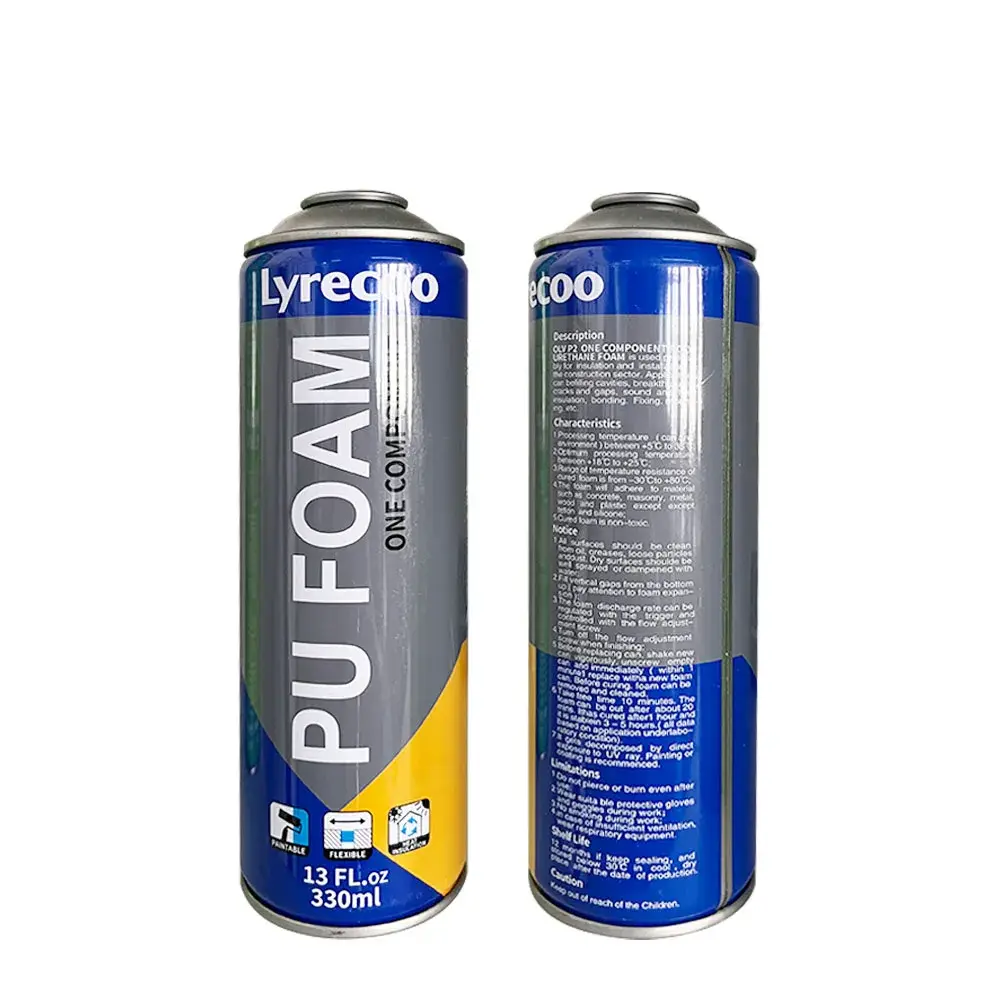
For the best gluing results, the surface must be properly prepared and the adhesive must be applied correctly. The method has a direct effect on the quality of the work and how long it will last.
Clean bonding surfaces well to get rid of any dirt or dust that could stop them from sticking. Weak spots in the bond line are caused by dirt, grease, old sealant leftovers, and loose particles. Clean all the surfaces with rubbing alcohol and let it dry completely before putting on the sealer. This step is especially important when working with painted surfaces or metal pinch welds, where direct chemical bonding is needed to keep the metal from rusting. Preparing properly cuts down on warranty claims and increases customer happiness by making installs more reliable.
Cut the cartridge tip at a 45-degree angle to get the bead size you want, which for auto glass is usually between 10 and 12 mm. Put the capsule into a pneumatic or hand filling gun and make sure the pressure stays the same throughout the job. Move slowly and steadily around the edge of the glass, making sure that the height of the beads stays the same to avoid holes or voids. Place the glass during the sealant's open time, which for moisture-cure systems is usually 5 to 10 minutes. Support the installation until it is no longer tacky, which could take anywhere from 15 to 40 minutes based on the temperature and humidity in the room.
At 25°C and 50% relative humidity, our PU Auto Glass Sealant hardens at a rate of about 3.5 mm per day. In the summer, the tack-free time is sped up to 25 to 40 minutes. In the winter, installations need 15 to 30 minutes to reach surface stability. It takes 7–14 days for the structure to reach full strength, but safe drive-away times are usually between 1 and 4 hours, depending on the recipe. When planning construction processes and figuring out how long a project will take, procurement teams should take these factors into account.
To choose between polyurethane and other chemicals, you need to know how to weigh performance trade-offs and cost effects. Depending on the purpose, each type of material has its own unique benefits.
Silicone seals are very resistant to temperature changes and UV light, and they stay flexible even at very high and very low temperatures. But they don't have the mechanical strength or ability to bond structures together like polyurethane formulations do. Polyurethane is the only material that can hold up to loads in windshield installs. Silicone, on the other hand, is too cheap to use in safety-critical situations. Silicone is still a good choice for non-structural seals like weatherproofing trim or filling in gaps for looks, as long as the mechanical loads are low.
Modified silane plastics have mixed qualities that combine the flexibility of silicone with better adhesion. Because they fix more slowly than polyurethane, these materials make the working time longer but the safe drive-away intervals later. MS polymers are good for uses with obvious seams because they are easy to paint and don't react badly with chemicals. However, because they have less initial green strength, they are not as good for big, heavy glass panes that need instant holding power during installation. The cost of the material is usually 15–25% higher than similar polyurethane choices.
Epoxy systems have great chemical protection and bonding power, but they aren't flexible enough for car uses. The stiff, healed structure can't handle the constant shaking and movement that comes with driving a car, which causes stress cracks and eventually bond failure. Epoxies work best in industrial systems that don't move and where size stability is more important than impact resistance. When compared to single-component polyurethane systems, two-component systems are harder to mix and have shorter pot life limits.
The cost of materials is only one part of the whole buying process. The final project costs are affected by installation labor, equipment needs, and warranty risk. Single-component polyurethane seals cut down on the cost of training and mistakes in application, which makes workers more productive. Leading brands like 3M, Henkel, and Sika have strong technical support networks and make sure that the quality of each batch is the same. This is why they can charge more because failure rates are lower. New providers, on the other hand, like Jiaobao, offer affordable formulations that meet international standards at prices that are hard to resist. This is especially appealing for high-volume operations where material costs directly affect margin structure.
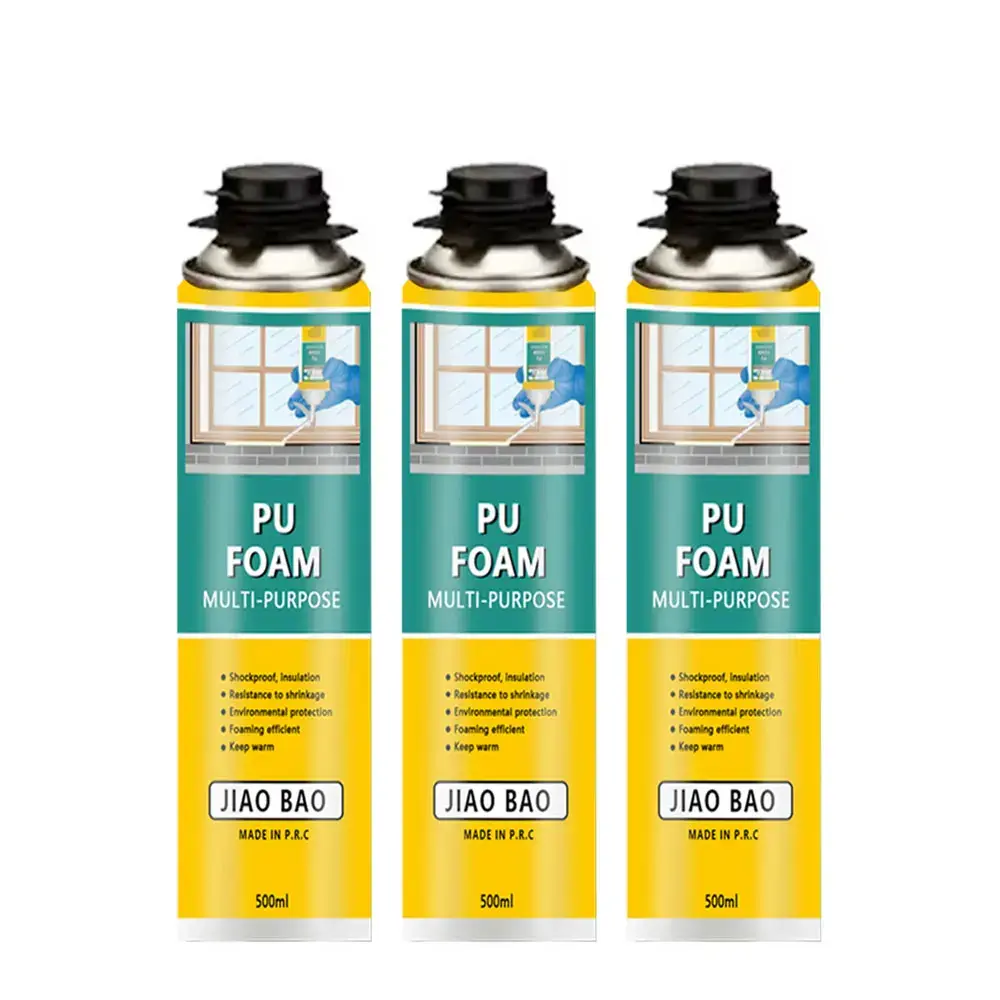
Matching PU Auto Glass Sealant specs to the needs of the business guarantees the best performance and lowest costs. Procurement teams use an organized decision strategy to help them make choices during the selection process.
Look at the temperature differences that your sites experience all year long. For operations to go smoothly in harsh temperatures, the products need to be able to keep working and curing over time. The performance of moisture-cure polyurethane is affected by humidity levels. Low-humidity settings can make tack-free times longer and may need humidity tanks or accelerators. Size and weight of the glass affect the green strength and thixotropy that are needed to keep the glass from moving while it is being placed. Because commercial vehicles have more vibration and structure loads, they need stronger mechanical qualities than passenger cars.
Installing glass in cars has to follow rules about keeping the structure safe and making sure passengers are safe. Check that the seals you're considering have the right certifications, such as ISO 9001 quality management paperwork and agreement with ASTM test methods for adhesion, tensile strength, and elongation. OEM specs often list specific performance standards that new parts made by third parties must meet in order for the guarantee to still be valid. Our recipe meets international standards, and we have proof that it has been approved by regulators in many countries, including the US.
Reliable supply lines keep work quality high and stop project delays. Look at how much a possible provider can produce, how long the wait time is, and how flexible their logistics are. Jiaobao can turn around production in one to two weeks and can adapt quickly to changes in orders without affecting the quality of the batch. Customization is important when you have a lot of different customers who all want colors to match in a certain way. We have white, black, gray, and unique color choices to suit the looks of different types of vehicles and trim colors. Strong support after the sale, such as expert help and quality promises, lowers the risk of buying something and builds trust in seller relationships.
Compare unit costs across different volume levels to find the best order amounts that balance the costs of keeping inventory with volume savings. Different dispensing tools and limited store space can be accommodated by our sausage and cartridge packaging choices. Figure out the total cost of ownership by adding up the cost of materials, the amount of trash, the efficiency of the labor, and any possible costs for repairs. When compared to two-component systems, single-component systems usually save 20 to 30 percent on work costs because they have simpler application methods and don't need to mix the components. Long-term ties with suppliers allow for negotiated price frameworks and priority allocation during times of limited supply, which gives businesses an edge in tight market circumstances.
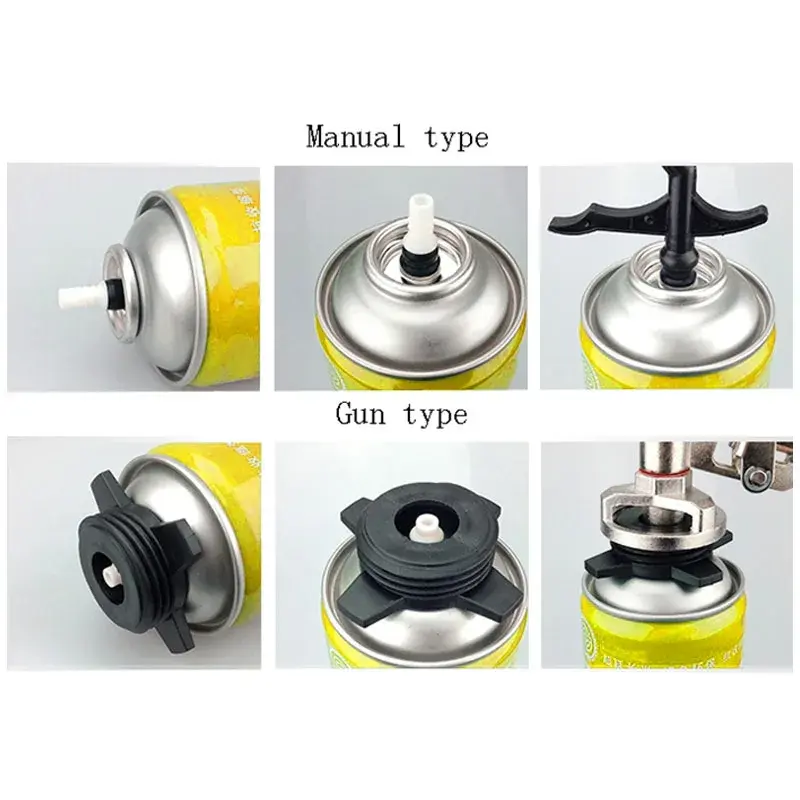
There are many different kinds of polyurethane seals, including PU Auto Glass Sealant, each made to meet specific performance needs and application situations. The classification framework includes one-component vs. two-component systems, solvent-free options, and specialty versions. This lets buying teams perfectly match product specs to practical needs. Businesses can get reliable autoglass setups that meet both safety standards and budget goals if they understand these differences and carefully evaluate and compare suppliers. Modern polyurethane formulations have the technical qualities that make them strong, resistant to environmental damage, and flexible enough to be used in a wide range of challenging B2B situations in the car production and aftermarket service sectors.
Depending on the weather and humidity of the area, moisture-cure polyurethane seals usually lose their tacky feel on the surface within 15 to 40 minutes. The hardening process moves along at a rate of about 3.5 mm per day, and it takes 7–14 days for the structure to reach its full strength. Safe drive-away times vary from 1 to 4 hours depending on the formulation and the surroundings. However, installations should not be moved for at least 24 hours before they are put under a lot of mechanical stress.
Quality polyurethane products keep working well in temperatures ranging from -40°C to +90°C, so they can be used in both cold winters and hot summers in the desert. Once it has hardened, the rubber doesn't break down when exposed to UV light, water, or chemicals from car fluids and road salts. This environmental security makes sure that the bond stays strong for the whole life of the car, which is usually 10 to 15 years under normal conditions.
When standard safety procedures are followed, single-component moisture-cure devices don't pose many health risks. During application, make sure there is enough air flow and avoid prolonged skin contact. To keep from getting hurt by uncured material, wear gloves and safety glasses. Polyurethane sealants are chemically neutral once they are fully set, so they don't pose any long-term risks. Our goods come with detailed safety data sheets that explain how to handle them properly in workplace settings.
Shandong Jiaobao New Material Co., Ltd. has been making high-performance polyurethane and silicone sealants for more than 13 years and is a leader in the car sealant business. As a reliable provider of PU Auto Glass Sealant, we offer reasonable prices, quick shipping, and quality systems that are ISO-certified. Orders are filled within one to two weeks by our production sites, and we keep enough inventory to accommodate both small-scale samples and large-scale purchases.
We offer OEM/ODM customization, which includes color matching to RAL standards. This makes it easy to fit our products into your current line of products and meet your brand's needs. You can email our expert team at dorashen@cnjiaobao.com to talk about the problems you're having with your application and get personalized product suggestions that come with full after-sales support and quality promises.
1. Petrie, E. M. (2021). Handbook of Adhesives and Sealants. McGraw-Hill Education.
2. Cognard, P. (2019). Adhesives and Sealants: General Knowledge, Application Techniques, New Curing Techniques. Technical Publishing.
3. Pham, H. & Burchill, P. (2020). Polyurethane Sealants in Automotive Applications: Performance Requirements and Testing Standards. Journal of Adhesion Science and Technology, 34(8), 892-914.
4. Habenicht, G. (2022). Applied Adhesive Bonding in Science and Technology. Wiley-VCH.
5. Dillard, D. A. (2023). Advances in Structural Adhesives for Automotive Assembly. International Journal of Adhesion and Adhesives, 120, 103-118.
6. Skeist, I. & Miron, J. (2021). Handbook of Adhesive Technology. CRC Press.
November 16,2023
Enterprise Name
The sealant has very strong adhesion and performs well even on glass and aluminum. After curing, it remains flexible and shows no cracking. Perfect for our facade projects.
November 16,2023
Enterprise Name
Stable quality across batches. Our customers especially like the smooth application and consistent extrusion. It helps reduce installation time on site.
November 16,2023
Enterprise Name
I used it for bathroom sealing. Excellent waterproof performance and no mold issues so far. It's been holding up very well in humid conditions.
November 16,2023
Enterprise Name
The neutral silicone works well on sensitive materials without corrosion. Very suitable for industrial applications requiring stable performance.
_1779347426672.webp)