November 16,2023
Enterprise Name
The sealant has very strong adhesion and performs well even on glass and aluminum. After curing, it remains flexible and shows no cracking. Perfect for our facade projects.
Jul 14, 2026
Acrylic sealants made with waterproofing chemicals can work well in a lot of building and industry settings where they need to fight water. The Acrylic Sealant Waterproof Grade is a specially designed product that fits in between cheap gap fills and high-end silicone goods. This water-based, one-component sealant uses advanced polymer technology to keep water out while still allowing paint to be applied. This is a huge benefit for projects that need smooth, attractive finishes. Normal caulks re-emulsify when they come in contact with water soon after being applied. Waterproof-grade acrylic sealants, on the other hand, cure to form a strong, flexible barrier that can be used on door frames, window edges, and joints on the outside of buildings where water can get in and out.
Procurement managers can make better decisions when they know what Acrylic Sealant Waterproof Grade really means. These mixtures are very different from regular painters' caulk because they have better polymer chemistry and performance additions.
Professional acrylic seals that are waterproof must follow well-known testing procedures. As part of ASTM C834, performance standards for extrudable sealants are set. These standards include requirements for bonding, flexibility, and weather protection. Movement capability guidelines set by ISO 9047 usually fall between 12.5% and 15% for good plastic products. Our mix has a tensile strength of 0.64 MPa at 23°C, which is higher than the 0.4 MPa limit needed for structural link parts. The material doesn't sag at all when used vertically, and it stays stuck to the base during normal pull tests without breaking.
Formulations that are waterproof have hydrophobic stabilisers added to the acrylic polymer base. These add-ins make molecular shields that keep water molecules away while still letting the sealant dry naturally. Silane binding agents often make it easier for acrylic products to stick to non-porous surfaces like glass and aluminium, which is a weakness that many basic acrylic products have. The high solid content (usually 75–85%) keeps the joint from shrinking while it cures, so it stays strong over time. This formula only needs 0.5 hours to dry on the skin, which means that projects can be finished faster than with traditional sealants, which need 3+ hours.
Datasheets with technical information are the basis for judging quality. Check the elongation-at-break numbers; they should be higher than 200% to allow for heat growth without cohesive failure. Check the sealant's water immersion test results, which show that it still has over 90% bond strength after seven days of submersion according to ASTM C794. Long-term colour stability is confirmed by testing for UV protection using a Weather-Ometer for more than 500 hours of exposure. Our product has an extrusion rate of 163 ml/min, which is much higher than the base limit of 80 ml/min. This means that it can be used consistently on large-scale projects.
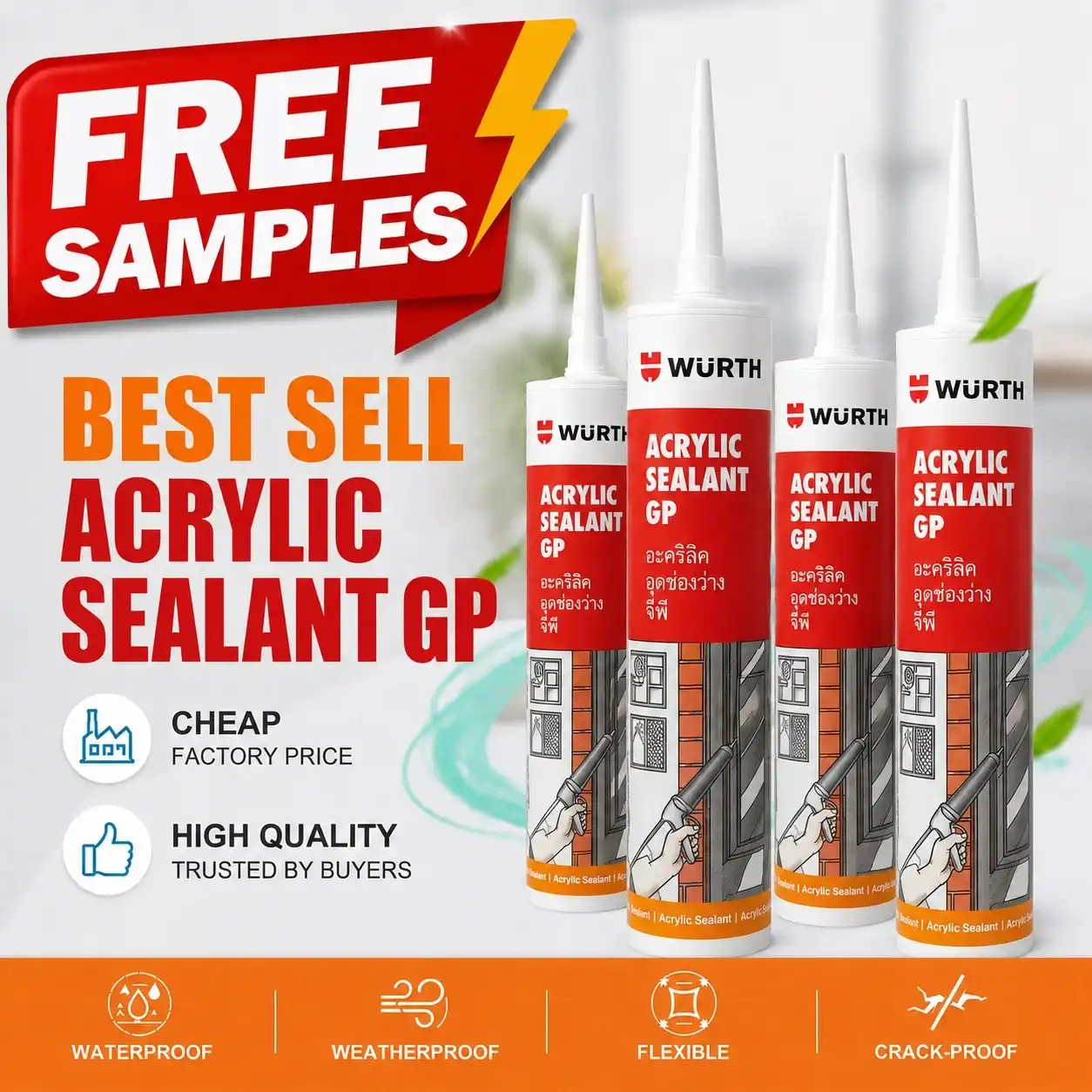
To choose the best sealant, you need to know how acrylic technology stacks up against other chemical options in key performance areas. Acrylic Sealant Waterproof Grade provides a balanced alternative to specialty products.
Silicone seals are the best choice for high-movement situations because they are very flexible (they can bend about 50%) and can withstand weather for 20 years or more. They dry quickly no matter what the temperature is, and they can't be submerged in water for a long time. However, silicone can't be painted, makes building uses less attractive, and costs 40–60% more than waterproof-grade paints. Acrylic sealants work great where paintability is important, like when they need to match the colour of a curtain wall, fit in with interior trim, or make fixes that can't be seen on painted surfaces. As a trade-off, you have to be okay with less movement and need enough dry time before it rains.
Polyurethane formulations stick very well to many different surfaces and are very flexible, making them perfect for tough outdoor parts. They are very resistant to chemicals and last a long time in commercial settings. However, polyurethane sealants usually need primers on porous surfaces, have strong smells when they're being applied, and can be hard for new applicators to work with because they are sensitive to wetness when they're drying. Standard building joints are easier to use with waterproof-grade acrylics, which offer reliable performance at 30–50% lower material costs and don't need any special handling measures.
Material choices for large-scale purchases are often based on project costs. Acrylic seals that are waterproof work best in places that move around a fair amount. They are easy to paint and use, which makes them more efficient. The shelf life of 12 months makes it easier for distributors and contractors who are working on various projects to keep track of their supplies. The product comes in 300ml and 600ml sizes and can be packaged in sausage or cartridge style. It can be used with a variety of filling equipment without the need for special tools. When compared to more expensive options, these factors make the total fixed costs a lot lower.
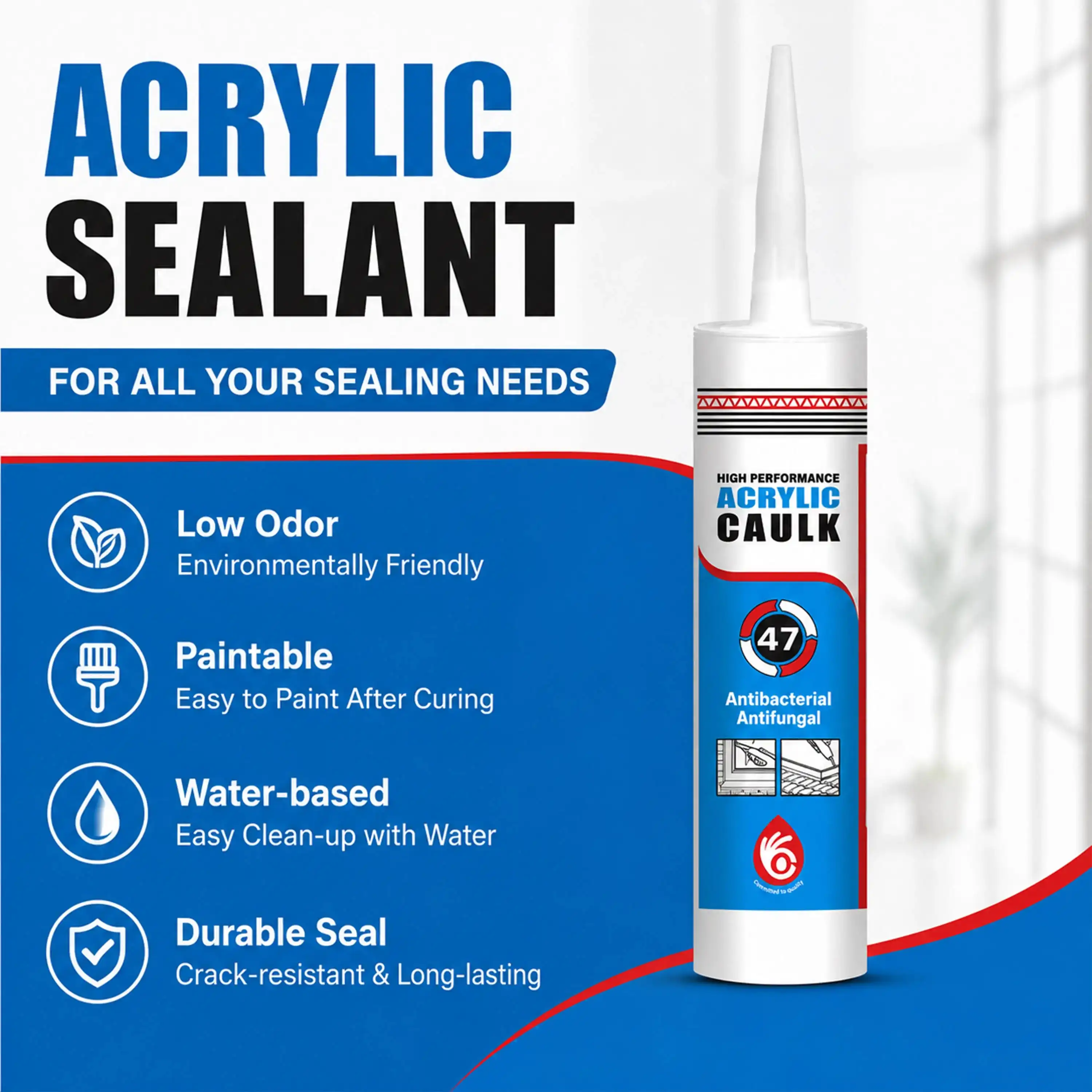
Matching the qualities of a sealant to its intended use improves efficiency and project success. Acrylic Sealant Waterproof Grade versions really shine in certain places where their special mix of properties makes things easier.
Acrylic seals are good for bathroom uses that aren't right next to showers because they don't absorb water and can be painted over. To seal the gaps between floorboards and tile floors, around the edges of vanities, and along the joints between ceilings and walls, you need materials that can handle moisture without letting mould grow. Our low-VOC mixture makes sure that the air quality inside is safe while it is being applied and hardened. The material sticks well to painted surfaces, ceramic tiles, and drywall without primers, which speeds up the fitting process. In the kitchen, these qualities are also useful around tables, backsplashes, and the edges where cabinets meet walls, where water can get in sometimes.
For building facades, you need seals that can stand up to the weather and stay flexible even when the temperature changes with the seasons. The edges of door and window frames are important sealing areas because wind-driven rain can damage the inside and waste energy. Waterproof-grade acrylic seals stick to concrete, brick, wood, and aluminium and last for a long time. The formula doesn't yellow or chalk when exposed to UV light, so the look stays good for the 5–10 years that it's usually used for. This balanced performance profile is good for non-structural expansion joints in brick walls, fixing cracks in stucco finishes, and stopping people from getting inside utility ducts.
Fenestration builders have special sealing needs because they need materials that can handle small changes in the ground while still keeping water out. Quality acrylic sealants can move up to 12.5%, which can handle the heat expansion of aluminium frames and the growing and contracting of wood. Rapid skin formation—surfaces are paint-ready in 30 minutes under normal conditions—speeds up the finishing of the job. Sealant that can match the colour of frame finishes or take paint makes it easy to switch between building materials. Because of these qualities, waterproof-grade acrylics are the best choice for installing windows in homes and light businesses, since silicone's surface can't be painted, which limits the windows' looks.
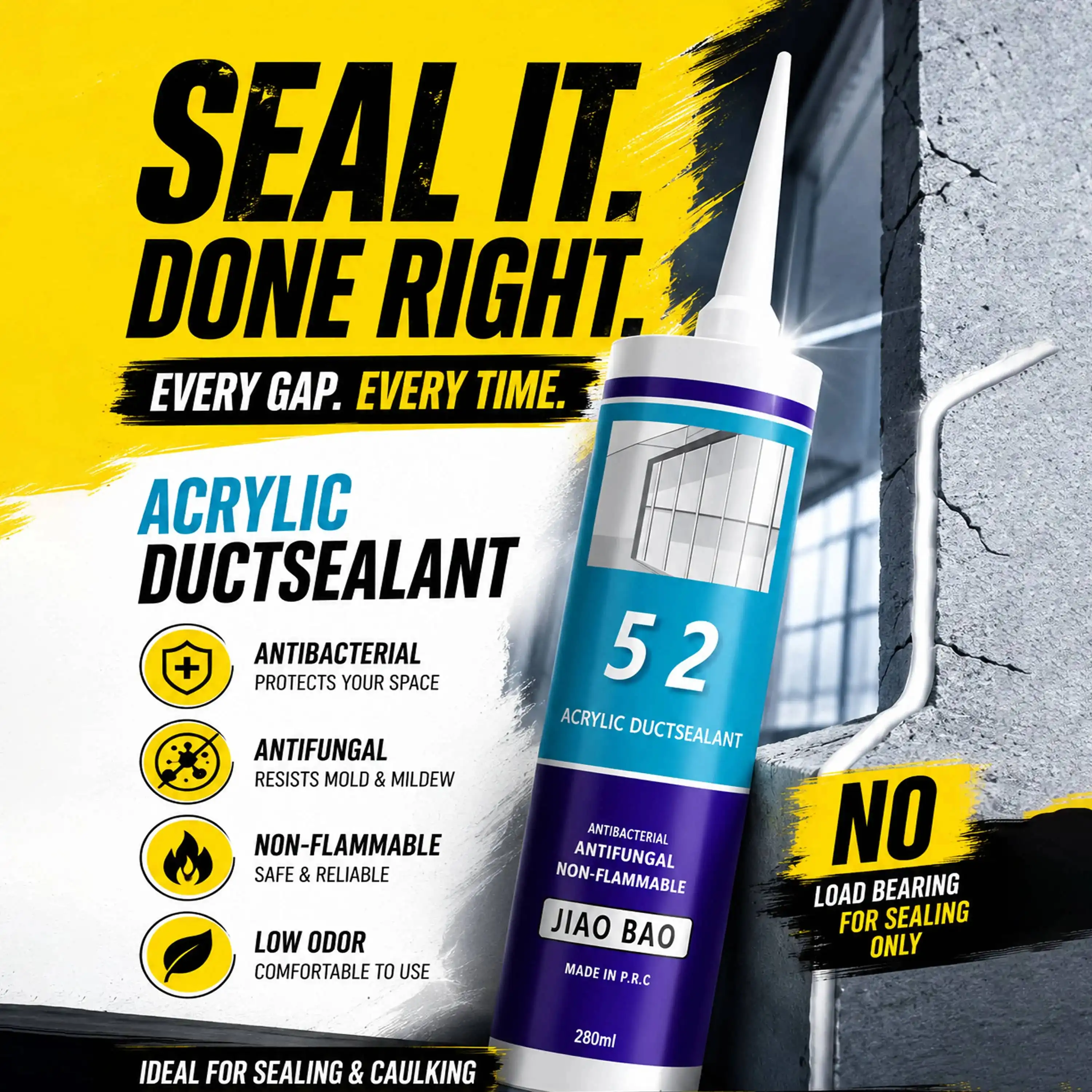
To get the best results from a sealant, you need to pay attention to both the product you choose and how you apply it. Beyond the quality of the base recipe, there are other things that affect how well the Acrylic Sealant Waterproof Grade works in the real world.
Recent advances in polymer science have made acrylic sealer much more resistant to water. Siliconised acrylic formulas have silane chemicals that chemically connect with substrate surfaces. This makes it much easier for the formulas to stick to glass, metal, and glazed pottery. Cross-linking chemicals make three-dimensional networks of polymers while the material cures, which makes it stronger and more flexible. Nanoparticles that don't like water are mixed in with the polymer matrix to add more moisture barriers without making the material less flexible. Because of these advances in technology, waterproof acrylics can now work as well as silicones in many situations while still being easier to paint.
No matter how good the sealing is, its long-term success depends on how well the surface is prepared. Surfaces need to be clean, dry, and free of any oil, ice, or loose dirt. Joint sizes need to be carefully planned—for best load distribution, the depth should be half the width. If you tool the sealing surface within 10 minutes of applying it, you can make sure that it contacts the base properly and has a smooth finish. The environment has a big effect on drying; use when temperatures are between 40°F and 100°F and the relative humidity stays below 80%. Allow 12 to 24 hours before it rains to avoid washout, especially in outdoor situations where water contact too soon can hurt bond formation.
Regular inspections find early signs of wear and tear before they become big problems. Every year, check sealed areas for cracks, loss of stickiness, or discolouration that could mean UV damage. Clean sealant surfaces every six months with a light solution to get rid of dirt that makes them look bad. Fix small damage right away by focusing on one area at a time instead of letting water damage neighbouring areas. Drainage design that works right keeps water from standing in joints that are sealed, which extends their useful life by lowering their exposure to moisture over time. When these preventative steps are taken, quality waterproof-grade acrylic sealants usually last for 7 to 10 years in tough outdoor uses.
Strategic buying choices have to take into account budget limits, performance needs, and the dependability of the supply chain. When purchasing managers choose Acrylic Sealant Waterproof Grade sellers, organised evaluation systems help them make better decisions.
Check the manufacturer's certifications that show they have quality control methods in place. ISO 9001 certification means that production methods are uniform and quality control is recorded. Ask for detailed datasheets that show real test results, not just promises about what the specs say. Check to see how much can be made and how long it takes to get it. Reputable makers can usually deliver in one to two weeks for basic colours and packaging.
Check to see what kinds of customisation are available if your projects need private labelling or exact colour matching. Our site can match colours from the RAL colour chart and provide OEM/ODM services to help distributors meet their marking needs. Check the product's shelf life promises and storage suggestions to make sure it stays viable throughout the distribution cycle.
Volume purchasing saves builders and shippers a lot of money when they are handling multiple projects. Price levels should be negotiated based on yearly volume promises instead of order quantities. Before making a big purchase, ask for a sample to be tested. Most good sellers will give you free samples to make sure the product works. Set up blanket purchase orders with planned releases to make sure that inventory levels are in line with project timelines. This will cut down on storage costs and make sure that materials are always available. Look at your choices for packaging. For big business projects, bulk sausage formats often save between 15 and 20 percent compared to individual cartridges. Minimal order amounts should be weighed against storage space and product shelf life in order to get the most out of your operating capital.
Costly project delays can be avoided with reliable shipping plans. Check the shipping options that the seller offers, such as sea freight for foreign purchases and fast land transport for urgent needs in the United States. Logistics plans that are flexible can adapt to different project timelines and area delivery networks. Make sure the packaging will last for long-distance shipping—good seals will arrive without leaks or damaged cartridges.
If you are buying from other countries, learn about the paperwork you need to bring with you, like certificates of origin, material safety data sheets, and compliance statements. After-sales service is what sets good providers apart; make sure you understand the guarantee terms, which cover quality issues and how to make a replacement. Responding to application questions with responsive technical help adds a lot of value that goes beyond product cost.
Waterproof-grade acrylic sealants are great for closing doors and windows, high-moisture places inside, and the outside of buildings because they don't let water in and can be painted over. While silicone seals are better for joints that move a lot and polyurethane is best for joints that don't move at all, Acrylic Sealant Waterproof Grade formulations work best in joints that move a little but still need to look good. The best performance is guaranteed by making the right choice based on moving ability, substrate compatibility, and weather exposure. No matter how good the product is, the application method and surface preparation are very important for long-term success. Construction pros and distributors who manage a wide range of projects can get the most value from strategic sourcing that focuses on certified suppliers, buying in bulk, and dependable transportation.
A: Acrylic Sealant Waterproof Grade seals work well in outdoor situations where they will be exposed to rain and other weather conditions. With a normal service life of 5 to 10 years, they work well on facades, window edges, and non-structural expansion joints. But places where water is constantly present, like swimming pools or below-grade protection, need silicone or special blend seals made to withstand hydrostatic pressure.
A: Acrylic seals need 12 to 24 hours to dry before they can be exposed to heavy rain. This is different from silicone, which is waterproof in 30 minutes. Light rain or snow within 4 hours of surface skinning can cause washout, but light rain or snow within 30 minutes to 2 hours usually doesn't cause any problems. For outdoor jobs, plan when to apply based on the weather predictions.
A: Cracking usually means that the joint moved more than the caulk could handle (±12.5%), or the joint wasn't designed correctly. Joints that expand and contract a lot when the temperature changes need silicone or polyurethane options. Using low-quality goods with a lot of fillers instead of real waterproof-grade formulas also leads to failure too soon. Most performance problems can be avoided by properly preparing the base and making sure the joints are the right size.
As a company with more than 13 years of experience, Shandong Jiaobao New Material Co., Ltd. only makes high-quality Acrylic Sealant Waterproof Grade goods. Our ISO-certified factory makes water-based lubricants with only one ingredient. They come in White, Black, Grey, or any other colour you want. The recipe has a tensile strength of 0.64 MPa, zero-sag vertical stability, and skin formation in 30 minutes, all of which meet ASTM C834 standards for professional use.
As a reliable provider of waterproof acrylic sealant, we help curtain wall contractors, door and window makers and building material dealers by offering 300ml and 600ml packages in both cartridge and sausage shapes. Our short production lead times (one to two weeks) and wide range of OEM/ODM services let dealers build regional brands with custom colour matching and private labelling. We keep our prices low for large orders while also ensuring consistent quality and stable supply lines through networks of sea and land operations.
Technical support teams help choose the right products, give advice on how to use them, and make sure that difficult projects run as smoothly as possible. Our quality promise covers the whole 12-month shelf life and guarantees a replacement for any problems with the way the product was made. You can email our procurement experts at dorashen@cnjiaobao.com to ask for detailed datasheets, sample tests, or consultations that are tailored to your project.
1. American Society for Testing and Materials. (2020). ASTM C834-20: Standard Specification for Latex Sealing Compounds. West Conshohocken, PA: ASTM International.
2. International Organization for Standardization. (2018). ISO 9047:2018 Building Construction - Jointing Products - Determination of Adhesion/Cohesion Properties of Sealants at Variable Temperatures. Geneva: ISO Standards.
3. Construction Specifications Institute. (2019). MasterFormat Division 07 92 00: Joint Sealants - Material Selection and Performance Criteria. Alexandria, VA: CSI Publications.
4. Building Research Establishment. (2021). Water Resistance Testing of Acrylic and Hybrid Sealant Systems in Façade Applications. Watford, UK: BRE Technical Reports.
5. National Association of Home Builders Research Center. (2022). Performance Comparison of Acrylic, Silicone, and Polyurethane Sealants in Residential Construction. Upper Marlboro, MD: NAHB Research Center.
6. Society for Protective Coatings. (2023). Guide to Selecting Paintable Sealants for Waterproofing Applications in Commercial Building Envelopes. Pittsburgh, PA: SSPC Technical Publications.
November 16,2023
Enterprise Name
The sealant has very strong adhesion and performs well even on glass and aluminum. After curing, it remains flexible and shows no cracking. Perfect for our facade projects.
November 16,2023
Enterprise Name
Stable quality across batches. Our customers especially like the smooth application and consistent extrusion. It helps reduce installation time on site.
November 16,2023
Enterprise Name
I used it for bathroom sealing. Excellent waterproof performance and no mold issues so far. It's been holding up very well in humid conditions.
November 16,2023
Enterprise Name
The neutral silicone works well on sensitive materials without corrosion. Very suitable for industrial applications requiring stable performance.
_1779347426672.webp)