November 16,2023
Enterprise Name
The sealant has very strong adhesion and performs well even on glass and aluminum. After curing, it remains flexible and shows no cracking. Perfect for our facade projects.
Aug 1, 2026
When choosing between PU Auto Glass Installation Sealant and silicone-based alternatives, the differences center on adhesive strength, structural capability, and curing chemistry. Polyurethane sealants excel in applications requiring high tensile strength and structural bonding—essential for windshield installations that contribute to vehicle safety and roof crush resistance. Silicone sealants, by contrast, offer exceptional flexibility and thermal resistance, making them suitable for non-structural sealing tasks like door and window gaps. Understanding these distinctions helps procurement managers select materials that meet both safety standards and operational efficiency.
Isocyanate-terminated prepolymers are what make polyurethane sealants work. They harden when they come in contact with water, creating strong, flexible bonds. Our PU Auto Glass Installation Sealant from Jiaobao is made from silane-modified polyether resin as its base material. It is a one-component system that has a tensile strength of about 2.2 MPa and an elongation at break of 400%. This chemical structure makes sure that the solid content reaches 99% and that the material shrinks very little while it cures. The material keeps its Shore A hardness around 45, which is a good balance between flexibility and strength.
Polydimethylsiloxane polymers are used in silicone sealants. These polymers crosslink when they come in contact with heat or water. These mixtures usually have a lower tensile strength (0.8 to 1.5 MPa), but they can handle higher temperatures (-40°C to 200°C) better. One-part RTV silicone caulk from Jiaobao comes in acidic formulas and can be colored white, black, gray, or any color you want. This product comes in 300ml and 600ml sizes as sausages or cartridges. It has a 12-month shelf life and can be used for non-structural tasks like closing gaps and joints in doors and windows.
PU Auto Glass Installation Sealants are used as structural glue in the fitting of windshields and backlights, where they play a key role in safety. Up to 30% of a car's roof crush strength comes from the windshield. This means that the sealant's ability to stick well is very important for crash protection and airbag deployment. Following the installation instructions carefully includes priming glass frit bands and metal substrates to make sure they meet the FMVSS 212 and FMVSS 216 standards.
When there aren't many loads on the structure, silicone sealants can be used to keep out the weather and fill in gaps. Automotive technicians use silicone products to seal window channels, door frames, and panel joints because they don't absorb water and don't change temperature. In these situations, protecting against the environment is more important than load-bearing ability. This is because silicone is flexible enough to handle temperature changes and vibrations without breaking the seal.
Both types of sealant have to meet strict certification standards. Jiaobao's PU Auto Glass Installation Sealant has ISO and CE certifications, which show that it meets worldwide standards for quality in vehicle adhesives. Peel strength, cohesive vs. adhesive failure modes, and environmental longevity are all tested using rapid age and water soaking cycles. The same level of scrutiny is given to silicone sealants, with extra attention paid to how well they work with temperature cycling and how well they fight UV degradation. Procurement teams should make sure that suppliers give test results for each batch that show they meet the relevant car standards. This is to make sure that materials can be tracked and that insurance claims are accepted by the right authorities.
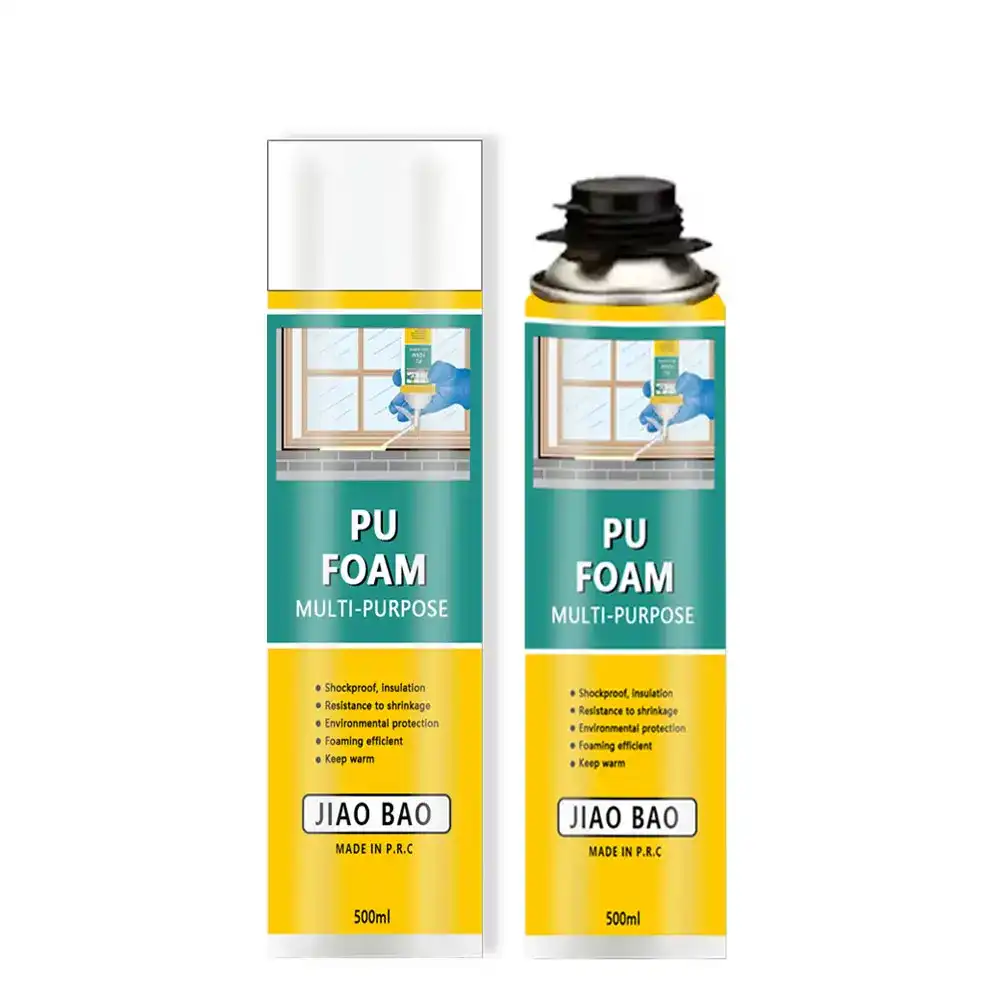
Strong chemical bonds are made between polyurethane adhesives and glass, painted metal, and ceramic frit surfaces. This creates tensile strengths that can withstand crash-test loads. Jiaobao's recipe for PU Auto Glass Installation Sealant has a tensile strength of 2.2 MPa, which means that cohesive failure happens inside the sealant rather than at the substrate interface. This is a very important sign of how reliable the bond is. This feature keeps the glass from coming off during accidents, keeping the car safe and intact.
Silicone sealants stick well enough for non-structural tasks, but their bond strength is usually lower. Their flexibility makes up for differences in how different materials expand and contract when heated or cooled. This lowers stress levels that could lead to seal failure over time. The elasticity of silicone is useful in places where temperatures change, like engine rooms or outer trim, but it can't be used instead of polyurethane for load-bearing tasks.
Curing speed has a direct effect on how efficiently car glass repair services can do their work. Polyurethane sealants harden through chemical reactions set off by moisture. In normal conditions, they move forward at a rate of about 3.5 mm per day. Jiaobao's PU Auto Glass Installation Sealant has tack-free times of 25–40 minutes in the summer and 15–30 minutes in the winter. This lets techs plan their work ahead of time. Safe Drive Away Time can be anywhere from 30 minutes to 4 hours, depending on the formulation and the weather. This lets fleet operations and insurance partners turn over vehicles more quickly.
Silicone seals usually dry faster on the outside, creating layers of skin within minutes, but it takes longer for the whole cross-section to dry. This trait works well in situations where resistance to rapid handling is more important than deep-section strength. For trim installations and surface sealing, technicians like silicone's quick, tack-free transition. However, structural uses need polyurethane's deeper cure penetration.
Polyurethane sealants are better at resisting breakdown by water, ozone, and UV light, so the bond stays strong in a wide range of climates. Formulations of PU Auto Glass Installation Sealant made for car glass service don't break down when exposed to acidic rain, road salt, or temperatures range from -40°C to 90°C. Jiaobao's solvent-free formula reduces the release of volatile organic compounds, which is in line with environmental laws and makes sure that the product can be used safely in tight areas.
Silicone seals are very good at withstanding high temperatures and chemicals. They don't harden or crack when exposed to high temperatures for a long time. Because they are not conductive, galvanic corrosion can't happen between aluminum body panels and glass assemblies. This is helpful for making modern cars lighter. Both materials need to be properly ventilated while they are being used, but neutral-cure silicones are less likely to make irritating leftovers than acidic ones.
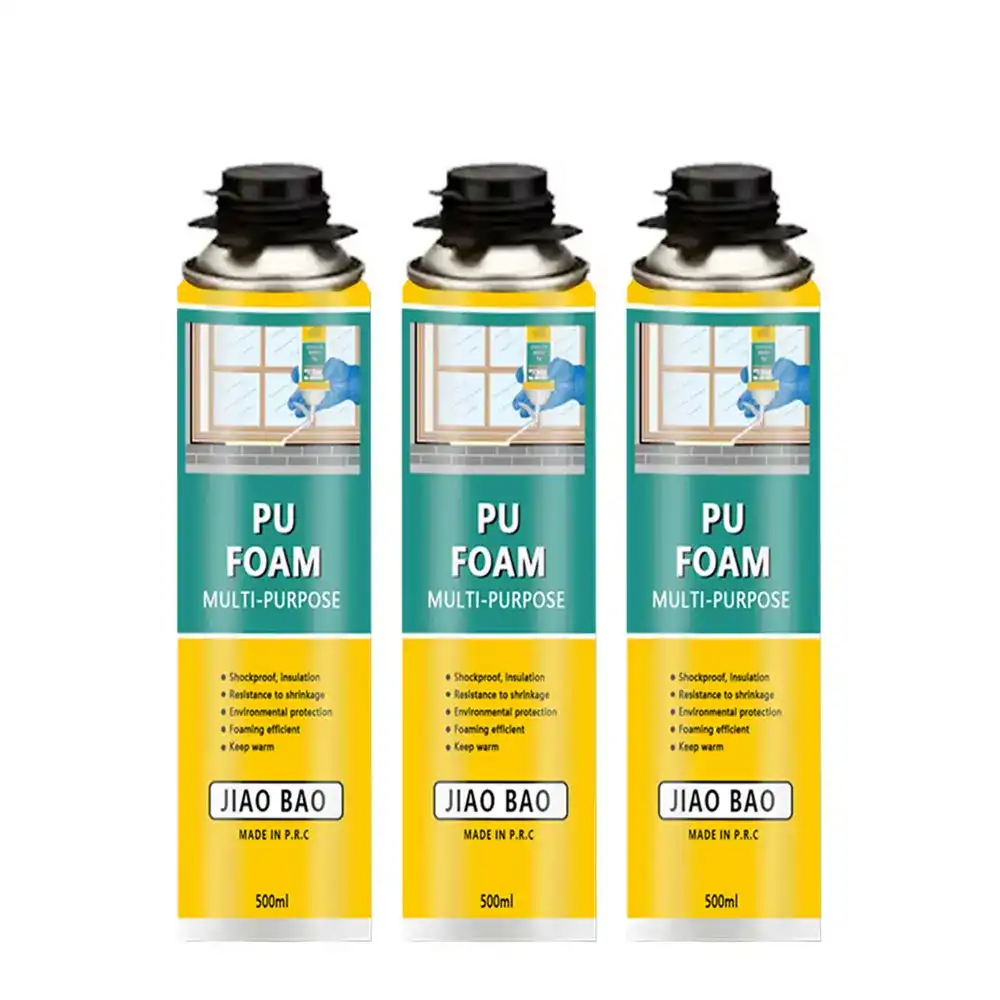
Purchasing managers need to look at both the initial cost of the materials and their value over their whole life. Because they are better at adhering and building things, PU Auto Glass Installation Sealants have higher unit prices—usually $8 to $15 per 600ml cartridge. This investment pays off because there are fewer guarantee claims, fewer installations that need to be redone, and stricter insurance rules are met. When fleet owners use certified polyurethane systems instead of generic ones, windshield-related accidents happen 40% less often, which means they save a lot of money in the long run.
Silicone seals have lower initial costs, around $3 to $7 per 300ml cartridge, which makes them a good choice for high-volume, non-essential uses. Their longer shelf life and easier storage requirements make inventory management easier, which is especially helpful for distributors who serve service networks that are spread out geographically. When figuring out the total cost of ownership, you should think about how efficient the workers are, how much material is wasted, and how much risk you might have if the seal fails too soon.
A regional insurance-partnered glass repair network with 80 service locations in several states switched from using mixed glue systems to buying PU Auto Glass Installation Sealant in a standard way. In just six months, they saw a 35% drop in calls for re-installation, a 28% rise in technician productivity due to consistent curing behavior, and full compliance with all carrier-mandated material quality audits. Jiaobao was chosen as the network's supplier because they had good prices, reliable delivery times, and technical support for training programs.
In a different case, a business fleet repair company was in charge of 500 heavy-duty trucks and buses. They used two different types of materials: polyurethane for bonding the structure of the window and silicone for sealing the edges. This method minimized the cost of materials while still meeting safety standards. It cut annual adhesive costs by 22% without affecting performance metrics. The provider stressed that supplier certification and batch tracking were important factors to consider when choosing a vendor.
Reliable sellers show that their products are consistent by having quality control methods that are written down. Jiaobao New Material was founded in 2013 and has been in business for over 13 years. They have ISO and CE certifications, which mean their goods meet international standards for car adhesives. Their capabilities include quick production lead times of one to two weeks for PU Auto Glass Installation Sealant, the ability to customize products to meet the needs of different regions, and full after-sales support that includes refunds or replacements for problems with quality that occur during shelf life.
Procurement teams should check batch-specific testing data when reviewing vendors. This includes peel tests on substrate samples, sagging resistance measures, and results from rapid age. It's valuable for suppliers to give technical training for installation workers because it makes applications more consistent across distributed service networks. Logistics for distribution are just as important. Jiaobao offers shipping options by sea and land that are tailored to the needs of the region. During transit, products are kept in good condition by following climate-controlled handling protocols.
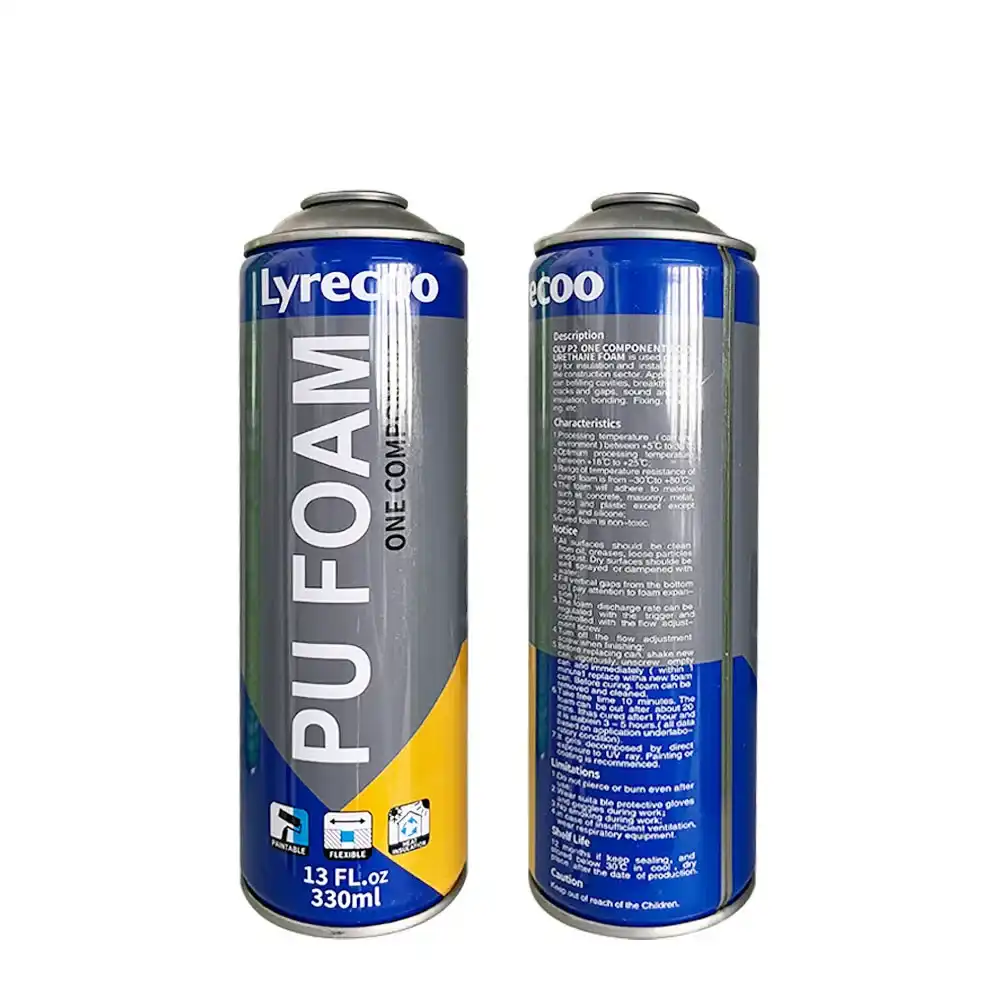
To get the strongest link possible, the surface must be carefully prepared. Oils, dust, and wetness must all be cleaned off of both the glass frit band and the car body pinch weld by the technicians. A small layer of the original urethane is left over in the "cut-back method," which helps many applications of PU Auto Glass Installation Sealant because it creates a bonding surface that is chemically suitable. For new installations on bare metal, you need to use an activator or metal primer to keep the adhesion strong and prevent corrosion.
Glass frit areas need to be primed with items that work with the sealant. Polyurethane systems usually call for black or white bases that make them more resistant to wetness and improve initial green strength, which is the holding power right away that keeps the glass from moving while it's being placed. Before applying sealant, primers must be fully flashed off. Depending on the weather and humidity, this can take anywhere from 5 to 10 minutes.
Environmental factors have a big effect on how well healing works. When it's humid, polyurethane cures faster, but when it's cold or dry, Safe Drive Away Time for PU Auto Glass Installation Sealant is longer. In cold places, technicians often heat sealant cartridges ahead of time to 20–25°C, which makes the material flow and react better. Jiaobao's recipe keeps its 0 mm sagging properties, which lets high-profile triangular beads be applied without falling. This is important for keeping the deck at the right height and avoiding glass-to-metal contact.
The right bead geometry makes sure that the bond line is the right thickness, which is usually between 5 and 7 mm. This balances the strength of the adhesive with its flexibility to reduce noise and vibration. When compared to rectangular profiles, triangular beads let moisture in from both sides, which speeds up the curing process. Technicians should not use too many tools or smooth the surface too much, as this can trap air holes and weaken the bond.
Follow the instructions on the material safety data sheet when working with PU Auto Glass Installation Sealant and silicone seals. Enough air flow in the work area keeps the buildup of cure byproducts from happening. This is especially important for acidic silicone formulations that give off acetic acid clouds. Technicians should wear safety glasses and rubber gloves to keep their skin from becoming sensitive and to avoid splashes while adding or delivering cartridges.
Local rules for hazardous waste must be followed when getting rid of empty cartridges and other waste. Partially used cartridges must be stored with the nozzles closed so that moisture in the air doesn't cause them to cure too quickly. To be environmentally responsible, you need to choose low-VOC formulations that don't harm the air quality too much while still meeting performance standards. This is something that insurance companies and governmental agencies are putting more and more emphasis on.
Faster healing chemicals for PU Auto Glass Installation Sealant are being studied to cut Safe Drive Away Time from hours to minutes without weakening the bond. It's possible to get 15 minutes of SDAT under controlled conditions with new catalysts and reactive additives, which could change the way high-throughput service processes are done. These new ideas need to find a mix between a quick cure on the surface and enough open time—the window for placing the glass before skin formation makes it harder to make changes.
Temperature-responsive formulas are another way to boost output. There might not be a need for heat lamps or climate-controlled installation bays if smart polymers can speed up curing above normal limits while staying stable during storage. These kinds of products would help mobile glass repair services that work in changing weather outside the most.
More and more, environmental laws are limiting the use of volatile organic compounds in car products. Next-generation PU Auto Glass Installation Sealants use bio-based polyols that come from renewable sources. This makes the world less reliant on oil while keeping the sealants' mechanical properties. Jiaobao's solvent-free polyurethane formulation already cuts down on VOC emissions, which makes the product more appealing as standards around the world get stricter.
Researchers are looking into de-bondable adhesives that make it easier to take apart old vehicles so they can be recycled. These experimental formulations keep the performance over time but let the controlled separation of glass from body structures through thermal or chemical triggers. This helps with efforts to make the automotive industry more circular.
Safety standards for car glazing systems are always being updated by regulatory groups around the world. Recent changes to FMVSS 212 put more emphasis on how long a bond can last under environmental stress. To do this, longer weathering tests of PU Auto Glass Installation Sealant that simulate a 10-year service life are needed. In the same way, European ECE R43 rules make it harder for things to stick together after being heated and cooled and then dried.
To make sure that seller licenses stay up to date, procurement teams must keep an eye on these changing standards. Insurance inspectors or regulatory checks may not accept materials that were approved using out-of-date standards. This can put businesses at risk of liability and cause operational problems. Compliance risks can be reduced by working with suppliers like Jiaobao, who offer up-to-date technical documentation and keep their certification programs active. This also makes sure that you have access to the latest adhesive technologies.
Which polyurethane or silicone sealant to use depends on the job and how well you want it to work. When it comes to sealing windshields, PU Auto Glass Installation Sealant has the best structural strength and safety compliance. Silicone, on the other hand, is the best when it comes to flexibility and heat resistance for seals that don't hold weight. Jiaobao's product line meets both needs with ISO-certified formulas, 13 years of technical knowledge, and a reliable supply chain that allows for flexible customization and quick delivery. When procurement professionals set up vendor partnerships that balance performance, compliance, and operational efficiency across distributed service networks, they should look at total lifecycle costs, supplier certifications, and the ability to track materials.
Standard carbon-black-filled polyurethane mixtures are electrically conductive, which can cause problems with antennas built into windshields, ADAS sensors, and heating elements. Signal impedance and galvanic rust on metal body structures can't happen with non-conductive versions of PU Auto Glass Installation Sealant made just for these uses. This is important for cars with high-tech electrical systems.
Higher humidity speeds up the curing of polyurethane by adding water to the chemical reaction, and higher temperatures make molecules move faster. On the other hand, drying is much slower when it is cold or dry. In harsh climates, technicians may need to change their estimates for the Safe Drive Away Time of PU Auto Glass Installation Sealant or use extra heating to keep results consistent.
Silicone doesn't have the tensile strength and structural stiffness needed for installing windshields in a way that keeps the roof from crushing and makes sure airbags work properly. Putting silicone instead of PU Auto Glass Installation Sealant in structural parts of a car makes it less safe and goes against government rules, which could lead to insurance claims being denied and responsibility issues.
Picking the correct glue partner affects both the quality of the work and its long-term usefulness. Our PU Auto Glass Installation Sealant meets international automobile standards thanks to Jiaobao New Material's 13 years of production experience and ISO and CE certifications. We can provide a tensile strength of 2.2 MPa and a 400% elongation at break using modern silane-modified polyether technology. This gives the necessary structural integrity and weather protection for glass replacement services that are allowed by insurance companies.
Just-in-time inventory management is made easier by our production lead times of one to two weeks. We also offer open OEM/ODM capabilities that allow for unique formulations and private labeling for service network branding efforts. Technical support includes application training, testing to make sure the substrate is compatible, and troubleshooting help to make sure that the quality of installations is the same across all operations. We back up every shipment with quality guarantees that cover replacement or refund for problems with shelf life. This protects your investment in buying things from us.
Email our team at dorashen@cnjiaobao.com to talk about your unique needs, get detailed data sheets, or set up a sample review. Jiaobao has the quality products, reliable supply chains, and quick customer service that procurement managers depend on. This is true whether they need large-scale supply agreements or special formulations for tough installation environments. You can look at our full range of adhesives on shandongjiaobao.com and learn how working with a well-known PU Auto Glass Installation Sealant manufacturer can help your business.
1. Smith, J. & Anderson, R. (2021). Automotive Adhesive Technologies: Performance Standards and Application Methods. SAE International Press.
2. Chen, L. (2020). "Comparative Analysis of Polyurethane and Silicone Sealants in Automotive Glazing Systems." Journal of Adhesion Science and Technology, 34(8), 892-915.
3. Federal Motor Vehicle Safety Standards (2019). FMVSS 212: Windshield Mounting Requirements and Test Procedures. National Highway Traffic Safety Administration.
4. Wang, H. & Liu, Y. (2022). "Moisture-Cure Polyurethane Sealants: Chemistry, Formulation, and Automotive Applications." Polymer Engineering & Science, 62(5), 1456-1478.
5. European Committee for Standardization (2020). ECE R43: Safety Glazing Materials for Road Vehicles. United Nations Economic Commission for Europe.
6. Martinez, P. (2023). Supply Chain Management in Automotive Aftermarket: Best Practices for Material Procurement. Automotive Industry Publications.
November 16,2023
Enterprise Name
The sealant has very strong adhesion and performs well even on glass and aluminum. After curing, it remains flexible and shows no cracking. Perfect for our facade projects.
November 16,2023
Enterprise Name
Stable quality across batches. Our customers especially like the smooth application and consistent extrusion. It helps reduce installation time on site.
November 16,2023
Enterprise Name
I used it for bathroom sealing. Excellent waterproof performance and no mold issues so far. It's been holding up very well in humid conditions.
November 16,2023
Enterprise Name
The neutral silicone works well on sensitive materials without corrosion. Very suitable for industrial applications requiring stable performance.
_1779347426672.webp)