November 16,2023
Enterprise Name
The sealant has very strong adhesion and performs well even on glass and aluminum. After curing, it remains flexible and shows no cracking. Perfect for our facade projects.
Jul 29, 2026
Because of the way their siloxane molecules are structured, standard silicone lubricants naturally don't catch fire. This is because they are thermally stable and create a protective char layer when heated. However, basic silicone is not at all the same as specialised Fire Resistant Silicone Sealant formulations that are made for fire safety uses. Specialised Fire Resistant Silicone Sealant products have flame-retardant additives and high-purity polymers that keep the structure strong and stop fires from spreading through building joints. These products have been certified as meeting international safety standards for use in construction and industrial settings.
Silicone is better than organic seals when it comes to fires because of the way it is made chemically. Polyurethane and acrylic options burn and give off harmful fumes, but silicone's silicon-oxygen backbone doesn't burn. When silicone is heated to very high temperatures, it turns into a char that acts like clay and keeps heat from moving through it.
Regular silicone seals that are used for general sealing might be able to handle some heat, but they don't offer the extra security that passive fire protection systems need. Fire-rated versions have carefully chosen fillers like magnesium hydroxide or aluminium hydroxide that release water vapour when heated. This cools the material and stops the flame from spreading. This difference is very important for companies that make curtain walls, doors and windows, and general builders that have to follow the building code's rules for fire control and separation.
Fire Resistant Silicone Sealant stays flexible and sticks to itself even when the materials around it expand or shrink due to heat. This feature keeps the seal from failing during a fire, which would have let flames and smoke get from one section to another. The material can work continuously from -50℃ to +150℃ in normal conditions, and it can reach 200℃ or higher in an emergency. This makes it reliable in a wide range of climates and use situations.
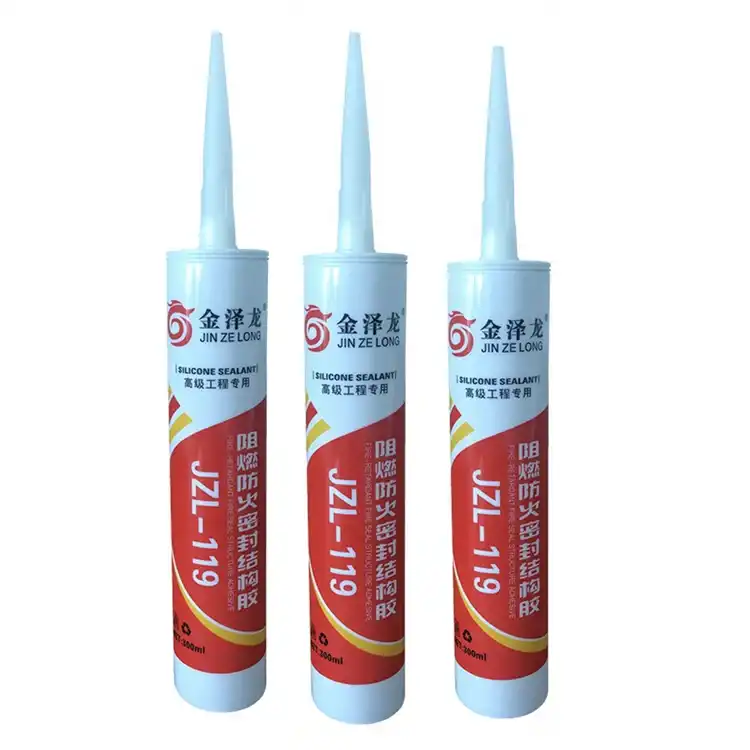
When engineers and purchasing managers look at protective seals, they need hard data on how well they work to make sure they follow the rules and keep people safe. Our one-part RTV Fire Resistant Silicone Sealant provides real security and has been tested to the highest standards.
The mixture has a mass of 1.40 ± 0.05 g/m³ and is made up of 99.5% non-volatile ingredients. This means that it will not shrink much and will continue to work as a fire shield for 12 months. The surface dries in 45 to 60 minutes, which lets you plan your project well, and the material cures at a rate of 3 mm per 24 hours. The range of motion is ±20% to ±50%, which lets the structure move in expansion joints without letting the fire seal get compromised. The product comes in 300ml and 600ml sizes and can be ordered in white, black, grey or custom RAL-matched colours. It can be shipped in either sausage or cartridge packing to fit different application equipment.
Verification of compliance is still very important for cross-border projects and insurance needs. ASTM E1966 for fire-resistant joint systems and UL 2079 for fire resistance of building joint systems are used to test fire-rated coatings. In Europe, products must meet EN 1366-4 standards, while in Asia, projects often use GB standards. Not only do these certificates back up the sealant, but they also back up the whole fitting system, including the joint width, depth, and backing material requirements. Teams in charge of buying things should ask for specific system numbers and assembly drawings that match the mixtures of substrates they need.
Standard building seals are mostly used to keep out weather and allow for movement. Fire Resistant Silicone Sealant versions add important life-safety features by stopping flames from getting through and slowing the flow of smoke. The improved formulas keep the weather resistance (Class 1 W water resistance grades) and add passive fire protection. Because it can do two things at once, it gets rid of the need for two different systems. This makes installation easier and lowers the number of possible failure places in building envelopes.
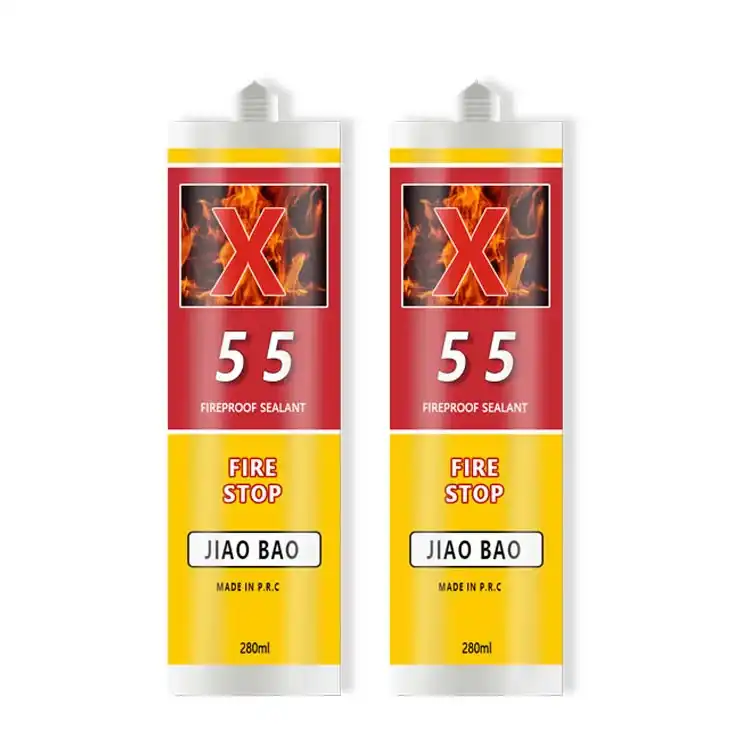
By knowing where and how to use Fire Resistant Silicone Sealant, you can improve safety and get the most out of your purchase. Because they are so flexible, new silicone products can be used to solve problems in many areas.
Curtain wall companies use fire-rated sealants to keep the perimeter joints between floor slabs and outer glazing systems sealed. This keeps fires from spreading up building surfaces from the outside. In door and window making plants, these materials are used to make tested fire-rated parts that keep their hourly fire ratings while also allowing for thermal expansion. Around HVAC holes, wire trays, and pipe sleeves that go through fire-rated walls and floors, general builders use Fire Resistant Silicone Sealant. Because it sticks to glass, aluminium, concrete, and steel, the material can be used in mixed-substrate joints, which are popular in modern building.
Electronics and home device companies seal off control panel casings and generator housings to keep electrical fires from starting. Manufacturers of HVAC equipment use high-temperature versions around exhaust systems and combustion tanks, where regular seals would break down. Fire Resistant Silicone Sealant is used in engine compartment systems by auto parts companies because it can withstand both heat and vibration. Silicone formulations last a long time in these tough jobs because they are chemically stable and don't break down with age.
How the surface is prepared has a direct effect on how well the fire seal works. They need to be dry, clean, and free of oils or release agents. The sizes of the joints should match the tried system setups, which usually means keeping the width-to-depth ratio at 2:1 and using the right backing materials, such as mineral wool. To get the best bonding and finish, tooling should be done within the surface drying window. Curing needs enough air flow, and joints shouldn't be touched during the first few days of curing to keep the bond from failing.
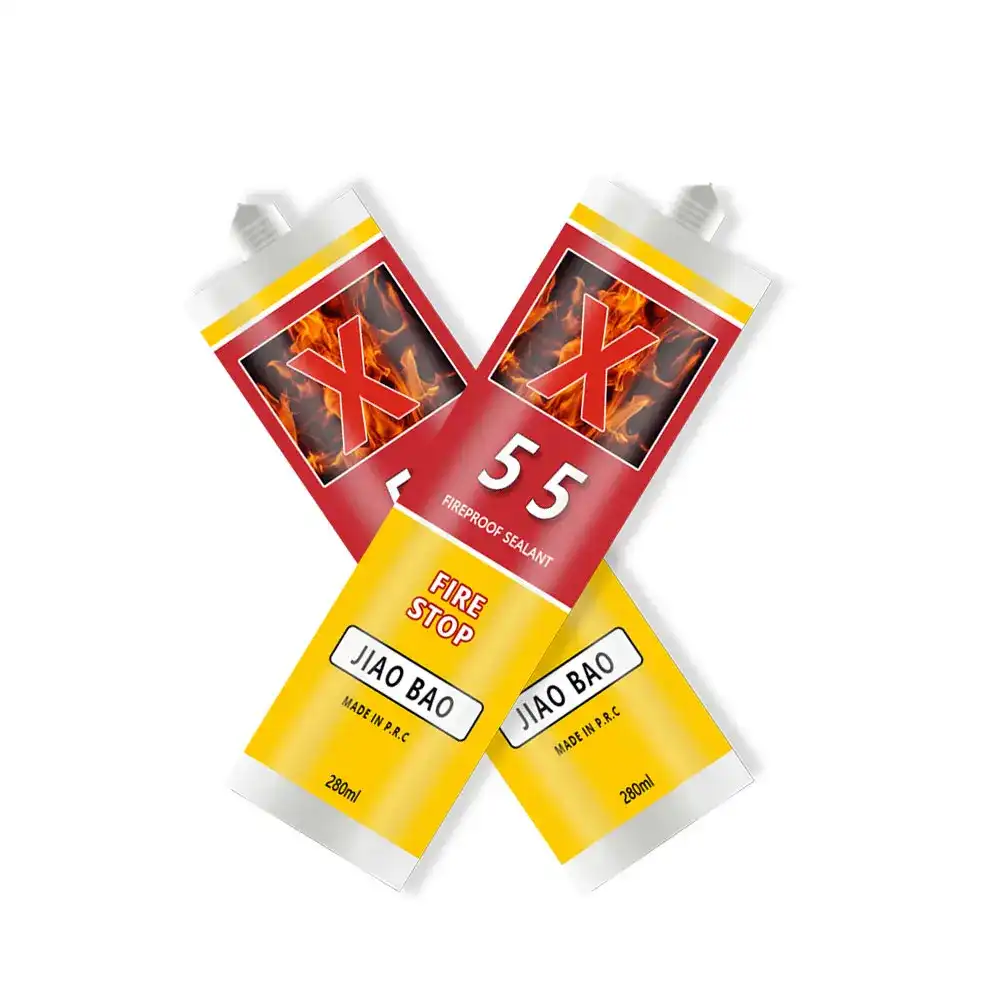
When choosing the right Fire Resistant Silicone Sealant, you have to think about scientific needs, the supply chain, and the total cost of ownership. A structured review system is helpful for procurement managers.
Performance levels need to be different for each application. Along with fire safety, exterior curtain wall parts need to be stable against UV light and weather. Interior expansion joints may put movement and smoke seal qualities ahead of other factors. For projects in harsh regions, performance must be checked across the expected temperature range. Custom furniture companies and stone working plants often put a high value on being able to match colours so that high-end installations look consistent. This need is met by our custom colour service, which offers RAL colour matching with batch uniformity that keeps seams from showing in final assemblies.
Buying from well-known companies that are ISO certified and have documented quality control methods lowers the chance of buying something. Production knowledge is important. With 13 years of experience, our methods are mature and the standard of our products is stable. Delivery times affect project timelines; our 1-2 week lead times allow for quick restocking without having to pay too much for storage. Different regions have different needs, so transportation choices like sea or land freight are flexible. Being able to do OEM and ODM lets wholesalers build brand loyalty while using tried-and-true formulas and dependable supply lines.
After good sample validation, choices to buy in bulk should be made. Ask for samples in colours that are specific to the project and try how well they stick to real base materials on-site. Check to see if it works with binders, backing materials, and seals that are already there. Check the workability by looking at things like gun flow, tooling ease, and tack-free time in real-life temperature and humidity conditions. Before agreeing to big orders, write down fix times and do simple adhesion tests. This orderly technique stops expensive problems in the field and delays in the project.
There are several methods that can be used to protect building parts from fire, and each has its own pros and cons. Knowing these differences helps you choose the best Fire Resistant Silicone Sealant.
When heated, intumescent materials spread a lot, filling in holes and making an insulating shield. This active reaction works well for big holes and plastic pipe uses because the expanding foam makes up for the melting of the material. Fire Resistant Silicone Sealant offers passive protection by staying stable at high temperatures and forming char, keeping their shape even when exposed to fire. Silicone works better than intumescent materials for parts that need to be resistant to weather, UV light, and long-term flexibility. The elastomeric features of silicone are great for exterior uses and moving joints, but intumescent acrylics can't match them.
When metal plates get hot, they grow a lot, which puts stress on fire seals. Fire Resistant Silicone Sealant can move around a lot, so it can handle this growth without losing its stickiness. Sealants for concrete and brick surfaces need to be able to bridge pores well and not react badly with alkaline environments. In most cases, our mixture sticks well to both porous and non-porous materials without the need for primers. Glass and aluminium, which are commonly used in curtain wall building, need materials that are clear, look good, and don't catch fire. Fire Resistant Silicone Sealant easily meets these requirements.
The initial cost of materials is only one part of the total cost of the job. Because Fire Resistant Silicone Sealant lasts longer than less stable options, it requires less upkeep and repair over its lifetime. When weatherproofing and fire safety are combined in one product, there is no need for two separate systems. This saves money on both materials and labour. The stable formulation and 12-month shelf life mean that wholesalers and trade companies don't have to throw away as much old stock. When projects need approved fire ratings, they can't use cheaper options without breaking the rules. This is why performance-verified goods are necessary, even if they cost more.
Even though silicone is naturally resistant to flames, Fire Resistant Silicone Sealant products are specially designed to meet the fire safety requirements of building codes and workplace safety standards. For curtain walls, door and window assemblies, and industrial penetrations, these special formulations are a must-have because they keep heat in, let things move, fight weather, and control fire. Choosing the right product based on fire ratings, material suitability, and application needs is important for meeting regulations and getting good performance over time. Teams in charge of buying things should look at sellers' production experience, certifications, ability to customise products, and dependability of the supply chain.
A: Silicone is naturally thermally stable because its chemical backbone is made up of silicon and oxygen. While carbon-based plastics easily catch fire, silicone turns into a protective ceramic char when it comes in contact with flames. This slows the movement of heat and keeps the materials below from catching fire.
A: Of course. Our Fire Resistant Silicone Sealant protects against fire and has better UV strength and weatherability. The material stays flexible and adheres well even after being frozen and thawed several times and in direct sunlight. This makes it perfect for external curtain wall perimeter joints and weather-exposed penetrations.
A: Fire ratings are specific to the method, not the object. The Fire Resistant Silicone Sealant must be installed in a way that has been tried and works with your joint's width, depth, backing material, and base types. To make sure you're following the rules, ask your provider for the system number and installation information.
A: Fire-retardant materials don't catch fire and put themselves out on their own. Fire-resistant goods stop fire from spreading through joints for set amounts of time under standard test settings. This is usually measured in hours, such as 2- or 4-hour fire resistance ratings.
For 13 years, Shandong Jiaobao New Material Co., Ltd. has been making color-matched and Fire Resistant Silicone Sealant, so they can handle even the most difficult jobs. Our ISO and CE-certified formulas meet international standards, and our OEM and ODM services can help you reach your brand growth goals. We offer the freedom and dependability that Fire Resistant Silicone Sealant companies must show, whether you need RAL-matched colours for high-end curtain wall projects or large quantities delivered every one to two weeks. For technical details, sample requests, and project-specific advice that makes sure your fire safety systems work as they should, email our team at dorashen@cnjiaobao.com.
1. American Society for Testing and Materials. (2020). ASTM E1966-20: Standard Test Method for Fire-Resistive Joint Systems.
2. Underwriters Laboratories. (2019). UL 2079: Standard for Tests for Fire Resistance of Building Joint Systems.
3. European Committee for Standardization. (2018). EN 1366-4: Fire Resistance Tests for Service Installations - Linear Joint Seals.
4. Building Research Establishment. (2021). Fire Performance of Sealants in Construction Applications: Technical Guidance.
5. International Code Council. (2021). International Building Code Chapter 7: Fire and Smoke Protection Features.
6. National Fire Protection Association. (2022). NFPA 101: Life Safety Code - Fire-Resistance Ratings and Fire Tests.
November 16,2023
Enterprise Name
The sealant has very strong adhesion and performs well even on glass and aluminum. After curing, it remains flexible and shows no cracking. Perfect for our facade projects.
November 16,2023
Enterprise Name
Stable quality across batches. Our customers especially like the smooth application and consistent extrusion. It helps reduce installation time on site.
November 16,2023
Enterprise Name
I used it for bathroom sealing. Excellent waterproof performance and no mold issues so far. It's been holding up very well in humid conditions.
November 16,2023
Enterprise Name
The neutral silicone works well on sensitive materials without corrosion. Very suitable for industrial applications requiring stable performance.
_1779347426672.webp)