November 16,2023
Enterprise Name
The sealant has very strong adhesion and performs well even on glass and aluminum. After curing, it remains flexible and shows no cracking. Perfect for our facade projects.
Aug 3, 2026
Choosing the right sealant for glass installation can determine whether your project achieves long-term durability or faces premature failure. When working with glass, aluminum frames, and metal components, NP Silicone Sealant Non-Corrosive Type stands out as the optimal solution. Unlike traditional acetoxy cure silicones that release corrosive acetic acid during curing, neutral cure silicone sealants eliminate the risk of metal oxidation and substrate damage. This one-component moisture-cure sealant delivers enterprise-grade performance across temperature extremes from -50℃ to +150℃, maintaining watertight integrity while accommodating structural movement up to 25%. With a surface dry time of just 30 minutes and full cure within 7-14 days, it supports efficient project timelines without compromising quality.
When compared to older acetoxy formulations, neutral cure silicone sealants are a big step forward. When these special materials dry out in the air with moisture, they release alcohol byproducts instead of acids that break down things. They are essential for uses involving sensitive substrates because of this chemistry difference.
The key benefit is in the way the bacteria cure. Acetic acid vapours are released by traditional acid-cure silicones as they cure. These vapours can damage aluminium window frames, copper flashing, and mirrored glass coatings. Neutral fix formulas don't do this at all because they use alkoxy or oxime chemistry. This makes a bendable, long-lasting seal that doesn't damage the materials next to it. This quality is especially important in curtain wall designs and electrical enclosures that use metal parts as part of the design.
The physical properties of modern neutral silicone sealants are very good. They are flexible and strong at the same time, with a Shore A hardness of 30. The tensile strength of 0.7 MPa makes sure that the sealant stays in place when it's under stress, and the movement capability of 25% lets heat expansion and building settlement happen. The performance of these sealants stays the same across a wide temperature range. They are stable in both arctic conditions and industrial heat. The low VOC content (less than 80 g/L) meets environmental standards and makes sure that the product can be used safely in occupied areas.
When installing glass, you need sealants that protect against weather, UV light, and long-term sticking power without hurting the substrate. Neutral fix silicones work great for glazing, covering the edges of insulated glass units, and making structural joints between metal frames and glass panels. Their ability to stick to glass, aluminium, and stone surfaces without a primer makes installation easier and costs less. The mixture that doesn't stain stops streaking on porous stone walls, which is ugly, and the finish stays looking good for decades.
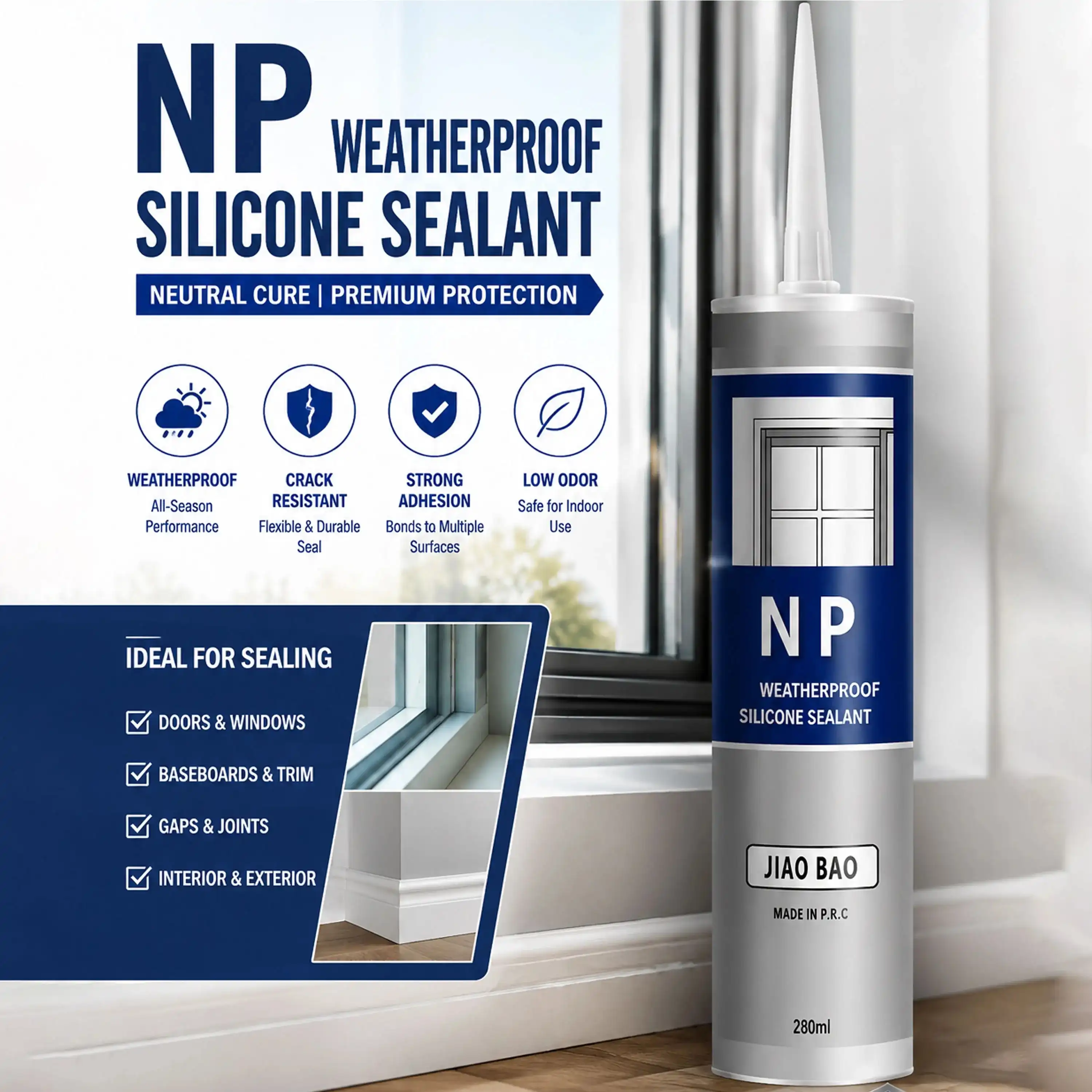
Knowing the differences between sealing methods helps people in charge of buying things choose the right materials. Because they are made of different chemicals and cure in different ways, each type of sealant has its own pros and cons.
Because they cure quickly and don't cost as much, acetic cure silicones are often used for a wide range of tasks. But the acetic acid that is released when it cures is very acidic and breaks down copper, brass, zinc, and concrete. When glass is installed in aluminium frames, this rust weakens the frames over time and changes the way they look. Neutral cure silicones completely get rid of this risk while keeping the same level of flexibility and weather resistance. The small price increase is worth it because the service will last longer and warranty claims related to substrate corrosion will no longer be valid.
Polyurethane sealants can be painted and don't wear down easily, so they can be used in horizontal and expansion joints in concrete. But they don't work well with glass because they don't fight UV light as well and can't handle a wide range of temperatures. Polyurethanes break down in the sun for a long time, turning rigid and losing their flexibility. Also, they don't stick as well to glass without special primers. When it comes to weathering, neutral silicones do a better job, and they stay flexible over time without needing to be pretreated on most substrates.
Acrylic latex sealants are the least expensive option but lack sufficient durability for exterior glazing installations. They offer poor water resistance after curing, accommodate only 10% joint movement, and are susceptible to microbial growth in damp environments. While suitable for interior trim work, acrylics cannot withstand the temperature and moisture fluctuations inherent in glazing applications. Neutral silicones—specifically NP Silicone Sealant Non-Corrosive Type—provide the durability, weather resistance, and long-term performance required for critical building projects. With superior adhesion to glass and metal substrates plus excellent UV stability, neutral silicones ensure reliable seals that maintain integrity despite extreme environmental exposure.
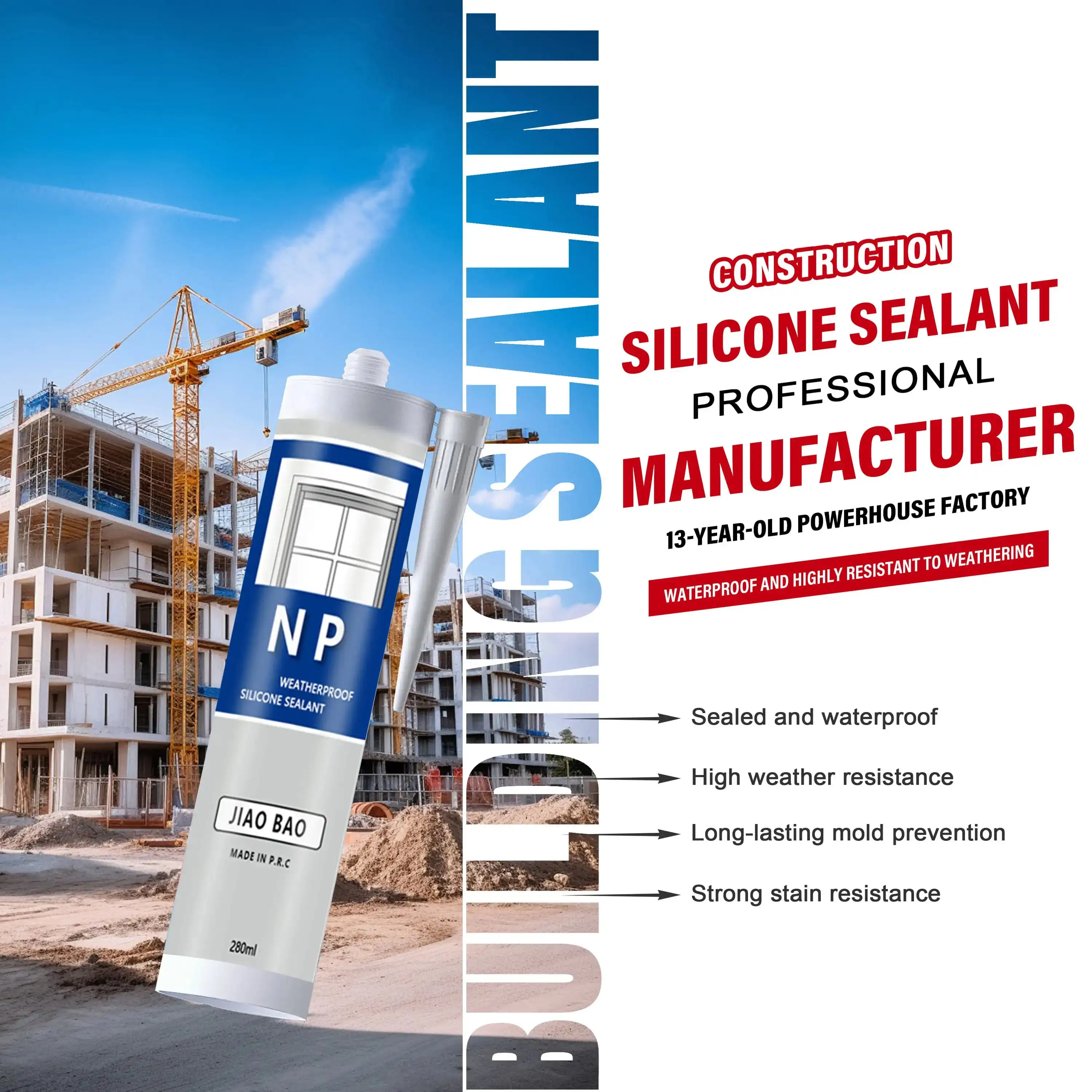
How the sealer is applied directly affects how well it works and how long it lasts. Even high-quality products won't work if they're not used properly, so following the steps is very important.
If you want good adhesion, you must start with clean areas. Use the right chemicals, like isopropyl alcohol or mineral spirits, to get rid of all the dust, oil, old sealant residue, and release agents. Let surfaces dry completely before putting anything on them. For porous surfaces like stone and concrete, make sure the moisture level is below the allowed levels to keep the adhesive from failing. Wipe down glass surfaces with lint-free cloths to get rid of any film that could make bonding less effective.
To get the right bead size, cut the cartridge opening at a 45-degree angle. Continuously move the application gun and keep pressure on it to avoid air pockets while applying the sealant. To make sure the joint is properly wet and has the right surface profile, you should tool it within the surface dry time window, which is about 30 minutes. For good drying, the temperature should be between 5°C and 40°C and the relative humidity should be between 30% and 80%. Do not use when it is raining or the floor is wet.
Under normal conditions, the glue hardens in 30 minutes. However, it can take anywhere from 7 to 14 days for the whole thing to cure, based on how deep the joint is and the surrounding environment. It takes longer for thicker joints to cure; the depth of cure usually moves forward by 2 to 3 mm every 24 hours. Do not move or stress on sealant that has just been applied until it is fully hardened. Visual checking for bubbles or voids, adhesion testing on sample surfaces, and water spray tests to check weatherproofing performance can all be used to test the integrity of a seal before it is accepted for use.
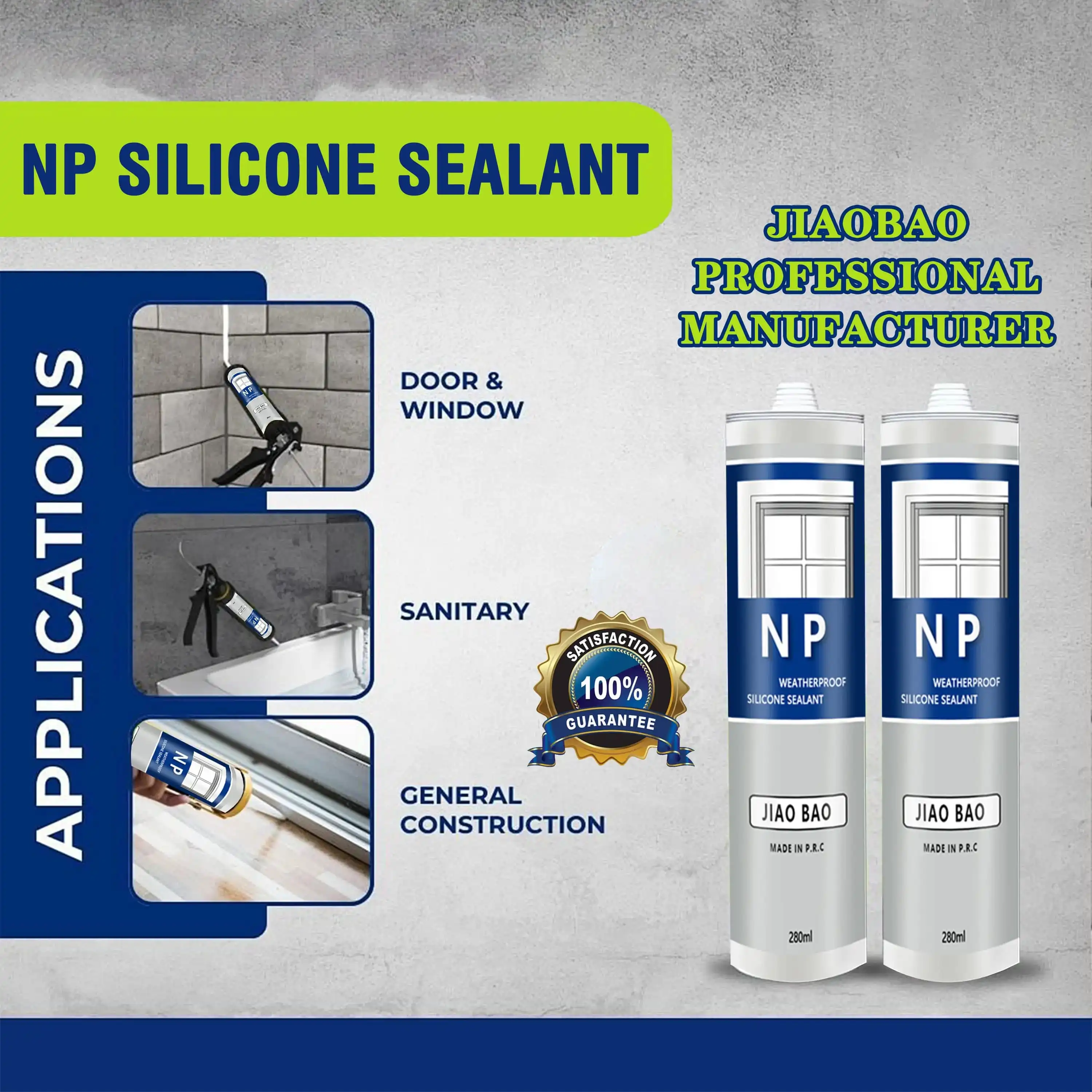
When buying industrial sealants strategically, you need to find a balance between quality, cost, source reliability, and expert help. To make sure long-term value, B2B buyers should look at more than just unit price.
The most reliable supply chains have authorised distributors and direct relationships with manufacturers. When looking at NP Silicone Sealant Non-Corrosive Type providers, make sure they are ISO certified, meet ASTM C920 and GB standards, and offer full technical datasheets. Ask for samples so that they can be tested to see if they work with the media and application settings you have in mind. Manufacturers who have been in business for more than ten years usually have better quality control and stability from batch to batch than younger companies. The supplier should be able to customise for OEMs in terms of colour matching and preferred packaging formats, such as 300ml cartridges or 600ml sausages.
When buying industrial caulk, the cheapest price isn't always the best deal. To find the total cost of ownership, you need to add up the application labour, repair rates, guarantee coverage, and the expected service life. A neutral cure silicone costs 15% more, but it doesn't cause corrosion-related callbacks, so it's a better investment. Agreements to buy in bulk from approved sources can lower the cost per unit while making sure that materials are always available. Think about logistics benefits like lead times of one to two weeks and shipping options that can be changed at any time to lower the cost of keeping inventory.
Verification of specification compliance keeps low-quality materials from getting into your supply chain. Ask for approval papers for every production batch to show that the required hardness, tensile strength, and VOC limits were met. Documentation that shows compliance with RoHS and REACH is needed for foreign markets. If the materials fail within the 12-month shelf life, reputable suppliers will either refund or replace them. Having access to technical support helps solve application problems and make joint design work best for each project.
Neutral cure silicones can be used to solve real-world closing problems in a wide range of businesses. The material's versatility and dependability are shown by these uses.
More and more modern business buildings have large glass curtain walls that need seals that can handle changes in temperature while still keeping out the weather. A new office block project in the southeast of the United States called for neutral cure silicone to be used for all exterior joins between glass units and aluminium mullions. The material's 25% moving ability was enough to handle the difference in growth between metal and glass when temperatures went from very low to very high. Inspections after three years of use showed that there was no loss of stickiness, staining, or water entry, which proved that the choice was the right one.
Electronics companies need sealants that keep delicate parts safe without releasing corrosive byproducts that hurt circuit boards or metal contacts. After field failures were linked to acetoxy cure materials, one LED lighting manufacturer switched to NP Silicone Sealant Non-Corrosive Types. The non-corrosive mixture stopped oxidation on copper connections and solder joints and kept moisture out well enough. Within the first year, warranty claims dropped by 40% because of the change. This shows how important material compatibility is in computer uses.
Sealants that meet strict hygiene standards and don't react with chemicals are needed for industrial glass installations in cleanrooms for pharmaceuticals and food processing plants. Neutral cure silicones don't break down easily when cleaned with common cleaners and sanitisers, and microbes can't stick to them. Because they can handle temperatures from -50°F to +150°F, they can be used in cold storage areas or near equipment that makes heat. The 12-month shelf life and availability in many colours, including custom formulas, make it useful for a wide range of industrial needs.
When installing glass, using neutral cure silicone sealant gives you measured benefits in terms of longevity, material compatibility, and long-term cost-effectiveness. The non-corrosive chemistry keeps delicate materials safe while giving tough jobs the flexibility and stickiness they need. When applied to the right surface and in the right way, these seals make weathertight shields that can last for decades in harsh conditions. NP Silicone Sealant Non-Corrosive Type has the performance features that engineers and procurement professionals need for sealing curtain wall systems, electronic enclosures or speciality glass assemblies. Neutral fix silicones are the smart choice for projects where failure is not an option because they are technically excellent, follow all regulations, and come from a reliable source.
For best adhesion, neutral cure silicones need dry surfaces. If there is moisture on the surface of the base, it stops the adhesive from properly wetting and sticking. These sealants harden when they come into contact with wetness in the air, but surface water makes it hard for them to make touch in the first place. Always make sure that bases are completely dry before applying them, giving them enough time to dry after it rains or after cleaning.
When things are kept below 27℃ in sealed cases, they have a normal shelf life of 12 months. High temperatures speed up the curing reaction inside the cartridge, which makes the material gel too quickly and make it hard to extrude. In the same way, storing things in places with a lot of humidity shortens their shelf life by letting water into the packaging. Keep the storage area cool and dry so that the qualities of the material stay the same throughout the shelf life.
Silicones with a neutral cure must heal in air before they can be submerged. For the moisture fix process to work, the air must be humid for polymerisation to begin. Crosslinking can't happen properly when you try to fix underwater, so the curing isn't full and the physical traits aren't good. For submerged uses, apply the sealer and let it cure completely according to the manufacturer's instructions before putting the area in water. Once the material has dried, it is very resistant to water and stays intact even when submerged in water for a long time.
Jiaobao has been making high-quality neutral cure silicone sealants for over 13 years and has a full quality assurance system. These sealants meet the strict requirements of electronics makers and precision assembly operations. Our ISO-certified factories make sure that every batch is exactly the same, so every cartridge works the way your apps need it to without corroding. We are a trustworthy NP Silicone Sealant Non-Corrosive Type source for B2B customers around the world because we can work with different OEMs, offer low prices for large orders, and provide quick expert support. You can email our team at dorashen@cnjiaobao.com to ask for samples, technical datasheets, or custom quotes. Our quality promise and wait times of one to two weeks show that we are dedicated to helping you succeed in your procurement.
1. Chen, Y., & Wang, H. (2019). Advances in Neutral Cure Silicone Technology for Architectural Applications. Journal of Building Materials Science, 34(2), 145-158.
2. Industrial Sealants Association. (2021). Selection Guide for Silicone Sealants in Glass and Metal Applications. Technical Publication Series, Volume 12.
3. Martinez, R., Thompson, J., & Liu, S. (2020). Comparative Analysis of Sealant Performance in Curtain Wall Systems. Construction Materials Research Quarterly, 28(4), 301-316.
4. National Fenestration Rating Council. (2022). Sealant Compatibility and Durability in Glazing Systems. NFRC Technical Document 400-2022.
5. Peterson, A. (2018). Corrosion Prevention in Electronic Assemblies: Material Selection Strategies. Electronics Manufacturing Technology Review, 43(3), 89-104.
6. Zhang, L., & Anderson, K. (2021). Long-Term Performance Evaluation of Neutral Cure Silicones in Marine and Industrial Environments. Polymer Durability and Stability, 186, 109-125.
November 16,2023
Enterprise Name
The sealant has very strong adhesion and performs well even on glass and aluminum. After curing, it remains flexible and shows no cracking. Perfect for our facade projects.
November 16,2023
Enterprise Name
Stable quality across batches. Our customers especially like the smooth application and consistent extrusion. It helps reduce installation time on site.
November 16,2023
Enterprise Name
I used it for bathroom sealing. Excellent waterproof performance and no mold issues so far. It's been holding up very well in humid conditions.
November 16,2023
Enterprise Name
The neutral silicone works well on sensitive materials without corrosion. Very suitable for industrial applications requiring stable performance.
_1779347426672.webp)