November 16,2023
Enterprise Name
The sealant has very strong adhesion and performs well even on glass and aluminum. After curing, it remains flexible and shows no cracking. Perfect for our facade projects.
Aug 12, 2026
When selecting passive fire protection materials for construction projects, understanding substrate compatibility is critical. Firestop Silicone Sealant reliably bonds to a wide range of common building materials including concrete, masonry, metal, glass, and gypsum board. This elastomeric sealant forms durable seals on both porous substrates like brick and non-porous surfaces such as aluminum or steel, provided proper surface preparation is followed. Its flexibility and adhesion strength make it the preferred choice for fire-rated wall penetrations, expansion joints, and curtain wall applications where movement and environmental exposure are concerns.
Materials that keep their shape in harsh situations are needed for passive fire defense systems. Firestop Silicone Sealant is made so that flames, smoke, and dangerous gases can't get through cracks and holes in buildings. Unlike regular building caulks, these special goods are put through a lot of tests to make sure they work well in fires.
Firestop Silicone Sealant has benefits that come from the way they are chemically made. In temperatures ranging from -50℃ to +150℃, silicone polymers stay flexible, showing great thermal stability. Because it is flexible, the sealant can move with the building without cracking or losing its stickiness. The material creates a protected char layer that keeps the seal even when temperatures reach over 1000℃ when it is exposed to fire.
Our one-part RTV Firestop Silicone Sealant has these important qualities and has been made by Shandong Jiaobao New Material Co., Ltd. since 2013. The product dries at a rate of 3mm per 24 hours to make a strong, long-lasting seal. It has a density of 1.40±0.05 g/m³ and 99.5% non-volatile parts. This mixture has a Class 1 W Rating for water protection, which means it can be used both inside and outside. The sealant comes in sausage or cartridge packaging and has a 12-month shelf life. It comes in 300ml and 600ml sizes and can be white, black, gray, or custom colors.
High-performance fire barriers are different from regular construction sealants because they don't change when the temperature does. Our product keeps its stickiness and flexibility even through high thermal cycles. This keeps the seal from breaking when temperatures change with the seasons or when it's exposed to fire. At 25℃ and 50% relative humidity, tests show that there is no flow or sliding, which means that the vertical joint is solid. The surface dries in 45 to 60 minutes, which lets projects run smoothly without sacrificing quality.
With the Firestop Silicone Sealant network, a moisture-resistant layer is made that keeps water out while letting some air pass through. This feature is very important in damp places and places where condensation can form, like HVAC penetrations and plumbing risers. Because silicone is hydrophobic, it doesn't lose its stickiness when it gets wet like plastic options do.
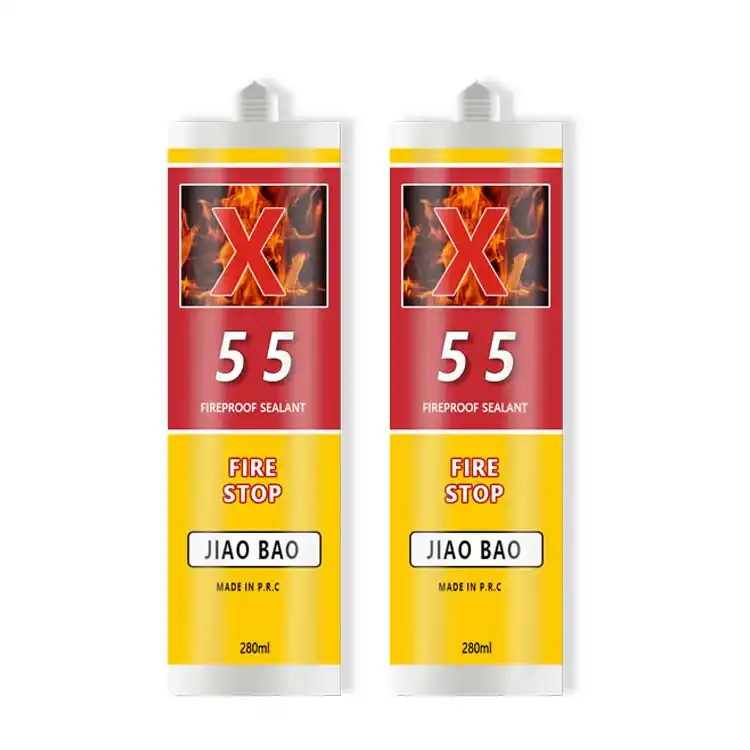
Adhesion performance tells you if a fire barrier device will work as it should in an emergency. Firestop Silicone Sealant only works if it can form strong bonds to the wide range of bases used in modern building.
Non-porous materials have smooth, dense surfaces that require certain ways to stick to them. Firestop Silicone Sealant sticks to glass and metal by interacting with molecules at the contact. The sealer completely wets the surface, making a close bond that doesn't peel or separate. Proper surface preparation has a big effect on the bond strength of metal ducts, steel door systems, and aluminum window frames.
The surfaces must be dry, clean, and free of dust, oils, and rust. Isopropyl alcohol wipes away dirt and grime that gets in the way of bonding. Light abrading may be needed to improve the mechanical grip of galvanized steel and anodized aluminum.
When Firestop Silicone Sealant is applied to porous structures, they soak up a little of it, making both mechanical and chemical bonds. When they are properly prepared, concrete block, poured concrete, brick, and CMU (concrete masonry units) make great surfaces for adhesion. Because fresh concrete is alkaline, it can sometimes make it harder for it to cure. For best results, wait until the concrete has fully cured, which usually takes 28 days.
To prepare the surface of old concrete or dusty brickwork, you can use a wire brush or a vacuum to get rid of any loose particles. Surfaces with a lot of pores might need a primer, but our silicone mix usually sticks well without any extra steps. The sealant goes through rough spots on the surface to make a mechanical lock that doesn't let pull-out forces happen.
It's hard for sealants to stick to painted surfaces because they stick to the paint film instead of the substrate. The whole system could fail if the paint doesn't stick well to the base material. Testing a small area before applying it all over shows any problems that might be there. If you want better mechanical bonding, you should lightly sand paints that are glossy or oil-based.
Gypsum board and plaster stick well when they are clean and properly sealed. The paper backing on drywall works well with Firestop Silicone Sealant, but the cut edges may need to be sealed to keep water out. When surfaces are clean and dry, composite panels and fiber-cement boards usually stick together well.
Thermal expansion, earthquakes, or structural settling can all cause buildings to move, which can put stress on sealed joints. Because they are elastic and can heal, Firestop Silicone Sealant works great in dynamic settings. The material can be stretched and compressed many times without breaking or losing its stickiness. This makes it perfect for use in expansion joints, seismic separations, and curtain wall border seals.
When fire doors are opened and closed, the frames of the doors move around a lot. Even with this steady stress, a bendable seal keeps the continuity. Firestop Silicone Sealant's ability to accept movement without hardening or cracking over time is also useful for HVAC duct links that are subject to vibration.
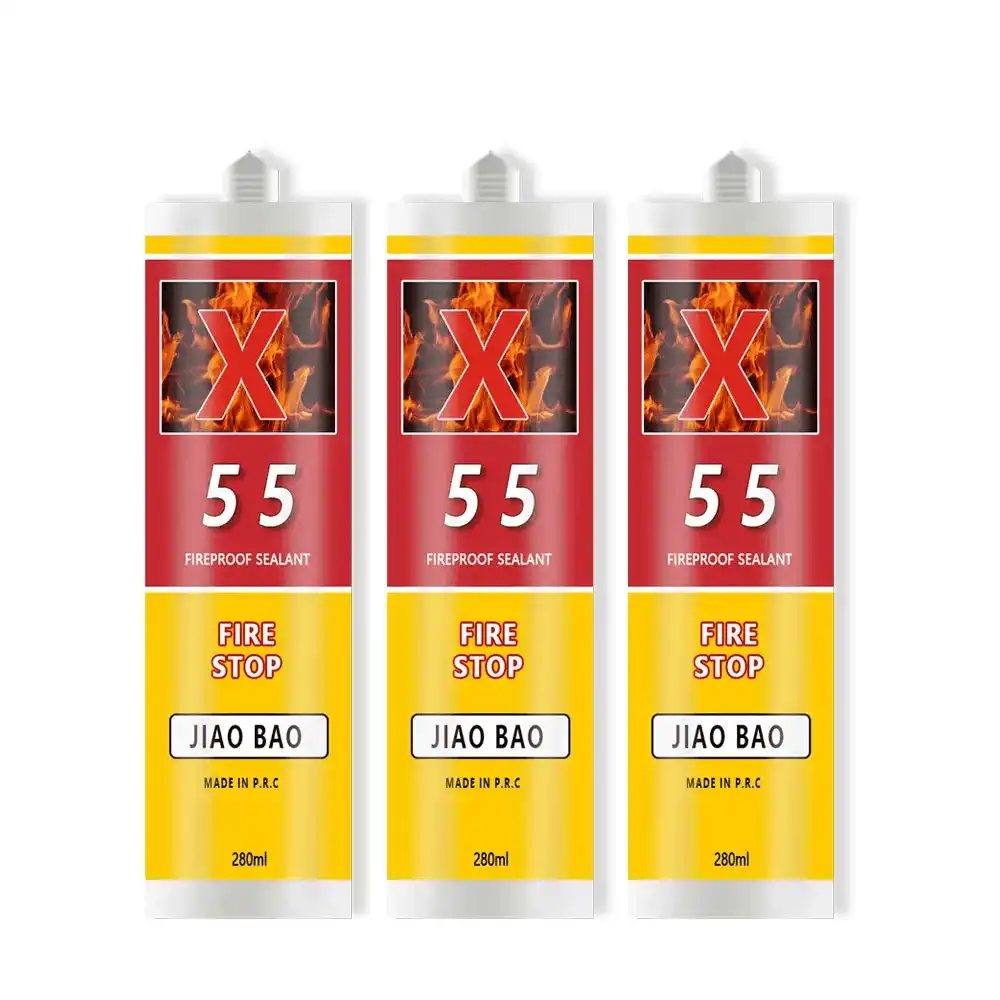
To choose the right fire safety materials, you need to know how different goods work in different situations. Each type of material has its own benefits that rely on the purpose and the environment. Firestop Silicone Sealant solutions are often compared with other alternatives to ensure optimal protection.
Fire barriers made of acrylic use water-based polymer systems that dry when the water evaporates. Most of the time, these items are less expensive and are easy to clean up with water before they harden. On the other hand, they are not as flexible or weatherproof as Firestop Silicone Sealant formulations. Acrylics are good for low-movement joints inside, but they break down when they are exposed to UV light or constant moisture.
Firestop Silicone Sealant stays flexible over a wider range of temperatures and is much better at keeping water out than acrylics. The initial surface drying time for our product (45–60 minutes) is shorter than that of many acrylic options, and it lasts longer too. When used outside or in places where joints move a lot, silicone definitely works better than acrylic options.
When heated, intumescent materials expand, making a protective char that fills in holes as the materials melt or burn away. When these devices are used to penetrate plastic pipes, they work really well because the growing material crushes the softening pipe to keep the seal. Intumescent putty lets you move cable bundles that need to be changed from time to time. Firestop Silicone Sealant does not get very big when it comes in contact with fire.
Instead, they keep the seal's integrity by being stable at high temperatures and making char. Because of this, Firestop Silicone Sealant is better for metal holes and parts where rigidity is important. Intumescent collars on plastic pipes and silicone annular seals are two technologies that are often used together in fire-rated assemblies to deal with different types of failure. Whether to use Firestop Silicone Sealant or intumescent solutions depends on the type of penetrant, how the material is expected to move, and the conditions around it.
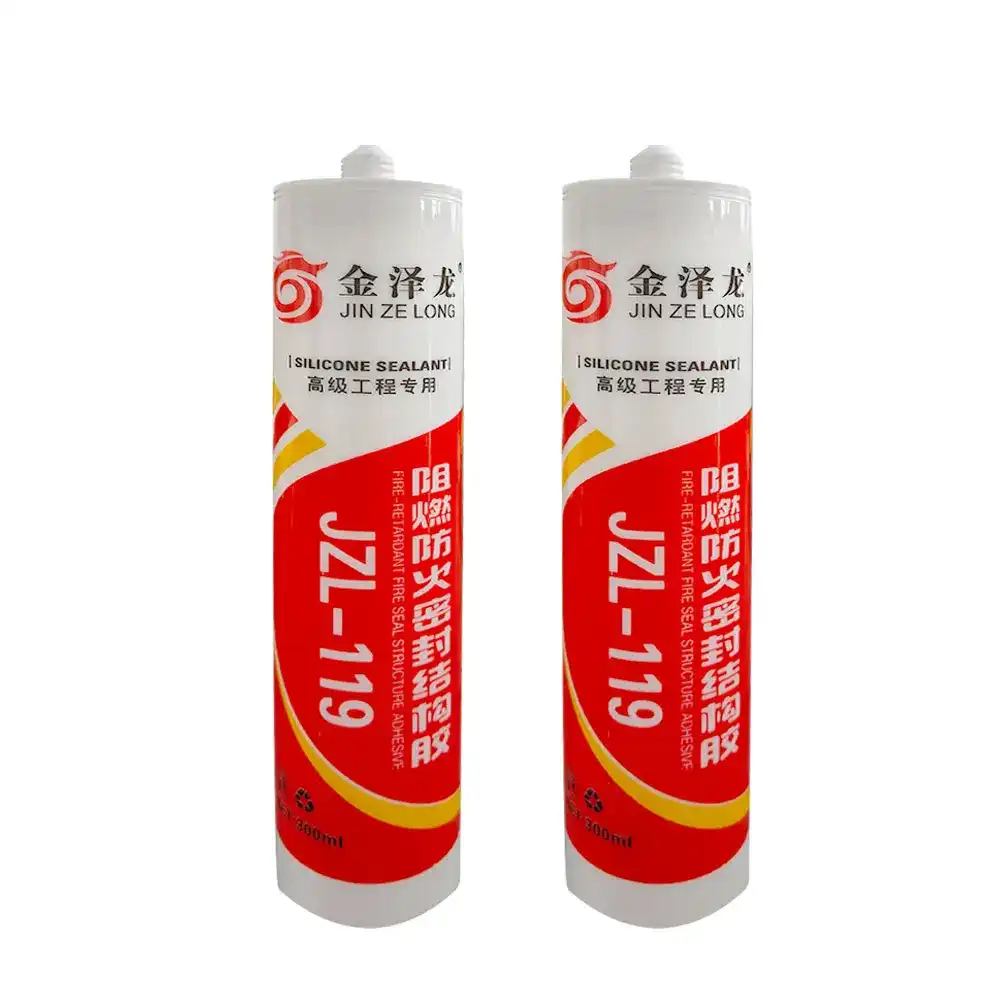
How well fire-rated systems work depends on how well they were installed. Reliable results come from properly preparing the surface, using the right tools, and following the manufacturer's instructions. Firestop Silicone Sealant performance relies on following these critical steps.
Surfaces must be clean for adhesion to work well. Before application, dust, oil, water, frost, and other small particles must be cleaned off. Depending on the type of medium and amount of contamination, surfaces can be cleaned by wire brushing, vacuuming, or wiping them down with a solvent. Surfaces with pores should be dry so that wetness doesn't get stuck and mess up the curing process.
Temperature and humidity have an effect on how to apply and cure. When used in temperatures between 5°C and 40°C and moderate humidity, our product works best. Extremely cold temperatures slow the hardening process, and high temperatures may cause the surface to skin before the right tools can be used.
Do not use when it is raining or the surface is wet. The shape of the joint affects how well Firestop Silicone Sealant works. When the width-to-depth ratio is right, the sealant sticks to the sides of the joint without sticking to the backing material. This lets the joint move without breaking the bond. Backing rods or foam help control the depth and shape of the joint.
Standard caulking guns are good for packaging cartridges, while bulk pneumatic guns are better for high-volume uses like packaging sausages. To match the width of the joint, cut the needles at a 45-degree angle. Keep the pressure on the bead so that it has a uniform consistency and no air spots or holes. Tooling right away after application makes sure that the surface has the right shape and that the material is in close contact with the tool. A wet finger or tool smooths the surface and presses the material against the sides of the joint.
Do not use too many tools, as this can pull sealer away from surfaces or mix air into it. The healing process moves about 3mm per 24 hours from the surface that is being seen to the inside. After 45–60 minutes, the surface is dry enough to handle lightly, but depending on the depth of the joint, it may take several days for the whole thing to cure. During this time, keep the partly sealed sealant away from water and damage.
Fire-rated seals had to be put on more than 800 curtain wall perimeter joints for a business high-rise job in Dallas. Because of the building's openness and projected thermal movement, the project called for a Firestop Silicone Sealant system. The edges of the concrete floor and the aluminum mullions were properly prepared to make sure they stuck together. The installation passed a review by the fire department and has worked perfectly for seven years, showing that it is reliable in the long run.
In order to improve an industrial building, HVAC line penetrations through fire-rated walls had to be sealed. The mechanical contractor chose our Firestop Silicone Sealant because it doesn't change with temperature and doesn't absorb water in damp places. The zero-sag recipe let it be used vertically without dripping or sagging. The project got occupancy approval on time, and all of the firestop devices were found to be safe by a third party.
When making B2B purchases of fire safety materials, you have to think about technical compliance, supplier reliability, and total cost. Understanding the important selection criteria helps make sure that the project turns out well. Firestop Silicone Sealant selection should be based on proven performance data.
Products meet fire safety standards if they have the right certifications. For penetrations, look for testing that meets well-known standards like ASTM E814 or UL systems for certain assembly configurations. Our Firestop Silicone Sealant is certified by both ISO and CE, which means they can be imported into a wide range of markets. Before you buy, you should be able to look at independent lab test results.
Specifications for temperature performance must match the needs of the application. The -50°C to +150°C service range of our formulation works in harsh conditions and with motorized equipment that is exposed to heat. This product's Class 1 W water resistance rating proves that it can be used outside and in wet places.
Inventory management is affected by things like shelf life and storage needs. Our 12-month shelf life at temperatures below 27℃ lets you rotate your stock without going to waste. There are 300ml and 600ml packaging options to fit both small repairs and big projects.
Experience in manufacturing shows that the process is mature and that the quality is consistent. Since 2013, Shandong Jiaobao New Material Co., Ltd. has been making Firestop Silicone Sealant, using tried-and-true formulas and quality control methods. Production lead times of one to two weeks allow for project scheduling without having to place too many orders ahead of time. The ability to deliver has an effect on planning for procurement.
Shipping by sea or land freight is flexible enough to work with different project sites and schedules. Minimum order numbers should match the size of the project. Buyers who buy in bulk like quantity deals, while buyers who buy less need order minimums that are easy to meet. The ability to customize meets the needs of each brand. OEM and ODM production based on customer needs allows for private marking and recipe changes to meet regional needs.
Technical data sheets in English and other languages make it easier to check for compliance across borders. Support after the sale lowers the risk. Quality guarantees that let you return or replace damaged materials protect procurement budgets. Help with technical issues during the application process speeds up problem-solving in the field and keeps projects on schedule.
Firestop Silicone Sealant is important for current passive fire protection systems because it sticks well to a wide range of surfaces. When the right surface preparation and coating methods are used, the material sticks well to concrete, brickwork, metal, glass, and gypsum. Because it is more flexible than acrylic alternatives, it can accommodate building movement while still keeping its integrity. Temperature stability from -50°C to +150°C and Class 1 W water resistance make sure that it works well in harsh conditions. Choosing qualified products from manufacturers with a track record of success and the right certifications is important for both project success and life safety compliance.
Can Fire-Resistant Silicone Sealant Be Used Outdoors?
Yes, Firestop Silicone Sealant works great outside because it doesn't absorb UV light and don't absorb water. Acrylic alternatives break down in sunlight and water, but silicone stays flexible and sticks together through all kinds of weather. The Class 1 W water resistance grade proves that it can be used for curtain wall joints outside, door frames outside, and penetrations that are exposed to the weather. It can handle temperature changes from -50°C to +150°C without getting hard or breaking.
Sticking to painted surfaces relies on the type of paint and how well it is preserved. Firestop Silicone Sealant sticks directly to most latex and acrylic paints that are clean and have a good grip on them. Coatings that are shiny or made of oil may need a light brushing to make them easier to use. Always test a small area first, then use the whole thing. If the paint comes off during testing, either take it off the area where the bond is or use the right primer. Instead of depending only on paint adhesion, the sealant should touch the base.
The structure of the Firestop Silicone Sealant polymer stays flexible even when the temperature changes from -50°C to +150°C. This wide service range keeps the material from getting hard in cold places or soft in hot places. Building materials expand and contract with temperature changes, which causes joints to move in ways that hard coatings can't handle. Because our product is flexible, it can be stretched and compressed many times without losing its stickiness or tearing. This makes it perfect for places where temperatures change a lot or for use near equipment that makes heat.
Jiaobao gives you the quality and support you need for fire safety projects that need solid base adhesion and proven performance. Our one-part RTV Firestop Silicone Sealant is the result of over 13 years of manufacturing experience and strict quality standards, which are backed up by ISO and CE certifications. Our flexible shipping options and 1–2 week production lead times make it easier for you to get what you need, whether you need large quantities for big commercial projects or OEM solutions that are made just for international markets.
You can email our team at dorashen@cnjiaobao.com to talk about your unique application needs, get detailed data sheets, or set up product samples. Visit shandongjiaobao.com to explore our complete range of fire-resistant sealant solutions.
1. American Society for Testing and Materials. "Standard Test Method for Fire Tests of Through-Penetration Firestops." ASTM E814-13a. West Conshohocken: ASTM International, 2013.
2. Underwriters Laboratories. "Fire Tests of Through-Penetration Firestops." UL 1479, 15th Edition. Northbrook: Underwriters Laboratories Inc., 2015.
3. International Code Council. "International Building Code Chapter 7: Fire and Smoke Protection Features." Country Club Hills: International Code Council, 2021.
4. National Fire Protection Association. "NFPA 101: Life Safety Code, Section 8.3 - Doors, Smoke Barriers, and Horizontal Exits." Quincy: NFPA, 2021.
5. Beitel, Jesse J., and Gewain, Richard G. "Analysis of Fire-Rated Construction Materials and Assemblies." Journal of Fire Protection Engineering, vol. 15, no. 4, 2005, pp. 255-272.
6. Construction Specifications Institute. "MasterFormat Division 07 - Thermal and Moisture Protection: Section 07 84 00 Firestopping." Alexandria: CSI, 2020.
November 16,2023
Enterprise Name
The sealant has very strong adhesion and performs well even on glass and aluminum. After curing, it remains flexible and shows no cracking. Perfect for our facade projects.
November 16,2023
Enterprise Name
Stable quality across batches. Our customers especially like the smooth application and consistent extrusion. It helps reduce installation time on site.
November 16,2023
Enterprise Name
I used it for bathroom sealing. Excellent waterproof performance and no mold issues so far. It's been holding up very well in humid conditions.
November 16,2023
Enterprise Name
The neutral silicone works well on sensitive materials without corrosion. Very suitable for industrial applications requiring stable performance.
_1779347426672.webp)