November 16,2023
Enterprise Name
The sealant has very strong adhesion and performs well even on glass and aluminum. After curing, it remains flexible and shows no cracking. Perfect for our facade projects.
Aug 17, 2026
When comparing fire containment products, firestop silicone sealant consistently outperforms traditional firestop caulk in flexibility, temperature tolerance, and long-term durability. Silicone-based formulations maintain their integrity across wider temperature ranges—from -50℃ to +150℃—while accommodating structural movement without cracking.
Caulks, though initially cost-effective, often lack the resilience needed in high-stress environments such as curtain wall joints or exterior penetrations. For projects demanding reliable fire, smoke, and water barriers that withstand decades of environmental exposure, silicone sealants deliver measurably superior protection backed by Class 1 W waterproofing ratings and compliance with rigorous building codes.
Fire safety is an important issue in modern construction, where even small holes in floors, walls, or around holes can let flames and toxic smoke spread quickly and easily. Choosing the right firestop materials is important for keeping people safe, keeping property safe, and following the rules in business, industrial, and household settings. Choosing between Firestop Silicone Sealant and regular caulking compounds has a direct effect on not only how well fire barriers work right away, but also on how much they cost to maintain and how reliable the system is in the long run.
Fire protection experts and procurement managers have to make tough choices about how to balance upfront investment with results over the lifecycle. This study compares the two most common firestop technologies by looking at their chemical makeups, how well they work in fires, how long they last, and whether they are right for different types of projects. This will help you make smart design decisions.
Polysiloxane polymers make chemically stable, flexible bonds that are what make Firestop Silicone Sealants work. However, these materials stay flexible even when the temperature changes a lot, and they also work well as barriers against flames, smoke, and water. When quality silicones are heated, they form a protective char layer that keeps the seal intact while protecting the structures below. The one-part RTV (room temperature vulcanizing) silicone technology hardens when it comes in contact with water. This makes cross-linked networks that stick strongly to metal, glass, concrete, and other common surfaces.
Firestop caulks are made of a wider range of materials, such as acrylic-based substances and intumescent mixtures. Acrylic caulks usually make it easier to paint and clean up, but they don't work well at high temperatures and aren't very flexible. When heated, intumescent caulks can grow up to 10 times their original size, making insulating foam walls that stop fires from spreading. Each technology is good at different types of penetration and movement needs. Which one to use depends on how the joint moves, how well it works with the base, and the licensing needs.
To get code acceptance, both types of products must show that they follow standard testing procedures. Through-penetration firestop systems are tested by UL 1479 and ASTM E814 by checking how the flame spreads, how the temperature changes, and how resistant the hose stream is. Fire-resistant joint systems, which are important for curtain walls and floor-to-floor uses, are tested by ASTM E1966 and UL 2079.
When parts are tested, they are given F-ratings (fire resistance time) and T-ratings (temperature transmission limits) that tell you how they can be installed safely. Specifications for buying things need to make sure that the goods that are sent in have the right listings for the job site. If they don't, they can invalidate the certifications and leave the company open to risk.
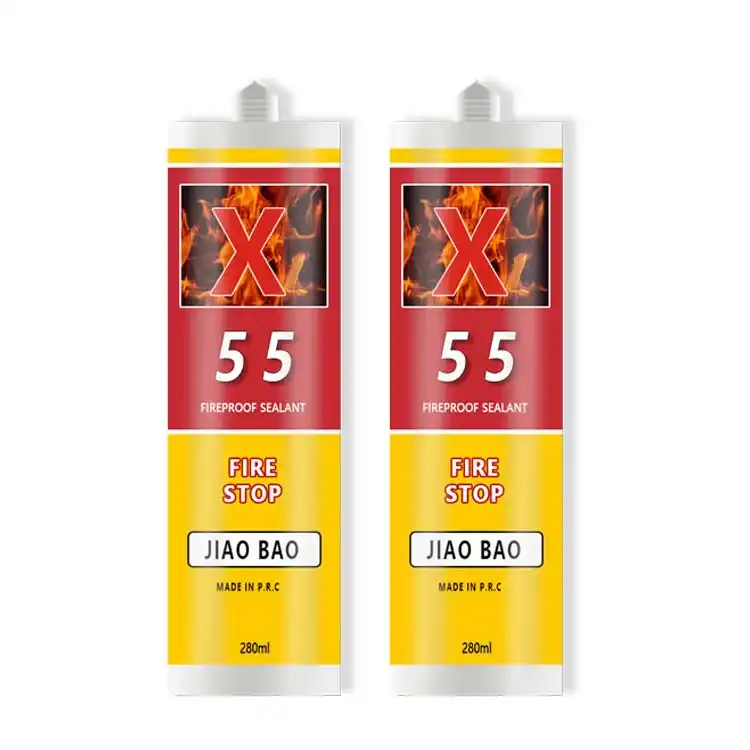
Silicone seals are very stable at high temperatures. Good formulas keep their flexibility and stickiness at temperatures above 300°C during fires. Since 2013, Jiaobao has been making Firestop Silicone Sealant. It works reliably from -50°C to +150°C in normal service conditions and provides strong fire protection in emergencies. This temperature range is important for uses outside that are affected by extreme weather and for penetrations inside that are close to industrial equipment. The material's density (1.40±0.05 g/m³) and non-volatile content (99.5%) make sure that it always works the same way and doesn't shrink or release gases that could damage the seal.
In some situations, like around combustible penetrants like plastic pipes, where expansion helps crush and seal melting materials, intumescent caulks work really well. But because they expand, they can be hard to work with in dynamic joints where too much pressure could damage the systems around them. Acrylic caulks usually don't hold up well to high temperatures and become less flexible when heated and cooled many times. This means they can't be used in places where they will be moving a lot or outside, where UV light speeds up failure.
Premium silicone formulations are different from other technologies because they last longer. Silicone is naturally resistant to UV light, ozone, water, and changes in temperature, so it will last for decades without breaking down much. In addition to not allowing mold to grow, the material stays flexible when buildings move and sticks well to a wide range of surfaces. Tests show that Firestop Silicone Sealant systems that are put correctly can keep their fire ratings for 20 years or more in harsh settings. This lowers the overall cost of ownership because they don't need to be maintained or replaced as often.
Acrylic caulks work well for protecting areas inside, but they break down quickly when exposed to UV light and changing temperatures. Because they are made of water, they can wash away in wet places and get damaged by freeze-thaw cycles in cold places. Over time, intumescent caulks may harden, making it harder for things to move and forming cracks that make the structure less fire resistant. These limitations on durability often cause systems to fail early, requiring expensive repairs during key stages of a project or when the building is occupied.
In addition to being easy to use, the Jiaobao one-part RTV silicone sealer also makes contractors more productive. Installers can get consistent bead geometry without using temporary supports or making multiple passes as long as there is no flow or sagging in the vertical joints. The 45–60 minute surface drying time gives you enough time to work while also letting the skin form quickly, which keeps the surface clean. Curing moves forward at a rate of 3 mm every 24 hours, which lets construction work continue without having to wait for long periods of time. The product comes in 300ml and 600ml sizes and can be packaged in cartridges or sausages. It can be used with both hand and pneumatic dispensing equipment that is often used on fire defense projects.
Most acrylic caulks dry faster because the solvent evaporates, but this can make the shape less stable as volatiles escape. Intumescent products might need longer curing times before they are fully fire resistant, which could cause inspection and usage plans to be pushed back. Different types of substrates are also not compatible with all types of caulk. For example, some caulk chemistries need primers on porous surfaces, while good Firestop Silicone Sealant can bond straight to concrete, brick, metal, and glass without any extra steps needed to prepare them.
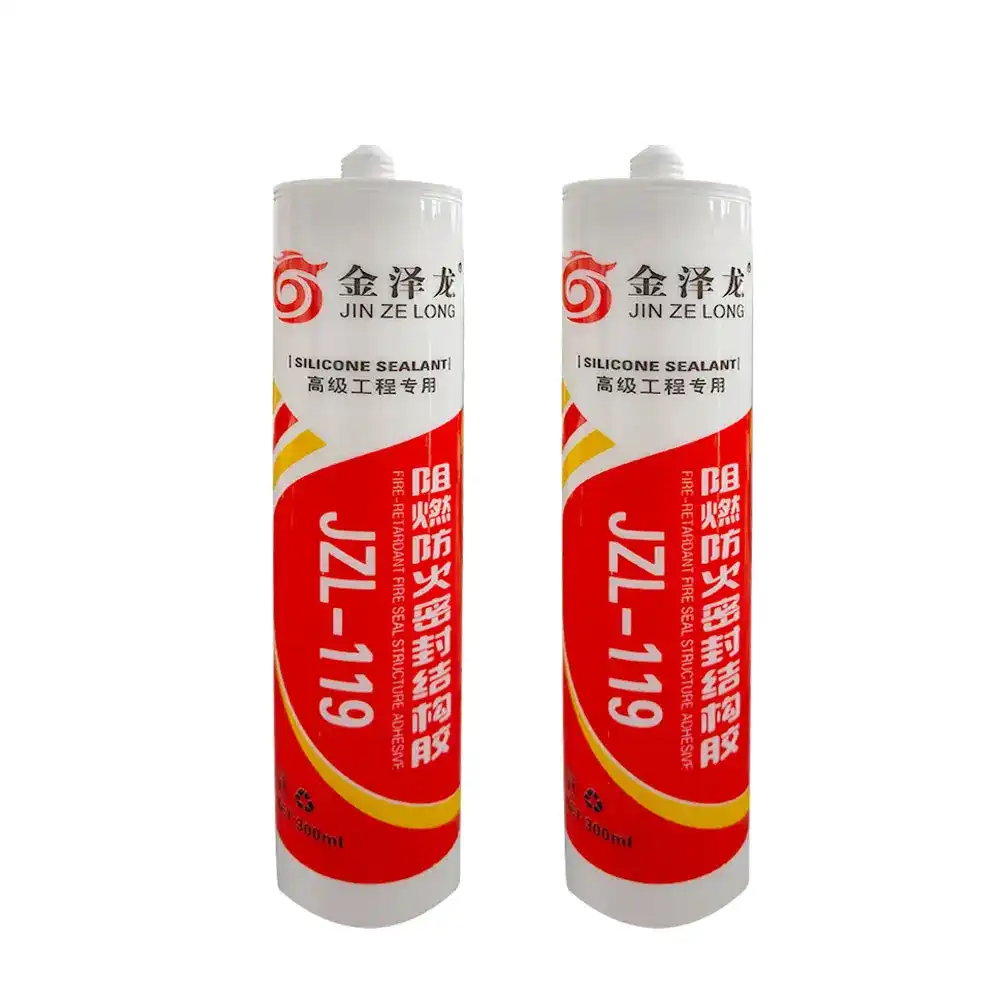
Large construction projects that include high-rise buildings, data centers, hospitals, and factories need firestopping options that can handle shifting structures, being exposed to the elements, and lasting for a long time. Curtain wall systems, which expand and contract a lot due to temperature changes and wind, need Firestop Silicone Sealant that allow them to move.
Floor-to-floor dynamic joints must keep their fire ratings while bending during earthquakes or building settlement. Silicone's ±25% to ±50% movement accommodation is helpful for these joints. These projects can afford the more expensive silicone because they will require less upkeep, make the system more reliable, and avoid having to pay for repairs.
The Class 1 W waterproofing rating of the material makes it useful in situations where fire safety and moisture control are both important. Because Firestop Silicone Sealant can do two things at once, it can be used for HVAC penetrations, plumbing risers, and outdoor wall penetrations. This means that different waterproofing membranes are not needed, and the construction process is easier. More and more, these benefits are being taken into account in project requirements. This is especially true for green building projects, where lifecycle performance and material longevity help meet sustainability goals.
The cost of materials is only one part of the total cost of the system. Even though acrylic caulks may be cheaper per unit, they usually need to be reapplied every 5 to 10 years, which means that the initial savings are lost over time. The cost of labor for removal, surface preparation, and reinstallation is usually much higher than the cost of the materials. This means that premature failure is bad for business. Firestop Silicone Sealant has a long service life that often matches the functional lifespan of the building. This gives you more value because you don't have to do as much maintenance and the building can keep running smoothly.
Instead of looking at the original buy price, procurement teams should look at the total cost of ownership. A full picture of costs can be found by adding up the time saved by faster installation, fewer calls back for failed applications, and fewer warranty claims. Established manufacturers like Jiaobao offer bulk purchasing programs that allow volume discounts that close the price gap while maintaining supply chain consistency across multi-phase projects or portfolio-wide standardization efforts.
Code compliance is a must, because firestop systems that aren't properly specified put people at risk of being sued and put occupancy permits at risk. Specifications for purchases must include specific UL systems or equivalent listings that match the actual site conditions. These should include the types of materials used, the sizes of joints, and the fire rating needs. Firestop Silicone Sealant with ISO and CE certifications show that they meet international quality standards. This makes it easier to specify in many places and makes it easier to show compliance during the permit process.
As part of the verification process, you should ask for certification documents, look over test reports to make sure they meet ASTM standards, and make sure that the technical data sheets for each batch match the needs of the project. Manufacturers with a good reputation keep clear documentation trails and offer technical support to help specifiers choose the right system configurations. Working together is especially helpful when dealing with unusual situations or making sure that firestop specifications are met by other parts of the building envelope.
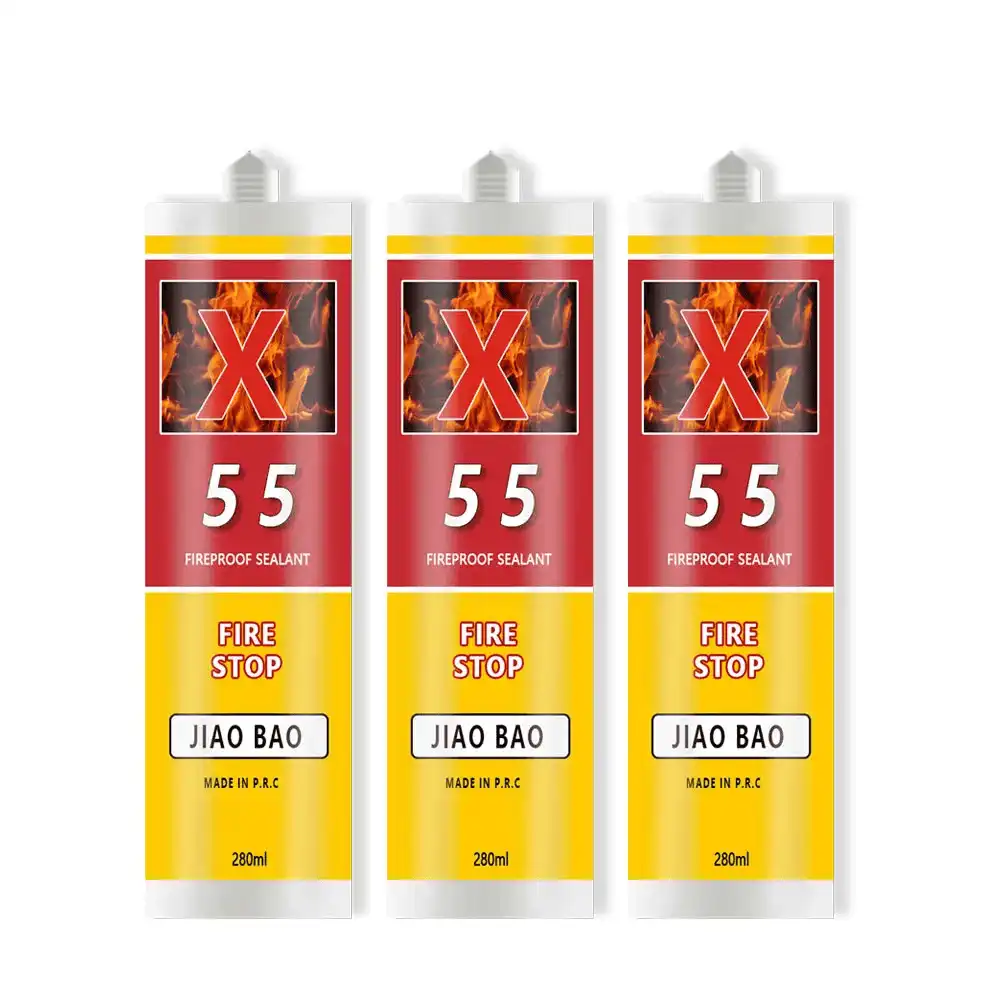
The material science behind high-quality silicone formulations gives these products clear benefits that make them the best choice for tough fire protection tasks. Long-term flexibility makes sure that seals stay in place even when temperatures change, buildings settle, or there is seismic activity that would break rigid materials. Stability in the environment stops damage from UV light, air pollutants, and water getting in, which can happen with other chemicals. Being able to bond to different surfaces without primers, like concrete, steel, aluminum, and glass, makes installation easier and lowers the number of places where multi-layer systems could fail.
Temperature performance provides a key advantage. Operating effectively from -50℃ to +150℃ in service conditions while keeping fire resistance at high temperatures, Firestop Silicone Sealant handles the full range of weather exposures experienced in global building markets. The zero-sag feature makes installation uniform in any joint direction. This gets rid of the application variability that makes fire barrier systems weak spots. With a shelf life of 12 months and stable performance when stored properly, there is less material waste from going bad or curing too quickly, which helps with effective inventory management.
Certain substrate compatibility factors demand attention during design. While silicones bond effectively to most common building materials, some plastics and treated surfaces may require testing to verify adhesion performance. The acidic cure mechanism releases acetic acid during curing, creating a vinegar odor that fades quickly but may be unpleasant in occupied spaces. Neutral-cure formulations remove this worry for sensitive settings, though they may command premium price.
Surface preparation significantly affects long-term success. Substrates must be clean, dry, and free from oils, dust, or small particles that interfere with chemical bonds. Joint design should follow industry standards for width-to-depth ratios, usually 2:1 for best stress distribution. Backing materials—usually non-combustible mineral wool—provide depth control and avoid three-sided adhesion that limit movement capability. Tooling the sealant surface after application produces proper geometry and ensures full base contact, increasing both fire protection and weatherproofing effectiveness.
Selecting providers with proven track records in fire safety materials ensures product consistency, expert support, and long-term partnership security. Since it was founded in 2013, Shandong Jiaobao New Material Co., Ltd. has become an expert at making Firestop Silicone Sealant for projects in both China and other countries. The company's 13 years of production experience supports mature quality control systems and stable formulation consistency critical for code-compliant installations. ISO and CE certifications show that a company follows widely accepted standards for quality management. Detailed technical paperwork makes it easier to check that the company is following the rules and meeting the specifications.
When manufacturers offer both OEM and ODM services, they give wholesalers and brand partners who want unique solutions a lot of freedom. Color matching services, which offer more than just white, black, and gray, make it possible for public apps to coordinate their architecture. Volume packaging choices, such as 300ml and 600ml cartridge and sausage shapes, make it possible to use a range of dispensing tools and project sizes. Just-in-time purchasing strategies, which keep supplies reliable while lowering the cost of keeping stockpiles, work best when production wait times are short, like one to two weeks.
Requesting samples for proof testing in project-specific conditions before agreeing to full-scale purchases is a smart way to buy things. Testing should check how easy it is to work with at the expected room temperature, how well it cures in the real humidity, and how well it sticks to substrates that are specific to the job site. When you compare technical data sheets to actual performance, you can see differences that could mean that the recipe isn't right or that the product is being used incorrectly. Before putting the system into action in the field, it is important to test its performance and installation procedures by making small models that look like the real joints and penetrations.
Supplier responsiveness during the sampling phase is often a good indicator of how well support will be in the future. Manufacturers who offer quick technical support, clear application instructions, and clear certification paperwork show that they care about their customers' success. Setting up clear lines of communication, such as direct access to technical experts who know fire safety codes and best practices for construction, is very helpful when dealing with problems in the field or questions about the specifications while the project is being carried out. Support in multiple languages and transportation networks that can be accessed from anywhere in the world make suppliers even more suitable for global procurement efforts.
Fire protection systems are important investments for keeping people safe and property safe. The choice of materials has a direct effect on how well they work over time and how well they meet safety standards. Firestop Silicone Sealants work better than other sealants in a number of areas, including temperature tolerance, flexibility, environmental durability, and application versatility. This means that they should be used in high-stakes business, industrial, and educational projects.
Traditional caulks may be cheaper at first in some situations, but silicone is a better choice because it lasts longer, needs less upkeep, and works reliably in harsh conditions, giving buildings better value over their entire lifetime. Procurement teams working with established makers benefit from product consistency, extensive technical support, and certification documents necessary for code compliance and risk mitigation.
The chemical makeup and performance traits of these materials make them useful for different tasks. Firestop Silicone Sealant work great in joints that move a lot, outside uses, and places that need to last for a long time. Caulks might work for low-movement internal penetrations or certain materials if their properties match the needs of the project. For each material, there must be a list of tested and approved system configurations that match the conditions on the actual site.
Look for UL listings that list specific system designs that have been tested according to ASTM E814 or ASTM E1966 guidelines. ISO certification shows that the quality management system is consistent, and CE marking shows that the product meets European safety standards. Regional governments may need extra licenses, so it's helpful for foreign projects if manufacturers can get market-specific approvals in a variety of ways.
When installed correctly, Firestop Silicone Sealant systems usually work well for 20 years or more in harsh conditions. How long something works relies on how well the joints are designed, how well the surface is prepared, what kind of backing materials are used, and how well the formulations are chosen for the conditions of contact. Visual checks done on a regular basis find any damage that needs to be fixed before it makes the building less fire resistant.
Look over the temperature ranges, ratings for movement, curing characteristics, density requirements, and water resistance levels. Make sure that the building rules and fire rating standards are being followed. Ask for technical data sheets, safety data sheets, and certification papers that are specific to a batch of goods. Make sure that the system configurations listed match the substrates, joint sizes, and fire resistance ratings of your project.
Picking the right Firestop Silicone Sealant maker will help you stay on schedule with your project and protect your quality image. Jiaobao adds 13 years of specialized production knowledge to every cartridge, backed by ISO and CE certifications that meet stringent international standards. Our one-part RTV silicone sealant is waterproof up to Class 1 W, doesn't sag, and cures quickly enough to fit into building plans. We offer OEM solutions that are flexible and include custom color matching, production lead times of one to two weeks, and full technical support, including documentation written in English.
You can ask for samples to make sure the product works well in your specific situation, or you can talk about bulk pricing for programs that buy things for multiple projects. Visit shandongjiaobao.com or email dorashen@cnjiaobao.com to get in touch with a reliable supplier that cares about your fire safety.
1. American Society for Testing and Materials. ASTM E814: Standard Test Method for Fire Tests of Penetration Firestop Systems. West Conshohocken: ASTM International, 2021.
2. International Code Council. International Building Code: Chapter 7, Fire and Smoke Protection Features. Washington: ICC, 2021.
3. National Fire Protection Association. NFPA 221: Standard for High Challenge Fire Walls, Fire Walls, and Fire Barrier Walls. Quincy: NFPA, 2021.
4. Underwriters Laboratories. UL 1479: Fire Tests of Through-Penetration Firestops - Standard for Safety. Northbrook: UL LLC, 2015.
5. Wakili, Karim G., and Binder, Beat. "Fire Performance of Elastomeric Sealants in Construction Joint Systems." Journal of Fire Protection Engineering 18, no. 2 (2008): 135-152.
6. Zicherman, Joseph B., and Williamson, Robert B. "Firestop Systems: Design Principles and Performance Testing." Fire Technology 30, no. 4 (1994): 387-408.
November 16,2023
Enterprise Name
The sealant has very strong adhesion and performs well even on glass and aluminum. After curing, it remains flexible and shows no cracking. Perfect for our facade projects.
November 16,2023
Enterprise Name
Stable quality across batches. Our customers especially like the smooth application and consistent extrusion. It helps reduce installation time on site.
November 16,2023
Enterprise Name
I used it for bathroom sealing. Excellent waterproof performance and no mold issues so far. It's been holding up very well in humid conditions.
November 16,2023
Enterprise Name
The neutral silicone works well on sensitive materials without corrosion. Very suitable for industrial applications requiring stable performance.
_1779347426672.webp)