November 16,2023
Enterprise Name
The sealant has very strong adhesion and performs well even on glass and aluminum. After curing, it remains flexible and shows no cracking. Perfect for our facade projects.
Aug 2, 2026
Fire resistant sealants play a critical role in modern construction by protecting joints and gaps from flame and smoke penetration during fire events. Fire Rated Silicone Sealant for Joints stands as a specialized solution engineered to maintain compartmentation integrity while accommodating structural movement in building envelopes. These elastomeric products prevent catastrophic fire spread through vulnerable transition zones in walls, floors, and facades, delivering tested performance that meets stringent code requirements. When properly specified and installed, fire-rated joint sealants contribute essential passive fire protection that safeguards occupants and property across commercial, industrial, and residential structures.
Specialized versions of Fire Rated Silicone Sealant for Joints are made to resist temperatures above 1000°C while still doing their job of sealing. Unlike most sealants, which break down quickly when exposed to heat, these have improved polymer chemistry that makes them resistant to burning and thermal breakdown.
Their unique mix of fire strength and elastomeric qualities is what makes them so useful. Standard construction sealants might fill in gaps well when things aren't going wrong, but they fail horribly when they come into contact with fire. Fire-rated mixtures keep the joints from breaking during fires, keeping flames and toxic smoke from spreading from one section to another. In high-rise buildings, where fires can spread quickly up and down, this feature is very important for keeping people safe.
In working conditions, these sealants work well in temperatures ranging from -50°C to +150°C. This means they can be used in a wide range of weather and building exposures. The backbone made of silicone is naturally thermally stable, which is something that options made from biological materials can't do. When exposed to fire, the material forms a charred barrier that keeps the joint warm and stops flames from spreading for a rated amount of time, which is usually between one and four hours.
Thermal expansion, wind loads, earthquakes, and structural settlement all cause buildings to move all the time. Fire Rated Silicone Sealant for Joints has low modulus flexibility, which means that the joint can move ±25% to ±50% while the fire barrier stays in place. Its dynamic performance sets it apart from hard firestop materials that break when they move, letting fire and smoke get through. The elastic recovery is more than 80%, which means that joints will stay locked through many rounds of expansion and contraction over the life of the building.
Silicone science is very resistant to UV light, ozone, water, and pollution in the environment. Exterior joints in curtain walls and facades are subject to harsh weather that wears down sealants in just a few years. Good fire-rated silicone formulas stay sticky and bendable for decades without chalking, breaking, or coming apart. This makes it last longer, which lowers maintenance costs and makes sure that the building is always safe from fire.
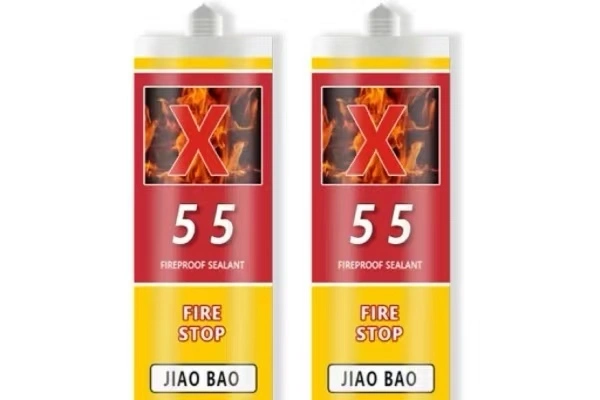
Knowing where and how to use fire-resistant joint sealants will improve safety and make sure that building codes are followed. The following uses are important examples of how good joint safety stops fires from spreading.
Curtain wall systems are used in high-rise buildings to make continuous vertical surfaces that are broken up by floor slabs. A very important fire barrier is the horizontal joint between each floor slab and the facade assembly. When Fire Rated Silicone Sealant for Joints is used at these head-of-wall places, it stops fires from moving up the outside envelope. This is called the chimney effect. For this job, you need sealants that can stand up to constant wind pressure, changing temperatures, and the structural frame moving differently than the non-structural cladding. Because the sealant has to be able to keep out water and keep the fire safe, silicone is the best choice for these tough conditions.
Fire-rated windows and doors will only work as they're supposed to if the joints around them are properly sealed. Even rated systems can fail if there are gaps between the frames and the next-to-it building that let flames get through. The fire resistance grade of a wall or partition is kept up by using fire-resistant sealant around door frames, window openings, and glass systems. Changes in temperature and building settlement usually cause these joints to move slightly. Jiaobao's one-part RTV silicone sealant, which comes in 300ml and 600ml packs, makes it easy to put up these border seals in white, black, gray, or any other color that meets your needs for looks.
Mechanical, electrical, and plumbing systems have to go through fire-rated floors and walls, which can make compartmentation less effective. Pipes, conduits, cable trays, and ductwork must be able to pass through these barriers without catching fire. Along with mineral wool backing and metal bands, fire-rated joint seals are important parts of through-penetration firestop systems. The sealant has to stick to a lot of different surfaces, like galvanized steel, PVC conduit, copper pipe, and concrete. It also has to be able to handle the services' vibration and thermal expansion. These unavoidable penetrations don't affect building fire safety as long as the systems are installed correctly and in a way that has been tested.
For buildings with big footprints, expansion joints are needed so the structure can move without cracking. The width of these joints is usually between 25 mm and 100 mm, and they have to be able to handle a lot of movement while stopping the fire from spreading. Installing the right kind of mineral wool behind Fire Rated Silicone Sealant for Joints makes a flexible fire shield that stays in place even when it expands and contracts. The ratio of width to depth, which is usually kept at 2:1, makes sure that the sealing works right. These joints are often found in parking garages, warehouses, and business buildings with long, unbroken floor slabs that move a lot due to temperature changes.
When building with steel, the connections between beams and columns, the floor and walls, and other structural joints need to be fire-protected. Spray-on fireproofing protects the main parts, but joints and transitions need different treatment. Fire-rated seals put on these spots stop flames from getting in while still letting steel buildings bend and move naturally. The sealant's ability to work in a wide range of temperatures is useful because steel conducts heat quickly quickly during fires, putting thermal stress on materials nearby.
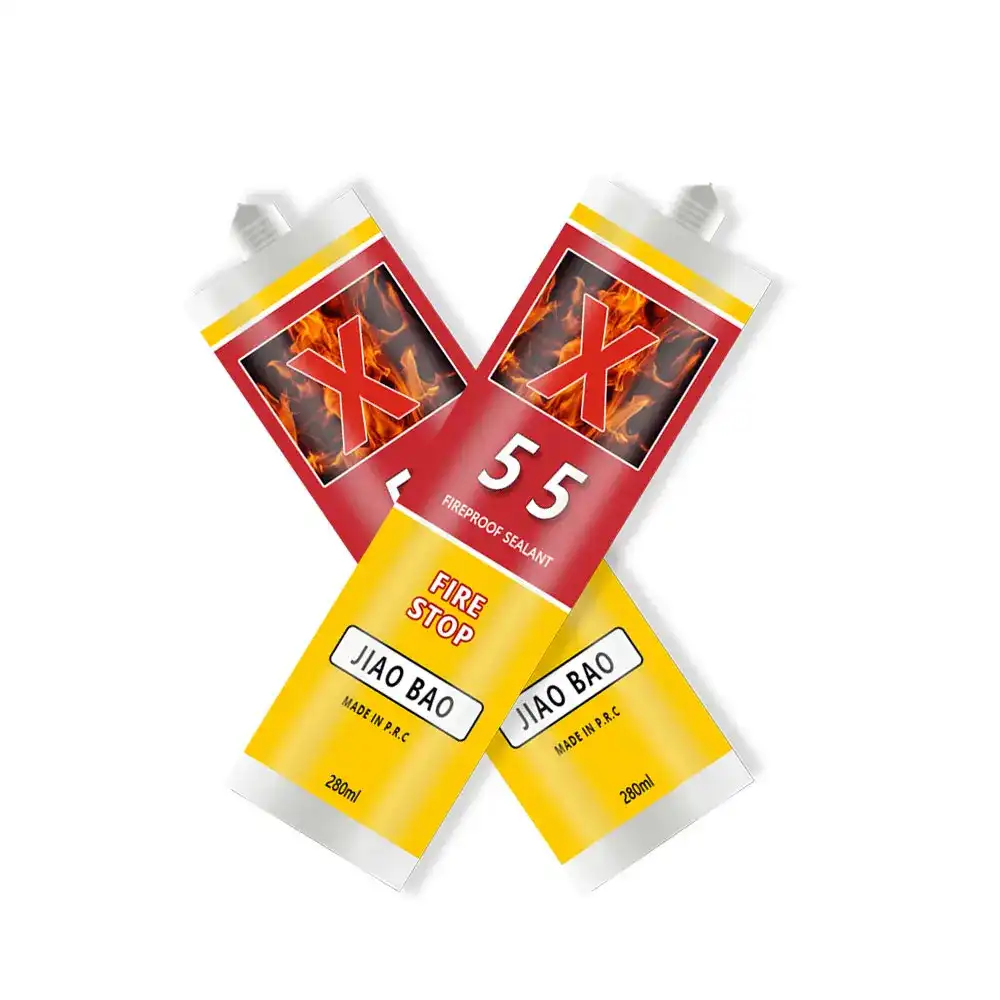
When purchasing fire-resistant joint seals, procurement workers have to think about a lot of things. To make smart choices, you need to look at certifications, performance characteristics, and the supplier's abilities.
Claims of fire protection must be backed up by tests done by a third party according to accepted standards. In North America, ASTM E1966 and UL 2079 say how to test joint systems for fire safety. European projects need to be in line with EN 1366-4 and be classified under EN 13501-2. These tests check for both integrity (making sure flames and hot gases can't get through) and insulation (keeping the side that isn't being tested from getting too hot). Those who make specifications should make sure that the goods they choose have the right certifications from groups such as UL, Intertek, or Warrington Fire, and that the tested joint configurations match the real-life project conditions in terms of joint width, depth, and base materials.
Joint design has a direct effect on how well sealant works. In absolute terms, wider joints allow for more movement, but to meet fire ratings, they need to be sealed more deeply and backed with mineral wool. The sealant needs to be flexible enough to handle normal movement without going beyond what it's rated to do. According to ISO 11600, products that are labeled as Class 25LM or 50LM can move by ±25% or ±50%, respectively. Engineers figure out how much movement is expected by looking at thermal coefficients, structural deflection, and seismic factors. They then choose sealants that have the right movement ratings and joint geometries.
Fire-rated seals must stick well to building materials that are found at the edges of joints. Concrete, masonry, gypsum board, steel, metal, and different types of cladding are all common surfaces. Anodized aluminum or coated steel are two surfaces that may need primers to make sure they stick well. Fire Rated Silicone Sealant for Joints is specifically designed for these applications, and Jiaobao's fire-resistant silicone formulations stick well to most building materials. They have a density of 1.40 g/m³ and a 99.5% non-volatile content, which means they don't shrink much and the bond stays strong over time. The acidic cure device sticks most common materials reliably without starters.
The position and exposure of the project affect the choice of sealer. Joints on the outside are exposed to UV light, extreme temperatures, and water, so they need weatherproof formulations. Low VOC emissions and odor characteristics may be more important for interior applications, especially in rooms that are already occupied. The sealer that was given should keep working well across the temperature range that is expected for service. Jiaobao's Fire Rated Silicone Sealant for Joints can work in temperatures ranging from -50°C to +150°C, making it perfect for both tough outdoor environments and well-ventilated indoor areas. The shelf life of 12 months makes it easy to keep track of supplies for projects that are still going on.
Besides product specs, a supplier's skills have a big effect on the success of a project. People who work in procurement should look at things like production ability, delivery times, quality certifications, and expert help. Buying from manufacturers with ISO certification and well-established quality control systems lowers the chance of buying from them.
Shandong Jiaobao New Material Co., Ltd. has been making things for more than 13 years and has tried-and-true ways of making things and checking the quality of their work. Their quick production lead time of one to two weeks lets them quickly fill orders, and their open sea and land shipping choices meet the needs of customers all over the world. With OEM and ODM, you can make changes that fit the needs of your project and the standards in your area.
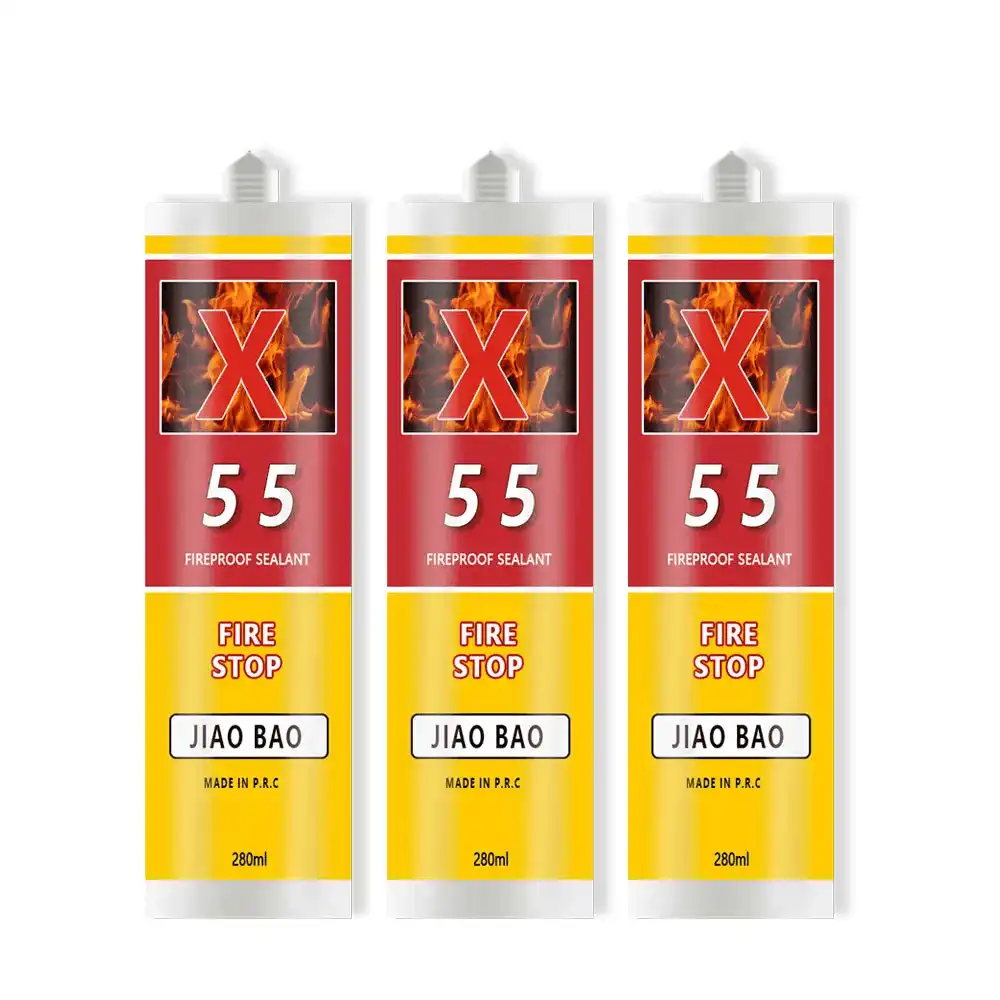
Achieving rated fire performance requires more than just using certified products. It also requires the right way to install them. The quality of the field application decides whether the joints work as expected in real fires.
The sides of the joints must be clean, dry, and free of anything that would stop them from sticking. Bricks and concrete should be brushed to get rid of dust and other small particles. Solvents are needed to clean up oily leftovers from form release agents or building work. Metal bases need to be degreased to get rid of mill scale, rust, or protective coatings that aren't part of the tried arrangements. The amount of moisture must drop below a point where it stops the fix from happening. This is especially important for acidic silicones that give off acetic acid as they cure. During fitting, the temperature and humidity should be within the range recommended by the maker, which is usually between 5°C and 40°C.
For fire-rated joint systems to work, the sealant needs to be supported by non-flammable materials. Mineral wool with a density of more than 100 kg/m³ is usually used as backing for bigger joints. Ceramic fiber alternatives work about the same. The normal polyethylene backer rod that is used for weathersealing doesn't work at all in a fire, so it should never be used in fire-rated applications. When fitted, the backing material should be squeezed by about 25% so that it fits snugly into the joint with no gaps. When the backing is installed correctly, it produces the right width-to-depth ratio, which is usually 2:1. This lets the sealant work at its best.
Professional-grade caulking guns that apply uniform pressure and make smooth beads should be used to apply sealant. Cartridge goods, such as Jiaobao's 300ml and 600ml options, fit regular guns, making them easy to use. The sealant has to fill the joint all the way up, leaving no gaps or air pockets that could let fire spread. Tooling the surface right away after application makes the right concave shape and presses the sealant into close contact with the substrates. The surface dries in 45 to 60 minutes, which gives you enough time to work before the skin forms. At 25 °C and 50% relative humidity, full cure takes about 3 mm per 24 hours. This means that deep joints need several days to fully heal.
A lot of mistakes can hurt the performance of fire-rated joints. Using the wrong backing materials or not using any backing at all is a major mistake that makes the sealant useless in the event of a fire. If you put sealant in areas that are wider or smaller than what was tried, the certifications will not be acceptable. When there isn't enough joint depth, the aspect ratios are off, and the sealant can't allow for movement.
Three-sided adhesion, in which the sealant sticks to both the joint faces and the backing material, makes it hard to move and leads to failure before its time. Surfaces that are dirty stop sealer from sticking properly, so it peels off during service or fire exposure. Installers should have to follow exact system details that have been tested and provide good documentation as part of the procurement specifications.
Real-life examples show that using the right fire-rated joint sealing can make a big difference in the safety and compliance of many different construction projects.
A 45-story mixed-use tower in a big city needed top-notch fire safety for its glass and metal curtain wall system. The design team asked for fire-resistant sealant to be used at all changes from floor slab to wall. This made horizontal fire barriers between floors. For this project, a sealant was needed that could withstand the dark aluminum panels' major thermal movement (about 40% joint movement) while still having a two-hour fire resistance grade. The Fire Rated Silicone Sealant for Joints allowed for the necessary movement and fire performance.
The installation used mineral wool backing that was pressed into 50 mm wide gaps and sealed with 25 mm of sealer. Over the course of five years, the joints have been exposed to extreme temperature changes and coastal weather without any maintenance. Building inspections have also shown that the joints have maintained their fire resistance through accelerated aging analysis. The supplying engineer said that the long-term reliability and fire protection meant that there would be no need for expensive repairs in the future if the sealant systems failed.
An older industrial building was fixed up to meet modern fire safety standards so that it could keep making things. New fire-rated walls were added to divide large open work areas as part of the upgrade. Many HVAC lines, electrical cables, and process pipes went through these new walls, so they needed firestop systems that met safety standards. As part of through-penetration systems, the contractor chose Fire Rated Silicone Sealant for Joints because it works with galvanized steel ductwork and PVC conduits that are common in the building.
It was helpful that the sealant could not be damaged by industrial cleaning chemicals and could harden in places that were only partially open. The UL-listed system designs were accepted by building officials, and the building passed its final inspection without any repairs needing to be made. The fire protection contractor said that the consistency and workability of the sealant made installation about 20% faster than with other products, which saved money on labor costs across all the holes.
As part of a growth project for a healthcare center, a multi-story patient tower was added and linked to existing buildings using seismically isolated expansion joints. For these 75 mm wide parts to have four-hour fire ratings, the fire protection had to be able to handle both building settlement and earthquake movement. The design called for a fire-resistant silicone sealant with a high-density mineral wool backing in a tested shape that met the rating needs.
The flexibility of the sealant was very important because the new tower settled about 8 mm in the first year, which was well within the joint's design limits. Regular checks showed that the sealant stayed in place and didn't crack or come loose. The head of facility maintenance stressed that putting money into the right fire-rated joint systems during construction saved a lot of money on repairs and made sure that the building would always meet code requirements, which is very important for healthcare facilities where patient safety is the most important thing.
Sealants that are resistant to fire are an important part of modern construction because they stop flames and smoke from spreading through building joints. Fire Rated Silicone Sealant for Joints is certified to be resistant to fire and has the ability to stretch and bend. It is also resistant to weather and lasts for a long time. When used correctly on curtain walls, door and window edges, penetrations, expansion joints, and structural transitions, it creates complete separation that keeps people and property safe.
People who work in procurement should give more weight to products that have the right third-party certifications, a history of reliable suppliers, and the ability to provide technical support. The quality of the installation in the field decides how well the fire barrier works, so the right substrate preparation, backing material choice, and application method are all very important. The case studies show that spending money up front on good fire-rated joint systems pays off in the long run by making sure that building codes are followed, cutting down on upkeep, and avoiding the need for expensive repairs.
Make sure that the goods you're interested in have been tested and certified by a third party to meet the standards in your area. In North America, projects need to be listed under ASTM E1966 or UL 2079, while in Europe, they need to be listed under EN 1366-4 and EN 13501-2. Make sure that the certified system configuration matches the width, depth, and substrate materials of your actual joint. Ask for copies of the test reports that show how well the insulation and integrity worked for the given amount of time.
Quality fire-rated silicone formulations work great outside because they are naturally resistant to weather, UV light, and water. Comparatively to acrylic-based options that need a dry environment inside, silicone keeps working in both hot and cold places. Jiaobao's Fire Rated Silicone Sealant for Joints works from -50°C to +150°C and protects against fire and water damage at the same time. This makes it perfect for perimeter joints and exterior expansion joints on the outside of buildings.
To find the joint volume, multiply the joint width (in millimeters) by the joint depth (in millimeters) by the joint length (in meters). The answer is 1000 milliliters per meter. It takes 200ml per linear meter to fill a joint that is 20mm wide and 10mm deep. Add 10-15% waste for cutting and shaping. Standard 300ml cartridges cover about 1.2 linear meters of these kinds of joints, while 600ml sausages cover twice as much.
With more than 13 years of experience making Fire Rated Silicone Sealant for Joints, Shandong Jiaobao New Material Co., Ltd. is a reliable company to buy from. Our fire-resistant sealant formulas are certified by ISO and CE to meet international standards. This makes sure that they are legal in all markets around the world. We offer constant quality through well-established production methods, with lead times of one to two weeks and shipping choices by sea or land to fit your needs. Our OEM and ODM services let us make changes based on area standards and project needs.
Technical support teams help choose the right products, plan the right systems, and give building advice to make sure the best fire safety results. If there are any quality problems during the shelf life, our full warranty guarantees a refund or replacement. Email our purchasing agents at dorashen@cnjiaobao.com to talk about sample requests, bulk pricing, and custom delivery options for your building projects. You can look at our full line of fire protection sealants at shandongjiaobao.com. These sealants are made for professional firestop contractors and building safety.
1. American Society for Testing and Materials. (2020). ASTM E1966: Standard Test Method for Fire-Resistive Joint Systems. ASTM International, West Conshohocken, PA.
2. Underwriters Laboratories. (2019). UL 2079: Standard for Tests for Fire Resistance of Building Joint Systems. Underwriters Laboratories Inc., Northbrook, IL.
3. European Committee for Standardization. (2018). EN 1366-4: Fire Resistance Tests for Service Installations - Part 4: Linear Joint Seals. CEN, Brussels, Belgium.
4. National Fire Protection Association. (2021). NFPA 101: Life Safety Code - Handbook on Fire-Resistant Joint Systems. NFPA, Quincy, MA.
5. International Code Council. (2021). International Building Code Chapter 7: Fire and Smoke Protection Features. ICC, Washington, DC.
6. Building Research Establishment. (2017). Fire Performance of Sealants in Construction Joints: Technical Guidance for Specification and Installation. BRE Press, Watford, United Kingdom.
November 16,2023
Enterprise Name
The sealant has very strong adhesion and performs well even on glass and aluminum. After curing, it remains flexible and shows no cracking. Perfect for our facade projects.
November 16,2023
Enterprise Name
Stable quality across batches. Our customers especially like the smooth application and consistent extrusion. It helps reduce installation time on site.
November 16,2023
Enterprise Name
I used it for bathroom sealing. Excellent waterproof performance and no mold issues so far. It's been holding up very well in humid conditions.
November 16,2023
Enterprise Name
The neutral silicone works well on sensitive materials without corrosion. Very suitable for industrial applications requiring stable performance.
_1779347426672.webp)