November 16,2023
Enterprise Name
The sealant has very strong adhesion and performs well even on glass and aluminum. After curing, it remains flexible and shows no cracking. Perfect for our facade projects.
Aug 3, 2026
Fireproof Silicone Sealant for Construction represents a specialized elastomeric material engineered to maintain fire-rated barrier integrity in building structures. Unlike conventional sealants, this one-part, acidic RTV silicone formulation resists high temperatures and restricts the passage of fire, smoke, and water through expansion joints, wall penetrations, and curtain wall gaps. When integrated into passive fire protection systems, it addresses the critical vulnerability where joints fail under thermal, seismic, or wind-induced movement. Procurement managers and project engineers rely on these materials to secure fire compliance certifications while maintaining structural flexibility across diverse construction environments.
Fireproof Silicone Sealant for Constructions are very different from regular building glue because of the way they are made chemically. These products use advanced fire-retardant fillers along with silicone polymers to make a heat-resistant matrix that can withstand harsh conditions. During the preparation process, non-combustible ingredients are used to keep the substance from breaking down when it comes in direct contact with flame.
Endothermic reactions and char formation work together to make the fire resistance mechanism work. When heated up, the fire-retardant fillers create a barrier to keep the structure strong while the silicone matrix keeps it together. This two-step process stops both the spread of flames and the movement of heat through sealed joints. The material is naturally flexible, so it can adapt to changes in the building without affecting the fire seal. This is a major benefit compared to hard fire-stopping options.
The global building market requires strict testing methods to be followed. There are rules that Fireproof Silicone Sealant for Constructions have to follow. These include ASTM E814 for fire-stopping penetrations, UL 2079 for joint systems, and EN 1366-4 for linear joint seals. These approvals show that the product stays fire-safe for the given amount of time, which is usually between two and four hours in a controlled test environment. Professionals in charge of buying things should make sure that sellers give all the necessary paperwork, such as test results from approved labs and certificates of conformance for each batch of products.
The way good Fireproof Silicone Sealant for Constructions feel and work in the field is directly related to their physical features. According to ISO 11600 standards, products should have a Shore A hardness between 20 and 35 and an extension of more than 300 percent so that they can handle movement classes of ±25 to ±50 percent. The density of 1.40 ± 0.05 g/m³ guarantees consistent fire resistance, and the non-volatile content of 99.5 percent ensures that the material will shrink as little as possible during curing. In normal conditions of 25 °C and 50% relative humidity, the surface dries in 45 to 60 minutes, and the full fix takes 24 hours at a rate of 3 mm per hour.
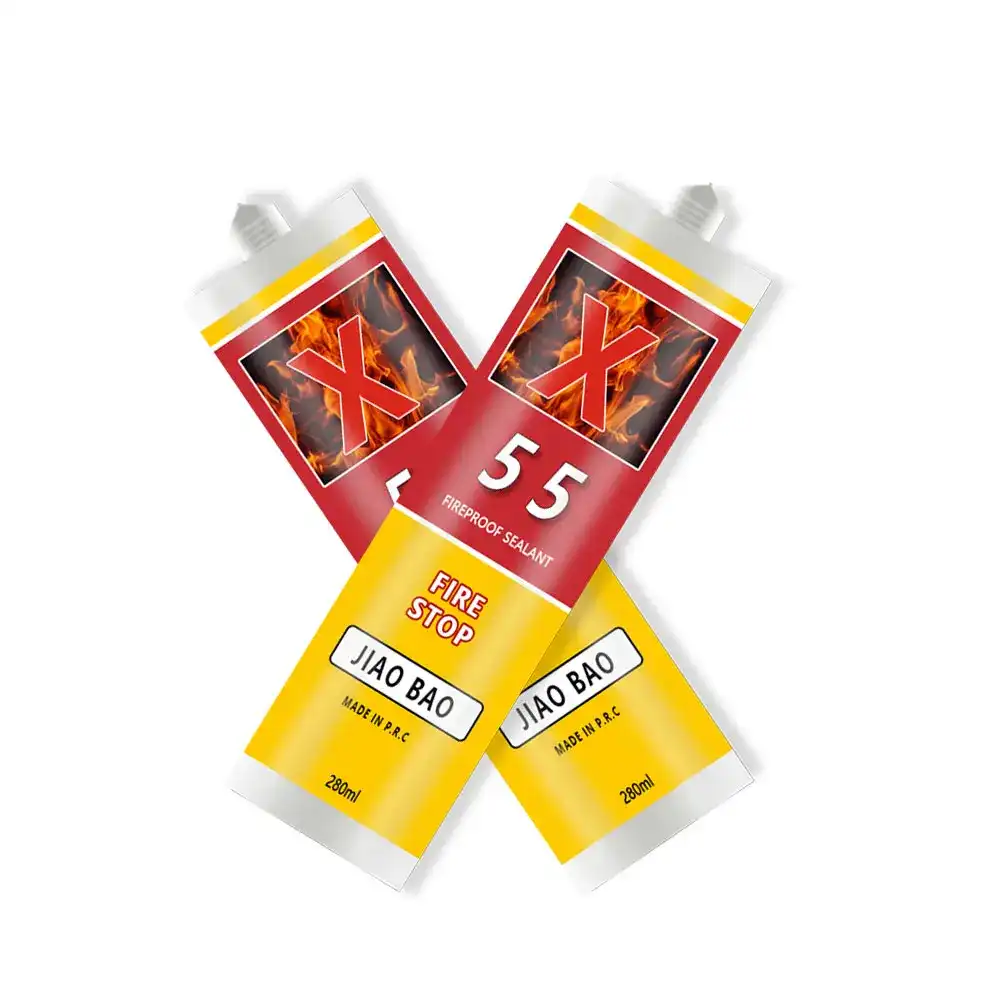
For construction projects, flexible sealing solutions are needed to protect weak spots where fires can spread quickly. Using Fireproof Silicone Sealant for Constructions in a smart way is an important part of separating buildings and stopping fires from spreading.
There are main ways for fire and smoke to spread through gaps around door frames and window installations. Fireproof Silicone Sealant for Construction makes a seal that is bendable and long-lasting, even when it expands and contracts with the seasons. The material sticks to many surfaces, like aluminum frames, steel lintels, concrete openings, and wood surrounds. This means it can be used in modern construction projects that use a lot of different materials together. The Class 1 W Rating for water resistance makes sure that outdoor uses stay dry in all kinds of weather while still having fire safety features.
Modern skyscrapers use curtain wall systems, which need complex fire protection at the joints at the top of the walls. These important connections between floor slabs and exterior cladding have to be able to handle huge changes in temperature, wind loads, and seismic drift while still keeping fire compartmentation. Fireproof Silicone Sealant for Construction can handle this problem because it can move and doesn't melt at high temperatures. The material works effectively in temperatures ranging from -50°F to +150°F, keeping its flexibility in hot areas and its brittleness in cold ones.
Many holes are made in fire-resistant walls and floors by mechanical, electrical, and plumbing systems. Annular spaces around metal lines, HVAC tubes, and wire bundles need to be sealed in a way that stops fires from spreading without making it hard for the system to move. Quality Fireproof Silicone Sealant for Constructions don't flow or sag, which is very important for overhead applications where the material needs to stay in place while it's being installed and curing. These goods come in 300ml and 600ml sizes and can be white, black, gray, or a color of your choice. They meet aesthetic needs while providing fire safety.
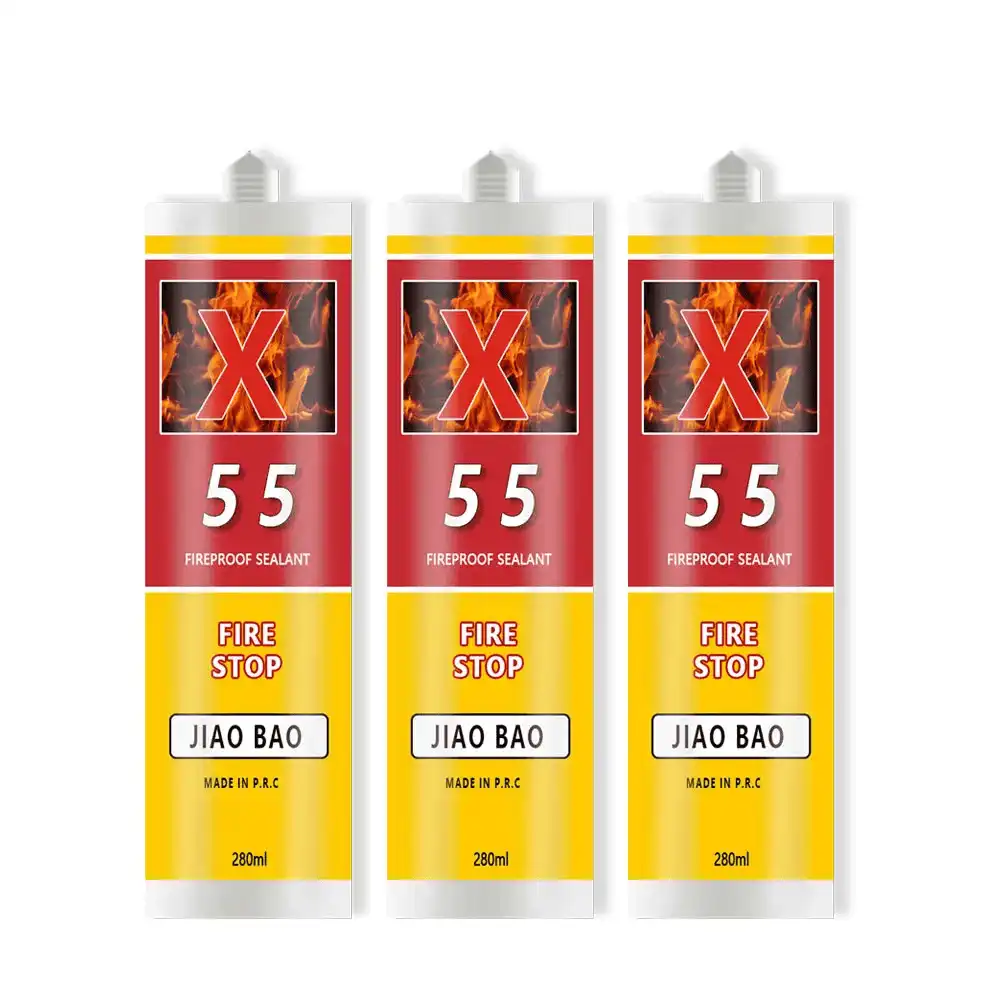
Understanding how Fireproof Silicone Sealant for Constructions work under real-world stress conditions is important for how well they work. When there is a fire, the sealer has to do more than one thing to protect against it.
When exposed to flames, the heat-resistant polymer matrix keeps its shape, making an instant shield against fire entry. Fire-retardant fillers in the mixture use endothermic processes to soak up heat, which stops heat from moving to nearby materials. This combination keeps flammable materials on the side of the fire barrier that isn't exposed from catching fire. The material's ability to create a stable char layer adds extra insulation, which slows down thermal degradation during long fire exposure.
Building frames are always changing sizes because of things like thermal growth, earthquakes, wind loads, and structural settling. Even though these things are moving, the Fireproof Silicone Sealant for Construction has to keep its protective seal. Because of their high extension capacity, joints can be compressed and stretched many times without breaking. In contrast to acrylic alternatives, which harden and crack when exposed to UV light, silicone-based formulations stay flexible over time. This permanent elasticity makes sure that fire safety works for decades, which is the same amount of time that the building is supposed to last.
The Fireproof Silicone Sealant for Construction's ability to fight fire is directly affected by how well it is installed. To prepare the surface, you have to get rid of all the dirt, dust, and leftover sealant. Backing materials like closed-cell polyethylene foam set up the right joint geometry and stop three-sided adhesion that makes it hard to move. Gun-grade uniformity makes it easy to use normal cartridge dispensers or large sausage packaging without any problems. Tooling the sealant right away after applying it makes sure that it contacts the whole base and has the right joint shape. The surface drying time of 45 to 60 minutes gives you enough time to do a good job of fitting while still moving the project along quickly.
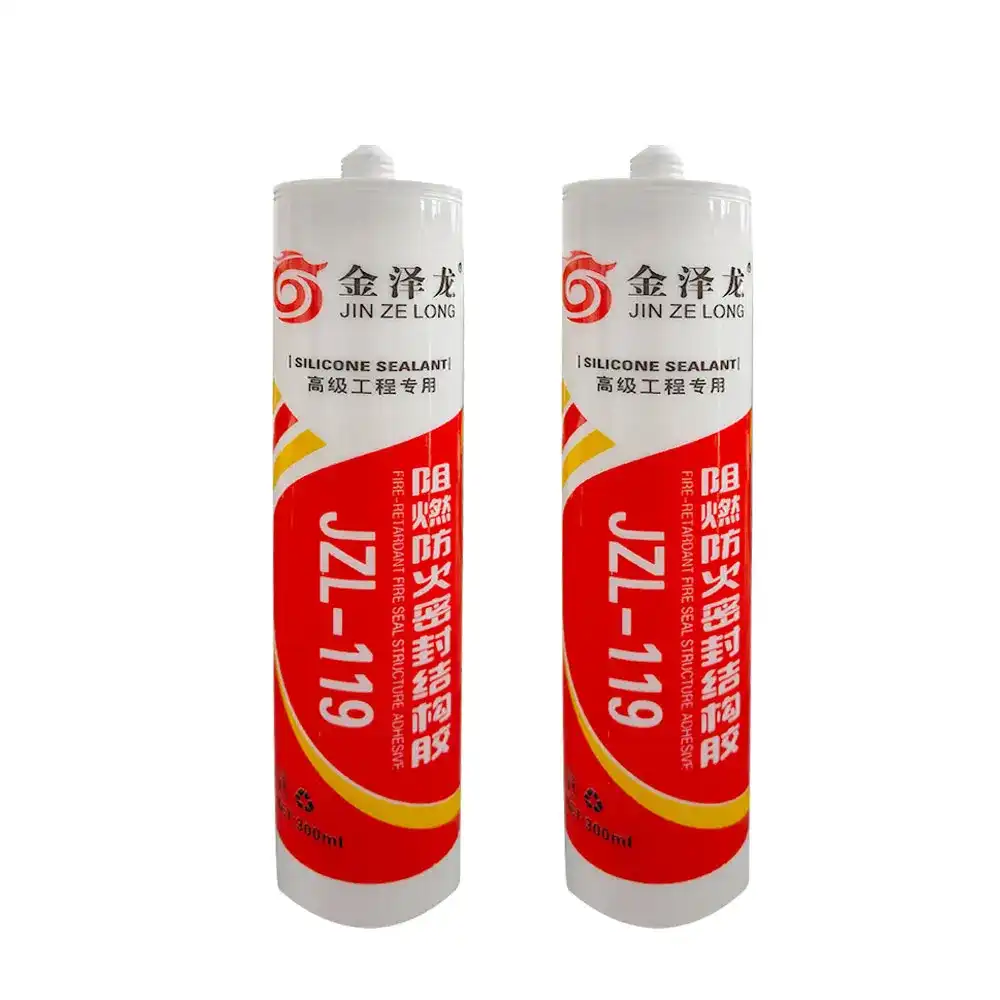
When making decisions about what Fireproof Silicone Sealant for Constructions to buy, you have to weigh the technical performance, regulatory compliance, supply chain reliability, and total cost of ownership. When deciding which suppliers to work with, general contractors and project managers have to look at a number of factors.
Fire resistance ratings are the main selection criteria, and they are proven by standard tests that mimic real fire conditions. The hose stream test part of ASTM E119 makes sure that the Fireproof Silicone Sealant for Construction stays in place when high-pressure water hits it right after a fire, which is like how structures are shocked during firefighting. Loss-on-ignition research makes sure that the filler content is the same in all production runs, which keeps the fire performance the same. Third-party certification paperwork, such as UL listing numbers, FM approval certificates, and ETA assessments that are relevant to the project area, should be required by the procurement requirements.
Large building projects need providers who can deliver the same high quality across multiple packages over long periods of time. Production capacity has a direct effect on project schedules, so makers need to be able to provide tonnage amounts with wait times of one to two weeks. Jiaobao and other well-known manufacturers have been making specialized goods for over 13 years, which shows that they have mature quality control systems and stable supply capabilities. Being able to provide a lot of technical information, like test reports, certificates of conformance, and material safety data sheets, speeds up the project approval process and makes it easier for inspection acceptance.
The cost of materials is only one part of the total cost of the job. The 12-month shelf life requirement lets you buy in bulk and reduces the amount of waste from old stock. There are different types of flexible packages, like sausage and cartridge, that make applications work better in a variety of installation situations. Since you can change the color beyond white, black, and gray, you don't have to paint over the silicone after it's been applied, which hurts its performance. If a supplier offers both OEM and ODM services, they can make goods that meet the needs of a specific project and area standards. This could cut down on approval times and make the supplier more competitive.
Delays in construction caused by problems with materials cost a lot of money. Clear acceptance criteria should be set out in procurement protocols. These should include batch testing confirmation and substrate adhesion confirmation. Suppliers who care about quality back up their goods with replacement guarantees for materials that show signs of manufacturing flaws within the shelf life. ISO certification, well-documented quality management systems, and quick technical support all work together to lower the risk of procurement while keeping projects on schedule.
The Fireproof Silicone Sealant for Construction industry is always changing because building methods, goals for sustainability, and performance standards are all changing. Understanding new trends helps people who work in procurement guess what the needs of the future will be.
Environmental laws are having a bigger impact on the choices people make about what materials to use. Manufacturers are working on formulas that keep their fire performance while lowering the amount of volatile organic compound pollution and adding recycled materials. Advanced silicone seals have a neutral-cure chemistry that stops base corrosion and meets standards for indoor air quality. These changes are good for the environment and meet the requirements for green building certification. They also don't affect the fire protection that is important for keeping people safe.
More strict fire safety rules are being added to building codes around the world, especially for high-rise apartment buildings and mixed-use projects. Extended fire ratings of three to four hours are now needed for many types of projects. This means that Fireproof Silicone Sealant for Constructions need to be able to stand up to long-term exposure. When fire-resistant seals are combined with full passive fire protection strategies like fire-rated boards, intumescent coatings, and compartmentalization design, they make stacked defense systems that go above and beyond what is required by code.
Building control systems that keep an eye on structure performance and safety systems are being used more and more in modern construction. In the future, Fireproof Silicone Sealant for Constructions might have sensors that give real-time information about the state of joints, their exposure to the environment, and their upkeep needs. Because of this connectivity, predictive maintenance methods could be used to find signs of possible seal damage before they compromise fire safety.
Fireproof Silicone Sealant for Constructions are important parts of complete fire safety plans for buildings. Because they are flexible, resistant to high temperatures, and have been tested for fire safety, these materials are essential for sealing potentially weak spots in building structures. It's helpful for people who work in procurement to understand the technical specs, application requirements, and performance validation procedures that set good products apart from bad ones.
Strategic relationships with makers that offer consistent quality, reliable delivery, thorough paperwork, and quick support help lower project risk and make sure that regulations are followed. As building techniques change and fire safety rules get stricter, Fireproof Silicone Sealant for Constructions will continue to be an important part of passive fire protection systems that keep people and property safe.
Painting over silicone seals usually doesn't work because the silicone's surface doesn't like water. Paint still doesn't stick well, and finishing makes the Fireproof Silicone Sealant for Construction stiffer, which makes it less able to move during a fire. If you need to match a specific color, you should order pigmented Fireproof Silicone Sealant for Constructions during the procurement process instead of trying to finish them after they've been applied. Customized colors from companies like Jiaobao take away this worry while keeping the product's performance the same.
The word "fire-retardant" just means that the material doesn't catch fire. Fire-rated approval shows that the Fireproof Silicone Sealant for Construction has been tested in a standard way as part of a certain assembly setup. This shows that it can stop fires from spreading for a set amount of time, like two, three, or four hours. This difference is very important for following the rules and passing inspections, because only fire-rated systems with proof of tests meet the rules.
Fireproof Silicone Sealant for Constructions work better outside than acrylic-based alternatives. The material stays flexible when exposed to UV light and doesn't harden or crack. It also doesn't wash out or break down because it naturally resists water. Because silicone can work in temperatures ranging from -50℃ to +150℃, it is the most popular choice for curtain walls and fire shields that go on the outside of buildings.
When put correctly, Fireproof Silicone Sealant for Constructions keep their fire-protecting properties for decades as long as they are used according to the manufacturer's instructions. The material doesn't break down like other sealants do because it stays flexible and doesn't get damaged by the weather. The 12-month shelf life only applies to uncured products that are sealed in packages. It does not apply to installations that are fully cured and have reached their full performance qualities.
Jiaobao is an expert at making high-performance, Fireproof Silicone Sealant for Constructions that are designed to work in tough construction situations. Our one-part acidic RTV silicone formula provides proven Class 1 W Rating fire protection that is flexible enough to work in a wide range of temperatures. Since 2013, we've built our name on providing consistent quality goods that meet strict testing standards for use in building projects in both domestic and foreign markets. We can produce large amounts of goods and deliver them in one to two weeks.
Our OEM and ODM services can also make formulations that fit the needs of your project and local standards. Full technical documents, ISO certification, and quick customer service after the sale will make your buying process and project review processes run more smoothly. You can email our team at dorashen@cnjiaobao.com to talk about your fire safety needs, get product samples, or set up a supply relationship that will help your project succeed in the long run.
1. Building Fire Safety Engineering Handbook (2018). National Fire Protection Association Technical Committee on Fire-Resistant Materials and Assemblies.
2. Construction Sealants and Adhesives: Materials, Applications, and Performance Standards (2020). American Society for Testing and Materials Technical Publication Committee.
3. Passive Fire Protection Systems in Modern Construction (2019). International Code Council Research and Development Division.
4. Silicone Sealants: Chemistry, Properties, and Industrial Applications (2021). Society of Manufacturing Engineers Materials Processing Technical Group.
5. Fire Containment in Building Structures: Joint Systems and Penetration Seals (2022). Underwriters Laboratories Fire Protection Engineering Department.
6. Advanced Materials for Building Fire Safety Compliance (2023). International Association of Fire Safety Science Construction Materials Research Division.
November 16,2023
Enterprise Name
The sealant has very strong adhesion and performs well even on glass and aluminum. After curing, it remains flexible and shows no cracking. Perfect for our facade projects.
November 16,2023
Enterprise Name
Stable quality across batches. Our customers especially like the smooth application and consistent extrusion. It helps reduce installation time on site.
November 16,2023
Enterprise Name
I used it for bathroom sealing. Excellent waterproof performance and no mold issues so far. It's been holding up very well in humid conditions.
November 16,2023
Enterprise Name
The neutral silicone works well on sensitive materials without corrosion. Very suitable for industrial applications requiring stable performance.
_1779347426672.webp)