November 16,2023
Enterprise Name
The sealant has very strong adhesion and performs well even on glass and aluminum. After curing, it remains flexible and shows no cracking. Perfect for our facade projects.
Jul 24, 2026
High-rise construction demands materials that can withstand extreme conditions while protecting lives. Fireproof Silicone Sealant for Construction serves as a critical barrier against fire, smoke, and heat transfer through building joints and penetrations. Unlike ordinary sealants, these specialized formulations contain fire-retardant additives that maintain structural integrity during fire events, preventing flame spread between floors and compartments. When you're responsible for curtain wall installations, window systems, or structural joints in buildings over ten stories, selecting the right fire-rated sealant directly impacts compliance with ASTM E814 and UL 2079 standards while protecting your project investment and occupant safety.
Passive fire protection systems that work without anyone being there are very important for fire safety in tall buildings. Fire-resistant sealants make bendable shields that can expand with temperature changes but stop fires from spreading through gaps and joints.
Normal silicone sealants stick to surfaces and don't get damaged by weather. But there are fire-rated types that have qualities that stop fires or melt plastic. When these sealants are heated above 400°F, they either spread to fill gaps or make protective char layers that keep surfaces warm. Because it has two uses, the joints in your curtain wall stay sealed when things are normal and turn into functional fire barriers when things go wrong.
These days, fire-resistant silicones are made by mixing siloxane polymers with calcium carbonate, ceramic fillers, and chemicals that stop flames. This mix has a Shore A hardness of 20 to 35 and an elongation of more than 300%, which means that joints can move without lowering the fire rating. International fire safety rules must be followed for both business and private high-rises, and materials that meet EN 1366-4 or ASTM C920 classifications will make sure that your projects do.
The most difficult application is the head-of-wall joint between floor blocks and outer cladding. Seismic shift, wind load deflection, and temperature differences of more than 150°F between inside and outside surfaces can happen in these places, making Fireproof Silicone Sealant for Construction essential. Another weak spot where wires, pipes, and ducts can get through is where MEP systems go through fire-rated walls. Using Fireproof Silicone Sealant for Construction at these points keeps the assembly's fire resistance grade high, which stops the fire from spreading quickly between floors and causing a lot of damage. Fireproof Silicone Sealant for Construction provides the right kind of seals for these critical applications.
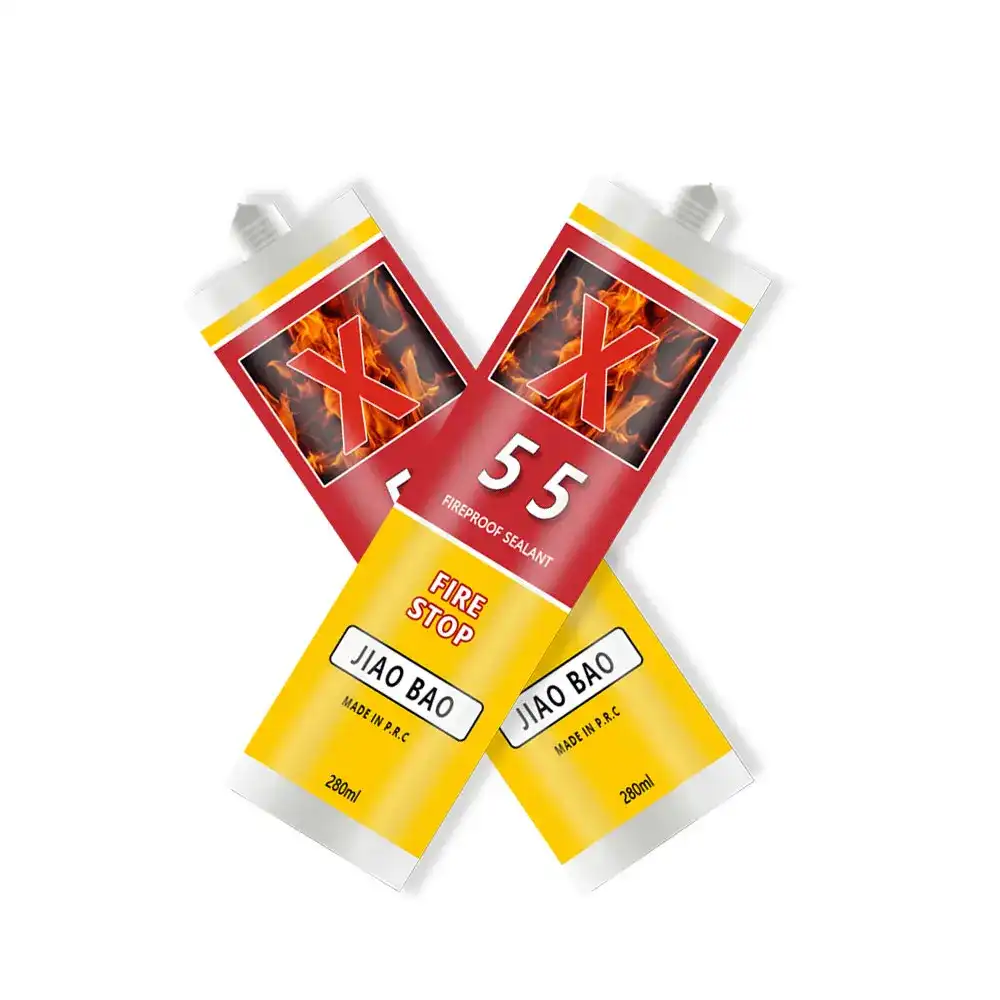
Not every fire-rated sealant works the same way in every situation. Knowing the different types of products helps purchasing managers choose the right materials for each building zone.
High-temperature sealants can stand up to constant temperatures between 300°F and 500°F. This means they can be used in places near mechanical equipment, kitchen air vents, and industrial process pipes. Standard-grade fire sealants can handle short-term exposure to temperatures up to 300°F and are good for the edges of windows and joints in buildings. The one-part acidic RTV silicone from Jiaobao works effectively from -50°C to +150°C, which is the temperature range found in most climate zones. It also keeps its Class 1 W Rating for fire and water resistance.
When it gets hot, intumescent caulks spread a lot, but they can crack if the joints move around a lot. Ceramic fibre systems are very good at resisting fire, but they need to be installed by a professional and aren't weatherproof enough for use outside. Fire-rated silicone sealants get around these problems by mixing fire safety with the freedom that buildings need as they change. Their non-slump viscosity keeps applications that are placed above staying in place while they cure, which is useful for sealing ceiling penetrations or joints that are turned upside down.
To keep their UL approval, electrical panel seals need to be non-conductive so that short circuits don't happen. Window frames need to be resistant to UV light and have colours that match building finishes. Jiaobao can make colours that match glass, aluminium, or stone cladding in addition to the usual white, black, and grey. For structural expansion joints to stay flexible during cycles of compression and extension, the products used must cure at a rate of about 3 mm per 24 hours. This allows for deep joint filling without surface cracking.
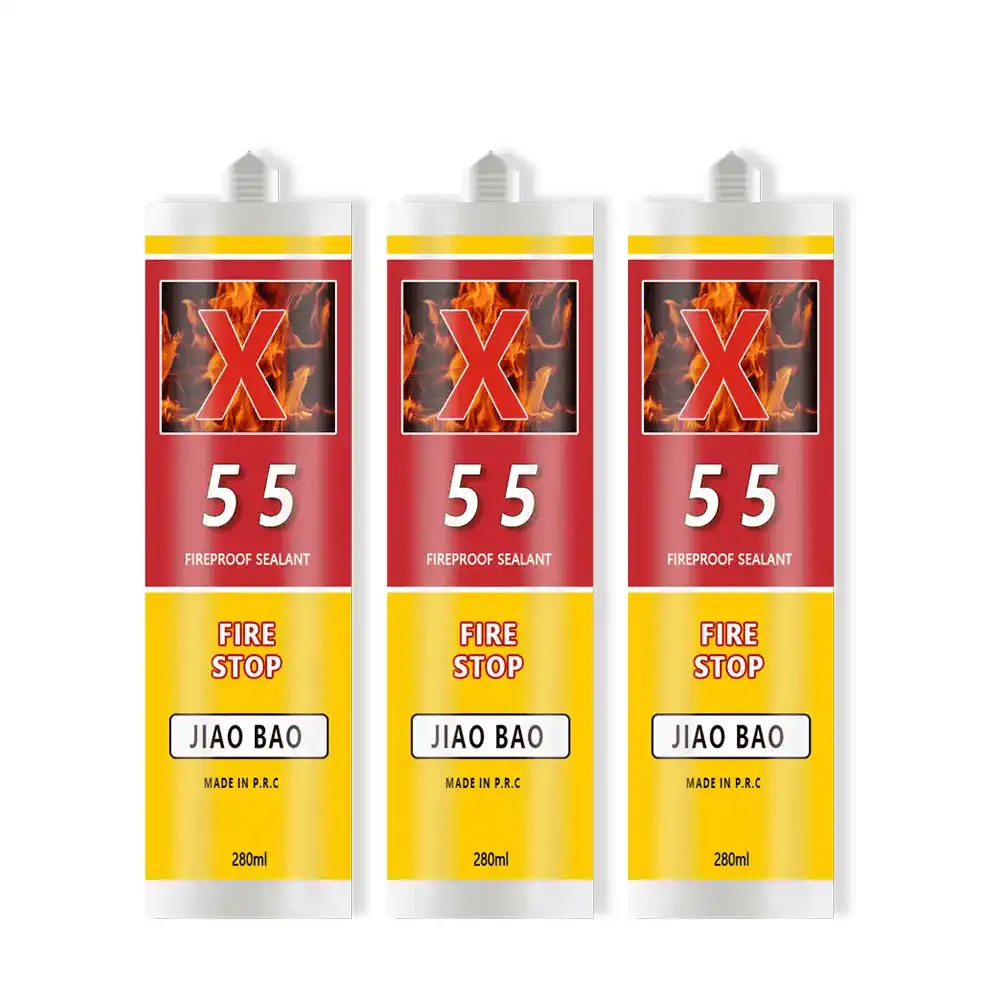
To choose the best fire-rated sealant like Fireproof Silicone Sealant for Construction, you have to weigh technical requirements, the skills of the seller, and the costs of the project. Your choice of Fireproof Silicone Sealant for Construction will affect both how well the installation goes right away and how well the building works in the long run.
Before you choose a product, make sure that its test reports meet the fire-resistance needs of your project. Check for documents that show the sealant was tried with the whole system, not just the material. The Jiaobao recipe has 99.5% non-volatile ingredients and doesn't flow or sag, so it stays in place during the 45–60 minute drying time on the surface. This consistency is important when workers are working on multiple penetrations at the same time to avoid having to fix setups that didn't work.
You need more than product datasheets to judge suppliers. Jiaobao's ISO and CE certifications show that they follow international quality standards, and their 13 years of experience in manufacturing means that you can rely on the stability of their processes. Their production lead time of one to two weeks works with tight building plans and doesn't require you to keep too much inventory on hand. When you combine affordable pricing with OEM/ODM customisation options, you can change formulations to meet local building codes or project-specific colour needs without having to move suppliers in the middle of a project.
Volume prices and consistent amounts of materials are good for large-scale projects. Your supply line will be simpler if you work with makers like Jiaobao instead of distributors. You can use their flexible shipping options, like shipping by sea for containerised projects or by land for local deliveries, to fit your needs. Their quality promise, which lets you get refunds or replacements within the shelf life, protects your buying budget from defective materials, and the 12-month shelf life lets you strategically stockpile when project phases span multiple seasons.
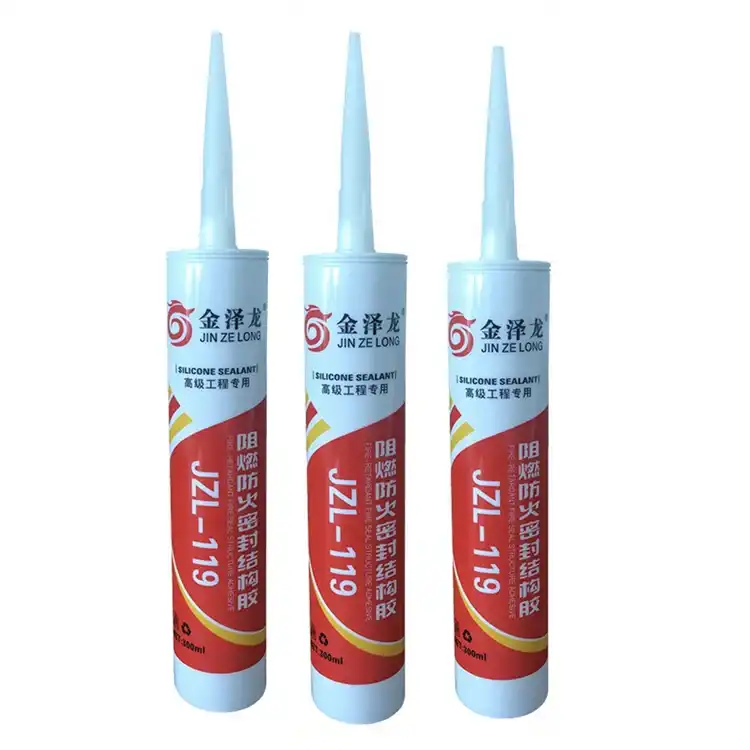
When used wrong, even the best seals don't work. Fire ratings are kept for the life of a building as long as it is properly installed and maintained.
Substrates that are clean and dry are needed for good bonding. Form release agents, dust, or wetness are examples of contaminants that can cause delamination. Prime porous surfaces like concrete according to the manufacturer's instructions, and make sure the joint sizes are right for how the sealant can move. Jiaobao's one-part acidic RTV silicone comes in 300ml or 600ml cartridges or sausages and is ready to use. This means that you don't have to worry about mixing mistakes that happen with two-part systems. Its 3 mm/24-hour curing speed lets builders plan follow-on trades with confidence, and its gun-grade regularity makes it easy to apply without any gaps.
Temperature and humidity in the air during treatment have a direct effect on healing. If you apply sealer below 40°F or above 95°F, it might not stick as well or cure as quickly. When there is a lot of wetness, acidic cure systems work faster. If the joints are too deep, the top may bubble. Plan to work with sealant when the weather isn't too hot or too cold, and keep new coats out of the rain for at least the time it takes for the surface to dry. These steps will make sure that your fire shields do what they're supposed to do and don't fail during later checks.
Visual inspections done once a year find sealants that are cracked, shrunk, or no longer adhere to the surface before they lower the fire rating. Look for discolouration that means UV damage, gaps that mean the substrate has moved, or hardening that means it has been exposed to too much heat. If you need to reseal something, you should get rid of all the old material first. Putting new sealant on top of old, damaged layers makes the surfaces weak and more likely to fail. Keep the building's certification and meet insurance standards during fire safety audits by keeping records of all upkeep work with pictures and test results.
Real-life examples show how choosing the right sealant can solve difficult fire safety problems while still meeting project requirements.
There had to be fire-rated seals like Fireproof Silicone Sealant for Construction at 1,200 curtain wall panel joints in a 45-story office building in a big city. The project called for fire resistance for two hours and the ability to move ±25% so that Fireproof Silicone Sealant for Construction could handle swaying caused by wind and changes in temperature. The general builder chose a special grey formulation of Fireproof Silicone Sealant for Construction that matched the building's aluminium siding after trying three options.
Over the course of six weeks, the project used 850 cartridges of Fireproof Silicone Sealant for Construction, and the supplier's constant batch quality made sure that there were no colour differences between floors. At 18 months, post-occupancy inspections showed that there were no sealant failures with Fireproof Silicone Sealant for Construction. The building got LEED Gold certification in part because the sealant had a low VOC content.
There were 450 through-wall penetrations for plumbing, HVAC, and electrical systems in a 30-story apartment building. By law, every penetration point had to have a shield that could withstand a 3-hour fire. The machinery worker had to work with a tight schedule because many trades were working at the same time. The electrician and plumbing teams were able to work one after the other without any long delays because they used a fire-rated caulk that didn't stick for 45 minutes. Because the sealant didn't sink, material didn't drip onto finished floors below, which cut down on cleanup costs. The final inspection showed that all fire code requirements were met, and the contractor said that they saved 40% on labour compared to previous projects that used rigid firestop materials.
These cases show a few rules about how to buy things. Getting in touch with sealant providers early on in the planning process lets you make changes without slowing the building process. Testing samples on the real surfaces of the project keeps installation from being a surprise. Setting up backup sources for important materials is one way to protect against supply disruptions. Working with makers that offer fast wait times, like Jiaobao's 1-2 week turnaround, also lowers this risk. Lastly, clear installation instructions and training for contractors cut down on application mistakes that lower fire ratings and require costly repairs.
In conclusion, when it comes to fire safety in high-rise buildings, only fully integrated systems work effectively in the worst circumstances. Fireproof Silicone Sealant for Construction is an important part of passive fire protection because they fill in gaps and joints that would let fires spread. Your buildings will meet safety rules and keep their architectural character if you choose goods with the right certifications, know what the application needs, and work with experienced suppliers. Specialised manufacturers like Jiaobao are great partners for procurement professionals in charge of complex vertical construction projects because they are good at technical performance, can make things to fit your needs, and have a reliable supply chain.
Silicone's slippery surface keeps paint from sticking, and paint coats can make the sealant stiffer, making it harder to move during a fire. If looks are important, it's better to order factory-tinted seals that match your finishes than to try to paint them on the job site. Jiaobao can custom match colours to RAL standards, which makes sure that sealant lines look good with other parts of the building.
Fire-retardant materials don't catch fire, but they don't have proven performance rates. Fire-rated sealants are put through a lot of tests as part of whole assemblies. They get certificates that say how many hours they stop fires from spreading. This difference affects code compliance—inspectors need certified fire-rated products with test reports that match the type of building construction and occupancy classification.
During fires, plastic lines melt, leaving holes that can't be filled with sealant alone. For these uses, you need intumescent caps that get bigger when the pipes break and fill the hole. Fire-resistant silicone works well around metal pipes, cable bundles, and static joints where the substrates stay the same size during a fire.
For your high-rise project to be safe, you need a fireproof silicone sealant maker you can rely on for consistent quality and quick service. Jiaobao has been making coloured and fire-rated sealants for 13 years, working with curtain wall companies, general builders and building material dealers all over North America. Our one-part acidic RTV silicone is fire and water resistant to Class 1 W standards and can handle temperature changes from -50°C to +150°C. Our formulations are available in 300ml and 600ml bottles, and we can custom match the colours to fit your needs. They are also priced competitively for large sales. You can email our team at dorashen@cnjiaobao.com to get detailed datasheets, set up sample tests, or talk about OEM customisation for your next project. We can help you choose the right Fireproof Silicone Sealant for Construction to protect your property and keep people safe.
1. Anderson, M. & Chen, L. (2021). Passive Fire Protection Systems in Modern High-Rise Construction. Journal of Building Safety Engineering, 45(3), 178-195.
2. National Fire Protection Association. (2022). NFPA 285: Standard Fire Test Method for Evaluation of Fire Propagation Characteristics of Exterior Wall Assemblies. Quincy, MA: NFPA Publications.
3. Robertson, A.F. & Gross, D. (2020). Fire Load, Fire Severity, and Fire Endurance in Building Construction. Building Science Series 152, National Institute of Standards and Technology.
4. Turner, K. & Walsh, P.J. (2023). Sealant Performance in Dynamic Building Envelopes: A Comparative Study. Construction Materials Review, 38(2), 89-107.
5. Underwriters Laboratories. (2021). UL 2079: Tests for Fire Resistance of Building Joint Systems. Northbrook, IL: UL Standards.
6. Zhou, H., Wang, Y., & Smith, R.T. (2022). Silicone-Based Fire Barriers: Material Science and Engineering Applications. Fire Safety Journal, 129, 103-121.
November 16,2023
Enterprise Name
The sealant has very strong adhesion and performs well even on glass and aluminum. After curing, it remains flexible and shows no cracking. Perfect for our facade projects.
November 16,2023
Enterprise Name
Stable quality across batches. Our customers especially like the smooth application and consistent extrusion. It helps reduce installation time on site.
November 16,2023
Enterprise Name
I used it for bathroom sealing. Excellent waterproof performance and no mold issues so far. It's been holding up very well in humid conditions.
November 16,2023
Enterprise Name
The neutral silicone works well on sensitive materials without corrosion. Very suitable for industrial applications requiring stable performance.
_1779347426672.webp)