November 16,2023
Enterprise Name
The sealant has very strong adhesion and performs well even on glass and aluminum. After curing, it remains flexible and shows no cracking. Perfect for our facade projects.
Aug 4, 2026
When automotive glass installation demands structural integrity and safety compliance, selecting the appropriate adhesive becomes paramount. PU Car Windshield Bonding Sealant represents a one-component polyurethane adhesive engineered specifically for windshield replacement and auto glass applications in professional repair environments. This moisture-curing adhesive achieves tensile strength of 2.2 MPa with 400% elongation at break, creating permanent bonds between glass substrates and vehicle body structures. The formulation cures at approximately 3.5 mm per day, allowing predictable installation timelines while meeting stringent automotive safety standards required by quality-conscious repair facilities.
A lot of the time, polyurethane-based windshield sealants are structural parts of modern cars that help make them safer in crashes and protect people inside. The science behind these adhesives includes moisture-curing processes. When the humidity in the air starts polymerisation, the paste changes into an elastomeric solid that stays flexible over time.
The glue is made up of reacting polyurethane prepolymers that cross-link when they come into contact with moisture in the air. This one-component formula gets rid of the mixing mistakes that happen with two-part systems, making application easier in busy workshops. The healing process starts on the surface that is visible and works its way inward. The full cure depth depends on the temperature and humidity of the surroundings. In the summer, the tack-free time is between 25 and 40 minutes. In the winter, when humidity levels are lower, the cure time is 15 to 30 minutes.
Traditional silicone sealants offer excellent weather resistance but lack the structural strength to retain windshields during collisions. Epoxy adhesives provide high strength but are brittle and cannot accommodate vehicle flexing and thermal expansion. PU Car Windshield Bonding Sealant solves these issues with polyurethane chemistry, delivering both structural integrity and elastic performance. With 400% elongation capability, it absorbs stress from road vibrations, temperature fluctuations, and chassis flex without bond failure. This flexibility prevents stress concentration at bond lines, significantly extending service life compared to rigid adhesive systems in demanding automotive applications.
Windshield sealants do important things besides just keeping the glass in place. In unibody designs, the bonded windshield makes up to 30% of the vehicle's structural rigidity. This keeps the cabin from collapsing during rollover accidents. In front-end crashes, the windshield supports the passenger-side airbag release, so the glue has to stay strong even when loads are applied in a very dynamic way. Regulatory frameworks like FMVSS 212 require specific retention standards that polyurethane adhesives always meet when they are applied correctly and in line with manufacturer instructions.
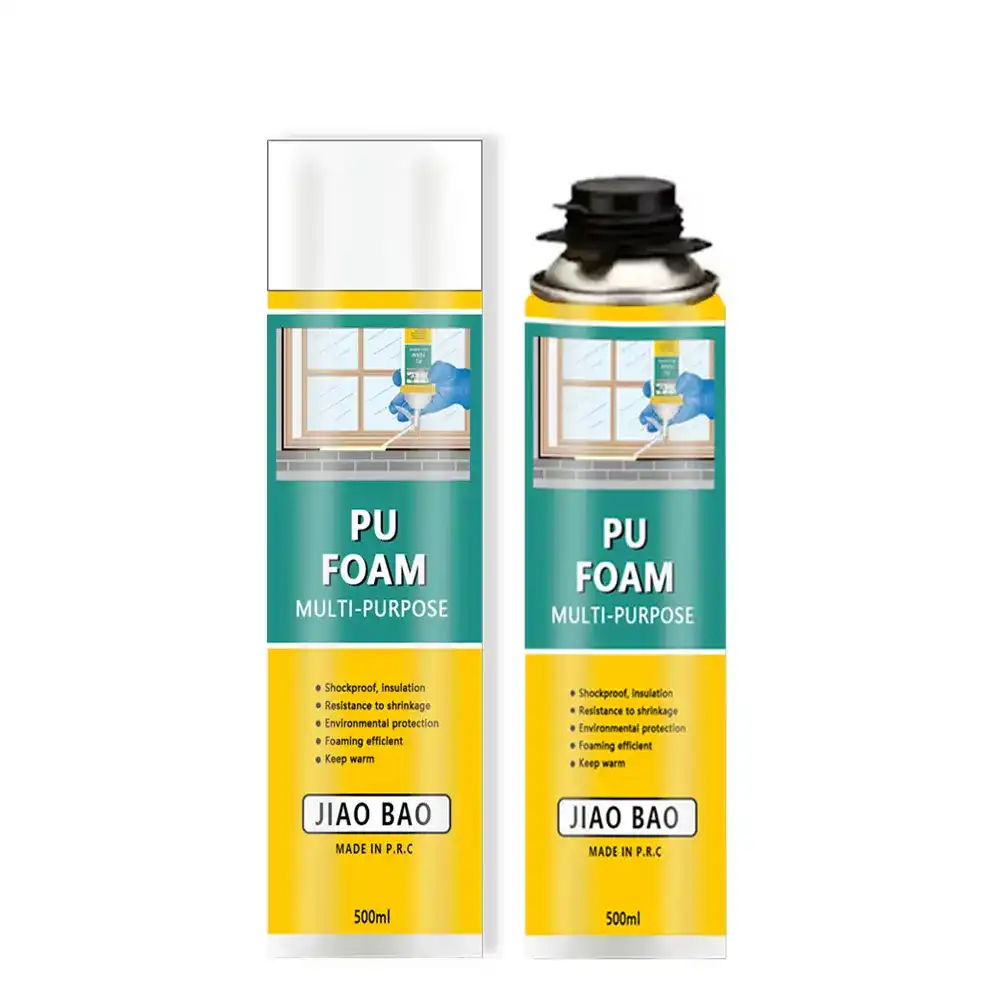
To choose the right windshield bonding technology, you need to know how the different choices work differently. There are different types of glue chemicals available in the aftermarket for cars. Each has its own pros and cons that affect the quality of repairs, the safety of the vehicle, and how well it works.
When judging glue systems, you have to look at a lot of different performance factors. Tensile strength shows how much weight a material can hold when pulled directly on it, while extension shows how far it can stretch before breaking. Modulus describes the stiffness features that decide how loads move between the glass and the body structure. After fully curing, polyurethane systems usually have shore hardness values between 45 and 70, which is the best range for balance between stiffness and flexibility. With a solid content of about 99%, the mixture doesn't shrink much when it cures, so the bond thickness stays the same and stress doesn't build up at the interfaces.
Two-component polyurethane systems require precise ratio mixing, introducing potential errors that affect repair quality and final strength. These systems offer faster cure times, making them suitable for controlled, high-volume environments. PU Car Windshield Bonding Sealant—as a one-component moisture-curing adhesive—eliminates mixing variables and provides extended working time for careful positioning and adjustment. Single-component solutions are ideal for auto repair shops handling diverse vehicle types without specialized mixing equipment. Properly stored one-component products maintain shelf life up to one year, offering greater inventory flexibility without concerns about wasted mixed material, reducing operational costs and simplifying workflow management.
The initial cost of materials is only one part of figuring out the total cost. Faster safe drive-away times cut down on the time that vehicles are in repair bays, which increases the facility's throughput and income potential. Primerless formulas get rid of the need for extra materials and steps in the application process, but they still need to be properly prepared on the surface. When purchasing managers compare domestic and imported brands, they have to look at more than just the price of the materials. They also have to think about how reliable the delivery is, how much technical support is available, and how complete the certification paperwork is. Manufacturers who keep their ISO certifications and provide PPAP documentation show that they have quality systems that make incoming inspections easier and lower the risks in the supply chain.
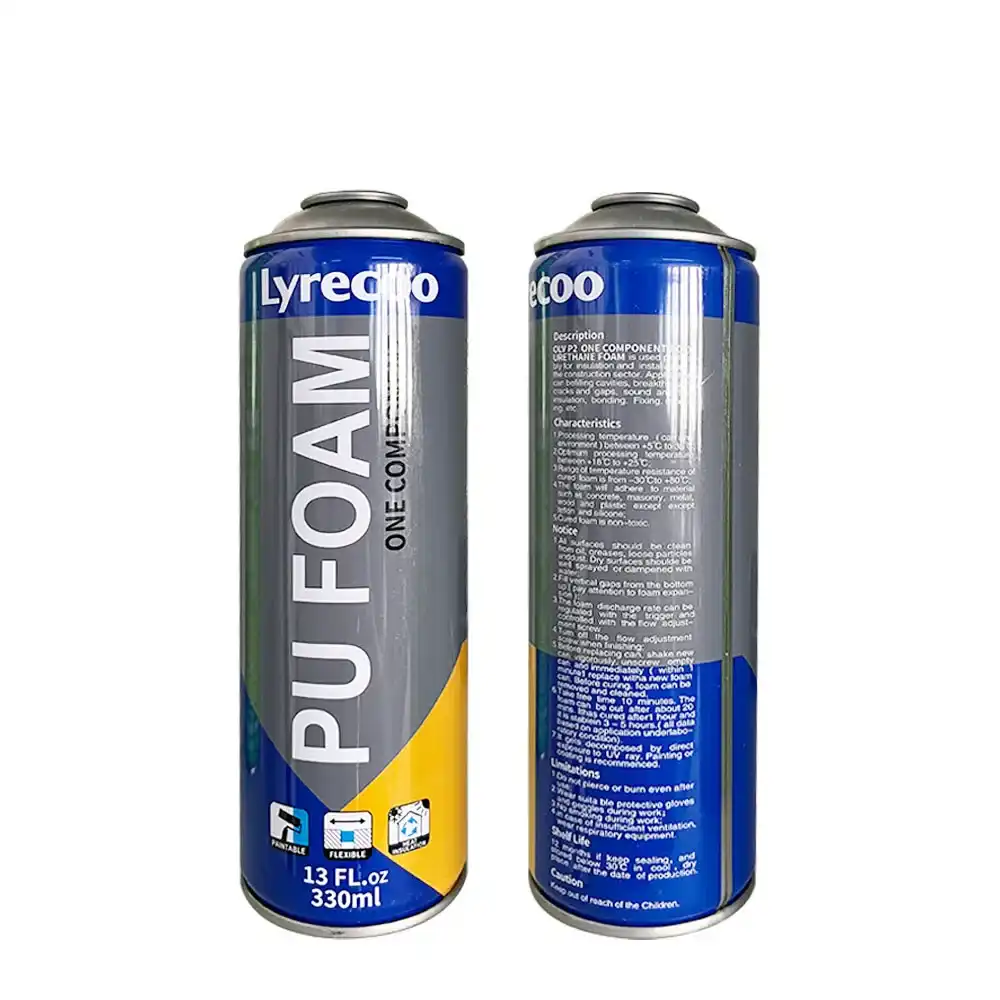
How well you apply the adhesive directly affects the quality of the bond, the safety of the vehicle, and the customer's satisfaction. To get the performance traits stated by the maker, the installation process needs careful attention to the surface preparation, the surroundings, and the order of the steps.
The pinchweld area where the adhesive meets the body of the vehicle needs to be cleaned thoroughly to get rid of any dirt or dust that could stop the adhesive from sticking. To prepare the surface, plastic scrapers are used for mechanical cleaning to get rid of old glue residue. Isopropyl alcohol or cleaners recommended by the maker are then used for solvent wiping. The same care is taken with glass surfaces, paying extra attention to ceramic frit bands where the glue comes into contact with them first. When oils, release agents, or dust get on the bond, they make the boundary layers weak, which lowers the bond strength no matter how good the adhesive is. Surfaces that are clean and dry allow the adhesive and substrate to react chemically and wet as much as possible.
The choice of dispensing equipment affects the consistency of the bead and the speed of application. Pneumatic guns allow for controlled flow rates, which are necessary to keep bead sizes regular. The suggested bead shape has a triangular cross-section that makes sure it touches both the pinchweld and glass sides completely while still letting air escape during installation. The height and width of the beads depend on the vehicle manufacturer, but they are usually between 8 and 12 mm wide. Consistent bead shape stops gaps that cause stress clusters and possible failure starting places. The zero-sagging properties keep the bead in place on vertical and high surfaces, so there is no need for extra work or waste of materials.
Temperature and humidity levels during application have a big effect on how quickly the fix goes and what the end qualities are. Temperatures between 15°C and 30°C and relative humidity above 30% are the best for application. When it's below 10°C, cure rates slow down a lot, which could make safe drive-away times longer than what is considered acceptable between service intervals. Heated workshops keep the conditions stable, so the curing process can be predicted no matter what time of year it is. If the humidity is below 20%, the surface might not heal, and if it's above 80%, the surface might bubble in some formulas. Monitoring and directing the surroundings helps keep schedules stable and protects the quality of the work.
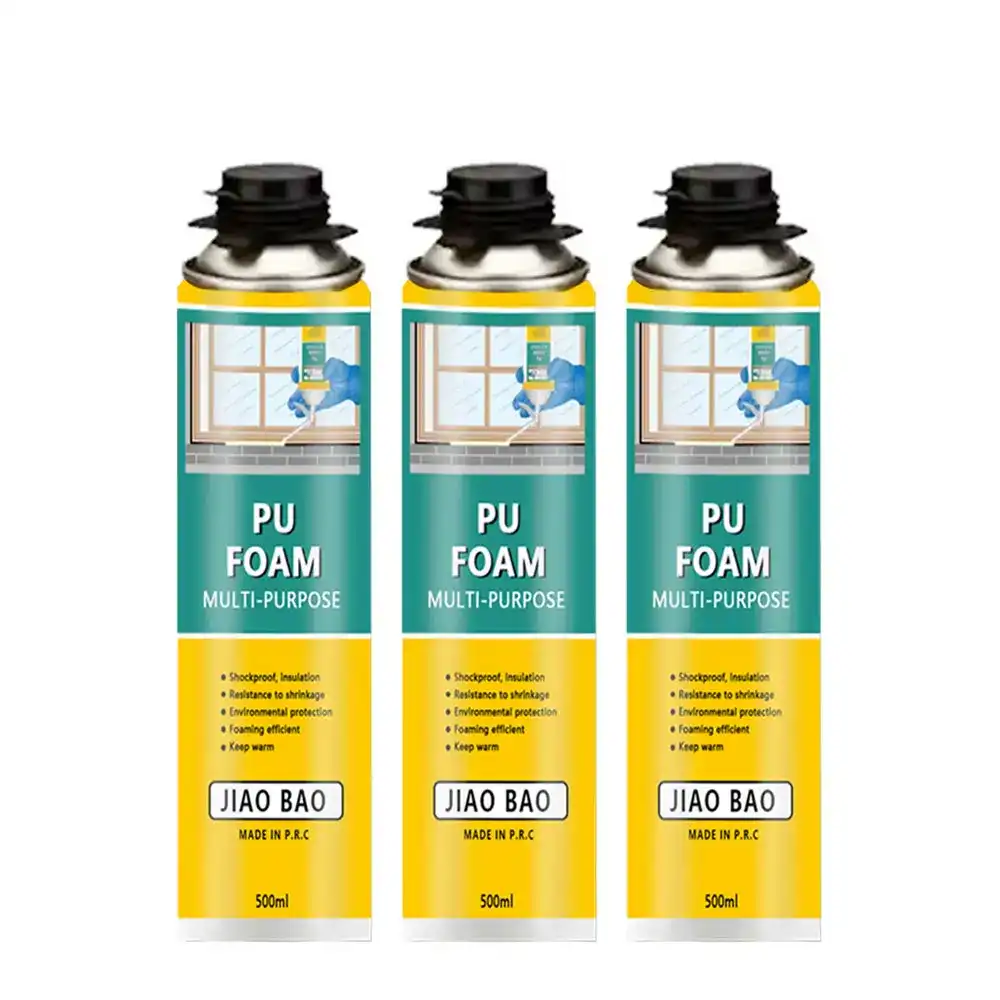
When you're looking for strategic suppliers of windshield bonding adhesives, you need to look at more than just the unit price. Consistency in quality, the availability of technical support infrastructure, proof of certification, and the dependability of the supply chain are all important decision factors that affect the success of operations and the control of risk.
Manufacturers with ISO 9001 certification maintain quality management systems ensuring batch-to-batch compliance for PU Car Windshield Bonding Sealant. For automotive applications, IATF 16949 certification demonstrates capability to meet automotive industry quality standards—though more common among OEM suppliers than aftermarket producers. Established manufacturers like Shandong Jiaobao, with over 13 years of production history, demonstrate process maturity and formulation stability for polyurethane adhesives. Requesting third-party test reports from recognized laboratories like SGS or TÜV provides independent verification of performance claims, reducing procurement risk and potential liability exposure for critical windshield bonding applications.
With OEM and ODM services, adhesive specs can be changed to meet practical needs or regional legal standards. Customizing colours other than black, white, and grey makes it possible to match the look for specific uses. Different types of delivery tools can use different types of packaging formats, such as cartridges and sausages. Volume choices of 300ml and 600ml work for a range of project sizes and inventory control methods. Respondent technical support sets high-quality sellers apart from average ones. It helps with application problems, product choices, and training materials that make shops more useful and lower the number of installation fails.
Production wait times of one to two weeks allow for quick order fulfilment, which lowers the cost of keeping goods while still making sure there is enough stock on hand. Flexible shipping options, such as sea freight for large orders or fast land transport for urgent needs, show that the supplier can meet customer needs. When buying things from other countries, it's important to be clear about shipping documents, how to clear customs, and incoterm specifications. This will help avoid delays and extra costs. When samples are available for sale, performance can be checked before large purchases are made. This lowers the risk of implementation when testing new suppliers or recipe changes.
Choosing the right PU Car Windshield Bonding Sealant technology significantly impacts repair quality, vehicle safety, and auto shop operational efficiency. Polyurethane adhesive systems deliver the structural strength, elasticity, and weather resistance required for modern autoglass installation. Understanding material characteristics, application requirements, and procurement considerations enables informed decisions balancing performance needs with budget constraints. Manufacturers demonstrating quality certifications, production experience, and technical support capabilities build trusted partnerships that extend beyond material supply—ensuring consistent results, regulatory compliance, and long-term reliability for repair professionals.
Safe drive-away time is the shortest amount of time after installation that the vehicle can be used safely again on the road. The glue has to get strong enough to hold the windshield in place during a possible crash and support the forces that make the airbag open. In ideal conditions, premium polyurethane glue reach full strength in 24 to 48 hours, but they can be used after just one to two hours. Early vehicle release increases the risk of liability and weakens safety systems for people inside.
Low temperatures make moisture-cure reactions much slower, which increases the time between tack-free and safe drive-away. For use below 10°C, workshops need to be warm or special cold-weather formulas need to be used. Some shops use infrared lights or heated application systems to keep the cure conditions at their best during the winter. This makes sure that the quality of the work is always the same.
Many modern polyurethane windshield adhesives can be used on glass surfaces without a primer as long as the right cleaning steps are taken. In order to improve bonding to painted metal surfaces and protect against rust, body pinchweld areas usually need to be primed. For detailed surface preparation instructions, always look at the technical data sheets provided by the maker, as they are different for each formulation chemistry.
Shandong Jiaobao New Material Co., Ltd. has been making PU Car Windshield Bonding Sealant for over 13 years and is a trusted seller to car repair shops and glass installers all over the world. Our formulations have a tensile strength of 2.2 MPa and a stretch of 400%. They meet strict safety standards and give you a competitive edge when you buy them. We offer full OEM and ODM customization services, so you can make product specs fit your operational needs and the compliance standards of your region. With production wait times of one to two weeks, we can quickly fill your order, and our quality guarantee covers any problems during the shelf life and lets you get a return or a new one. You can email our team at dorashen@cnjiaobao.com to ask for technical details, sample orders, or prices for large orders. Discover how working with a well-known PU Car Windshield Bonding Sealant maker can make buying easier and protect your image and your customers' safety by ensuring consistent quality.
1. Automotive Adhesives and Sealants: Technology, Applications and Markets, Smith Publishing, 2021.
2. Windshield Retention Systems and Occupant Safety, Journal of Automotive Engineering, Volume 45, 2020.
3. Polyurethane Chemistry and Applications in Automotive Assembly, Materials Science Review, 2022.
4. Quality Standards for Automotive Glass Installation, International Automotive Repair Association, 2023.
5. Moisture-Curing Polyurethane Adhesive Systems: Performance Characteristics, Adhesive Technology Quarterly, 2021.
6. Best Practices for Auto Glass Replacement and Installation, National Glass Association Technical Manual, 2022.
November 16,2023
Enterprise Name
The sealant has very strong adhesion and performs well even on glass and aluminum. After curing, it remains flexible and shows no cracking. Perfect for our facade projects.
November 16,2023
Enterprise Name
Stable quality across batches. Our customers especially like the smooth application and consistent extrusion. It helps reduce installation time on site.
November 16,2023
Enterprise Name
I used it for bathroom sealing. Excellent waterproof performance and no mold issues so far. It's been holding up very well in humid conditions.
November 16,2023
Enterprise Name
The neutral silicone works well on sensitive materials without corrosion. Very suitable for industrial applications requiring stable performance.
_1779347426672.webp)