November 16,2023
Enterprise Name
The sealant has very strong adhesion and performs well even on glass and aluminum. After curing, it remains flexible and shows no cracking. Perfect for our facade projects.
Oct 6, 2026
Yes, GP Multi-Purpose Silicone Sealant is genuinely waterproof for outdoor use. Once fully cured, this one-component RTV silicone forms a continuous, flexible rubber barrier that blocks moisture penetration across a wide temperature range—from -50℃ to +150℃. Its acetoxy-cure formula resists UV rays, ozone, and weathering, making it suitable for sealing exterior joints, window frames, roof flashings, and other outdoor applications where long-term water resistance is critical.
When it comes to sealants for the outside, it's important that the terms of performance are clear. "Waterproof" means that even after being wet for a long time, the material doesn't let any water in. "Water-resistant" only means that it takes longer for water to get in. When you use GP Multi-Purpose Silicone Sealant, you get real safety. Water, snow, or air can't get through it once it's hardened because it's made of silicone rubber.
The way the caulk is made explains why it works so well outside. 18 Shore A hard means it's not too hard or too soft. It's just right for letting the joint move while still being strong enough to hold the seal in place. Because it has a strength of 1.5 MPa, the glue will stick to typical outdoor objects like metal, glass, stone, ceramic tiles, and concrete.
Since the tension rate is over 300%, the caulk can stretch and shrink as the temperature inside the building changes. This, along with the ability to move ±25%, stops the material from breaking or coming apart after years of use. The moisture in the air makes the sealer harden at room temperature. It turns into a strong rubber seal in 24 hours. For 15 minutes, it doesn't stick, so there is less dust to pick up while applying it.
Sealants that are left outside are exposed to harsh weather like direct sunlight, freezing winters, hot summers, and constant rain. Our silicone recipe doesn't crack or powder when it's in the sun for years. It stays strong even when UV rays and ozone hit it. When UV light hits polyurethane or acrylic alternatives, they break down. But silicone chemistry stays stable at the molecular level. No matter what temperature it is, the glue stays flexible and waterproof. It will not break when it is very cold or flow when it is very hot. Because of this, it stays stable in a lot of different places, from hot, humid tropical areas to dry, hot deserts.
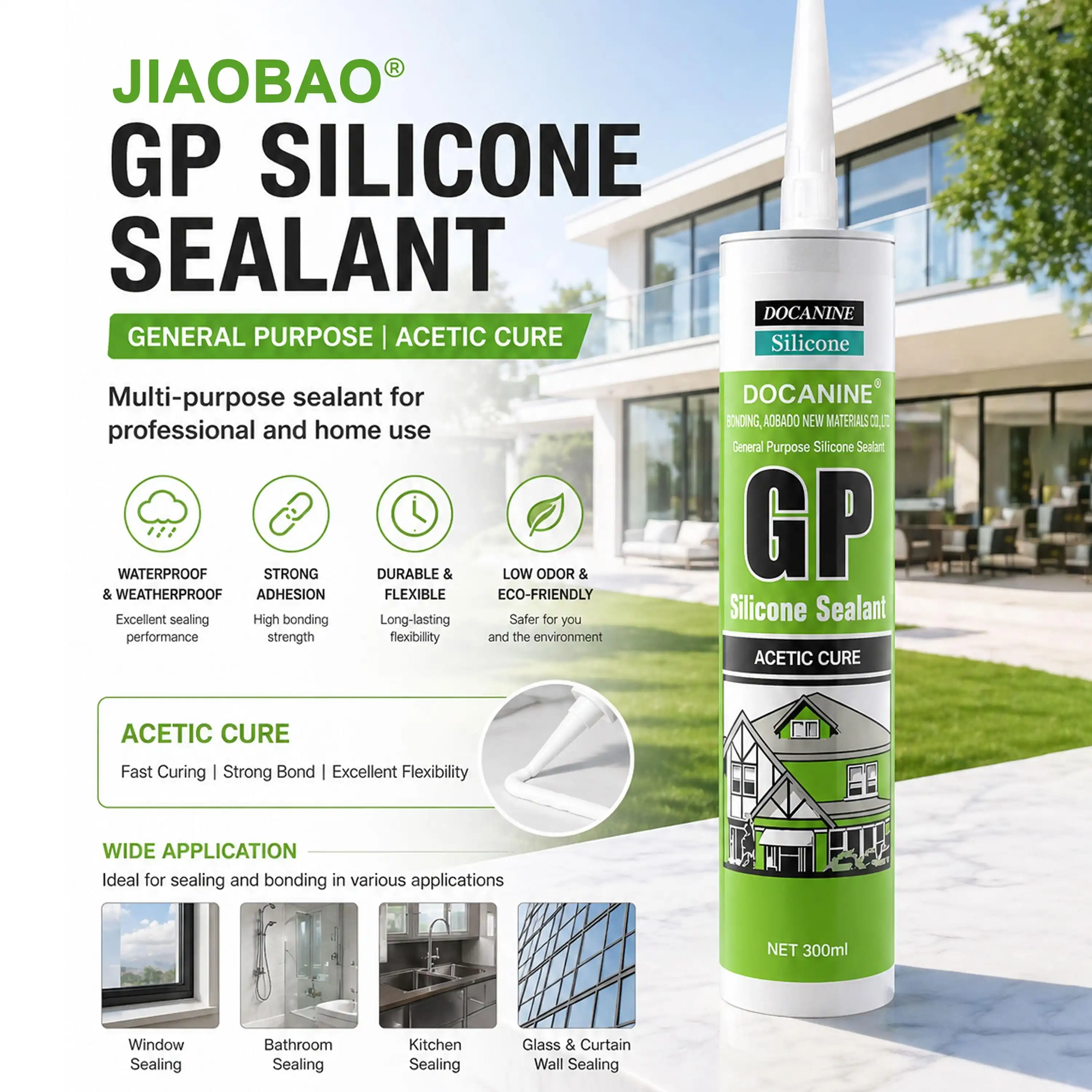
When you waterproof something, the best results come from using the right method. How long and well the seal lasts depends on how the surface is prepared, the method used, and the time it takes to cure.
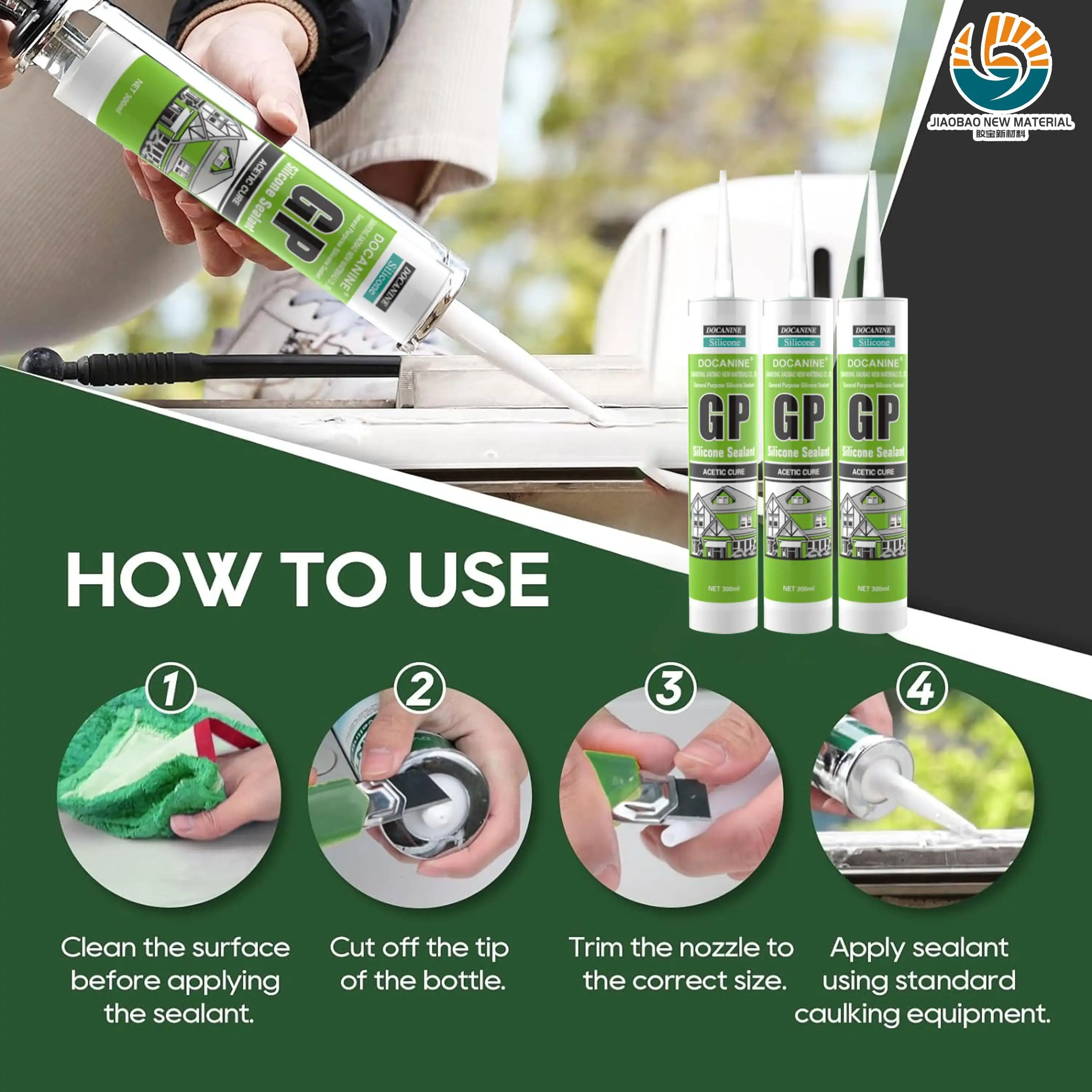
Things should always be clean. Use the right cleaner or fluid to get rid of all the dust, dirt, grease, old sealant, and small pieces. Let things dry all the way. If there is water on the base when the sealant is being put on, it might not stick as well and won't be as waterproof. For porous materials like concrete or brick, make sure the surface is flat and free of dust. Isopropyl alcohol and letting them dry fully are the best ways to clean metal and glass. GP Multi-Purpose Silicone Sealant is an excellent choice for such prepared surfaces, as it bonds reliably to both porous and non-porous substrates when applied correctly. With the right planning, you can make the chemical link that will lead to long-term success.
In a regular caulking gun, put the 300ml or 600ml cartridge or sausage into the barrel. Cut the tip at a 45-degree angle to make it the right thickness for the joint. Make sure there are no air pockets in the joint when you fill it all the way up. Put even, steady pressure on it. In 5 to 10 minutes, use a tool to make sure the bead sticks to both sides well. You can tell the sealant is getting hard after about 15 minutes. As the temperature and humidity change, it dries at a rate of 2 to 3 mm per 24 hours. For bigger joints to fully heal, it takes about seven days. Don't let water or worry touch the sealant after it's completely dry.
As acetoxy-cure silicone cures, it gives off acetic acid, which smells like mild vinegar. For those who work inside or in a small space, make sure there is enough air flow. Wear gloves to keep your skin from being touched for a long time. Don't use cartridges right away. Instead, keep them somewhere cool and dry with the nozzle closed so the ink doesn't dry too quickly. The sealer will last for a year if you store it correctly. Follow the rules in your area for how to properly get rid of spent ammunition. Following these habits at work helps keep it safe and in line with safety rules.
You need to know how different chemicals work outside in order to choose the right coating. These are some common alternatives to silicone. I will show you why silicone is better.
People like to use acrylic seals inside because they are cheap and easy to paint over. However, they aren't stretchy enough or weatherproof enough for rough outdoor circumstances. Acrylics can crack or shrink when they are exposed to UV light and changes in how wet they are. This can make the seal fail. They only let about 10% of movement through, which is a lot less than silicone's 25%. You can use silicone and acrylic together for decades, but acrylic needs to be renewed every couple of years.
You can paint polyurethane seals and they stick well, but if they aren't made carefully, UV light will break them down after a while. Also, it takes longer to get the surface ready, and the pot only lasts as long after the cartridge is opened. Even though polyurethane is very strong when pulled apart, it gets stiffer over time, which makes it less flexible. That's why silicone is better for outdoor parts that will be in full sunlight and changing temperatures. Silicone is more flexible and naturally resistant to UV light.
Cure types A and B both seal very well, but they work best on different surfaces. It costs less and cures faster when you use acetoxy-cure silicone, like our GP Multi-Purpose Silicone Sealant. Because of this, it works great on smooth surfaces like glass and polished tiles. But the acetic acid that is released when the concrete hardens can damage metals like copper and brass that are easily damaged. Neutral-cure silicone doesn't have this problem. It also sticks better to porous surfaces like natural stone and concrete, but it takes longer to dry and costs more. An acetoxy-cure silicone is the best choice for general glass, window sealing, and metal frames because it works well and is a good value.
When people decide what to buy, they look at more than just the product specs. The success of a project and its total cost of ownership rely on things like price, logistics, how reliable the seller is, and help after the sale.
The unit costs go down a lot when you buy more. The price of each cartridge goes down when you buy a lot of them, whether it's by the case, box, or crate. Clear price models help you make good guesses about how much you can spend on purchases. Suppliers that let you pick the size of your order can handle both small projects and large ones. There are 300ml and 600ml sizes, so you can use different amounts for different tasks. You can also use either the sausage or cartridge shape with a variety of dispensing machines.
How long it takes to ship depends on where you live and how much you're sending. Shipping goods by sea from places where things are made to ports around the world usually takes two to four weeks. You can speed up the process for an extra fee, and it will only take seven to ten days instead of fourteen. Getting around by land within an area is a medium ground.
The boxes need to protect the cartridges from damage and high temperatures while they're being sent. It costs a lot of money and takes a long time if the sealant breaks or gets ruined. Companies you can trust will package your goods well and tell you how to handle them properly. Once the order is confirmed, it only takes one to two weeks to get the goods. This makes it easy to plan projects and keep track of supplies.
You can be sure of stable quality and a steady supply of goods when you work with a well-known maker. Shandong Jiaobao New Material Co., Ltd. was founded in 2013 and has been making silicone seals for more than 13 years. Because our goods are ISO and CE-approved and meet foreign standards, they can be sold in many places.
There are strict rules in place to make sure the quality, like checking the extrusion rate, the slump resistance, and the adhesion-in-peel. So that you can keep your money safe, we offer returns or replacements if there are quality issues during the shelf life. Our friendly customer service team helps with applications, answers technical questions, and keeps track of sales. They make sure that the whole buying process goes smoothly, from the first question to delivery.
How long a project lasts, how much it costs to keep up, and how happy the customers are are all affected by the waterproofing method chosen. Our silicone sealer is different in a few ways.
Being versatile makes keeping an inventory easier and cuts down on the cost of buying things. You don't need to keep different things on hand for different uses because GP Multi-Purpose Silicone Sealant sticks well to glass, metal, stone, ceramic tiles, plastic steel, and concrete. This much freedom speeds up supply lines and makes it easy to organize things on-site. One product is all you need to safely seal window frames, joints in outdoor cladding, and holes in the roof.
When a product gets an international approval, it means that it works and meets standards. For building construction coatings, ISO 11600 has very strict rules that our sealer has to follow. In other words, its mechanical qualities, like modulus and elastic rebound, are good. The CE mark means that the item meets European rules for safety, health, and the environment. It is important to test each batch regularly to make sure that the binding power, extrusion rate, tack-free time, and fix depth are all the same. These quality checks make sure that each cartridge does what you need it to do. This lowers the job's risk and the cost of having to do it again.
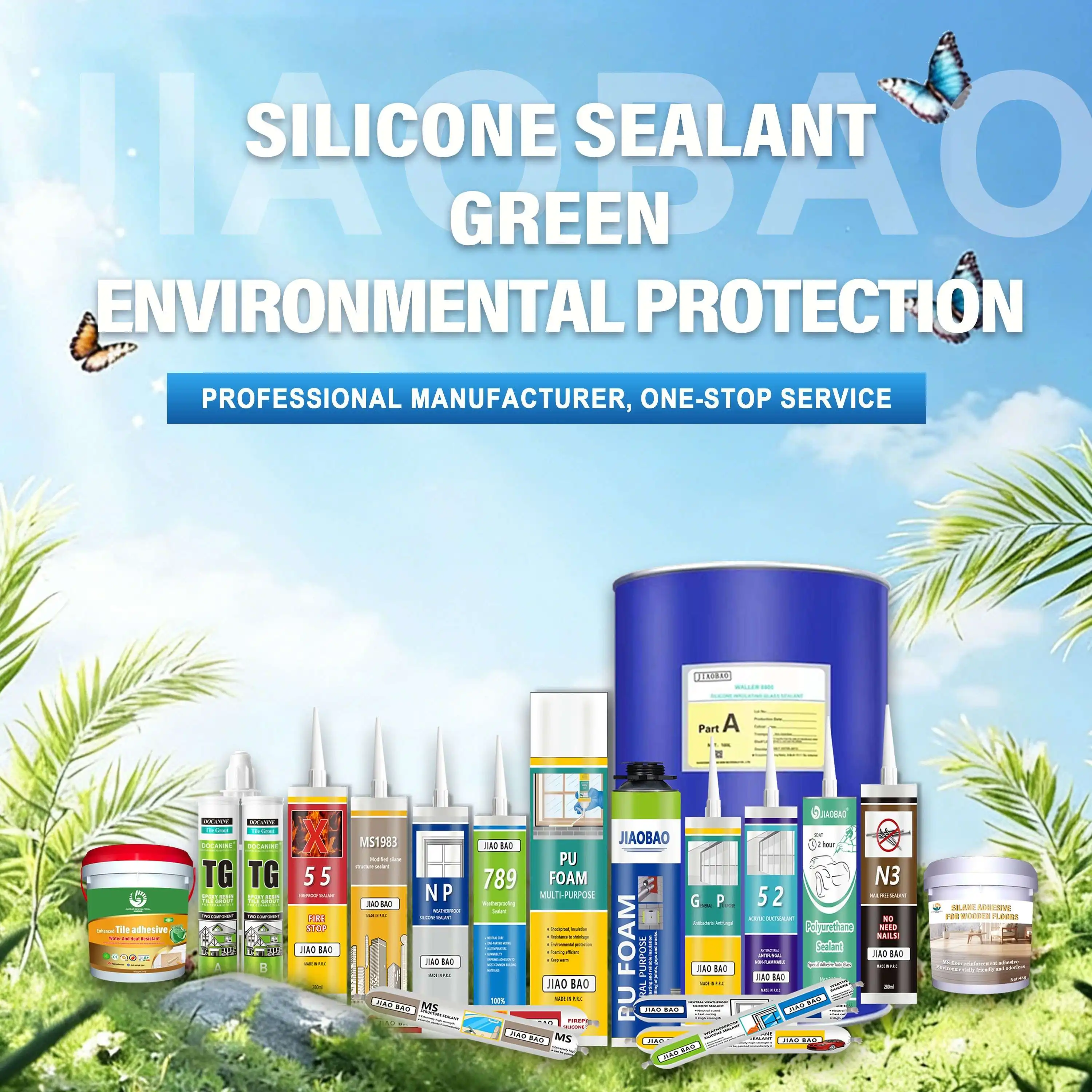
Ideas often need to be changed to stand out in a market. The things we make can be colored white, black, gray, or other colors that go with the style of your building. With OEM and ODM services, you can make your own brand-name goods that meet the needs of a certain customer or the tastes of a local market. We have enough production space to handle both standard specs and unique recipes. This helps brands stand out in the market and get ahead. Because the wait time is only one to two weeks, you can quickly take advantage of market opportunities and changes in demand based on the time of year.
Even when used outside, GP Multi-Purpose Silicone Sealant reliable and for a long time keeps water damage away. It meets the most important technical requirements for closing outside thanks to its high flexibility, better UV protection, wide range of material compatibility, and proven temperature stability. You can use acrylic or polyurethane instead of silicone, but silicone is much more durable and flexible.
If you use the product correctly and make sure the surface is ready, it will work the best. Our full buying support, which includes fair prices and quick service after the sale, makes sure that projects run smoothly. We offer a reliable answer for tough outdoor situations because we have been making things for more than ten years and have foreign certifications.
No, most of the time. Paints that are based on water or oil can't stick to silicone because it's slippery and doesn't react with solvents. Pick a sealer that matches the color of the base or paint it first before applying the sealer. The fact that silicone doesn't naturally stick means that this rule applies to most silicone chemicals.
For sure, it works well to seal the laps, seams, and bolts on aluminum and stainless steel roofs. When acetoxy-cure silicone dries, it releases acetic acid that can rust or damage copper, brass, or glass. So don't use it on those things. If you want to protect metals that are easily damaged, pick a neutral-cure silicone.
When something doesn't cure, it's usually because the shelf life has passed, the temperature or humidity is too low, or there are impurities like oils or bitumen that don't work with the substance. Before you use it, make sure the product is compatible with the material, check the expiration date, and make sure there is enough air flow for water to get in.
It is safe to buy from Shandong Jiaobao New Material Co., Ltd. because they have been making silicone seals for over 13 years and have sold their good products all over the world. Our GP Multi Purpose Silicone solution is cheap, has been shown to work well as a waterproofing solution outside, and is easy to change to fit your needs. Our production lead times are only one to two weeks, and we ship quickly by sea and land. We also offer full after-sales support, including refunds or replacements for any quality issues that happen within the shelf life.
Our quality is always the same, and we can help you quickly, whether you need white, black, gray, or unique colors in 300ml or 600ml amounts. We can help your business stand out in the market by giving you big savings, technical information, or OEM choices. You can email us at dorashen@cnjiaobao.com.
1. American Society for Testing and Materials. (2020). ASTM C920-18: Standard Specification for Elastomeric Joint Sealants. ASTM International.
2. International Organization for Standardization. (2017). ISO 11600:2002 Building Construction—Jointing Products—Classification and Requirements for Sealants. ISO Standards.
3. Building Research Establishment. (2019). Weather Resistance and Durability of Silicone Sealants in Outdoor Applications. BRE Press.
4. Construction Specifications Institute. (2021). MasterFormat Division 07: Thermal and Moisture Protection—Sealants and Caulking. CSI Publications.
5. European Committee for Standardization. (2018). EN 15651: Sealants for Non-Structural Use in Joints in Buildings and Pedestrian Walkways. CEN Technical Standards.
6. National Institute of Building Sciences. (2022). Whole Building Design Guide: Joint Sealants for Building Envelopes. NIBS Technical Resources.
November 16,2023
Enterprise Name
The sealant has very strong adhesion and performs well even on glass and aluminum. After curing, it remains flexible and shows no cracking. Perfect for our facade projects.
November 16,2023
Enterprise Name
Stable quality across batches. Our customers especially like the smooth application and consistent extrusion. It helps reduce installation time on site.
November 16,2023
Enterprise Name
I used it for bathroom sealing. Excellent waterproof performance and no mold issues so far. It's been holding up very well in humid conditions.
November 16,2023
Enterprise Name
The neutral silicone works well on sensitive materials without corrosion. Very suitable for industrial applications requiring stable performance.
_1779347426672.webp)