November 16,2023
Enterprise Name
The sealant has very strong adhesion and performs well even on glass and aluminum. After curing, it remains flexible and shows no cracking. Perfect for our facade projects.
Sep 11, 2026
When selecting the best silicone sealant for glass and aluminum window applications in 2026, procurement managers and technical engineers consistently turn to GP Silicone Sealant for Glass and Aluminum. This one-part, moisture-curing acetoxy sealant delivers exceptional performance with a rapid 15-minute tack-free time and tensile strength exceeding 300%. Available in multiple volume options (300ml and 600ml) and packaging formats including sausage and cartridge configurations, it addresses the critical sealing demands of curtain wall companies, door and window processing plants, and general contractors throughout the United States market.
The quality of the sealant materials used during fabrication and installation is the most important factor in how long glass and aluminum window installations last and how well they protect against weather. A bad sealant choice can cause the seal to fail early, water to get in, inefficient heating and cooling, and expensive project repair that hurts both image and profits. Professional procurement teams know that spending money on better sealing solutions stops these costly upkeep problems before they happen and makes building fenestration systems last longer.
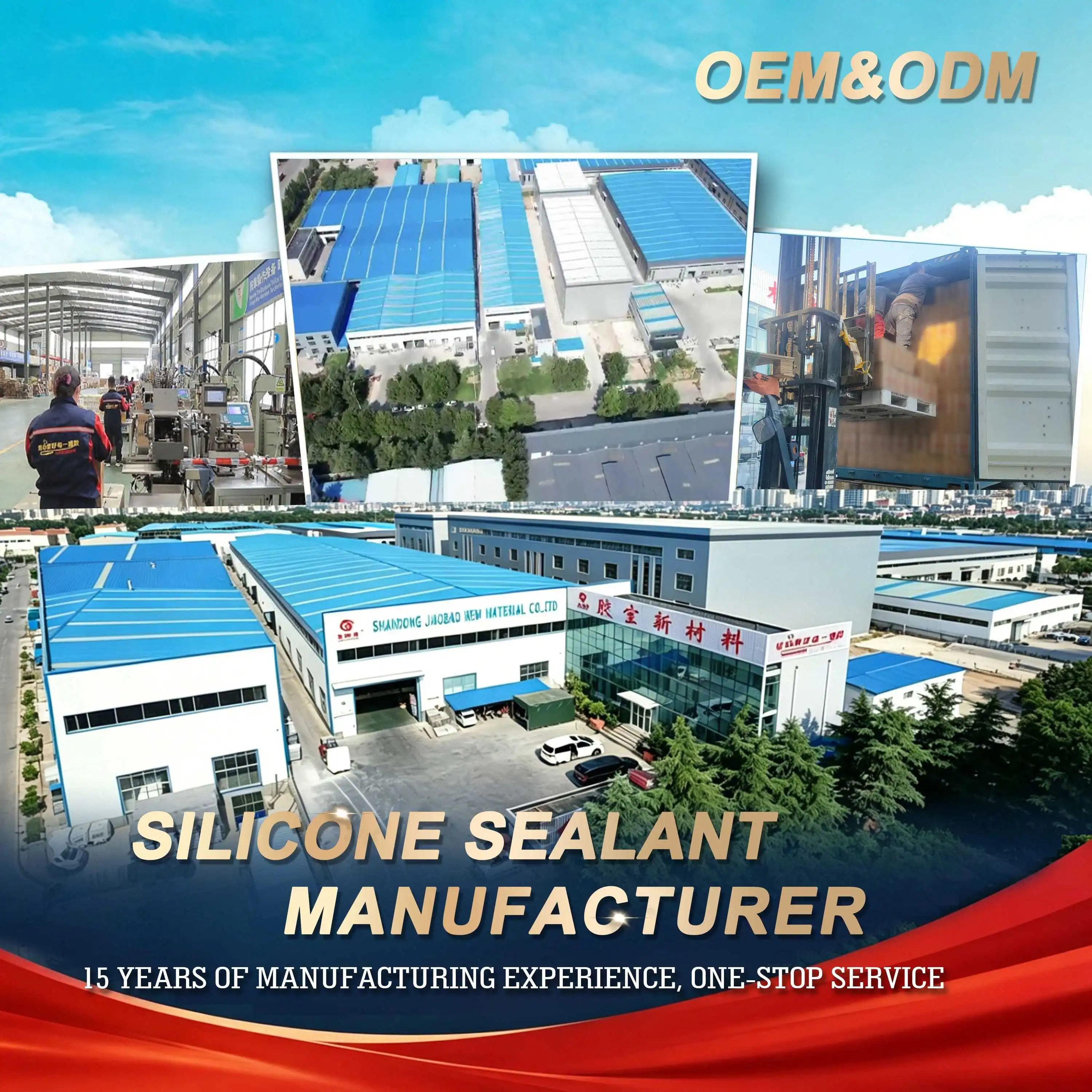
In 2026, GP Silicone Sealant for Glass and Aluminum has become the market winner by constantly improving its formulations and the quality of its making. It solves some problems that curtain wall makers and window system manufacturers have, like how to get it to stick to smooth glass surfaces, how to handle heat movement between different materials, and how to keep UV damage from happening in outdoor uses. Shandong Jiaobao New Material Co., Ltd. has been making high-tech sealants since 2013 and has over 13 years of experience. They use mature production methods and strict quality control systems that meet ISO and CE certification standards to make this advanced sealant.
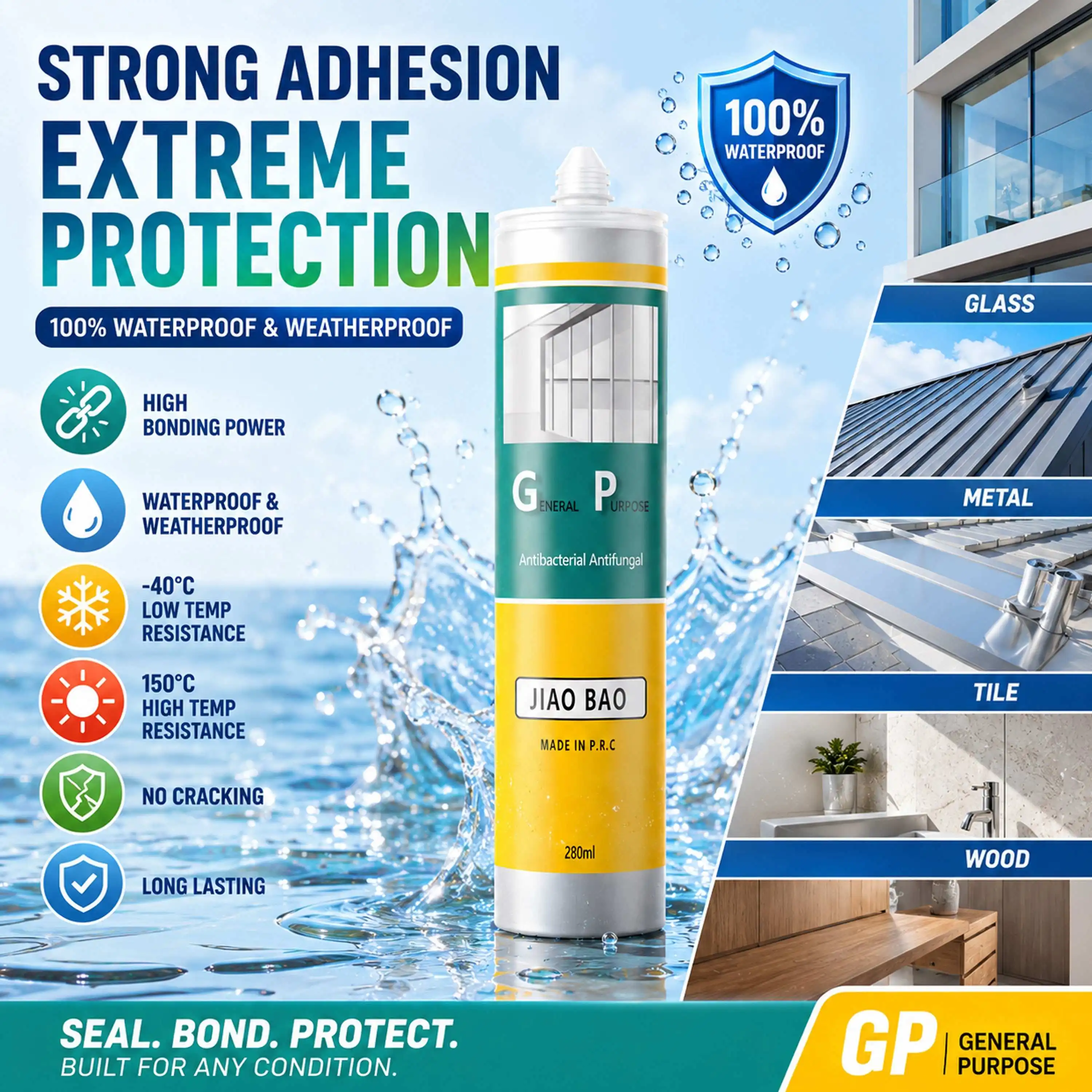
The GP Silicone Sealant for Glass and Aluminum is made as a one-part acetoxy cure system that responds with moisture in the air to create an elastic seal that is forever bendable. This paste-like glue has a Shore A hardness of 18, which is the perfect mix between mechanical strength and allowing for movement. The chemical structure is very waterproof and can withstand long-term exposure to water without swelling or bond breaking down. As the temperature ranges from -50°C to +150°C, the material keeps working well in a variety of climates without breaking down in cold places or becoming soft in hot ones.
Because of the way it cures, you don't need any special heating equipment or pressurized application systems. When the coating is put on, the cross-linking process starts with the humidity in the air. Under normal conditions (23°C, 50% relative humidity), the coating is tack-free in 15 minutes. The full fix depth moves forward at a rate of about 3 mm every 24 hours, which lets the project move forward quickly without affecting the stability of the seal.
Because their surfaces are smooth and don't have pores, glass substrates and aluminum profiles are hard to stick to because their thermal expansion coefficients are very different. This is what GP Silicone Sealant for Glass and Aluminum is made to do with a special recipe that makes strong chemical links with both materials. With a maximum bond strength of 1.5 MPa, seals can survive wind-load pressure, structure vibration, and differences in temperature without failing to adhere or stick together.
Another important performance factor for outdoor fenestration uses is UV resistance. Even after years of being in full sunshine, the anti-ultraviolet formula keeps the surface from chalking, discoloring, and losing its mechanical properties. Ozone resistance protects seal integrity even more in industrial and urban settings where air pollutants speed up the breakdown of poor quality elastomers.
Long-term seal performance depends on how well the surface is prepared. Before sealant is applied, aluminum surfaces need to be cleaned well with isopropyl alcohol and the two-cloth method to get rid of oils, dust, and manufacturing residues. To get the best adhesive, glass surfaces should be cleaned and dried completely. Joint sizes should be planned with the right ratios of width to depth, usually keeping a 2:1 ratio to allow for movement.
It is very important to have enough air flow when using acetoxy fix systems because they give off acetic acid vapors while they heal. Wearing the right safety gear, like gloves and eye protection, is important for applicators. The product should be kept in a cool, dry place out of direct sunlight for 12 months if it is stored correctly in its original, sealed packaging.
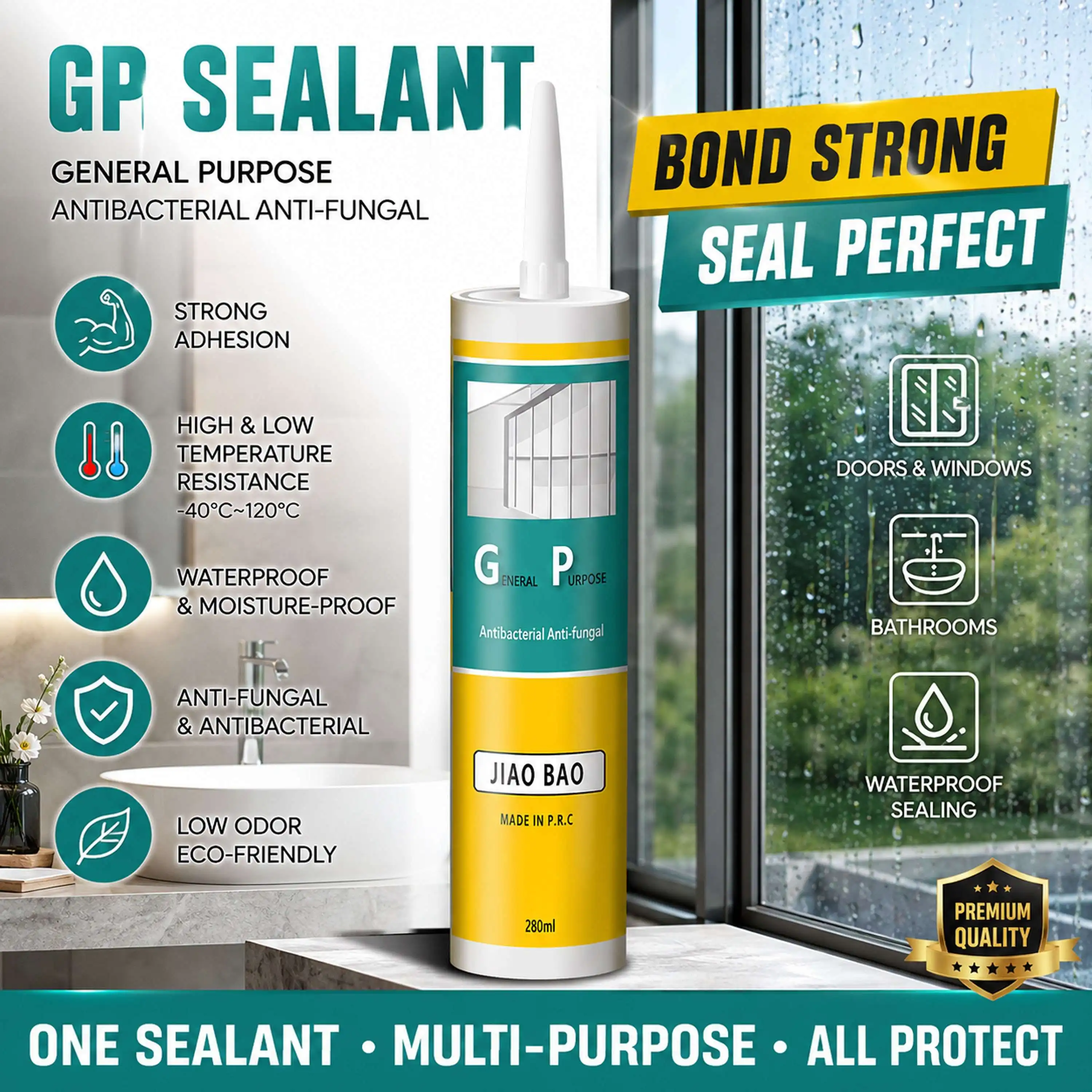
Acrylic seals are cheaper and can be painted, but they aren't flexible enough or resistant to weathering to be used on aluminum windows that are outside. Because they can only stretch a certain amount (usually less than 200%), they can't be used in joints that move a lot when the temperature changes. The abrasion resistance and paintability of polyurethane sealants are great, but they need a more complicated surface preparation process and don't fight UV light as well as silicone formulas.
The tensile strength of GP Silicone Sealant for Glass and Aluminum is over 300%, which means that the joint can move a lot without the seal breaking. This is possible because glass and aluminum have very different coefficients of heat expansion. This makes the seal last longer even when the temperature changes with the seasons, which would break hard plastic sealants. The moisture-cure mechanism also stops solvent evaporation shrinkage, which happens a lot in acrylic formulations and happens when trapped solvents slowly escape and leave holes in the cured seal.
When it comes to silicone sealants, GP formulations from well-known companies like Jiaobao stand out because they have consistent quality control from batch to batch and a strong technical support system. Different competing goods often have different amounts of volatile ingredients. For example, oil-extended formulas often have hydrocarbon solvents that lower the cost at first but cause the product to shrink too much after application. High-quality GP Silicone Sealant for Glass and Aluminum shrinks very little (less than 5%), which stops the stress buildsups that cause seals to fail too soon.
The stable mixture and 12-month shelf life cut down on trash from old stock, which supports environmentally friendly buying habits. Standard architectural requirements can be met by colors like white, black, and grey. Custom color matching is also possible for high-end business and private projects where blending in with the surroundings is very important. This design flexibility is especially helpful for curtain wall applications where sealant beads need to match the colors of the glass tint and aluminum finish.
When looking at silicone seals for glass and aluminum windows, technical buyers should focus on a few traits that can be measured. Adhesion strength, measured by ASTM C794 peel tests, should show cohesive rather than adhesive failure modes. This means the bond is stronger than the elastomer's own internal strength. Curing time affects project schedules and the speed of work flow. GP Silicone Sealant for Glass and Aluminum's 15-minute tack-free time lets it be handled quickly while still giving you enough time to tool and change it.
Different building settings have different performance needs for coating materials. Coastal sites are exposed to salt spray, which means they need to be more resistant to rust and keep their adhesive. For high-rise curtain wall applications, UV stability and wind-driven rain resistance must be very high. Interior divider glass focuses on keeping the air clean while it cures and letting people move back in quickly.
Because it works well with glass, anodized aluminum, powder-coated aluminum, stone, ceramic tile, and concrete, GP Silicone Sealant for Glass and Aluminum can be used for both main and secondary window sealing in the same project. This versatility makes it easier to keep track of goods and makes buying things easier for general builders who have to deal with different sealing needs in different building systems.
Total cost of ownership is affected by warranty coverage and the system for maker support in a big way. Reputable companies like Jiaobao back up their products with quality guarantees that include refunds or replacements for damaged items that show up within the shelf life. Technical support services help solve problems with applications, recommend the right products for odd substrates or weather conditions, and provide the paperwork needed to meet building codes and finish the job.
Curtain wall fabricators get a lot of feedback from customers saying how important it is for products to work the same way on large orders. Changes from batch to batch in how the concrete cures, how well it matches colors, or its mechanical qualities make installation harder and the finished product looks different, which can hurt contractors' reputations and cost a lot in returns. Through standard formulation methods and thorough testing programs, well-established makers with well-developed quality control systems keep these risks to a minimum.
To get large amounts of GP Silicone Sealant for Glass and Aluminum for a project, you can work with authorized distributors, building material wholesalers, or the manufacturer directly, depending on the size of the order and the level of customization needed. Direct contacts with manufacturers through companies like Shandong Jiaobao offer benefits for buyers who buy a lot, such as better pricing, the ability to customize products (OEM/ODM production), and first choice during busy building seasons.
For normal formulations and colors, production wait times are usually between one and two weeks. For first sales, custom color matching takes more time to make. Project managers and technical engineers can test things on-site before committing to full-scale procurement thanks to sample request processes. These examples should be tested in real installation settings that are similar to the final application, such as substrate types, temperature ranges, and joint configurations.
Professional-grade sealant suppliers are different from vendors of common products because they offer full support after the sale. Technical support should be easy to get in case of questions about applications, problems during installation, or advice on how to prepare the surface or improve the joint design. Manufacturers who keep their ISO certification show that they are dedicated to quality management systems and processes for continuous improvement, which makes customers happier.
Product datasheets with detailed information on physical qualities, how to use the product, and safety help manufacturers make smart choices about specifications and train installers. Material Safety Data Sheets (MSDS) help facility managers follow safe working procedures and meet safety standards in the workplace. Certifications that show compliance with important ASTM standards, building code requirements, and environmental laws speed up the approval process and lower the risk of being sued.
To choose the best silicone sealant for glass and aluminum windows, you need to find a balance between technical performance, cost, and supplier reliability. GP Silicone Sealant for Glass and Aluminum has the bonding strength, weather protection, and heat movement capabilities needed for tough fenestration jobs. It's easy to work with and doesn't react badly with other materials, and the acetoxy fix formula can handle temperatures from -50°C to +150°C, so it can be used reliably in a wide range of climates. Procurement workers can get better results when they work with well-known makers like Jiaobao. These companies have over 13 years of experience in a specific type of production, offer full technical support, and can make changes to meet the needs of any project.
During the curing process, acetoxy cure silicones give off acetic acid, which can damage copper, brass, and mill-finish aluminum, among other metals. Most acetoxy formulations can be used on aluminum surfaces that have been anodized or powder-coated. To stop rust reactions from happening with bare mill-finish aluminum, neutral cure silicone substitutes should be asked for.
When low-grade oil-extended formulas are used, hydrocarbon solvent fillers slowly evaporate after application, which usually leads to breaking before its time. This shrinkage puts stress on the elastomer inside that is higher than its cohesive strength, which lets cracks spread through the seal. High-quality GP Silicone Sealant for Glass and Aluminum with little volatile material keeps its shape and stops fails caused by shrinkage.
To get good adhesion over time, the surface must be properly prepared. To get rid of oils, manufacturing residues, and dust, aluminum should be cleaned with isopropyl alcohol or another approved solvent and the two-cloth method. To keep contaminants from sticking to the clean surface again, the liquid needs to be cleaned off before it evaporates.
If purchasing managers are looking for a reliable GP Silicone Sealant for Glass and Aluminum supplier, Shandong Jiaobao New Material Co., Ltd. has many benefits that go beyond the quality of their products. Our factory keeps its ISO and CE certifications up to date, which makes sure that it always meets international standards and government rules in all places around the world. The production lead time of one to two weeks and the ability to use either sea or land for logistics make it easy to integrate the supply chain for both big building projects and ongoing production.
Customization options, such as OEM/ODM production, custom color matching to RAL standards, and flexible packaging designs, can be used for unique project needs that standard goods can't meet. Our dedication to customer success is shown by the technical support services we offer and the quality guarantees that include refunds or replacements for defects found within the shelf life. Email our team at dorashen@cnjiaobao.com to get product examples, talk about project details, or get price quotes for large orders.
1. American Society for Testing and Materials. (2025). ASTM C920-24: Standard Specification for Elastomeric Joint Sealants. West Conshohocken, PA: ASTM International.
2. Glass Association of North America. (2024). Glazing Manual: Standards and Guidelines for Architectural Glass Installation. Topeka, KS: GANA Publications.
3. International Organization for Standardization. (2023). ISO 11600:2023 Building Construction - Jointing Products - Classification and Requirements for Sealants. Geneva: ISO Standards.
4. Architectural Aluminum Manufacturers Association. (2025). Aluminum Curtain Wall Design Guide Manual. Schaumburg, IL: AAMA Technical Publications.
5. National Fenestration Rating Council. (2024). Technical Guidelines for Window and Door Sealant Performance Testing. Silver Spring, MD: NFRC Documentation.
6. Sealant, Waterproofing, and Restoration Institute. (2023). Commercial Window Perimeter Sealant Application Guide. Kansas City, MO: SWRI Industry Publications.
November 16,2023
Enterprise Name
The sealant has very strong adhesion and performs well even on glass and aluminum. After curing, it remains flexible and shows no cracking. Perfect for our facade projects.
November 16,2023
Enterprise Name
Stable quality across batches. Our customers especially like the smooth application and consistent extrusion. It helps reduce installation time on site.
November 16,2023
Enterprise Name
I used it for bathroom sealing. Excellent waterproof performance and no mold issues so far. It's been holding up very well in humid conditions.
November 16,2023
Enterprise Name
The neutral silicone works well on sensitive materials without corrosion. Very suitable for industrial applications requiring stable performance.
_1779347426672.webp)