November 16,2023
Enterprise Name
The sealant has very strong adhesion and performs well even on glass and aluminum. After curing, it remains flexible and shows no cracking. Perfect for our facade projects.
Aug 4, 2026
When you're managing a large-scale construction project, the distinction between fireproof and regular silicone sealant matters more than you might think. Fireproof Silicone Sealant for Construction incorporates specialized fire-retardant additives that create a thermal barrier during extreme heat events, preventing flame and smoke propagation through joints and penetrations. Regular silicone sealants excel at weatherproofing and general adhesion, but they lack the certified fire resistance required for compartmentation in fire-rated assemblies, making them unsuitable for critical safety applications in commercial buildings.
The main difference between these two items is what they are made of and what they are used for. Regular silicone sealants are mostly made to keep out moisture, stay stable in UV light, and stick to a variety of surfaces. They work well in common building uses like around windows, at the joints of outer walls and in bathroom fixtures.
But Fireproof Silicone Sealant for Construction variants have chemicals in them that go off when the temperature gets too high. When these additives come into contact with fire, they either grow or char, making a protective layer that keeps the joint together even when temperatures reach over 1000°C. This behaviour is very important in fire compartmentation schemes because each penetration or expansion joint needs to keep its rating for a certain amount of time, usually between one and four hours based on building codes.
Fire-rated sealants are put through a lot of tests by a third party to make sure they meet standards like ASTM E814 for through-penetration firestops, UL 2079 for tested joint systems, and EN 1366-4 for European compliance. The sealant works as part of a whole system, not just as a separate material, according to these certificates. Regular seals don't usually come with this kind of paperwork because they aren't made to withstand long periods of fire contact.
Polydimethylsiloxane is the main polymer in a normal silicone sealant. It also has cross-linking agents and fillers for structure and binding. For formulas that don't catch fire, ceramic nanoparticles, hydrated mineral compounds, or expandable graphite are added. These parts take in heat energy and make a protective char layer, which slows the transfer of heat to nearby building parts. Jiaobao makes one-part RTV silicone that is made up of 99.5% non-volatile components. This means that it shrinks very little and works as well as possible as a fire shield.
During a fire, regular seals may melt, lose their stickiness, or catch fire, opening up paths for flames and poisonous smoke. A fire-rated product that is properly defined stays in place and doesn't break, which helps with passive fire protection goals. This difference is very important in curtain wall systems because the space between the floor slabs and the outside covering has to stay sealed even when the building expands and contracts due to heat and fire.
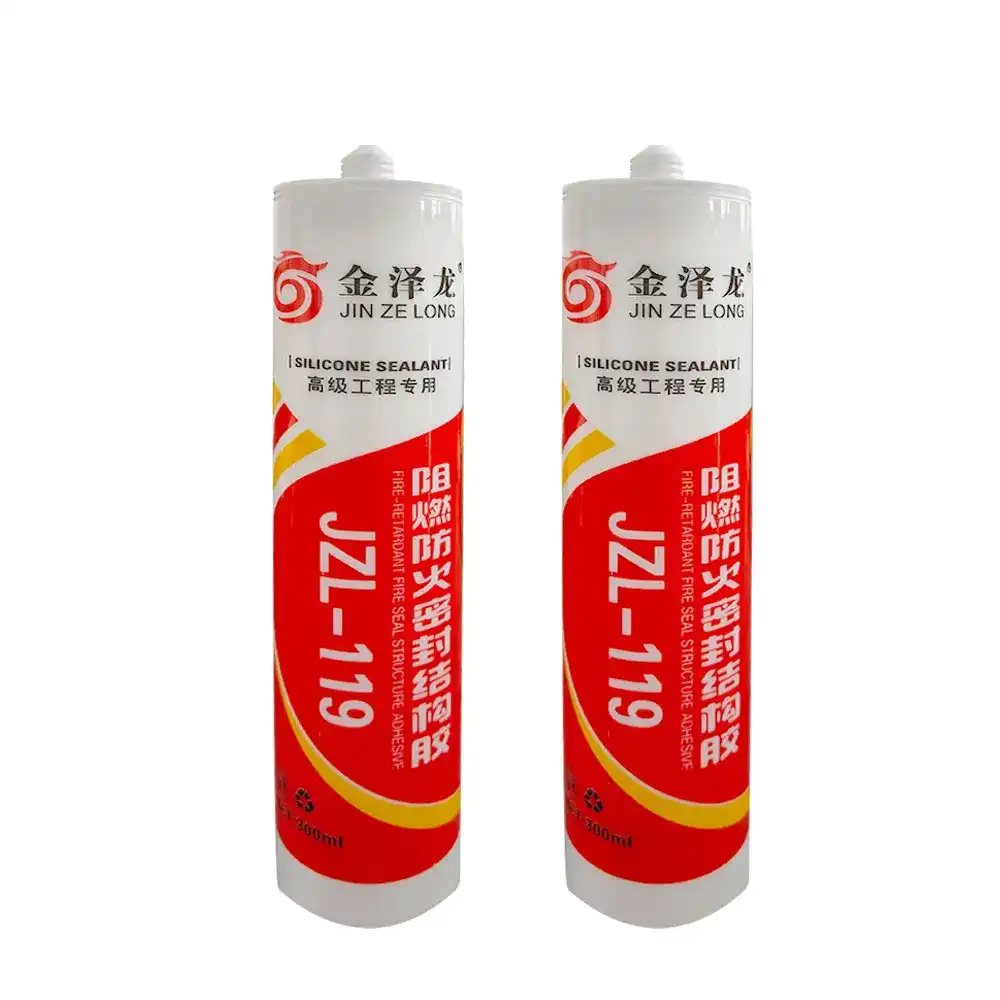
In order to choose the right sealant, you need to know how each one works in real life. Besides fire protection, these two groups are different in a number of other performance areas that affect their long-term dependability and care costs.
Fireproof Silicone Sealant for Construction formulations keep their shape even when the temperature drops below freezing. Our formula stays flexible from -50°F to +150°F when it's working normally, and it can handle short-term exposure to temperatures above 1000°F when there is a fire. Normal sealants work between -40℃ and +120℃, but they break down quickly when they come into contact with flames. The Class 1 W Rating on fire-rated goods also certifies that the product is resistant to water after being exposed to fire. This makes sure that the seal still works after hose stream testing, which is an important requirement that is often missed in the initial procurement specs.
Thermal cycling, wind loads, earthquakes, and structural settling all cause construction joints to move all the time. Both types of products are elastic, but when they are stressed, they behave differently. According to ISO 11600 standards, fire-rated sealants have a Shore A hardness of 20 to 35 and can stretch more than 300%. This means they can handle movement classes of ±25% to ±50%. This makes sure that the fire barrier doesn't break or crack when the building moves normally, which would make it harder to separate areas before a fire even starts. Regular sealants are also flexible, but they can't promise that the fire integrity will stay intact after being stressed over and over again.
Maintaining adhesion to concrete, metal, glass, and gypsum board at the same time within a single joint assembly is important for fire compartmentation to work. Fire-rated silicones are tested for peel strength on each type of material to make sure the bond will last in both normal and fire circumstances. Regular sealants stick well at first, but it hasn't been proven that they will stay stuck when they come in contact with flames. When installing overhead penetration seals around MEP systems, where gravity could cause regular sealants to move before curing, the acidic RTV formulation we make at Jiaobao doesn't flow or sag. This is very important.
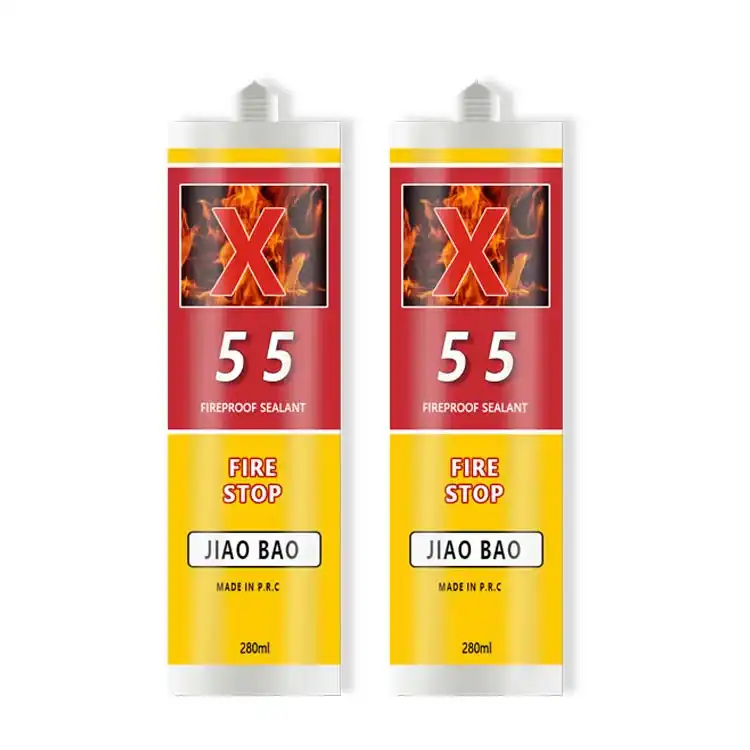
Without the right fitting, even the best sealer won't work. The way something is applied has a direct effect on its fire rating, how long it sticks, and how well the system works overall. Knowing these best practices is what makes the difference between fire compartmentation projects that pass inspection or, even worse, fail during a real fire.
Substrates that are clean and dry must be used. Dust, oil, moisture, or loose concrete particles can make it hard for things to stick together properly, which lets fire and smoke spread. For porous surfaces like concrete, we suggest mechanical cleaning followed by solvent wiping. For non-porous surfaces like aluminium, we only propose solvent cleaning. The joint has to be an exact match for the tested assembly design. The depth-to-width ratios, backer rod specs, and substrate types all have to match the manufacturer's approved system details. Even if the Fireproof Silicone Sealant for Construction passes all technical requirements, the fire rating is null and void if these rules are not followed.
At 25℃ and 50% relative humidity, the surface of our one-part RTV silicone dries in 45 to 60 minutes. However, it takes 3 mm per 24 hours for the whole thing to fully cure from the outside in. Deep joints need enough time to heal before they can be put under operational stresses. Temperature and humidity in the air have a big effect on how fast something cures. Conditions that are too cool or dry slow down the process, and too much wetness can cause acidic formulations to bubble. These factors need to be taken into account in construction schedules, especially for winter installations or coastal projects with a lot of humidity. Regular sealants have similar hardening properties, but they don't have the confirmed performance data under fire conditions that buying teams need for compliance paperwork.
Most of the time, people make the mistake of three-sided binding. When the sealant sticks to the back of the joint as well as the sides, it can't move properly, which causes cohesive failure. Putting in closed-cell brace rod stops this problem and lets you control the joint depth. Tooling too strongly is another major mistake that can cause air bubbles or less contact area with materials. With the right tools, you can make a shape that is slightly curved, which increases surface contact while still letting the part move. Using bases that don't work well together or putting sealer over material that has already failed also lowers performance. When stored properly below 25℃, quality products like ours have a 12-month shelf life that guarantees freshness. However, sealant that has passed its expiration date may not stick well or cure completely.
Fire marshals and building inspectors need full records that show the system being put is the same as an assembly that has been tried and approved. This includes technical data sheets from the maker, proof of conformance for each batch, comments about substrate compatibility, and qualifications for the installer. At Jiaobao, we include detailed technical documentation with every shipment to help with the inspection and start-up phases of your project. This paperwork is especially helpful for the last fire safety checks, because any gaps in proof of compliance can cause the occupancy certificate to be delayed.
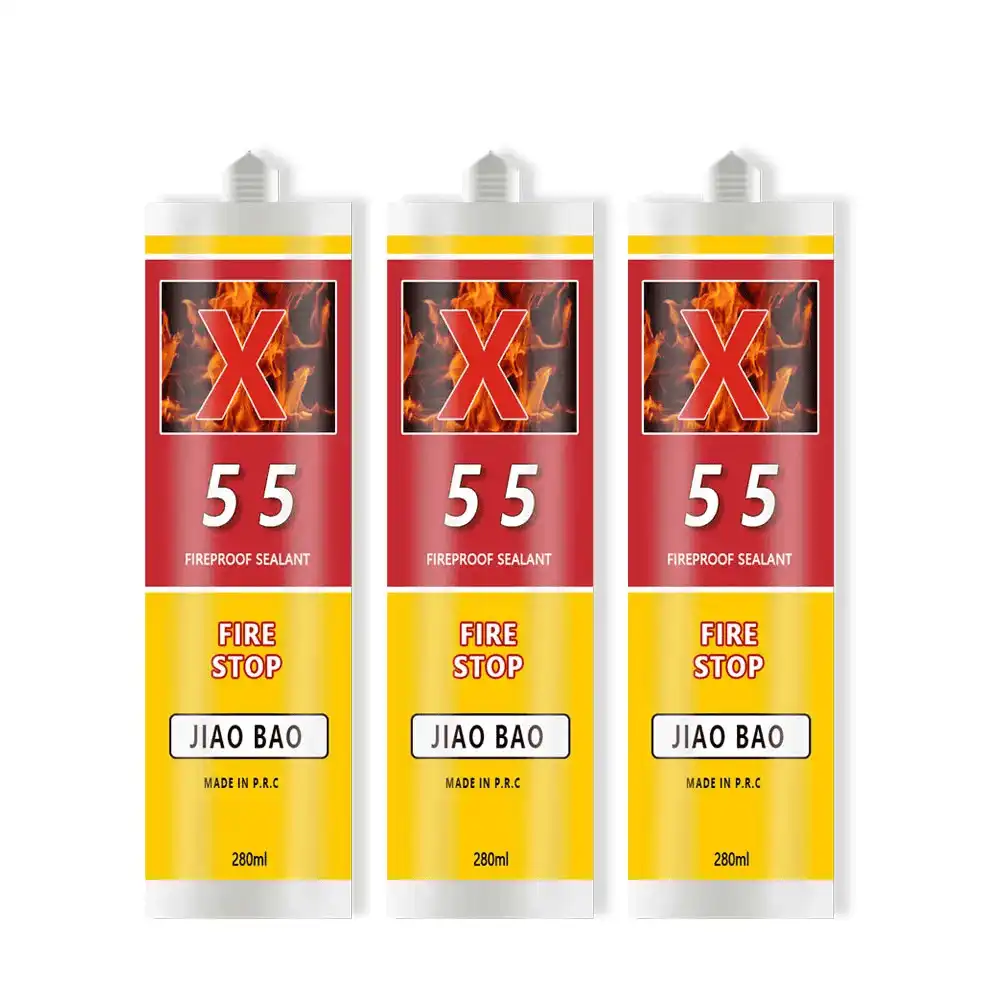
The way you choose should take into account technical needs, legal requirements, and your cash. This framework helps procurement managers make the right choice while keeping the integrity of the project and the safety of the building in the long term.
Building codes are requiring more and more fire-rated assemblies in hospitals, schools, factories and high-rise buildings. By knowing which joints need Fireproof Silicone Sealant for Construction solutions and which need normal weatherproofing products, you can avoid having to do expensive repairs and delays in the job. Certified fire-stopping systems are needed at head-of-wall joints in multi-story buildings, through fire-rated walls, and at control joints in fire barriers. Regular high-performance sealants can usually be used on exterior expansion joints in low-rise buildings that don't need to be divided into compartments. Talking to fire protection engineers during the planning process makes these needs clear before you start ordering materials, making sure you get the right ones in the right amounts.
Fire-rated sealants are usually 150–300% more expensive than regular ones, but this difference in price is only a small part of the total value of the project. When you think about what could happen if the fire checks fail, like extra costs, schedule delays, and possible responsibility, the investment makes sense. Our options for buying in bulk lower unit costs by a lot for projects that need more than one tonne, and our 1-2 week production lead time allows for just-in-time delivery, which means that you don't have to store as much on-site. The shelf life of 12 months is long enough to allow for stepped building plans without waste.
Setting up a good relationship with a source means looking at more than just the original price. When your project needs regular supply of multiple tonnes over long building times, production capacity is important. Jiaobao has been making things for 13 years, so we can guarantee stable quality and a steady supply. We keep our ISO certifications up to date and provide testing documentation for each batch that meets even the strictest procurement requirements. Customisation is possible thanks to our OEM and ODM services, which let us meet regional standards or project-specific colour needs. We offer white, black, grey, or custom tinting in 300ml and 600ml sizes, with cartridge or sausage packing to match your installation tools.
The most successful procurement strategies go beyond just buying things and build long-term partnerships with suppliers. When you work with a maker who knows how to solve technical problems, understand the order of building, and follow inspection rules, you get more than just materials. We teach installation teams how to use the software, help with technical issues during checks, and act quickly when problems arise in the field that were not expected. Our quality guarantee covers any flaws within the shelf life and lets you choose between a refund or a replacement. This keeps your project budget safe from material failures.
As building designs get more complicated and rules about the environment get stricter, the fire protection industry keeps changing. By keeping up with these changes, you can set up your projects for long-term success and regulatory compliance.
More and more, environmental laws are limiting the use of volatile organic compounds in building materials. Modern Fireproof Silicone Sealant for Construction products do their job with lower-VOC chemicals that make the air inside better without sacrificing fire resistance. In many situations, acidic formulations have been replaced by neutral-cure systems because they don't corrode metal surfaces as much and don't smell as bad when they're being used. Bio-based silicone intermediates are starting to show up in study projects, but they are still hard to get in stores. These improvements in sustainability are in response to green building standards like LEED and BREEAM, which credit buildings that have less of an impact on the environment.
Because of recent building failures, testing standards have become tighter. Cycling protocols that pre-stress assemblies before fire testing are now part of modern standards. These protocols better simulate how things age in the real world. Hose stream testing is now required instead of voluntary. This makes sure that parts stay together when firefighting water hits them. These stricter requirements set systems that are really reliable apart from those that just barely meet the bare minimum. Products that go beyond what is currently needed protect you in case codes keep getting stricter.
New technologies are putting sensors inside fire barrier systems to keep an eye on the joints all the time. Even though they are still new, these systems let facility managers know when things are getting worse before they affect fire ratings. Over the next ten years, these kinds of new ideas are likely to become common in high-value and important infrastructure. When manufacturers make their products compatible with these monitoring systems, they set them up for the next generation of building management integration.
There are many more differences between Fireproof Silicone Sealant for Construction and normal silicone seals than just the ability to prevent fire. Products that are approved for fire provide tested heat shields that keep a building safe during its most dangerous times. They are engineered solutions that come with a lot of testing, documentation, and technical support that regular sealants for weatherproofing can't offer. Not only does the premium protect the building, but it also protects the people who live there, the project plan, and your professional image. By knowing these differences, you can choose materials that meet both short-term building needs and long-term safety requirements. This will make sure that every part works as it should when it means the most.
Yes, good silicone sealants that are rated for fire work in both settings. Thermal stability and chemical inertness are two qualities that make Fireproof Silicone Sealant for Construction resistant to fire. They also make something resistant to weather. Our formula can stand up to UV light, rain, freeze-thaw cycles, and temperature changes from -50℃ to +150℃. This means it can be used for both outdoor curtain wall joints and indoor fire barriers. But you should always make sure that the product you're buying has the right certifications for the application and substrate combination you want to use it with.
Ask for proof of testing from a third party that came from a recognised lab. In North America, look for approvals from Intertek or UL. For European projects, you need either an ETA (European Technical Assessment) or an EN standard-based success statement. The seller should give system-specific paperwork that shows the exact way the assembly was put together (substrate types, joint sizes, and fitting instructions) so that the required fire rating could be met. Generic fire testing of sealer doesn't promise that your particular setup will work as needed.
Because the conditions of the substrate directly affect fire performance, surface preparation takes more time than fire-rated installations. Take more time to make sure the backer rods are installed correctly, the depth is controlled accurately, and all the paperwork is finished. But the way it's applied is the same as regular sealer, and the time it takes to fix is also the same—the surface dries in 45 to 60 minutes, and it fully cures at 3 mm every 24 hours. The time that is really spent is on quality control and paperwork, not on installation itself.
Jiaobao offers fire protection systems that are made to work in tough building settings and are of industrial grade. We are a specialised producer with 13 years of experience making Fireproof Silicone Sealant for Construction products that meet foreign standards like EN 1366-4, ASTM E814, and UL 2079. In our one-part acidic RTV mixture, 99.5% of the material is non-volatile, it has Class 1 W water resistance, and it cures reliably in 3mm/24h at temperatures ranging from -50°F to +150°F. We support buying in bulk and offer reasonable prices, production wait times of one to two weeks, and OEM/ODM customisation in a range of colours and packaging types.
There is full technical documentation, batch-specific certificates of conformance, and quality guarantees for the whole 12-month shelf life in every shipment. Get in touch with our technical team at dorashen@cnjiaobao.com to talk about the details of your project, ask for samples of our products, or find out how our services as a fireproof silicone sealant supplier can make your buying process easier while still meeting all fire safety requirements.
1. Smith, J.R., and Thompson, L.K. (2021). Fire Resistance of Silicone-Based Joint Sealants in Building Construction. Journal of Fire Protection Engineering, Volume 31, Issue 2, pp. 145-168.
2. National Fire Protection Association. (2022). NFPA 5000: Building Construction and Safety Code. Quincy, Massachusetts: NFPA Publications.
3. Wong, M.B. (2020). Passive Fire Protection in Buildings: A Practical Guide. Second Edition. London: Thomas Telford Publishing.
4. International Code Council. (2021). International Building Code: Chapter 7 - Fire and Smoke Protection Features. Washington, DC: ICC Publications.
5. Anderson, P.H., and Chen, Y. (2023). Performance Evaluation of Fire-Rated Sealants Under Cyclic Movement and Thermal Exposure. Fire Technology, Volume 59, pp. 892-917.
6. European Committee for Standardization. (2022). EN 1366-4: Fire Resistance Tests for Service Installations - Part 4: Linear Joint Seals. Brussels: CEN Publications.
November 16,2023
Enterprise Name
The sealant has very strong adhesion and performs well even on glass and aluminum. After curing, it remains flexible and shows no cracking. Perfect for our facade projects.
November 16,2023
Enterprise Name
Stable quality across batches. Our customers especially like the smooth application and consistent extrusion. It helps reduce installation time on site.
November 16,2023
Enterprise Name
I used it for bathroom sealing. Excellent waterproof performance and no mold issues so far. It's been holding up very well in humid conditions.
November 16,2023
Enterprise Name
The neutral silicone works well on sensitive materials without corrosion. Very suitable for industrial applications requiring stable performance.
_1779347426672.webp)