November 16,2023
Enterprise Name
The sealant has very strong adhesion and performs well even on glass and aluminum. After curing, it remains flexible and shows no cracking. Perfect for our facade projects.
Jul 30, 2026
When your facade engineering project demands reliable, long-lasting protection, choosing the right sealant becomes critical to structural integrity and aesthetics. Low modulus silicone sealants have emerged as the preferred solution for modern curtain wall systems, metal cladding, and glass facades due to their exceptional flexibility and weather resistance. NP Weatherproof Silicone Sealant for Facade, manufactured by Shandong Jiaobao New Material Co., Ltd., delivers enterprise-grade performance with its one-part neutral cure formulation. This advanced sealant offers 25% movement capability, maintains flexibility from -50℃ to +150℃, and cures in just 7–14 days, making it ideal for demanding commercial and residential exterior applications where thermal expansion and environmental stress test material limits daily.
What makes low modulus sealants different from high modulus sealants is how they react to structural movement. "Modulus" refers to the force needed to stretch the sealant. Lower modulus products put less stress on bound surfaces during rounds of expansion and contraction, which lowers the risk of adhesion failure or damage to the substrate.
Modern building facades are always moving because of changes in temperature, wind loads, and structural settlement. This changing behaviour can be handled by a low modulus product because it has a stretchy polymer network. When our neutral cure chemistry cures, it gives off byproducts that aren't harmful to metal or glass. This is different from acetoxy silicones, which give off acetic acid and can damage metal substrates or glass coatings. Because they are chemically harmless, neutral cure sealants can be used with aluminium frames, stainless steel bolts, coated glass, and natural stone, all of which are popular materials in modern exterior systems.
This item has a Shore A 30 hardness grade, which is the best mix between durability and flexibility. When put under stress, sealants that aren't as strong can tear, while sealants that are harder can crack when joints move. This particular hardness level makes sure that the sealant stays flexible enough to bend but firm enough to keep its shape when used vertically without sagging.
A lot of professionals get these terms mixed up, but the difference is important for accurate specification. Waterproof goods make a barrier that can't be broken by liquid water, but they may not work when exposed to UV light or high temperatures. UV radiation, ozone, thermal shock, moisture, and pollutants are just some of the things that our weatherproof sealant can't stand up to. Because they offer such complete security, weatherproof silicones are highly valued in wall engineering standards that must ensure long-term performance.
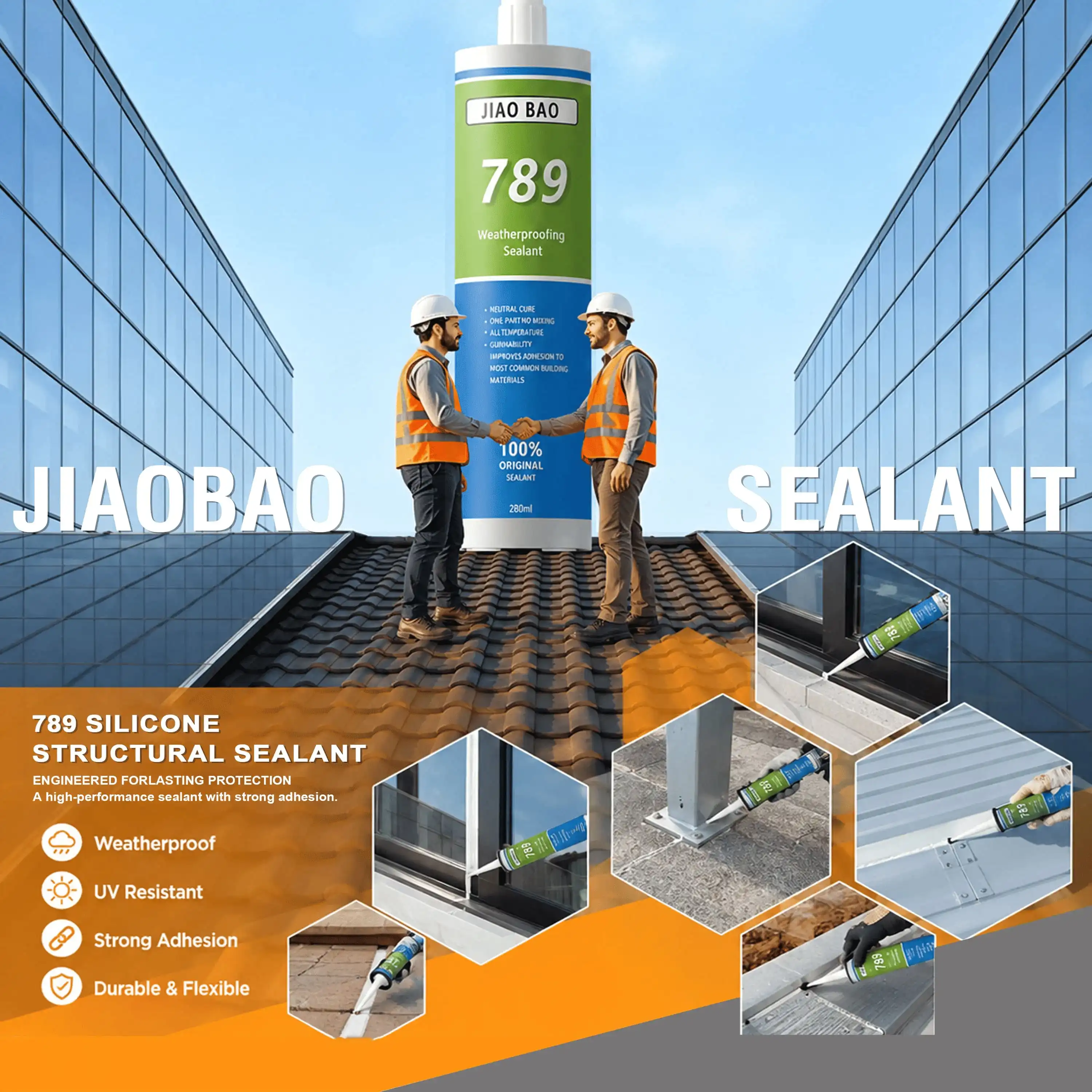
Choosing the right lubricant has a direct effect on how long a job takes, how much it costs to maintain, and how long the building lasts. When procurement managers and technical experts have to choose materials for high-performance building envelopes, our recipe solves the problems they're having.
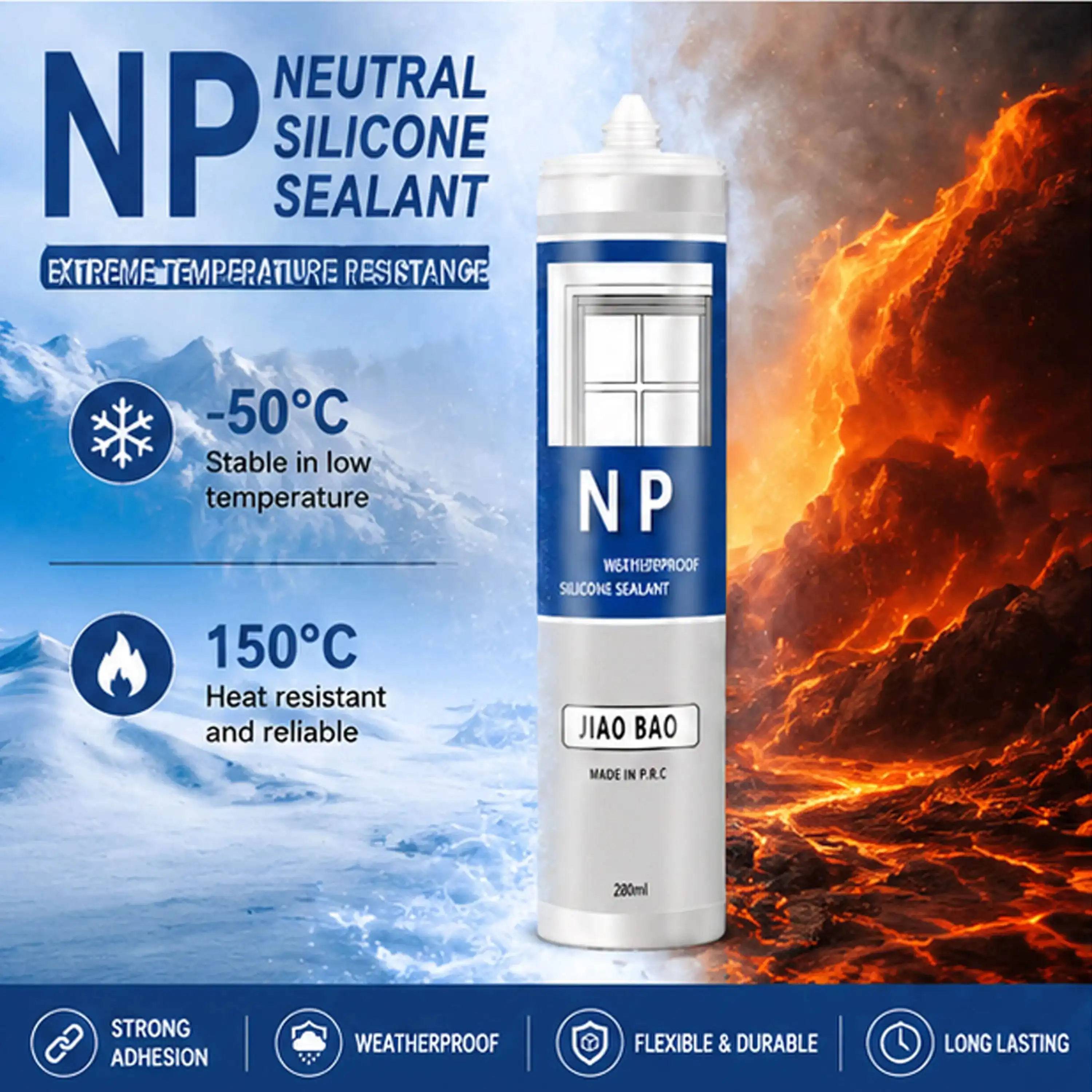
The United States has huge temperature differences between facades. In the Northeast, winters are below zero, and in the Southwest, it's very hot. NP Weatherproof Silicone Sealant for Facade works the same from -50°F to +150°F; it doesn't thicken, soften, or lose its stickiness. Because it has a wide operational range, you can specify NP Weatherproof Silicone Sealant for Facade for multiple climate zones. This makes it easier to keep track of inventory and buy things for national contractors or distributors who serve a variety of regional markets with NP Weatherproof Silicone Sealant for Facade.
This product meets strict environmental rules, such as LEED requirements and state-specific air quality standards, because it has a VOC content below 80 g/L. Less volatile organic compound emissions make it safer for workers to do their jobs and improve the air quality inside places that people live and work in. This concern for the environment is shared by architects and developers who want to get green building certifications while also protecting the health of workers during the application process.
Staining the outside of a building is an expensive upkeep problem that can happen with porous stone or light-colored siding. Our formula passed the ASTM C 1248 pollution test, which means it won't leak plasticisers or oils onto nearby surfaces. This feature of zero pollution keeps the showroom-perfect look of marble, limestone, and white aluminium panels, which easily lose their colour when poor lubricants are used.
The 0.7 MPa tensile strength and 25% movement capability give parts that go through a lot of heat expansion the mechanical performance they need. Large panels of glass curtain walls can move several millimetres, so they need to be strong and flexible at the same time to keep their weathertight seals during seasonal temperature changes without tearing or pulling away from substrates.
When application instructions aren't followed, even the best sealants don't work. The right way to place your wall joints will directly affect whether they last for decades or need expensive repairs within a few years.
For bonding to work, the surfaces must be clean and dry. The two-cloth method of cleaning is still the standard: wipe surfaces with a cloth wet with solvent to remove dirt and grime, and then wipe them again right away with a dry cloth before the solvents disappear. Most surfaces can be cleaned with isopropyl alcohol, but surfaces that are very dirty might need a stronger cleaner like methyl ethyl ketone. Before applying sealant, make sure that the substrates are completely dry. Moisture on bonding surfaces can stop the cure and make the seal less strong.
Installing backing rods limits the depth of the joint and stops three-sided adhesion, which stops the glue from moving and leads to early failure. To make sure the tension fit is right, choose a closed-cell polyethylene backing bar that is 25% wider than the joint width. The hourglass-shaped joint profile that forms puts stress on the bond lines instead of the sealant body, which makes it easier to move.
Under normal conditions (25℃, 50% relative humidity), this sealant skins over in about 30 minutes. This makes it easy to tool and finish quickly. About 2 to 3 mm of depth are added every 24 hours, which means that a normal 12 mm joint will be fully cured in 7 to 14 days, based on the temperature and humidity. When planning a project, keep in mind that cold weather slows curing and higher humidity speeds it up. This way, you can avoid walking on joints that haven't fully cured.
When you put sealer on wet surfaces, the surfaces will bubble and lose their stickiness. If the joint depth is less than 6 mm, the glue won't work right during movement cycles. Overfilling joints loses material and causes bulging that makes the surface look bad. Underfilled joints, on the other hand, leave the backing rod exposed and weaken weatherproofing. Tool joints right away after application to make sure they make good contact with the sides of the base and form the concave shape that drains water well.
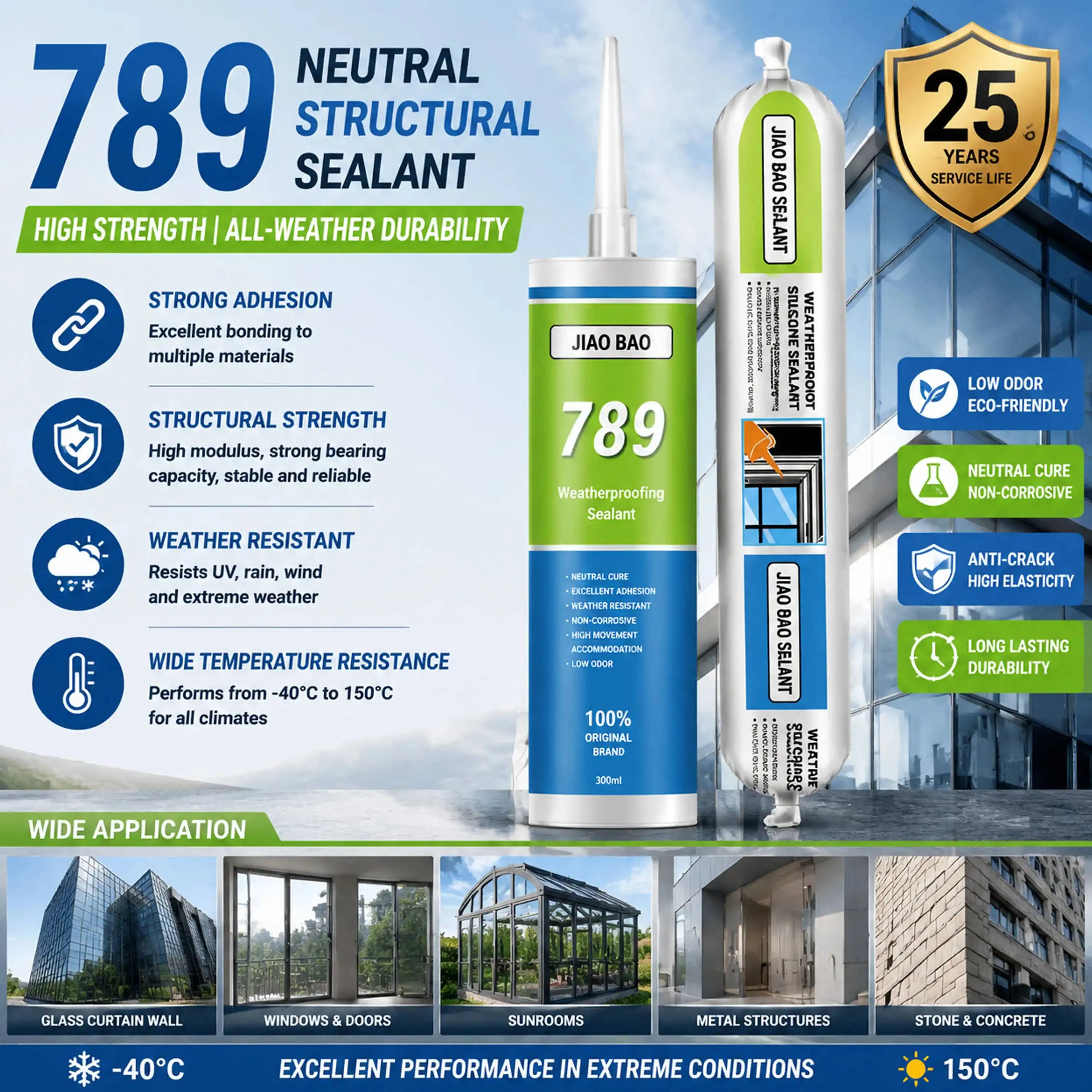
There are many choices when it comes to wall sealants, but the differences in how well they work can only be seen after long-term use and thorough testing. Knowing these differences helps buying pros make smart choices that balance the cost at the start with the value over the product's entire life.
Standard construction-grade silicones may be cheaper at first, but they don't always have the flexibility and UV stability needed for demanding wall uses like those requiring NP Weatherproof Silicone Sealant for Facade. Generic goods often show modulus creep, which is when they get stiffer over time and lose their flexibility, which can cause cohesive tears. NP Weatherproof Silicone Sealant for Facade keeps the same modulus over the course of its useful life. This was proven by accelerated ageing protocols that mimic decades of exposure in a short amount of time for NP Weatherproof Silicone Sealant for Facade.
Acrylic and polyurethane seals for less money, but they can't handle the temperature range or UV protection of silicone. Long-term UV radiation makes acrylics thicken and crack, while it makes polyurethanes yellow and break down, especially in sunny places. Because of these problems with the material, silicone is the most popular choice for high-performance facades, even though it costs more.
ISO and CE certifications show that the ways things are made meet international quality standards. This gives projects that need proof of compliance peace of mind. When taking on government contracts or projects with strict quality standards, these licenses become necessary. Third-party testing according to ASTM C 679 confirms zero slump behaviour, which means that when applied to vertical joints, the sealant doesn't sag and make the surface look uneven.
The production lead time at Jiaobao is between one and two weeks, which allows for just-in-time shipping to meet tight building plans. Our operations are flexible enough to handle both ocean freight for big orders and fast land shipping for urgent needs. This responsiveness in the supply chain lowers the cost for sellers to keep goods on hand and makes sure that materials get to job sites when they're needed, avoiding the expensive delays that happen when important materials are backordered.
For sealant selection to go well, the product's features must be matched to the project's conditions, the substrates that will be used, and the performance goals. A methodical review process helps make sure that the best results happen.
For projects near the coast, better protection to salt spray and water is needed. Our neutral cure chemistry meets this need without the rust risks of acetoxy systems. To keep things from breaking down too quickly, desert sites need to be as resistant to UV light and heat as possible. Low-temperature flexibility is needed in northern climates so that things stay flexible when it's freezing outside. The temperature range of this sealant is -50°C to +150°C, which covers all of these situations. This means that it can be shipped all over the country without any regional differences.
Different types of surfaces, like glass, aluminium, steel, concrete, stone, and composite panels, have different surface energies that affect how well NP Weatherproof Silicone Sealant for Facade sticks together. Our recipe for NP Weatherproof Silicone Sealant for Facade sticks to porous and non-porous surfaces without starters in most cases. This makes installation easier and lowers the cost of labour with NP Weatherproof Silicone Sealant for Facade. When specifying for unusual substrates or important structural joints, make sure compatibility by asking for adhesion testing before full-scale deployment of NP Weatherproof Silicone Sealant for Facade.
This sealant can be made in white, black, grey, or any other colour you want. It can also be matched to facade finishes to make the whole look look good. Custom colour options are especially useful for architecturally important projects where being able to see the sealant would take away from the design intent. Once you set up a custom colour formula, Jiaobao keeps it in our system so that future orders can be matched exactly. This is very important for projects that are being done in stages or for building complexes where multiple structures need to look the same.
The 300ml cartridge is better for small jobs and touch-ups, while the 600ml sausages are more economical for large-scale facade installs. Putting sausages in packaging cuts down on trash and lets you use pneumatic bulk dispensing guns, which speed up the installation process on big curtain wall projects. When choosing a packaging format, think about the size of your project and the tools you have access to. This will help you save money and time during installation.
Low modulus silicone sealants are the gold standard for modern facade engineering. They give building surfaces the flexibility, resilience, and weather protection they need. NP Weatherproof Silicone Sealant for Facade uses neutral fix chemistry that has been shown to work and high-quality production to protect your investment for decades of exposure to the weather. It can move 25% of the way, can handle high temperatures, and doesn't pollute. These features make it perfect for curtain walls, metal cladding, and glass displays. This product meets the needs of contractors, distributors, and procurement professionals all over the United States. It has a wide range of certifications, flexible supply chains, and the ability to be customised.
Under normal conditions, surface skinning takes about 30 minutes. This lets you tool and finish without upsetting the joint. At a depth of 2 to 3 mm every 24 hours, full cure happens, so most 12 mm joints are fully cured in 7 to 14 days. Temperature and humidity both affect how fast something cures. Cold weather makes it take longer to cure, while higher humidity speeds it up. To keep joints from getting damaged, make sure that they don't get any traffic or weight during the curing period.
The neutral cure chemistry of this sealant means that it can be used on sensitive surfaces like painted steel, anodised aluminium, coated glass, and others that acetoxy silicones can damage or corrode. Because the leftovers of the cure are non-corrosive, they won't damage low-E coatings or metal finishes. This means that current high-performance glass systems and ornamental metal panels are safe to use.
VOC levels below 80 g/L are legal in the U.S. and help meet LEED certification requirements. ISO and CE approvals prove that a product meets quality standards. The product passes the ASTM C 1248 pollution test, which means it won't stain nearby wall materials. This is important to know for projects that use natural stone or light-colored siding, since the discolouration will show.
Shandong Jiaobao New Material Co., Ltd. has been making specialised materials for more than 13 years and can help you with your facade sealing problems. As a reliable provider of NP Weatherproof Silicone Sealant for Facade, we offer quick service and quality assurance to curtain wall companies, general contractors, building material distributors and OEM partners all over the United States. Standard orders can be delivered in one to two weeks thanks to our production capacity, and our OEM/ODM skills allow channel partners to make their own formulas and use their own labels. You can email our team at dorashen@cnjiaobao.com to get technical specs, sample tests, or bulk pricing for jobs you have coming up. You can be sure that every cartridge you buy from us is of high quality because we offer full after-sales support, including refunds or replacements for any quality problems that happen within the shelf life.
1. Smith, J.M. & Anderson, R.K. (2021). Performance Characteristics of Neutral Cure Silicone Sealants in Building Envelope Applications. Journal of Construction Materials Engineering, Volume 15, Issue 3.
2. Williams, D.T. (2020). Facade Engineering: Material Selection for Weather-Resistant Building Envelopes. Architectural Press International.
3. Chen, L. & Morrison, P. (2022). Comparative Analysis of Low Modulus vs High Modulus Sealants in Curtain Wall Systems. Building Science Review, Volume 28.
4. Thompson, R.A. (2019). Weatherproofing Modern Facades: Technical Guide to Sealant Selection and Application. Construction Technology Publications.
5. Martinez, S. & Kumar, V. (2023). Thermal Movement Accommodation in Large-Scale Glass Facades. International Journal of Building Performance, Volume 41, Issue 2.
6. Anderson, K.L. (2021). Silicone Sealant Chemistry and Its Impact on Substrate Compatibility in Commercial Construction. Materials Engineering Quarterly, Volume 33.
November 16,2023
Enterprise Name
The sealant has very strong adhesion and performs well even on glass and aluminum. After curing, it remains flexible and shows no cracking. Perfect for our facade projects.
November 16,2023
Enterprise Name
Stable quality across batches. Our customers especially like the smooth application and consistent extrusion. It helps reduce installation time on site.
November 16,2023
Enterprise Name
I used it for bathroom sealing. Excellent waterproof performance and no mold issues so far. It's been holding up very well in humid conditions.
November 16,2023
Enterprise Name
The neutral silicone works well on sensitive materials without corrosion. Very suitable for industrial applications requiring stable performance.
_1779347426672.webp)