November 16,2023
Enterprise Name
The sealant has very strong adhesion and performs well even on glass and aluminum. After curing, it remains flexible and shows no cracking. Perfect for our facade projects.
Jul 27, 2026
Yes, silicone sealant does stop water leaks when used correctly. A Neutral Weatherproof Silicone Sealant makes a barrier that is flexible, waterproof, and sticks to many surfaces, such as glass, aluminium, concrete, and stone. Its neutral hardening system is different from other sealants because it stops metal surfaces from rusting and keeps their flexibility at temperatures ranging from -50°F to +150°F. This gives the seal some flexibility so it can move with the building without letting water in. Neutral Weatherproof Silicone Sealants can protect doors, windows, curtain walls, and external joints for a long time if the surface is properly prepared and the sealants are applied correctly.
Infiltration of water does a lot of damage to building materials, requiring expensive fixes and stopping operations. For project managers and sourcing specialists who need long-term dependability, choosing the right waterproofing option is very important.
Silicone sealants stop water from getting in by creating a constant elastomeric shield. Silicone polymers have hydrophobic properties because of the way their molecules are structured. This means that water beads up and rolls off instead of soaking through. When these sealants dry, they stay flexible but stick firmly to surfaces, making a seal that can stand up to wind-driven rain and standing water.
There are benefits to the neutral curing method over acid-curing options. Instead of acetic acid, neutral formulas release byproducts that are not acidic, such as alcohols or oximes, when they cure. This chemistry keeps fragile things like natural stone, coated glass, and galvanised steel from breaking down. When UV light, ozone, and changes in temperature hit the cured sealant, they don't break down like they would with lesser materials.
Environmental factors are always putting stress on building envelopes. Curtain wall systems have gaps where water can get in because the glass panels and aluminium frames move in different ways. Another weak spot is around the edges of windows, especially where frames meet rough holes in concrete or stone. Different materials expand and contract at different rates when they are heated and cooled. This can break rigid seals but not properly chosen flexible sealants.
Strong sealing is needed for roof penetrations for HVAC equipment, skylight installs, and parapet walls. Stone wall joints are hard to seal properly because porous materials like granite or limestone can stain if water gets into them and spreads dirt and grime. In business buildings with a lot of foot traffic, door steps need sealants that stay waterproof even after being compressed and stretched many times.
Our one-component RTV (Room Temperature Vulcanising) silicone caulk is made to meet high standards for efficiency. The paste-like formula comes in 300ml or 600ml bottles that are ready to use and are conveniently packed in cartridges or sausages. The product fits well with a wide range of building styles and comes in white, black, grey, or unique colours.
Lab tests show that the sealant stays at a Shore A hardness of 30 after it has fully cured, which is the perfect level of stiffness and flexibility. Tensile strength is up to 0.7 MPa, which means the seal can withstand pulling forces without tearing. Joints can move 25% of the way, so they can expand and contract without breaking the waterproof barrier. The VOC level stays below 80 g/L, which is required by environmental laws and protects the health of workers while the paint is being applied.
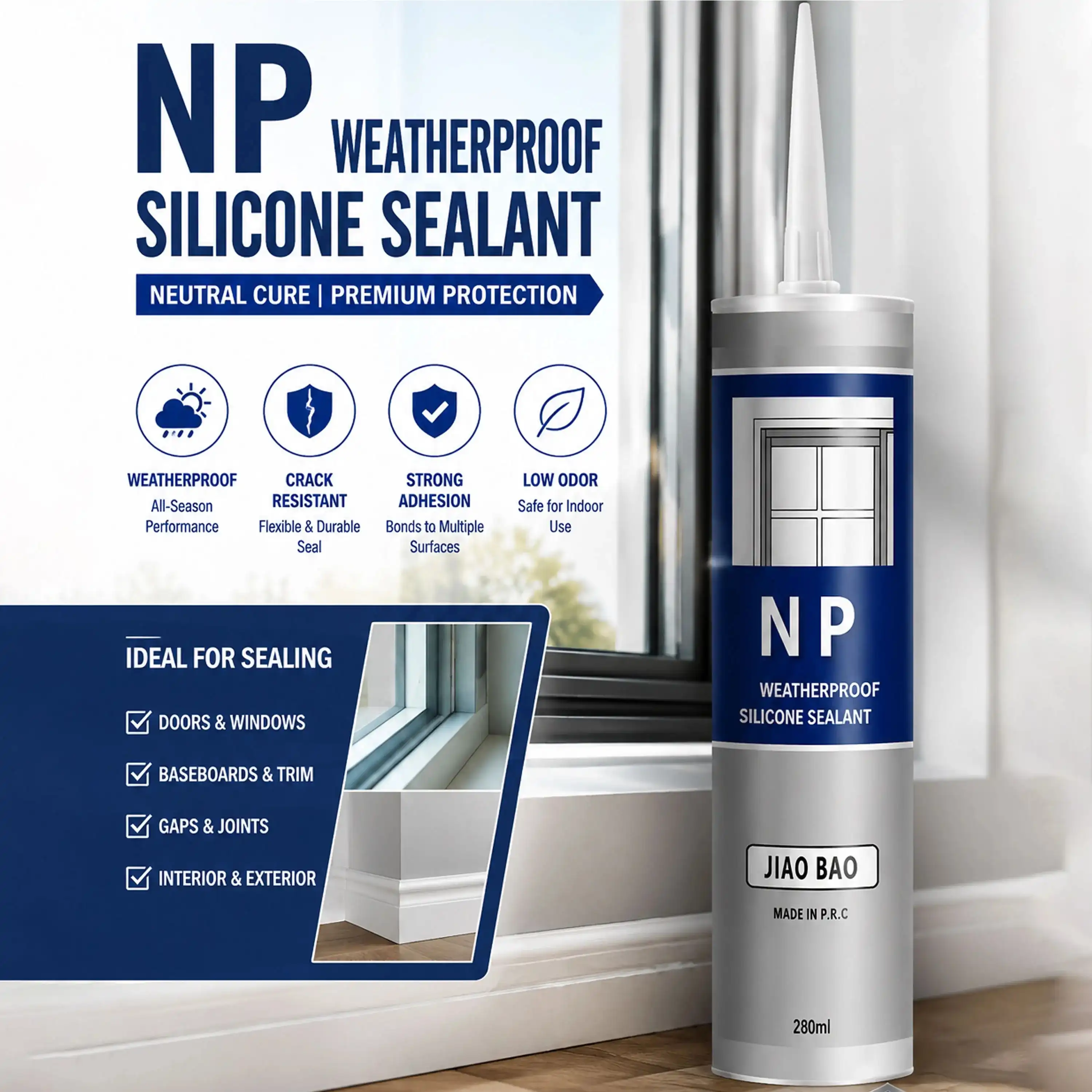
When making a purchase choice, it's important to compare how well different glue chemicals work. Depending on the needs of the application and the compatibility of the substrate, each type has its own benefits.
Acid-cure silicones dry faster than neutral ones, which makes them appealing for projects that need to be finished quickly. But the acetic acid that is released when the paint dries eats away at metals and scratches coated glass, which costs a lot to fix. Polyurethane seals stick to concrete very well, but they turn yellow when exposed to UV light and smell stronger when they're being used. Acrylic latex sealants are cheaper at first, but they don't last as long or be as flexible as you need for parts outside that are subject to harsh weather.
These holes are filled by Neutral Weatherproof Silicone Sealants. They routinely cure in normal job site settings with normal levels of moisture, and you don't need to mix them or use any special tools. The non-corrosive formula is safe for all common building materials and won't damage or stain them. Because it is highly resistant to weather, the seal stays in place for decades without needing to be replaced often. Temperature steadiness from -50°F to +150°F means that the system will work the same way whether it is placed in Alaska or Arizona.
Health of occupants and environmental responsibility are given top priority in modern construction. Low VOC emissions from Neutral Weatherproof Silicone Sealants make the air inside better while they are being used and afterward. Workers like that it doesn't smell as bad as polyurethanes or acid-cure alternatives. Because the plasticisers are chemically stable, they don't leach into water systems and hurt aquatic life.
For big projects, following the rules is important. Our goods meet the flow and sagging standards set by ASTM C 679. This makes sure that the shapes of vertical joints stay the same. According to GB 13477 testing, the top dries in 30 minutes and the whole thing cures in 7–14 days under normal conditions. Pollution resistance tests according to ASTM C 1248 shows that the sealer doesn't stain with oil and keeps its look over time. These licenses give buying teams the proof they need to make sure they're following the specs.
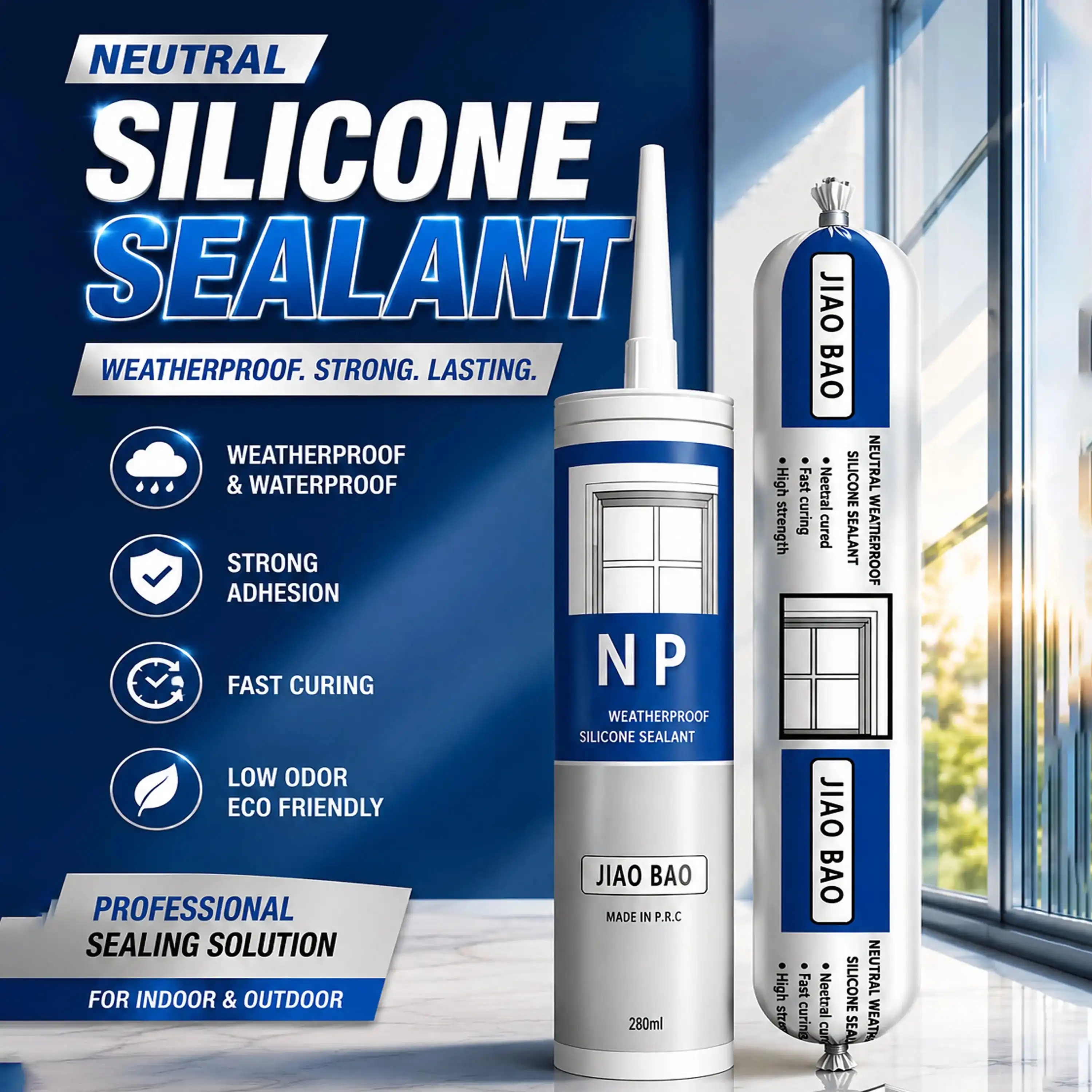
When used wrong, even the best seals don't work. The right technique guarantees top performance and gets rid of callbacks, which hurt supplier relationships and project profits.
For bonding to work, surfaces must be clean and dry. Use the right chemicals to get rid of dust, dirt, oils, and old sealant leftovers. The two-cloth method is best for cleaning important things like curtain walls. Wipe the face of the joint with a cloth that has been dampened with solvent. Then, use a second clean cloth right away to wipe it off before the solvent evaporates. This process takes away contaminants without putting them back in.
Preparing different materials in different ways is needed. Concrete and other porous materials may need to be primed to keep sealant from being absorbed too much and to make sure the joints are the right depth. If you clean non-porous surfaces like glass and aluminium well, they usually stick together well without primers. Before starting a full-scale application, test the binding on representative samples. This is especially important when working with surfaces that have been covered or treated.
In a normal caulking gun, put the cartridge or sausage in the gun. To get the right bead size, cut the tip at a 45-degree angle. Keep the pressure on the joint steady while moving the gun smoothly along the joint. For the best results, depth-to-width ratios should be between 1:2 and 1:1 when designing joints. Put in backer rod to control the depth of the joint and create a surface that breaks bonds and stops three-sided adhesion.
Tool the bead right away after putting it on to make sure it makes good contact with the joint faces and make the profile you want. The best way to get rid of water is with concave profiles. Do not use too many tools, as this can weaken the seal or let air holes form. Under normal conditions, the sealant skins over in about 30 minutes, so finish tooling quickly. To vulcanise, moisture-cure silicones need wetness in the air.
When things are normal, Neutral Weatherproof Silicone Sealant hardens about 3 mm per 24 hours from the outside to the inside. Extreme temperatures or low humidity make curing take longer, while high humidity speeds it up. During the first few days that the sealant is curing, keep it away from water. Heavy rain before the surface cures can wash away material that hasn't fully healed, but light rain after the skin forms usually doesn't cause any problems. Wait 7–14 days for the joints to fully heal before putting them through a lot of stress or movement. This schedule makes sure that the sealer develops all of its mechanical qualities, such as its ability to stretch and move. When it's cold outside, projects need more time to fix, but when it's warm and humid outside, scheduling may go faster.
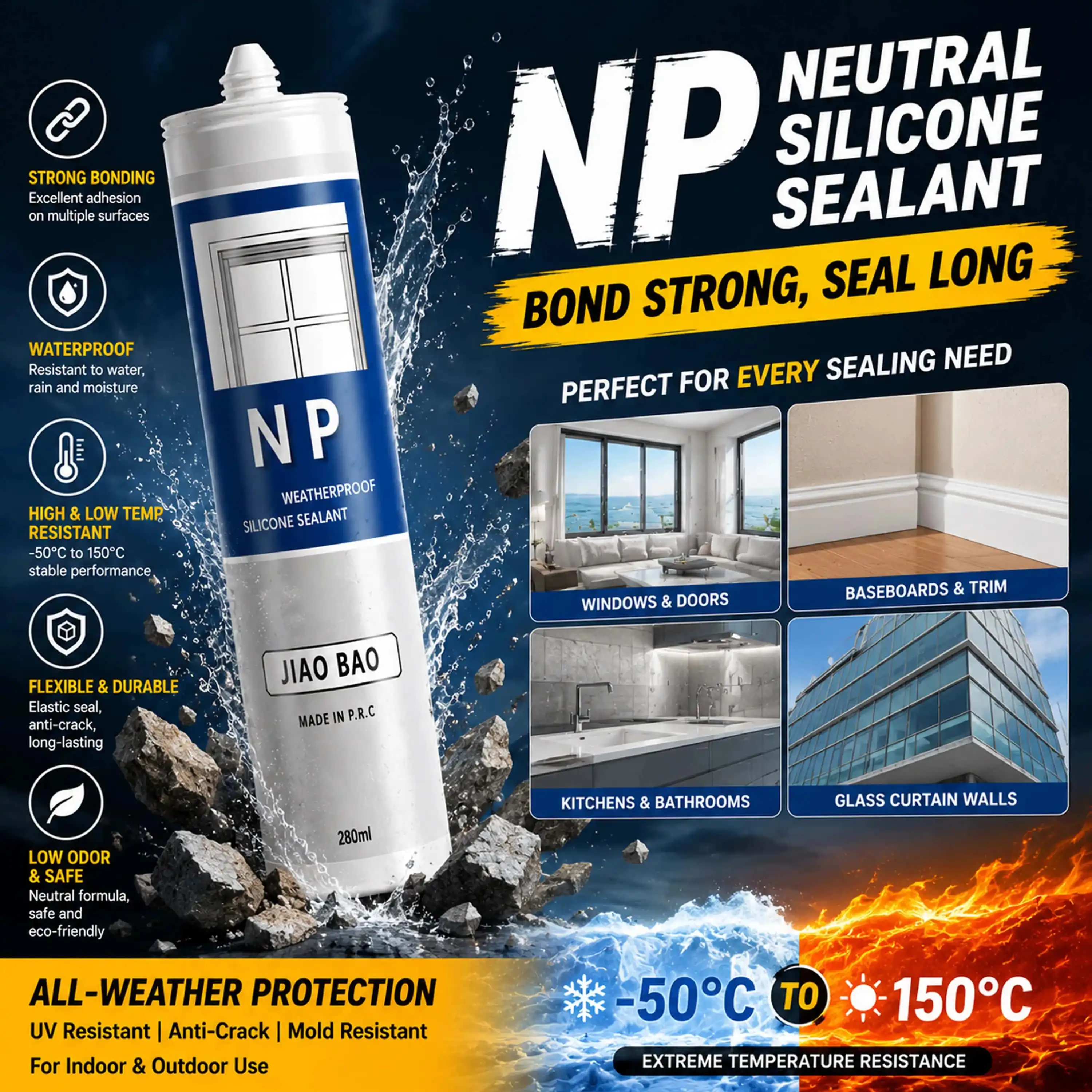
Decisions about strategic sourcing affect the success of a project, the ability to keep costs low, and the need for long-term maintenance. Professionals in procurement can make better decisions when they know the key selection factors and what suppliers can do.
Different industries have very different volume needs. Curtain wall workers who work on business buildings need to be able to get enough pallets and make sure that all of the colours are the same from batch to batch. Fabricators of doors and windows need medium-sized orders with adjustable arrival times that are tied to production runs. Manufacturers of HVAC systems put a lot of weight on technical performance specs like chemical resistance and temperature stability.
Quality guarantee is provided by certification documents. Getting ISO certification shows that you manage quality in a systematic way. ASTM compliance shows that a product meets well-known performance standards. For export purposes, you may need extra certifications like European EN standards or approvals from local regulators. A 12-month shelf life gives you enough inventory flexibility without making you use things quickly, which wastes them.
Established manufacturers have a lot of benefits. Since 2013, Shandong Jiaobao New Material Co., Ltd. has been making coloured silicone seals and has become very good at formulating and making them. With more than 13 years of experience making things, the processes are well-honed, and the quality control systems are solid, so there is less difference between batches.
Lead times for production affect how projects are scheduled. Contractors can meet tight goals without having to keep too much product on hand when they can respond quickly and turn orders around in one to two weeks. Different levels of urgency and budgets can be met by a variety of flexible logistics choices, such as sea freight and road transportation. Samples are available so that technical teams can check the performance before placing an order for mass production.
Brand differentiation is helped by the ability to customise. Distributors can offer private-label goods that are tailored to the tastes of people in different areas thanks to OEM and ODM production. Colour matching to RAL charts or custom formulations for specific performance needs show that the supplier is flexible. These services don't just make transactions, they build long-term ties.
Real-world examples show how Neutral Weatherproof Silicone Sealants can be used to solve real waterproofing problems in a wide range of industries. These examples give people trust in their choices about procurement.
A 40-story office building in a city on the coast needed a large glass curtain wall system to be sealed. Extreme weather resistance was needed because of high wind loads and exposure to salt air. The project requirements said that the frame and glass panels had to be able to move to account for thermal expansion. Neutral Weatherproof Silicone Sealant did everything that was asked of it. The formula didn't corrode, so the aluminium mullions and special glass coatings didn't break down. Matching the colour to the frame finish made clean sight lines that met the architect's design goals. The seals have been through five years of hurricanes and daily changes in temperature, but they haven't cracked, discoloured, or let water in. Lower maintenance costs proved that the first choice of materials was the right one.
A company that makes HVAC equipment had to seal outdoor unit housings so that water and dust couldn't get in. For this job, it had to be able to handle different temperatures, from cold winters to hot summers, and work with both painted steel and plastic parts. The paste-like recipe made it easy to use on the production line. Quick skin-over time kept production going and made sure that units were properly cured before they were sent to customers. Chemical stability kept the sealer from damaging plastic grommets or making it impossible for paint to stick. When warranties for water damage switched from plastic options to Neutral Weatherproof Silicone Sealant technology, a lot fewer claims were made.
A company that sells building materials provided sealants for a large-scale program to replace windows in several apartment buildings. To stay within budget, the project needed consistent colour matching, effective performance in a range of weather conditions during installation, and prices that were fair. Buying in bulk and having custom colour formulations made it cheaper while still meeting the requirements. Window installers liked the 300ml cartridges because they were easy to use with hand tools. The 12-month shelf life worked with the project's multiple stages and kept materials from going to waste because they expired. The distributor's reputation for quality products was built on installers' positive comments about how well the products worked and the lack of callbacks for leaks.
For preventing water leaks in difficult situations, Neutral Weatherproof Silicone Sealants offer dependable, long-lasting options. Professionals in construction, manufacturing, and building materials choose them because they stick well, are flexible, don't get damaged by weather, and work well with other materials. The best performance is guaranteed by properly preparing the surface and applying the product. Choosing suppliers with a track record of quality production, quality certifications, and quick customer service saves project schedules and budgets while providing better waterproofing results that last.
A: Is it possible to use Neutral Weatherproof Silicone Sealant on natural stone without colouring it? Yes, Neutral Weatherproof Silicone Sealant formulations are made to keep porous surfaces like granite, marble, and limestone from getting stained. The non-corrosive byproducts that are released during curing do not react with minerals in stone or cause migration spots like acid-cure forms can.
A: How long does Neutral Weatherproof Silicone Sealants stay waterproof after it's been used? When used correctly, Neutral Weatherproof Silicone Sealants stay waterproof for 20 years or more in outdoor settings. Other materials break down when they are exposed to UV light, ozone, and changes in temperature. But silicone polymer doesn't. Service life depends on how the joint is made, how much the substrate moves, and how much exposure there is.
A: What is the difference between silicone sealants that come in one part and those that come in two parts? RTV silicones that are one-part cure in air-conditioned rooms and are ready to use right out of the cartridge. Before applying, you have to mix the base and catalyst in two-part systems, but they cure faster and deeper. One-part products are easier to use and work better than two-part products for most building closing jobs.
A: Will changes in temperature affect how well it cures or how well it works? Curing takes longer in cold weather and shorter time in hot weather, but a fully hardened sealant works the same in both temperatures (-50℃ to +150℃). Do not apply when the substrate temperature is below 4°C or above 40°C. Once the elastomeric properties are set, they don't change when the temperature changes with the seasons. They don't become brittle or soft.
To solve problems with water getting in, you need more than just sealant. You need a reliable manufacturing partner who knows exactly what you need. Jiaobao sells high-quality Neutral Weatherproof Silicone Sealant for use in manufacturing, distribution, and construction. You can count on its performance. Our ISO-certified production facility combines 13 years of specialised experience with formulations that can be made in white, black, grey, or any other colour you want.
Our quick production wait times of one to two weeks, flexible 300ml and 600ml packaging choices, and low prices for big orders all help procurement teams. We offer full service with quality promises, whether you need OEM private labelling, technical help, or sample testing. Our policy of refunding or replacing your purchase saves your investment if problems happen during the shelf life. Contact our team at dorashen@cnjiaobao.com to discuss your waterproofing needs with a dependable Neutral Weatherproof Silicone Sealant manufacturer that wants your project to succeed.
1. American Society for Testing and Materials. "Standard Test Method for Sag Flow of Elastomeric Sealants." ASTM C679-18, 2018.
2. Chen, Ming and Roberts, David. "Performance Characteristics of Neutral-Cure Silicone Sealants in Building Envelope Applications." Journal of Building Materials Science, Vol. 34, No. 2, 2021, pp. 145-162.
3. International Organization for Standardization. "Building Construction - Sealants - Determination of Adhesion/Cohesion Properties at Variable Temperatures." ISO 9047:2001.
4. National Building Specification. "Weatherproof Silicone Sealants: Selection and Application Guidelines for Commercial Construction." NBS Technical Bulletin, Series 4, 2020.
5. Wolf, Aaron T. "Durability of Silicone Sealants in Glazing Systems: Long-Term Performance Analysis." Construction Materials Journal, Vol. 18, Issue 3, 2019, pp. 287-304.
6. Zhang, Wei and Thompson, Laura. "Chemical Resistance and Environmental Stability of Neutral-Cure RTV Silicone Sealants." Polymer Degradation and Stability, Vol. 142, 2020, pp. 78-91.
November 16,2023
Enterprise Name
The sealant has very strong adhesion and performs well even on glass and aluminum. After curing, it remains flexible and shows no cracking. Perfect for our facade projects.
November 16,2023
Enterprise Name
Stable quality across batches. Our customers especially like the smooth application and consistent extrusion. It helps reduce installation time on site.
November 16,2023
Enterprise Name
I used it for bathroom sealing. Excellent waterproof performance and no mold issues so far. It's been holding up very well in humid conditions.
November 16,2023
Enterprise Name
The neutral silicone works well on sensitive materials without corrosion. Very suitable for industrial applications requiring stable performance.
_1779347426672.webp)