November 16,2023
Enterprise Name
The sealant has very strong adhesion and performs well even on glass and aluminum. After curing, it remains flexible and shows no cracking. Perfect for our facade projects.
Jul 4, 2026
Procurement managers and service teams in the HVAC, industrial manufacturing, and building industries all have to deal with rust on metal surfaces all the time. The short answer is that multi purpose silicone sealant can adhere to rusty metal, but the degree of adhesion depends on how well the surface is cleaned and how bad the rust is. Heavy flaking rust makes the base weak and unstable, which means the glue fails too soon. Light surface oxidation might still let the two parts stick together well. Rust gets into the space between the sealant and the base metal and contaminates it. This weakens the bond and makes the silicone less waterproof. If the surface is treated properly, rusty metal can be used as a base for closing things that will last a long time.
Silane-based binders stick to surfaces in two ways: molecular pull and mechanical bonds. When you put a bead of glue on metal, it runs into small flaws on the surface and hardens into points when it's dry. The silicone polymer and the base surface join chemically at the same time, making a strong link.
The best metals for joining are clean metals with no holes, such as aluminum, stainless steel, and galvanized steel. This is because the glue can directly stick to the metal. By getting wet, our one-part RTV silicone glue cures at room temperature. It turns into a bendable rubber seal in just a few minutes after being put on. Your team can quickly move protect parts without getting them dirty with just 15 minutes of tack-free time.
When iron or steel comes in contact with air and water, it rusts. This creates iron oxide, which is a porous and flaky substance that is very different from the metal it came from. You can't build on top of this layer of rust because it keeps getting thicker and pushing anything on top of it off. A thin wall of rust stands between the covering and the metal below, which is still in good shape.
Silicone seals made for professionals work well with many building materials, such as glass, clay tiles, concrete, and various metals. The acetoxy fix formula turns into acetic acid as it cures. This speeds up the process, but it needs to be treated carefully with metals that are easily damaged. It is important to know how these chemicals interact with each other so that you don't have problems with compatibility that could damage seals in things like curtain wall systems or HVAC pipe connections.
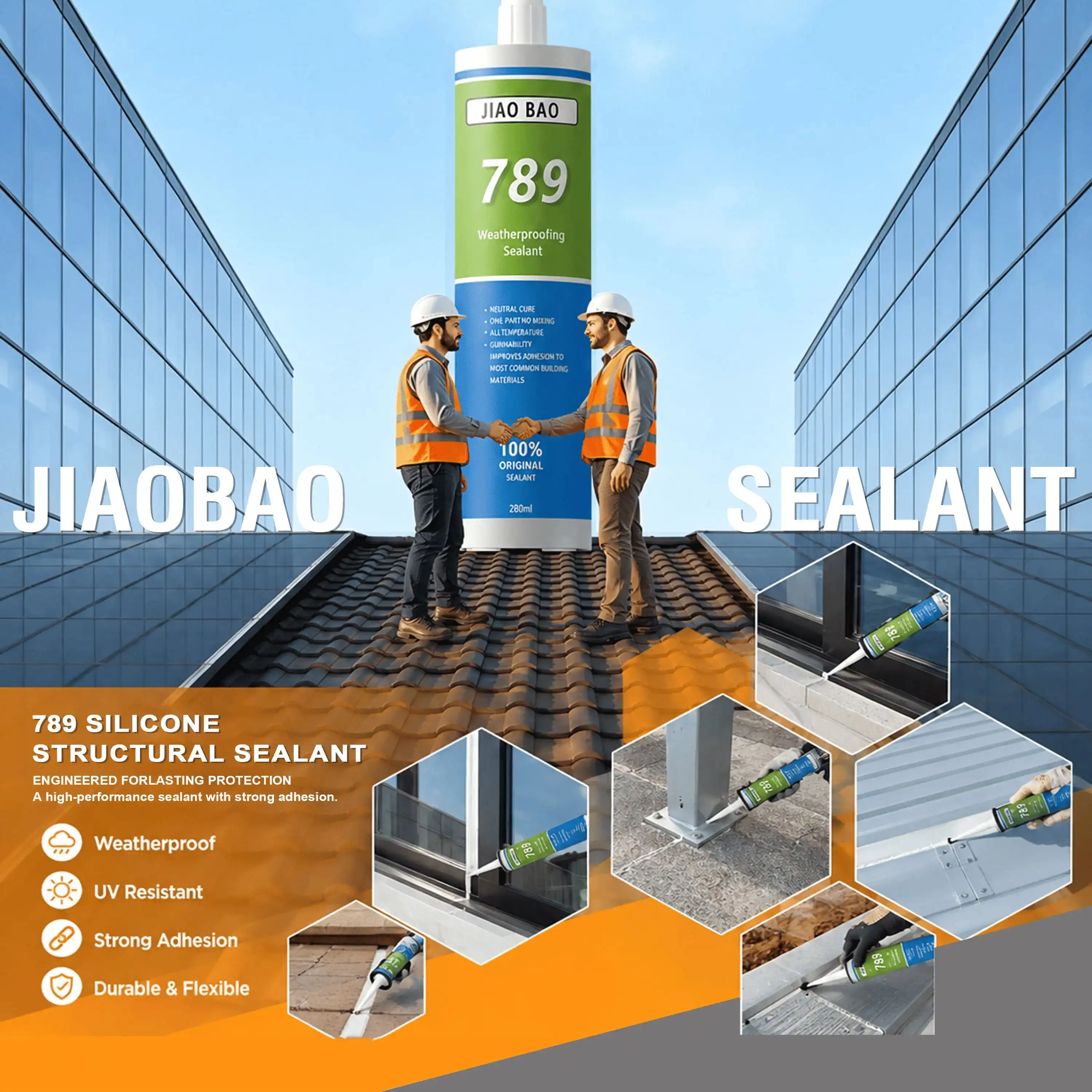
When something rusts, the surface that connects it changes a lot, which makes sealer less useful. A layer that is physically weak and easy to break down is made by oxidation. This can damage even the best protective goods.
The biggest problem with things that are rusty is that the rust isn't very strong. The rust will finally split from the metal below, so the glue won't work even if the silicone sticks well to it. When water gets under the rust layer, it speeds up the rotting process and pulls the sealant away from the metal. Changes in temperature make the rust layer and base metal expand and shrink at different rates. This problem gets worse when the metal is used outside.
Metal surfaces with holes in the sealant are stressed by changes in humidity, UV light, and very high or low temperatures. Our method works even when the temperature changes from -50℃ to +150℃. This helps making things made of metal that get bigger when they get hot. But when there is rust, these outside forces build up at the weakest point—where the rust meets the metal—so the barrier fails quickly, no matter how good it is.
So that rust doesn't spread, the metal needs to be stripped down to its bare metal physically or chemically. This makes a safe place to add things. If you wire brush, grind, or sandblast, you can get rid of free oxidation. If there are still signs of rust, rust converts can fix them chemically. Before the sealer can be put on, the area must be cleaned, degreased, and completely dry. Multi purpose silicone sealant can then be applied as the final protective layer, but only after these preparation steps are fully completed. If you plan these steps ahead of time, you can make a joint that lasts years instead of months.
To use on damaged metal surfaces, you need to follow a detailed process that includes getting rid of the rust and using the lubricant the right way.
First, take a look at how bad the rust is around the joint. Light rusting on the surface might be easy to get rid of with a wire brush, but heavy rust needs more force. Take off everything that isn't stable until you reach metal. For this, you can use either an angle grinder with a wire wheel tool or a stiff wire brush. Use a clean, dry cloth to wipe the area down to get rid of the dust. Things will not stick as well to the base if there is still dust or dirt on it.
After using a machine to clean, you might want to use a rust-blocking oil made just for metal surfaces. These openers stop any rusting that is still going on chemically and make a surface that silicone can stick to. Let the primer dry for as long as the manufacturer says you should before adding the sealer. Most of the time, this takes two to four hours. If you skip this step on areas that are very rusty, the chance of failure is much higher.
Any caulking gun will work to fill up a 300ml or 600ml cylinder. Make a 45-degree cut in the tip to make it fit your joint's width. Keep the gun moving slowly along the joint and keep the pressure on it. Do not let any air or holes form in the bead. It should stay smooth. For the sealant to fully touch both base sides, it should be a little too thick in places. Make the end smooth with a wet spoon or your finger during the 15-minute window when there is no more tack.
It takes 15 minutes for the acetoxy fix system to start to skin over. How fast the full fix depth goes forward changes every 24 hours based on temperature and humidity. It moves about 3 mm per hour. For joints bigger than 6 mm, it could take a few days to fully heal. When you apply it, acetic acid will come out, so make sure there is enough air flow. Hands shouldn't touch the surface, so wear gloves. Safety glasses should protect your eyes from getting wet. Remove the item from areas used for cooking and keep it out of the reach of people who shouldn't have it.
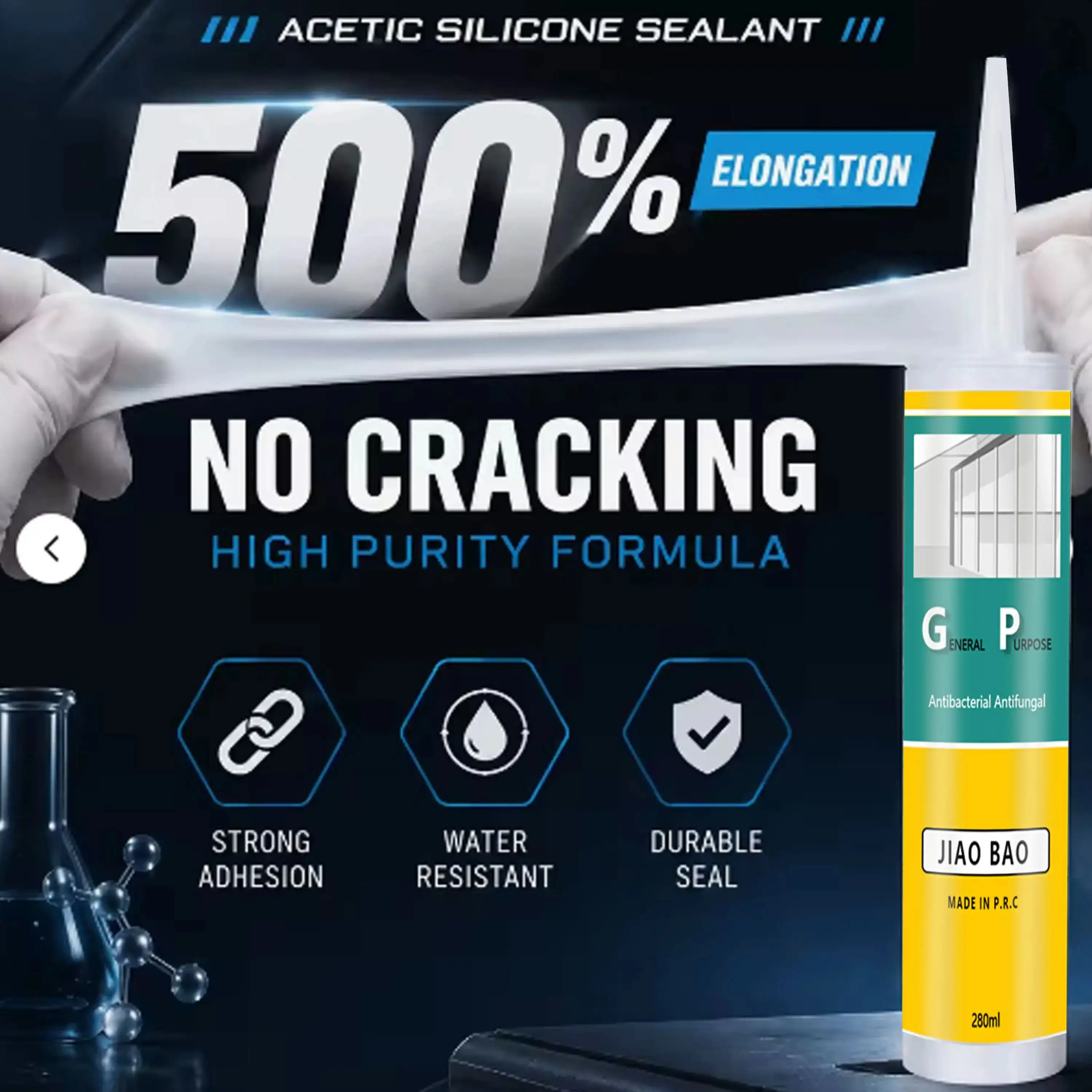
This is what you need to know about materials: how they work, what the job needs, and how much money you have. If you know how different covering chemicals react with metal, you can pick the best one.
You can paint acrylic seals, which is great if you care about how they look, and they typically cost less than silicone covers. They are less flexible, though, and don't hold up well in bad weather, so they can't be used for metal parts that will be outside where the weather changes. Acrylics are also not waterproof, which is another reason why multi purpose silicone sealant is better for things like window edges, roof penetrations, and siding that goes outside. The tensile strength of good silicone is over 300%, which means that parts can move with the building without breaking. On the other hand, the same amount of worry tends to break acrylics.
Some surfaces stick to polyurethane seals better, and you can paint over them once they're dry, which isn't possible with silicone seals. They also hold up well in places where a lot of people walk on them. But polyurethanes harden faster than silicones, which means they are harder to bend or move when you're moving around. Also, different kinds of polyurethane don't protect against UV light in the same way. Some types even break down after being in the sun for a long time. Because it is 18 Shore A hard, our silicone is the best for most metal sealing jobs because it is both flexible and stable.
When shopping for seals for rusty metal, the most important things to look for are ones that can stick well, be flexible, and last in tough conditions. At 1.5 MPa, our best bond strength gives it a strong hold on all approved surfaces. It can also move up to ±25%, which keeps it from failing during heat expansion. The seal will not chalk, break, or harden even after years of being outside because it has great ozone and UV protection. While it costs more at first than plastic choices, silicone is the market leader when it comes to sealing building walls because of these reasons.
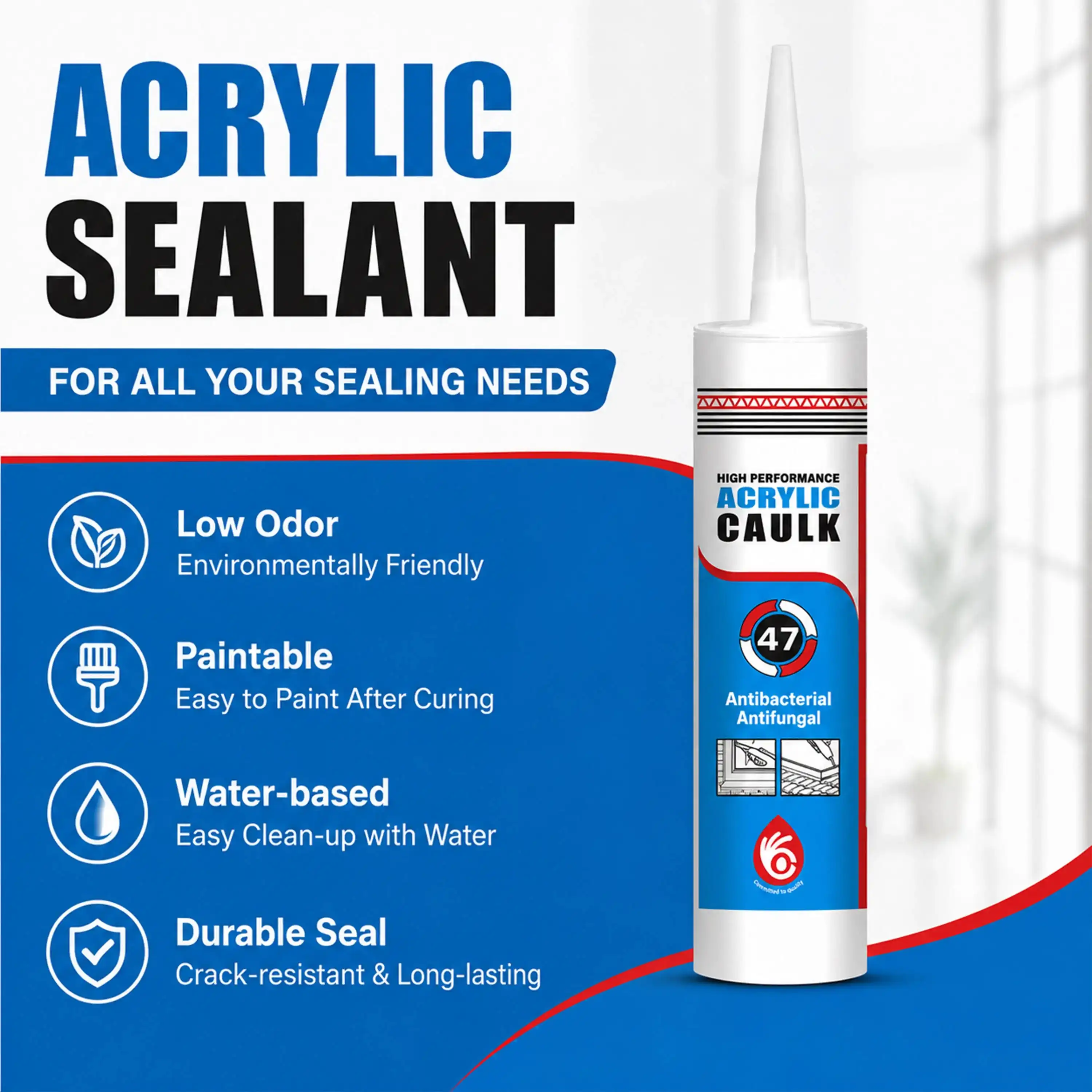
You should look at the product specs, how trustworthy the maker is, and the customer service skills that go beyond the sealer itself when picking a provider.
When you buy flexible joint sealants, make sure you get technical data sheets that show they meet important standards like ASTM C920. Make sure the temperature range works for what you're doing. This is especially important if you're putting up outdoor curtain walls or HVAC equipment. The shore hardness of a caulk tells you how stiff it is. Values between 15 and 25 are flexible enough for most building uses. The stretch at break value and the tensile strength value show how well the material can handle joint stress. For optimal performance, multi purpose silicone sealant is often the preferred choice in these applications. As long as it is stored properly, the material will stay fresh for 12 months. This keeps it from going bad, which can happen with old products.
The quality of well-known brands is always the same because they follow worldwide norms and have ISO approval. They have strict quality control measures that check the rate of extrusion, the resistance to slump, and the ability to stick to different types of surfaces. Suppliers you can trust will help you choose the right products for your needs and fix any fitting issues you may have. You can also change them to fit your needs, and the colors can be matched to RAL standards. This is very useful for building projects where style is just as important as function.
Before you buy a lot of sealant, look for sellers who offer free testing programs. These will let you see how well the sealer works. It's easy to plan a project when the prices are low, the minimum order amounts are open, and the wait times are always one to two weeks. Packaging options that come in 300ml and 600ml sizes and cartridge or sausage shapes can be used with a variety of application tools and on the job site. Anywhere in the world the project is, suppliers with export licenses and well-established delivery networks can always make deliveries.
Environmental laws are supporting low-VOC products more and more. These are the ones that give off less harmful fumes when they fix. Paperwork shows that good builders follow local rules about air quality and building codes. The acetoxy fix method does work, but as it heals, it gives off acetic acid. Neutral-cure choices can be used for projects that need to have very clean air inside. If you know about these natural problems, you can help the government and your company reach their social goals.
Silicone glue can stick to rusty metal, but the surface needs to be properly prepared and you need to be honest about how well it works. Only then can you make parts that last and are waterproof. You can use a good sealant to clean up light surface rust and then fix it. Some bases, on the other hand, need to be stripped down to bare metal and coated. For most general repair and sealing tasks, multi purpose silicone sealant offers a reliable balance of adhesion, flexibility, and weather resistance.
To protect metal in the building, HVAC, and industry sectors, professional-grade silicone formulations are the best choice. They are bendable, don't crack in bad weather, and can be used on a lot of different materials. If you want to make a good purchase, pick items that have been tried for performance, buy them from companies with known quality systems, and install them in a way that takes into account the condition of the base.
Putting important things for closing on rust is not a good idea. The rust layer doesn't stay put and keeps breaking down, which means the sealing peels off too soon. It's possible for bonds to form temporarily with light oxidation, but they last longer when the surface is properly prepared by wire brushing or grinding it down to sound metal.
Based on how long they are exposed to the elements, good silicone seals can last between 10 and 20 years on metal surfaces that have been properly prepared. When UV and ozone protection is better, the damage that happens to cheaper things doesn't happen. The service life can be shortened or lengthened by changes in temperature, joint movement, and the condition of the base. In other words, picking the right product is just as important as putting it together properly.
Because acetoxy cure seals cure, they give off acetic acid. This gives the material a vinegar smell and makes it dry faster. There is a difference in the chemistry of neutral fix recipes that stops corrosive leftovers from being made. This means they can be used on things that are easy to hurt, like metals, glass, and natural stone. Acetoxy versions tend to be less expensive and dry faster, while neutral versions can be used on more things.
As of 2013, Shandong Jiaobao New Material Co., Ltd. has been making silicone covers for businesses. Their main job is to mix colors in unique ways that are used in business and building. As a multi purpose silicone sealant supplier, we have ISO approval, consistent amounts, and experienced material scientists who can help with technical questions. We offer wait times of one to two weeks and open OEM/ODM plans that can be used for a wide range of projects.
Our prices are fair without lowering the quality of our work. You can depend on our acetoxy cure recipe for curtain wall assemblies, HVAC sets, and metal industrial jobs. They offer fast customer service and good quality. If you email dorashen@cnjiaobao.com, you can get expert data sheets and set up test cases that show how much better our speed is.
1. Construction Sealants and Adhesives: Principles and Practice, American Society for Testing and Materials, 2019.
2. Durability of Building Sealants: Performance Requirements and Testing Protocols, International Journal of Adhesion Science, Volume 28, 2021.
3. Metal Corrosion Prevention in Building Envelope Systems, National Association of Construction Manufacturers Technical Report, 2020.
4. Silicone Sealant Chemistry and Application Technology, Polymer Science Quarterly, Volume 45, Issue 3, 2022.
5. Surface Preparation Standards for Adhesive Bonding of Metal Substrates, Society of Manufacturing Engineers Technical Paper, 2018.
6. Weather Resistance Testing Methods for Elastomeric Joint Sealants, Building Research Institute Technical Bulletin Series, 2023.
November 16,2023
Enterprise Name
The sealant has very strong adhesion and performs well even on glass and aluminum. After curing, it remains flexible and shows no cracking. Perfect for our facade projects.
November 16,2023
Enterprise Name
Stable quality across batches. Our customers especially like the smooth application and consistent extrusion. It helps reduce installation time on site.
November 16,2023
Enterprise Name
I used it for bathroom sealing. Excellent waterproof performance and no mold issues so far. It's been holding up very well in humid conditions.
November 16,2023
Enterprise Name
The neutral silicone works well on sensitive materials without corrosion. Very suitable for industrial applications requiring stable performance.
_1779347426672.webp)