November 16,2023
Enterprise Name
The sealant has very strong adhesion and performs well even on glass and aluminum. After curing, it remains flexible and shows no cracking. Perfect for our facade projects.
Jul 30, 2026
When working with windshield installations, understanding cure times matters more than almost any other factor. PU Auto Glass Sealant Fast Curing typically reaches tack-free status within 15–40 minutes under normal conditions, allowing technicians to handle the glass safely. Full functional cure—when the vehicle can be driven—occurs within 1–3 hours depending on temperature and humidity. Complete through-cure continues over 24–48 hours, developing maximum tensile strength of approximately 2.2 MPa and exceptional 400% elongation at break. These timelines make polyurethane adhesives the preferred choice for automotive professionals prioritizing both speed and structural integrity in glass bonding applications.
There have been big changes in how car glass is installed in repair shops and factories thanks to polyurethane glue. Modern PU formulas provide fast strength development through moisture-activated chemistry, unlike traditional silicone seals that need longer waiting times. This improvement meets the urgent need for less vehicle downtime while keeping the structural bonding needed to keep passengers safe.
Polyurethane is made up of molecules that are joined together in cross-linked networks. These networks chemically connect with glass, metal, and painted surfaces. Even though silicone seals are bendable and don't break when they get wet, they don't have the cohesive strength needed to keep the windscreen in place during crashes. Epoxy adhesives are strong, but they don't have the flexibility needed for things like temperature changes and road vibrations. Acrylic mixtures harden quickly, but they don't do well in places with wide temperature changes, like cars. Polyurethane is a good mix of quick drying, structural strength, and long-term flexibility.
Polyurethane seals that cure in moisture react with humidity in the air to start polymerisation. Compared to general-purpose adhesives, professional-grade formulas with specialised catalysts and prepolymers speed up this process by a large amount. Within minutes of touch with the surface, the result changes a thick paste into a strong rubber. This science explains why PU adhesives work the same way in all kinds of weather, from cold morning installations to noon applications in full sunlight.
People who own cars can't afford to wait longer for service. Fleet managers who keep track of the costs of lost use need to know when vehicles with PU Auto Glass Sealant Fast Curing will be returned. When insurance companies process claims, they need to see proof of safe drive-away times that meet government standards for PU Auto Glass Sealant Fast Curing. These business problems can be dealt with by fast-curing sealants like PU Auto Glass Sealant Fast Curing that also make sure they meet Federal Motor Vehicle Safety Standard 212 for windscreen retention. The economic effects go beyond saving time and money on labour with PU Auto Glass Sealant Fast Curing. They also include less need for facility space and higher customer satisfaction scores.
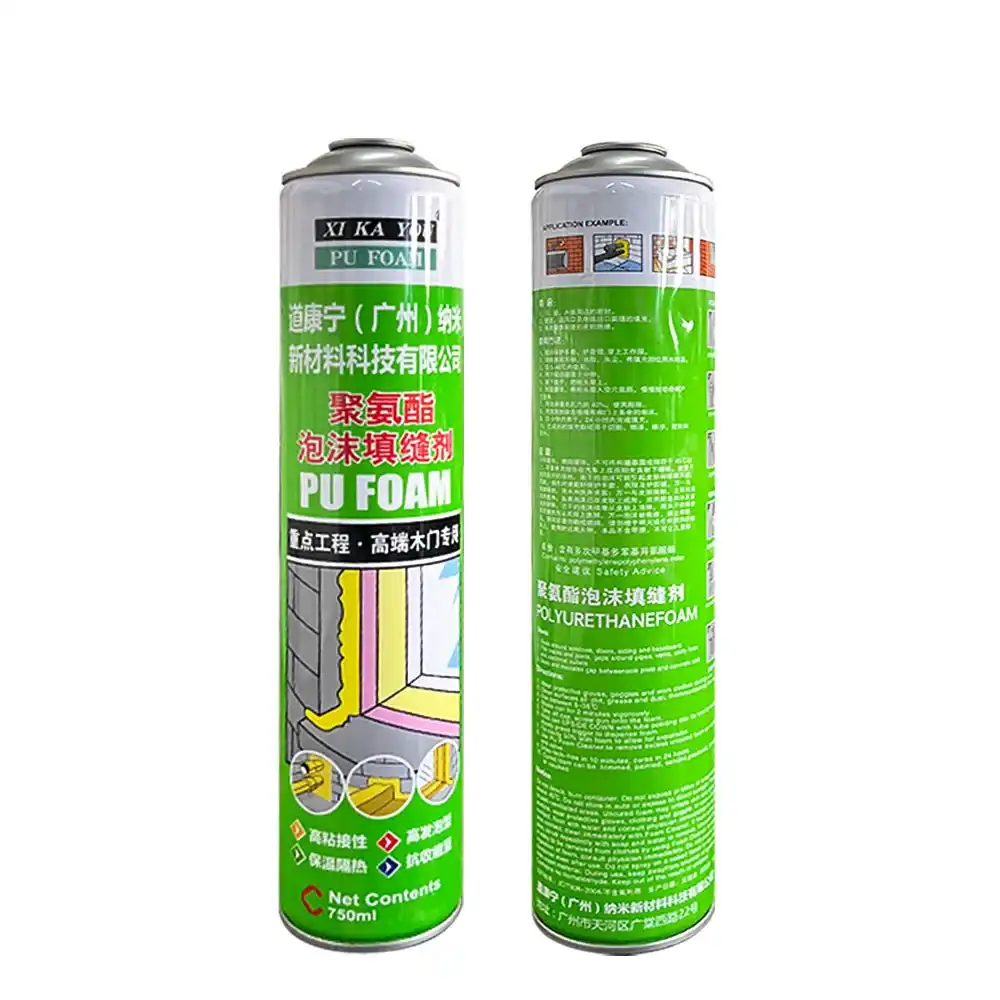
Technicians and procurement managers can better plan their work flow when they know the full curing timeline. The process happens in different steps, and each one affects how the car is handled and released.
The most important factor that affects curing speed is temperature. Adhesives cure at a depth of about 3.5 mm per 24 hours at 23°C and 50% relative humidity, which are normal test conditions in the business. In cold places, chemical activity slows down, while higher temperatures speed up the process. Humidity speeds up the curing process; conditions below 20% relative humidity can make curing times much longer. It also matters how thick the application is. Thinner beads cure faster across their entire cross-section, but 6–8mm beads are usually needed for structural integrity in the automotive industry.
Jiaobao's fast-curing polyurethane adhesive has tack-free times of 25–40 minutes in the summer and 15–30 minutes in the winter. This shows how temperature affects surface skinning. These standards let technicians see and feel how far along the cure is. Within 45 to 90 minutes, the glue becomes strong enough to hold the weight of a glass object without any extra support. Safe drive-away time is usually between 1 and 3 hours, but to be safe, it's best to wait until the initial fix is complete to avoid guarantee callbacks.
In high-volume processes, quality control systems need objective ways to measure things. Shore A hardness testing gives us numbers. When a material is fully cured, it reaches a level of 45 on the durometer scale. Tensile binding testing done at regular times records changes in strength and shows when installations meet safety standards. Some places use wetness meters to check the conditions of the area before applying the coating. This makes sure that external factors won't slow down the curing process. These steps protect both the performance of the product and the reputation of the business.
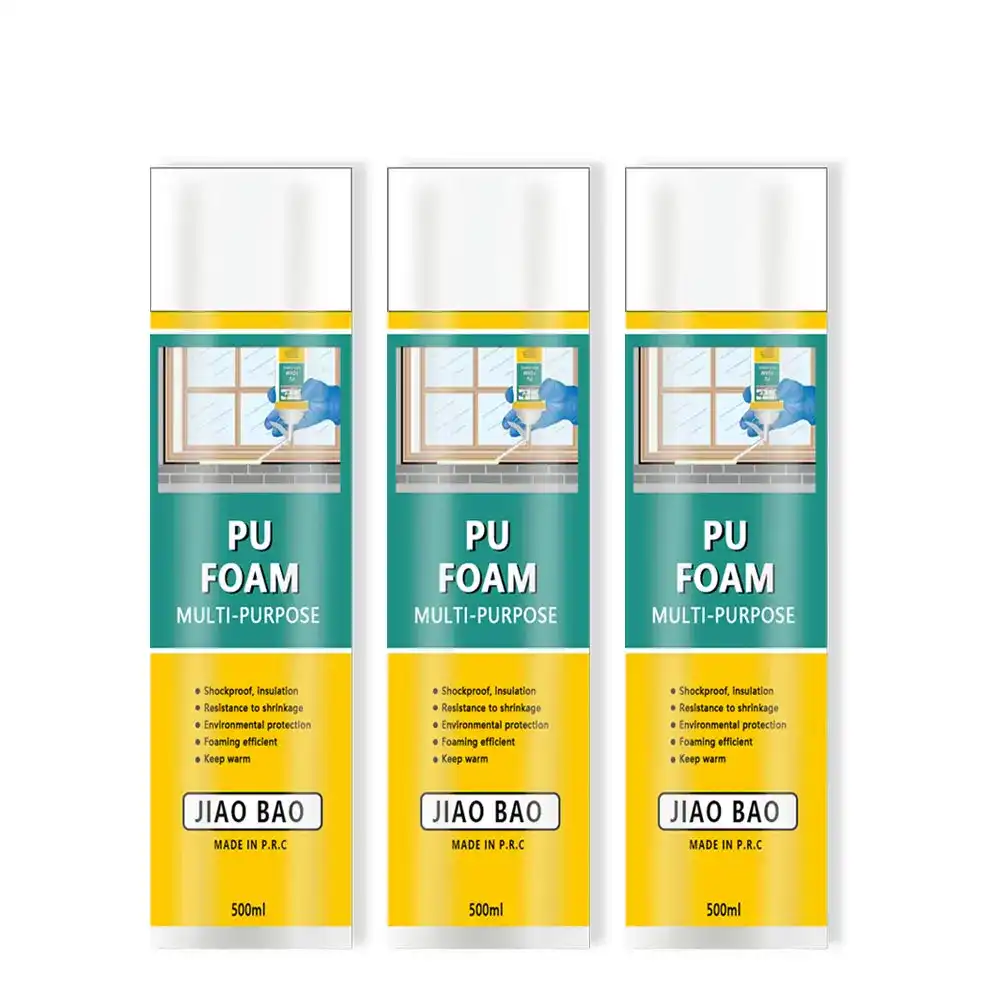
Material choice isn't justifiable based on speed. Polyurethane adhesives have performance qualities that give them real benefits in a number of operational areas.
For most surfaces, industrial-strength glueing gets rid of the need for primers, which speeds up the application process. The mixture sticks well to glass, painted surfaces, metal, and PVC not just by mechanical grip, but also through chemical contact. This flexibility cuts down on material costs and preparation time, and it also lowers the risk of application mistakes that happen when multiple goods come into the process at the same time. The process is easier for the technicians, especially when they are working on mobile units and don't have a lot of space for storage or work space.
Service plans can't be put on hold because of bad weather. The Jiaobao fast-curing formula of PU Auto Glass Sealant Fast Curing stays workable in a wide range of temperatures, so it stays flexible during winter installations and doesn't sag in the summer. The rubber of PU Auto Glass Sealant Fast Curing can handle being heated and cooled many times, from -40°C to 90°C, without losing its shape or becoming weak. UV protection in PU Auto Glass Sealant Fast Curing stops damage from the sun, which is very important for windscreens that are in direct sunlight all the time. Because of these qualities, installations with PU Auto Glass Sealant Fast Curing will work reliably for the life of the vehicle, no matter what climate zone it is in.
Technicians can move cars through service bays more quickly when there are short tack-free times. This directly increases output without lowering quality. If a shop replaces three windscreens instead of two every day, it makes 50% more money with the same space and staff. Because it's mostly solid (about 99%), it doesn't shrink much during curing, so there are no gaps that need to be fixed. When paired with the product's 12-month shelf life and easy-to-carry 300ml and 600ml sizes, which come in sausage or cartridge shapes, it makes managing inventory easier and cuts down on waste.
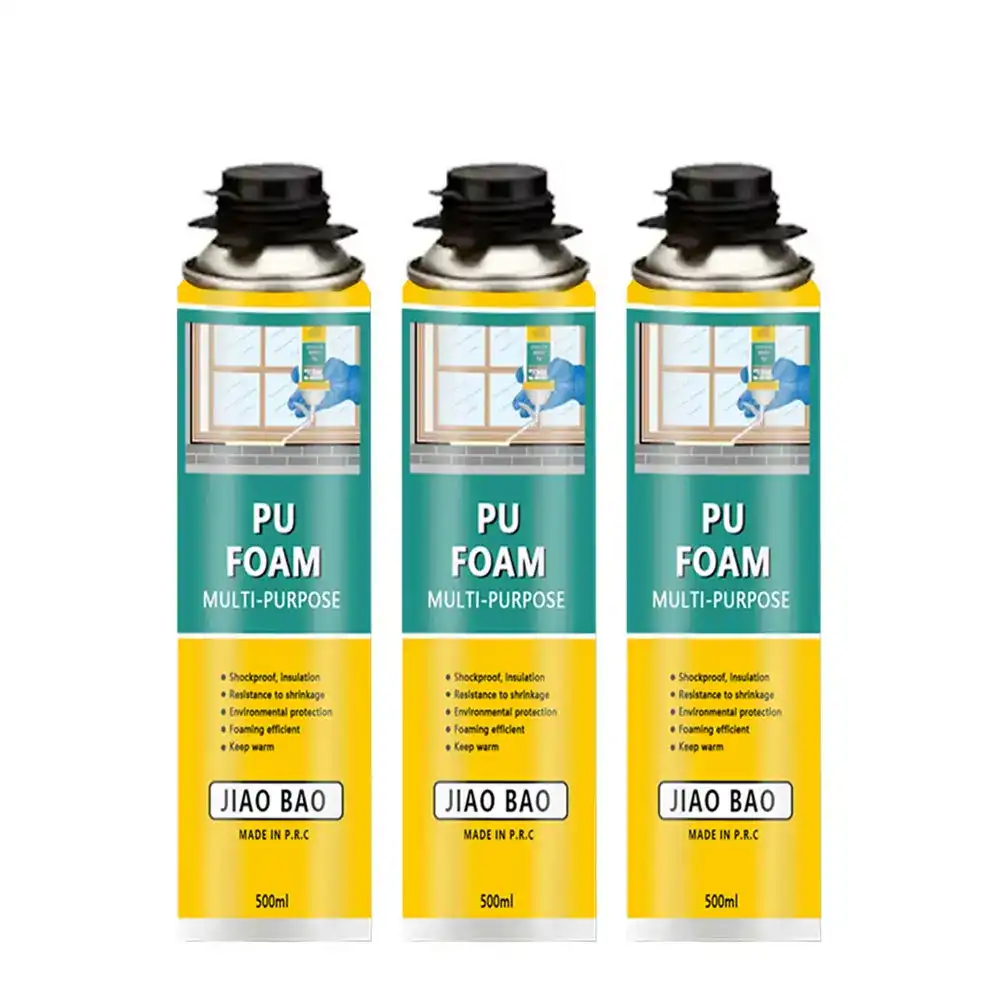
Use the right application method to see if the adhesive's performance potential works in the real world. Standardised procedures help industrial users because they make sure that all technicians and locations follow the same steps.
At the molecular level, contaminants make bonds less strong. The metal frame around the windscreen hole, called the pinchweld, needs to be cleaned well to get rid of rust, old glue residue, oils and broken paint. Using abrasive pads and then wiping the surface with a solvent gets it ready for the best adhesion. The sides of the glass also need to be taken care of, but factory coatings usually make the joining surfaces clean. Moisture can mess up the bonding chemistry, so surfaces should be completely dry before applying glue. Some people find this part of the process boring, but it stops most of the bond failures that cause alerts.
When calibrated correctly, pneumatic dispensing guns let you place beads in a controlled way. The triangle-shaped bead profile suggested for car uses makes sure there is enough material volume while keeping its shape during fitting. Continuous motion during filling stops spots from getting too thick and curing unevenly. Professional results are achieved by cutting the application tips at 45-degree angles and making sure the hole is the right size for the gun's output. Before starting, technicians should make sure that the adhesive has a homogeneous paste consistency. If the paste separates or lumps, it could mean that there were storage issues that affected performance.
Wearing gloves and safety glasses is one way that techs protect themselves from uncured glue contact, which can irritate the skin. Exposure to trace isocyanates produced during drying can be controlled by making sure there is enough air flow. This is especially important in workshops that are closed off. Keeping the material between 5°C and 25°C in its original, sealed packaging protects its reactive parts and keeps it from curing too quickly, which would make the cartridges unusable. Rotating stock based on when it was made makes sure that older items are used up within their 12-month shelf life, which cuts down on waste from old stock.
The total cost of ownership, which includes things like source stability, expert support, and product consistency across shipments, is taken into account when making procurement choices.
Having ISO certification shows that a company has quality management systems in place that make sure the results are the same from batch to batch for PU Auto Glass Sealant Fast Curing. Following industry standards for car uses makes sure that the glue like PU Auto Glass Sealant Fast Curing meets safety standards that protect end users and reduce the company's liability risk. Shandong Jiaobao New Material Co., Ltd. has been making things like PU Auto Glass Sealant Fast Curing for over 13 years and is ISO certified. They make goods that meet international rules and can be sold in a wide range of places. These qualifications make it possible to build trusting long-term relationships with suppliers of PU Auto Glass Sealant Fast Curing.
Most of the time, standard black, white, and grey colours work well. However, for special jobs, colours need to be specially matched to car finishes. OEM and ODM features let makers make goods that meet specific needs, like changing the viscosity for automatic dispensing systems or the cure profiles for operations that take place in harsh climates. Ordering in bulk with consistent colour amounts makes sure that all of the projects are the same, which is very important when putting glass on business buildings or fleet cars where appearance is important. Talking about the possibility of customisation during the initial stages of the procurement process shows how well a supplier can adapt to changing needs.
Production plans of one to two weeks allow for flexible buying that fits with project deadlines without the need to keep too much inventory on hand. Shipping by sea or land is a flexible choice that can handle both large purchases that are focused on cost and urgent replenishment orders. Distributors that work with customers in more than one area like it when their providers know how to coordinate operations by giving them the right paperwork for customs clearing and packaging that can stand up to the stresses of shipping. These practical details show which providers really help business-to-business relationships and which ones are just there to fill orders.
Knowing how long it takes for PU Auto Glass Sealant Fast Curing to cure helps all car service companies plan better. The 15–40 minute tack-free window and 1–3 hour safe drive-away times for PU Auto Glass Sealant Fast Curing give businesses the quick turn-around they need. Performance features like 2.2 MPa tensile strength, 400% elongation, and great weather protection make sure connections with PU Auto Glass Sealant Fast Curing stay safe for the life of the car. Using the right application methods and buying from certified manufacturers of PU Auto Glass Sealant Fast Curing ensures the success of both the project right away and the customer's satisfaction in the long term. All of these things make fast-curing polyurethane glue like PU Auto Glass Sealant Fast Curing the best choice for professionals who need to work quickly but also need to make sure the structure stays strong.
Safe drive-away times for good PU adhesives are between 1 and 3 hours in normal situations, but it's better to be safe and wait until the surface is firm. This schedule is affected by temperature and humidity. Places that are warmer and more humid speed up the drying process, while places that are cold and dry make wait times longer. Always do what the maker says, especially if the product you're using has specific instructions. By testing a small bead separately, you can check on the progress of the fix before letting customers drive away.
Modern formulations often stick well to glass without primers, but it is still common practice to use a black primer on the vehicle pinchweld. When applied to bare metal, primers stop rust, help paint stick, and shield the bond from UV damage over time. The low cost and short time it takes to apply protect against bond fails that lead to costly returns. Technical data sheets tell you when starters are required for your glue and when they are not.
Manufacturers with a good reputation will send you sample cartridges or small test batches so that your technical team can check the stickiness, fix, and workability under real-world conditions. This way of reducing risk works especially well when moving suppliers or adding new goods to current processes. Get in touch with suppliers directly to set up sample shipments. Honest businesses will be happy to show you the quality of their products before you make larger purchases.
With more than 13 years of experience in specialised production, Shandong Jiaobao New Material Co., Ltd. is ready to help you with your buying needs. Our fast-curing polyurethane adhesive gives B2B clients the performance metrics they want: quick tack-free times, great adhesion strength, and weather resistance that is backed by ISO certification. Our flexible transportation and 1–2 week production wait times make sure that your operations run easily, whether you need standard formulations or OEM solutions that are made just for you. As a reliable provider of PU Auto Glass Sealant Fast Curing, you can email our team at dorashen@cnjiaobao.com to get technical specs, set up testing of samples, or talk about bulk prices. We want to build long-term relationships with you by providing excellent products, quick responses to your needs, and open lines of communication.
1. Society of Automotive Engineers. "Polyurethane Adhesives for Automotive Glass Bonding: Performance Standards and Testing Methods." SAE International Technical Paper Series, 2021.
2. American National Standards Institute. "Safety Glazing Materials for Glazing Motor Vehicles and Motor Vehicle Equipment Operating on Land Highways." ANSI Z26.1 Standard, 2020.
3. Federal Motor Vehicle Safety Standards. "Windshield Retention and Mounting Requirements." FMVSS 212 Regulation, U.S. Department of Transportation, 2019.
4. International Organization for Standardization. "Adhesives - Designation of Main Failure Patterns in Bonded Joints." ISO 10365:2022.
5. National Glass Association. "Auto Glass Replacement Safety Standards Manual." NGA Technical Publication, Fourth Edition, 2022.
6. Petrie, Edward M. "Handbook of Adhesives and Sealants in Construction." McGraw-Hill Professional Engineering Series, Third Edition, 2021.
November 16,2023
Enterprise Name
The sealant has very strong adhesion and performs well even on glass and aluminum. After curing, it remains flexible and shows no cracking. Perfect for our facade projects.
November 16,2023
Enterprise Name
Stable quality across batches. Our customers especially like the smooth application and consistent extrusion. It helps reduce installation time on site.
November 16,2023
Enterprise Name
I used it for bathroom sealing. Excellent waterproof performance and no mold issues so far. It's been holding up very well in humid conditions.
November 16,2023
Enterprise Name
The neutral silicone works well on sensitive materials without corrosion. Very suitable for industrial applications requiring stable performance.
_1779347426672.webp)