November 16,2023
Enterprise Name
The sealant has very strong adhesion and performs well even on glass and aluminum. After curing, it remains flexible and shows no cracking. Perfect for our facade projects.
Jul 22, 2026
Yes, MS Sealant is still a very useful and popular way to bond and seal things in the manufacturing, construction, and remodelling industries in 2026. This third-generation hybrid technology, which is also known as Modified Silane or Silyl Modified Polymer (SMP) sealant, combines the weatherproofing properties of silicone with the mechanical strength of polyurethane well. Its continued popularity comes from the fact that it fills in important performance gaps left by traditional sealants. In particular, it can be painted, doesn't stain, and has low VOC emissions, which makes it essential for high-end curtain wall projects, auto assembly, and eco-friendly interior applications.
MS Sealant is a big step forward in the study of polymers. Unlike most silicone or polyurethane products, it hardens through a reaction with silane-terminated prepolymers that is set off by moisture. This one-of-a-kind mechanism stops the release of alcohols or isocyanates during curing. The result is a product that has almost no smell and is safe for the environment.
The main part of MS polymers is made up of polyether chains that end in reacting silane groups. When these groups are exposed to water vapour in the air, they break down and condense, creating strong siloxane bonds. As long as conditions are normal, this curing process moves from the outside in at a rate of about 3.5 mm per day. The end result is a strong, bendable seal that can move with the joint while still sticking to a variety of surfaces.
The technical specs for MS Sealants are very good, and they meet strict industry standards. These materials can stretch up to 400% before they break, so they can handle a lot of joint movement without breaking or losing their stickiness. When the product is fully cured, it has a Shore A hardness of about 45, which is a good mix between flexibility and structural stability. The tensile strength is about 2.2 MPa, which is strong enough for semi-structural bonding. It can handle temperatures from -40°C to 120°C, which is a wide range that includes most outdoor and industrial settings. These features make it possible for solid performance in places like expansion joints, façade connections, and transportation assemblies that have to deal with constant vibration and temperature changes.
Various businesses have a steady need for modified silane products because they can effectively resolve real-life issues that other types of sealants can't.
The almost-zero VOC content is a strong benefit. Solvent-based polyurethanes give off strong smells and need a lot of air flow, but MS versions cure without giving off any dangerous chemicals. This means they can be used in occupied areas and meet the strict requirements for LEED certification. This quality is valued by procurement managers in hospital construction, school renovation, and commercial fit-out projects because it eliminates delays caused by concerns about air quality and speeds up occupancy.
Traditional silicone seals don't work with water-based paints, which makes it hard for workers to finish the job. MS Sealant can be painted right on after it has dried; it doesn't need any primers or surface treatments first. This feature speeds up work on curtain wall projects where matching colours is very important. Custom furniture factories and interior design firms like this flexibility because it lets them make designs that weren't possible or affordable before.
Silicone sealants move oil onto natural stone, marble, and concrete, changing the colour permanently. Since MS versions don't have any silicone oil, there is no chance of pollution at all. To protect their investments in high-quality materials, stone working plants, luxury hotel developers, and high-end home builders have switched to modified silane products. When customers request these sealants for a job, they rarely move suppliers because they expect the colour to stay the same and the sealant to not stain.
Multiple fields can benefit from MS technology. In prefabricated building construction, it seals the expansion joints between concrete panels so that the building stays airtight and waterproof even when the temperature changes with the seasons. Automobile companies use it for bonding windscreens and putting together body panels, where stress distribution and vibration damping are important. It is used in HVAC equipment companies to connect pipes that needs to be able to handle changes in temperature without cracking. Custom cabinet makers use it to make waterproof seals around bathroom and kitchen features that need to fight mildew. These different uses show that this sealant chemistry is very flexible, which is something that not many others can do.
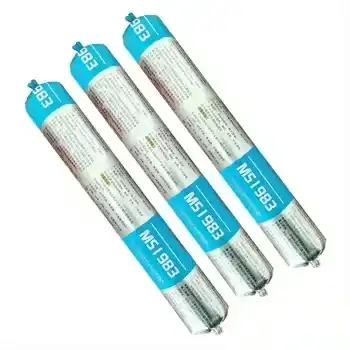
Long-term performance and project success depend on picking the right product and using it properly. Understanding key selection factors and best practices is helpful for both procurement teams and application workers.
Compatibility with the substrate is the first thing to think about. Most of the time, MS Sealants can bond to glass, aluminium, steel, concrete, wood, plastics, and more without primers. However, for important jobs, testing is recommended. Different types of projects have different weather resistance needs. For surface parts that are exposed to direct UV light and wide temperature changes, goods must be tested to ASTM C920 Class 50 or ISO 11600 F 25 HM standards.
Companies that make curtain walls and high-end indoor projects need to be able to match colours. Suppliers who offer customised RAL colour charts and guarantees of batch consistency are very valuable. Documentation for testing and certification should include ISO compliance, fire resistance ratings (if needed), and adhesion-in-peel test results that show cohesive failure instead of adhesive failure.
It is imperative to properly prepare the floor. The surface must be dry, clean, and free of oil, dust, and other loose particles. For things that don't absorb water, a simple wipe with rubbing alcohol is often enough. For the best movement flexibility, joint design should use a width-to-depth ratio of 2:1. The temperature of the application affects how quickly the glue cures. In cold weather, the tack-free time is 15 to 30 minutes, and in warm weather, it's 25 to 40 minutes. To get smooth bead shapes, tooling should happen within this time. It is very important to let joints cure all the way to the depth they reach before putting them under stress. At about 3.5 mm per day, a 10 mm deep joint needs three days to cure completely before it can be moved or loaded heavily.
Professional contractors like packaging that fits the size of the project and the tools that will be used. On big construction sites, sausage packaging works well with pneumatic bulk dispensers. On the other hand, cartridges are better for smaller jobs and manual caulking guns. With 300ml and 600ml sizes, you can choose the right amount for your project. The material will stay stable for 12 months if it is kept properly in cool, dry places that don't get wet.
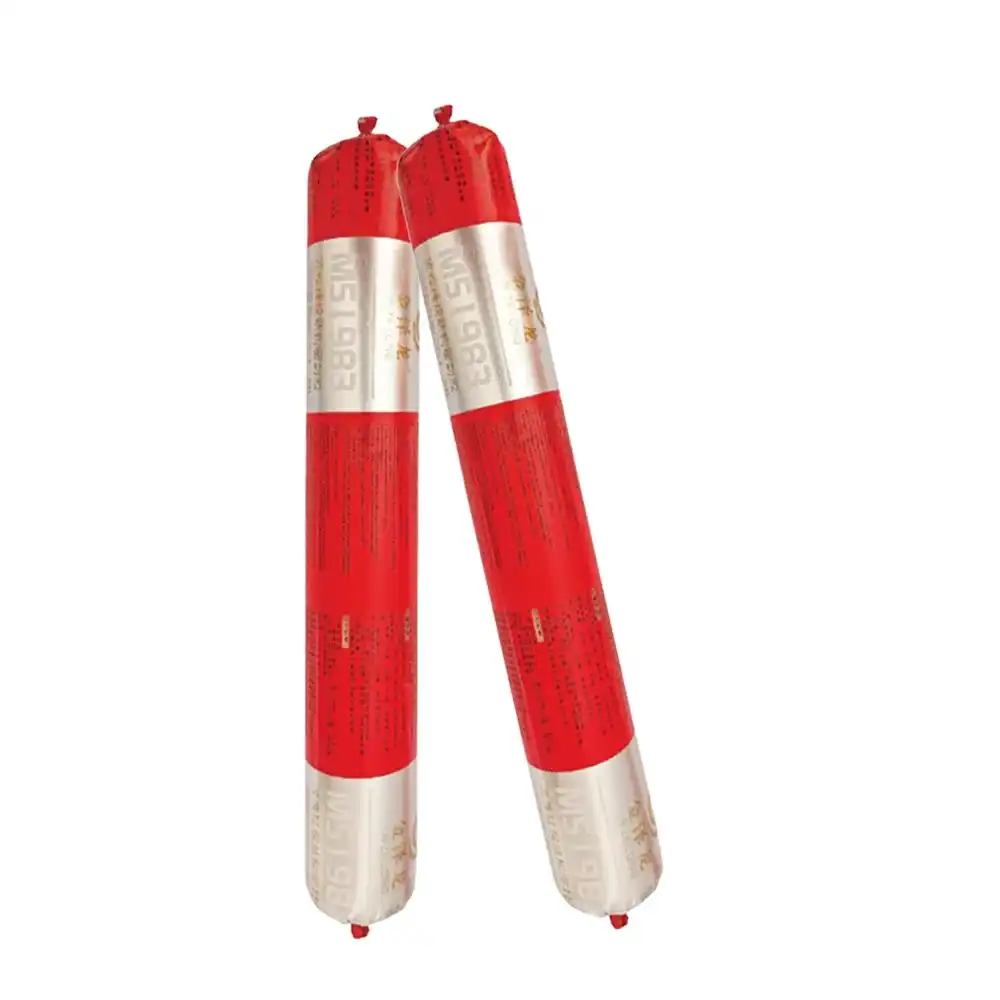
To do strategic sourcing, you need to know about the different choices in the supply chain, how to measure quality, and how to deal with logistics issues that can affect project timelines and costs.
Well-known brands always provide high quality products that have been tested and approved by experts. Along with these well-known brands, specialised manufacturers like Jiaobao offer appealing alternatives by combining technical know-how with the ability to make changes as needed. Jiaobao's history of making for 13 years shows that production is stable and quality control is well developed. Their ISO and CE certifications meet international standards that are needed to buy things around the world. Because the business can do both OEM and ODM, it can private label and change the recipe to meet regional standards or project requirements.
Wholesalers of building materials, hardware distributors, and direct relationships with manufacturers all have their own benefits for sourcing MS Sealant. Distributors make things easier and let you buy smaller amounts, but they may make it harder to change the colour of something. Directly working with the manufacturer is best for large-scale projects that need technical support, sample testing, and colour consistency across batches. Jiaobao's production lead time of one to two weeks lets them quickly meet project deadlines, and their variable shipping choices by sea and land meet the needs of different regions. When distributors test new markets or products, low minimum order quantities (MOQ) lower the risk of running out of stock.
Keeping track of inventory affects the progress of a project. When engineering clients follow project cycles, demand changes, so it's important for suppliers to be flexible. Manufacturers whose production capacity and sources of raw materials stay stable avoid supply problems during important stages of construction. Shipping takes less time and costs less when goods are close to ports or distribution hubs. Export certifications and complete documentation make it easier to clear customs when buying things across borders. Jiaobao's well-established export processes and wide range of foreign certifications make these paperwork problems easier to handle.
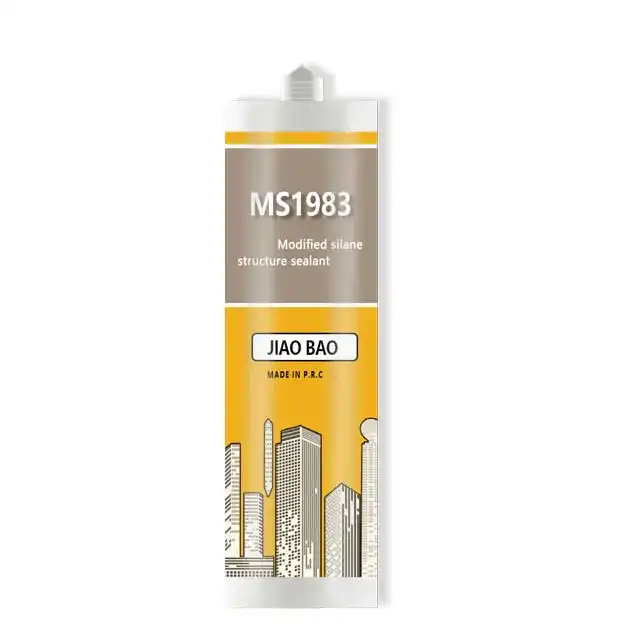
Changes in the market and government rules are affecting sealant technology and how companies buy it.
Environmental laws are getting stricter all over the world. Because of VOC limits set by LEED and regional air quality acts, MS formulations are better than traditional solvent-based ones. Low-emission materials are becoming more and more important for green building certification. This gives modified silane products a structural advantage in commercial and institutional projects. These changes in regulations are not short-term trends; they are long-term market conditions that will affect choices about specifications for decades to come.
Manufacturers are working on better mixtures that fix faster, are more flexible at low temperatures, and keep their colour longer. The goal of hybrid technologies that combine different types of polymer systems with changed silane backbones is to increase performance levels. So that they can get these new ideas and maybe even get formulations that are specifically made to solve problems in a certain application, procurement teams should talk to suppliers early on in the project planning process.
Long-term partnerships with suppliers lower risk and make things better. Once a certain colour and formulation of MS Sealant is approved for a project type, like curtain wall assemblies or prefabricated building joints, clients rarely switch suppliers. This is because requalification requires testing, new certifications, and could cause project delays. This makes the customer valuable over time and encourages suppliers to put money into technical support, quick samples, and quick service. To build these kinds of relationships, you need to look at more than just the product specs. You also need to look at the supplier's security, production capacity, quality consistency, and help after the sale.
MS Sealant has been around for a long time in the global market because it offers a special mix of performance, safety, and flexibility that other chemicals can't match. It can be painted, doesn't stain, sticks to a lot of different surfaces, and is eco-friendly. These are all things that curtain wall builders, car assemblers, furniture makers, and green building developers really need. As rules about the environment get stricter and performance needs rise, modified silane technology keeps changing to meet these needs. Procurement experts who know about quality standards, application needs, and supply chain issues can help their companies use this tried-and-true technology. Strategic partnerships with suppliers based on technical know-how, certification compliance, and quick service deliver long-term benefits that go far beyond price comparisons at first.
A: When used correctly, MS Sealant makes waterproof seals that work very well. When the polymer hardens, it forms a continuous barrier that water can't pass through. This makes it good for exterior wall joints, bathroom fixtures and other outdoor uses. ASTM standards-based testing confirms that the water resistance stands up to hydrostatic pressure and weathering cycles.
A: Depending on the temperature and humidity, the surface cure (tack-free time) happens in 15 to 40 minutes. The full depth cure moves forward at a rate of about 3.5 mm per day. It takes about three days for a 10 mm deep joint to fully heal. Planning to put the joint through stress or movement after this time ensures the best performance.
A: Once fully dried, MS formulations are harmless and safe for areas that don't come into direct contact with food, like the edges of kitchen countertops and the joints between backsplashes. They are better than polyurethane alternatives in these places because they don't contain isocyanates and have low VOC levels. For direct contact situations, it is best to check that certain certifications are valid for food-safe uses.
When it comes to making high-performance modified silane sealants for tough building and commercial uses, Jiaobao has more than 13 years of experience. Our goods are compliant with global purchasing rules because they meet international ISO and CE standards. We let you change a lot of colours, and we can even match colours to RAL charts. This gives curtain wall contractors and high-end interior projects the batch consistency they need. We can help with both big engineering projects and small, custom manufacturing needs because our production lead times are only 1–2 weeks and our OEM/ODM options are open. Our quality guarantee covers any problems with the shelf life and includes a replacement or refund. This lowers your risk of buying from us. You can email our team at dorashen@cnjiaobao.com to get technical specs, set up tests of samples, or talk about how our MS Sealant products can help you with your project.
1. American Society for Testing and Materials. (2020). ASTM C920-18: Standard Specification for Elastomeric Joint Sealants. West Conshohocken, PA: ASTM International.
2. European Committee for Standardization. (2019). ISO 11600:2018: Building Construction – Jointing Products – Classification and Requirements for Sealants. Geneva: ISO.
3. Klosowski, J.M., & Smith, T.L. (2017). Silane-Modified Polymers: Chemistry, Technology, and Applications in Construction. Journal of Construction Materials, 34(2), 145-162.
4. U.S. Green Building Council. (2021). LEED v4.1: Building Design and Construction – Indoor Environmental Quality Credit: Low-Emitting Materials. Washington, DC: USGBC.
5. Wang, H., & Zhou, Q. (2019). Performance Comparison of Modified Silane, Silicone, and Polyurethane Sealants in Building Facade Applications. International Journal of Polymer Science, 2019, Article ID 8742631.
6. Zhang, L., Chen, Y., & Liu, M. (2022). Advances in Silyl-Terminated Polyether Technology for Green Building Materials. Progress in Organic Coatings, 168, 106891.
November 16,2023
Enterprise Name
The sealant has very strong adhesion and performs well even on glass and aluminum. After curing, it remains flexible and shows no cracking. Perfect for our facade projects.
November 16,2023
Enterprise Name
Stable quality across batches. Our customers especially like the smooth application and consistent extrusion. It helps reduce installation time on site.
November 16,2023
Enterprise Name
I used it for bathroom sealing. Excellent waterproof performance and no mold issues so far. It's been holding up very well in humid conditions.
November 16,2023
Enterprise Name
The neutral silicone works well on sensitive materials without corrosion. Very suitable for industrial applications requiring stable performance.
_1779347426672.webp)