November 16,2023
Enterprise Name
The sealant has very strong adhesion and performs well even on glass and aluminum. After curing, it remains flexible and shows no cracking. Perfect for our facade projects.
Jul 25, 2026
When specifying sealants for curtain wall assemblies, window installations, or structural joints, procurement managers and technical engineers face a fundamental choice: polyurethane or silicone? Both deliver waterproofing and bonding, yet their performance characteristics diverge sharply under real-world conditions. Interestingly, innovations in automotive bonding—particularly PU automotive glass adhesive sealant—have influenced building sealant formulations, bringing structural bonding capabilities once reserved for vehicle windshields into façade engineering. Understanding these distinctions allows you to match material properties with project demands, ensuring durability, safety, and cost-effectiveness across large-scale construction or high-end interior finishing projects.
Polyurethane sealants are made of elastomeric materials that react with isocyanates. They harden when they come in contact with water. Within hours, they go from being a thick paste to a flexible solid. Silicone seals, on the other hand, use siloxane polymer chains that are joined together through condensation processes. Silicone goods, such as our RTV Silicone Sealant, can be made with either a one-part acidic or neutral recipe. They are very stable in UV light and can withstand temperatures from -40°C to +150°C.
Without primers, PU products stick very well to porous surfaces like concrete, wood, and brick. Their aliphatic backbone makes them resistant to wear and paintable, which is very important for architectural finishes that need colour continuity. Silicone's artificial silicon-oxygen bonds make it very resistant to weather. Our one-part acidic silicone comes in White, Black, Grey, or unique RAL colours. Depending on the temperature, it cures at a rate of 3–5 mm per day. It can be stored for 12 months and comes in 300ml or 600ml cylinders and sausages. It can be used by hand or with pneumatic dispensing systems, which are popular in shops that make curtain walls.
The PU Automotive Glass Adhesive Sealant technology that was first used to bond windscreens to cars is now being used in façade building. This one-component system is made from silane-modified polyether resin and has a tensile strength of 2.2 MPa and an elongation at break of 400%. These are the right specs for structural glazing systems to transfer wind loads while also allowing heat expansion. Curing at 3.5 mm per day with 99% solid material and a Shore A hardness of 45, these mixtures show how automotive-grade bonding science improves the performance of the building skin. Shandong Jiaobao New Materials uses its more than 13 years of experience in manufacturing to apply these new technologies to building. This way, they can make sure that curtain wall contractors and door-window processors get materials that have been tried in tough conditions.
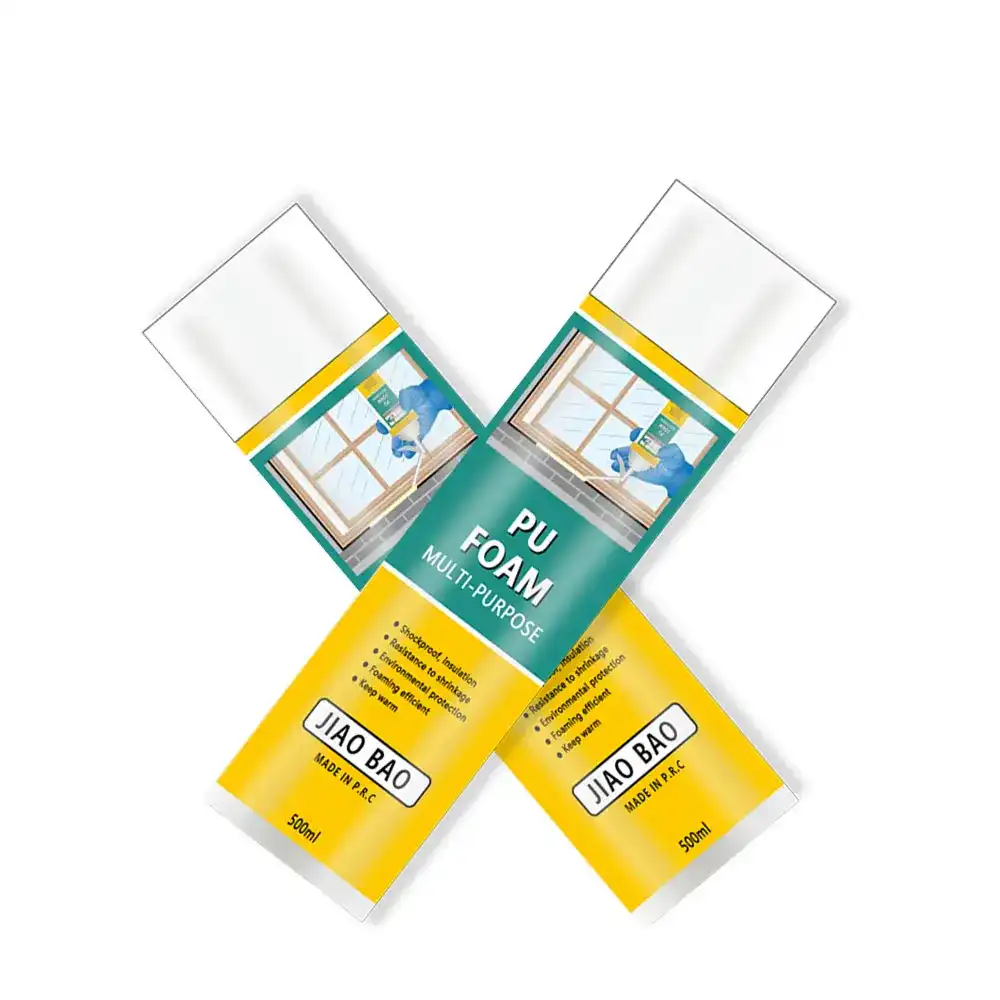
When choosing between polyurethane and silicone, you need to look at how well they work mechanically, how they affect the environment, and how easy they are to get. Each material meets a different set of project needs, and when they don't match, projects fail early or cost more than planned.
Polyurethane sealants stick strongly to a wide range of surfaces, including glass, aluminium, painted steel, and wood. They create strong ties that are often stronger than the material itself. Because they don't tear easily, they can handle structural changes in expansion joints. This makes them perfect for plaza decks and parking levels. Silicone has a lower tensile strength, but it keeps its elongation better after years of UV exposure. Silicone can keep its elasticity through thousands of thermal cycles without hardening or cracking, which is good for buildings with metal panel facades.
When applied, neutral-cure silicone sealants give off very few volatile organic compounds. This means they meet strict green building standards like LEED and WELL. When acidic materials like our RTV Silicone Sealant fix, they release acetic acid. This is fine in well-ventilated installation areas but not so great when used near copper or other sensitive metals. Polyurethane systems usually have higher amounts of VOCs, but newer low-emission versions meet California's strict air quality rules. For bulk application in tight areas, both materials need the right PPE, such as nitrile gloves, safety glasses, and enough air flow.
Polyurethane is cheaper per linear metre than other materials, and it sticks better than mechanical fasteners in joints that move a lot. Silicone is more expensive, but it lasts longer in outdoor environments, which means that high-rise curtain walls need less maintenance. The total cost of ownership should be compared between PU's lower unit price and silicone's longer replacement intervals. Just-in-time delivery is possible thanks to our production lead time of one to two weeks and flexible shipping options by sea or land. This keeps project schedules on track across North American construction markets while minimising the costs of holding inventory.
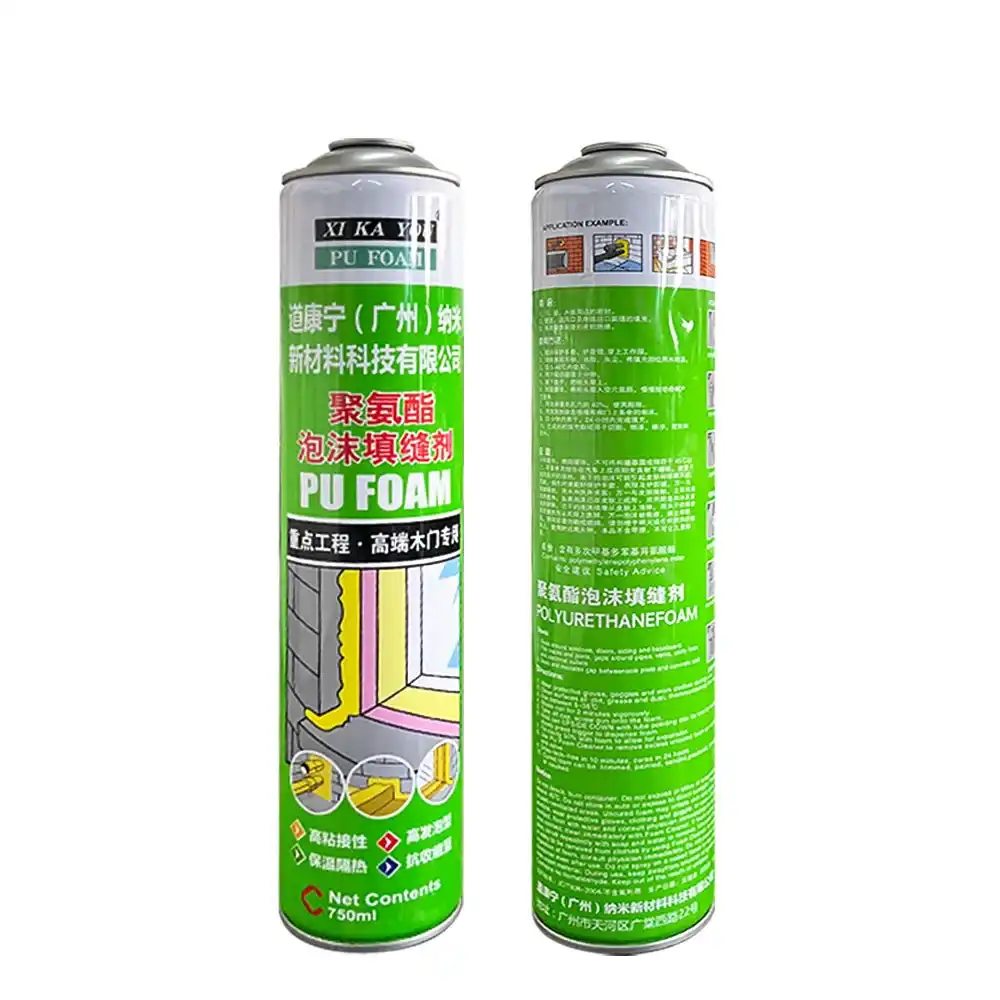
Automotive glass adhesive needs to work every time. A windscreen isn't just for looks; it keeps air from getting into the cabin during rollovers and helps passenger airbags go off. Through careful chemistry, PU Automotive Glass Adhesive Sealant formulations meet these safety-critical needs.
Polyether resins that have been changed with silane have the quick cure time of polyurethane and the durability of silicone. There are no harsh solvents or isocyanates, just odourless application and quick strength development. From 15 minutes in the winter to 40 minutes in the summer, the tack-free time lets you place the glass before skinning. Within 24 hours, the full cure depth reaches structural integrity, which lets leak tests begin right away. The 400% elongation allows the chassis to bend without the bond-line failing. This property is now used on building facades that are subject to seismic movement or changes in temperature between day and night.
Bond success depends on how well the surface is prepared. Automotive technicians use specialized cleaners to remove oils and contaminants; building contractors achieve equivalent results with isopropanol wipes on glass perimeters and aluminum frames. Triangular bead geometry—achieved through precision extrusion—ensures optimal wetting and mechanical interlock. Our sealant maintains zero sagging on vertical surfaces, critical when installing large-format glazing panels where gravity would otherwise distort uncured beads. The 99% solid content eliminates shrinkage voids, and Shore A 45 hardness provides the right balance: firm enough for structural load transfer, yet compliant enough to absorb impact without fracture.
Buildings are using bonding methods that are influenced by cars more and more. Structural silicone glazing systems for curtain walls now incorporate PU adhesives for point-fixed glass fins, where tensile loads concentrate at discrete fasteners. Prefabricated building modules use PU sealants to bond insulated panels, replicating the rattle-free assemblies perfected in vehicle manufacturing. This cross-pollination validates the material's robustness: if a sealant withstands highway vibrations and crash forces, it will certainly endure wind gusts and thermal stress in architectural applications.
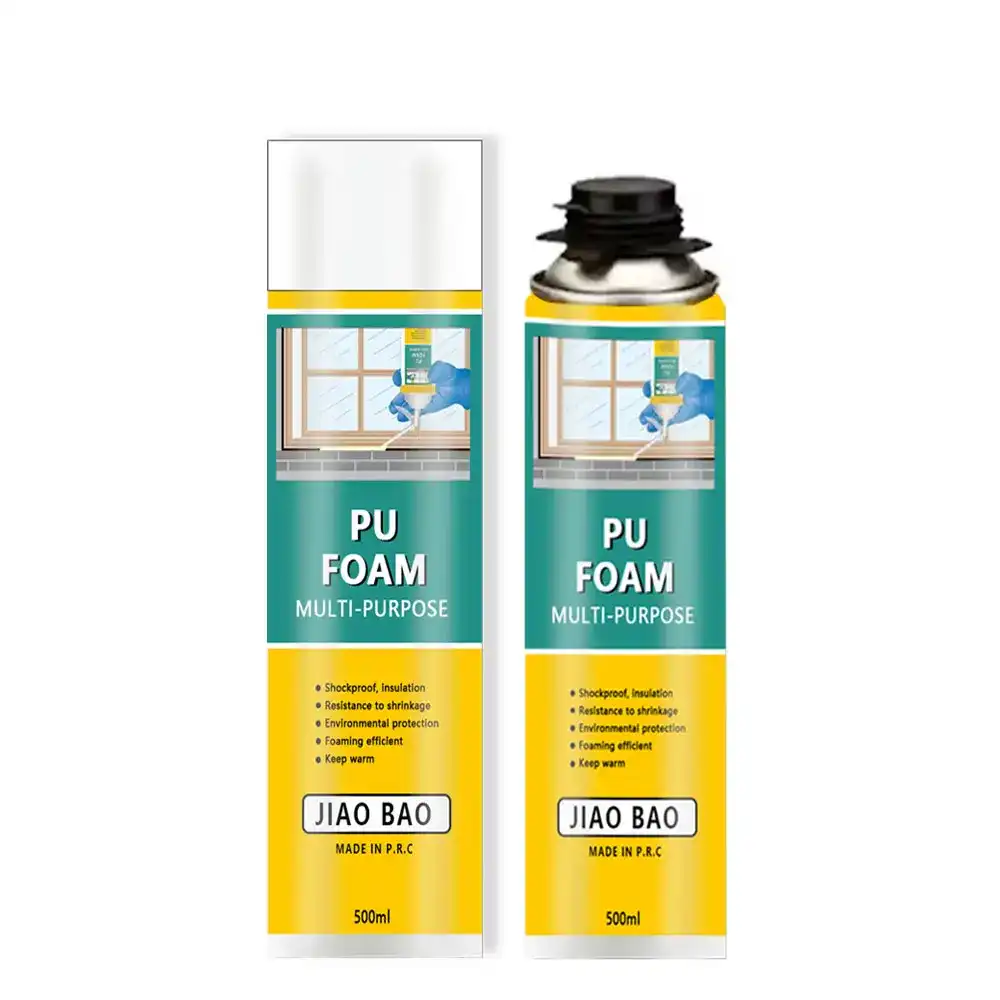
Matching sealant to application starts with understanding joint dynamics and environmental exposure. No single material solves every challenge, so procurement managers benefit from a decision framework grounded in performance metrics and real-world constraints.
Joint movement capacity determines material selection. Expansion joints in concrete parking structures experience ±50% extension-compression cycles—polyurethane's high modulus handles this without tearing. Perimeter seals around fixed windows undergo minimal movement but face decades of UV radiation—silicone's inorganic backbone resists photo-degradation. Substrate compatibility matters equally. Porous masonry bonds easily with PU; non-porous glass and metal pair naturally with silicone's surface-wetting properties. Our RTV Silicone Sealant, formulated for door and window gap sealing, adheres to powder-coated aluminum frames common in North American residential and light commercial construction.
Adhesion strength, measured via peel and lap-shear tests per ASTM C794, reveals real-world bond durability. Silicone usually gets 0.3–0.5 MPa; polyurethane reaches 1.5–2.5 MPa. Elongation at break shows flexibility: silicone stretches 400–800%, PU varies 300–500%. Durability under accelerated weathering—1000 hours of QUV exposure—shows silicone retains 90% of initial properties, while standard PU may yellow or harden. Cost-effectiveness goes beyond unit price. Custom furniture fabricators ordering 600ml cartridges benefit from silicone's mildew resistance in humid bathroom applications. Curtain wall builders bulk-purchasing sausages gain speed through pneumatic dispensing systems suitable with both chemicals.
Industry-leading manufacturers like those producing PU Automotive Glass Adhesive Sealant keep ISO 9001 quality standards and ASTM compliance. Shandong Jiaobao holds certifications ensuring batch-to-batch consistency for PU Automotive Glass Adhesive Sealant—critical when color-matching architectural finishes across multi-phase projects. OEM partnerships allow private labeling for wholesalers serving area markets with PU Automotive Glass Adhesive Sealant. Sampling programs let technical managers confirm adhesive and cure rates of PU Automotive Glass Adhesive Sealant under site-specific temperature and humidity conditions before committing to container loads. Our warranty that you can get your money back or a new one within 12 months lowers the risk of buying PU Automotive Glass Adhesive Sealant, especially for exporters who have to deal with transoceanic logistics.
The performance of sealants is best when they are applied correctly. When building rules aren't followed, even high-quality products don't work. These rules come from both what the manufacturers say and what curtain wall builders and glass makers have found to be the best ways to do things in the field.
Substrates that are clean must be used. Molecular interaction is stopped by dust, release chemicals, and oxidation. Using Scotch-Brite pads for rough cleaning gets rid of aluminium oxide, and liquid wipes get rid of oils. Primers help paint stick to tough surfaces like porous concrete, galvanised steel, or coatings that have been exposed to the weather. The size of the beads should match the joint's width-to-depth ratio, which is usually 2:1 for dynamic joints. This lets the bond line stretch properly without being overstressed. Tooling makes the sealant's surface smooth, which ensures good contact and a nice look. Our 300ml cartridges fit normal caulking guns so that you can use them by hand, and our 600ml sausages fit bulk pneumatic systems so that you can save money on labour costs for big facade jobs.
Chemicals that cure in moisture, like PU Automotive Glass Adhesive Sealant, depend on how humid the air is. Silicone cures best when the relative humidity is between 40 and 60%. Below 30%, surface skinning of PU Automotive Glass Adhesive Sealant takes longer to happen, and full cure takes longer than what is recommended. Temperature changes viscosity and flow. PU Automotive Glass Adhesive Sealant gets stiff and hard to extrude below 5°C, and working time shortens above 35°C. In the winter, projects need warming substrate areas and storage that is kept at a constant temperature for PU Automotive Glass Adhesive Sealant. For summer uses, quick tooling is needed before the tack-free time. Contractors should look at cure-time charts that are adjusted for the climate of the area—conditions in the desert Southwest are very different from those in the Pacific Northwest when using PU Automotive Glass Adhesive Sealant.
Wearing safety gear keeps you from getting hurt by uncured sealants. Nitrile gloves keep chemicals from getting through, and safety glasses protect your eyes from splashes when using an air dispenser. Acetic acid vapours from acidic silicone or leftover solvents in PU are spread out by ventilation. For storage, it needs to be cool and dry; heat shortens the shelf life. Different places have different VOC rules. For example, California's SCAQMD Rule 1168 says that building sealant can only emit 250 g/L for non-porous surfaces. Follow the local rules for getting rid of hazardous waste; once fully cured, empty cartridges are often not hazardous. Bio-based polyurethanes made from plant oils are one type of sustainable alternative, but they haven't caught on with consumers yet because they are too expensive compared to petroleum-based alternatives.
Which PU or silicone glue to use depends on the needs of the job. Polyurethane like PU Automotive Glass Adhesive Sealant is better at sticking to things and costs less than other materials for dynamic joints in structure uses. Silicone works great in UV-exposed climate situations where long-term flexibility is needed. High-performance PU formulas like PU Automotive Glass Adhesive Sealant are an example of an innovation from car bonding that has been used to improve architecture glazing systems, giving building envelopes structural stability and fast curing.
It's helpful for procurement teams to look at things like adhesion power, weather compatibility, and source dependability for PU Automotive Glass Adhesive Sealant. Shandong Jiaobao has been making things like PU Automotive Glass Adhesive Sealant for 13 years, has ISO-certified processes, and can work with different OEMs. This makes us a reliable partner for curtain wall builders, window fabricators, and building material dealers who want consistent quality and quick service with PU Automotive Glass Adhesive Sealant.
In expansion joints, parking decks, and seismic-rated structures, polyurethane sealants can handle more rounds of compression and extension. Their higher modulus lets them carry weight without tearing. Silicone works well for fixed perimeter seals where UV resistance is more important than movement requirements.
Of course. For high-load and point-fixed glass uses, structural glazing systems are using automotive-grade PU glue more and more. The silane-modified formulations meet the needs of façade engineering, especially for prefabricated panel assemblies, because they cure quickly and have a tensile strength of 2.2 MPa.
Orders for a container load qualify for volume discounts. Pneumatic dispensing systems work well with sausage packaging, which cuts down on the cost of labour on big projects. Our production wait time of one to two weeks allows for just-in-time delivery, which keeps project plans on track while cutting down on storage costs.
Low-VOC products must be used in LEED-certified projects. Neutral-cure silicones have strict limits on how much they can emit. Some PU formulas go over the limits in California and the northeastern states. Before specifying, get test results from a third party that say the product meets SCAQMD or CARB guidelines.
Shandong Jiaobao New Materials has been making silicone and polyurethane for more than 13 years and can help you with your next project for a curtain wall, window, or industrial sealing. Our ISO and CE-certified factory always makes high-quality products, whether you need color-matched RTV Silicone Sealant for custom furniture or high-performance PU Automotive Glass Adhesive Sealant for structural glass. As one of the biggest companies that makes PU Automotive Glass Adhesive Sealant, we can make changes to your order, have short wait times of just one to two weeks, and ship by sea or land, depending on your needs. Our expert team helps with applications, tests samples, and promises quality. If there are any shelf-life problems, they will either refund or replace the product. You can email us at dorashen@cnjiaobao.com to talk about the details of your project, ask for samples, and find out how our stable supply chain and low prices lower the risks of buying things while improving the performance of buildings.
1. ASTM International. "Standard Specification for Architectural Joint Sealants," ASTM C920-18, 2018.
2. Beech, J. C. "Sealants in Construction," 2nd Edition, Thomas Telford Publishing, 2012.
3. Klosowski, J. M., and Wolf, A. T. "Silicone and Organic Sealants: Chemistry, Technology, and Applications," Society of Automotive Engineers, 2000.
4. Panek, J. R., and Cook, J. P. "Construction Sealants and Adhesives," 3rd Edition, Wiley-Interscience, 1991.
5. Sealant, Waterproofing & Restoration Institute. "Architectural Sealants Selection Guide," Technical Manual, 2019.
6. Wolf, A. T. "Durability of Building Sealants: State-of-the-Art Report," RILEM Publications, 1999.
November 16,2023
Enterprise Name
The sealant has very strong adhesion and performs well even on glass and aluminum. After curing, it remains flexible and shows no cracking. Perfect for our facade projects.
November 16,2023
Enterprise Name
Stable quality across batches. Our customers especially like the smooth application and consistent extrusion. It helps reduce installation time on site.
November 16,2023
Enterprise Name
I used it for bathroom sealing. Excellent waterproof performance and no mold issues so far. It's been holding up very well in humid conditions.
November 16,2023
Enterprise Name
The neutral silicone works well on sensitive materials without corrosion. Very suitable for industrial applications requiring stable performance.
_1779347426672.webp)