November 16,2023
Enterprise Name
The sealant has very strong adhesion and performs well even on glass and aluminum. After curing, it remains flexible and shows no cracking. Perfect for our facade projects.
Jul 17, 2026
This is the short answer: it varies. Traditional wall ceiling acrylic sealant works great for many internal uses, but bathrooms have their own problems. Standard acrylic sealants don't work well in places that get wet all the time, like shower walls or bathtub covers, because they cure through water evaporation and can re-emulsify when they get wet. Acrylics made for mild moisture environments can still work well in the bathroom in places like door frames, window edges, and ceiling cornices where they don't come into direct touch with water. Figuring out where in the bathroom the treatment will be done will help you decide if acrylic is the best choice or if silicone alternatives should be looked at.
Acrylic sealants, such as wall ceiling acrylic sealant, are a type of water-based joint filler that is often used in both home and business building. These sealants harden as the water escapes from the emulsion, which is different from silicone goods that cure through hydrolysis. Acrylic polymers are made of a plasto-elastic material that sticks very well to porous surfaces like wood trim, painting walls, and drywall. The one-component RTV formula doesn't need to be mixed, which makes it easy for contractors with short project plans to use.
Acrylic sealants are popular among builders because they can be painted on and used in many ways. The substance sticks well to painted surfaces, brick, concrete, gypsum board, and wood frames. Common uses include filling in gaps between door frames and walls, closing gaps between door frames and walls, and fixing tiny cracks that appear when a building settles. The fast-drying recipe lets crews paint within 30 minutes to an hour of tooling, which cuts project timelines by a lot compared to goods that need to cure overnight.
The main problem with regular acrylic sealants in bathrooms is that they are hydrophilic, which means they like water. If these items are put in running water before they are fully cured, they can come off. Long-term contact to water may soften the sealant or help mildew grow, even after it has dried. The movement accommodation factor is usually between 7.5% and 12.5%. This is good for internal joints that don't expand much, but not enough for high-movement places that are exposed to temperature and humidity changes, like bathrooms.
Some places in the bathroom are better with the properties of acrylic sealant. The place where painting walls meet door frames is perfect for this use. Acrylic goods also work well around the edges of window frames in bathrooms that have enough air flow. The joints in the ceiling between cornices and wall surfaces don't get wet very often, so acrylic can be used on them. In these places, paintability and a nice finish are more important than maximum water protection. This makes the most of acrylic's strengths while avoiding its weaknesses.
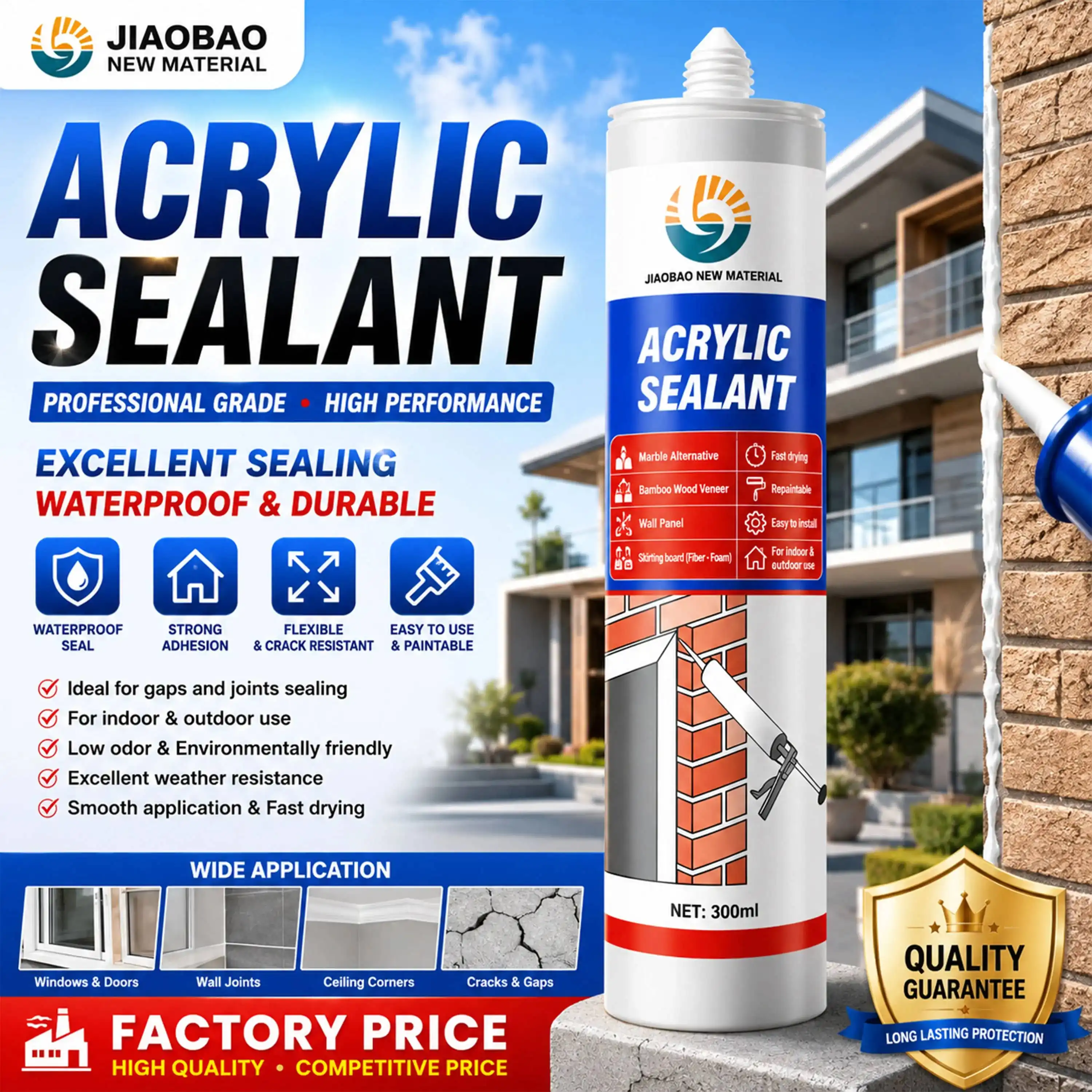
Silicone seals are most often used in wet areas because their structure stays stable even when they are submerged in water for a long time. The elastic qualities keep the material flexible across a range of temperatures and stop water from getting through. Polyurethane seals are also resistant to water, but they stick better to surfaces that don't have pores. Wall ceiling acrylic sealant, on the other hand, only fights wetness well in places that get wet sometimes and have good air flow. The people who make decisions should make sure that the sealant formula is right for the amount of contact that each joint will get over its lifetime.
The perfect place for mold and mildew to grow is in the bathroom. Biocides are chemicals that are added to silicone mixtures for clean uses to stop microbes from colonizing. Acrylic sealants don't have this natural protection, but some companies make better ones by adding antimicrobials. The porous surface of cured acrylic gives spores more places to stick to than the smooth, non-porous surface of cured silicone. Maintenance needs are very different. For example, acrylic joints in humid places might need to be replaced every couple of years, while good silicone installations can last ten years or more.
Material choices are affected by budget, especially for workers who are in charge of multiple units. Acrylic sealants usually cost 30 to 40 percent less than silicone seals that do the same job. Aside from saving money, water-based cleanup is also more efficient because it doesn't require solvents and takes less work. When working on projects with hundreds of door frames and window edges, it can save a lot of money to use acrylic where it makes sense and silicone only where it's really wet. This smart choice of materials improves the cost-benefit ratio for a wide range of bathroom uses.
In order to fill in certain performance holes, the sealant business has come up with hybrid formulas. Polymer additives are added to modified acrylic goods to make them more resistant to water without affecting their paintability. Low-VOC versions meet the requirements for green building while still having the right adhesion qualities. Purchasing managers should ask for technical data sheets that list the item's antimicrobial qualities, ability to move, and resistance to water soaking. Products that meet ASTM C834 standards offer basic performance guarantees, but bathroom uses usually call for specs that go above and beyond the bare requirements.
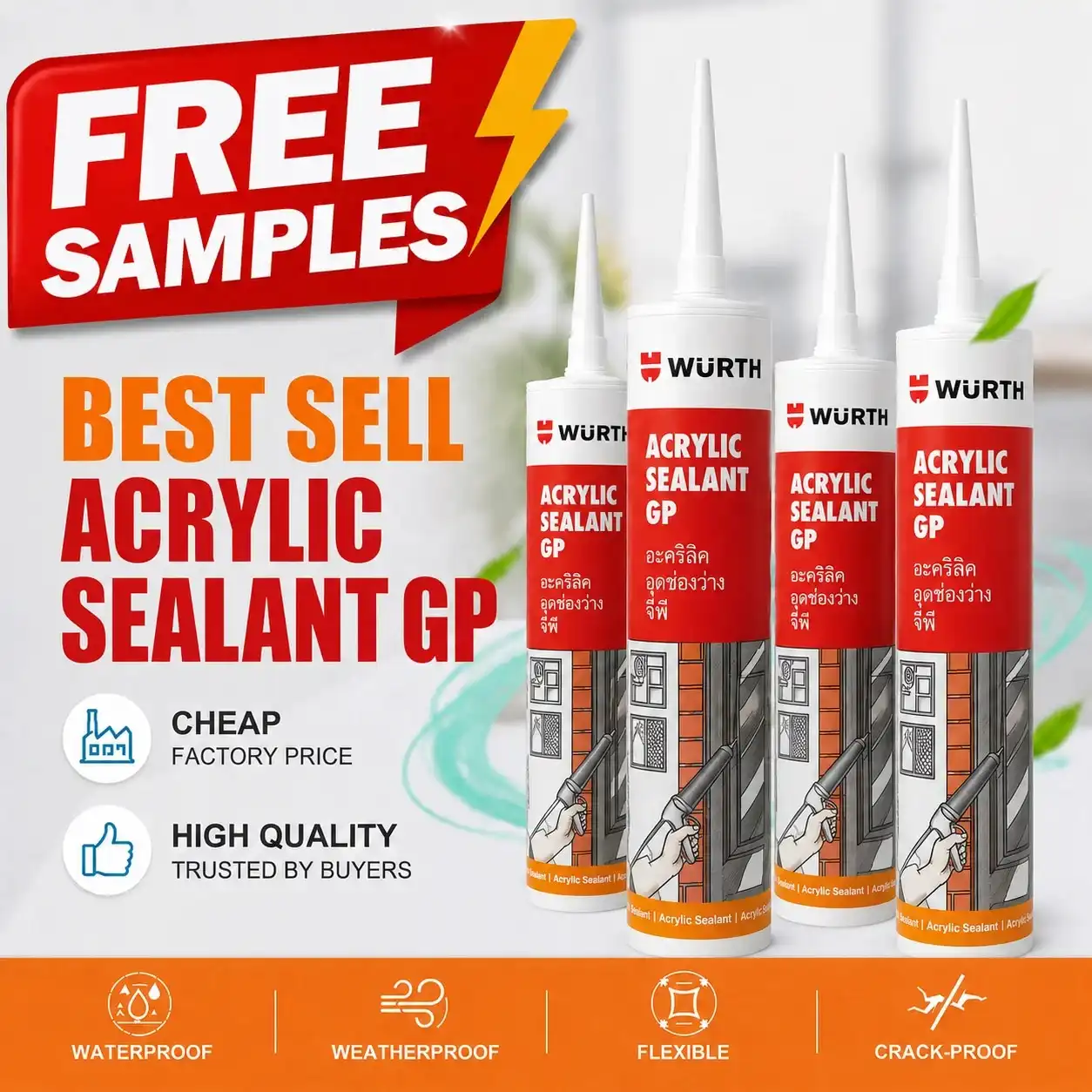
Preparing the material correctly is the first step to successful bonding when applying wall ceiling acrylic sealant. The surface must be dry, clean, and free of dust, oil, or loose paint. Installers should use distilled alcohol to clean the joints and let it evaporate completely before putting on the sealant. New drywall and other porous materials may need to be primed to stop too much absorption, which can cause them to shrink and fail to stick. For best performance, the joint width should be between 6mm and 12mm, and the depth should be about half of the width to get the right mix of stress between the glue and the cohesive.
For professional results, you need the right tools. Standard caulking guns can hold 300ml cartridges, but pneumatic devices that use 600ml sausage packs work better for bulk uses. To keep up with production without lowering the quality of the beads, the pressing rate should be higher than 80ml per minute. The best bead shape is made by cutting the opening at a 45-degree angle. Using a wet finishing tool or a covered finger to smooth the sealant into the joint and make sure it contacts both surfaces should be done right away after application.
Bathrooms are hard to cure in because the high humidity makes it take longer for water to evaporate. The usual skin-over time of 30 minutes could go on for 60 minutes or more in places with bad air flow. Depending on the weather, the complete cure depth moves forward at a rate of about 2 to 3 mm per 24 hours. Contractors should plan work on bathroom sealants for times when the room can have the most air flow. Continuously running exhaust fans for the first 48 hours speeds up the drying process and makes the end product better. Painting shouldn't happen until the sealant hardens enough to keep the film from breaking.
A number of mistakes in the application hurt its long-term success. Putting on beads that are too thick causes the material to shrink more and takes longer to fix. When sealer sticks to the joint backing on three sides, it forms stress points that cause the joint to fail early. This problem doesn't happen in deeper areas when bond-breaker tape is used. For good flow and binding, the temperature should stay between 5°C and 40°C during application. When installations are checked again after 24 hours, any machine flaws, holes, or areas that need to be touched up before painting are found.
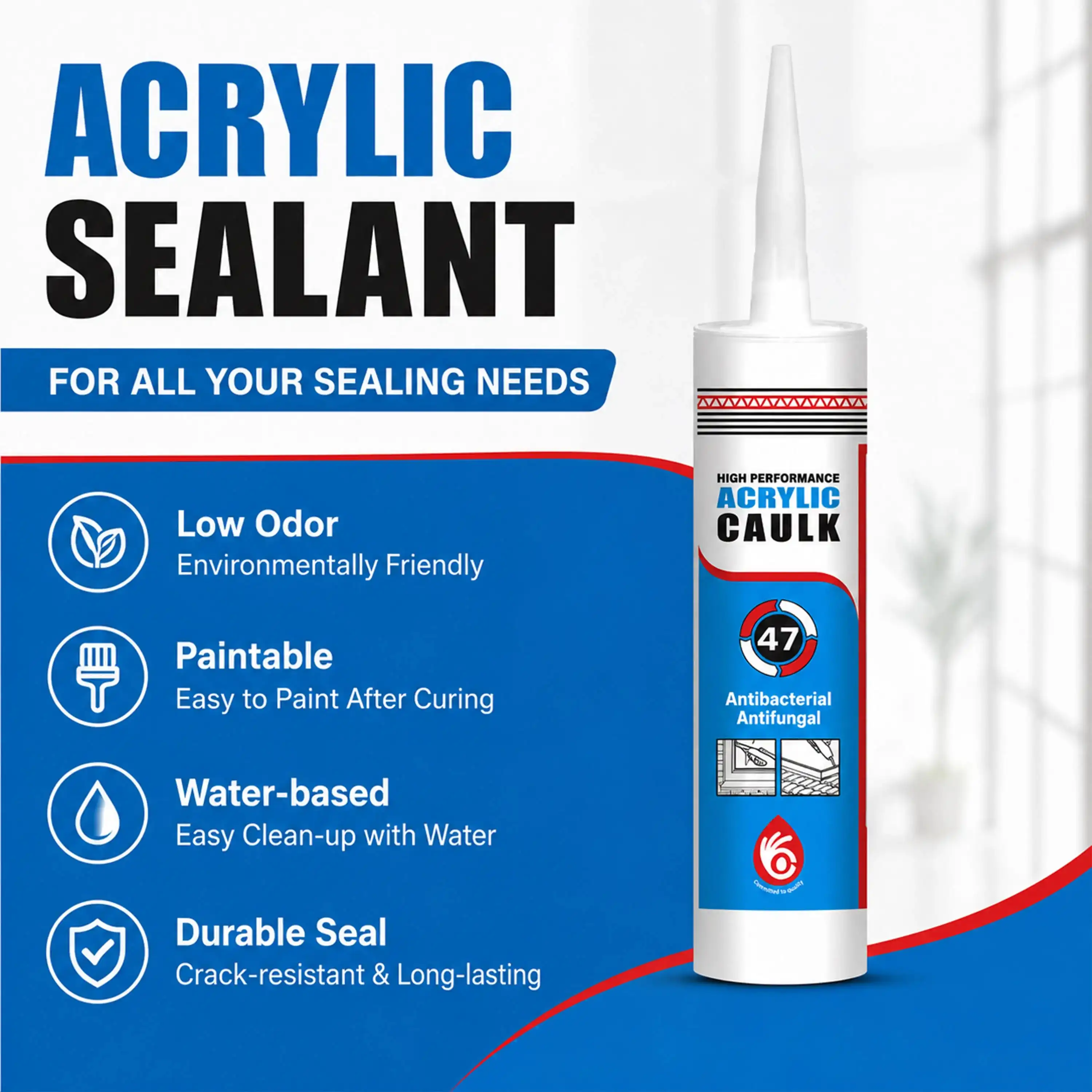
For reliable sourcing of wall ceiling acrylic sealant, you need to look at the qualifications of the company and their production ability. Suppliers should keep their ISO certifications, which show that they have quality control methods in place. When production wait times are between one and two weeks, it means that the scale of production is good enough to meet project deadlines. Professional operations are shown by being able to provide ASTM C834 compliance paperwork, technical data sheets, and safety data sheets. Distributors that offer sample kits let customers try the products before they commit to buying a lot of them, which lowers the risk of buying something.
How sealant is packaged affects both the cost per unit and how well it works when applied. Individual 300ml bottles are good for small amounts of work and are easy to handle. Bulk 600ml sausage packs are cheaper per volume and make less waste when working on big jobs. Prices are usually based on volume levels, and large savings are available for pallet amounts. Managers of procurement should figure out the total amount of the project and ask for quotes at different order levels. It's important to know how long something can last because most acrylic seals keep their best qualities for a year if they are stored properly.
Private label programs are good for stores that sell building materials and tools. Manufacturers that offer OEM services can make sealants that meet particular needs for marking and performance. Customization goes beyond the basic white, black, and gray to include color matches. Custom formulations usually have minimum order sizes that start at container loads, but some makers can work with smaller development runs. Setting up long-term supply deals keeps prices stable and makes sure that products are always available, even when demand changes with the seasons.
When you buy something internationally, you need to pay attention to the shipping methods and paperwork. Depending on the location, sea freight is a cheap way to move big amounts of goods. Transit times range from three to six weeks. Regional delivery works well with land freight. Suppliers with flexible transportation can combine orders to get the most out of each package. Customs delays can be avoided by knowing the rules for importing goods, how they are classified, and what licenses are needed. After-sales policies should make it clear what quality promises are offered and how to get a refund for a product that doesn't meet your needs.
People want low-emission goods because they care about the health of the environment. Acrylics that are made with water naturally have fewer toxic chemical compounds than acrylics that are made with solvents. Quality goods don't give off much of a smell when they're being used or drying, so they can be used in buildings that are already occupied without causing too much trouble. Different places have different rules about following area VOC laws. California's strict rules are often used as a guideline. For projects that focus on indoor environmental quality, specifiers should make sure that goods meet the relevant air quality standards and look into certifications like GREENGUARD.
Safe application techniques keep workers and people who live or work in the building safe. Acrylic seals aren't very dangerous, but it's still a good idea to follow some basic safety rules. Water vapor and trace pollutants are spread out when there is enough air during the application. Eye safety keeps you from accidentally touching something while working from above. Disposable gloves make cleanup easier and keep sensitive skin from getting irritated. Material safety data sheets include thorough instructions on how to handle the material and how to give first aid. Responsible product care ends with properly throwing away empty cartridges according to local rules.
How long a performance lasts relies on how bad the exposure is and how well it was installed. Acrylic joints that are kept out of direct water spray and in well-ventilated bathroom areas usually last between five and eight years before they need to be replaced. When joints are exposed to high humidity or water, they may start to break down in three to five years. Early signs of failure, such as shrinking, breaking, or discoloration, can be found through regular inspection. Replacing damaged caulk as part of routine maintenance stops water damage that costs a lot more than regular resealing.
Custom furniture makers who put in bathroom cabinets say that acrylic seals work well at the wall joint, where there isn't much direct water contact. Being able to paint it makes it easy to match colors to wood finishes. Acrylic is used to seal door frames in commercial office buildings with private bathrooms because it looks good with hallway finishes. One curtain wall builder only uses silicone to seal the outside of bathroom window frames against the weather, while acrylic is used to seal the inside of the window frames' border joints. These uses show how to choose materials strategically based on real-world exposure situations instead of general rules.
Acrylic seals like wall ceiling acrylic sealant are useful in bathroom building when used in the right way. The key is to make sure that the product's features fit the unique needs of both parties. Acrylic is best used in places that can be painted and have a low smell without being submerged in water all the time. Wet areas need silicone or polyurethane options that are made to fight water. Professionals in procurement can improve the results of a project by knowing these differences and selecting the right materials for each use. When you combine technical know-how with good product buying, you get installations that meet both performance needs and price limits.
A: Standard formulas work well in toilets with good ventilation for low humidity but not so well in places with poor ventilation or steam exposure. Because the chemistry is based on water, long-term high humidity slows curing and may hurt performance in the long run. When used in the right places, like door frames and window trim, acrylic works best in bathrooms with exhaust fans and regular air flow.
A: When it comes to direct water spray, acrylic shouldn't be used in shower walls, bathroom surrounds, or anywhere else. Silicone stays strong even when submerged in water for a long time and is better at resisting mildew. When premature failure means removing and replacing something, the difference in cost between the materials doesn't matter. For real wet places, silicone is the best choice.
A: Before painting, the sealant should form a hard skin, which usually takes 30 minutes to an hour in normal conditions. The air in a bathroom may make this time frame longer. Lightly touching the top helps figure out if it's ready. Acrylic seals and latex paints work best together because they form chemical bonds that are suitable. Giving sprayed sealant 24 hours to fully cure before introducing it to water keeps the paint film from getting damaged.
Jiaobao has 13 years of experience making wall ceiling acrylic sealant, which can help purchasing managers who are looking for a trusted producer. Our one-part RTV acrylic formulas dry quickly and can be painted, just what your projects need. They come in white, black, gray, or special colors that match specific design needs. We offer a range of volume options in 300ml and 600ml packages, as well as reasonable bulk prices and quick shipping times of 1-2 weeks. Our ISO-certified quality systems make sure that our products always meet ASTM standards, and we offer full help after the sale. Email our team at dorashen@cnjiaobao.com to get sample kits and talk about how our acrylic sealant solutions can help your bathroom building projects go more smoothly.
1. American Society for Testing and Materials. (2020). ASTM C834-20: Standard Specification for Latex Sealing Compounds. West Conshohocken: ASTM International.
2. Building Research Establishment. (2019). Sealants in Construction: Selection and Performance Criteria. Watford: BRE Press.
3. Construction Specifications Institute. (2021). MasterFormat Division 07 - Thermal and Moisture Protection: Joint Sealants. Alexandria: CSI Publications.
4. International Code Council. (2018). International Building Code: Chapter 14 - Exterior Walls. Country Club Hills: ICC Publishing.
5. National Association of Home Builders Research Center. (2017). Moisture-Resistant Construction Practices for Residential Buildings. Upper Marlboro: NAHB Research Center.
6. Sealant, Waterproofing & Restoration Institute. (2022). Guide to Sealant Selection for Interior Applications. Kansas City: SWRI Technical Publications.
November 16,2023
Enterprise Name
The sealant has very strong adhesion and performs well even on glass and aluminum. After curing, it remains flexible and shows no cracking. Perfect for our facade projects.
November 16,2023
Enterprise Name
Stable quality across batches. Our customers especially like the smooth application and consistent extrusion. It helps reduce installation time on site.
November 16,2023
Enterprise Name
I used it for bathroom sealing. Excellent waterproof performance and no mold issues so far. It's been holding up very well in humid conditions.
November 16,2023
Enterprise Name
The neutral silicone works well on sensitive materials without corrosion. Very suitable for industrial applications requiring stable performance.
_1779347426672.webp)