November 16,2023
Enterprise Name
The sealant has very strong adhesion and performs well even on glass and aluminum. After curing, it remains flexible and shows no cracking. Perfect for our facade projects.
Aug 7, 2026
GP door and window silicone sealant represents a specialized category of one-component, room-temperature-vulcanizing elastomers engineered for glazing and weatherproofing in construction. These acetic or neutral-cure formulations transform from thixotropic pastes into flexible rubber gaskets upon moisture exposure, addressing critical industry challenges like air infiltration prevention, water ingress control, and thermal bridging mitigation in aluminum assemblies.
Unlike structural silicones designed for curtain walls, GP variants prioritize cost-efficiency while maintaining reliable adhesion to glass, anodized aluminum, and glazed ceramics—solving premature sealant failure issues in residential and light commercial environments.
Modern silicone sealants are made of polydimethylsiloxane polymer chains that are joined together by binding agents that react with water. The chemical backbone gives the material great UV stability and ozone resistance, so it doesn't break down, chalk, or crack when exposed to the sun for a long time. Good formulations have a Shore A hardness between 15 and 25, which means they are flexible enough to handle thermal expansion without breaking apart.
Jiaobao's GP formula shows enterprise-level specifications and is backed by 13 years of experience making things. The acetic RTV system only needs 15 minutes to reach tack-free time, which is very important for assembly lines that make a lot of parts. This GP door and window silicone sealant stays strong at temperatures ranging from -50°C to +150°C, with tensile strengths of over 300% and highest bond strengths of 1.5 MPa. The mixture is resistant to water, acids, oils, and solvents, and it also has electrical insulating qualities, so it can be used for more than just glazing.
Knowing about cure chemistry affects choices about substrate suitability. During healing, acetic acid fix systems give off a vinegar smell and help skin form faster, usually in 5 to 15 minutes. This quick drying of the surface keeps production floors from getting dirty with dust. But acetoxy forms can eat away at copper, brass, and raw aluminum, which limits what they can be used for.
Different cross-linking chemistry in neutral fix options gets rid of the risk of corrosion. These formulas stick to a wider range of surfaces, like natural stone and concrete, without making acidic waste. The process doesn't give off any smell, so it can be used inside or in places with poor air flow. Even though neutral systems usually need longer cure times, they stop mirror desilvering and metal rusting, which happen a lot when acetoxy is used on materials that don't work well together.
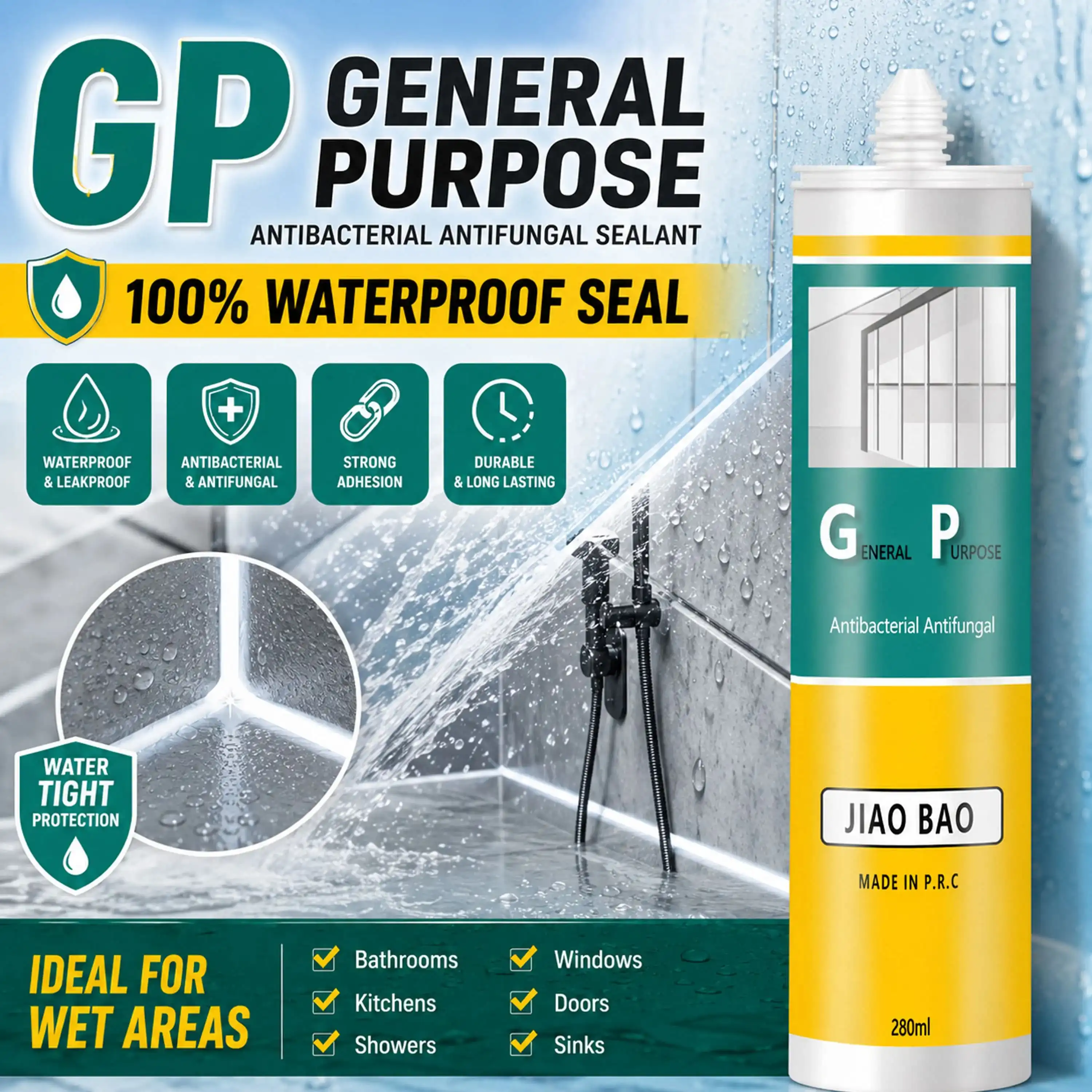
Long-term seal success depends on how well the base is prepared. Before GP door and window silicone sealant is put on, all surfaces must be clean, dry, and free of frost. Dust, oil, release agents, and moisture are all examples of contaminants that can break bonds and stop things from sticking properly. If the surface is weak, use isopropanol or special silicone bases to make it easier for the paint to stick.
Check the quality of the anodization on metal frames because areas that aren't properly anodized can separate when they are stressed. To get rid of industrial leftovers, glass surfaces need to be wiped down with a solvent. When sealing painted surfaces, make sure the paint is completely dry before applying the sealant. Paint that hasn't dried completely releases solvents that stop silicone from cross-linking. Temperature is very important; the best time to apply is between 4°C and 40°C, and the relative humidity should be above 20% to start the moisture cure mechanisms.
The ideal joint design follows the rule that the width of the joint should be twice the amount of movement that is expected. With this 2:1 ratio, too much stress doesn't build up during heat cycles. For moving joints, the joint depth is usually half of the joint width. For sealing joints, backer bars may be used to control the amount of sealant and make sure the geometry is right.
Cut the cartridge nozzles at 45-degree angles so that the bead width you want is the same. To avoid air traps or gaps, keep the gun pressure and journey speed steady. Quality sealants are thixotropic, which means they don't slump in gaps up to 20 mm wide when used vertically. Use the right tools to smooth out the bead during the tack-free time. Never use dirty water on acetoxy cure sealants because it changes the way they cure.
Vulcanizing sealants that are room temperature fix from the outside in as moisture from the air gets into the bead. Jiaobao's formula forms skin in 15 minutes, but it takes 7–14 days for the full cure to happen, depending on the depth of the joint, the temperature, and the humidity. Because moisture moves more slowly with depth, thick joints take longer to cure.
By cutting finished samples to look for unmixed particles or air bubbles, the "Butterfly Test" makes sure that the mixing was done right. If you test peel adhesion on real project substrates, you should find that the sealant fails cohesively instead of adhesively at the bond line. This difference shows the right way to prepare the surface and make sure it works with the base. We measure weight loss to find out how much liquid is in the mixture. Premium formulas shrink less than 5%, which keeps the joint's shape after it's fully cured.
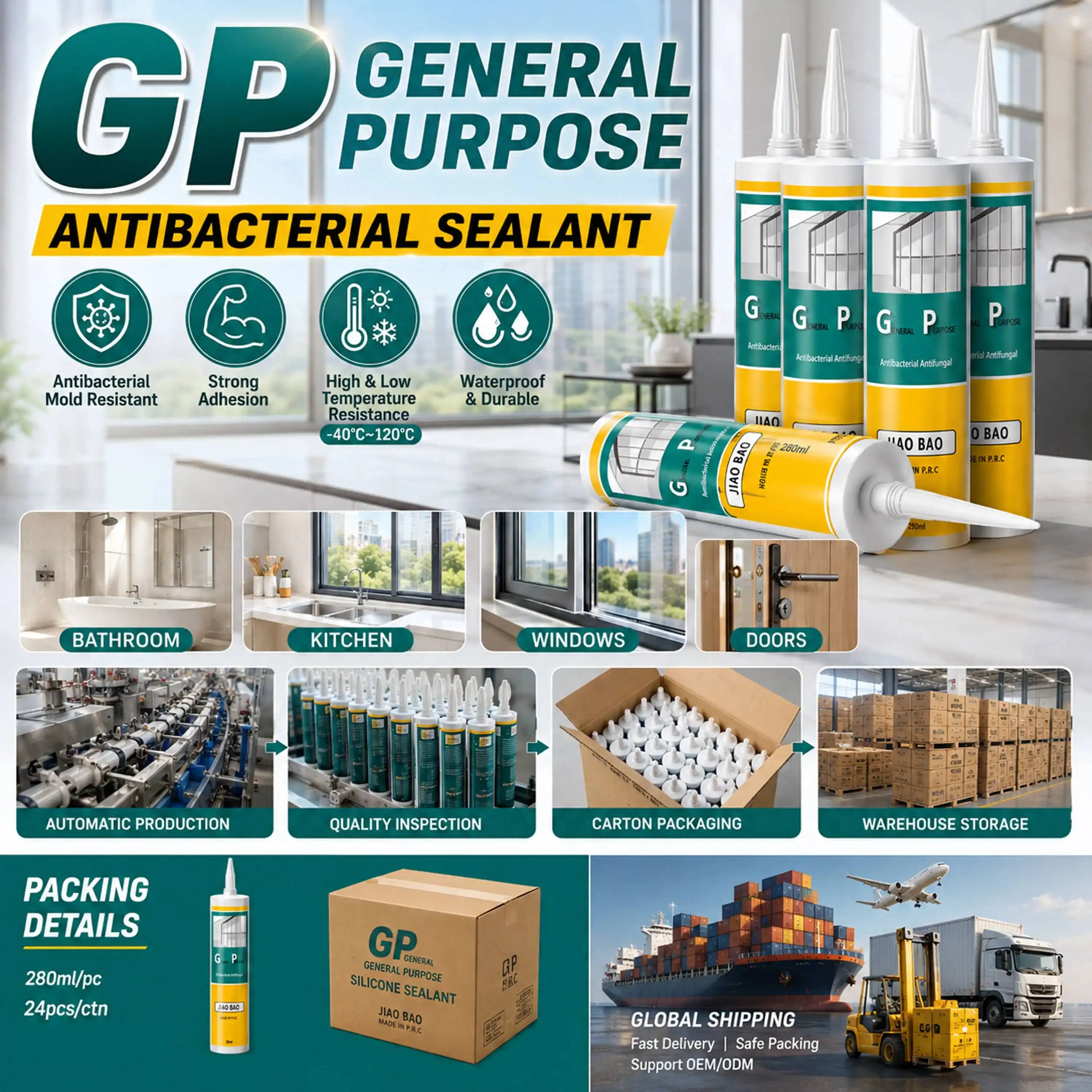
Product choice is based on how well the materials work together. Acetic cure systems work best on surfaces that don't have pores, like glass, glazed ceramics, and some plastics. Their quick cure time and strong initial tack make them good for high-throughput manufacturing settings where handling things quickly is important. But these mixtures need to be carefully screened on the base to make sure they don't combine with reactive metals or alkaline surfaces like concrete and cause corrosion.
Neutral fix versions are a little more expensive but offer a wider range of material compatibility. Non-corrosive chemistry is good for projects that use natural stone, mirrors, protected glass, or metals that are easy to damage. The formulation's flexibility makes it easier for facilities that deal with a wide range of substrate combinations to keep track of their inventory. When sealing gaps between different materials, like metal and glass, neutral methods reduce the risk of galvanic corrosion while keeping flexible bonds that can handle differences in temperature expansion. Selecting a high-quality GP door and window silicone sealant ensures longevity in these diverse conditions.
Conditions of environmental exposure determine the performance traits that are needed. For outdoor uses, UV resistance, weather resistance, and a wide temperature range are important. Jiaobao's recipe works well from -50°C to +150°C, which includes the extreme temperatures found in both the arctic and desert settings. Acid rain, industrial pollution, and salt spray in marine settings can't break down the chemical stability.
For interior use, low odor during curing, stain protection, and compatibility with cleaning products may be more important. Because they don't conduct electricity, silicone seals are useful in places where glass and electrical parts are combined, like in show cases or control panels. It can move more than 300% of its length, which means it can handle structural settlement, wind loading, and changes in temperature without breaking the bond or the seal.
Visual unity affects how a building looks. Standard colors are white, black, and gray, which match the finishes on most aluminum frames. Custom color matching makes sure that specialty powder-coated frames or colored glazing systems work well with the windows. Color stability is important—good pigments don't fade under UV light, which can cause ugly spots to show up over time.
Tooling and the end look are affected by how consistent the sealant is. When made correctly, goods keep their shape and don't slump when they're on vertical surfaces. They're also easy to work with and can be smooth-tooled. The dried surface should not pick up dust and keep its clean look without too much plasticizer movement, which makes surfaces sticky and easy for dirt to stick to.
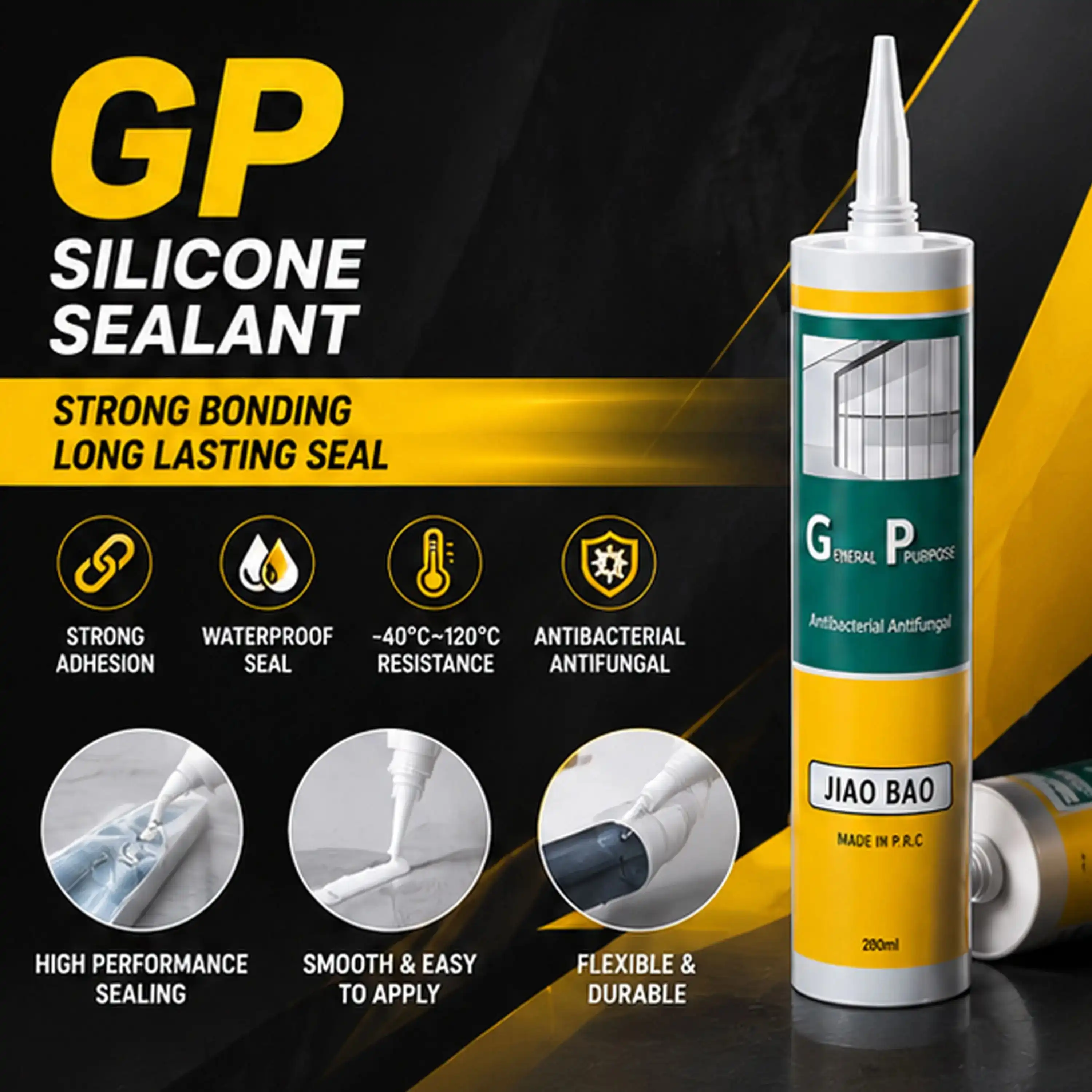
Cost, quality, and supply reliability all need to be balanced in business-to-business purchases. Direct relationships with manufacturers get rid of markups by distributors and make sure that the product specifications are correct. Shandong Jiaobao New Material Co., Ltd. has been in business since 2013 and is a specialist in making color silicone sealants. It has stable quality control systems and production methods that have been improved over the years to produce premium GP door and window silicone sealant.
Protocols for verification keep fake goods from getting into supply chains. Ask for ISO and CE badges that show you meet foreign standards. Check out factories to see how much they can make, how well they handle quality control, and where they get their raw materials. To avoid disagreements about whether or not a product meets requirements, make sure there are clear specs that include performance parameters, packing requirements, and acceptance testing methods.
When you order in bulk, you save money because the price per unit goes down and shipping costs are consolidated. Manufacturers can plan their production schedules and get the raw materials they need more efficiently when they make volume commitments. Jiaobao's delivery time of one to two weeks supports just-in-time inventory strategies, which lowers the cost of storage while keeping production going.
The type of packaging affects how well it is handled and how much waste it creates. For smaller projects, cartridge packaging works well and makes pouring easy. Sausage packaging, on the other hand, cuts down on plastic trash and costs for high-volume uses that use pneumatic dispensing equipment. Standard sizes of 300ml and 600ml meet the needs of most glazing joints, so containers that are only partly used don't go to waste.
Shipping arrangements that are flexible can meet the needs of people in a wide range of locations. When it comes to big orders with longer lead times, sea freight works best, while land transportation is better for area markets that need faster delivery. If you store things the right way, they will last longer. For example, sealants kept below 27°C in unopened containers will still work perfectly for a year.
Quality promises lower the chance of buying something. If there are quality problems within the shelf life, Jiaobao will either repay or replace the item. This shows that they are confident in the manufacturing standards. Technical support helps with application problems, questions about substrate compatibility, and making specifications for specific projects. This promise made after the sale lowers the costs of downtime caused by sealant fails or mistakes in application.
When compared to solvent-based alternatives, silicone chemistry is better for the environment. Low volatile organic compound emissions during fix keep air quality problems in residential areas to a minimum. The long service life—often more than 20 years for properly built joints—reduces the number of replacements needed and the amount of material used for each one. Lifecycle sustainability is achieved by reducing the need for maintenance and waste materials. Using a durable GP door and window silicone sealant contributes to long-term building efficiency.
Sealant trash from building renovations needs to be thrown away in a responsible way. Silicone that has hardened is chemically inert and non-toxic, so it is usually okay to throw it away with other building trash. Active cross-linking agents mean that uncured products need to be handled properly as hazardous waste. Reduce waste by accurately estimating quantities and storing items in a way that keeps them fresh longer.
When it comes to international markets, different rules apply. The performance classification methods set up by ISO 11600 and ASTM C920 are used all over the world for building sealants. Class 20/25 labels show that the movement is good for use in making joints. The CE mark shows that a product meets European safety, health, and environmental security guidelines.
VOC rules limit the amount of solvents that can be used in building materials. Instead of using organic extenders, good silicone formulas depend on silicone polymers and mineral fillers. Because solvent evaporation causes inferior products to shrink and lose their seal integrity over time, this composition is better for the environment and lasts longer.
the health of the worker during application is protected by proper handling. Proper ventilation gets rid of the byproducts of the cure. This is especially important for acetic cure systems that give off acetic acid vapors. Protective gear like gloves and safety glasses keep your skin and eyes from coming into touch with uncured material. Read safety data sheets to learn about specific risks and how to handle an emergency.
Temperature control and fire safety must be thought out in storage places. Curing silicone makes it impossible for it to catch fire, but uncured silicone may help it catch fire. Keep away from chemicals that don't mix with each other and make sure that the oldest stock runs out before the expiration date on the label. To avoid expensive installation fails, teach application staff the right way to dispense, how to prepare the surface, and how to check the quality.
Thanks to advanced polymer chemistry and careful formulation, GP door and window silicone sealants provide important sealing performance in modern construction. To be successful, you need to know the differences between repair systems, how to apply the material correctly, and how to make sure the base works with the system. Long-term project results depend on procurement decisions that balance quality, cost, and supplier dependability. Jiaobao is a reliable partner for fenestration closing needs because we are good at making things, can deliver quickly, and offer full technical support. Our formulas are ISO and CE approved, so they meet international standards. We also offer customization options to meet the needs of specific regions and projects.
Silicone materials naturally don't like water, so they don't absorb it and stay flexible. The cross-linked molecule arrangement keeps water out while allowing the joints to move. Quality formulations don't break down when exposed to UV light or ozone, which happens with inferior sealants. This means that waterproofing integrity is maintained for decades in harsh conditions.
When compared to plastics, silicone is better at withstanding high temperatures, UV rays, and movement. Polyurethanes are very resistant to wear, but silicones stay flexible over a wider range of temperatures without cracking or hardening. The choice depends on the needs of the project; silicones work best in parts that move a lot and are exposed to weather.
Moisture-cure mechanisms slow down a lot below 4°C, which makes the time between tacky and fully cured longer. Ice on the substrates stops them from sticking properly, so they must be frost-free. If you can, warm the product and the substrates. Also, give the joints more time to cure before putting them under stress or water. Some companies make formulations for cold weather that have different cure chemistry.
Poor surface preparation that leaves behind contaminants that stop bonding, bad joint design that causes too much stress, and substrate incompatibility that leads to corrosion or poor adhesion are all common ways that things fail. If you use an outdated product with cross-linkers that have broken down, the healing will not be complete. When sealant sticks to joint backing on three sides, stress builds up and tears the joint apart.
Procurement managers seeking a dependable GP door and window silicone sealant manufacturer benefit from Jiaobao's proven track record in specialized sealant production. Our enterprise-grade formulations meet international ISO and CE standards, ensuring consistent quality across shipments. The 1-2 week production lead time supports lean inventory management while our flexible sea and land logistics accommodate diverse geographical requirements. We provide comprehensive OEM and ODM customization to match regional specifications and unique project parameters. Technical consultation assists with substrate compatibility evaluation, application troubleshooting, and performance optimization.
Contact our team at dorashen@cnjiaobao.com to request product samples, discuss volume pricing for your production requirements, or explore custom formulation development. Visit shandongjiaobao.com for detailed technical specifications and case study documentation demonstrating real-world performance across diverse building applications.
1. "Construction Sealants: Technology and Applications" - ASTM International Manual Series (2018)
2. "Silicone Sealants in Building Construction: Performance Standards and Application Guidelines" - Journal of Building Engineering, Vol. 45 (2022)
3. "Comparative Study of Acetic versus Neutral Cure Silicone Sealants in Fenestration Applications" - Construction Materials Research Quarterly (2021)
4. "Durability Assessment of Glazing Sealants Under Accelerated Weathering Conditions" - International Journal of Adhesion and Adhesives (2020)
5. "Quality Control Protocols for Silicone Sealant Manufacturing: ISO 11600 Compliance Framework" - European Sealant Association Technical Bulletin (2019)
6. "Lifecycle Analysis of Building Envelope Sealants: Environmental Impact and Sustainability Metrics" - Green Building Materials Journal (2023)

November 16,2023
Enterprise Name
The sealant has very strong adhesion and performs well even on glass and aluminum. After curing, it remains flexible and shows no cracking. Perfect for our facade projects.
November 16,2023
Enterprise Name
Stable quality across batches. Our customers especially like the smooth application and consistent extrusion. It helps reduce installation time on site.
November 16,2023
Enterprise Name
I used it for bathroom sealing. Excellent waterproof performance and no mold issues so far. It's been holding up very well in humid conditions.
November 16,2023
Enterprise Name
The neutral silicone works well on sensitive materials without corrosion. Very suitable for industrial applications requiring stable performance.
_1779347426672.webp)