November 16,2023
Enterprise Name
The sealant has very strong adhesion and performs well even on glass and aluminum. After curing, it remains flexible and shows no cracking. Perfect for our facade projects.
Jul 22, 2026
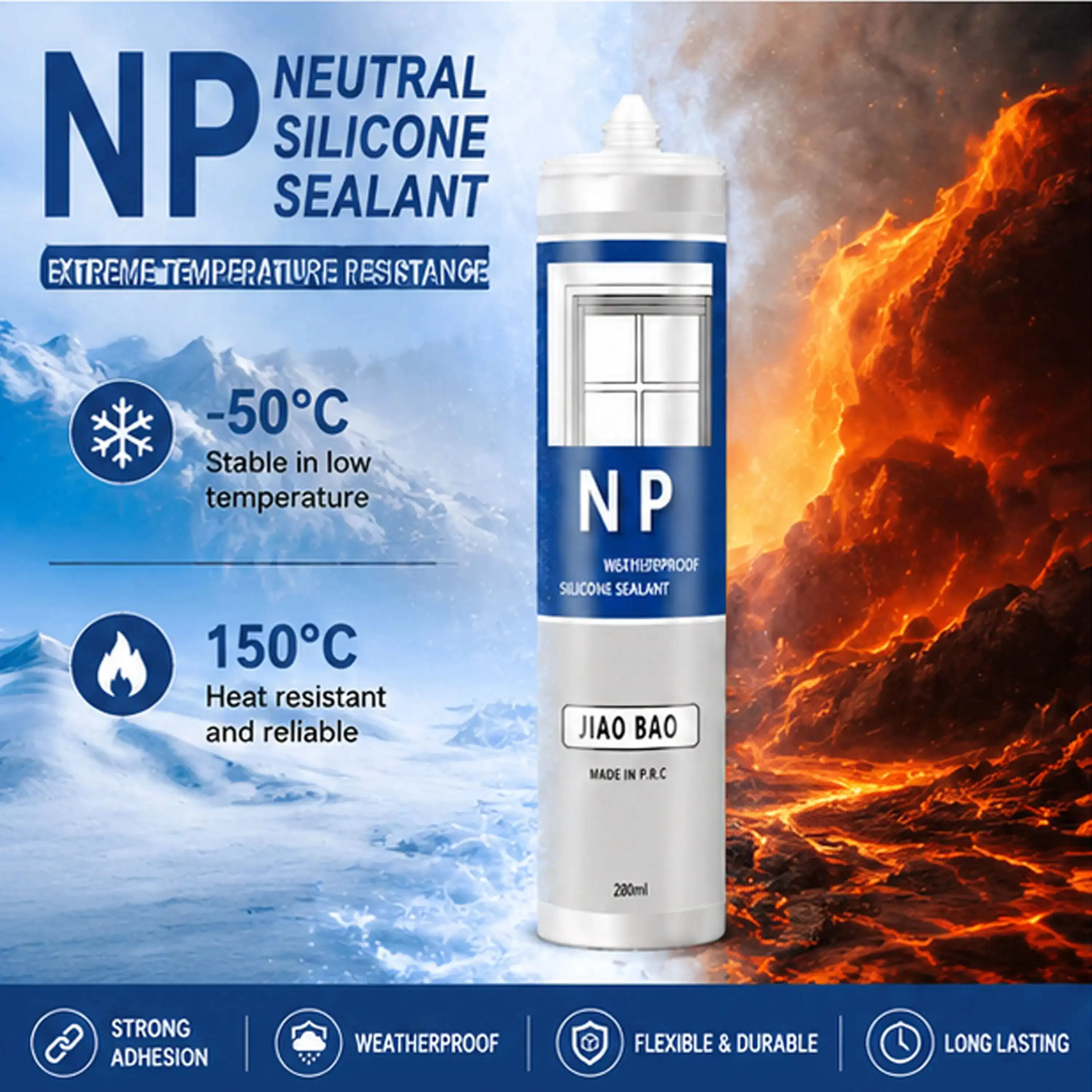
When choosing a sealer for your building materials, manufacturing, or construction projects, you have to make a big choice that will affect how well the project works right away and how long it lasts. The NP Neutral Cure Silicone Sealant is unique because it seals well without damaging sensitive materials and doesn't corrode. Unlike acetic cure options that release acids that eat away at things, neutral cure formulations release leftovers that don't damage anything while they cure. These protect metals, coated glass, and natural stone while also being very weatherproof and flexible across temperature ranges from -50℃ to +150℃.
Neutral cure silicone sealants are a big step forward in the science of closing. What makes these products different is how they dry at room temperature. Acetic acid, which is also found in vinegar, is released by traditional acetic cure silicones. This gives them their characteristic strong smell and can eat away at delicate materials like copper, brass, zinc-coated surfaces, and even mirror backings.
Neutral cure technology is based on oxime or alkoxy cure mechanisms in chemistry. When these mixtures are exposed to wetness in the air, they don't create corrosive acids but instead neutral substances. This basic difference makes it possible to use them in ways that aren't possible with acidic alternatives. More and more, project managers and procurement experts are asking for neutral cure goods because they don't have to worry about substrate compatibility.
When you're sealing curtain walls, putting up mirrors, or joining glass panels, material compatibility is very important. You won't get "desilvering" on mirrors with neutral cure silicone. This is when acidic sealants damage the silver backing and leave behind unsightly black spots. Anodised aluminium, galvanised steel, and powder-coated metal surfaces that are often used in modern architecture are all protected in the same way. Tests show that neutral cure formulations keep their adhesion strength without damaging base surfaces even after years of being exposed to them.
In addition to protecting against corrosion, neutral cure sealants don't smell bad when they're being used or when they're curing. This quality is very important for interior projects where people will be living there while work is being done. This low-odor profile is good for factories that make custom furniture, install bathroom fixtures and work with glass. It lets them run continuously without having to worry about ventilation issues that come with acetic cure products.
There are many types of sealants on the market, such as polyurethane, hybrid polymers, and acrylic formulations. Each one claims to have certain benefits. When you know how neutral cure silicone stacks up against other types, you can make smart purchases that meet the needs of the project and meet performance expectations.
The real value of a sealant like NP Neutral Cure Silicone Sealant outside depends on how well it stands up to weather. When exposed to UV light, ozone, and changes in temperature, neutral cure silicone keeps its flexibility and ability to stick even after being frozen and thawed many times. While polyurethane sealants can harden and crack after being in the sun for a long time or acrylic products can break when they are put under stress from movement, neutral cure silicone stays flexible like rubber. The molecular structure naturally resists oxidative degradation. This means that it will last longer and cost less to maintain.
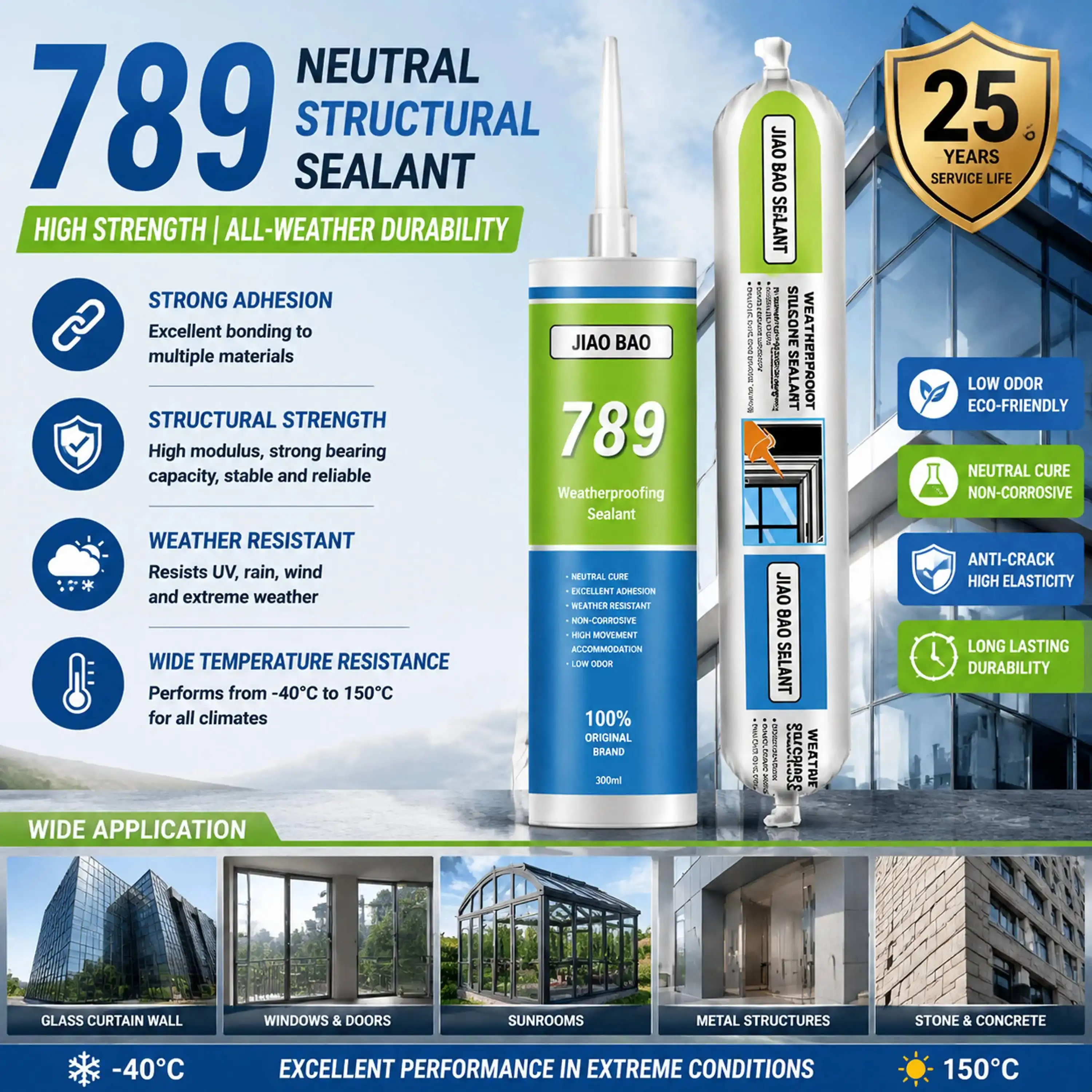
Companies that make curtain walls really like how long-lasting this is. Large amounts of thermal growth and shrinkage happen every day in high-rise buildings. A sealer has to be able to move with the joint without coming apart or losing its stickiness. Neutral cure products can handle these stresses well because they can move up to 25% to 50%, depending on the formulation class. The ASTM C920 approval tests show that these materials keep working well even after being bent and squished many times, which would break cheaper materials.
Installers of metal cladding, glass, and stone all have to deal with the same problem: they need to find a sealant that works with a wide range of substrates. Most of the time, neutral cure silicone sticks well to glass, aluminium, natural stone, ceramic tiles, concrete, and even some plastics without primers. This wide compatibility makes stocking simpler and removes the chance of using goods that don't work together, which could cause adhesion failure. This technology works really well for covering polycarbonate glass or plastic panels. Stress cracking happens in these plastics because of acidic silicones. These are tiny breaks that get bigger over time and destroy the panel. When neutral cure formulations are used, they bond without using chemicals, so the optical clarity and structural integrity of the assembly are kept for a long time.
The initial cost of the materials is only one part of the total cost over their lifetime. Neutral cure silicone is valuable because it lowers the number of callbacks, needs little maintenance, and keeps the substrate from getting damaged. The extra cost of neutral cure technology is almost nothing compared to the risk of using cheaper, less reliable options. This is because of the labour costs needed to reseal failed joints, the cost of building access tools, and the damage that weather can do to broken seals.
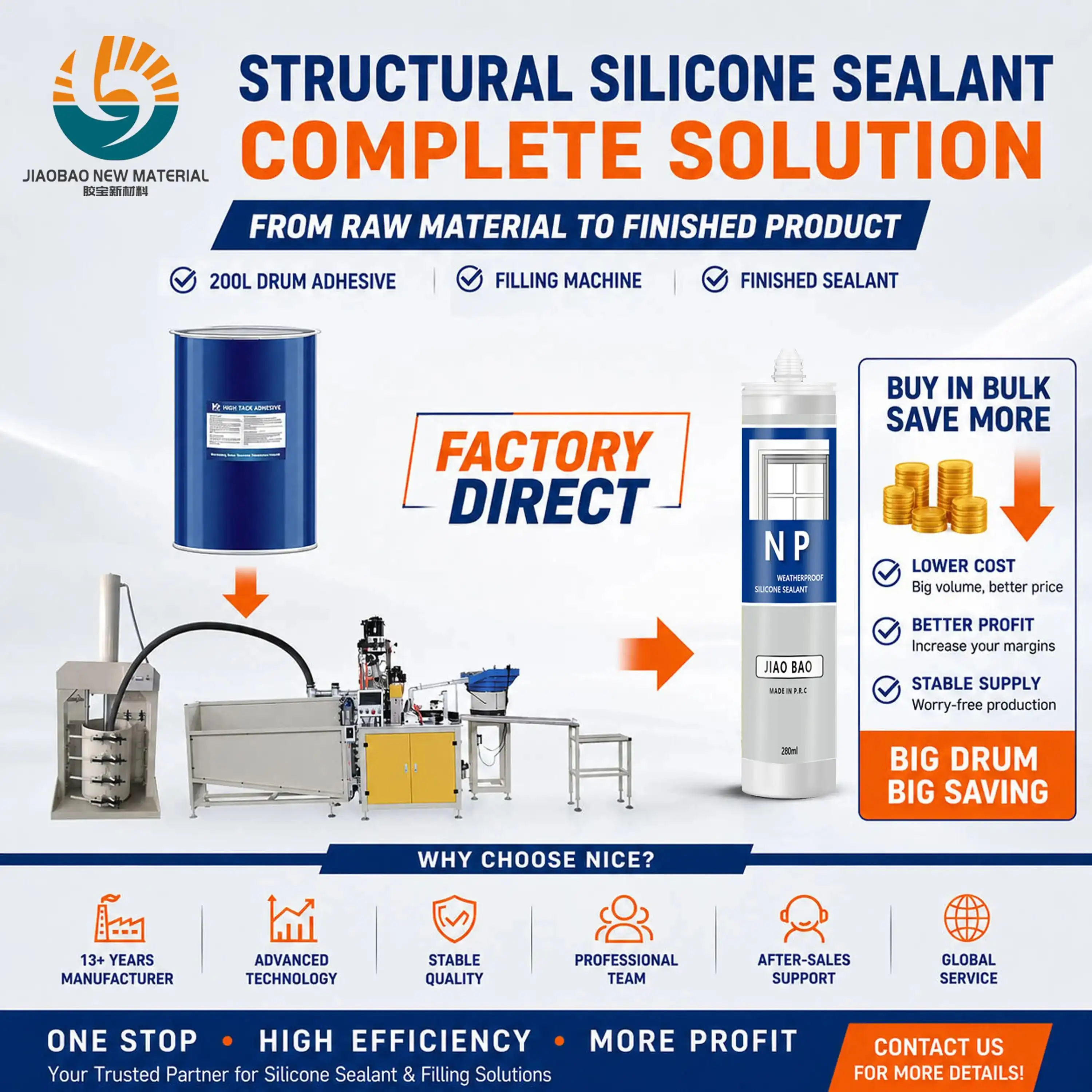
Knowing how to use a high-quality sealant correctly is what makes it do what it's supposed to do. When basic preparation and handling standards aren't met during installation, even the best materials won't work. If you understand these steps, you can be sure that all of your projects will have the same effects.
Seals that last a long time need substrate surfaces that are clean and dry. Dust, oil, release agents, old sealant residue, or moisture films can get in the way of proper adhesion. Isopropyl alcohol should be used as a solvent to wipe down non-porous surfaces during the cleaning process. The surface should then be completely dried. Concrete and other porous materials may need a primer to make the surface stronger and stop binding loss. Testing a small area before applying it all over makes sure that it is compatible and that it sticks well.
Temperature and humidity conditions at the time of application directly affect curing speed. NP Neutral Cure Silicone Sealant works best when applied at temperatures between 5°C and 40°C and relative humidity above 30%. Under normal conditions (25°C, 50% RH), the surface dries in 30 minutes, so you can move on without having to wait for a long time. The full repair depth moves forward at a rate of about 2 to 3 mm every 24 hours. Depending on the joint depth and weather factors, curing is complete in 7 to 14 days.
To make beads that stay together, you need to use the right tools and techniques. Cutting the cartridge opening at a 45-degree angle to match the size of the bead you want makes sure that the material flows evenly. When you keep the pressure and speed of the gun steady, the joints are smooth and there are no holes or air pockets. When you tool the bead right after it's been applied, before the surface skinning starts, it makes good contact with both joint faces and creates the concave profile that makes movement possible.
Joint design follows established principles: width-to-depth ratios typically range from 2:1 to 4:1 for optimal performance. Backing materials like closed-cell polyethylene foam rod stop three-sided bonding, which makes it hard to move and can lead to cohesive failure when stressed. When your reputation depends on installations that work perfectly for decades, these details are very important.
Decisions about strategic sourcing have just as much of an effect on the success of a project as technical requirements. Finding trusted suppliers, setting up ways to check the quality of goods, and putting together supply agreements all take careful consideration of more than just prices.
Working with well-known manufacturers gives you access to consistent product quality, technical support, and proof of compliance. Since 2013, Shandong Jiaobao New Material Co., Ltd. has been making coloured and neutral cure silicone sealants and has become an expert in formulas that solve sealing problems in architecture and industry. Products must meet international standards for global projects.
This is made sure by ISO certification, ASTM compliance, and thorough testing protocols. Testing samples before buying a lot of something protects against problems with compatibility and poor performance. A reasonable way to judge performance is to ask for samples that come from real production runs, not specially made test units. Adhesion tests should be done on project-specific substrates, movement tests should be done, and compatibility checks should be done with materials that are close by.
Planning how to buy NP Neutral Cure Silicone Sealant is affected by things like lead times, minimum order quantities, and the ability to ship items in different ways. Just-in-time delivery strategies lower the cost of keeping inventory, and manufacturers with production cycles of one to two weeks support them. You can choose from 300ml and 600ml packs or sausages for volume packing. These can be used for both small-scale projects and large-scale projects that need bulk gun dispensing systems. When you ship goods internationally, you need to coordinate things like customs paperwork, product labelling, and following the rules. Suppliers with a lot of experience can get around these problems by giving the right technical data sheets, safety documents, and copies of certifications to meet the needs of different markets.
Repeat purchases are easier when you already have a relationship with a supplier and they know what you need. When past formulas are written down and can be easily copied, custom colour matching is sped up. As suppliers get to know your typical applications, they can offer better technical support and even help you solve new problems before they happen. Warranty terms and quality guarantees give you options if problems happen, protecting your business from the costs of buying bad materials.
Field performance that has been recorded gives people confidence that lab specifications translate to real-world results. If you know how neutral cure silicone works in various industries and situations, you can better guess how your projects will turn out. Applications in construction and screen walls show that the technology can withstand weather and move.
High-rise buildings near the coast are exposed to UV rays, salt spray, and changes in temperature, all of which quickly break down sealants that aren't made well. Neutral cure formulations used in projects show little wear and tear even after ten years of use, with joints still being able to stretch and stick together properly. These results have been confirmed by independent tests, and samples taken from real placements show that the physical properties are still within the acceptable ranges.
Manufacturing environments present different challenges. When putting together electronics, you need sealants that harden without letting out chemicals that could damage sensitive parts. For automotive uses, you need materials that can handle vibrations, going from hot to cold, and being exposed to fuels, oils, and cleaning chemicals. Because neutral cure silicone is chemically stable and has good mechanical qualities, it meets these needs and is widely used in many industry sectors besides building.
Stone fabrication and custom furniture manufacturing benefit from the non-staining characteristics of quality neutral cure products. If sealants have plasticisers or other chemicals that move into porous surfaces, they can permanently change the colour of natural stone, especially light-colored marble and granite. Premium formulations won't stain when tested to ASTM C1248 standards. This protects the aesthetic value of high-end installations.
The NP Neutral Cure Silicone Sealant technology solves basic problems that other sealing materials can't. These formulations are the best choice for demanding uses where performance can't be sacrificed because they don't corrode, work with a wide range of substrates, are very resistant to weather, and last a long time. More and more, project requirements call for neutral cure goods because the cost of failure is much higher than any material savings from cheaper options. When looking at options based on how well they work over their whole lifecycle instead of just how much they cost per unit, neutral cure silicone always gives you the best value in manufacturing, construction, and industrial settings.
A: When acetic cure silicones harden, they release acetic acid. This acid reacts chemically with metals like copper, zinc, and some aluminium alloys, causing rust that makes it harder for the silicone to stick. Neutral cure formulations give off byproducts that aren't corrosive, usually alcohols or oximes. These byproducts don't react with metal substrates, so the sealant bond and substrate integrity are kept intact throughout the service life.
A: When installed correctly, neutral cure silicone sealants that are properly made will keep their elasticity for 20 years or more in outdoor applications. Organic sealants break down in UV light and oxidation, but the siloxane polymer backbone doesn't. The material's mechanical qualities aren't affected much by changes in temperature, exposure to wetness, or contact with ozone. This means that the material can handle joint movement over a long period of time.
For application, the base surfaces must be dry. Moisture in the air fixes the sealant, but water at the contact of the base during application stops chemicals from bonding. This breaks the adhesion right away. Before applying sealant, surfaces must be completely dry. Once the material is in place, ambient humidity speeds up the curing process, which is a good thing.
Choosing the right NP Neutral Cure Silicone Sealant maker can affect the success of your project and your business in the long run. Jiaobao has more than 13 years of experience making neutral and coloured silicone formulations. They are ISO certified and follow ASTM standards, which means they can meet international procurement standards. Our quick production turnaround (just 1-2 weeks) and flexible OEM/ODM customisation options make sure you get the exact product specifications your projects need. We stand behind the quality of our work with a full warranty and quick technical support. You can email our team at dorashen@cnjiaobao.com to ask for samples, talk about custom colour matching for your needs, or get full quotes for large orders that will help you save money on your purchases.
1. ASTM International. "Standard Specification for Elastomeric Joint Sealants (ASTM C920)." Annual Book of ASTM Standards, Vol. 04.07, Building Seals and Sealants; Fire Standards; Dimension Stone, 2022.
2. Klosowski, John M. and Wolf, Arthur T. "Silicones." Handbook of Adhesive Technology, 3rd Edition, edited by K.L. Mittal and A. Pizzi, CRC Press, 2017, pp. 305-334.
3. Panek, Julian R. and Cook, John P. Construction Sealants and Adhesives, 3rd Edition. John Wiley & Sons, 1991.
4. Beech, David G. "Durability of Building Sealants." Building and Environment, vol. 15, no. 3, 1980, pp. 169-178.
5. Lacasse, Michael A. and O'Connor, Trevor. "Advances in Service Life Prediction of Building Joint Sealants." Journal of ASTM International, vol. 5, no. 10, 2008.
6. Feng, Xiangsheng and Liu, Zheng. "Performance Testing Methods for Silicone Sealants in Curtain Wall Applications." Construction and Building Materials, vol. 48, 2013, pp. 1277-1284.
November 16,2023
Enterprise Name
The sealant has very strong adhesion and performs well even on glass and aluminum. After curing, it remains flexible and shows no cracking. Perfect for our facade projects.
November 16,2023
Enterprise Name
Stable quality across batches. Our customers especially like the smooth application and consistent extrusion. It helps reduce installation time on site.
November 16,2023
Enterprise Name
I used it for bathroom sealing. Excellent waterproof performance and no mold issues so far. It's been holding up very well in humid conditions.
November 16,2023
Enterprise Name
The neutral silicone works well on sensitive materials without corrosion. Very suitable for industrial applications requiring stable performance.
_1779347426672.webp)