November 16,2023
Enterprise Name
The sealant has very strong adhesion and performs well even on glass and aluminum. After curing, it remains flexible and shows no cracking. Perfect for our facade projects.
Jul 9, 2026
The choice of bonding material has a direct effect on the safety, structural stability, and long-term performance of a car when glass is being installed or fixed. PU Auto Glass Sealant has become the best way to bond windshields together because it has the strongest binding, is flexible under stress, and doesn't break down in the environment. Unlike traditional silicone options, polyurethane versions offer structural support that makes vehicles more rigid while still having the flexibility needed to absorb impact forces during accidents. It is important for procurement managers and technical engineers in places that make auto parts, process glass, and fix cars to know why polyurethane sealant works better than other materials. This way, they can make smart buying decisions that balance performance, safety, and cost-effectiveness.
For example, PU Auto Glass Sealants made for auto glass are a complex type of bonding agent that was created to meet the special needs of modern car building. These seals are made from chemically reacting polymers that harden when they come into contact with water. They go from being a thick paste to a strong, flexible bond that becomes an important part of the vehicle's structure.
PU Auto Glass Sealant products are based on a silane-modified polyether resin base, which starts to cross-link when it comes in contact with moisture in the air. This process for moisture curing lets the material get stronger over time by making molecular chains that connect to form a strong three-dimensional network. One-component PU Auto Glass Sealants are easier to use than two-component systems, which need exact mixing ratios and a limited working time. Manufacturers just load the cartridge into a dispensing gun and start applying it right away, without any preparation steps that could change the quality of the bond.
In normal conditions, the healing process moves along at a rate of about 3.5 millimeters per day, and the surface is free of tack in 25 to 40 minutes at room temperature. This controlled cure rate gives workers enough time to place the glass correctly while also making sure that the strength builds up quickly enough to meet the safe drive-away time standards. Quality versions have a solid content of about 99%, which means that they don't shrink much when they cure. This keeps the seal's integrity and stops gaps from forming that could affect its protection.
Tensile strength is an important measure of performance. According to ASTM D412 testing guidelines, professional-grade PU Auto Glass Sealant reach values of around 2.2 MPa. Because it is so strong, the glass stays safely attached even when it is hit by heavy objects in a frontal accident or when the airbag deploys. Elongation power, or how much the material can stretch without breaking, is also very important. At about 400% elongation at break, PU Auto Glass Sealants can handle the heat expansion of metal and glass surfaces, the flexing of a vehicle's body while it's in motion, and contact forces without losing their adhesiveness or cracking.
Temperature performance tells the difference between good polyurethane formulas and bad ones. The material stays flexible and sticks together in temperatures ranging from -40°C to +90°C, so it can be used in a wide range of situations, from the cold Arctic to the hot desert. A Shore A hardness of about 45 is the best mix between firmness for structural support and flexibility for sound damping. This makes a bond that works as both a structural element and a noise-dampening gasket.
When compared to silicone-based sealants, PU Auto Glass Sealant has higher tensile strength and structural load-bearing ability. This makes it the best choice for situations where the glue helps keep the car rigid. Silicone is great at staying stable at very high or very low temperatures and being resistant to UV light, but it doesn't have the mechanical qualities needed for solid glazing. Polysulfide sealants used to be popular in aircraft uses, but current PU Auto Glass Sealant versions cure faster and hold up better over time.
Acrylic glues dry quickly and stick well at first, but PU Auto Glass Sealant is stronger, more flexible, and more resistant to damage from the environment. PU Auto Glass Sealant is the better choice because it lasts longer and doesn't break down, so the bond stays strong for the whole life of the car. This is true even if the beginning material costs are higher.
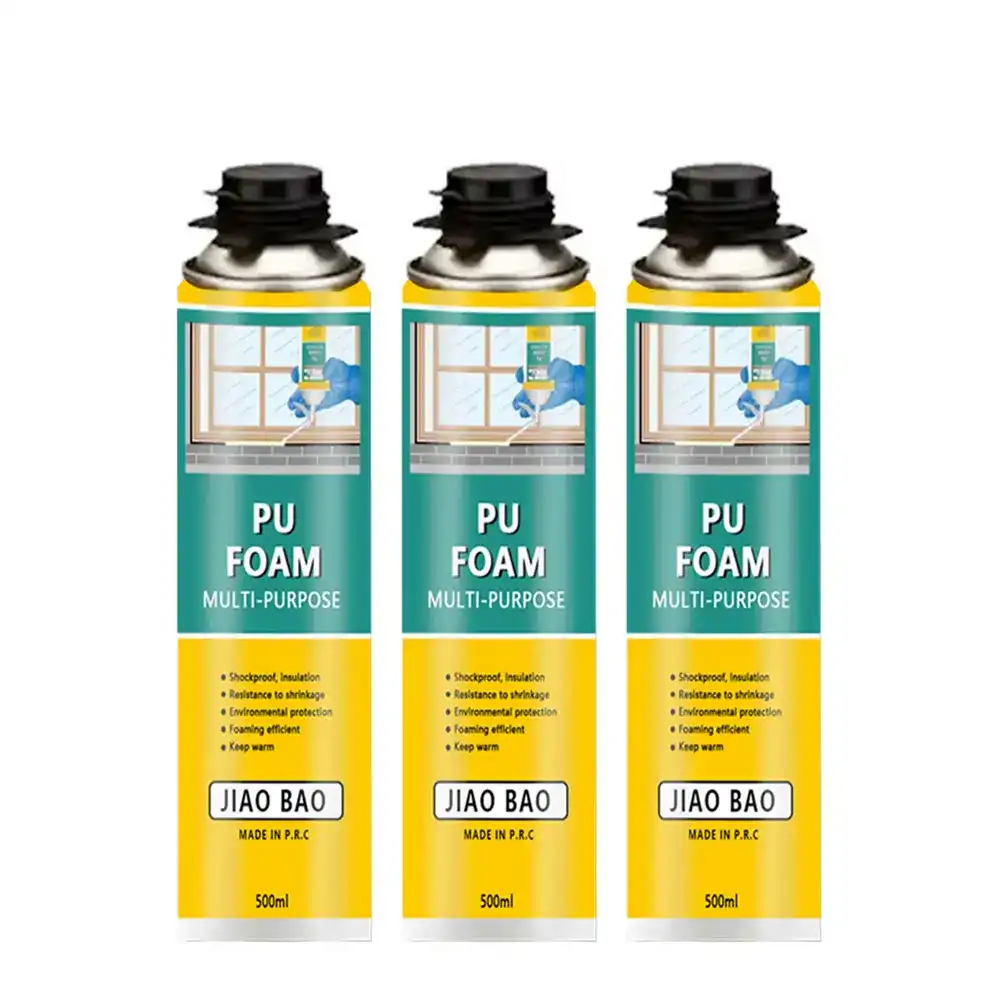
How well and how long a tie lasts depend directly on how it was applied. Even the best PU Auto Glass Sealant won't work if the surface isn't properly prepared or if the application steps aren't followed exactly as written.
Cleaning the area very well is the first step to successful gluing. All areas that will be bonded must be clean and free of things like oils, release agents from the making process, road film, old sealant residue, and loose particles. Technicians should use lint-free brushes and isopropyl alcohol to clean metal pinch welds and glass surfaces. They should let the alcohol evaporate completely before applying PU Auto Glass Sealant. Any bare metal that has been scratched or corroded needs to be primed to stop rust from forming and making it harder to stick.
The main connecting surface is the ceramic frit area on auto glass, which is the black band around the edge. This frit must stay whole and not be broken. Some advanced formulas have primerless technology that lets them stick directly to frit and painted surfaces, skipping a step in the process and lowering the chance of application mistakes. However, a lot of professional workers still like black primer systems because they protect the glue bondline from UV light. This makes the system last longer in cars that are in direct sunlight.
The steps for installation are carefully planned to make the bond stronger while keeping things running smoothly. Technicians start by cutting the cartridge tip at a 45-degree angle to get the bead diameter they want. This diameter is usually big enough to fully fill the gap between the glass and pinch weld without any extra squeeze-out. After putting the cartridge into a mechanical or hand dispensing gun and applying steady, consistent pressure, the user makes a bead that goes around the whole bonding edge.
Shape of the beads is very important. If they are too thin, the bond won't be strong, and if they are too thick, the drying time will be too long, and there will be too much trash, which will cost more. The PU Auto Glass Sealant has to fill in all the cracks and holes in the surface so there are no empty spaces or air pockets that could let water in. Once the beads are on, the glass needs to be put in the open time window for a certain amount of time, usually 10 to 15 minutes, but this can change based on the temperature and humidity. It's important to get the setting right the first time because changing the glass after the first impact breaks the bondline and lowers the strength.
Support systems, also called retention methods, hold the glass in place until the PU Auto Glass Sealant gets strong enough to hold its own weight. The tack-free time tells you when the skin on top forms, but the full structural strength doesn't come until several days later, after the moisture cure has spread through the whole thickness of the bead.
Environmental rules about volatile organic compound (VOC) pollution change how sealants are made and how much air flow is needed in the workplace. Quality PU Auto Glass Sealants for car glass meet government standards while keeping their performance qualities. Installers must follow safety rules, such as making sure there is enough air flow, wearing the right safety gear, and storing materials in the right way to keep them from drying too quickly or breaking down.
Product datasheets give important details like the best temperature ranges for use and storage, the longest time the product can be kept (usually 12 months for cartridges), and how the surface should be prepared. By following these guidelines, you can be sure of regular results and lower the chance of warranty claims due to installation problems.
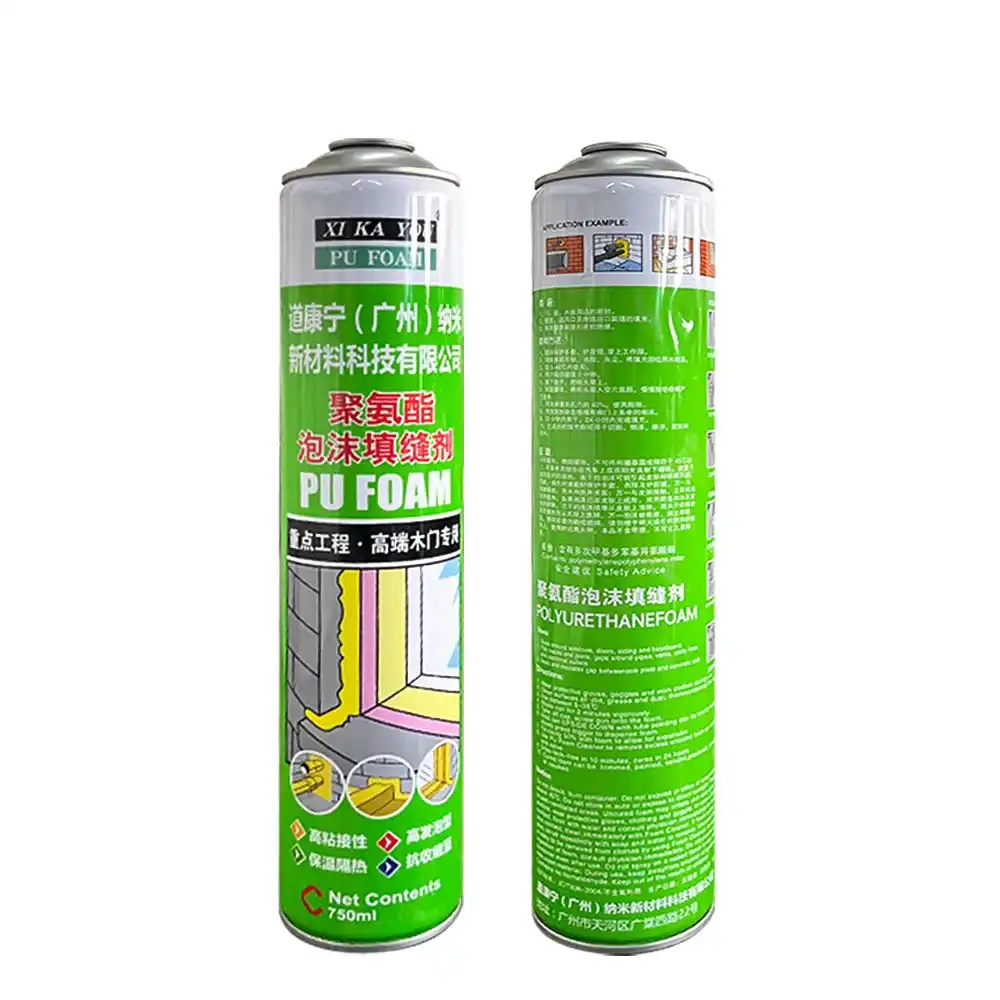
There are more than just price-per-unit comparisons that need to be made when choosing the best window sealing material. Total cost of ownership, performance reliability, and the skills of the seller are all things that affect buying strategy.
Premium PU Auto Glass Sealant formulas are different from cheaper ones because they last longer in real-world circumstances. Lower-quality adhesives slowly break down when exposed to changing temperatures, UV rays, car fluids, and environmental pollutants. This can cause bond failure, which can show up as water leaks, wind noise, or a catastrophic windshield coming off in an accident. Quality PU Auto Glass Sealant keeps the link strong throughout the life of the vehicle, giving steady performance that protects both the people who ride in them and the makers' names.
Weather protection is more than just keeping water out. When the glue is dry, it has to be able to stop water from getting in and causing rust between the surfaces, stay flexible during freeze-thaw cycles that cause the surfaces to shrink and grow, and stand up to the chemicals that come from road salts and cleaning products. Accelerated aging tests in the lab are like being exposed to the environment for years, so procurement teams can compare formulas based on how well their qualities hold up after the same amount of time.
The cost of materials is only one part of the total cost of installation. Labor productivity, rework rates, and guarantee costs have a big effect on how much money car repair shops and OEM assembly operations make. Even if the unit price is low, a cheaper glue that needs starters, has a short working time, or cures unevenly may actually make total costs go up. On the other hand, premium formulas that are easier to use, work reliably in a range of circumstances, and have lower failure rates offer better value, even though they cost more.
Strategies for buying in bulk can cut unit costs by a large amount. When suppliers offer bulk discounts, uniform quality across production lots, and reliable shipping schedules, procurement managers can find the best inventory levels without having to worry about stopping production. The type of packing (cartridges vs. sausage packs) affects how much material is wasted and what kind of handling equipment is needed. Sausage packs usually have lower costs per volume, making them better for high-volume operations.
Not only does supplier selection look at the quality of the product, but it also looks at technical help, the reliability of the supply chain, and quality assurance methods. Manufacturers with a good reputation keep their ISO certifications, which show that their production methods and quality control are consistent. Technical datasheets should list all of a product's properties and test methods so that you can easily compare different goods. Before agreeing to large-scale purchase, samples can be used for on-site tests to confirm adhesion, curing properties, and compatibility with particular substrates.
Big global suppliers like 3M, Sika, and Henkel have built large distribution networks and technical support infrastructure. This helps international companies that need the same materials in all of their sites. However, specialized manufacturers like Jiaobao offer competitive alternatives that combine high-quality formulations with the ability to customize, quick service, and reasonable prices. These options are especially useful for buyers who need to buy in bulk or who need color-matched formulations for aesthetic purposes.
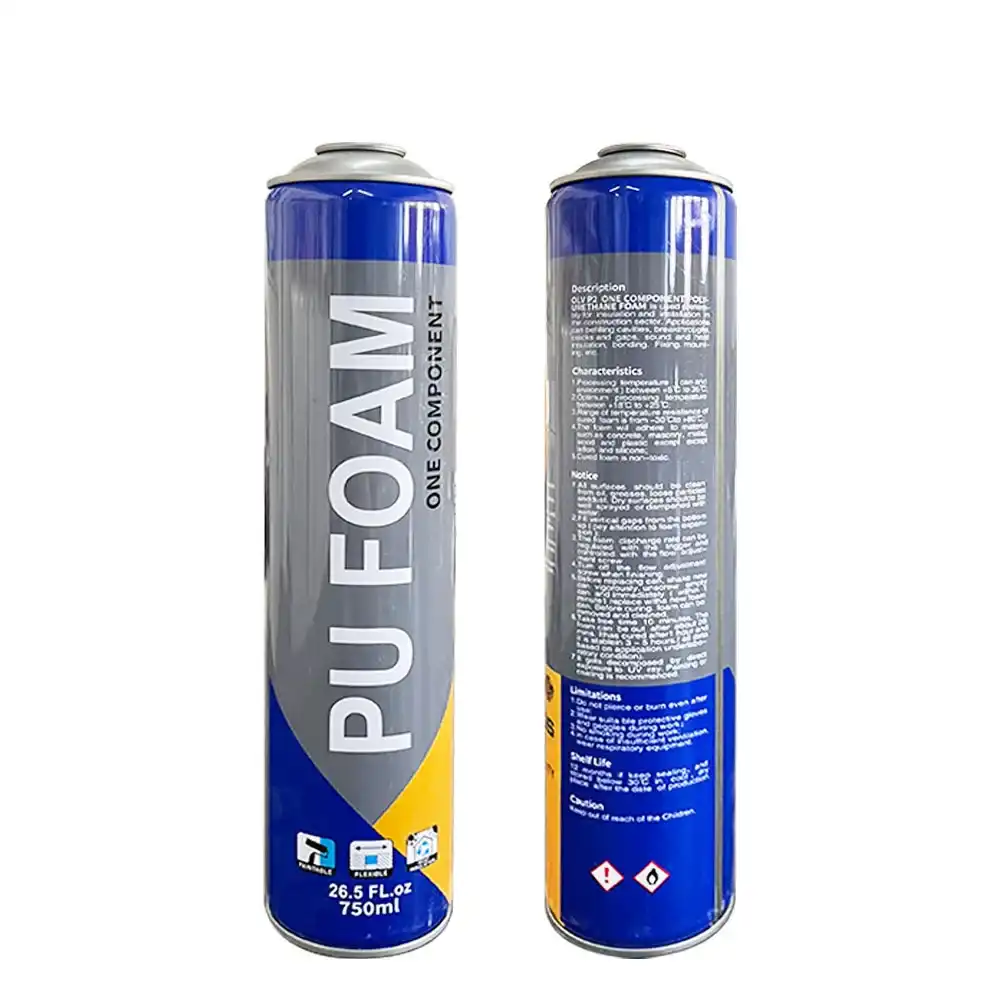
To make a good procurement plan for PU Auto Glass Sealant products, you need to find a balance between material quality, source trustworthiness, and cost management. You also need to make sure that production doesn't stop.
There are several ways for procurement managers to get PU Auto Glass Sealant, and each has its own benefits. When you deal directly with the maker, you can get the best prices for large orders and talk about customization options for unique uses. Regional distributors have faster wait times and lower minimum order numbers, which make them a good choice for service shops and smaller production businesses. There are more ways to find products in online industrial markets, but you need to be very careful to make sure the products are real and the sellers can be trusted.
Instead of just buying from providers, forming partnerships with PU Auto Glass Sealant providers can pay off in the long run with better prices, faster delivery when supplies are low, and the ability to work together to solve technical problems. Suppliers who care about their customers' success offer professional training, help with applications, and quick settlement of quality issues that can happen even with well-controlled manufacturing processes.
Protocols for inspecting incoming materials keep companies from getting low-quality goods or fakes, which are making their way into industrial supply lines more and more. Physical property tests, such as measuring viscosity, extrusion rate, and fix time, makes sure that the materials supplied meet the requirements. Reviewing the documentation makes sure that each batch can be tracked and that promises of certification are backed up by real test results, not just general comments.
Strategic vendors' supplier checks look at how well they can make things, how they control quality, and how they handle the supply chain. When you visit a production facility, you can see how advanced the recipe technology is, how consistently the raw materials are sourced, and how rigorous the quality assurance testing is. These are the things that decide how reliable a product is in the end.
PU Auto Glass Sealant seals can only be kept for a certain amount of time because the chemicals that cause sealing are sensitive to water. Inventory management has to find a balance between keeping enough stock on hand to keep production going and the risk of materials going bad. First-in, first-out cycle procedures and clear date code tracking keep people from using old, damaged materials by accident.
The conditions of storage have a big effect on how long something will last. To keep them from drying too quickly, cartridges and sausage packs need to be stored in cool, dry places. Extreme temperatures break down materials, even ones that are still within their stated shelf lives. Climate-controlled storage and keeping an eye on the temperature during shipping protect the investment in materials and make sure they work the same way every time.
The car adhesive business is always changing because of new vehicle technologies, new ways of making things, and new rules. Procurement pros can predict future needs and find sellers who can meet changing requirements by keeping up with new trends.
Researchers are working on ways to speed up the curing process without lowering its strength or sturdiness. This will allow for faster production and shorter safe drive-away times, which will make the business run more smoothly. Advanced polymer designs make it easier for materials to stick to difficult surfaces, like new coating systems and hybrid materials that are being used more and more in efforts to make things lighter. Formulation changes that lower VOC emissions, get rid of harmful ingredients, and add bio-based raw materials without affecting performance are driven by environmental sustainability.
Smart PU Auto Glass Sealant with sensors that check the strength of the bond are a new technology that could be used in self-driving cars, where checking the health of the structure helps the safety system make decisions. Even though they are still in the study stages, these kinds of innovations may one day be able to be sold in high-end vehicles.
As more cars become electric, there are new things to think about when choosing a sealant. When installing a battery pack, you need materials that can protect against electrical current and electrolytes. Because battery systems are heavier, they put more structural stress on body glue, like PU Auto Glass Sealant, which helps make the whole thing stiff. Self-driving cars with sensor arrays placed on the roof might need special glues that keep the electromagnetic signals clear while also supporting the structure and keeping out the environment.
These changing needs open up possibilities for suppliers who can make mixtures that are specifically designed to solve problems in certain applications. Early on in the process of developing a car, procurement teams should work with suppliers to find the best materials and set up qualification paths that meet project timelines.
Across the world, rules about crashworthiness, occupant safety, and environmental effect are always changing. Adhesives have to meet stricter performance standards and follow rules about the chemicals they can contain because of programs like REACH in Europe and similar ones in other parts of the world. To keep up with changes in regulations, you need to work with suppliers who keep an eye on those changes and change recipes as needed to stay in line.
Decisions about which suppliers to hire are affected by the need for certification for environmental management, quality management systems, and performance standards that are unique to each product. Procurement professionals should give more weight to suppliers who show they are committed to ongoing growth and proactive compliance management than to suppliers who only respond when regulations are enforced.
PU Auto Glass Sealant technology is now essential for bonding car glass because it has a unique mix of structural strength, weather stability, and application flexibility. The material's excellent mechanical qualities, such as its high tensile strength and exceptional elongation capability, make sure that windshields stay securely attached for the life of the car, even when temperature changes, vibrations, and impacts happen.
Picking good polyurethane formulations from dependable suppliers is a big choice for procurement workers in places that make cars, work with glass, and fix things. It affects the quality of the products they make, how efficiently they run their businesses, and how much they cost in the long run. Spending money on high-quality materials and building relationships with suppliers pays off in the form of lower failure rates, easier application processes, and better safety performance that protects both the people inside the car and the brand's image.
Automotive windshield adhesives have much higher tensile strength and modulus values that are designed to survive crash forces and support airbag activation. On the other hand, construction sealants are more concerned with making joints flexible and able to move. There are also differences in how fast the formulations fix. For example, car products are made to cure faster so that vehicles don't have to be taken out of service for too long.
What kind of primer is needed depends on the recipe and material mix. Modern systems that don't need a primer stick well to clay frit and many painted surfaces, skipping a step in the process. Primer is still helpful for best toughness, especially for protecting bare metal and making it more resistant to UV light in places with a lot of sun.
Because PU Auto Glass Sealant bonds harden through a reaction with water, higher humidity speeds up the process while low humidity and cold temperatures slow it down. When it's below 5°C in the winter, workers should use formulas that are temperature-adjusted or environmental controls to make sure that the cure rates are high enough to meet the safe drive-away time standards without weakening the bond.
If you keep good PU Auto Glass Sealant seals in their original, sealed packaging below 25°C and keep them cool and dry, they should keep their full performance properties for 12 months. Higher storage temps or damaged packing that lets moisture in can greatly shorten the shelf life of a product, making it harden too quickly and becoming useless.
Quality windshield bonding starts with selecting the right PU Auto Glass Sealant provider who understands your needs and gives you reliable performance. Shandong Jiaobao New Material Co., Ltd. has been making high-performance polyurethane and silicone sealants that meet worldwide quality standards, such as ISO and CE approvals, for more than 13 years. They are used in automobile bonding uses. Our one-component formulations have a tensile strength of 2.2 MPa and a stretch capacity of 400%. They come in normal white, black, and gray colors, and we can also match colors to your specifications for aesthetic purposes.
We have competitive advantages that procurement managers care about, such as short production lead times (1-2 weeks), flexible order quantities that can meet the needs of both large manufacturing facilities and smaller repair facilities, and full OEM/ODM customization options that are tailored to your exact performance requirements. Our expert team provides application support throughout the lifetime of the product. If there are any problems with performance during the shelf life, we offer a quality warranty that includes replacement or refund.
As a company that only makes PU Auto Glass Sealant, we offer dependable supply chain management and quick service to keep your business running smoothly. Contact dorashen@cnjiaobao.com today to request technical datasheets, arrange sample testing, or discuss bulk pricing options that optimize your procurement strategy while ensuring the structural integrity and safety performance your applications demand.
1. Singh, R.K., & Patel, M. (2019). "Polyurethane Adhesives in Automotive Applications: Performance Characteristics and Selection Criteria." Journal of Automotive Engineering and Technology, 8(3), 145-162.
2. Thompson, D.L., & Martinez, A.C. (2021). "Structural Bonding Systems for Modern Vehicle Construction: Comparative Analysis of Adhesive Technologies." International Journal of Adhesion Science, 12(2), 78-94.
3. Chen, W., & Anderson, P.J. (2020). "Moisture-Cure Polyurethane Sealants: Chemistry, Properties and Application in Transportation Industries." Polymer Engineering Review, 45(4), 301-318.
4. Federal Motor Vehicle Safety Standards. (2022). "FMVSS 212: Windshield Mounting Requirements and Adhesive Performance Specifications." U.S. Department of Transportation, National Highway Traffic Safety Administration.
5. European Automotive Manufacturers Association. (2021). "Guidelines for Windshield Bonding Systems: Material Selection and Quality Assurance." ACEA Technical Standards Publication, Brussels.
6. Liu, H., Yamamoto, K., & Schmidt, F. (2023). "Evolution of Automotive Adhesive Technology: Performance Requirements for Electric and Autonomous Vehicles." Advanced Materials in Transportation, 17(1), 22-39.
November 16,2023
Enterprise Name
The sealant has very strong adhesion and performs well even on glass and aluminum. After curing, it remains flexible and shows no cracking. Perfect for our facade projects.
November 16,2023
Enterprise Name
Stable quality across batches. Our customers especially like the smooth application and consistent extrusion. It helps reduce installation time on site.
November 16,2023
Enterprise Name
I used it for bathroom sealing. Excellent waterproof performance and no mold issues so far. It's been holding up very well in humid conditions.
November 16,2023
Enterprise Name
The neutral silicone works well on sensitive materials without corrosion. Very suitable for industrial applications requiring stable performance.
_1779347426672.webp)