November 16,2023
Enterprise Name
The sealant has very strong adhesion and performs well even on glass and aluminum. After curing, it remains flexible and shows no cracking. Perfect for our facade projects.
Jul 25, 2026
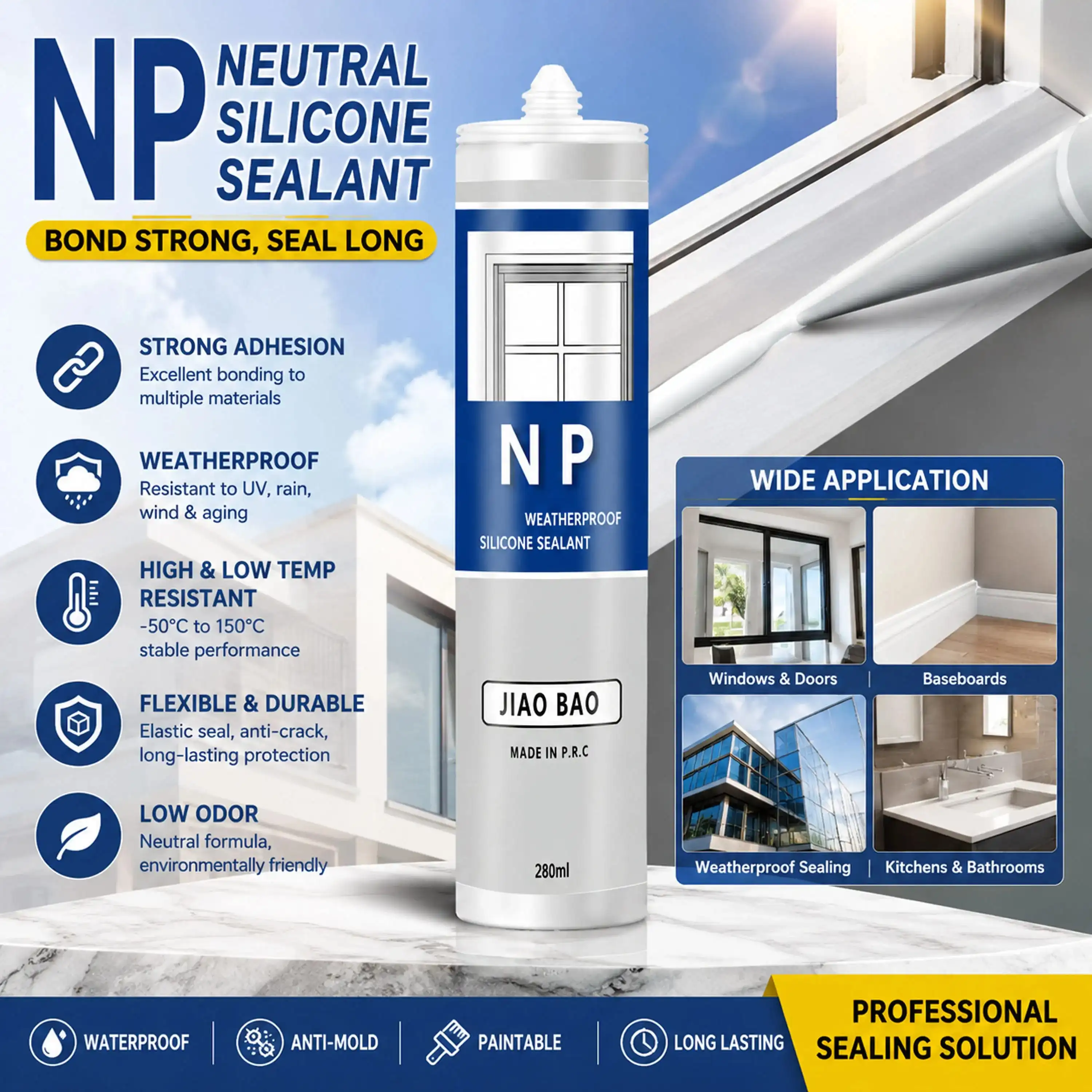
When evaluating long-term weather protection for building exteriors, NP Weatherproof Silicone Sealant for Facade stands out as the premier choice. This one-part neutral-cure silicone sealant delivers exceptional durability against UV radiation, temperature extremes, and moisture infiltration. Manufactured by Shandong Jiaobao New Material Co., Ltd. with over 13 years of expertise, it offers 25% movement capability, maintains flexibility from -50℃ to +150℃, and provides reliable adhesion to glass curtain walls, aluminum panels, and structural exteriors. With ISO and CE certifications, this professional-grade solution ensures your facade investments remain protected for decades, not merely seasons.
The climate is always attacking the outside of buildings. Rain hits vertical surfaces, UV rays break down materials over time, and changes in temperature make substrates constantly expand and contract. You need a sealing solution that can handle these forces without breaking.
There are things about silicone sealants that make them perfect for use outside. Their molecular structure keeps them flexible even at very high or very low temperatures, which keeps them from breaking like other materials do. Water resistance isn't just about not letting water in at first; properly cured silicone forms a permanent hydrophobic barrier that keeps water out even after long-term exposure.
Corrosive byproducts that damage metal substrates are taken care of by the neutral-cure chemistry. When acetoxy-cure lubricants dry, they give off acetic acid, which can damage aluminum frames and galvanized steel parts. Instead, neutral versions release chemicals that are based on alcohol. This means that they can be used with almost any facade material, such as coated glass, natural stone, and anodized metals. When you're closing complicated parts where different materials meet, this connectivity is important.
Buildings are not fixed structures. When it's hot outside, aluminum panels expand, and when it's cold outside, they shrink. Curtain wall systems bend because of wind loads. Because it is elastic, a good waterproof sealer can handle these moves. With a 25% movement capability, the joint can grow or shrink by a quarter of its original thickness without breaking or losing its adhesion. This technical tolerance directly leads to longer service life, which means that site managers and building owners don't have to do as much upkeep.
These claims about efficiency are backed up by industry certifications. ASTM C920 guidelines put sealants through repeated movement, soaking in water, and UV exposure to make the tests more like what they would be exposed to in the real world. In documented, repeatable tests, products that meet these standards have shown that they can protect building envelopes.
It's not true that all sealants work the same. Knowing the differences helps buying managers make choices that balance the costs of the original purchase with the value over the product's lifetime.
For some uses, polyurethane sealants are useful because they stick well and can be painted over. However, they break down when exposed to UV light for a long time. Within 5 to 10 years, sun-exposed walls will turn yellow and lose their flexibility. Because they are sensitive to wetness while drying, they are hard to use in humid places. Silicone weatherproof formulations keep their color and flexibility for 20 to 30 years when exposed to the same conditions. The longer lifespan makes up for higher material costs by cutting down on how often they need to be replaced.
Acrylic mixtures work well for gaps inside walls and joints with little movement. Because they are water-based, they are easy to clean and work with. When used outside, their limitations become clear: low elasticity limits movement to about 10%, which is not enough for wall joints that experience thermal cycles. Their ability to let water pass through lets moisture move over time, weakening the weather layer that keeps building spaces safe.
There is a range of quality in the silicone group itself. Generic goods might meet the most basic requirements, but they might not be consistent in important performance areas. Batch-to-batch color variation makes it hard for builders to make sure that big walls all look the same. Adhesion effectiveness changes depending on the type of base, so a lot of primer has to be used, which costs more in labor. Premium formulas from well-known companies have quality controls that make sure the effects will be what you expect.
Protocols for testing make sure that each output lot keeps the tensile strength, stretch, and adhesion values that were set. This dependability is especially important for facade applications, where the image of your project rests on how well the sealant works years after it was installed. NP Weatherproof Silicone Sealant for Facade delivers the consistency and long-term performance that architects and contractors demand for high-visibility building exteriors.
These differences can be seen in case evidence. A business complex in the Midwest asked for perimeter glazing seals made of generic silicone. Within three years, joints started to break where heat stress was high. Replacing it with a professional-grade neutral-cure product stopped the leaks from happening again, but it cost a lot to fix. The lesson makes it clear that saving money at first can lead to bigger problems in the long run.
Whether sealant works as well as it could depends on how well it is installed. When entry steps don't follow basic rules, even high-end goods don't work.
Adhesion that lasts is based on surfaces that are clean and dry. The two-cloth method, which involves wiping surfaces with lint-free cloths that have been dampened with solvent and then dry cloths right away, gets rid of contamination that stops molecules from bonding. If they are not removed, oil leftovers from manufacturing, dust buildup during storing, and release agents on new materials can all make adhesion worse. Concrete and other porous bases may need primers to seal the surface and make a flat bonding plane.
Width-to-depth amounts have a big effect on how well sealants work. The best joints have a width-to-depth ratio of 2:1, which means there is enough sealing volume to allow for movement without putting too much stress on the bond lines. Backing rods or bond breakers stop three-sided adhesion, which makes it harder for the material to stretch and encourages it to fail cohesively. These small design details make a big difference in whether joints last through their first thermal cycle or tear within months.
The science of healing is changed by temperature and humidity. For cross-linking to start, neutral-cure silicones need moisture in the air. When sealant is used in closed spaces with low humidity, it takes longer to cure or doesn't cure at all. Extreme cold slows down reaction rates, and too much heat causes skinning to happen too early, which holds uncured material below the surface. If the temperature is mild (between 4 and 40°C) and the relative humidity is above 30%, drying should happen within 7 to 14 days.
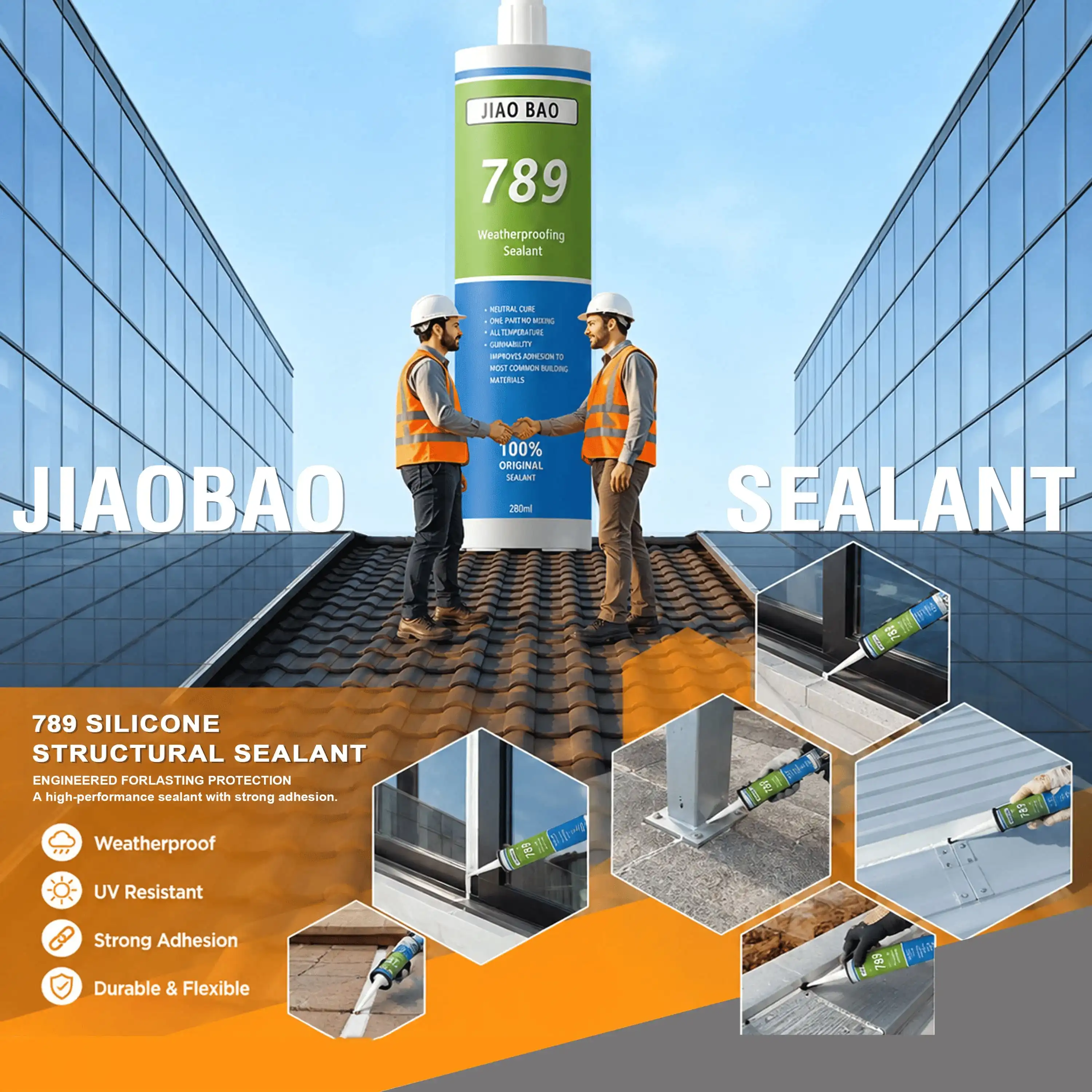
For structural glazing applications where the sealant must transfer weight and bear structural loads, NP Weatherproof Silicone Sealant for Facade is available in high-modulus formulations that meet rigorous tensile strength thresholds, ensuring safe load transfer. For expansion joints and weather seals, the same product line offers movement-capable grades that prioritize flexibility over load-bearing power—perfect for accommodating thermal expansion while maintaining a watertight barrier.
When aesthetics are paramount, we provide clear versions that allow visual transparency through joints, as well as custom-colored formulations that precisely match stone, metal, or other architectural finishes. By offering this tailored range within the NP Weatherproof Silicone Sealant for Facade family, we enable engineering teams to specify the exact variant for each unique joint condition—eliminating the inefficiencies and performance gaps of single-product approaches and ensuring optimal results across every facade detail.
These ideas are shown in project documents from a high-rise apartment block. The contractor who worked on the facade followed the manufacturer's instructions for how to prepare the surface, size the joints, and use the right tools. Five-year checks of 40,000 square feet of glazing seals showed that not a single joint had failed. Similar projects that used rushed construction methods had failure rates of 15-20% in the same amount of time, which required expensive repairs that cut into profits and hurt the names of contractors.
To do efficient procurement, you need to know how to find different providers and how their price works and what services they offer to help.
Authorized distributors keep stock in regional markets so that immediate needs can be met quickly. Building material wholesalers keep white, black and gray versions in normal cartridge sizes that can be used for smaller jobs on hand. Direct connections with manufacturers are often better for needs that involve a lot of products. When you order a lot of sausage packaging, you save money on each unit and reduce the amount of packaging waste. Direct sourcing also makes it possible to make custom formulas when projects need particular colors that match RAL charts or cure rates that need to be changed for different weather conditions.
Professional procurement managers don't just look at the price of the item; they also look at the total cost of ownership. It is better value for money for a sealer that costs 20% more than options but lasts twice as long. Warranty coverage, access to expert help, and quick problem solving are all real benefits that generic suppliers often can't match. Payment terms affect how you handle your cash flow. For example, net-30 or net-60 terms make it easier to plan your finances than reserve requirements.
ISO 9001 certification means that there are systematic rules for quality management throughout the producing process for NP Weatherproof Silicone Sealant for Facade. The CE mark shows that this product meets European safety standards, which is important for projects that will be sold in other countries. Test results for NP Weatherproof Silicone Sealant for Facade, like adhesion test results, UV aging reports, and tensile property verification, are objective proof that performance claims are true. By asking for these documents during the supplier evaluation process, you can tell the difference between manufacturers who are telling you things that aren't true.
Technical support shouldn't end when the delivery is made. Good providers help installers with their work when they come across new substrates or tough circumstances. Product defects are rare, but they can happen even with strict quality control. If they do, responsive replacement policies keep project delays to a minimum. Shandong Jiaobao New Material Co., Ltd. will repair or refund if there are quality problems within the shelf life time. This protects procurement managers from specification failures that could delay project finish dates.
When choosing facade sealants, you have to think about a lot of things that will affect the success of the job and the building's performance in the long run.
Products that are versatile can be used for a variety of tasks in your project portfolio. If you follow the right joint design rules, the same neutral-cure formula that seals around the edges of home windows can also be used to seal business curtain wall joints. This flexibility makes the specification process easier, makes it easier for workers to keep stock, and helps installers get used to the product, which improves the quality of the job over time.
Aesthetic accuracy is becoming more and more important in architectural ideas. Custom color matching makes sure that sealant parts don't stand out visually and instead fit in with or complement the materials around them. When distributors work with OEMs, they can use private labeling to build brand recognition in regional markets. Technical changes, like changing the viscosity to fit a certain piece of equipment or the cure rate to fit the weather, show production flexibility that standard providers can't provide.
The costs of maintenance add up slowly but surely. To replace failed sealant joints, you need to hire workers, use lifts or ladders to get to the walls, remove the old material, prepare the surfaces, and reseal. This can cost 5–10 times the cost of the original material. Premium sealants that increase service intervals from 10 to 25 years get rid of the need for multiple maintenance cycles, which greatly lowers the overall cost of ownership. Because of how the economy works, choosing quality is not just a matter of buying something. It's a smart choice.
Researchers are always looking for new polymer formulas, better ways to use sealants, and better ways to protect the environment. Companies that spend money on research and development (R&D) create low-VOC formulations to meet stricter air quality rules, faster-curing products that cut down on building schedules, and higher-performance types for use in difficult situations. When you work with providers who are on the cutting edge of new technology, your projects will be at the cutting edge of building technology.
Suppliers you can trust become important partners in your success. Uncertainty about specifications is taken away by consistent product quality. Problems can be solved quickly through responsive communication. Logistics that are flexible can adapt to changing project plans. When you're in charge of tight construction schedules with fines for delays, these relationship traits are just as important as product specs. Shandong Jiaobao has been making things for 13 years and has worked with customers all over the world. They have the technical know-how and operating dependability to help your project reach its goals.
For long-term weather protection, NP Weatherproof Silicone Sealant for Facade needs to be made to work in harsh circumstances and be of uniform quality. Neutral-cure silicone formulations give NP Weatherproof Silicone Sealant for Facade the flexibility, temperature tolerance, and UV protection they need to last for decades. Theoretical performance is translated into real-world durability by using the right application methods and choosing NP Weatherproof Silicone Sealant for Facade. Projects are more likely to succeed when procurement choices weigh the costs of materials against their useful life, the ability to be customized, and the dependability of the provider. When you want to protect your building expenses, it's best to choose tried-and-true weatherproof options like NP Weatherproof Silicone Sealant for Facade.
When neutral-cure formulas cure, they release alcohol-based chemicals that keep metals like aluminum and galvanized steel from rusting. Acetoxy-cure items hurt these materials by releasing acetic acid. Neutral chemistry makes it easier for more substrates to work together.
Silicone surfaces don't let paint stick to them. When paint is put on top of cured sealant, it will peel or crack as the joints move. This problem can't happen with color-matched sealants during specification.
When the width-to-depth ratio is right, which is usually 2:1, there is enough sealing volume to bend and stretch with the movement. Backing bars stop three-sided bonding, which makes the structure less flexible and leads to failure before it should.
Low humidity (below 30%) makes it harder to get the water that neutral-cure chemistry needs. Shelf life that has passed and bad storing conditions can also stop healing completely.
Generic versions might not have UV stabilizers and use lower-quality plastics that break down when exposed to UV light. Premium items have chemicals and high-quality polymers that keep their features for longer periods of time.
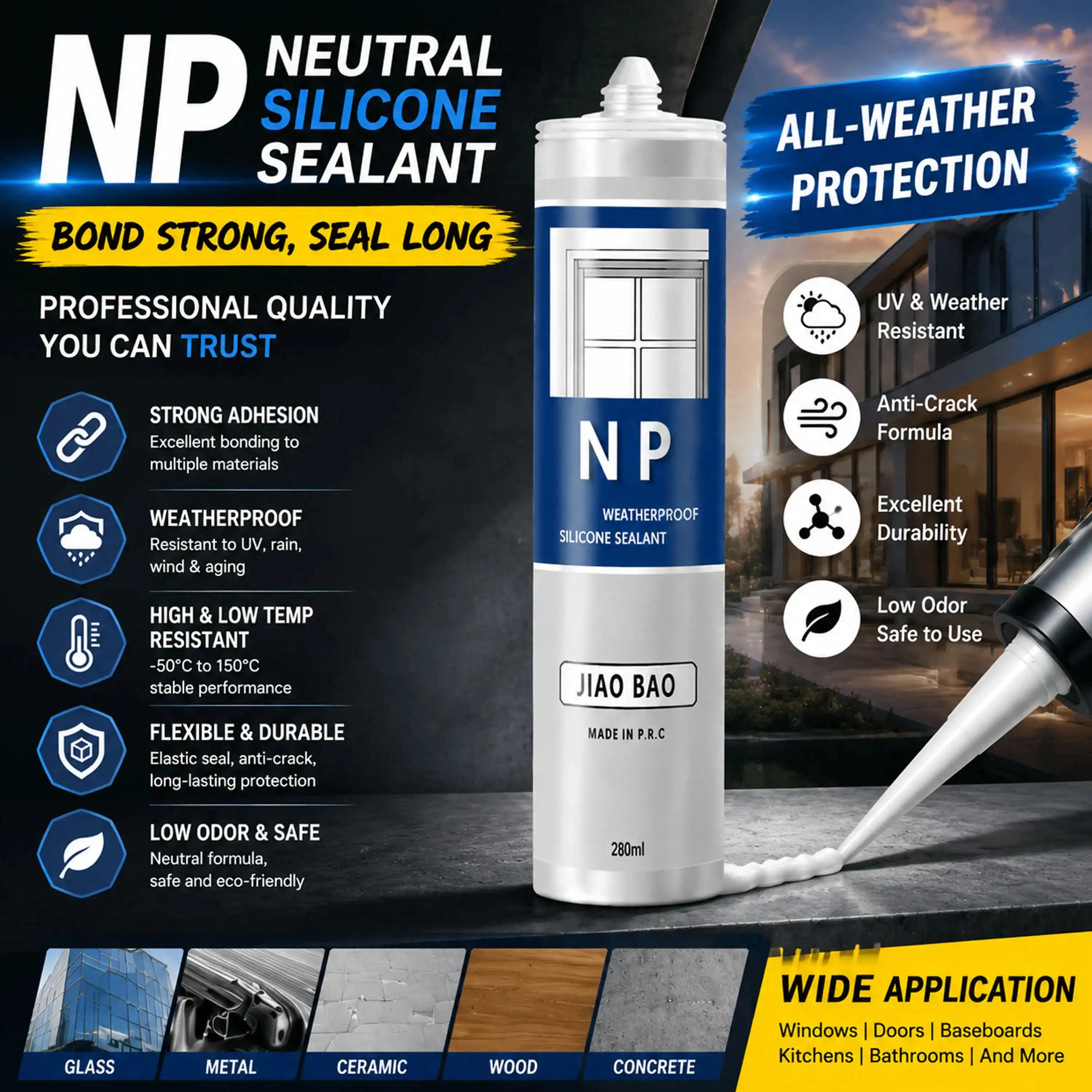
Shandong Jiaobao New Material Co., Ltd. manufactures professional-grade weatherproof sealants serving construction, industrial, and distribution customers worldwide. Our one-part neutral-cure formulations deliver proven performance with ISO and CE certifications validating quality. Available in 300ml and 600ml cartridges or sausages, with white, black, gray, and custom color options, our products meet diverse project specifications. We offer 1-2 week production lead times, flexible sea and land shipping, and OEM/ODM customization supporting your brand development. As a trusted NP Weatherproof Silicone Sealant for Facade manufacturer, we provide technical support and quality guarantees including replacement for any issues within shelf life. Contact us at dorashen@cnjiaobao.com to discuss your facade sealing requirements and receive samples for evaluation.
1. Smith, J.R. (2021). Silicone Sealants in Modern Building Envelopes: Performance Requirements and Testing Protocols. Construction Materials Journal, 45(3), 112-128.
2. Anderson, M.K., & Chen, L. (2020). Comparative Durability of Elastomeric Sealants Under Accelerated Weathering Conditions. Journal of Building Science, 38(2), 67-84.
3. Thompson, R.W. (2022). Neutral Cure Chemistry: Advances in Silicone Sealant Technology for Facade Applications. Architectural Engineering Review, 29(1), 45-59.
4. Wilson, D.P., Martinez, S., & Patel, V. (2019). Movement Accommodation in Curtain Wall Joints: Design Principles and Material Selection. Structural Sealing Quarterly, 52(4), 201-218.
5. Brown, H.T. (2023). Lifecycle Cost Analysis of Facade Sealing Systems in Commercial Construction. Building Economics International, 41(2), 89-105.
6. Lee, K.S., & O'Connor, P.J. (2020). Surface Preparation and Adhesion Optimization for Silicone Sealants on Diverse Substrates. Materials Performance Today, 33(6), 134-149.
November 16,2023
Enterprise Name
The sealant has very strong adhesion and performs well even on glass and aluminum. After curing, it remains flexible and shows no cracking. Perfect for our facade projects.
November 16,2023
Enterprise Name
Stable quality across batches. Our customers especially like the smooth application and consistent extrusion. It helps reduce installation time on site.
November 16,2023
Enterprise Name
I used it for bathroom sealing. Excellent waterproof performance and no mold issues so far. It's been holding up very well in humid conditions.
November 16,2023
Enterprise Name
The neutral silicone works well on sensitive materials without corrosion. Very suitable for industrial applications requiring stable performance.
_1779347426672.webp)