November 16,2023
Enterprise Name
The sealant has very strong adhesion and performs well even on glass and aluminum. After curing, it remains flexible and shows no cracking. Perfect for our facade projects.
Jul 29, 2026
When you need to replace or fix your windshield, the glue that is used becomes an important safety feature. Polyurethane-based adhesives, like PU Windshield Auto Glass Sealant, are mostly used by the auto industry to attach windshields to vehicle frames. This moisture-curing, one-component sealant has great bonding strength, weather resistance, and structural integrity that keeps drivers safe. Unlike construction-grade silicone sealants, automotive polyurethane formulations make a permanent bond that joins the windshield to the vehicle's frame. This supports the deployment of airbags and crash protection standards set by the Federal Motor Vehicle Safety Standards.
Several adhesive technologies are used in the automotive glass installation industry. Each one is made to meet specific performance needs. Knowing these differences helps people who work in procurement and automotive repair choose materials that are safe and will last.
Most modern cars use polyurethane sealants, which are the best way to install a windshield. The moisture-reactive mixtures harden when exposed to humidity in the air, making them very strong and flexible. Polyurethane's chemistry makes molecular chains that can expand and contract with temperature changes and vehicle flexing without losing their stickiness. Automotive-grade polyurethane can handle temperatures ranging from -40°C to +90°C, stays flexible even when it's being vibrated all the time, and doesn't break down when exposed to UV light, which would damage weaker materials.
Under normal conditions, the curing process moves forward at a rate of about 3.5 mm per day. This means that technicians can get a surface that doesn't stick within 15 to 40 minutes, based on the temperature and humidity of the room. This feature lets you set reasonable safe drive-away times and makes sure that the sealant cures completely for long-lasting toughness.
Silicone technology is used for many closing tasks in the building of vehicles, but it doesn't play a big part in structural windshield bonding yet. One-part RTV silicone sealants that are acidic are very flexible and resistant to weather for non-structural uses, like sealing door and window joints, which have very different bonding strength needs than windshield installations. These silicone formulations come in white, black, gray, and unique colors. They work reliably and have a 12-month shelf life. They come in 300ml and 600ml containers that are easy to carry.
Silicone is great for jobs that need to be able to handle high temperatures and chemicals, but it's not strong enough to be used for structural automotive glazing. The material sticks very well to glass and metal, but its lower tensile strength means it can't be used in places where the glass helps keep the vehicle stable and protects people inside during accidents.
The auto industry sometimes uses specialized urethane blends and epoxy adhesives for certain vehicle models or repair situations, in addition to standard PU Windshield Auto Glass Sealant formulations. High-modulus urethane types make the body stiffer, which can be measured in terms of body torsional rigidity in high-end and performance cars where the windshield is part of the structural engineering goals. Even though epoxy systems aren't used very often, they can cure quickly in some factory settings where speed of production is more important than flexibility. Business-to-business buyers can match adhesive specifications with application needs by understanding these types of materials. They can do this by balancing performance traits with cost and installation processes.
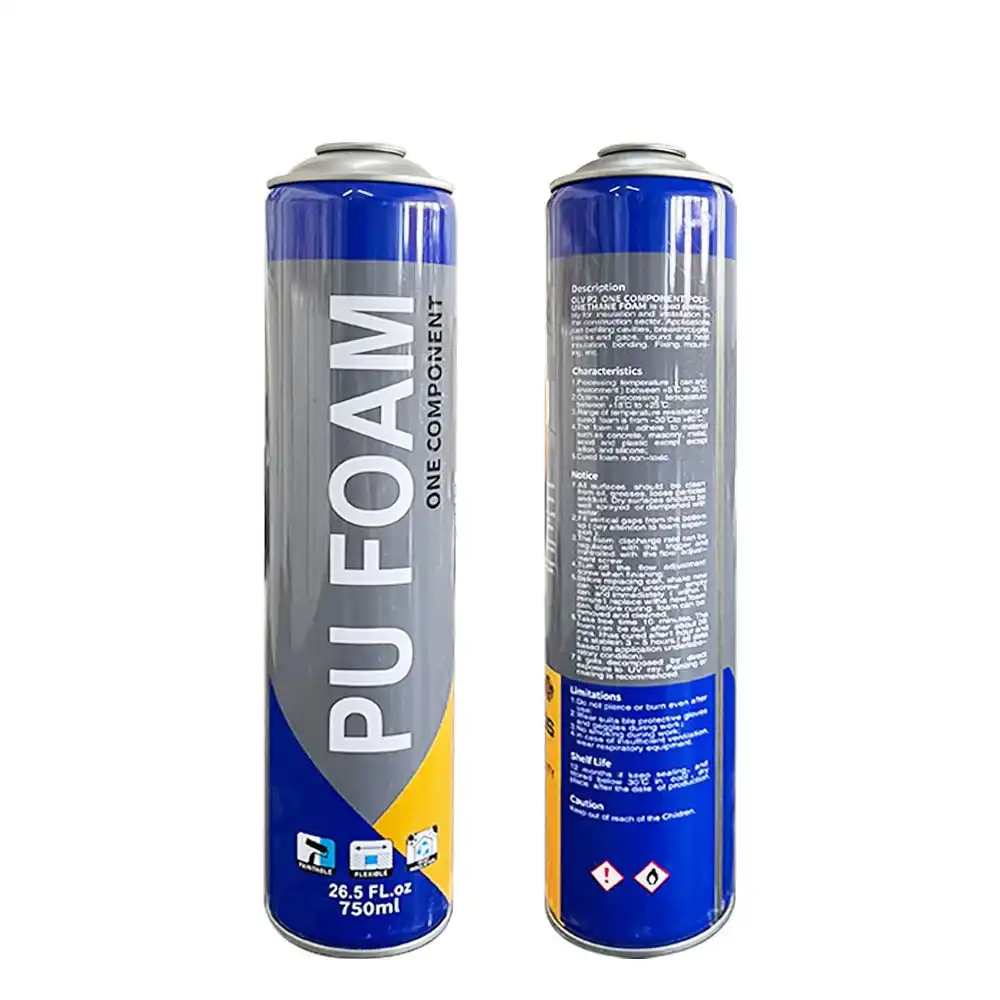
To choose the right adhesive technology, you need to carefully look at performance metrics that have a direct effect on safety, durability, and how well the system works. When you compare polyurethane windshield sealants to other materials, you can see why car workers always choose PU formulations for important glazing jobs.
When fully cured, polyurethane windshield adhesives have a tensile strength greater than 2.2 MPa. This means that the bonds they make are often stronger than the glass itself. This mechanical performance makes sure that windshields stay in place during crashes, which is important for airbag deployment systems. The material fails cohesively within the sealant bead instead of separating at the substrate interfaces, showing that the bonding is more reliable.
Even though silicone seals are flexible and don't break down in bad weather, they are not as strong. Because they have a smaller stiffness, they can't be used in situations where the windshield needs to help keep the vehicle's structure together. Epoxy adhesives can be about as strong at first, but they don't have the freedom to handle the different rates of thermal expansion between metal and glass parts, which could cause stress cracks over time.
In places that fix cars, time directly translates to cost. Polyurethane formulations strike a good balance between being easy to work with and curing quickly. They can be repositioned for a few minutes and become tack-free quickly enough to allow for reasonable vehicle turnaround times. The material doesn't sag at all when used vertically, keeping the bead geometry that is important for proper windshield seating and trim fitment.
Silicone replacements usually need longer curing times to get strong enough, which increases the time it takes to safely drive away and slows down shop output. The operational benefits of polyurethane are especially clear in replacement operations that do a lot of work. This is because installation efficiency affects profits without affecting quality.
Throughout their useful life, PU Windshield Auto Glass Sealant adhesives are subject to constant environmental problems. The chemistry of polyurethane makes it very resistant to water getting inside, which stops leaks that can damage electronics and comfort inside. The material doesn't yellow or lose its flexibility when exposed to UV light for a long time, which is important for installing windshields in places with a lot of direct sunlight.
Chemical defense is just as important. Polyurethane can stand up to cleaning agents, weak acids, automotive fluids and road salts that come in contact with the edges of a windshield. This makes sure that the bond stays strong throughout the vehicle's useful life, preventing early breakdowns that could cause safety issues or guarantee claims.
Polyurethane glue are more expensive than construction-grade seals, but their better performance makes the extra money worth it. Because the material is reliable, there are fewer callbacks for leaks and bond failures. This protects shops' reputations and keeps them from having to do expensive rework. Partnering with suppliers and buying in bulk can help you get the best prices while still meeting the quality standards needed for professional automotive applications.
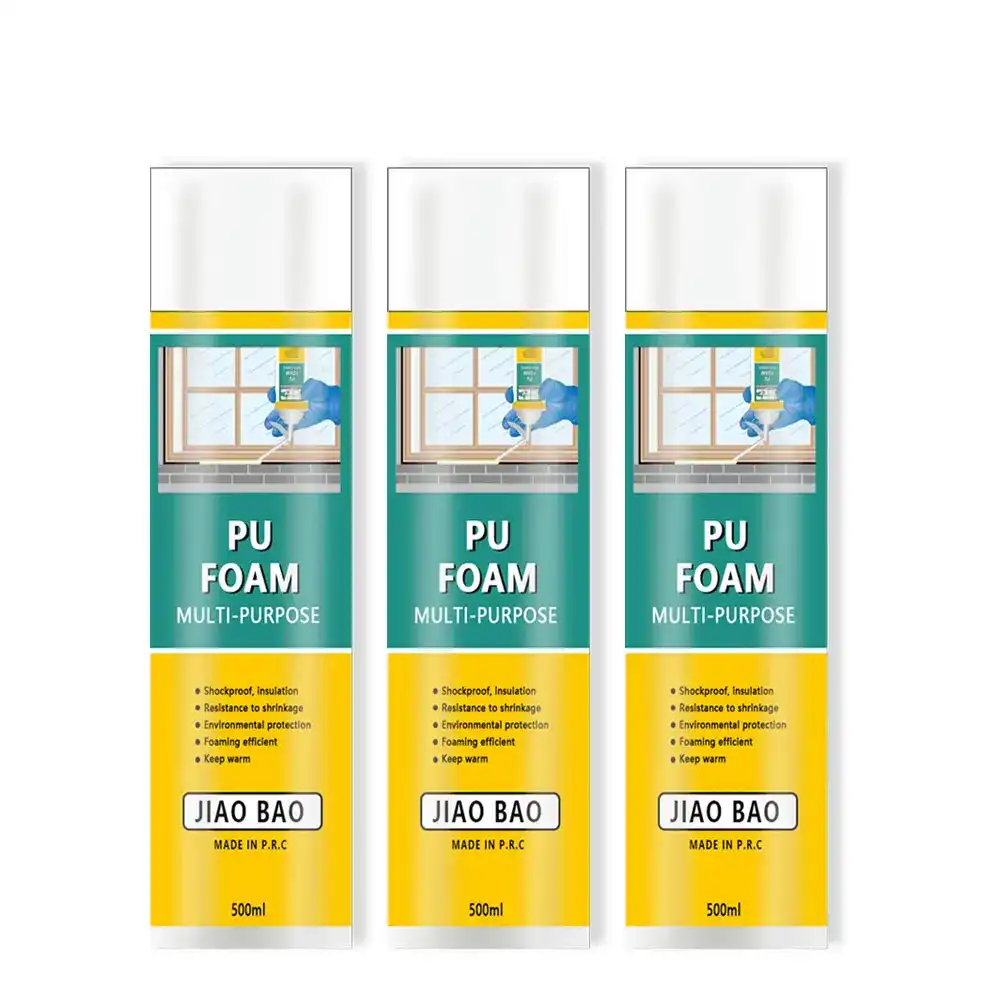
Whether polyurethane sealants work as well as they can depends on how they are applied correctly. By following set procedures, you can be sure that the results will always be the same and meet safety standards and customer expectations.
Carefully preparing the surface is the first step to successful bonding. Technicians have to cut back the current bead to a depth that makes a clean bonding surface and remove any old glue that is still on the pinchweld flanges. Preparing glass means cleaning it with approved solvents that get rid of dirt and other impurities without leaving behind residues that could make it harder for the paint to stick. A lot of polyurethane systems need a primer to be put on bare metal and ceramic frit. The primer helps molecules stick together and protects the adhesive bead from UV light.
Conditions in the air have a big effect on how well drying works. Between 40% and 70% humidity is best for moisture-curing reactions, and between 15°C and 30°C temperature is best for material flow and tack development. Technicians use either hand or pneumatic dispensing tools to push out regular beads. They keep the shape of the beads consistent so that there are no holes or thin spots. During the initial tack development, the windshield must be held firmly in place and in the right place. Any movement during this time could weaken the bond.
Technicians and car drivers are both safer when they understand how the healing process works. Initial tack forms in 15 to 40 minutes, based on the composition and conditions. This lets the vehicle move carefully around the shop. But getting to a safe drive-away status means building up enough strength to handle road vibrations and possible impacts. Professional-grade polyurethane mixtures usually hit the minimum safe drive-away strength in one to four hours. However, the full mechanical qualities don't show up for a few days because the adhesive cures about 3.5 mm every day.
Isocyanate chemicals are found in PU Windshield Auto Glass Sealant and need to be handled with care. Technicians should work in areas with good air flow, wear protection gloves to keep their hands from touching the substance, and safety glasses to avoid accidentally being exposed. Both cartridges and sausages should be stored in climate-controlled areas that keep them sealed and away from high temperatures and wetness that could cause them to cure too quickly. Respecting the 12-month shelf life makes sure that the performance of the material stays the same and can be predicted.
Decisions made in the supply chain have a direct effect on how well auto glass shops, auto repair shops, and industry makers run their businesses. Finding trustworthy suppliers and making good purchasing plans can give you a competitive edge by providing consistent quality, good prices, and reliable logistics.
Reputable adhesive makers have strict quality management systems that are checked by ISO certification. This shows that they are committed to making sure that their products always meet specifications and can be tracked. Signal materials for cars that have the CE mark and meet international standards like ASTM and FMVSS meet the rules for safety uses. When evaluating suppliers, procurement professionals should check these qualifications and ask for proof that the certifications are real and the company can make the goods.
Manufacturing experience is very important. Suppliers with a lot of production experience, like Shandong Jiaobao New Material Co., Ltd., have been making high-performance sealants for over 13 years and know how to make them. This knowledge leads to stable product quality, the ability to provide technical help, and methods for ongoing growth that are good for long-term partnerships.
Many times, B2B buyers need solutions that are specially made to fit their application wants or strategies for placing themselves in the market. Suppliers who offer OEM and ODM services can make formulations in custom colors that match RAL specifications, change the formats of packaging, and use private labeling to help brands grow. This adaptability is especially helpful for wholesalers who serve regional markets with different tastes or for builders who are in charge of big projects with strict aesthetic needs.
Customization goes beyond how something looks. Changes to the technology that affects fix speed, viscosity, or the stability of certain substrates may help products stand out in markets where competition is high. Suppliers with strong research and development (R&D) skills and a willingness to work together on formulation development can help you differentiate your products and get an edge in the market.
For global procurement to work, shipping solutions need to be flexible and find a balance between low cost and reliable delivery. Suppliers with well-established transportation networks can offer both sea freight for big orders and fast land transport for needs that need to be met quickly. Production wait times of one to two weeks allow for flexible inventory management, which lowers carrying costs while keeping enough stock on hand to keep operations running.
The shape of the packaging affects how well it can be handled and how much material is used. For high-volume operations, sausage shapes work well with pneumatic filling systems. Cartridge shapes, on the other hand, are better for human use in smaller shops or mobile services. Volumetric options, such as 300ml and 600ml sizes, allow for different ways of using the product and the tools that can handle it.
Working together with glue suppliers over a long period of time has benefits beyond just lower prices. Having established relationships makes it easier to get technical advice, help with application problems, and access to new formulations that might meet changing performance requirements or regulatory changes. Suppliers who offer after-sales support, such as quality guarantees and policies for replacing products that go bad before their expiration date, lower the risk of buying from them and show that they trust their manufacturing processes.
Polyurethane-based sealants like PU Windshield Auto Glass Sealant have been used for a long time to put windshields on cars because they provide solid bonding that makes glass part of the vehicle's safety systems. By knowing the differences between polyurethane, silicone, and other adhesive technologies, you can choose the right material for the job and get the performance you expect. Using the right application methods, building strong relationships with suppliers, and buying things with quality in mind all lead to consistent results that protect people inside vehicles and help businesses run more efficiently. The automotive glass business is always improving adhesive technology to keep up with changing safety standards and manufacturing needs. To stay ahead of the competition in this important safety component field, suppliers must continue to educate each other and work together.
A: When compared to silicone, polyurethane adhesives have a tensile strength greater than 2.2 MPa, which is higher than silicone's lower mechanical performance. This is important for crash safety and airbag support. The material makes windshields part of the structure of vehicles. It makes the bodies stiffer while still being flexible enough to handle thermal expansion and vibration without breaking the bond.
A: Safe drive-away time varies on the type of glue used, the weather, and the humidity levels in the air, all of which affect how fast the cure progresses. Professional polyurethane sealants usually reach their minimum safe strength between one and four hours, but manufacturers give exact times based on tests that mimic road conditions and possible impacts during the early curing phase, which is very important.
A: Quality polyurethane formulations keep working at temperatures ranging from -40°C to +90°C. They stay flexible in the cold and don't break down in the desert heat or from being exposed to strong UV light. This environmental resilience makes sure that the bonding is reliable in a wide range of climates and geography, without the need for climate-specific formulations.
As a company with over 13 years of experience, Jiaobao specializes in making professional-grade glues and sealants. Our polyurethane and silicone sealant lines meet ISO and CE quality standards and are used in the automotive, building, and industry production sectors. To help you with your brand development and market positioning strategies, we offer full OEM and ODM customization services, such as color matching, recipe adaptation, and private labeling.
One to two week production lead times, a variety of shipping options by sea and land, and reliable customer service with quality guarantees that cover the entire shelf life are some of the things that set us apart from our competitors. Our technical team is ready to talk with you about your needs and come up with custom solutions, whether you need large amounts of car windshield sealant to distribute or unique recipes for specific uses. For your next job, email our procurement experts at dorashen@cnjiaobao.com to get product samples, technical specifications, and bulk prices. Find out why top manufacturers and distributors choose Jiaobao as their top supplier of PU Windshield Auto Glass Sealant.
1. Federal Motor Vehicle Safety Standards (FMVSS). "Standard No. 212: Windshield Mounting." National Highway Traffic Safety Administration, U.S. Department of Transportation, 2019.
2. Anderson, Michael R. "Polyurethane Adhesives in Automotive Applications: Chemistry, Performance, and Safety Considerations." Journal of Adhesion Science and Technology, vol. 34, no. 8, 2020, pp. 891-912.
3. Society of Automotive Engineers. "SAE J1556: Adhesive Systems Used for Automotive Glass Installation." SAE International Standards, 2018 edition.
4. Thompson, David L., and Karen J. Fischer. "Comparative Analysis of Structural Adhesives for Automotive Glazing Systems." International Journal of Automotive Engineering, vol. 15, no. 3, 2021, pp. 245-267.
5. European Committee for Standardization. "EN 12365-1: Building Hardware - Gasket and Weatherstripping for Doors, Windows, Shutters and Curtain Walling - Part 1: Performance Requirements and Classification." CEN Technical Committee, 2017.
6. Chen, Wei, and Robert M. Sullivan. "Moisture-Cure Polyurethane Sealants: Formulation Strategies and Performance Optimization for Transportation Applications." Polymer Engineering and Science, vol. 62, no. 4, 2022, pp. 1156-1178.
November 16,2023
Enterprise Name
The sealant has very strong adhesion and performs well even on glass and aluminum. After curing, it remains flexible and shows no cracking. Perfect for our facade projects.
November 16,2023
Enterprise Name
Stable quality across batches. Our customers especially like the smooth application and consistent extrusion. It helps reduce installation time on site.
November 16,2023
Enterprise Name
I used it for bathroom sealing. Excellent waterproof performance and no mold issues so far. It's been holding up very well in humid conditions.
November 16,2023
Enterprise Name
The neutral silicone works well on sensitive materials without corrosion. Very suitable for industrial applications requiring stable performance.
_1779347426672.webp)