November 16,2023
Enterprise Name
The sealant has very strong adhesion and performs well even on glass and aluminum. After curing, it remains flexible and shows no cracking. Perfect for our facade projects.
Jul 9, 2026
You may have asked yourself, "How long will exterior silicone actually hold up?" as you planned to put up a curtain wall, seal window frames on a high-rise building, or pick out materials for a business complex. The answer depends on the quality of the product, how it is used, and the site. If they are put down properly, high-performance formulas like NP Silicone Sealant Exterior Grade are made to last twenty to thirty years. They last longer than acrylic or polyurethane options and keep their flexibility, stickiness, and ability to resist weathering better over time.
Today, silicone seals on the outside of buildings are the first line of defense against water getting in, air leaking out, and structural movement. Formulations used on the outside have to deal with UV light, weather changes, freeze-thaw cycles, and chemical pollutants all the time. Formulations used on the inside, on the other hand, are designed to work in controlled environments.
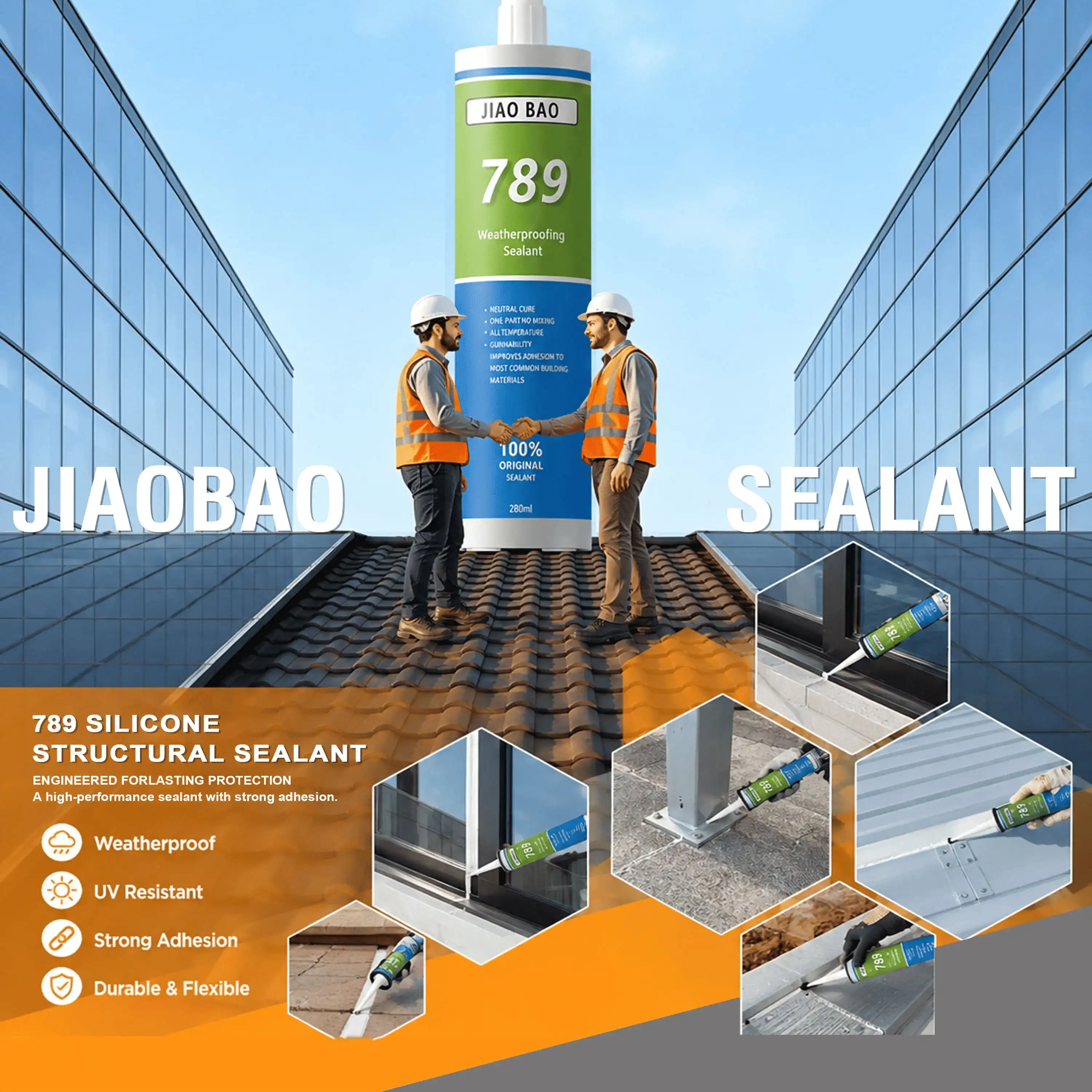
The NP Silicone Sealant Exterior Grade is a one-part, neutral-cure Room Temperature Vulcanizing (RTV) silicone that was created to last in harsh outdoor conditions. This neutral form doesn't use acid-cure types that hurt metals or alkaline materials like concrete and cement by releasing acetic acid. Instead, it uses an oxime or alkoxy curing process. And while it dries, this keeps it chemically neutral. This protects the base from damage and makes sure it works with things like glass, anodized aluminum, natural stone, brick, and covered metals that are common in façade systems.
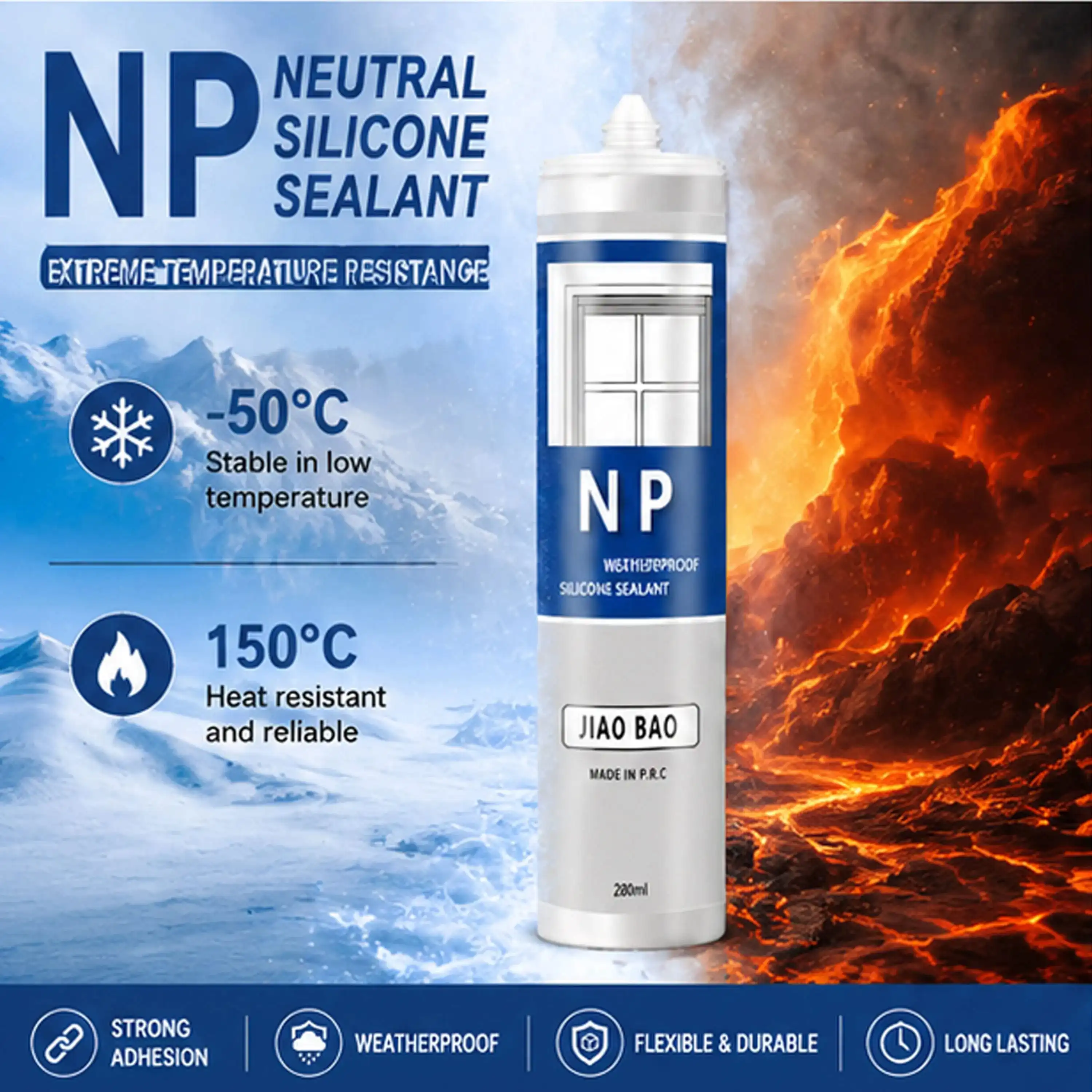
The backbone is made of siloxane, which is very hard to break. Polyurethane and other organic plastics break down in UV light and ozone. But the artificial structure of silicone stays solid at temperatures from -50°C to +150°C. This stability in temperature is important if you want the shell of your building to work well in both hot and cold weather.
How long your protective silicone will protect your car varies on a number of things, such as:
The scientific details of rubber made for the outside have everything to do with how long it lasts. When engineers and hiring managers know about these things, they can make decisions that balance how much something costs at the start with how well it works over its lifetime.
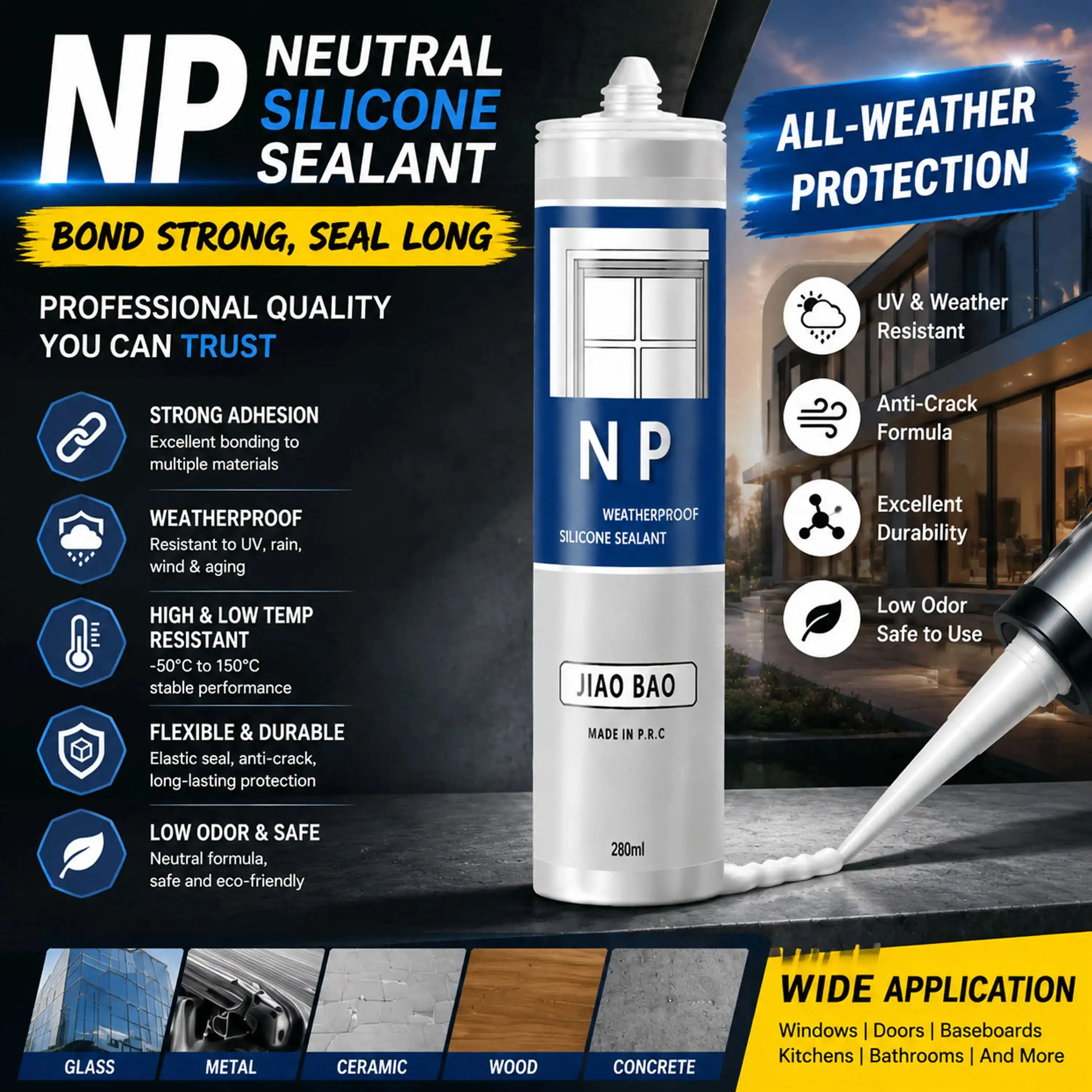
When sealants are used on the outside of things, they need to be able to stick or stretch in a range of temperatures. No matter how cold it gets, NP Silicone Sealant Exterior Grade won't break. This means that it won't crack like plastic seals do in the winter. It doesn't bend or flow in the summer at the upper barrier because it stays stable at +150°C. This is important because strong sunlight can damage the joints in metal-and-glass curtain walls. The structure of the siloxane polymer doesn't change much at the glass transition point, which is why it works well at these temperatures. In the north, your window seals won't get hard and break. In the south, they won't get loose and fail.
The technical qualities of caulk show how well it can stand up to being used for many years. Our formula has a Shore A hardness of 30, which is the right level of flexibility and durability—it's not too soft to let joints move, but not too stiff to break either. The glue can stand up to 0.7 MPa of tension and 25% joint movement. It can also stand up to cycles of shaking and heat growth without breaking. These traits are very important for curtain walls because the glass panels and metal frames grow at different rates. The sealer holds these different kinds of materials together and keeps the weathertight seals in place even when there are small movements that would break harder materials.
The main reason walls fall down is that water gets inside them. The best outdoor silicones can be used to make hydrophobic covers that keep water out but let very little water vapor through. This keeps the wall panels from getting wet inside. Following our recipe meets the ASTM C920 Type S requirements for continuous water immersion protection. This means it can handle heavy rain and water that pools in the joints that are laid out flat.
It is very important to protect building surfaces from chemicals in towns and workplaces where acid rain, car exhaust, and other pollutants damage them. It stays sticky and bendy for a long time after organic seals have failed because these toxins can't break down the neutral siloxane structure. According to ASTM C1248 tests for pollution protection, the sealant won't stain nearby materials or pick up surface contaminants that make things age faster.
The material you choose has a big impact on how much it costs and how much maintenance it needs over time. You can make better choices about specs if you know how the different kinds of sealer work in different ways.
At first, acrylic seals are less expensive, which makes them a good choice for projects that need to stay within a budget. On the other hand, UV light breaks down their biological polymer structure very quickly. After five to seven years, plastic parts that are cracked and no longer stick together cost a lot to take out and fix. They can't handle big changes in joint position, so they can't be used for buildings that heat up and cool down or for metal-framed curtain walls.
Polyurethane seals are more bendable than acrylic ones, and they can be painted, which some makers like. But when they are in water and UV light for a long time, they don't work as well. If you use good silicone joints, they should last at least 20 years, but most polyurethane joints only last 10 to 15 years. Over time, the organic urethane links break down and become harder, which means the building can't move.
It is because they are firm that silicone seals last longer than other sealants. Orange, UV light, oxidation, and changes in temperature can't break down the links between silicon and oxygen. This means that it won't need to be fixed for 20 to 30 years, which cuts the total cost over time even though the parts cost more at first.
There are some silicone covers that don't work with all surfaces. Acetic silicones give off acetic acid, which breaks down metals and hurts alkaline surfaces. They are named "acetic" because they smell like vinegar when they fix. Glass and some plastics are fine with them, but concrete, natural stone, copper, zinc, and many metals used in building don't show any signs of wear. NP Silicone Sealant Exterior Grade, however, is specifically formulated to avoid such issues and works reliably on a wide range of outdoor substrates.
Our solution for the outside is a neutral-cure mix that heals through oxime or alkoxy processes and doesn't leave behind any corrosive residues. Because they work with all substrates, they can be used in mixed-substrate uses, which are common in wall building right now. When you put together your curtain wall, the anodized aluminum frame, the toughened glass panels, and the granite spandrel panels, neutral-cure silicone sticks them all together securely without letting them rust. The neutral drying method also cuts down on the smell while it's being applied. This makes it easier for installation teams to work in small spaces or buildings that are already occupied.
If you use the right ways to apply seals and keep up with their maintenance, they will last much longer. Planning and putting things into action with care makes the difference between long-term success and early failure.
Surfaces need to be clean, dry, and sound in order to stick together. Clean the surface with the right chemicals to get rid of dust, oil, old sealant leftovers, release agents, and other dirt. Natural stone and concrete may need a prep to make sure the sealing sticks well and doesn't soak in too much. The joints need to be dry before sealer is put on them. Any water that gets under the glue will make it not stick properly, and as it dries, the joint may break. Allow enough time for drying, or use forced air drying to get surfaces ready in places that are still wet or after rain delays.
The width of a joint should be half of its depth, and the depth should be at least 6 mm to make sure there is enough binding mass to spread the stress. Sticky on three sides can be stopped by a back-up rod or bond-breaker tape. NP Silicone Sealant Exterior Grade is recommended for such joints, as its elastic properties accommodate movement; without it, or if a substandard sealant is used, movement is limited, and the project fails early.
Put the sealer on in a straight line, making sure it covers the joint fully on both sides and there are no cracks or air pockets. Press the sealer against the substrates right away with a tool to work the surface. Wet the bond surfaces and make the shape you want that lets water run off. When you use the right tools, you can get rid of surface flaws that let water in and start the breakdown process.
The end traits are affected by the conditions of curing. Most of the time, the surface stops feeling sticky in 30 minutes at 25°C and 50% relative humidity. But, depending on how deep the joint is and the weather, it takes 7 to 14 days for the full healing to happen. Hold off on getting rain, frost, and cars near the new finish for now.
Sometimes you have to check and fix even the best locks. Seeing it once a year finds small tears, loss of stickiness, or surface cracks that are early signs of wear and tear, before they make the weatherproofing less effective. Fixing small issues as part of regular maintenance stops water damage and building repairs from getting worse and costing a lot to fix. Every once in a while, clean the sealing surfaces to get rid of dirt and other things that can make them age faster. Use mild soaps and soft brushes instead of rough tools or strong chemicals that could damage the sealer.
There are three things that affect how long external silicone sealant lasts: the quality of the product, how well it is put, and how well it is taken care of. Neutral-cure formulations that work well should last 20 to 30 years if they are used and described correctly. For tough outdoor uses, NP Silicone Sealant Exterior Grade can protect against weather, allow for movement, and work with a variety of substrates. You can make sure that the shell of your building protects you for as long as it's supposed to by learning these performance traits and following best practices. This will save you money on upkeep and keep your investment safe.
There are common signs of failure that can be seen with the naked eye. These include adhesion loss (sealant pulling away from substrates), cohesive failure (tears or cracks inside the sealant), hardness and loss of flexibility, or color and surface degradation. Caulk has failed if there are water stains below the joints or if water gets in when it rains. This needs to be fixed right away.
It's not a good idea to stick to current rubber because it might break too soon. For a good bond, you need to get rid of all the old sealant all the way down to the clean base edges. Take off the old material, clean the sides of the joint well, and then use new glue according to the directions on the package to make sure it works well for a long time.
If you keep cartridges in the right way and don't open them, they will work fine for a year from the date they were made. Things stay pure when they are stored in cool, dry places that are out of the way of harsh weather and high temperatures. Following the "first-in, first-out" rule will help you keep your shelves stocked with new items at all times.
Your project's plan and budget depend on shipping being reliable and product quality staying the same. After more than 13 years of making things, Jiaobao's NP Silicone Sealant Exterior Grade cylinders and sausages are the best they can be. We make sure that every batch meets ASTM and GB standards and is the same as the last one because our facilities are ISO-certified and we test them very carefully. This gives your buying team faith in how well the product will work. We are able to make OEM/ODM changes quickly and easily.
For building jobs that need to look great, we can even match RAL colors. Your supply chain is less risky because our production wait times are only one to two weeks and we offer full after-sales support, including fix warranties for quality problems that happen during the shelf life. Email our team at dorashen@cnjiaobao.com to talk about your needs for NP Silicone Sealant Exterior Grade, get technical specs, or set up sample tests for your next job on a curtain wall, window sealing, or the front of a building.
1. American Society for Testing and Materials. "Standard Specification for Elastomeric Joint Sealants." ASTM C920-18, 2018.
2. Brown, Michael T. "Performance and Durability of Silicone Sealants in Building Construction." Journal of Building Envelope Design, Volume 15, Issue 3, 2019, pp. 45-62.
3. International Organization for Standardization. "Building Construction - Jointing Products - Classification and Requirements for Sealants." ISO 11600:2002.
4. Patterson, Richard K. "Weathering Resistance of Architectural Sealants: A Twenty-Year Field Study." Construction Materials Review, Volume 28, 2020, pp. 112-129.
5. Thompson, Carol S. and Williams, Jeffrey D. "Comparative Analysis of Silicone, Polyurethane, and Acrylic Sealants in Exterior Applications." Building Science Institute Technical Report BSI-2021-07, 2021.
6. Wang, Xiaoming. "Chemical Mechanisms and Long-Term Performance of Neutral-Cure Silicone Sealants." Polymer Science and Engineering Quarterly, Volume 44, Number 2, 2022, pp. 203-218.
November 16,2023
Enterprise Name
The sealant has very strong adhesion and performs well even on glass and aluminum. After curing, it remains flexible and shows no cracking. Perfect for our facade projects.
November 16,2023
Enterprise Name
Stable quality across batches. Our customers especially like the smooth application and consistent extrusion. It helps reduce installation time on site.
November 16,2023
Enterprise Name
I used it for bathroom sealing. Excellent waterproof performance and no mold issues so far. It's been holding up very well in humid conditions.
November 16,2023
Enterprise Name
The neutral silicone works well on sensitive materials without corrosion. Very suitable for industrial applications requiring stable performance.
_1779347426672.webp)