November 16,2023
Enterprise Name
The sealant has very strong adhesion and performs well even on glass and aluminum. After curing, it remains flexible and shows no cracking. Perfect for our facade projects.
Jul 29, 2026
When you need a reliable adhesive solution for automotive glass installation and repair, choosing the right material can determine both operational efficiency and long-term durability. PU Auto Glass Sealant Fast Curing has become the preferred choice for automotive repair shops, glass installation professionals, and manufacturing facilities across the United States. This advanced polyurethane-based adhesive delivers rapid bonding performance, allowing vehicles to return to service quickly while maintaining the structural integrity essential for safety standards. Understanding the technical specifications, application requirements, and supplier capabilities helps procurement managers and technical engineers make informed decisions that reduce downtime and improve customer satisfaction.
PU Auto Glass Sealant Fast Curing harden quickly because they respond chemically with water. When the glue comes in touch with air that is humid, the polymer chains cross-link and strengthen from the outside in. This moisture-cure system lets the material get a smooth, tack-free surface in 15 to 40 minutes in normal conditions. Full drying happens over the next few days, though. The chemistry is very different from silicone goods, which use neutral oxime systems or acetic acid release. Modern mixtures use silane-modified polyether resins that speed up the process without changing the final mechanical qualities.
Temperature and humidity have a direct effect on how fast something cures. In the summer, installations in warm, humid places may reach the "tack-free" stage in 25 minutes. In the winter, installations in controlled environments can reach the same point in just 15 minutes. Because of this, techs have to change the safe drive-away times based on the real-world conditions. Professional-grade goods work the same way all year, even when the weather changes. They heal about 3.5 mm of material every day, even if the temperature changes within normal working limits.
Because of how they behave mechanically, PU Auto Glass Sealant Fast Curing can be used to bond structures together, like windscreens, which help keep the car stable and protect people inside. Tensile strengths of about 2.2 MPa are strong enough to hold up against forces during normal drives and light hits. The elongation at break, which can reach 400%, is also very important. This lets the bond bend with the chassis' movement, temperature changes, and road vibrations without breaking or splitting. Because these materials are strong and flexible, they have mostly replaced older systems like butyl tape and urethane that dried more slowly.
When the Shore A hardness is around 45, it means that the final cure is firm but flexible, able to absorb stress without applying too much force to the edges of the glass. The 99% solid content means that the beads won't shrink much while they cure, keeping their shape and stopping gaps from forming. Because it doesn't sag, it can be applied cleanly on vertical and ceiling surfaces, and temporary support pieces aren't needed during the cure window. These technical specs have a direct effect on how well the installation works and how well it works over time.
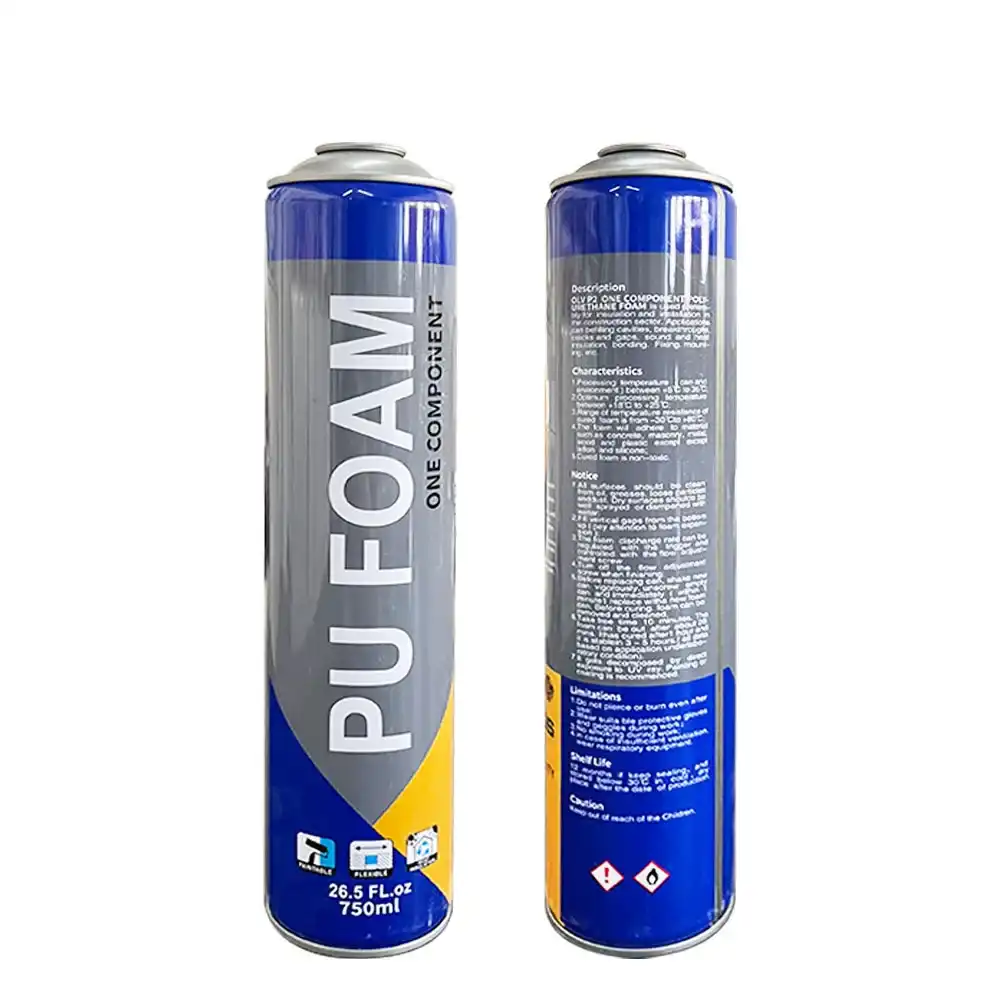
Because they are so flexible and don't absorb water, silicone sealants are still used in many vehicle uses. Traditional silicone formulas, on the other hand, need much longer cure times and often need 24-hour hold periods before the car can be released. This longer schedule causes organising problems in places where a lot of repairs need to be done. This wait time is cut down to just one to two hours with PU Auto Glass Sealant Fast Curing products, which greatly increases shop throughput. On the other hand, they are a little less flexible in the end than premium silicones, but current PU formulations are more than flexible enough for car glass uses.
Acetic acid silicones harden faster than neutral ones, but they give off harmful vapours while they're curing, which could damage painting surfaces and electronic parts. Polyurethane systems don't have this rust risk at all, and they can keep up with or beat the speed benefits of acidic silicones. When you look at the total cost of ownership, the fact that polyurethane adhesives can often handle more vehicles per day than standard silicone products often makes up for the small price difference. Repair shops say that the lower costs of renting cars and higher customer happiness make for strong economic returns.
Epoxy adhesives have very high tensile and shear strengths, which means they can be used to make lasting structure ties. When used in cars, where differential thermal expansion and frame flex require some movement adjustment, their rigidity becomes a problem. As the temperature changes and the road forces the car to bend, a windscreen glued together with brittle epoxy may get stress cracks or delamination over time. The best balance is found in PU Auto Glass Sealant Fast Curing, which is strong enough to meet the standards of Federal Motor Vehicle Safety Standard 212 while still being flexible enough to handle real-world circumstances.
Before fast-cure technology came along, the standard was butyl rubber tapes and urethanes that dried more slowly. For these materials to properly stick to different surfaces, they needed longer curing times and often needed priming systems. Modern PU Auto Glass Sealant Fast Curing sticks well to glass, painted metal, bare steel, and many plastics, usually without primers. This makes installation easier and lowers the cost of the materials. For most professional applications, the switch is worth it because it improves performance and saves time.
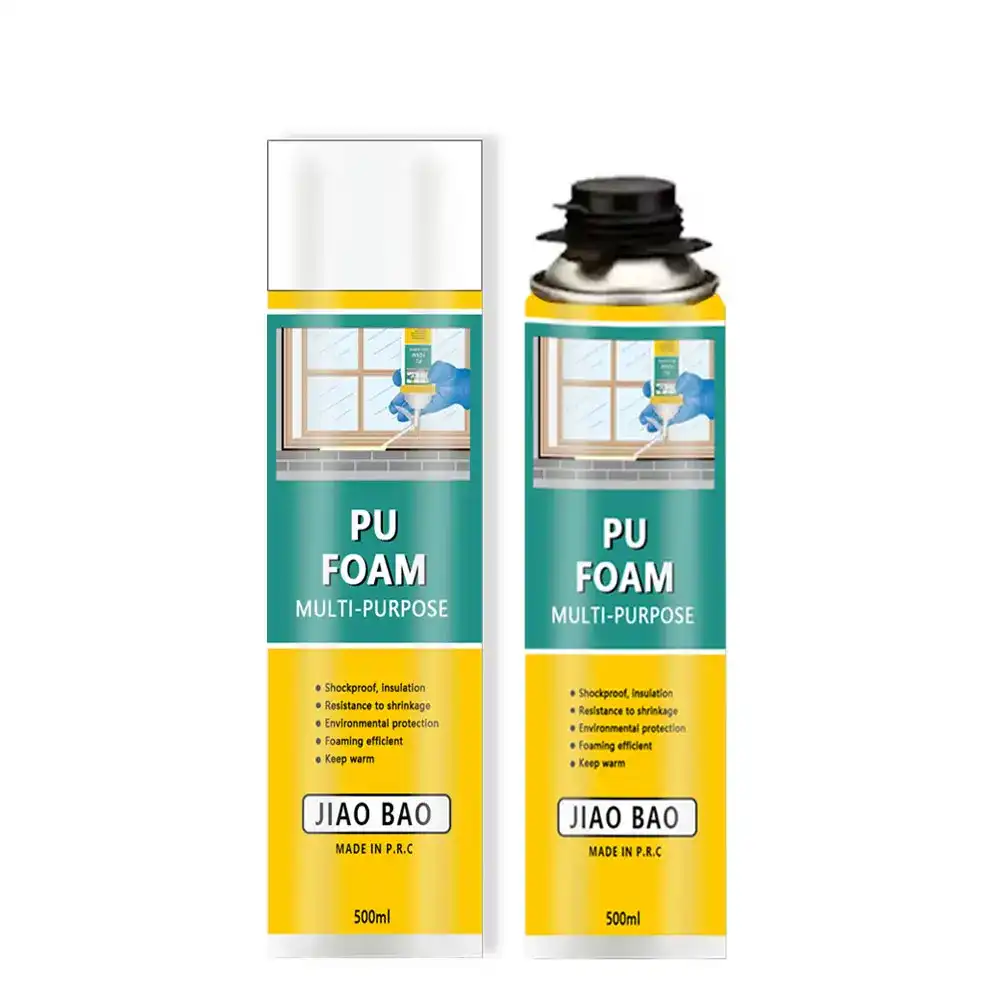
The PU Auto Glass Sealant Fast Curing you choose should be based on your installation environment and your expectations for customer service. Mobile glass repair services that work in all kinds of weather need formulas that work reliably in both hot, humid summers and cold, dry winters. Stationary shops with climate-controlled bays are more flexible, but they still get good performance even when the weather changes with the seasons. Think about whether the glass you usually use is OEM original, aftermarket replacement, or for special installs like business car windscreens. Dimensional limits and surface prepping needs may be different for each situation.
Volume requirements and order frequency influence supplier relationships and pricing structures. High-volume shops that install dozens of windscreens every week can work out deals to buy in bulk and set up just-in-time shipping plans that lower the costs of keeping inventory. For smaller businesses or techs who work on the go, 300ml and 600ml cartridges may be the most handy packaging sizes. These sizes combine the need for long-term storage with easy access. Quality polyurethane seals usually have a shelf life of 12-month periods, which is long enough for most buying habits.
When professional auto glass installers do their jobs, they need to use products that meet safety rules and industry standards. ISO approval shows that production processes follow well-known quality control rules, which guarantees that each batch will be the same. Products sold in the United States must meet the requirements of FMVSS 212 for windscreen retention. This makes sure that installed glass stays securely in place during accidents. This standard sets basic requirements for bond strength and durability, which are checked through crash testing.
Industry certifications from groups like the Auto Glass Safety Council verify that goods work as promised in real-life situations, in addition to meeting legal requirements. Manufacturers with a good reputation give detailed technical data sheets that list the physical qualities, application factors, and safe handling instructions for their products. This paperwork helps your quality control processes and explains how to use things correctly to techs. When looking at possible providers, make sure to ask for proof of certification and test results from a third party that back up performance promises.
Building relationships with dependable suppliers guarantees that you can always get the products you need and get technical help when installation problems come up. Companies that have been making things for a long time, like those that have been around for more than 13 years, tend to have more stable formulas and quality control methods than companies that are new to the market. Shipping costs and delivery times are affected by location, which makes domestic providers useful for keeping inventory levels low and reacting quickly to sudden demand spikes.
Premium suppliers are different from commodity suppliers because they offer technical support. Having access to application experts who know how to install car glass can help with adhesion issues, suggest changes to the surface preparation, and find the best cure times for each working situation. Some manufacturers offer customisation services, such as matching colours for specific uses or making changes to the formula for special substrate combinations. These extra-value skills become very important for companies that want to serve special markets or stand out from others.
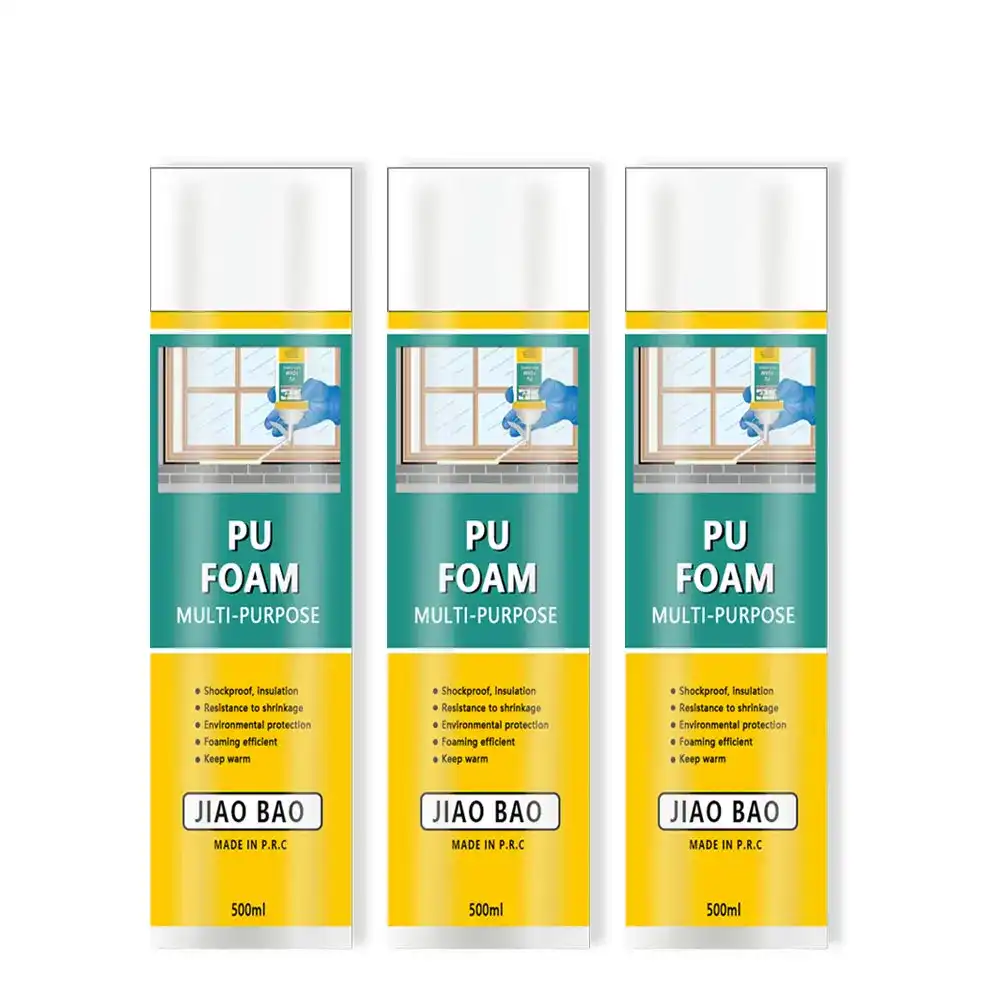
How well the surface is prepared affects how well the PU Auto Glass Sealant Fast Curing works and how long it lasts. First, use tools made specifically for working on autoglass to remove any old adhesive from the pinch weld area. Leaving behind glue residue makes surfaces that are weak, which lowers the strength of the new link. Once they are off mechanically, clean the surfaces well with isopropyl alcohol or an approved automotive glass cleaner to get rid of any oils, waxes, or other contaminants. Clean surfaces and let them dry completely before applying adhesive. Moisture can mess up the cure chemistry and make it harder for the adhesive to stick.
Glass edges need to be handled with the same care. Clean the bonding surface with solvent and lint-free cloths to make sure there is no leftover glue or glue from earlier installs or manufacturing processes. Priming is helpful for some uses, but current fast-cure formulations usually stick well to clean surfaces without the need for extra primers. Check the product's technical data sheet for special advice based on the materials you're using and the conditions of your surroundings.
Professional installers use either hand caulking guns or pneumatic dispensing systems. For exact bead placement, manual guns are great, and they work well for mobile operations or shops that don't make a lot of beads. Pneumatic systems offer uniform bead sizes at faster speeds, which makes busy facilities more efficient. No matter what method you use for dispensing, keep the pressure and speed of the movement steady to get even bead cross-sections with no holes or gaps.
Apply the glue in long beads, making sure to follow the patterns given for your specific car type and glass arrangement. Most setups of windscreens need triangular or rectangular bead shapes that give enough material volume and let the glass sit properly. It's best not to stop and start in the middle of a bead because that leaves weak spots open to water and stress buildup. Carefully place the glass within the allowed working time, which is usually a few minutes after the glue is applied, making sure it is lined up correctly before the material gains a lot of green strength.
Safe drive-away time is the shortest amount of time that must pass before the car can be used again without the link failing. In normal conditions, fast-curing polyurethane formulations become strong enough for careful vehicle movement in one to two hours. With this schedule, shops can finish installations during visits from a single customer, saving time and money on overnight holds. Full mechanical qualities, on the other hand, keep building up over a few days as the cure moves deeper into the glue.
Conditions in the environment have a big effect on real cure rates. When it's warm and muggy, chemical processes happen faster. When it's cold and dry, they happen more slowly. Some manufacturers give safe drive-away time suggestions that can be changed based on temperature ranges in the area. Instead of sticking to set plans no matter what, technicians should keep an eye on how the shop is actually running and make changes as needed. Putting in humidity makers or temperature control systems in work areas helps keep the conditions for drying just right all year.
There are a lot of companies in the global market for car adhesives that make PU Auto Glass Sealant Fast Curing goods with different levels of quality and price. When compared to unknown brands, well-known companies with clear production histories offer more stable performance and supply chains. Shandong Jiaobao New Material Co., Ltd., which was established in 2013, is an example of a company that makes professional-grade sealant mixtures for use in building and the car industry. Their production methods are ISO-certified, and they have a full technical support infrastructure to serve international distribution networks on many continents.
When looking at possible sources, find out how they make things, how they control quality, and get recommendations from past customers. Companies that offer customisation services can change the ingredients to fit the needs of a certain application or create private-label goods for distributors who are building their own brand portfolios. This adaptability is useful as your company grows and your methods for placing in the market change. Being open about where the raw materials come from and how the products are made shows that the business is skilled and committed to delivering quality products every time.
Volume-based pricing tiers offer lower per-unit costs for bigger orders, which makes buying in bulk a good business decision for companies that need to make a lot of purchases. To find the best order amounts, you need to weigh these savings against the costs of keeping goods and the limits on how long it can be kept. Many manufacturers can handle mixed orders by sending different colours or types of packaging in the same shipment. This lets you diversify your inventory without giving up volume discounts. Setting up regular buying schedules helps sellers predict demand and keep enough raw material on hand, which lowers your exposure to wait times.
Different sellers have very different minimum order amounts, ranging from a single case for small businesses to truck or container loads for distributors and end users who buy a lot. To get good terms, you need to know how much you actually use and how much space you have available. Some manufacturers offer consignment plans where the supplier owns the goods until it is taken back to be used. This lowers the supplier's holding costs while making sure the product is available right away. As buying habits improve and ties with suppliers strengthen, these complex supply chain models become useful.
When you source from other countries, you can get better prices and special recipes that you can't get in your own country. However, shipping is more complicated and lead times are longer. Ocean freight from Asian manufacturers usually takes four to six weeks to get to U.S. ports, which means that accurate demand forecasting and keeping enough safety stock is important. Air freight speeds up delivery but also makes each unit much more expensive, so it's only useful for urgent restocking or very valuable, specialised goods. Domestic suppliers don't have to deal with these problems or delays because they can deliver via common carrier within days of an order being placed.
Formats of packaging affect how easy it is to handle and how much space it needs in storage. Individual packs make keeping track of goods easier and cut down on waste from containers that aren't fully used and have passed their shelf life limits. Sausage packaging offers cost advantages for high-volume users equipped with appropriate dispensing equipment. Standard sizes, such as 300ml and 600ml, can be used for a wide range of applications and rates of drinking. Make sure that your seller knows what kind of package you want so that the goods they send you work with your system and that you don't have to do too much conversion or repackaging.
To choose the right PU Auto Glass Sealant Fast Curing, you have to weigh the technical performance needs against operational factors and the supplier's capabilities. Automotive service businesses can increase output while keeping quality standards high by using products that cure quickly, stick well, and cure reliably in a range of weather conditions. Checking mechanical qualities like tensile strength and elongation makes sure that the glue meets the needs of the structure and can handle pressures that happen in real life. Long-term procurement success is affected by factors like factory experience, certification compliance, and the ability to provide expert help when choosing a supplier. Knowing the best ways to use an application and the right way to cure it will help your product work better and prevent startup problems that hurt your relationships with customers.
In normal temperature and humidity conditions, the safe drive-away time for PU Auto Glass Sealant Fast Curing is usually between one and two hours. However, this can change depending on the surroundings and the object itself. In warm, humid climates, installations in the summer usually reach a strong enough bond in 60 minutes. Installations in the winter may need a little longer. As the glue dries all the way through over a few days, its full mechanical properties keep building up. In their technical data sheets, manufacturers list specific safe drive-away times, which are often changed to account for different temperature ranges.
Modern versions reliably cure in most normal working temperature ranges, though reaction rates slow down when it's very cold. When used in controlled indoor environments, most professional-grade products can cure well in temperatures as low as 40°F. When it's below freezing outside, extra warmth may be needed to keep cure rates at a good level. Some companies make winter-grade formulas that have science that speeds up the curing process and works best in cold weather. Shops in northern countries can keep their work areas warm so that the materials and air around them stay in the right temperature ranges.
A thorough cleaning is the very least that needs to be done before applying any structure glue. Using special tools, remove all the old glue material by hand. Then, clean the surfaces with isopropyl alcohol or approved solvents to get rid of any oils, waxes, or other contaminants. Before putting on new glue, let areas dry completely. Priming is helpful for some substrate combinations, but many modern formulations bond well to clean glass, painted metal, and bare steel without the need for extra primers. For detailed advice about your materials, look at the product technical data sheets.
Shandong Jiaobao New Material Co., Ltd. has been making specialised materials for over 13 years and sells them to the building and car sealant markets. Our PU Auto Glass Sealant Fast Curing works like a pro, with a tensile strength of over 2.2 MPa and 400% elongation at break, so it can meet the strict installation needs of repair shops and glass pros. Our production facilities are ISO-certified, which means that the quality of every batch is the same. We also use thorough testing methods to confirm the mechanical properties and cure traits of each batch. Our products come in 300ml and 600ml containers in white, black, grey, or custom colours, and they can be used in a wide range of situations. They also stay stable for 12-month periods on the shelf.
As a reliable supplier, we offer flexible ordering with production lead times of one to two weeks, OEM/ODM customisation options, and low prices for large orders. Our expert team can help you with application support and troubleshooting, which can help you improve the way you add things and fix adhesion problems. You can email us directly at dorashen@cnjiaobao.com to talk about your specific needs, ask for samples of our products, or get detailed quotes for your buying needs.
1. Motor Vehicle Safety Standards Compliance Manual, National Highway Traffic Safety Administration, United States Department of Transportation, 2022.
2. Adhesive Bonding Technology and Testing Protocols for Automotive Glass Installation, Society of Automotive Engineers Technical Paper Series, 2021.
3. Polyurethane Chemistry and Applications in Structural Adhesives, Journal of Applied Polymer Science, Volume 138, Issue 12, 2020.
4. Best Practices for Automotive Glass Replacement and Bonding Systems, Auto Glass Safety Council Certification Standards, 2023.
5. Moisture-Cure Polyurethane Sealants: Chemistry, Performance and Application Guidelines, Construction Materials Testing Laboratory Technical Report, 2019.
6. Comparative Analysis of Automotive Glazing Adhesive Systems and Safe Drive-Away Time Validation, International Journal of Adhesion and Adhesives, Volume 112, 2022.
November 16,2023
Enterprise Name
The sealant has very strong adhesion and performs well even on glass and aluminum. After curing, it remains flexible and shows no cracking. Perfect for our facade projects.
November 16,2023
Enterprise Name
Stable quality across batches. Our customers especially like the smooth application and consistent extrusion. It helps reduce installation time on site.
November 16,2023
Enterprise Name
I used it for bathroom sealing. Excellent waterproof performance and no mold issues so far. It's been holding up very well in humid conditions.
November 16,2023
Enterprise Name
The neutral silicone works well on sensitive materials without corrosion. Very suitable for industrial applications requiring stable performance.
_1779347426672.webp)