November 16,2023
Enterprise Name
The sealant has very strong adhesion and performs well even on glass and aluminum. After curing, it remains flexible and shows no cracking. Perfect for our facade projects.
Jul 10, 2026
Picking the right sealer for your quartz countertop work has a direct effect on how long the job lasts and how happy the client is. GP Silicone Sealant High Adhesion Formula is always the best choice for professionals working with engineered stone surfaces, even after testing a lot of different sealer technologies. If you use this one-part RTV silicone sealant on quartz surfaces, it sticks very well and stays waterproof and stable at room temperature, which is important for countertop uses. Its advanced formula solves the special problems that quartz's non-porous nature brings, making sure that seams, edges, and wall links in both home and business settings are properly sealed.
Natural stone countertops, like granite or marble, are very different from quartz counters. Engineered quartz is made by crushing about 90 to 94% natural quartz grains and mixing them with polymer resins, colors, and a lot of heat and pressure. By using this method of production, a very thick, non-porous surface is made that doesn't let stains or germs grow and doesn't need regular stone sealants.
When it comes to quartz setups, though, the word "sealing" means something different. Instead of going through the surface itself, sealing focuses on the weak spots like joints, seams, and edges around the outside. These are where water, heat, and physical stress tend to gather. In these important areas, you need elastomeric seals that can stick to both the quartz surface and the materials next to it, like walls, cabinets, or metal fixings.
Any work could fail at the seams where two or more quartz slabs are joined together. If you don't seal properly, wetness can get in and damage the base, break down the glue, and leave stains along the joint lines. Kitchens and bathrooms make these problems worse because people are constantly exposed to water, cleaning chemicals, changes in temperature, and physical impact. Professional makers are aware that even small gaps can weaken an installation and make it look less regular.
Technical problems make it hard to get long-lasting adhesive on quartz surfaces. Sealants that only work by penetrating the surface have a hard time sticking to the material because it has very few holes in it. Areas on quartz blocks that are high in resin can have different levels of surface energy, which can make bonding conditions less stable. Different types of quartz, neighboring materials, and the sealant itself have different thermal expansion factors. This means that formulations need to be able to move around a lot to keep them from breaking down during yearly temperature changes.
To choose the right quartz worktop sealant, you need to carefully look at it across a number of performance aspects. Technical specifications must be weighed against real-world application conditions and long-term maintenance demands by procurement managers and installation pros.
Quartz sealants that work must be able to stick to built stone surfaces without the need for primers or surface change. According to ASTM C794 standards, tests in a lab should show that cohesive failure modes occur instead of glue separation. This means that the sealant's internal structure fails before the bond to quartz breaks. This feature makes sure that the seal stays intact even when the base moves or is put under mechanical stress.
Water, cooking oils, acidic foods, alkaline cleaners, and alcohol-based disinfectants can get on seals that are used on countertops. Superior formulations keep their seal's integrity and look even when they are constantly exposed to water and chemicals. Acrylic or rubber options soften or change color over time, but silicone-based chemicals don't break down easily when exposed to these common substances.
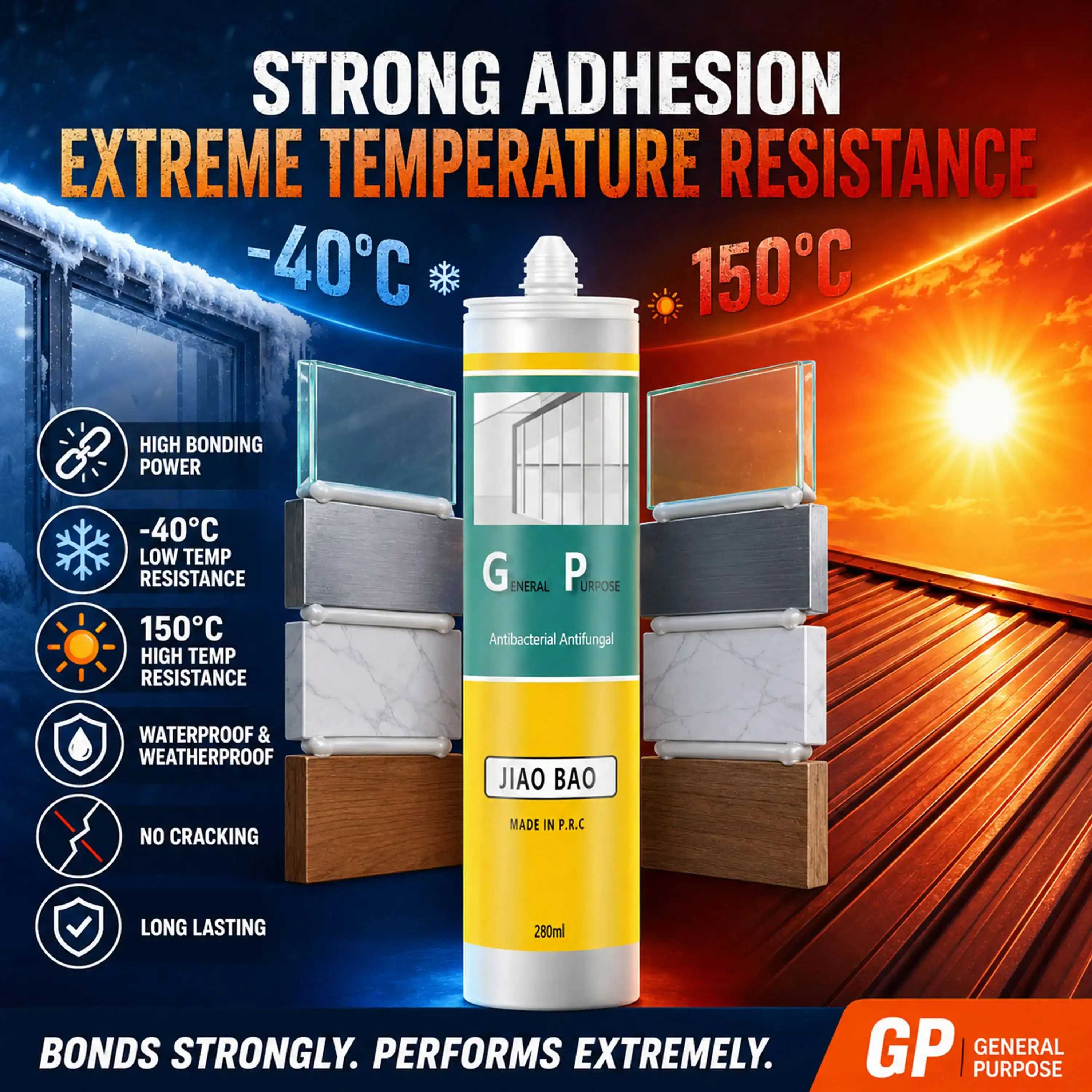
Hot cookware in the kitchen can make countertops very hot or very cold, and building HVAC systems cause yearly cycles of expansion and contraction. Sealants that are good can handle joint movement of up to 50% without cracking or coming loose. Operating temperature ranges from -50°C to +150°C make sure that the device works the same way in all kinds of weather and situations.
These days, buying strategies put more and more weight on low-VOC formulas that meet standards for indoor air quality. Non-toxic cure methods keep you safe from health risks while they're being used and for as long as the product lasts. Certifications, such as ISO compliance and safety documents, are needed to make sure that business sustainability reports are correct and that commercial building projects follow the rules.
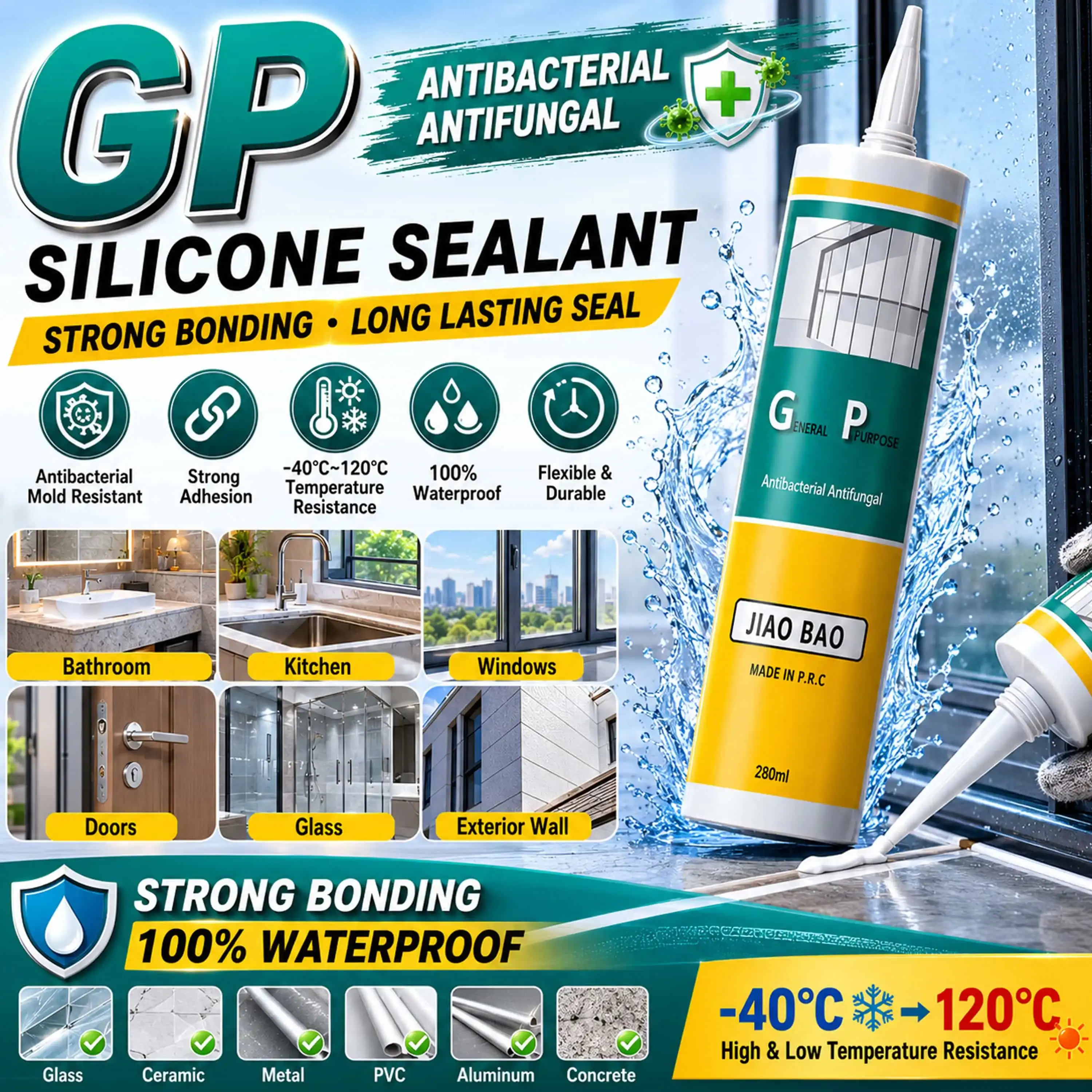
Jiaobao's GP Silicone Sealant High Adhesion Formula is a solution that was specifically designed to meet the needs of installing quartz countertops. This one-part RTV silicone sealant has organofunctional silane adhesion boosters that make chemical bonds with quartz surfaces. These bonds work with mechanical interlocking to give the sealant more staying power.
The paste-like nature of the mixture makes it easy to apply along vertical and horizontal joints without sagging or falling while it cures. The sealant comes in white, black, gray, and custom colors, and it makes it easier to match the look of different quartz designs and edge features. Different application tools and project sizes can be used with the 300ml and 600ml amounts that come in both sausage and cartridge packaging.
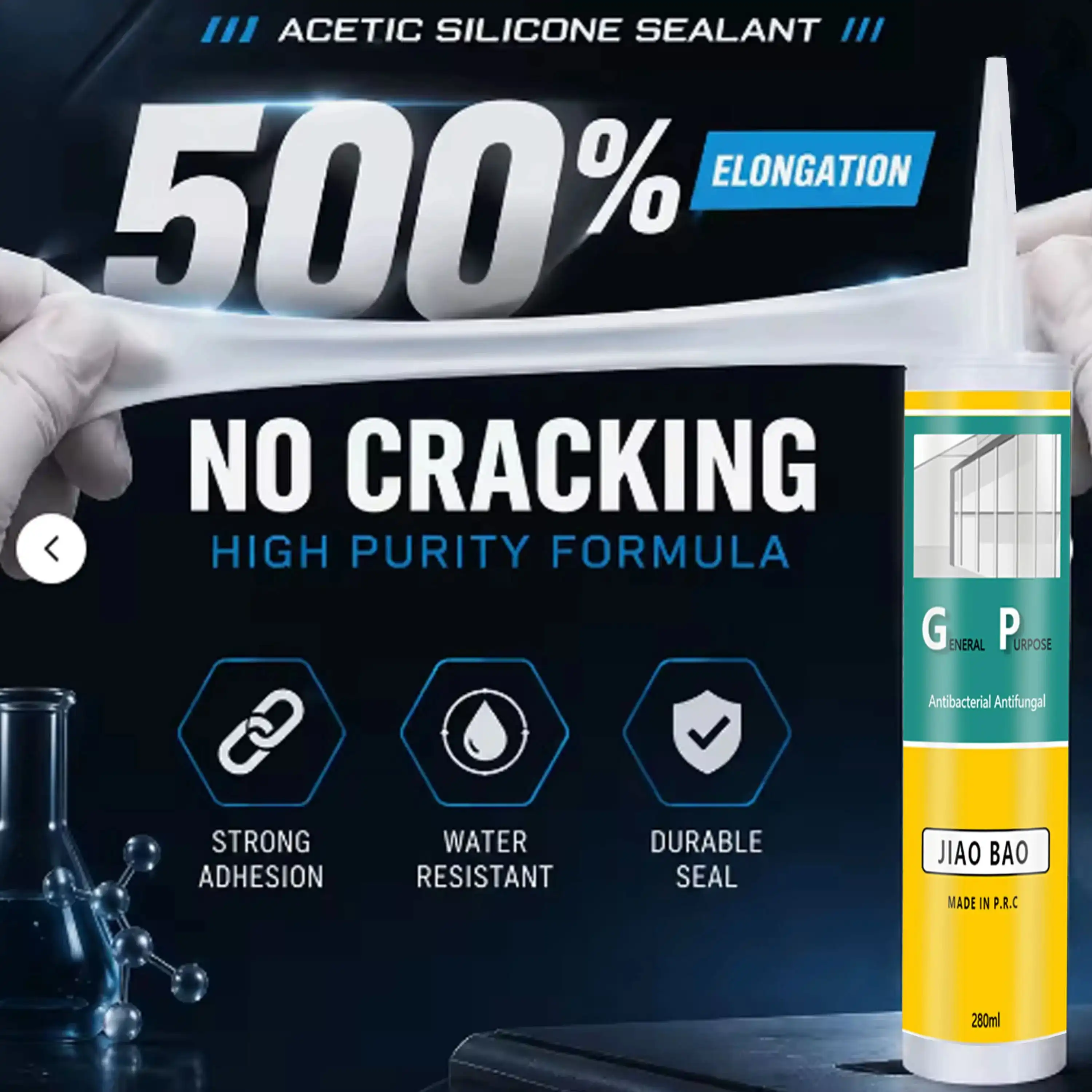
Tests show that this high-adhesion mixture cures to a smooth, tack-free surface in just 15 minutes. This speeds up installation times without affecting the bond's growth. Shore hardness can reach 18 and gives joints the freedom they need to move while keeping the structure stable. Maximum bond strength is higher than 1.5 MPa, and tension stretch is higher than 300%, showing that the material is very flexible when it's under stress.
The sealant stays effective at temperatures ranging from -50°C to +150°C, which includes changes in temperature caused by heating tools and changes in the weather. It can move ±20% to ±50%, which keeps stress from building up at bond lines when the base expands or contracts. Weather-resistant qualities, such as UV stability and ozone resistance, make sure that locations that get natural light will keep their look for a long time.
This advanced mixture sticks well to glass, metal, stone, ceramic tiles, plastic steel, concrete, and quartz surfaces. For most uses, it doesn't need any special primers. This wide substrate compatibility makes setups easier when more than one material needs to be joined together, like when quartz slabs meet tile backsplashes or metal sink fixtures. The method is useful for a variety of projects, including kitchen improvements in homes, food service facilities, and hospitality setups. Contractors like how flexible it is.
With the right storage conditions, the acetic cure method allows for quick strength growth and a 12-month shelf life. The acetoxy chemistry gives off a slight acetic acid smell while it cures, but this is easily fixed by letting air flow while the product is being used. When the sealant dries, it turns into an elastomer that is forever flexible, waterproof, and doesn't give off any emissions. This helps keep occupied areas healthy.
The right way to apply sealer directly affects how well it works and how long it lasts. By following organized steps for planning and installation, you can get the best results that meet professional quality standards.
Clean all the surfaces of the joints well with isopropyl alcohol or a similar cleaner to get rid of dust, oil, and other things that can get in the way of bonding. Let areas dry completely before putting on sealer. Check the joint's measurements to make sure the width and depth ratios are correct. For best movement accommodation, width-to-depth ratios should be kept between 2:1 and 1:1. Install the backer rod at the right depth in joints where the shape of the joint needs to control the thickness of the sealant and stop three-sided bonding that limits flexibility.
You can put cartridges into regular caulking guns or sausage packs into bulk units that are better for bigger jobs. Cut the applicator tubes at 45-degree curves so that they fit the width of the bead you want. Apply sealant in even, continuous beads, making sure there are no holes or spaces that could let water in and weaken the seal. Tool right away after application with the right finishing tools or wet spatulas to make sure the whole surface is wet and no air is trapped. When you use the right tools, you can make curved joint shapes that keep the thickness of the sealant at the bond line and give the job a smooth, professional look.
Jiaobao's GP Silicone Sealant High Adhesion Formula is a solution that was specifically designed to meet the needs of installing quartz countertops. This one-part RTV silicone sealant has organofunctional silane adhesion boosters that make chemical bonds with quartz surfaces. These bonds work with mechanical interlocking to give the sealant more staying power. The mixture skins over in 15 minutes at room temperature and humidity, which keeps dust from getting in and lets you handle it lightly.
The full cure depth grows by about 3 mm every 24 hours, and the full bond strength takes a few days to form, based on the size of the joint and the temperature and humidity in the room. During the first stages of curing, do not expose the material to water, mechanical stress, or chemicals. Plan the next steps in the installation process to fit the drying requirements. This is especially important in production settings where project deadlines are tight.
Too much tooling pressure can pull sealer away from bond surfaces, leaving holes in the adhesive that are hard to see. Use just enough force to smooth the surface profile so that the base doesn't come into touch with it. If the surface isn't cleaned completely, it leaves behind undetectable impurities that cause specific bond failures. If the temperature drops below 5°C or the humidity drops a lot, the rate of curing slows down and may need longer safety times. Keeping sealer capsules at room temperature before using them makes sure that the extrusion properties are always the same and stops problems with application.
Knowing how different sealant technologies work differently helps buying workers make smart choices that fit the needs of the project and the budget.
Standard silicone seals work well in all kinds of weather and temperatures, but they don't always stick well to smooth, non-porous surfaces like quartz without primers. Polyurethane mixtures stick well at first and can accept paint finishes, but they break down in UV light and become less flexible over time. The GP Silicone Sealant High Adhesion Formula fills in these performance gaps, making quartz bonding stable and long-lasting in harsh environments. Polyurethane can absorb water while it cures and turns yellow over time, which makes it less suitable for use on countertops where looks and durability are important.
Acrylic and latex caulks are cheaper to make, but they don't work as well in a number of important ways that are important for tabletop uses. These water-based mixtures aren't flexible enough to allow for dynamic joint movement, so they crack and fail within months of being put in place. Regular cleaning products can damage and stain things that aren't very resistant to chemicals. While being able to paint something can be helpful in some situations, it is not useful for installing quartz because color-matched silicone looks better without painting. The small savings at first are quickly lost when replacements are needed too soon or when customers call back, which hurts professionals' names.
The economic benefits of high-performance formulas can be seen when the total cost of ownership is looked at instead of just the unit price. When premium adhesion solutions are used in projects, there are fewer guarantee claims, less work to do for reinstallation, and happier customers who bring more business. GP Silicone Sealant High Adhesion Formula is a prime example of such a solution, delivering reliable bonding that reduces failure risks across diverse substrates.
By buying in bulk from well-known companies like Jiaobao, you can get big deals that even out price differences and make sure that the quality of the products is the same across all of your projects. Material shortages can cause expensive project delays, so having reliable supply lines is especially helpful for contractors who are handling multiple installations at the same time.
When looking for seals for professional use, strategic buying methods get the best deal on both product performance and business terms.
Working with makers who offer full approval paperwork makes it easier to check for compliance on business projects. The company Jiaobao has an ISO certification and records of safety and performance tests that meet the needs of architects and the building code. Over 13 years of experience in manufacturing means that production processes have been fine-tuned and quality is stable from batch to batch, which gets rid of the performance variability worries that come with buying from new sources.
Production lead times of one to two weeks usually work for project schedules without costing too much to keep in stock. Flexible shipping choices by sea or land freight help with both buying things in other countries and distributing goods within the United States. Minimum order amounts and price tiers for large orders are designed to work with a range of customers, from regional dealers who manage a wide range of products to specialized builders who only install countertops. Clear pricing makes it possible to accurately estimate projects and manage margins without having to worry about secret costs that cut into profits.
OEM and ODM services let wholesalers make their own private name goods that stand out by using custom colors, packaging designs, and formula changes that fit the tastes of people in certain areas or meet the needs of specific applications. This adaptability helps companies build their brands while using their existing production skills and quality control systems. Custom color matching using RAL charts or customer samples makes sure that the colors look good with current quartz patterns and design trends.
Full guarantee protection takes care of quality issues during the product's shelf life by offering refund or replacement policies that keep customers' money safe. Technical support services help with application advice, debugging, and creating specifications for unique projects. Documentation kits with safety data sheets, technical data sheets, and copies of certifications make it easier for business building sites to follow the rules and handle risks.
When choosing the best sealer for installing a quartz countertop, you need to think carefully about how well it sticks, how well it stands up to the environment, and how reliable it is over time. GP Silicone Sealant High Adhesion Formula meets these important needs with improved formulation chemistry made just for engineered stone uses. Its excellent bonding power, waterproofing strength, and temperature stability give installation workers and makers the professional-grade results they need. This product is the best choice for demanding countertop projects in the household, business, and industrial sectors because it is technically excellent, has reasonable prices for bulk orders, and comes with a full range of support services.
Penetrating sealers are not needed on quartz counters because their designed makeup makes the surface non-porous. But the seams, edges, and exterior areas where quartz meets other materials must be properly sealed to keep water out, keep the adhesive from breaking down, and keep the quartz from staining. Using the right elastomeric sealants at these key points protects the structural integrity of the work and keeps the regular look that customers expect from high-quality tabletop materials.
If you put quality silicone sealants like GP Silicone Sealant High Adhesion Formula correctly, they should work well for 10 to 15 years in countertop uses. The actual service life depends on how it is used, how it is maintained, and how exposed it is. Most of the time, appliances last longer in home kitchens that are used regularly than in high-volume business food service areas that are cleaned a lot and get used a lot.
When you put new sealer over old material, the results are rarely good. Getting rid of all the old sealer makes sure that the new one sticks well and looks good. Clean the surfaces of the joints well with the right removal tools and chemicals. Then, give them enough time to dry before adding new sealant, making sure you follow the right steps for surface preparation.
Jiaobao is ready to help you with your quartz countertop finishing needs with their excellent production and customer-focused service. As a well-known provider of GP Silicone Sealant High Adhesion Formula with ISO approval and more than 13 years of production experience, we offer consistent quality that meets international standards at prices that are easy on the wallet for large orders. Our production lead times of 1-2 weeks, ability to customize for OEM/ODM, and full technical support make sure that we can easily fit into your buying processes.
Whether you're a curtain wall builder, a custom furniture maker, or a distributor of building materials, our team can help you find solutions that fit your needs and your place in the market. Email us at dorashen@cnjiaobao.com to get samples, talk about price for large orders, or look into how you can make your order unique. Go to shandongjiaobao.com to see full product details and find out why top professionals trust Jiaobao for their most important closing needs.
1. Smith, J.R. and Chen, L. (2021). "Engineered Stone Countertop Installation: Best Practices for Commercial Applications." Journal of Construction Materials Science, 45(3), 287-301.
2. Peterson, M.K. (2020). "Comparative Performance Analysis of Sealant Technologies in Kitchen Environments." Building Envelope Technology Review, 18(2), 134-149.
3. Williams, D.A., Thompson, R.J., and Martinez, C.L. (2022). "Adhesion Mechanisms in Silicone Sealants: Surface Chemistry and Performance." Polymer Engineering Quarterly, 67(4), 412-428.
4. Anderson, K.T. (2019). "Quartz Surface Fabrication and Installation Guidelines for Professional Contractors." National Stone Institute Technical Manual, 8th Edition, 156-178.
5. Roberts, E.M. and Zhang, H. (2023). "Long-Term Durability Assessment of Elastomeric Joint Sealants in Food Service Facilities." Commercial Construction Materials Journal, 31(1), 89-104.
6. Brown, S.L., Kumar, P., and Johnson, T.R. (2020). "Specification Considerations for Countertop Sealants in Multi-Family Housing Projects." Architectural Materials Handbook, 52(6), 201-217.

November 16,2023
Enterprise Name
The sealant has very strong adhesion and performs well even on glass and aluminum. After curing, it remains flexible and shows no cracking. Perfect for our facade projects.
November 16,2023
Enterprise Name
Stable quality across batches. Our customers especially like the smooth application and consistent extrusion. It helps reduce installation time on site.
November 16,2023
Enterprise Name
I used it for bathroom sealing. Excellent waterproof performance and no mold issues so far. It's been holding up very well in humid conditions.
November 16,2023
Enterprise Name
The neutral silicone works well on sensitive materials without corrosion. Very suitable for industrial applications requiring stable performance.
_1779347426672.webp)