November 16,2023
Enterprise Name
The sealant has very strong adhesion and performs well even on glass and aluminum. After curing, it remains flexible and shows no cracking. Perfect for our facade projects.
Sep 11, 2026
Choosing the right silicone sealant for aluminum window projects hinges on understanding material compatibility, performance requirements, and application environments. GP Silicone Sealant for Glass and Aluminum delivers proven solutions tailored to the demanding needs of window fabricators, general contractors, and curtain wall companies. This one-component, moisture-curing acidic sealant offers exceptional adhesion to both glass and aluminum substrates while withstanding extreme weather conditions. With a 15-minute tack-free time and tensile strength exceeding 300%, it accelerates project timelines without compromising seal integrity. Selecting a sealant that balances fast curing, thermal flexibility, and long-term durability ensures installations meet rigorous industry standards while reducing costly callbacks and warranty claims.
Putting in aluminum windows requires accuracy. If you choose the wrong caulk, there are risks that affect the structure's strength, its ability to keep water out, and your customers' happiness. When looking for products that need to work in a variety of climates and on a range of surfaces, procurement managers and project engineers have to make hard choices.
One of the most common problems with installing windows is that the adhesive doesn't stick well. When sealants don't stick well to anodized or powder-coated aluminum finishes, water gets into the joints and causes corrosion and seals to break down too soon. Another problem is thermal expansion; as the temperature changes, aluminum frames expand and shrink a lot. Sealants that aren't flexible enough break when they're put under stress, letting water and air leak through. There are a lot of fabricators who buy oil-extended, low-quality alternatives that seem cheap at first but shrink too much when they cure. This shrinkage pulls seals away from foundations, which causes cohesive breakdowns that need expensive repairs.
The contacts between glass and aluminum have specific needs. During polymerization, acidic cure sealants give off acetic acid, which can eat away at mill-finish aluminum surfaces that haven't been treated. Knowing how substrates work together can help you avoid expensive material reactions. Aluminum that has been anodized or powder-coated can usually handle acetoxy formulations, but for sensitive uses, neutral-cure options may be needed. Glass and aluminum have very different coefficients of temperature expansion. Sealants need to be able to handle this movement without weakening the bond or putting extra stress at the edges of joints.
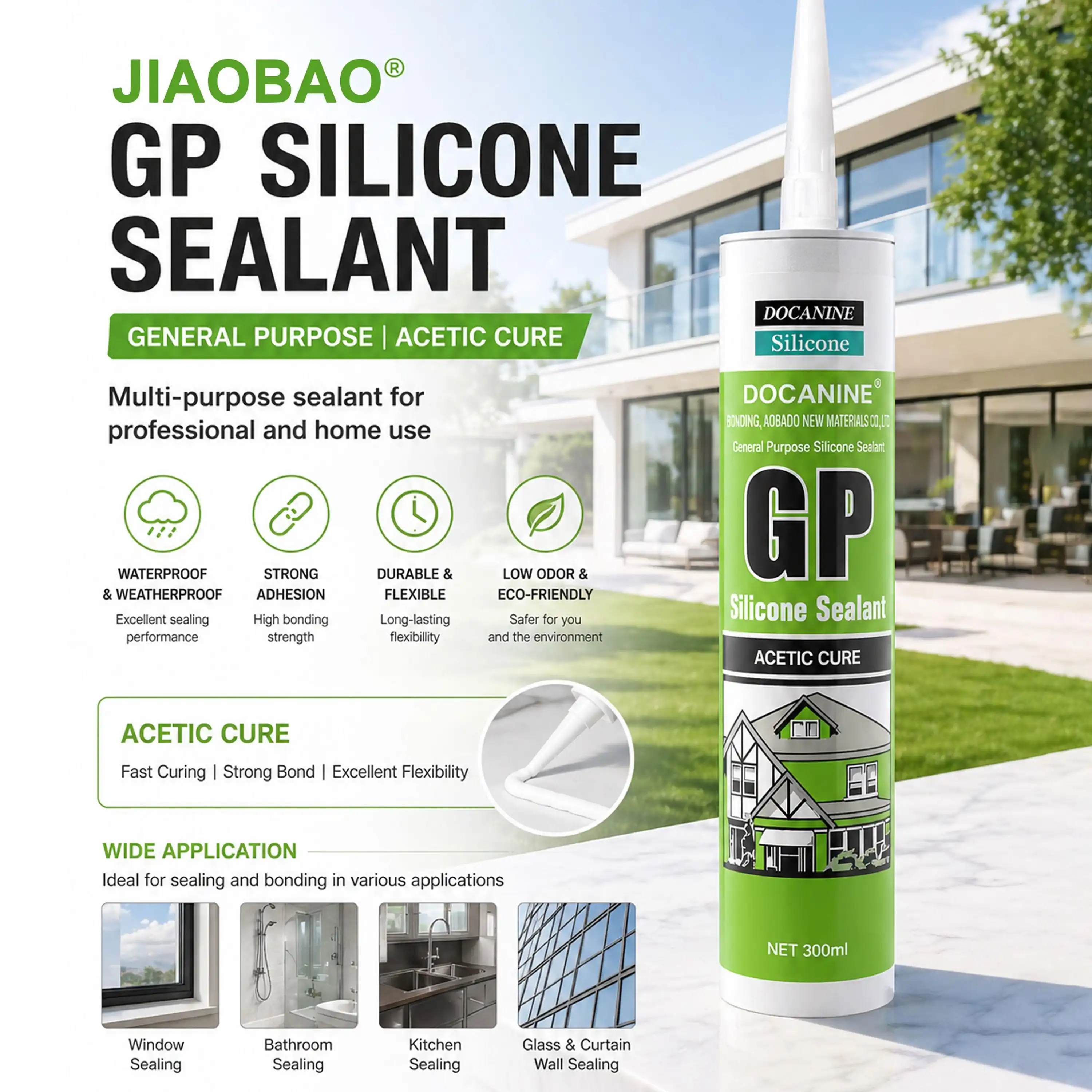
When choosing the right sealant, you need to compare the technical specs to the project needs. There is a direct link between performance attributes and installation quality, maintenance intervals, and lifecycle costs.
Reliable window sealing starts with being able to bond well to both glass and aluminum surfaces. Good sealants have a maximum bond strength of more than 1.5 MPa, which means that seals can withstand wind loads, vibrations, and mechanical stress. Instead of relying only on mechanical interlocking, the formulation needs to form molecular bonds with the substrate surfaces. Different types of aluminum finishes and glass can stick to GP Silicone Sealant for Glass and Aluminum very well, and you don't need to use complicated primer systems. This feature speeds up the building process and lowers the cost of materials and mistakes made during the process.
When coatings are used outside, they are exposed to UV light, ozone attack, acid rain, and changes in temperature. Anti-UV stabilizers and ozone-resistant plastics are used in premium recipes to keep things from chalking, yellowing, and breaking down over long periods of time. GP Silicone Sealant for Glass and Aluminum stays flexible and bonds well in temperatures ranging from -50°C to +150°C, so it can handle the temperature changes that happen a lot in business and home window installations. This broad performance range is important for projects that need to work in a variety of climates, from cold northern areas with hard winters to hot southern areas with lots of sun.
To meet project deadlines, we need fast-curing technologies that let us make things faster without lowering the quality. The 15-minute tack-free time of GP Silicone Sealant for Glass and Aluminum makes it easy to work with quickly and protects against contamination during the initial curing phase, which is the most vulnerable. Because it cures in moisture, there's no need for hot equipment or pressurized systems. To use, simply gun the sealant straight from cartridges or sausages and let the humidity in the air finish polymerization. This makes things easier, which saves money on big pieces of equipment and makes things more consistent across multiple installation crews.
More and more, high-end architectural projects need sealants that are the same colour as the frame finishes and glass tints. You can get GP Silicone Sealant for Glass and Aluminum in white, black, and grey, and you can customize it to match any RAL colour chart. Batch-to-batch colour consistency keeps big curtain wall installations or multi-building projects from having ugly colour differences. Custom furniture companies and interior design firms really like this aesthetic freedom because it makes it easier to see where the sealant lines are, which is important in high-end homes and businesses.
These performance factors tell us if a sealant can handle the tough requirements of professional window construction. Instead of relying only on marketing claims or lowest-bid pricing strategies, procurement teams should give more weight to products that show performance data that can be checked.
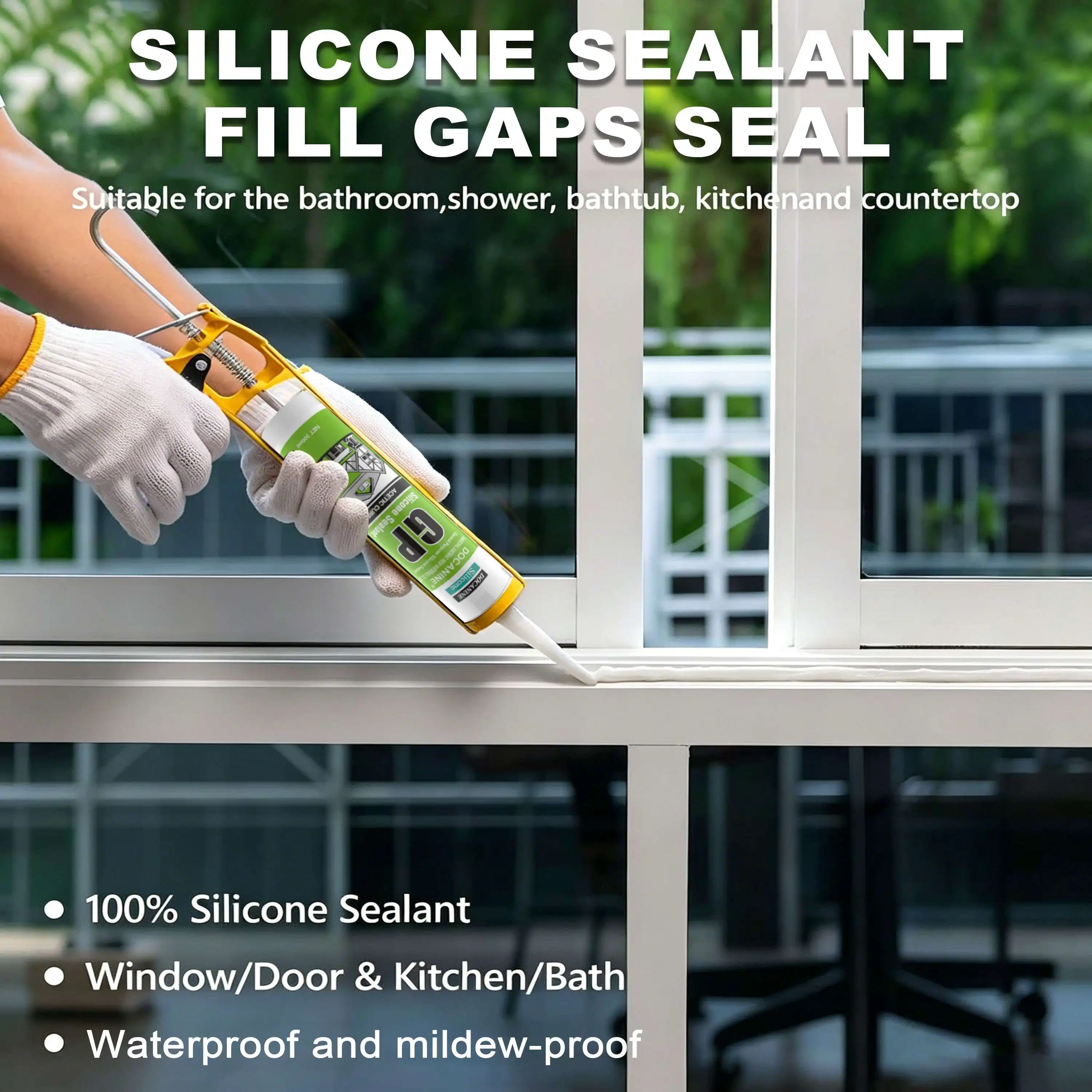
Knowing the differences between materials helps buyers choose products that meet their needs and their budget.
Acrylic sealants are good for internal uses where freedom in style is important because they can be painted over and have lower start-up costs. But acrylics don't have the flexibility and weather protection that are needed to seal around the edges of an aluminum window. They break easily when exposed to UV light and can't handle the heat movement that comes with metal-glass systems. Formulations with silicone, especially acetoxy-cure types like GP Silicone Sealant for Glass and Aluminum, stay flexible at high and low temperatures and don't let water or environmental damage through. The higher starting costs are worth it because the durability premium cuts down on repair cycles and guarantee claims.
In paintable situations and some industrial glueing situations, polyurethane coatings work really well. Because of how they are made, they work well in floor joints and growth holes in concrete buildings. However, silicones are needed for window applications because they are better at resisting UV light and staying stable at high temperatures. When exposed to sunlight, polyurethanes break down more quickly and don't work as well in hot places. When looking at the total cost of ownership over the life of a building, silicone's longer durability usually gives better value, even though it costs more to make.
By balancing performance with low prices, GP Silicone Sealant for Glass and Aluminum is able to compete well with well-known foreign names. For load-bearing uses, expensive structural glazing silicones cost more. GP Silicone Sealant for Glass and Aluminum, on the other hand, is aimed at the general-purpose sealing market, where weather protection and adhesion are more important than structural load capacity. Procurement managers can be sure that GP Silicone Sealant for Glass and Aluminum products will meet their needs because they have documentation to back up ISO compliance and CE certification. Customers always say that the curing process is reliable and that there aren't many problems with adhesion, which are important things to keep in mind when handling large-scale window construction operations.
When applied incorrectly, even the best sealants don't work as well as they should. The best results are guaranteed when you follow tried-and-true application steps.
When bonding fails, contamination is usually the reason. The two-cloth method with isopropyl alcohol (IPA) must be used to clean aluminum surfaces very well. The first cloth uses solvent to break down oils, grease, and dust. The second cloth wipes away the contaminants right away, before the solvent evaporates and leaves them behind again. This simple procedure makes bonds much more reliable. The same care needs to be taken with glass surfaces because fingerprints, manufacturing residues, and airborne dust can all break down molecular bonds. Skipping steps in preparation to save time during installation ends up costing hours of work because the seals don't work right.
Proper joint shape has just as much of an effect on how well a sealant works as its physical qualities. For the best stress distribution during thermal movement, the ratio of width to depth should be close to 2:1. Backing bars or bond breaks stop three-sided bonding, which makes sealant less flexible and puts more stress on the bond lines. Putting down backing materials also controls the depth of the sealant, which keeps you from using too much material and makes sure there is enough cross-sectional area for movement. Using the same size beads for all installations makes the look more uniform and makes it easier to predict how much the materials will cost.
Temperature and humidity in the air have a direct effect on how fast things cure. Under normal conditions (23°C, 50% relative humidity), GP Silicone Sealant for Glass and Aluminum is no longer tacky in 15 minutes, which makes it easy to work with quickly. Complete through-cure takes between 24 and 48 hours, depending on the depth of the joint and the conditions outside. When planning a project, it's important to include minimum fix times before putting seals under stress, water, or mechanical loads. Cold weather makes cure times longer, and high humidity speeds up surface skinning, which could trap material that hasn't fully cured below. Knowing about these factors helps planners schedule works quickly without lowering the quality.
An easy mistake that can damage the seal is using too many tools. When you smooth out joint surfaces too much, you remove sealant, which lowers the contact area and bond strength. Light tooling should only shape the bead outline while keeping full touch with the substrate. If you put sealer on top of dirty or wet surfaces, it will not stick, no matter how good the materials are. Making sure the area is dry and clean before starting work saves time and materials. Using old cartridges or products that haven't been kept properly can cause curing inconsistencies. To keep performance consistent, rotate supplies and follow shelf-life guidelines.
There's more to sourcing choices than just looking at price sheets. Strategic procurement looks at what the supplier can do, how they can help, and the possibility of a long-term partnership.
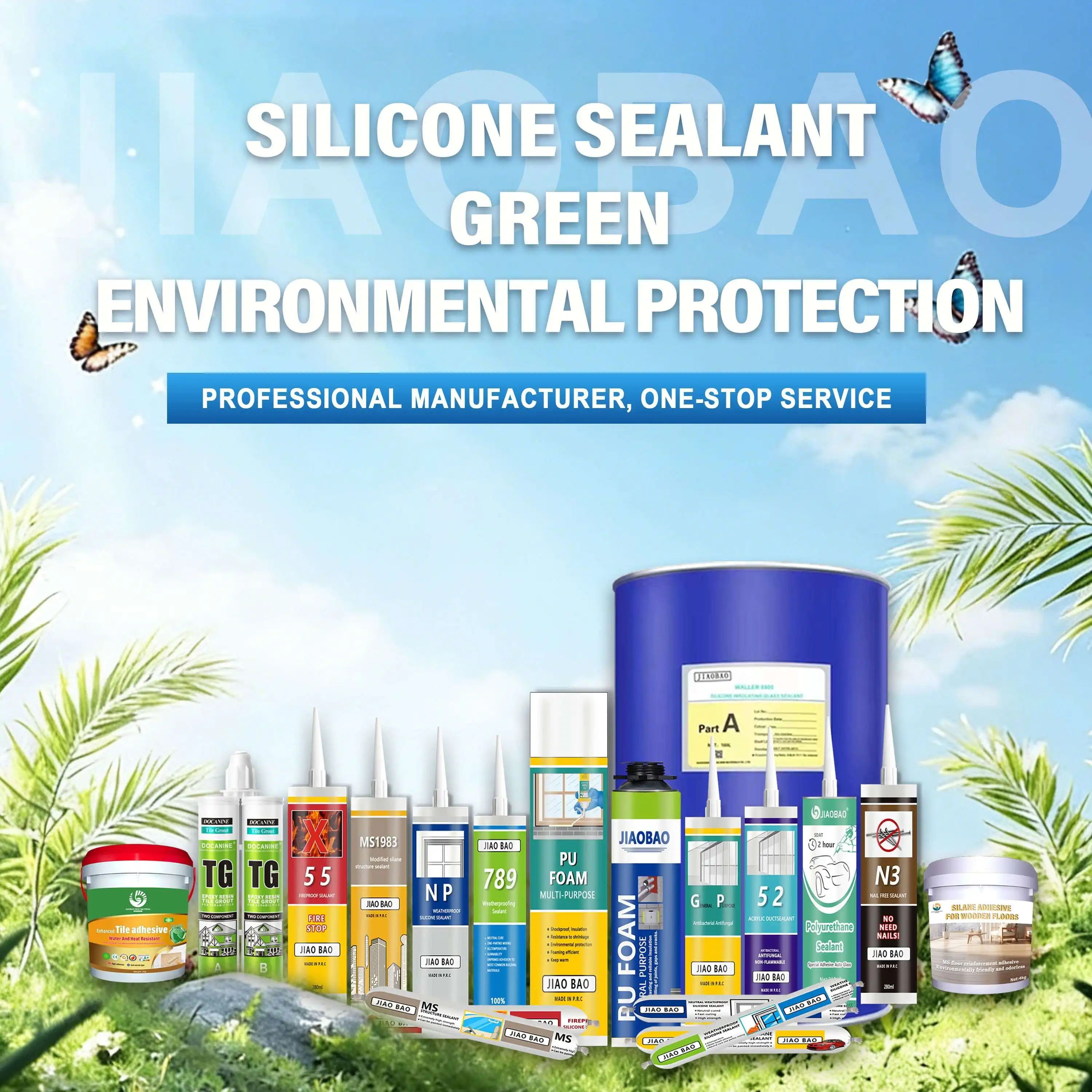
Supply chains are full of fake and low-quality sealants, especially in markets where price is important. Teams in charge of buying things should make sure that suppliers are authorized by the manufacturers and look at ISO certifications that prove quality management systems. Jiaobao has been making things for 13 years, which shows that they have the production steadiness and quality control skills needed to deliver products on time every time. Before placing a large order, it is helpful to confirm product specifications by asking for technical data sheets, safety documentation, and batch test reports. Established providers keep track of their products, which lets quality problems be fixed quickly.
By buying in bulk, you can save a lot of money and make sure you have enough supplies for when production is at its peak. Understanding a manufacturer's capacity, lead times, and minimum order quantities is important for negotiating volume discounts. Jiaobao has flexible shipping choices that can handle both sea freight for container loads and land transport for area distribution. Production times are between one and two weeks. When shipping plans are coordinated with project deadlines, storage costs and working capital that are stuck in inventory are kept to a minimum. Private labelling lets distributors serve more than one market, and it helps brands stand out without the need for separate production relationships.
Professional suppliers are different from commodity vendors because they offer quick technical support. When working on complicated window projects, it's important to get help from an expert because the substrates, surroundings, or performance standards can be very strange. Jiaobao gives customers direct access to expert teams that can fix problems with applications and suggest changes to specifications. Protecting procurement investments with warranties that offer refunds or replacements for quality problems within the product's shelf life protects purchases. This guarantee is especially helpful when you're in charge of big projects where problems with materials can cause schedule delays and cost overruns that are hard to fix.
For jobs involving aluminum windows, sealants must have great adhesion, weather protection, and thermal flexibility. When specifying materials, people who work in procurement have to look at technical specs, the supplier's abilities, and the needs of the application. These needs are met by GP Silicone Sealant for Glass and Aluminum, which comes in tested formulas with quick fix times, strong bonds, and long-lasting properties. The best performance comes from properly preparing the surface and applying the coating. Strategic partnerships with suppliers ensure consistent quality and quick support. Window fabricators and builders can make installations that meet strict industry standards by learning about the differences between materials, avoiding common mistakes, and using the knowledge of the producer. Jiaobao's manufacturing knowledge and full service infrastructure help projects get done well in a wide range of markets and uses.
When acetoxy formulations cure, they create acetic acid, which can eat away at mill-finish aluminum that hasn't been handled. Aluminum that has been anodized or powder-coated can usually handle acidic fix sealants without any problems. When working with uncoated aluminum, projects should think about neutral-cure alternatives or make sure the materials are compatible by testing them on real substrate samples before going ahead with the full-scale implementation.
Usually, early failure is caused by oil-extended, low-grade formulas where hydrocarbon solvents evaporate after curing, causing the material to shrink too much. This shrinking causes stress that is higher than the bond strength, which leads to loss of the cohesive or sticky bond. These problems can be avoided by choosing high-quality goods with little volatile substance. Early bond failure can also be caused by not properly preparing the surface or applying sealant to a substrate that is dirty.
As soon as the cartridge nozzles are opened, water starts to mix with the sealant that is now visible. When nozzles are closed between uses, they can be used for several hours without any problems. Nozzle caps or plugs should be used to keep material that isn't being used from getting wet from the air. When you store things correctly, they can be used over and over again without going to waste.
GP Silicone Sealant for Glass and Aluminum formulations are more for weatherproofing and general bonding than for structural uses that need to hold weight. According to ASTM C1184 standards, structural glazing needs high-modulus silicones that are made to withstand dead loads and wind pressures. When you use the wrong products for structural uses, you create serious safety risks. Always match sealant classes to the needs of the job.
Choosing the right GP Silicone Sealant for Glass and Aluminum supplier impacts project success far beyond initial material costs. Jiaobao has over 13 years of experience in specialized manufacturing and offers full technical support. This makes sure that the products you buy always work well and are of good quality. Our production sites are ISO and CE approved and have strict quality control measures in place during the entire process of making, filling, and packaging our products. We have competitive volume pricing, quick lead times of 1-2 weeks, and flexible OEM/ODM customization to meet the needs of your brand and help you position yourself in the market. Whether you're looking for delivery routes, door and window processing, or curtain wall fabrication, our team can help you with your unique technical problems. You can email us at dorashen@cnjiaobao.com to ask for samples, talk about project details, or look into business possibilities. Our warranty program covers quality problems that happen within the product's shelf life. This saves your investment and shows that you trust the quality of our making.
1. ASTM International. "ASTM C920: Standard Specification for Elastomeric Joint Sealants." West Conshohocken: ASTM International, 2018.
2. Klosowski, John M. "Silicones in Architectural Applications: Performance, Testing, and Specification." Journal of ASTM International, vol. 5, no. 3, 2008.
3. Wolf, Alan T. "Durability of Building Sealants: State-of-the-Art Report." RILEM Publications, 2000.
4. Panek, Julian R., and John P. Cook. "Construction Sealants and Adhesives." New York: John Wiley & Sons, 1991.
5. International Organization for Standardization. "ISO 11600: Building Construction—Jointing Products—Classification and Requirements for Sealants." Geneva: ISO, 2002.
6. Beech, John C. "The Chemistry and Technology of Silicones and Sealants for Building Construction." London: Springer Science & Business Media, 2004.
November 16,2023
Enterprise Name
The sealant has very strong adhesion and performs well even on glass and aluminum. After curing, it remains flexible and shows no cracking. Perfect for our facade projects.
November 16,2023
Enterprise Name
Stable quality across batches. Our customers especially like the smooth application and consistent extrusion. It helps reduce installation time on site.
November 16,2023
Enterprise Name
I used it for bathroom sealing. Excellent waterproof performance and no mold issues so far. It's been holding up very well in humid conditions.
November 16,2023
Enterprise Name
The neutral silicone works well on sensitive materials without corrosion. Very suitable for industrial applications requiring stable performance.
_1779347426672.webp)