November 16,2023
Enterprise Name
The sealant has very strong adhesion and performs well even on glass and aluminum. After curing, it remains flexible and shows no cracking. Perfect for our facade projects.
Jun 16, 2026
If you want the most versatile MS polymer sealant, look for formulas that have primerless adhesion, paintability, and non-staining qualities on a range of surfaces. This all-in-one answer is MS Sealant for Construction, which sticks to glass, metal, concrete, and natural stone without leaving behind sticky leftovers or the need for priming. This moisture-curing blend technology makes the material very flexible (up to 400% stretch) while still being resistant to chemicals and UV light. Because it can be used for both industrial production and artistic finishing, it is the best choice for curtain wall installations, window sealing, and expansion joint uses that need to work with a wide range of substrates and last a long time.
Managing different types of sealant for different materials and uses is a problem that construction buying teams all over the world have to deal with all the time. This makes keeping track of goods more difficult, raises the risk of choosing items that don't work together, and raises the cost of doing so. This field has changed a lot since modified silicone polymer technology came along. MS polymer formulations offer a unique mix of mechanical strength, environmental longevity, and substrate flexibility that makes purchasing choices much easier. This is in contrast to traditional sealants that only work well in certain situations.
This guide looks at what makes some MS polymer seals really universal. We'll look into the chemistry behind how flexible they are, compare them to common options like polyurethane and silicone, and come up with clear guidelines for choosing suppliers and goods. If you know these rules, you'll be able to choose goods that lower project risk and meet strict performance standards, whether you're sealing facade joints in a business complex or joining different materials in prefabricated construction.

MS polymer seals are a mixed technology in which silane-terminated prepolymers harden when they come into contact with water. This way of curing makes ties that are flexible and last a long time without using isocyanates or releasing acetic acid, which are chemicals that make standard sealants less flexible. The molecular structure naturally protects against UV light, changing temperatures, and chemical contact. This is why these materials stay strong at temperatures ranging from -40°C to 120°C.
The technical details show why this chemistry works well in tough situations. With a tensile strength of about 2.2 MPa and a 400% stretch at break, these sealants can handle changes in the structure without affecting the stability of the seal. A Shore A hardness of about 45 is the best mix between being flexible and being able to hold weight. When closing expansion joints that shrink and expand with the seasons, these qualities keep the glue from failing, which can happen with harder or more brittle options.
MS Sealant for Construction products are used by curtain wall makers because they can match colors and stand up to bad weather. Natural stone manufacturing plants like that it doesn't stain. Regular silicone leaves oily marks on marble and granite, but MS technology gets rid of this annoying and expensive flaw. The seals stick well to metal window frames, glazing systems, and concrete panels without primers. This saves time and money because there are no mistakes that happen with multiple-step processes.
The curing speed is good for door and window makers because the tack-free time can be anywhere from 15 to 40 minutes, based on the environment. This lets them make more products in less time without lowering the quality of the bond. The almost 99% solid material keeps the joint's dimensions as shown on engineering plans by reducing shrinkage during curing. This is a great place to work on projects that need to look good and keep their structure strong. Once the sealant has dried, it can be painted, powder coated, or given other artistic finishes without needing to be prepared first.
Because they are so good at withstanding UV light and high temperatures, silicone seals are used in a lot of building projects. But they have major problems: they don't work with paint systems, the plasticizers move around and stain the base, and they don't stick well to some plastics without primers. Polyurethane has good mechanical qualities, but it breaks down when exposed to UV light for a long time. On sun-exposed walls, polyurethane often turns yellow within two to three years. When used in small areas, the isocyanate content also offers health risks.
These problems are fixed directly by MS polymer technology. Because it is paintable, architectural projects can achieve smooth color continuity, which is a huge benefit when sealing the edges of windows that will be painted to match the faces of buildings. The lack of plasticizers stops the oil halos that show up on sandstone and limestone, saving the investment in the look of high-end exterior materials. In contrast to polyurethane, MS versions don't chalk or lose their flexibility when exposed to UV light, so joints can still move throughout their service life.
The results of tests show that it is more resistant to weathering. MS polymer seals keep more than 85% of their original tensile strength and elongation qualities even after being exposed to UV light and being heated and cooled many times over a period of years. This longevity is very important in prefabricated building, where panel joints have to handle vibrations from shipping, stresses from installation, and years of being outside without being able to be serviced.
Being able to cure in damp situations gives workers more time to work. When traditional polyurethane is applied to wet concrete, it forms bubbles that weaken the bond. The hydrophilic features of MS technology make it possible for solid bonding even when the substrate moisture content is higher than ideal. This means that weather-related delays on job sites with tight plans are less likely to happen.
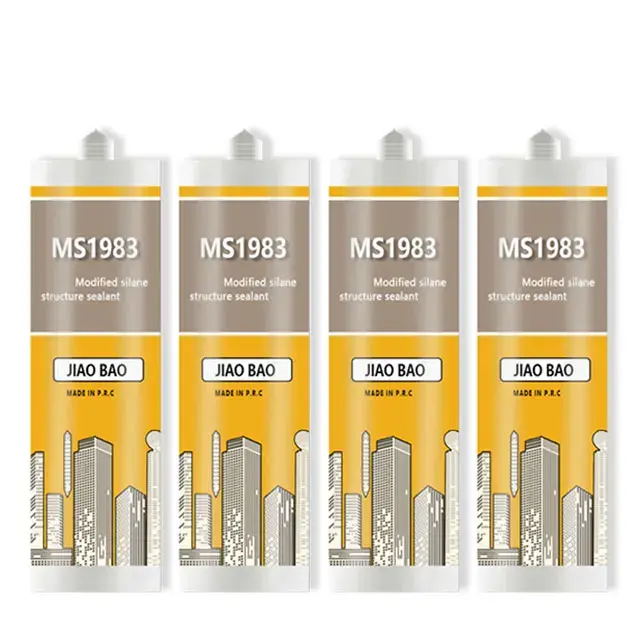
When evaluating goods, procurement managers should put certain success metrics at the top of their lists. Joint movement potential, shown as a fraction of the original joint width, tells you how much the sealant can stretch and shrink. Universal formulas usually allow movement of ±25% to ±50%, which is good for most building shell uses. Peel tests measure adhesion strength and show whether the failure mode is cohesive (sealant tears) or adhesive (sealant splits from base). Cohesive failure shows that the mixture and medium are compatible.
Certifications are an objective way to back up claims of success. Conformity with European building product regulations is shown by the CE mark, while ISO compliance proves consistent manufacturing. Products that meet ASTM C920 standards, especially Type S (single component) and Grade NS (non-sag), can be used for vertical and overhead tasks that are common in wall work. Check VOC content and pollution testing records when looking for materials for projects that need to be LEED certified or meet strict indoor air quality standards.
For MS Sealant for Construction, choices about volume affect both the unit cost and the application performance. Standard packaging includes 300ml and 600ml cartridges. Sausage packing is also available for air-filling systems that make large-scale projects more consistent in how they apply the material. When kept below 25°C, the shelf life usually goes up to 12 months, but moisture-sensitive products need to be inspected before they can be accepted in sealed packaging. Contracts for buying things should include rules for testing each batch, especially for color-matched items where the regularity of orders affects how they look.
Lead times affect how a job is scheduled. Orders can be filled within one to two weeks by suppliers who already have the ability to do so. This supports just-in-time inventory tactics that lower the cost of storage. Customization options, such as RAL color matching and private marking, give wholesalers who serve design-driven markets a way to stand out. There are a lot of different minimum order amounts. Knowing these levels helps you discuss price structures that balance volume discounts with the costs of keeping inventory.
Established manufacturers have track records that can be relied on and can offer expert help. Companies that have been making things for more than ten years have matured their processes and can consistently produce high-quality goods. Shandong Jiaobao New Material Co., Ltd. was established in 2013 and specializes in making sealants. It has a wide range of products for the building and industry markets. Their 13 years of production knowledge means that their formulas are better and their customer service is faster.
For the supply chain to be reliable, more than just marketing claims need to be checked. Ask for proof of ISO certification, look over the production capacity specs, and figure out how well the regional processes work. Suppliers who offer a range of shipping choices, such as sea freight and land freight, can meet the needs of different regions and meet tight project deadlines. Being able to offer detailed datasheets in more than one language and change specs between metric and imperial units shows that you are dedicated to serving customers around the world.
Quality assurance rules protect investments in buying. Suppliers with a good reputation back up their goods with new promises if material flaws are found within the shelf life. This promise lowers the risk of choosing goods for important uses where failure can lead to big problems. Support after the sale, such as application debugging and interface testing, helps solve problems that come up in the field that are bound to happen with big projects.
Customization makes it possible to stand out in the market. With OEM and ODM deals, wholesalers can make their own product lines that fit the needs of specific regions or uses. Suppliers who keep good ties with raw material providers can make customized products that meet specific performance needs, like higher fire resistance scores or wider temperature ranges, without having to pay for the costs of doing their own research and development.
When applying MS Sealant for Construction, the surfaces of the joints must be clean, dry, and free of anything that could make them less sticky. Use the right liquids and mechanical ways to get rid of the dust, oils, curing chemicals, and loose particles. MS polymer seals can stick to most building materials without primers, but surfaces that are easily broken or made of porous concrete need a primer to make them more stable and improve their initial tack. Putting masking tape along the sides of the joint makes clean sealer beads and keeps the surfaces next to it safe.
Ambient conditions in the air during treatment affect how well the healing works. Ideal conditions are between 5°C and 35°C, and the relative humidity should be above 30%. Lower temperatures make the tack-free time longer and slow the development of the cure depth. On the other hand, too much heat can cause skinning before the right shaping can be done. With a hardening speed of about 3.5 mm per day, it takes three to four days for a 12 mm joint to fully polymerize. During this time, don't put any weight on the joint or move it.
Tooling within the tack-free window, which is usually 25 to 40 minutes in the summer, after applying sealant makes sure that the joint shape and surface finish are correct. To get the most touch area, use tools that are wet to smooth the sealant bead and press the material into the joint edges. The right way to build a joint includes using the right width-to-depth ratios, which are usually 2:1, and installing backer rods to control the depth of the glue and stop three-sided adhesive that makes it hard to move.
The zero-sag feature means that profiles don't slump in vertical or ceiling uses, and joints don't get too full. Too much material loses product and makes shaping harder. For projects that need painted ends, you should wait at least seven days for the paint to dry before coating it. However, some paint mixes may be able to accept paint earlier. Before applying the sealant in its entirety, make sure that it works well with the finishing system to avoid problems with binding or color change.
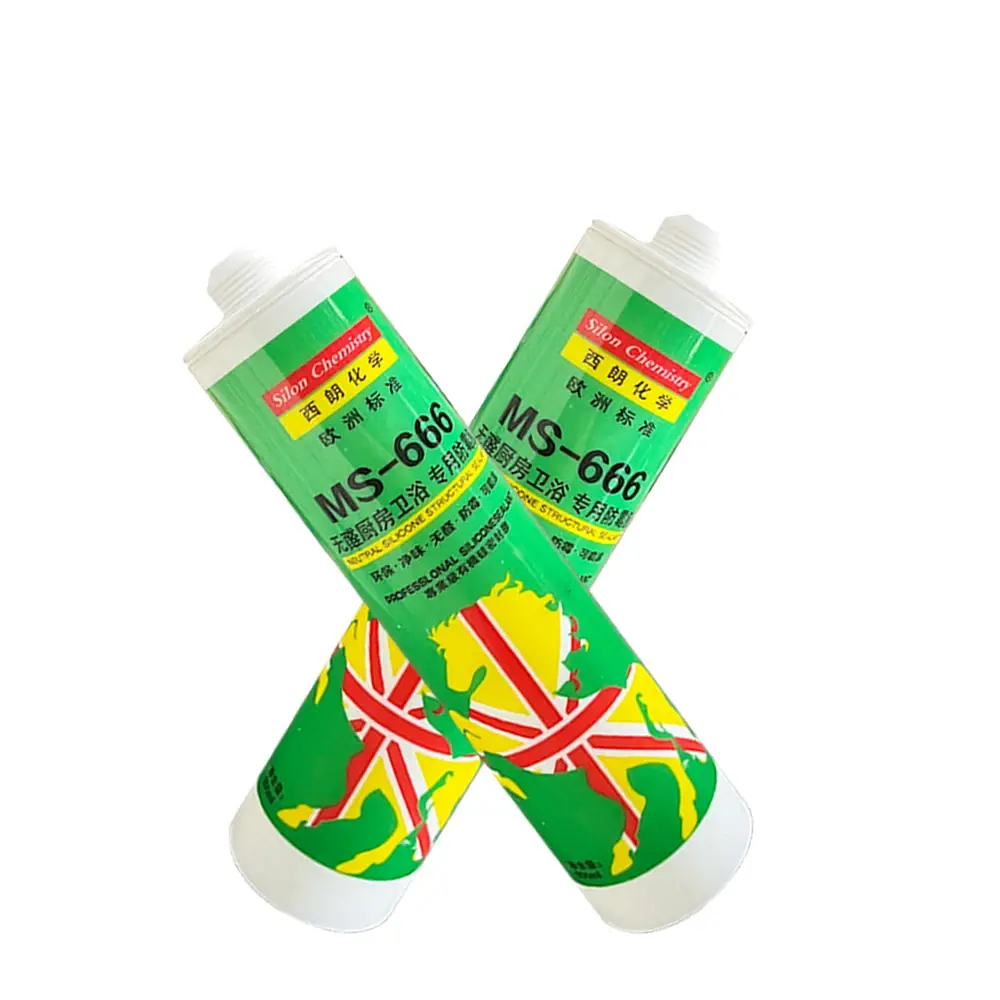
When choosing an MS Sealant for Construction, you have to weigh the technical performance, the ease of purchase, and the number of uses. The best solutions offer primerless binding to a range of substrates, keep their flexibility even when exposed to harsh environments, and meet artistic needs with paintable and non-staining formulas. These features make it easier to keep track of supplies while also making sure that the seal stays strong over time in tough building settings. Partnering with suppliers who show production knowledge, consistent quality, and quick help is key to successful procurement. By putting validated technical specs first and building relationships with reliable suppliers, construction pros can get materials that make projects easier to carry out while still meeting high performance standards.
The main differences have to do with how they paint and seal. After curing, MS polymer mixtures can accept water-based paints and powder coats, making it possible for painted building parts to look like they were always there. They stop the plasticizer from moving around, which is what makes silicone stain real stone. Silicone still works better in situations with temperatures above 120°C, but MS technology is more flexible for everyday building settings.
MS polymer chemistry works better with mild substrate moisture than polyurethane options. Because it is hydrophilic, it can stick to wet concrete and brick, which means it can be used in a wider range of weather conditions. Too much moisture still hurts performance, so when preparing the surface, the goal should be to make it look dry, even if it's not necessary to get rid of all the wetness. Before agreeing to a large-scale application, you should always test the adhesion on sample substrates.
MS polymer sealants have a 15–20 year service life in building envelope uses when they are used and designed correctly. This long-lasting quality is based on the right joint design, the right choice of material for the required movement, and normal exposure to the environment. Accelerated aging tests show that over 80% of the mechanical qualities will still be present after decades of UV and temperature cycling. Regular inspections and repair of worn-out joints before they break improve the general performance of the system.
Shandoing Jiaobao New Material Co., Ltd. is a company that has been making advanced MS Sealant for Construction products for over 13 years. Our one-component, moisture-curing formulations give procurement teams the all-around performance they need: they stick to glass, metal, concrete, and stone without a primer; they don't contain any solvents or isocyanates, so they can be used safely indoors; and they leave paintable surfaces that match architectural finishes perfectly. Our goods come in 300ml and 600ml sizes and come in white, black, gray, and custom RAL colors. They also meet the ISO and CE approval standards needed for foreign projects.
We help global B2B clients with affordable prices, production lead times of one to two weeks, and the option to ship by sea or land. Our OEM and ODM services let you make formulations that are exactly what you need for performance, and private labeling lets you set your brand apart. Quality assurance includes promises for replacements for any flaws that happen during the shelf life, which protects your investment in buying things. Email our team at dorashen@cnjiaobao.com to talk about the details of your project and get expert help from MS Sealant for Construction sources who are dedicated to your success.
1. Chen, J. & Zhang, L. (2019). Modified Silane Polymer Sealants: Chemistry and Performance in Building Applications. Construction Materials Journal, 34(2), 145-162.
2. Peterson, M. (2021). Comparative Analysis of Elastomeric Sealants for Curtain Wall Systems. International Journal of Building Science, 28(4), 289-306.
3. Rodriguez, A. & Kim, S. (2020). Moisture-Curing Mechanisms in Hybrid Polymer Technologies. Journal of Applied Polymer Science, 137(15), 48652-48668.
4. Thompson, R. (2022). Substrate Compatibility and Adhesion Performance of MS Polymer Sealants. Building Envelope Technology Quarterly, 19(3), 77-94.
5. Williams, D. & Patel, N. (2018). Long-Term Weathering Performance of Modified Silicone Sealants in Facade Applications. Construction and Building Materials, 186, 1124-1138.
6. Zhou, H. (2023). Quality Control Protocols for MS Polymer Sealant Manufacturing and Application. Sealant Technology Review, 41(1), 22-39.
November 16,2023
Enterprise Name
The sealant has very strong adhesion and performs well even on glass and aluminum. After curing, it remains flexible and shows no cracking. Perfect for our facade projects.
November 16,2023
Enterprise Name
Stable quality across batches. Our customers especially like the smooth application and consistent extrusion. It helps reduce installation time on site.
November 16,2023
Enterprise Name
I used it for bathroom sealing. Excellent waterproof performance and no mold issues so far. It's been holding up very well in humid conditions.
November 16,2023
Enterprise Name
The neutral silicone works well on sensitive materials without corrosion. Very suitable for industrial applications requiring stable performance.
_1779347426672.webp)