November 16,2023
Enterprise Name
The sealant has very strong adhesion and performs well even on glass and aluminum. After curing, it remains flexible and shows no cracking. Perfect for our facade projects.
Jul 29, 2026
When you need to protect your buildings from fire or seal off important building joints, picking the right Fire Resistant Silicone Sealant is more than just a purchase—it's a promise of safety, durability, and long-term peace of mind. This informational book tells you everything you need to know about picking, using, and taking care of fireproof sealants that give real-world protection without sacrificing flexibility or weather resistance.
Fire Resistant Silicone Sealant is a special kind of elastomeric material made with flame-retardant fillers and high-stability silicone polymers. It stops fire, smoke, and toxic gases from spreading through joints in construction and service penetrations. Unlike most building sealants, these ones have inorganic ingredients that, when exposed to high heat, make a protective char layer. This layer stops flames from spreading and keeps materials nearby from heating up.
These sealants are made up of polydimethylsiloxane chains that are strengthened with fillers that can't catch fire, like silica, alumina trihydrate, or ceramic particles. When flames touch the hardened substance, a chemical change takes place: the organic parts evaporate, and the inorganic fillers sinter together, making a thick barrier that can withstand heat. This way of making char is what makes Fire Resistant Silicone Sealant recipes different from regular ones that just melt or burn away when heated.
Our one-part RTV silicone sealant stays strong even when the temperature changes a lot, from -50°F to +150°F. Some special versions can even handle short-term exposure up to 200°F. This large operational window makes sure that the seal works well whether you're sealing curtain wall joints on the outside in subzero temperatures or sealing holes inside near heavy machinery that makes a lot of heat. The material does not flow or sag, even when used vertically, and it stays at the correct joint depth, which is necessary for fire safety.
Fire Resistant Silicone Sealants fix a number of important problems in industrial manufacturing and business building. The substance sticks very well to many surfaces, like anodised aluminium, concrete, fire-rated glass, and galvanised steel, and most of the time, you don't even need to use primers. When the sealant is dry, it lets the joint move by ±20% to ±50%. It can handle thermal expansion and structural settling without cracking or coming apart. Our formula gets a Class 1 W water resistance rating, which means it will work well in exposed facade applications where water getting in could hurt fire safety or the structure's integrity.
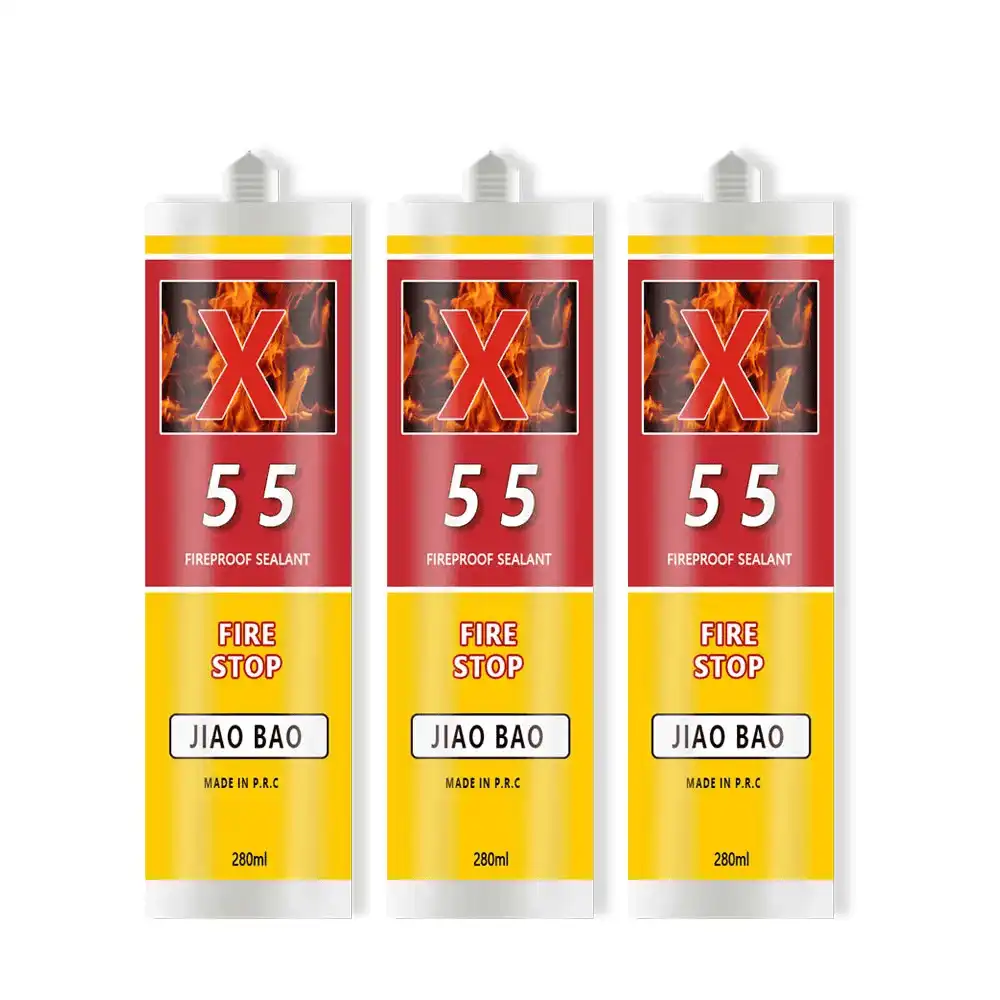
To find your way around the market for Fire Resistant Silicone Sealants, you need to know the basic differences between curing chemicals, specialised formulas, and other materials that might look the same but have very different properties.
Acetoxy cure systems, like our one-part RTV recipe, release acetic acid as they cure. They also have quick skin-over times of 45 to 60 minutes, which means that tools can be used quickly and there isn't much dust on building sites. These things harden at a rate of 3 mm every 24 hours, and they're fully strong in a few days. Neutral fix options don't leave behind any corrosive byproducts, which makes them better for sensitive surfaces like natural stone or some metals, even though they usually need more time to cure. Figuring out which chemistry will work best for your application depends on how well it works with your material and how long the project will take.
When heated, intumescent sealants fill in gaps and stop flame paths. However, they are not as flexible or weatherproof as silicone, so they shouldn't be used for parts outside that will be exposed to UV light and temperature changes. Acrylic fire sealants are cheaper and can be sprayed, but they shrink when they dry out and break down when they come in contact with water, so they can only be used in dry, indoor areas that don't move around much. Silicone mixtures keep their flexibility and stickiness for decades, which makes the higher cost of purchase worth it because they last longer and need less upkeep.
When comparing producers, it's very important to make sure that third-party certificates are real. Look for a current ISO 9001 quality management system certification that shows that the manufacturing process is consistent. Instead of making general claims about performance, products should talk about specific fire-rated systems that have been tested and come with written instructions on how to install them.
Since we started making things in 2013, we've set up strict quality control procedures. Before being shipped, every batch goes through density verification (1.40 ± 0.05 g/m³ per GB 13477), non-volatile content testing (99.5% per GB 2793), and binding validation. This focus on batch consistency makes sure that the material that gets to your project site works the same way as the samples you tested when you were making the specifications.
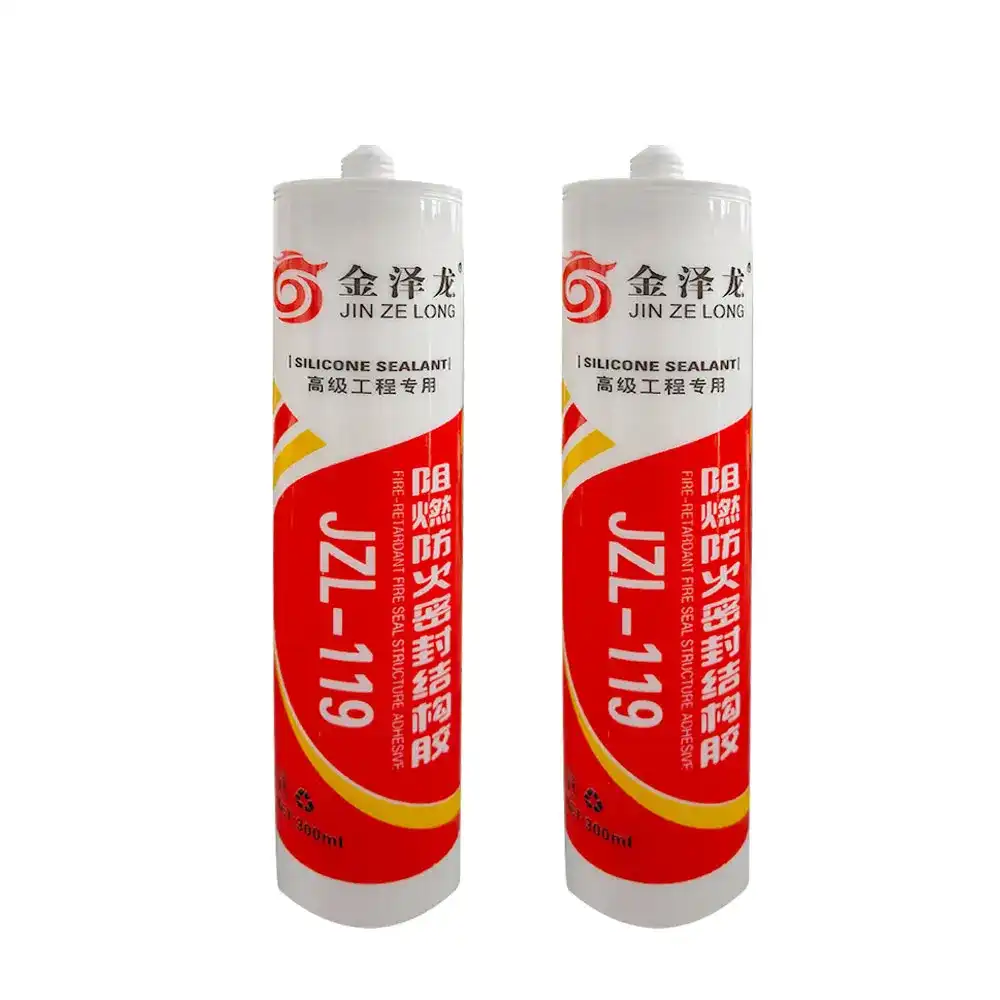
How well you put your Fire Resistant Silicone Sealant has a direct effect on whether it works as expected during a critical event. These tried-and-true methods guarantee good adhesion, right joint shape, and long-lasting use.
Surfaces that are clean and dry must be used. Use solvent wipes that are right for your substrate to get rid of dust, oils, release agents, and loose particles. Isopropyl alcohol works well on most non-porous materials. Allow enough time for drying, especially if it's cold or wet outside, where any leftover moisture can make it harder for things to stick. When you brush away top laitance from porous substrates like concrete, you show sound material that can be mechanically bonded better. Silicone systems require less surface preparation than polyurethane systems. This cuts down on labour costs and speeds up installation on projects that need to be finished quickly.
For fire-rated joints, the depth-to-width ratio must be a certain amount, usually 1:2 or a minimum depth of 6–10 mm, based on the tested system you're copying. As backing material, use closed-cell polyethylene backer rod or high-density mineral wool to control the depth of the sealant and act as a bond-breaker to stop three-sided binding that would make moving difficult. Apply the sealant in a continuous bead, making sure not to break it up. Work it in during the 45–60 minute skin-over window to make sure the substrate is properly wet, and don't add air pockets that make the fire barrier less strong.
The ambient temperature has a big effect on the application. During installation, our formula works best between 5°C and 40°C. In cooler settings, curing takes longer, while it speeds up in hot ones. Do not use if it is raining or if rain is expected in the next 24 hours. The material has zero sag, which means it can be applied vertically or overhead without deforming the tools. However, gravity-assisted downward bead application is still the best way to get a uniform look.
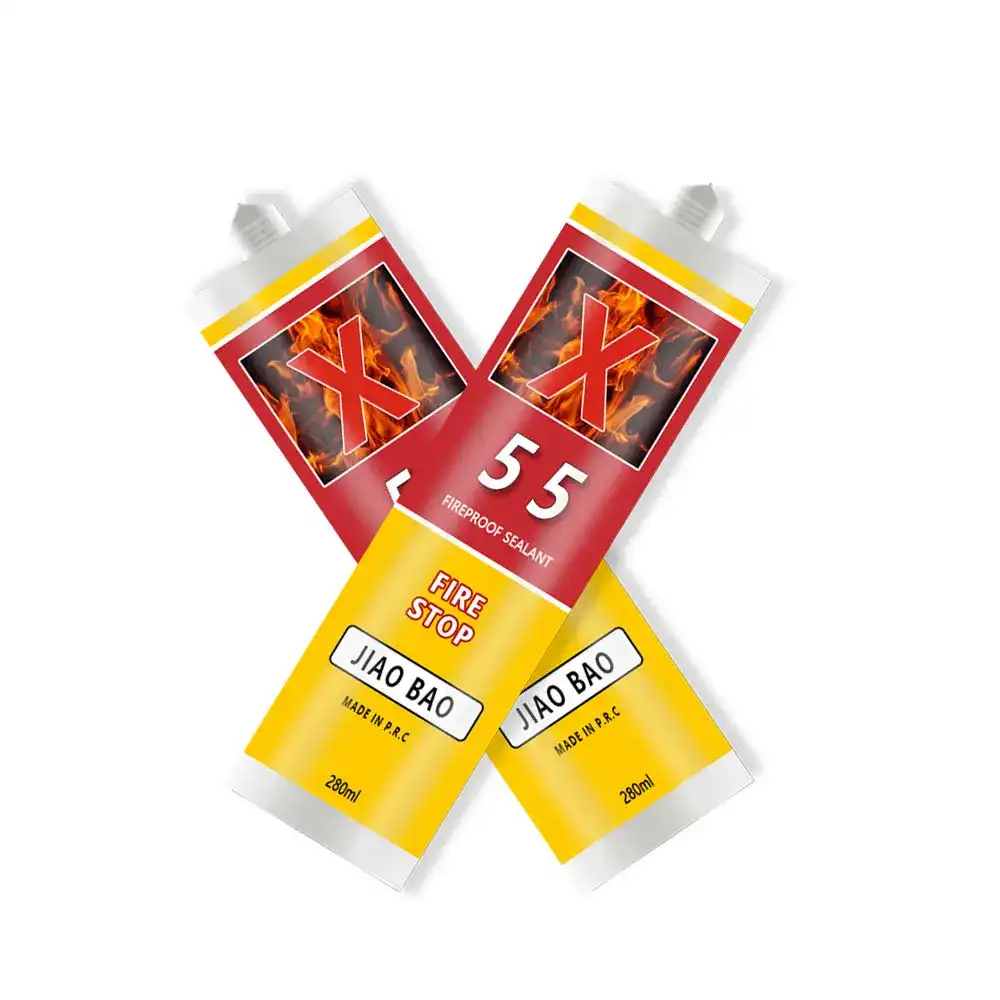
There's more to strategic buying of Fire Resistant Silicone Sealants than just comparing prices per unit. The real value can be seen by looking at the total cost of ownership, which includes freight, lead times, technical support, and the dependability of the supply chain.
When it comes to large-scale projects, direct ties with manufacturers usually offer the best prices and the most customisation options. When looking at different Fire Resistant Silicone Sealant suppliers, make sure they can produce the amount of product you need without lowering the quality. Our one- to two-week lead time from order approval to shipment allows for just-in-time delivery, which cuts down on the cost of keeping supplies and makes sure that your crew has what they need when they need it.
Colour matching is an important requirement for high-end interior design and curtain wall projects. Our custom colour formulation service can match RAL or client-provided samples, and spectrophotometric quality control makes sure that consistency from batch to batch. Before placing a large order, ask for product samples and try their adhesion on the substrates you will be using in your project. This validation step finds any possible compatibility issues and proves that the product will work as expected. Sample kits usually get sent out within 3–5 days and come with technical data sheets that explain how to use the samples correctly.
For U.S. buyers, knowing about import compliance makes the buying process easier. Our goods are made to meet the relevant ASTM standards and come with the right paperwork for customs clearing, such as business invoices, packing lists, and material safety data sheets. Sea freight is a cost-effective way to ship big amounts of goods, and fast air freight is available when project deadlines require quick delivery. The ISO certification and CE compliance documentation give you the proof you need for your project. Our quality guarantee lets you get your money back or a new item if any of the materials we sell don't work as promised within 12 months.
You can get the most out of your passive fire protection system investment if you know how sealants are tested and how to keep them in good shape after installation.
When sealant joints are put through normal time-temperature graphs in a lab fire test, flame penetration, heat transfer, and structure stability are all measured. These tests give fire resistance ratings in hours, which are usually 1, 2, 3, or 4 hours. Our recipe is tested for adhesion according to ASTM C794, which shows that it sticks strongly to popular building materials. Visual inspection of the joint configuration, confirmation of proper backer material installation, and documentation that the installed depth meets the tested system requirements should all be part of on-site quality control.
How long sealant lasts depends on a number of factors that are all connected. UV light slowly breaks down organic parts in poor formulations, resulting in surface chalking and loss of elasticity. Our weatherable silicone formulation, on the other hand, doesn't break down when exposed to UV light, so it stays flexible even after decades of being outside. Movement of the substrate within the sealant's design limits doesn't hurt it, but too much motion from structural problems or earthquakes can tear even high-performance materials. Chemicals in cleaning products, pollutants, or process fluids can change some formulations. This is why choosing the right materials is so important in industrial settings.
Visual inspections done once a year find early signs of adhesion loss, material degradation, or physical damage that needs to be fixed. Check for cracks on the surface, holes appearing between the sealant and the base, or shrinkage that can be seen. If you install silicone fire sealants correctly, they usually don't need any care other than being cleaned with light soap and water every so often to get rid of dirt that has built up. When repairs are needed, completely remove the failed material, prepare the surfaces as if they were going to be installed again, and then apply new Fire Resistant Silicone Sealant that meets the original specifications to bring back the continuity of fire protection.
If you choose and use Fire Resistant Silicone Sealant the right way, it will protect your building investment and meet life-safety code standards. The right product has been shown to be resistant to fire, is flexible enough to allow for real-world structural movement, and can withstand the elements so that it keeps working well for as long as your building is in use. Knowing the differences between curing chemicals, the right way to use them, and the capabilities of a supplier lets you make smart purchasing choices that balance initial costs with long-term dependability. Our one-part RTV recipe gives curtain wall builders, general contractors and building material dealers the temperature resistance, adhesion performance and batch stability they need for important sealing jobs.
A: Fire-resistant materials don't catch fire and go out on their own when the cause of the fire is taken away. Fire Resistant Silicone Sealants offer better defence because they actively stop fire, smoke, and gases from moving through sealed joints for a certain amount of time when put through normal fire conditions. This difference is important when choosing goods for code-compliant storage solutions.
A: No, paint won't stick well to silicone, and it will crack as the joint moves. The painted finish hurts both the look and maybe even the fire resistance. Instead, ask for color-matched caulk when you buy it so that you can get the look you want without having to finish the job after installation.
A: The fire grade is based on the whole system. The depth of the sealant, the type and density of the backing material, the joint width, and the substrate materials must all match a tested design. The certification is null and void if you use rated sealant in a different way. To make sure you're following the rules, always install things the way they're written in the test report that applies.
A: Find the total length and width of the joints that need to be sealed in linear meters, then multiply that number by the needed depth and width to get the volume in cubic centimetres. Finally, divide that number by the cartridge volume (300ml or 600ml), leaving about 10% for waste. Keep in mind that aesthetic joints usually don't need as much depth as fire-rated joints. Check the tested system's depth requirement before you do the maths to make sure you don't order too little.
Shandong Jiaobao New Material Co., Ltd. has been making products for over 13 years and puts that experience into every cartridge and sausage of Fire Resistant Silicone Sealant we make. Our ISO-certified production facilities have strict quality control measures in place to make sure the stuff you receive does exactly what it's supposed to do. We know how hard it is for you to find sources who can regularly meet your needs and stick to tight project schedules. We can customise even the colours to match your specific needs for the outside or inside of your home.
Our formulations come in white, black, grey, or custom colours that are matched to your samples. We offer 300ml and 600ml packaging in cartridge or sausage shapes so that you can find the right fit for your application equipment and project size. Our production lead times are only one to two weeks, and we can handle logistics by sea or land, so your projects don't get held up. You can talk to our technical team at dorashen@cnjiaobao.com about your unique needs, ask for samples, or place large orders with a reliable Fire Resistant Silicone Sealant manufacturer that wants you to succeed.
1. American Society for Testing and Materials. (2021). ASTM C920: Standard Specification for Elastomeric Joint Sealants. West Conshohocken: ASTM International.
2. Underwriters Laboratories. (2020). Fire Resistance Directory: Through-Penetration Firestop Systems. Northbrook: UL LLC.
3. British Standards Institution. (2019). BS 476-20: Fire Tests on Building Materials and Structures: Method for Determination of the Fire Resistance of Elements of Construction. London: BSI Group.
4. International Code Council. (2021). International Building Code: Chapter 7 - Fire and Smoke Protection Features. Washington, D.C.: ICC.
5. Silicone Industry Association of North America. (2018). Technical Guide to Silicone Sealants in Commercial Construction. Alexandria: SIANA.
6. National Fire Protection Association. (2022). NFPA 101: Life Safety Code Handbook. Quincy: NFPA Publications.
November 16,2023
Enterprise Name
The sealant has very strong adhesion and performs well even on glass and aluminum. After curing, it remains flexible and shows no cracking. Perfect for our facade projects.
November 16,2023
Enterprise Name
Stable quality across batches. Our customers especially like the smooth application and consistent extrusion. It helps reduce installation time on site.
November 16,2023
Enterprise Name
I used it for bathroom sealing. Excellent waterproof performance and no mold issues so far. It's been holding up very well in humid conditions.
November 16,2023
Enterprise Name
The neutral silicone works well on sensitive materials without corrosion. Very suitable for industrial applications requiring stable performance.
_1779347426672.webp)