November 16,2023
Enterprise Name
The sealant has very strong adhesion and performs well even on glass and aluminum. After curing, it remains flexible and shows no cracking. Perfect for our facade projects.
Jun 16, 2026
Professionals in the building materials, manufacturing, and construction industries always suggest neutral-cure, one-component silicone sealants that are made to withstand tough outdoor conditions as the best silicone for use outside. The NP Silicone Sealant Exterior Grade is the best option because it is highly resistant to weather, chemicals, and different types of materials. This neutral-cure recipe doesn't have the rust problems that come with acetoxy versions, and it stays flexible at temperatures as low as -50°C and as high as +150°C. It has been used successfully in curtain wall systems, window perimeter sealing, and expansion joint uses, making it the best choice for projects that need to last for a long time and look good for a long time.
Picking the right outdoor sealant is a big decision that will affect how long your building skin lasts and how well it works. Sealants are constantly exposed to UV rays, changing levels of moisture, thermal growth, and air pollutants when they are outside. Because of these things, materials need to be designed to go beyond normal interior-grade formulations.
When neutral-cure silicones like NP Silicone Sealant Exterior Grade harden, they release chemically harmless byproducts that are caused by oxime or alkoxy curing. Traditional acetoxy sealants give off acetic acid, which is harmful and can damage alkaline materials like concrete and mortar as well as metals that are easily damaged, like copper, zinc, and treated aluminum. This science gets rid of that acid. The artificial siloxane backbone protects naturally against UV damage, ozone exposure, and temperature changes that can cause organic seals like polyurethanes to crack and fail too soon.
When choosing outdoor sealants, project managers and buying professionals need to look at a number of technical factors. Movement is the most important thing to think about. High-quality outer grades allow 25% of joint movement without failing to stick together. This adaptability takes in the normal rising and falling of building materials that happen when temperatures change and buildings settle. Tensile strength above 0.7 MPa makes sure that the glue stays together when it's under stress, and elongation qualities above 400% keep it from tearing when it's being loaded and unloaded quickly.
Stability at different temperatures is another important factor. Sealants on the outside of buildings need to be able to bend when it's cold outside and stay stiff when it's hot outside. The change from a wet paste to a fully hardened elastomer usually takes 7 to 14 days. Under normal conditions, the skin forms on the surface in 30 minutes. This cure profile gives you enough time to work with the tools while keeping dust and other contaminants from getting in during the early, vulnerable healing phase.
When used outside, it needs to stick to a lot of different things, like glass, anodized metal, powder-coated steel, natural stone, ceramic tile, concrete, and different kinds of plastics. Neutral-cure formulas are great for this because they can stick to both porous and non-porous surfaces without the need for a base. The thixotropic uniformity keeps vertical and overhead joints from sagging, which is important for keeping clean sight lines in architecture. Protocols for testing, such as peel adhesive tests, make sure that the bonding is correct. Applications that work show cohesive failure, which means that the sealant breaks within itself instead of coming away from the base.
Knowing the differences between sealant groups helps buying teams make smart choices that fit the needs of the project and the budget.
For some uses, polyurethane seals are popular because they can be painted and stick well to building materials. But when they are exposed to UV light for a long time, their organic polymer structure breaks down. This makes them yellow, harden, and eventually crack. In open settings, the service life is usually between 5 and 10 years. Because they are made of inorganic molecules, NP Silicone Sealant Exterior Grade keeps its qualities for more than 20 years. Even though polyurethanes may be cheaper at first, silicones are usually cheaper over their entire lives when you add up the costs of work and materials.
Acrylic rubber caulks work well for inside jobs and are easy to clean up with water. External exposure shows important flaws, including low resistance to UV light, limited temperature range adaptability, and a high risk of softening and mildew growth when wet. Acrylics don't stretch back to their original shape like they need to for dynamic joints in curtain wall systems or expansion gaps. In harsh outdoor conditions, they rarely last longer than 3 to 5 years.
Acetoxy and neutral-cure silicones are both made from the same type of material, but the leftovers they make when they fix are very different. Because acetoxy forms give off acetic acid, which smells like vinegar, they can't be used on alkaline stone, natural stone, or some metals. When you fix neutral-cure formulations, they give off alcohol or oxime chemicals that don't cause corrosion. Because of this chemistry, neutral choices can be used on all kinds of exterior substrates that are found in industry and building sites. The difference in the cost of materials is still small—usually between 10 and 15 percent—so neutral cure is the standard for difficult uses.
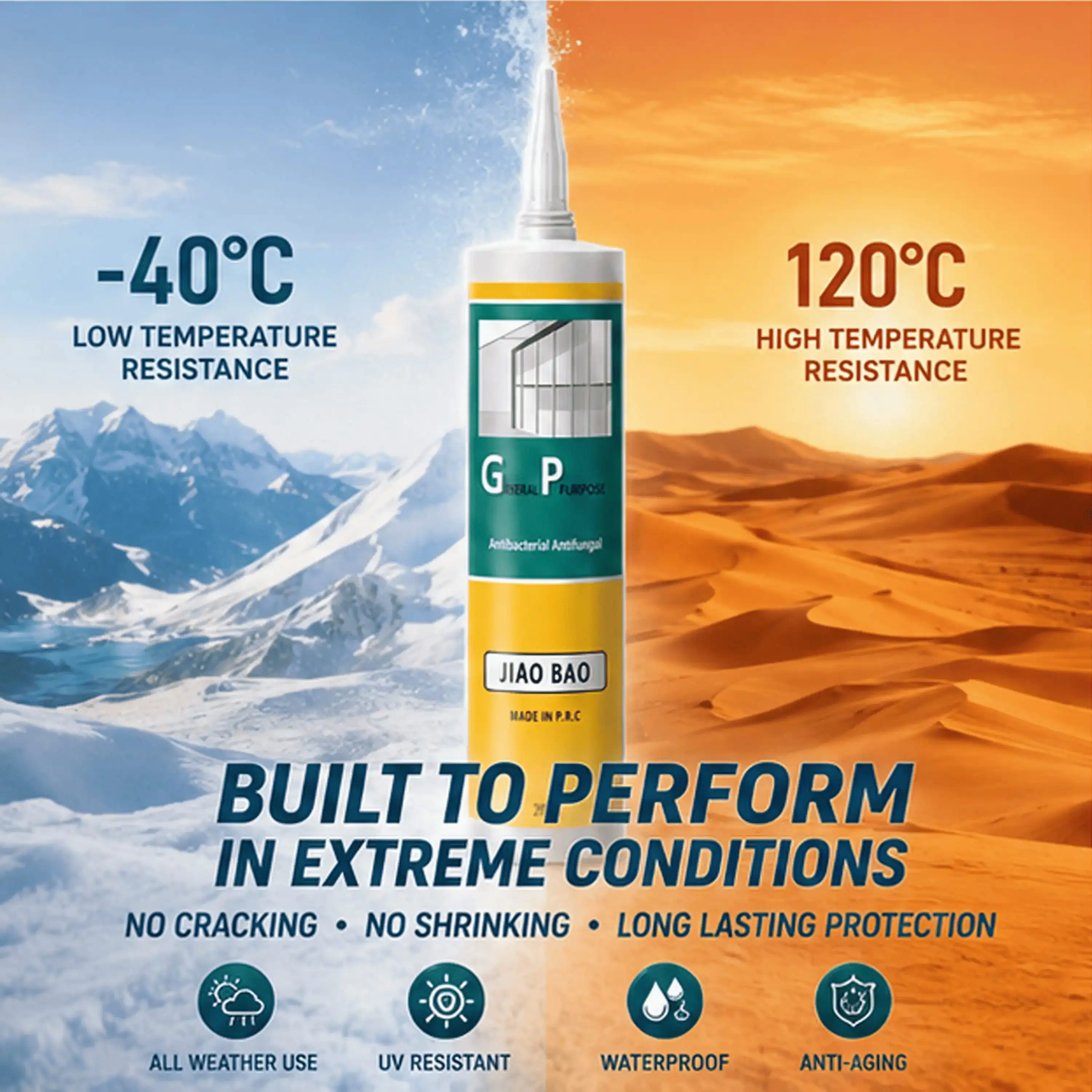
For strategic selection, the properties of the sealant must be matched to the needs of the product and the conditions of the surroundings.
As per ASTM C920 standards, curtain wall systems need weatherproof sealants that have been shown to work in tests that measure cyclic movement and water entry. For window and door perimeter joints, you need materials that can safely connect to both the frame and the wall around it, even without primers. For expansion joints in concrete, stone walls, and precast panels, low-modulus formulas are needed to allow for a lot of movement without putting too much stress on the materials next to them.
Industrial clients who are in charge of multiple projects benefit from working with makers who can deliver NP Silicone Sealant Exterior Grade on time and with consistent quality. It's easier to keep track of supplies when you order 300ml and 600ml cartridges in basic colors like white, black, and gray in bulk. When aesthetic consistency is important, custom color matching is a must for high-end business buildings, luxury home developments, and hospitality projects. Being able to match RAL color charts makes sure that the product fits in perfectly with building finishes.
ASTM C920 Type S, Grade NS, Class 25 standards are often required by specification papers for business and government projects. This approval shows that the sealant can hold up against ±25% joint movement in cyclic tests while still sticking together and adhering. The ISO 11600 classification goes into more detail about what makes something suitable for certain joint setups and substrate combos. Having a VOC level below 80 g/L meets most environmental laws and helps green building projects meet LEED certification standards.
To get solid results, you need to know not only the qualities of the object, but also how to use it correctly and what the environmental conditions are.
The sides of the joints must be clean, dry, and free of any oils, curing chemicals, or leftover sealant. It may be necessary to use mechanical abrasion on concrete and brick surfaces to get rid of laitance and reveal a sound foundation. Solvent cleaning is a good way to get rid of industrial oils and other surface contaminants on metal surfaces. Glass needs to be cleaned with the right solvents to get rid of any manufacturing chemicals that are still on it. Most application fails are caused by not properly preparing the surface; cutting corners in this step will always hurt long-term performance.
During the application of NP Silicone Sealant Exterior Grade, the temperature of the air should be between 5°C and 40°C, and the temperature of the medium should be in the same range. Do not apply to areas that are frozen or that might rain during the curing time. For best load distribution, joint shape says that the depth should be half of the width of the joint. Installing a backer rod stops three-sided bonding, which makes it hard for the glue to move and can lead to failure. To make sure the right surface finish and bond activation, tooling should happen before skin formation starts, which usually happens within 5 to 10 minutes of application.
Under normal conditions of 25°C and 50% relative humidity, full repair moves from the outside in at a rate of about 2 to 3 mm per 24 hours. If the joints are deeper or the temperature is lower, the repair time will be longer. Site testing procedures should include checking visually for continuous beads that don't have any holes or bubbles, making sure the adhesive sticks by doing simple pull tests after the first fix, and writing down the conditions of the application for guarantee purposes. Any problems with the installation can be found early on and fixed without having to spend a lot of money on new projects during the first year.
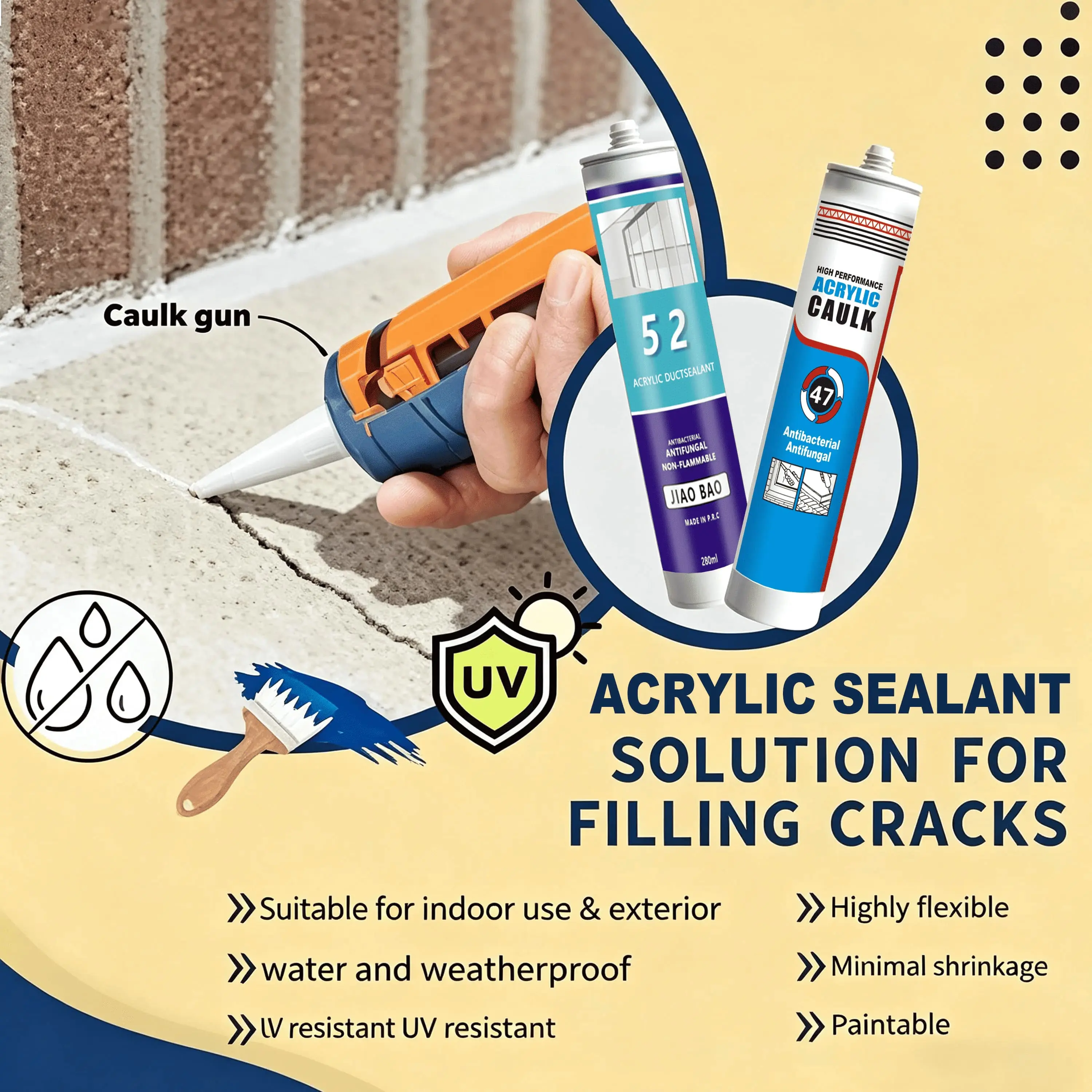
A good buying system combines the quality of materials, the dependability of deliveries, and cost control, while also lowering the risk in the supply chain.
Manufacturers that work with business-to-business markets can handle a wide range of order sizes, from small samples for testing to full containers for big projects. Lead times of one to two weeks allow for flexible project schedule without having to pay too much for supplies. Different types of application tools can use flexible packing in both sausage and cartridge shapes. Standard sizes of 300ml and 600ml are the same as the filling tools that installation teams use.
Reliable sellers give detailed technical data sheets that describe the physical qualities, curing characteristics, and how to use the product. Twelve-month shelf life promises make sure that the quality of the material is kept when it is stored properly. If there are quality problems during the shelf life, they should be taken care of by rules that protect customers' interests by replacing or refunding the goods. Technical support services can help with questions about specs, issues with connectivity, and problems with installation.
When sellers are reliable, they stop being transactional vendors and become strategic partners. Companies that have been making things for more than ten years have stable operations and well-developed quality systems. ISO certification makes sure that quality methods and processes for constant growth are followed. Being able to offer OEM and ODM arrangements gives trade companies and sellers who want to make their own brands more options. The ability to make custom formulations meets specific needs in niche building and industry manufacturing.
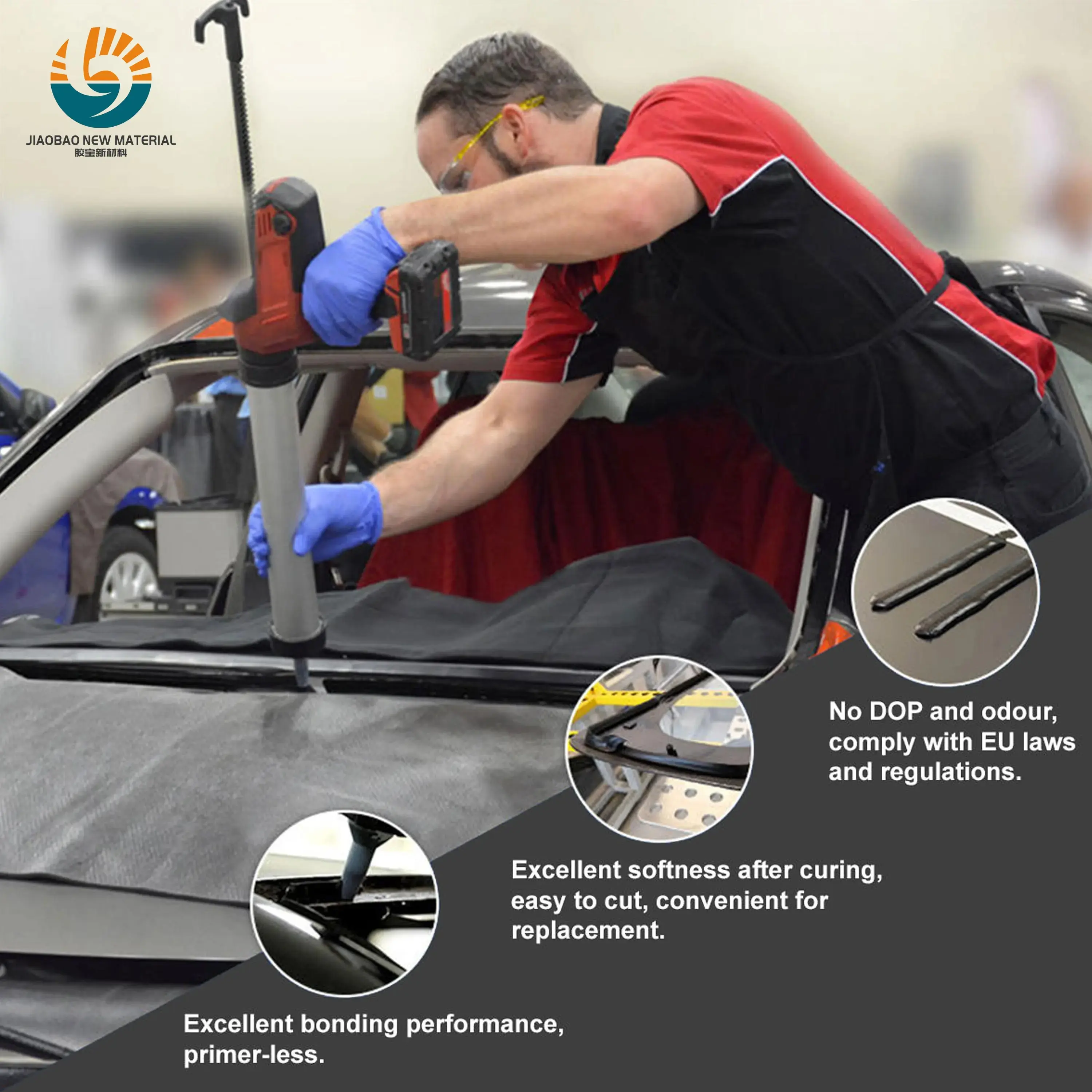
Instead of just looking at how much the material costs at first, choosing the best NP Silicone Sealant Exterior Grade requires careful consideration of its technical performance, compatibility with the substrate, and long-term reliability. Neutral-cure versions give chemicals the inertness, weather resistance, and flexibility needed for tough outdoor uses in the building material, industrial, and construction industries. When you compare silicone to other sealant chemicals, it's clear that silicone is better at withstanding UV light, working well at high temperatures, and lasting more than 20 years. The right way to apply the product and prepare the area is still very important for getting the performance benefits that are built into good products. Strategic purchasing partnerships with skilled makers guarantee a steady supply of goods, expert support, and the ability to make changes that fit the needs of the project and the company's long-term goals.
A: Silicone doesn't like water, so paint doesn't stick to it. This means that both water-based and oil-based coats peel and separate. If the joints need to be painted, mixed polymer options should be used. However, this takes away from the better weathering properties that make silicone the best choice for harsh outdoor environments.
A: Neutral-cure silicones give off alcohol or oxime compounds as they cure, while acetoxy forms give off acetic acid, which can be recognized by its vinegar-like smell. The residue is acidic, so it breaks down metals and damages alkaline materials like natural stone and concrete. Neutral versions get rid of these compatibility problems, so they can be used on all kinds of external building materials without staining or breaking them down.
A: When left out in the elements for more than 20 years, good neutral-cure silicone seals usually last longer. The artificial siloxane polymer backbone doesn't break down or crack when exposed to UV light, oxygen, or changes in temperature, which are things that make organic sealants thicken and crack. The real performance length is greatly affected by the joint design, surface preparation, and installation method used.
In 2013, Shandong Jiaobao New Material Co., Ltd. started making professional-grade silicone sealants. Since then, curtain wall builders, window makers, and building material dealers in both domestic and foreign markets have come to trust the company's quality and dependability. Our neutral-cure exterior product meets all of your sealing needs outside and has been shown to work well in the past.
The product has great weather resistance thanks to its anti-ultraviolet and ozone-resistant properties, which keep it intact for decades in strong sunlight and harsh climates. Temperature stability from -50°C to +150°C makes sure that your projects will work the same way in cold winters and hot summers. The 25% movement capacity allows for the natural growth and contraction of building materials, keeping the structure strong and stopping water from getting in. Our sealer comes in 300ml and 600ml sizes that are easy to use and can be dispensed from either a sausage or cartridge system. It can be ordered in white, black, gray, or special colors to match your building's needs.
Jiaobao is a reliable provider of NP Silicone Sealant Exterior Grade. They have been making products for over 13 years and have ISO and CE certifications, which mean they meet international quality standards. We deliver quickly (within 1-2 weeks), can make changes based on OEM/ODM, and offer full after-sales support, including replacement warranties for quality issues during the shelf life. Email us at dorashen@cnjiaobao.com to talk about the details of your project and get detailed specs that are specific to your needs.
1. American Society for Testing and Materials. "ASTM C920-18: Standard Specification for Elastomeric Joint Sealants." ASTM International Standards for Construction Materials.
2. International Organization for Standardization. "ISO 11600:2002: Building Construction - Jointing Products - Classification and Requirements for Sealants." ISO Standards Documentation.
3. Building Sealing and Insulation Contractors Association. "Technical Guidelines for Silicone Sealant Application in Curtain Wall Systems." BSICA Professional Resources.
4. Construction Specifications Institute. "07 92 00 - Joint Sealants: Material Selection and Performance Criteria." CSI MasterFormat Division 7.
5. National Glass Association. "Glazing Manual: Standards and Best Practices for Glass Installation and Sealing." NGA Technical Publications.
6. Sealant, Waterproofing & Restoration Institute. "Guide Specifications for Silicone Building Sealants." SWRI Industry Standards and Recommendations.
November 16,2023
Enterprise Name
The sealant has very strong adhesion and performs well even on glass and aluminum. After curing, it remains flexible and shows no cracking. Perfect for our facade projects.
November 16,2023
Enterprise Name
Stable quality across batches. Our customers especially like the smooth application and consistent extrusion. It helps reduce installation time on site.
November 16,2023
Enterprise Name
I used it for bathroom sealing. Excellent waterproof performance and no mold issues so far. It's been holding up very well in humid conditions.
November 16,2023
Enterprise Name
The neutral silicone works well on sensitive materials without corrosion. Very suitable for industrial applications requiring stable performance.
_1779347426672.webp)