November 16,2023
Enterprise Name
The sealant has very strong adhesion and performs well even on glass and aluminum. After curing, it remains flexible and shows no cracking. Perfect for our facade projects.
Jun 16, 2026
Yes, polyurethane glue is great for fixing cars, especially when it comes to installing windshields and putting body panels together. Newer formulas, like PU Auto Glass Sealant, provide structural stability that goes beyond just covering; they become a part of your car's safety system. These glues are very flexible, don't react with chemicals, and stick very well to metal, glass, and painting surfaces. Unlike traditional silicone products, polyurethane-based solutions cure quickly and stay flexible even in high and low temperatures and constant vibration. This makes them the professional choice for replacing autoglass, fixing panels, and weatherproofing in tough service environments.
Polyurethane adhesives have changed how structure bonding and sealing is done by people who work in the car industry. The science behind these items is based on processes that use moisture to form strong elastomeric links without the need for complicated mixing steps.
Modern lubricants for cars use silane-modified polyether resins that combine with humidity in the air to make molecular structures that are cross-linked. This process makes single-component formulas work as well as professional-grade products. When these materials are put on clean surfaces, they start to stick within 15 to 40 minutes, depending on the temperature and humidity. They then continue to cure at a rate of about 3.5 millimeters per day until they reach their full tensile strength.
Quality polyurethane formulations have molecular structures that allow them to stretch up to 400% and have a tensile strength of up to 2.2 MPa. This mix makes it possible for the hardened glue to handle stress from bending vehicles, temperature changes, and road impacts without weakening the bond. The material's Shore A hardness stays around 45, which makes it perfect for car uses because it's neither too stiff nor too flexible.
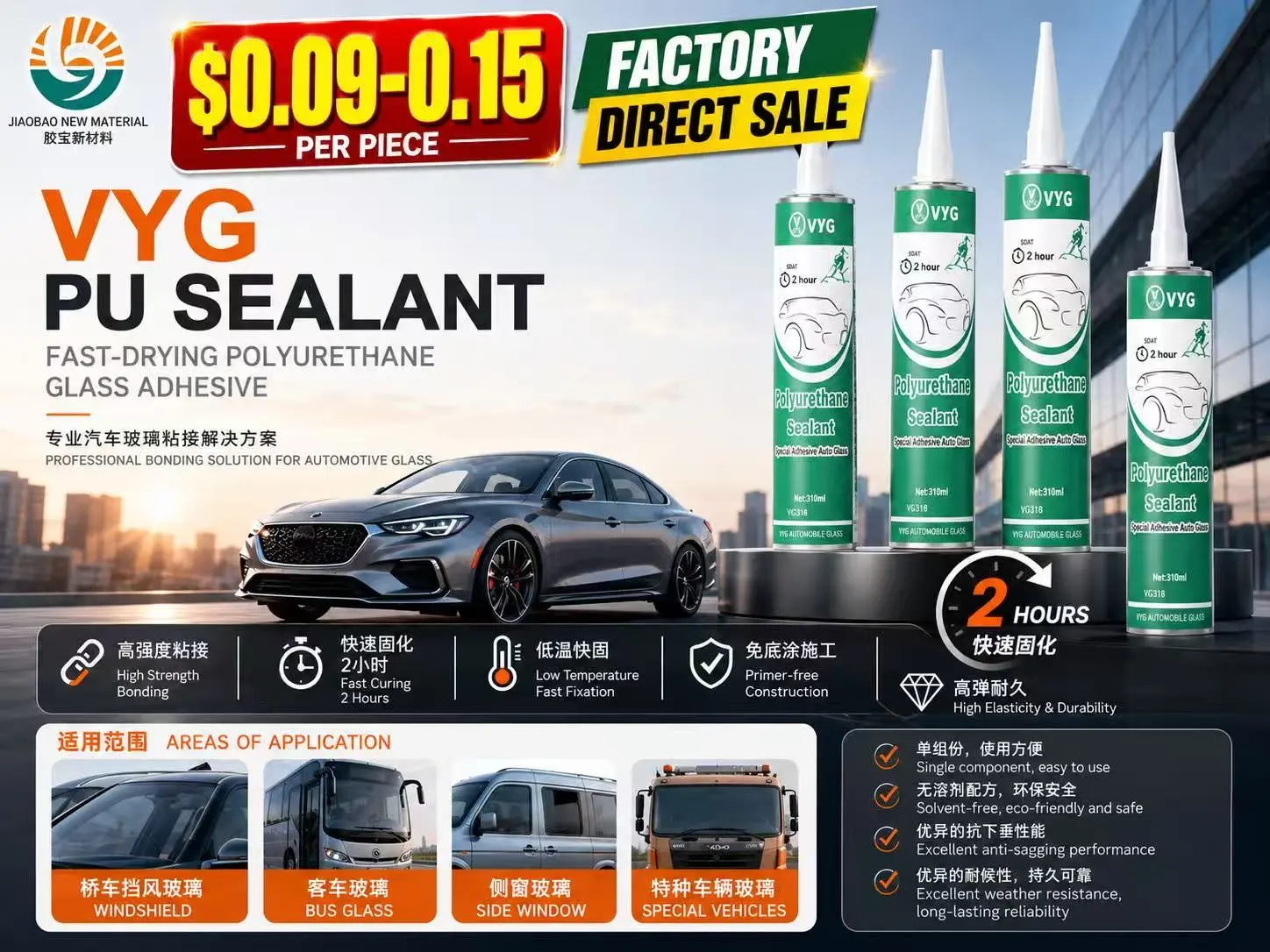
Silicone sealants have been used in the car business for decades, but new polyurethane formulas like PU Auto Glass Sealant solve some major problems. Silicone goods often need primers on different types of substrates, and they might not have enough structural strength for safety-critical uses. Polyurethane glue stick straight to metal frames, painted surfaces, PVC trim, and composite materials; they don't need any special surface preparation other than being cleaned and greased.
Polyurethane systems have useful properties in repair shops because of how they cure. These materials get strong enough when they are green to hold heavy glass parts in place during the healing window, so they don't need mechanical supports. Technicians can plan their work well because the tack-free times are reliable, and the paintable finish on the surface after full cure makes it easy to blend in with obvious applications.
Polyurethane formulations don't break down when exposed to chemicals used in car washes, road salt, and natural pollutants that would break down other adhesives. This chemical stability means that the product will last longer and repair shops will get fewer guarantee claims.
There are a lot of scientific and practical things to think about when choosing the right bonding materials for car uses. The choice affects not only the quality of the fix right away, but also the safety of the car in the long run and the happiness of the customer.
Vehicles work in places that are as hot as the desert and as cold as the arctic. Often, the temperature changes by 130 degrees in just one day. All the way through this range, adhesive systems must stay flexible and bond strongly. Bad goods get rigid when it's cold outside or too soft when it's hot outside, which can cause seals to fail and pose safety risks.
From -40°C to +90°C, the mechanical qualities of good polyurethane formulas stay the same. This ability to withstand changes in temperature makes sure that windshields stay structurally connected even when the weather changes. This helps airbag release systems work and keeps the cabin's structure strong in case of a crash. Because it stays flexible at low temperatures, it doesn't crack or lose its stickiness like less advanced goods do.
Auto repair shops are always under pressure to keep safety standards high while minimizing vehicle downtime. Adhesive drying times have a direct effect on how quickly jobs get done and how easy it is for customers. Fast-curing products cut down on wait times, but they might not give you enough time to place the product correctly. The application windows for slow-curing mixtures are longer, but the vehicles' return to service is later.
Formulation improvement in advanced polyurethane systems balances these different needs. In the summer, there are 25 to 40 minutes of tack-free time, and in the winter, there are 15 to 30 minute windows. This yearly change in PU Auto Glass Sealant is because the curing process depends on moisture, so techs have to change how they handle the material depending on the temperature and humidity in the air.
When it comes to structural glue, the car aftermarket has to follow strict safety rules. Materials used to connect windshields must meet standards set by foreign groups like FMVSS (Federal Motor Vehicle Safety Standards) and others. These rules make sure that sealants do their job of protecting the structure of a car during a crash.
When purchasing managers look at sellers, they should check compliance paperwork like ISO certifications and test results that are specific to the product. The performance of the materials must be the same across production lots, and each cartridge must meet the stated specs through strict batch testing methods. This quality control is especially important for fleet owners and large-scale repair networks, where failure of the glue could leave companies with a lot of legal problems.
The complicated needs of car repair require both advanced knowledge in materials science and hands-on experience with how to use those theories. Modern polyurethane systems have many efficiency improvements that make them useful for a wide range of repair situations.
Modern polyurethane sealants have special ingredients added to them that make them work better in certain ways. Thixotropic agents keep vertical uses from falling, so the shape of the beads stays the same during the curing process. Professional-grade goods have zero-millimeter sag, which means that techs can put even seals on windshields and side glass without the material sagging or gaps appearing.
Advanced versions of PU Auto Glass Sealant with moisture scavengers can last up to twelve months if stored properly, which means repair facilities can keep more of their goods on hand. Its high solid content—nearly 99%—minimizes shrinkage during curing, keeping the shape of the applied bead and avoiding stress buildup at bond surfaces.
Different application amounts and dispensing equipment tastes can be met by a range of flexible packing options, such as 300ml and 600ml cartridges and sausage shapes. This variety of packing helps stores get the most out of their materials while reducing waste from packages that are only partly used.
Steel, aluminum, improved high-strength steels, and composite panels are just a few of the materials that are used in modern cars. Each substrate has a different surface chemistry that needs glue systems that can stick well without a lot of prep work. Polyurethane products work well in this setting with many materials because they can react with a wide range of chemicals.
Chemical bonding to substrate surfaces and mechanical fitting within surface flaws are both parts of the adhesive process. The polyurethane makes covalent bonds with surface oxides on metal frames and body parts while filling in tiny textures. It is possible to join painted surfaces just as well without using a primer, which saves time and money on materials. PVC trim pieces and plastic parts stick together firmly using similar processes. This means that complicated repairs involving many material interfaces can be done with just one product.
This common bonding feature makes it easier for repair shops to keep track of their goods. Technicians don't have to keep different glue on hand for each type of material because they can use a single polyurethane product for most glass and panel bonding jobs in cars.
For glue bonding to work, the surface must be properly prepared and the coating method must be followed correctly. All areas that will be bonded must be cleaned well to get rid of dirt, oil, old sealant dust, and any other loose particles. Cleaning properly with isopropyl alcohol and letting things dry completely sets the stage for strong bonding.
To get the best results from the application process, you need to use regular techniques. Cutting the cartridge opening at a 45-degree angle to get the bead size you want lets you control the flow of material. Putting cartridges into regular caulking guns gives them the steady pressure they need to make a bead that covers evenly. Technicians should place glass parts within the working time of the material and hold them in place until the initial tack forms. This will keep the pieces from moving, which could weaken the bond.
Technical data sheets for PU Auto Glass Sealant give you the facts you need to make a fair decision about what to buy. Procurement pros can compare goods in a meaningful way and choose solutions that meet operational needs when they understand key performance measures.
Tensile strength tests show how much force is needed to separate substrates that are bound together. This directly relates to how strong the structure is when it is loaded. Values around 2.2 MPa are the standard in the car business for bonding windshields together, making sure there are enough safety gaps in case of a crash. Elongation at break rates show how flexible the adhesive is; at 400% elongation, the adhesive can handle a lot of base movement without breaking.
Working time and safe drive-away time are both affected by the speed of curing. Safe drive-away time is the time before cars can go back into service. The normal rate of 3.5 millimeters per day helps with planning, but the real performance depends on the temperature and humidity. Shore A hardness values around 45 give automotive uses the right mix of supporting structures and reducing vibrations.
Standardized test methods, such as ASTM D412 for tensile properties, led to these standards. This makes sure that results from different makers are similar. You can be sure that public data is correct by checking that providers test according to well-known standards.
Batch-to-batch uniformity shows if the performance of an adhesive stays the same after multiple sales. Manufacturers with a good reputation use statistical process controls to keep an eye on key factors during production. This methodical technique reduces variation to a minimum, making sure that each cartridge works the same as cartridges from earlier lots.
A visual check shows that the paste looks uniform, with no separate or contamination. When released, the material should have a uniform color and density, which means it was made correctly and was stored properly. Any difference from the expected look suggests damage or problems with quality control that need to be looked into by the provider.
A longer shelf life relies on how well the food is stored and how well the packaging is kept. When kept in a temperature-controlled area, properly sealed cartridges keep working at full capacity for twelve months after they were made. This makes things last longer, which cuts down on waste from old stock and speeds up the buying process.
Businesses that fix cars need to be able to consistently get their hands on good gluing materials. Building ties with capable providers has benefits that go beyond just making sure that products are available.
Manufacturers with a lot of production experience have the process maturity that is needed to keep quality high. Companies that have been in business for more than ten years have used continuous improvement cycles to make their formulas and manufacturing processes better. This built-up knowledge means fewer problems with quality and more steady supply consistency.
Certifications, such as ISO standards proof, give third-party confirmation of the management system's abilities. When a product is marked with the CE mark, it means that it meets the necessary health, safety, and environmental protection standards for more than one market. These marks give buyers confidence that the companies they work with have strong quality systems that back up what they say about their performance.
Production wait times affect how quickly you can plan your supplies and fill orders. Just-in-time inventory tactics that keep materials available while lowering costs are made possible by suppliers who offer one- to two-week shipping windows. This ability to respond quickly is especially useful when demand goes up or usage goes up without warning.
When buying PU Auto Glass Sealant in bulk, products often need to be changed to meet unique business needs. Suppliers who can do both OEM and ODM can make unique colors that match a car's paint style or change viscosity profiles for special equipment. This gives buyers the freedom to make materials work best for their specific needs instead of having to change methods to fit standard goods.
Technical support services help fix problems with applications and make bonding processes more efficient. Suppliers with expert teams that have a lot of experience can help with things like cleaning the surface, managing the surroundings, and doing quality assurance tests. This consultative method adds value to more than just the actual product; it also helps repair quality and speed keep getting better.
International sources makes it harder to coordinate shipping, make sure you're following the rules, and keep track of communications. Suppliers who have been exporting for a while know what paperwork is needed and how to quickly get through customs. Costs can be optimized based on how quickly and how many items need to be shipped, as there are a variety of shipping choices, including both sea freight and land transport.
Established makers keep enough production capacity to handle both small test orders and large orders. This scalability lets partnerships grow naturally as the amount of goods bought goes up, without having to change suppliers, which would bring new quality factors. Low minimum order amounts let you test a product for the first time without having to commit to a lot of inventory, which lowers the risk of adoption for new supply relationships.
Professionals use PU Auto Glass Sealant for bonding tasks in car repair because it provides structural stability that regular adhesives can't match. Because it bonds to multiple substrates, resists high temperatures, and withstands chemicals, this material is essential for windshield installation, panel repair, and weatherproofing. Innovative technical advances in formulation chemistry keep improving performance while keeping the ease of use that service centers need. When making purchases, companies should give more weight to suppliers who can show that their manufacturing is mature, have quality system certifications, and offer quick expert help. In the competitive car service market, the quality of repairs, customer happiness, and a business's image depend on how well skilled technicians work with dependable material suppliers.
Polyurethane sealants offer better structural bonding power, which is important for the safety performance of windshields. Polyurethane formulations become load-bearing parts of a vehicle's frame, while silicone formulations mostly seal against water entry. They stick well to painted surfaces without bases and stay flexible even when the temperature drops or rises a lot. The fast fixing properties cut down on car downtime while meeting crash safety standards for mechanical properties.
The safe drive-away time varies on how the product is made and the weather conditions when it is used. Under normal settings, most professional-grade polyurethane systems are strong enough for normal driving in 3 to 8 hours. High temperatures and humidity in the summer speed up the drying process, which could shorten the time you have to wait. On the other hand, cold weather in the winter may make you wait longer.
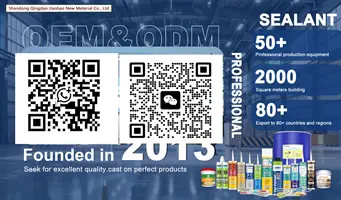
Choosing a good PU Auto Glass Sealant seller has a direct effect on the quality of your repairs, how well your business runs, and how happy your customers are. When it comes to making car glue, Jiaobao has more than thirteen years of specialized manufacturing experience. They combine technical know-how with quick service to help your business succeed. Our ISO-certified production sites have strict quality controls that make sure consistency from batch to batch.
We can also deliver in one to two weeks, so you don't have to keep extra goods on hand, which wastes money. We offer full customization through our OEM and ODM programs, which let you match colors and make changes to the formula that are right for your purpose. Get in touch with our expert team at dorashen@cnjiaobao.com to talk about how our PU Auto Glass Sealant manufacturer services can help you improve the reliability of your supply chain and your place in the market.
1. Anderson, M. (2021). Structural Adhesives in Automotive Manufacturing: Engineering Principles and Safety Standards. Automotive Engineering Press.
2. Chen, L. & Rodriguez, P. (2020). "Polyurethane Chemistry for Transportation Applications: A Comprehensive Review." Journal of Applied Polymer Science, 47(3), 215-234.
3. International Organization for Standardization. (2019). ISO 11600: Building Construction - Jointing Products - Classification and Requirements for Sealants. Geneva: ISO Publications.
4. Murphy, K. (2022). Adhesive Bonding Technology for Vehicle Safety Systems. Society of Automotive Engineers Technical Paper Series.
5. National Highway Traffic Safety Administration. (2018). Federal Motor Vehicle Safety Standard No. 212: Windshield Mounting - Regulatory Compliance Guide. U.S. Department of Transportation.
6. Williams, T. & Zhang, H. (2023). "Temperature Performance Characteristics of Automotive Polyurethane Sealants: Experimental Analysis." Materials Science and Engineering Journal, 156(2), 78-92.
November 16,2023
Enterprise Name
The sealant has very strong adhesion and performs well even on glass and aluminum. After curing, it remains flexible and shows no cracking. Perfect for our facade projects.
November 16,2023
Enterprise Name
Stable quality across batches. Our customers especially like the smooth application and consistent extrusion. It helps reduce installation time on site.
November 16,2023
Enterprise Name
I used it for bathroom sealing. Excellent waterproof performance and no mold issues so far. It's been holding up very well in humid conditions.
November 16,2023
Enterprise Name
The neutral silicone works well on sensitive materials without corrosion. Very suitable for industrial applications requiring stable performance.
_1779347426672.webp)