November 16,2023
Enterprise Name
The sealant has very strong adhesion and performs well even on glass and aluminum. After curing, it remains flexible and shows no cracking. Perfect for our facade projects.
Jul 31, 2026
When sourcing sealants for construction or manufacturing projects, understanding quality indicators for GP Silicone Sealant for Glass and Aluminum becomes essential. This comprehensive testing guide helps procurement managers, project engineers, and technical buyers evaluate silicone sealants against industry benchmarks. By focusing on critical performance parameters, adhesion testing protocols, and compliance certifications, you can confidently select products that deliver lasting durability, weather resistance, and structural integrity across curtain wall installations, window assemblies, and architectural glazing applications.
When it comes to glueing and sealing glass to aluminum frames, GP Silicone Sealant for Glass and Aluminums are a special kind of one-component, room-temperature-vulcanizing (RTV) elastomers. In contrast to structural glazing compounds, which hold weight, general purpose formulas focus on closing out the environment, accommodating thermal movement, and maintaining the same look. These seals harden when they come into contact with moisture in the air. Depending on the temperature and humidity, they can go from a paste to a bendable rubber in minutes to hours.
The science behind acetoxy-cure silicone sealants involves acetic acid being released while the sealants cure, giving them a unique vinegar-like smell. The tack-free times for this reaction are very short—often within 10 to 20 minutes. This makes it perfect for high-throughput manufacturing lines where door and window assemblies move quickly. Neutral-cure versions release alcohol instead, which makes them compatible with metals that are easily damaged and lowers the risk of rust on aluminum surfaces that are left bare. When purchasing aluminum profiles that have been anodized or powder-coated, procurement teams usually find that acetoxy formulas are the most reliable and cost-effective way to seal out the weather.
Modern GP Silicone Sealant for Glass and Aluminum can stretch more than 300%, which means that joints can expand and contract with changes in temperature without tearing or coming apart. When sealing things that have different thermal expansion coefficients, like glass and aluminum frames, this flexibility is very important. Glass expands very little when heated by the sun, while aluminum frames expand a lot. Shore A hardness values between 15 and 25 keep structures stable while still letting them bend. If the tensile strength is higher than 1.0 MPa, the sealant will stay in place even when exposed to wind loads, vibrations, and impact pressures that are typical in building glazing systems.
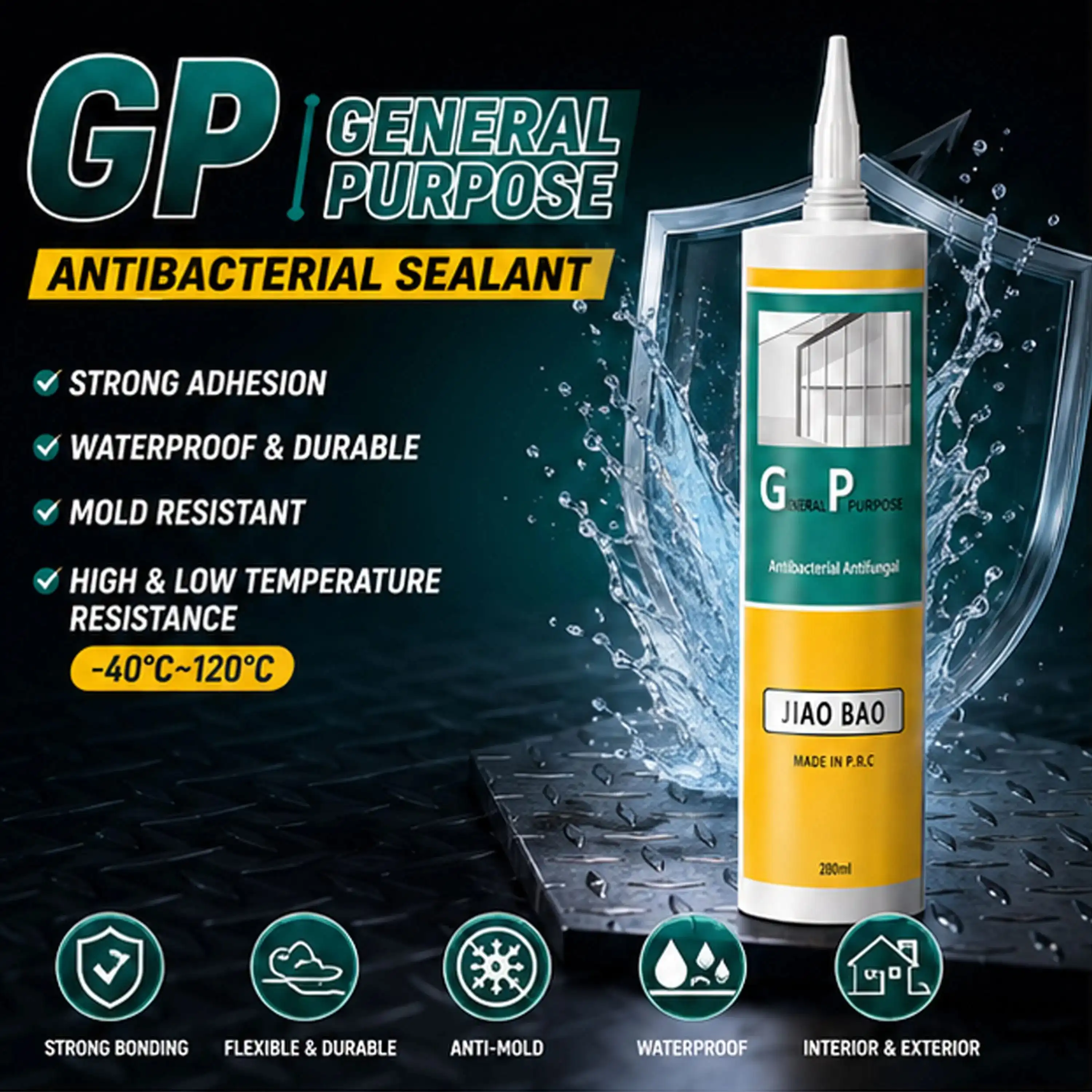
Premium sealants are distinguished from lesser formulas that fail too soon by strict quality control. Before placing a bulk order, professionals should make sure they have all the test results that meet ASTM C920 or ISO 11600 standards.
Adhesion-in-peel tests according to ASTM C794 show how well the sealant sticks to glass and aluminum when it is pushed and pulled. Samples are put on surfaces that have been cleaned, left to cure, and then pulled off at a 180-degree angle. High-quality goods have cohesive failure, which means that the sealant tears inside instead of coming off the base neatly. Adhesive failure means that the surface doesn't stick well, which is usually caused by contamination, bad surface preparation, or problems with the formulation. To make sure that the aluminum works with all of your applications, you should test it with different finishes, such as anodized, powder-coated, and mill-finish.
Accelerated weathering rooms put samples through high temperature changes, UV radiation, humidity changes, and soaking in water over and over again to make them look like they've been outside for years. Premium GP Silicone Sealant for Glass and Aluminum don't change much in colour, stay flexible, and stick to surfaces even after more than 2,000 hours of fast fading. When made for exterior curtain walls and commercial glazing, products must not chalk, crack, or yellow, which are all problems that hurt both performance and appearance. Check test records that show the product meets ASTM G154 or ISO 4892 standards to make sure that promises of long-term durability are true.
A lot of low-quality sealants have too many mineral oils or hydrocarbon extenders, which lower the cost of production but hurt the long-term performance. After being applied, these volatiles evaporate, which makes the sealant shrink and pull away from the sides of the base. Testing for weight loss measures volatile content. Premium formulas shrink less than 5% after full cure. So that they don't buy products that look good at first but don't work after a few months because the oils dry out and the seal breaks, procurement managers should ask for loss data.
Tack-free time, skin-over time, and full-cure duration all have a direct effect on project and production schedules. Standardized conditions (23°C, 50% relative humidity) are used to test these parameters and set baseline performance expectations. Our one-component, acidic GP Silicone Sealant for Glass and Aluminum that cures when it comes in contact with moisture is tack-free within 15 minutes under normal conditions. This makes it easy to work with and reduces production delays. When samples are tested at temperatures ranging from 5°C to 40°C, they show how changes in the environment can affect repair rates. This is important information for projects that need to be done in a variety of climate zones or during different seasons.
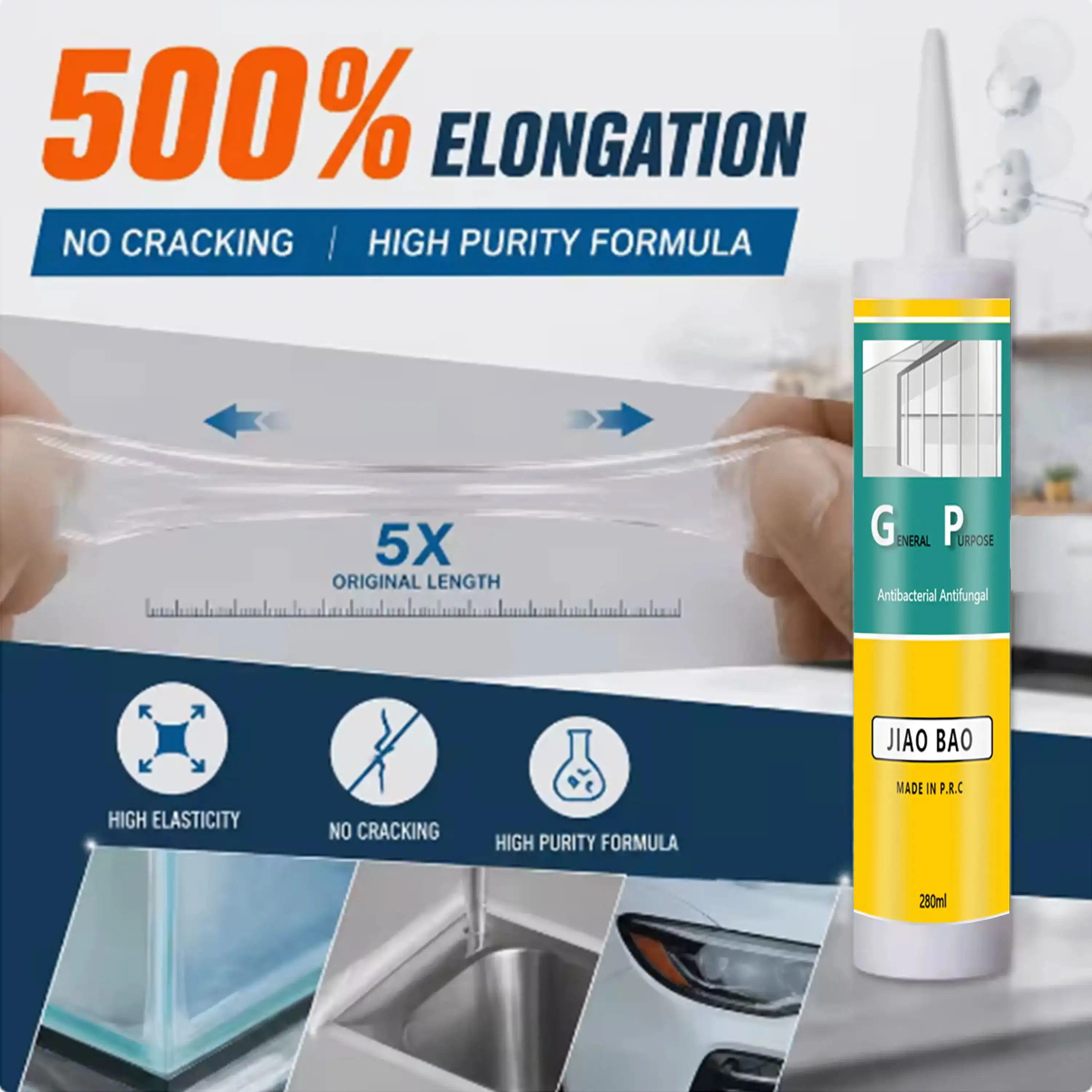
To choose the best sealant chemistry, you need to know how the performance of different types of materials and formulations within the silicone family is affected by each other.
Polyurethane sealants can be painted and stick well to concrete, but they can't handle high temperatures or UV light like silicone sealants can. Acrylic latex seals are cheap and work well for indoor uses where there isn't much movement. However, they break down quickly when they are subject to constant moisture or temperature changes. Silicone elastomers stay flexible from -50°C to +150°C, don't break down when exposed to UV light for decades, and are better at keeping water out. Because of these qualities, silicone is the best choice for exterior glass and aluminum assemblies where long-term durability in harsh environments is more important than initial cost.
Acetoxy-cure products, like our acidic RTV formulation, cure faster and stick better at first, and they cost less than neutral-cure products. Anodized or treated aluminum surfaces that are often used in window and curtain wall building are not usually affected by the acetic acid that is released during curing. When sealing bare mill-finish aluminum, copper, brass, or other metals that are easily corroded, neutral-cure formulations are needed. They also get rid of smell problems in busy rooms inside. To find the best cure system, procurement choices should weigh the need for substrate compatibility against price limits and the need for fast production.
Even though expensive sealants cost more per cartridge, their longer durability cuts down on guarantee claims, upkeep costs, and damage to the project's image. Long-lasting seals that are full of too many oils might look cheap at first, but they will fail and need to be fixed within 12 to 24 months, which will cost a lot. To find the total cost of ownership, you need to take into account the guarantee coverage, the expected service life, the labour costs for any necessary repairs, and the reputational risks that come with failures that happen too soon. People who buy a lot of products often find that buying approved, performance-tested goods from well-known brands gives them a better return on investment over the course of a multi-year supply deal.
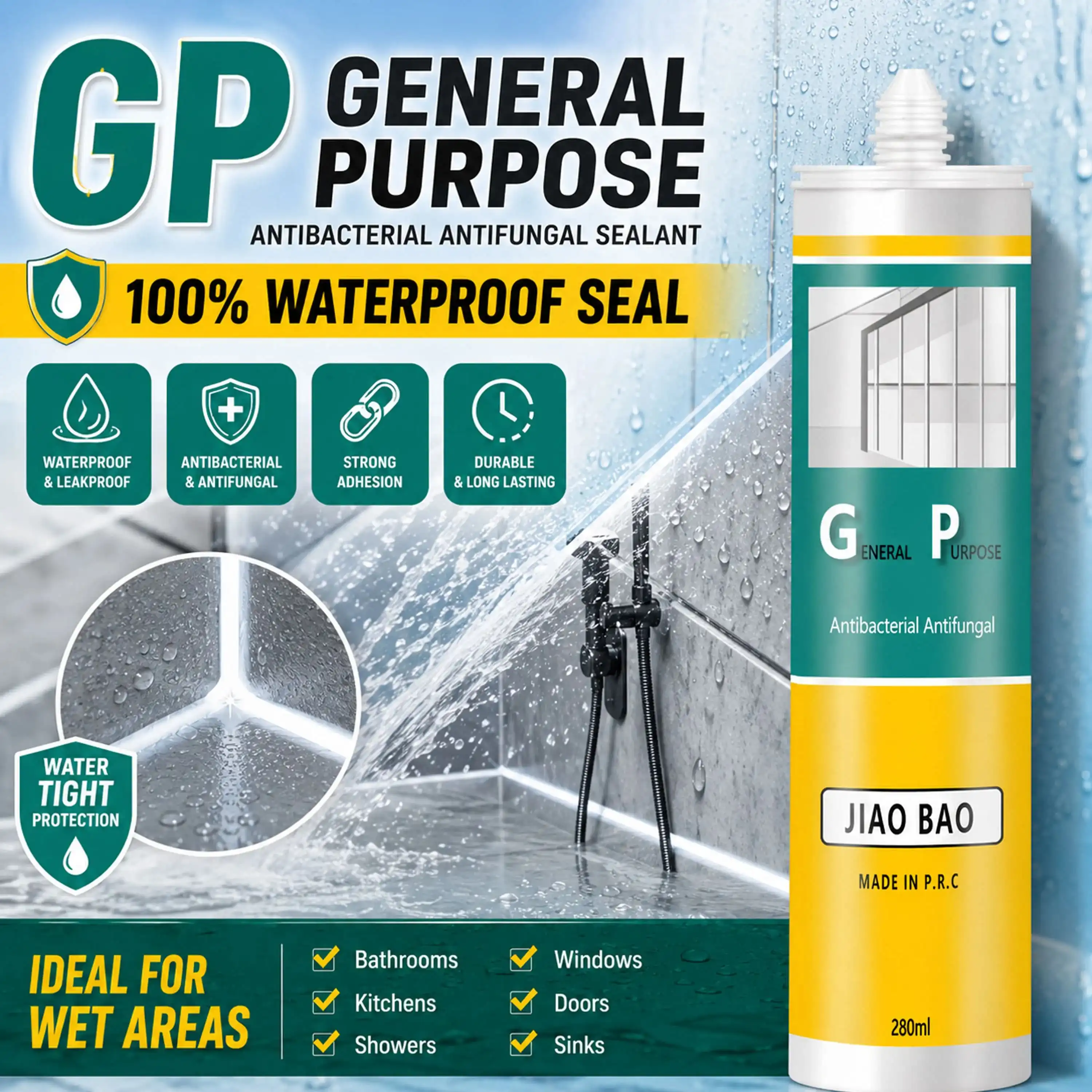
Getting the best performance from quality seals requires properly preparing the surface, applying them correctly, and trying to make sure they work before they are used on a large scale.
Isopropyl alcohol (IPA) and the two-cloth method get rid of oils, dust, and other things that get in the way of adhesion. The first cloth that is soaked with the solvent breaks up impurities, and the second dry cloth gets rid of any leftover residue that has been dissolved before it evaporates and deposits impurities again. When aluminum profiles come off of powder-coating or anodizing lines, they often still have processing chemicals on them that need to be cleaned thoroughly. Glass surfaces may still have silicone on them from when they were made or after the sealant was removed. Using the right primers, chemical cleaning, and mechanical abrasion to make a uniform glueing surface that works well and lasts a long time.
Our GP Silicone Sealant for Glass and Aluminum comes in 300ml and 600ml sizes, and can be packed in sausage or cartridge style so that it can be used with manual, pneumatic or battery-powered dispensers. Making sure that the shape of the beads stays the same guarantees the right touch area and movement. To get the best stress distribution, joint design should follow the rule that depth is half of width. When you tool the applied bead inside the skin-over window, it fills in any gaps in the base and makes the profiles look smooth. Don't use too much tooling because it thins the glue or lets in contaminants from the tools fluids.
Set up a thorough sample and testing process before committing to big orders. Instead of pre-selected display samples, ask for production samples from the exact batch of products that will be used for your project. Use your normal surface preparation and application methods to put samples on your real substrate materials. Put samples through conditions that are similar to those at the site of your project, such as high temperatures, UV light, water soaking, or chemical contact. Write down how well the adhesive sticks, how it cures, how consistent the colour is, and any other unusual traits. This checking process finds differences in formulation, inconsistent quality, or problems with compatibility before they affect project budgets or production schedules.
A slow curing process is often a sign of low humidity, an ended shelf life, or moisture contamination in storage cases. Adhesion problems are usually caused by not properly preparing the surface, using base treatments that don't work well together, or using the wrong starters. If the application bubbles or foams, it means that there is moisture stuck in the surfaces or that the extrusion is going through contaminated cartridges. Variations in the formulation or problems with pigment dispersion could cause colour differences between batches. Setting clear quality standards and acceptance criteria with your supplier lets you find and fix problems quickly, which protects project deadlines and performance standards.
Throughout the buying process, strategic sourcing choices weigh the total cost, the quality of the product, the dependability of the supply chain, and the availability of technical support.
Results are more consistent from well-known makers with ISO certification, well-documented quality management systems, and a lot of production experience than from new providers with low prices for products like GP Silicone Sealant for Glass and Aluminum. It has been making coloured silicone sealants and special formulas for glass and aluminum like GP Silicone Sealant for Glass and Aluminum for more than 13 years, according to Shandong Jiaobao New Material Co., Ltd. Our stable quality control systems and well-established production methods guarantee stability from batch to batch for GP Silicone Sealant for Glass and Aluminum, which is important for big building projects. With lead times of one to two weeks for GP Silicone Sealant for Glass and Aluminum, responsive procurement strategies can work without having to pay too much for inventory.
Before asking for samples, you should ask for technical datasheets that list all of the product's physical qualities, application instructions, and certificates. Use the testing methods described earlier to check the examples and confirm the performance claims. Talk about the minimum order amounts, savings for buying in bulk, and the ability to make changes, such as matching colours to RAL standards for coloured sealants. Our OEM and ODM services meet the needs of each customer and follow the rules in each area, which helps contractors and wholesalers who serve a wide range of markets. To reduce the amount of uncertainty in procurement, make sure there are clear ways for people to talk about technical questions, changes to orders, and coordinating deliveries.
To do international shopping, you need to know about shipping times, customs paperwork, and storage needs. Silicone sealants have short shelf lives—usually 12 months if they are kept properly—so it is important to keep track of your supplies. Shipping by sea or land is flexible enough to meet a range of volume needs and levels of urgency. Check the storing temperature requirements and handling guidelines to make sure the product stays intact while it's being shipped and stored. Building relationships with suppliers who offer reliable technical support, after-sales service, and quality guarantees lowers the risks of buying goods across borders and protects against problems that were not expected.
In conclusion, when looking for GP Silicone Sealant for Glass and Aluminum parts, quality testing gives you the information you need to make an informed buying choice. Procurement professionals make sure that projects don't fail early and need expensive fixes by putting a high priority on adhesion testing, weathering performance, cure characteristics, and volatile content assessment. Understanding the relative benefits of different sealant chemicals, using the right application methods, and building smart relationships with suppliers are all ways to get the best results in terms of both short-term prices and long-term value. This organized way of testing sealants lets buyers find the best balance between performance needs and price limits, all while keeping the quality standards needed for long-lasting, weather-resistant glass and aluminum installs.
General-purpose formulas focus on keeping out the environment, withstanding weather, and filling gaps without supporting structure loads. ASTM C1184 says that structural glazing silicones must be able to support the weight of the glass and wind loads in curtain wall systems. Never use GP goods instead of structural grades in load-bearing situations.
When acetoxy formulations dry, they release acetic acid, which could eat away at raw copper, brass, or aluminum. Anodized and powder-coated aluminum surfaces are very good at stopping this rust. Neutral fix versions get rid of the risk of corrosion, but they take longer to cure and cost more, so they are only needed for metals that are sensitive and not coated.
Some common reasons why sealants fail are not properly preparing the surface, leaving behind contaminants that stop the sealant from sticking, excessive joint movement that goes beyond the sealant's extension capacity, UV degradation from bad formulations, and volatile evaporation that causes oil-extended products to shrink. Most failures can be avoided by choosing the right product and using it correctly.
As a reliable producer of silicone sealants, Shandong Jiaobao New Material Co., Ltd. focuses on making high-performance formulas for use with glass and aluminum. Our one-part, moisture-curing acidic GP Silicone Sealant for Glass and Aluminum has great adhesion, a 15-minute tack-free time, and tensile strengths of over 300%. It comes in white, black, grey, and custom colours. We serve building companies, window fabricators, and curtain wall builders all over the world with reasonable prices, the ability to make changes, and full after-sales support that includes quality guarantees. We have ISO and CE certifications. You can email us at dorashen@cnjiaobao.com to get technical datasheets, set up sample testing, or talk about pricing for large orders for your upcoming projects.
1. American Society for Testing and Materials. "ASTM C920: Standard Specification for Elastomeric Joint Sealants." ASTM International, 2018.
2. International Organization for Standardization. "ISO 11600: Building Construction – Jointing Products – Classification and Requirements for Sealants." ISO Standards, 2020.
3. Klosowski, John M. "Silicone Sealants: Science and Technology." Adhesives & Sealants Industry Magazine, 2019.
4. Wolf, A.T. "Durability of Building Sealants: A State of the Art Report." Building Research & Information Journal, 2017.
5. Panek, Julian R. "Construction Sealants and Adhesives." John Wiley & Sons Technical Publications, 2016.
6. European Sealant Association. "Performance Testing Guidelines for Silicone Sealants in Glazing Applications." ESA Technical Documentation, 2021.
November 16,2023
Enterprise Name
The sealant has very strong adhesion and performs well even on glass and aluminum. After curing, it remains flexible and shows no cracking. Perfect for our facade projects.
November 16,2023
Enterprise Name
Stable quality across batches. Our customers especially like the smooth application and consistent extrusion. It helps reduce installation time on site.
November 16,2023
Enterprise Name
I used it for bathroom sealing. Excellent waterproof performance and no mold issues so far. It's been holding up very well in humid conditions.
November 16,2023
Enterprise Name
The neutral silicone works well on sensitive materials without corrosion. Very suitable for industrial applications requiring stable performance.
_1779347426672.webp)