November 16,2023
Enterprise Name
The sealant has very strong adhesion and performs well even on glass and aluminum. After curing, it remains flexible and shows no cracking. Perfect for our facade projects.
Jun 16, 2026
As you choose materials for a curtain wall job or a high-rise's expansion joints, one question always comes up: how much heat can the sealant really handle? Normal silicone mixtures work well in temperatures between -60°C and 300°C, which means they can be trusted for most building uses. Specialized Fireproof Building Silicone Sealant formulations go even further, keeping the structure's stability even when it's exposed to very high temperatures. It's not enough to just know these features to meet code requirements; you need to know them to make sure that your building's passive fire protection system works effectively when lives are at stake.
Silicone is very stable at high temperatures because of the way its molecules are structured. The backbone is made up of silicon and oxygen atoms that move back and forth. These atoms form stronger links than the carbon chains in organic seals like acrylic or polyurethane. Because of this chemistry, silicone can withstand oxidation and heat breakdown over a wide range of temperatures.
Because the silicon-oxygen link doesn't break down in hot conditions, normal neutral-cure silicone stays flexible from -50°C to +150°C without cracking or losing its stickiness. This level goes up when flame-retardant fillers and other special additives are added. When these fillers, which are usually non-halogenated chemicals, are exposed to fire, they form a heat-resistant char layer that slows the movement of heat and keeps the joints from breaking.
Fireproof Building Silicone Sealant proves that fire safety is a fact. To pass inspection, your sealant must meet specific standards. ASTM E814 and UL 1479 test firestop penetrations in the U.S., while ASTM E1966 and UL 2079 test joint systems. These tests see how long a sealant stops a flame from getting through and keeps the temperature rise on the side that isn't exposed to it to a minimum. EN 1366-4 and BS 476 Part 20 are often used in European projects. Ratings are given in the form of F-ratings, which mean "flame resistance duration," and T-ratings, which mean "temperature transmission limits." Usually, ratings are between one and four hours.
Professionals in procurement sometimes mix up these terms. While fire-retardant seals can help stop fires from starting and spreading, they don't always keep joints intact when they are exposed to fire for a long time. Fireproof products, on the other hand, are made to keep compartments separate for the time they're supposed to, so fire can't spread through sealed joints. This difference is important when you need to seal gaps around the edges of curtain walls or holes in fire-rated walls.
Not every fire-rated sealer works the same way. The choice of material relies on how the joint is supposed to move, how well it works with the substrate, and the conditions of contact. What sets the groups apart is this:
Intumescent sealants have chemicals in them that get bigger when heated. This makes a foam barrier that fills holes and stops fires. This growth makes up for material loss or combustion in parts close by. Types that don't catch fire depend on stable char formation and natural heat resistance that doesn't cause them to expand. The two methods both work, but intumescent types work best in joints that move a lot, while non-intumescent types work best in joints that don't move much.
Polyurethane firestop seals are cheaper and have good fire ratings, but their organic chemistry means they can't be exposed to high temperatures for long periods of time. They can usually handle temperatures up to 80°C, which means they shouldn't be used on outdoor walls or in places where the temperature changes often. Silicone's artificial backbone means it can withstand constant temperatures up to 150°C and short-term spikes above 200°C without breaking down. In contrast to polyurethane, which can turn yellow and lose its flexibility outside, silicone doesn't fade or crack when exposed to UV light or weather.
Jiaobao's Fireproof Building Silicone Sealant works well at temperatures ranging from -50°C to +150°C, and some types can handle short-term exposure to temperatures above 200°C. It gets cold in the winter in Minneapolis and hot on sun-exposed walls in Phoenix in the summer. The sealer can handle changes in temperature without coming apart, which is a big plus for metal curtain wall systems where movement is constant. This flexibility is good for HVAC duct penetrations and electrical tube seals because temperature cycling doesn't damage the firestop barrier.
Meeting the code is important, but being environmentally responsible is also important. Low-VOC formulas meet the needs of LEED v4, which keeps projects on track to get green building approval. Jiaobao goods meet ISO standards and have the right certifications for North American markets. For example, they have test results according to ASTM C920 for how well they can move and ASTM E84 for how well they burn on the surface. Safety Data Sheets make it clear what chemicals are being used, which makes sure that safety rules are followed during installation.
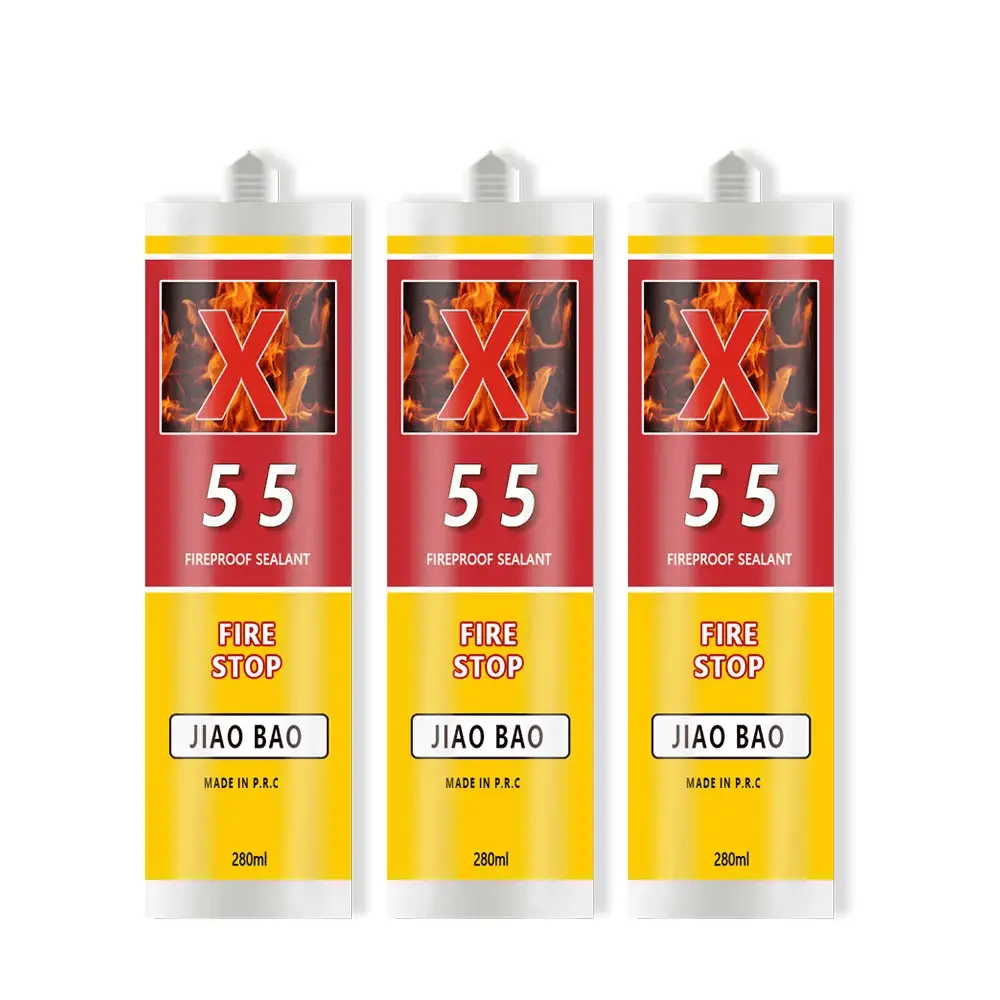
Both passive and reactive processes are used in the chemistry that makes something resistant to fire. Knowing how these things work helps you understand why good placement is important.
Flame-retardant fills soak up heat through endothermic reactions when flames touch the sealant. This slows the rise in temperature. At the same time, the polymer chains in silicone cross-link even more, creating a solid char that blocks heat. This char doesn't flake or break apart like burned organic materials do; it stays together and keeps stopping flames and heat from moving. The result is a joint that keeps the integrity of the compartments even when materials around it break.
Specialized chemicals make it more protective without making it harder to work with. Mineral fillers and ceramic nanoparticles add heat mass and make the char more stable. Flame retardants, which are usually substances based on phosphorus, help char form and stop burning. The components of Fireproof Building Silicone Sealant are carefully weighed so that the sealant keeps its flexibility and ability to stick during normal use, but when there is a fire, it starts to protect.
Heat resistance is directly affected by how the surface is prepared. The surface has to be clean, dry, and free of any oils or release agents that could make it hard for the paint to stick. The size of the joints is also important. Joints that are too wide or too small won't bond well enough. Backing bars make sure that the glue has the right shape and stop three-sided bonding, which makes it harder to move. By pressing the sealer all the way into the joint walls, holes are filled that flames can't get through.
Conditions of curing affect the final qualities. Since the sealant hardens from the outside in, thick layers need more time to harden before they can meet fire safety standards. Neutral-cure formulations heal faster when they are humid, but acidic formulations can bubble when they have too much wetness. To make sure the chemical processes go as planned, the temperature during the application should stay between 5°C and 40°C, as recommended by the maker.
Contractors sometimes put sealer on top of snow or wet surfaces, which stops it from sticking properly. When you use primers that don't work well together or sealer on surfaces that are still giving off solvents, you make weak bonds that break when heated. Thin parts of sealer break when the building moves because the joint depth isn't deep enough or the backing rods aren't placed correctly. When you skip tooling, air spaces and partial base contact are left behind, which lets flames get in. Each of these mistakes makes a product that has been approved into a fire safety risk.
In order to match product standards to project needs, more than just fire rating must be taken into account.
Start with being able to move. According to ASTM C920 or ISO 11600, curtain wall exterior joints need to be able to move ±25% to ±50%. In areas prone to earthquakes, structural parts need to be even more flexible. Next is material compatibility. Sealants that cure at an acidic level will eat away at copper and some other metals, but sealants that cure at a neutral level will work with all common substrates. Expectations about durability also play a role in the choice. For example, goods used outside need to be resistant to UV light and weather, which cheaper ones don't have. Longer coverage periods show that the warranty has been tested in the field and show that the maker is confident in it.
Big brands like 3M, Sika, and Dow Corning have good names that come from years of trying and working on projects. Their goods always meet strict standards and come with a lot of technical help. Because of how reliable these names are, their prices put them at the top of the market. Mid-tier companies offer competitive quality at lower prices, making them a good choice for projects on a budget where performance standards are clear and claims are backed up by testing done by a third party. As a Fireproof Building Silicone Sealant maker with more than thirteen years of experience, Jiaobao offers proven performance at a reasonable price, backed by ISO certification and international compliance paperwork.
To buy in bulk, you have to make sure that lead times work with building plans. Jiaobao has a production turnaround time of one to two weeks, which lets them quickly fill orders without having to keep a lot of stock on hand. You can check color matches, tooling features, and compatibility by asking for samples before committing to full orders. This step is especially helpful when using colored sealer because it makes sure that each batch looks the same. As proof that performance claims are true, technical data sheets and test results should be sent with samples.
When project requirements call for specific colors, packaging forms, or formulation changes, customization freedom is important. With OEM and ODM possibilities, wholesalers can make their own names and use private labeling. Custom color matching makes sure that the products fit perfectly with architectural finishes. After-sales support, such as repair warranties for materials that break within their shelf life, lowers the risk of buying something and helps you build long-term relationships with suppliers.
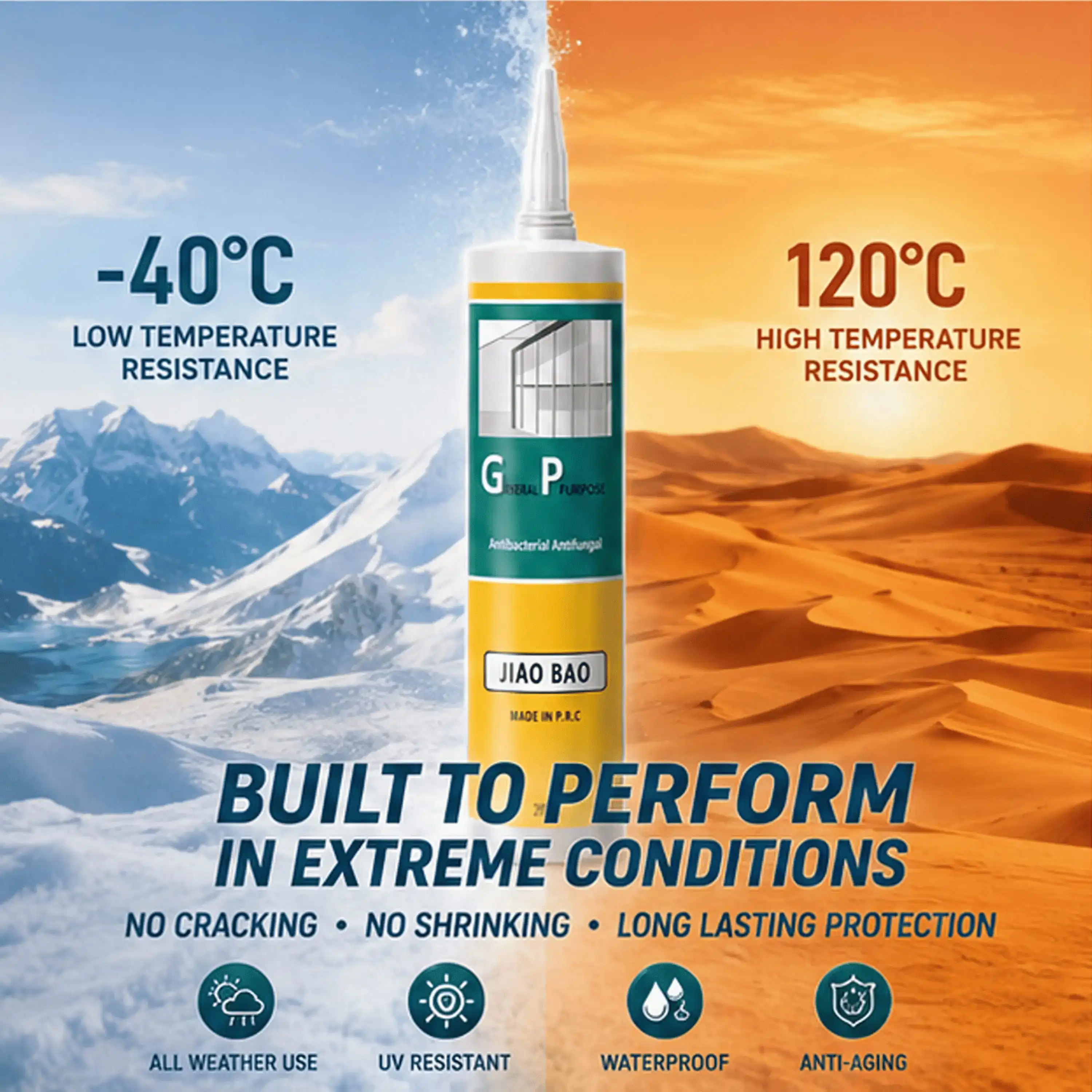
A new office building in downtown Chicago used fire-resistant silicone sealer around the edges of its curtain walls. As a result of being exposed to the sun, the project had to take into account how the temperature would change and keep the four-hour fire ratings between floors. Inspecting the joint after installation made sure it had the right shape and made full touch with the base. Even after two years, the sealant hasn't cracked, come loose, or changed color, even though the Midwest has hard weather changes. This result shows that high-quality silicone mixtures last longer than cheaper ones that would have broken by now.
Different problems come up in industrial sites. Fireproof Building Silicone Sealant that cures slowly was used to seal HVAC holes in fire-rated walls at a factory in Texas. Temperatures near equipment on the roof usually go above 60°C, which is a level of heat that would soften or break down organic seals. Inspections done once a year show that the silicone stays flexible and adheres well without drooping or falling. This keeps the firestop integrity that is needed to protect production areas.
Heat stress breaks down all materials over time. Surface chalking, which looks like a powdery layer but doesn't always mean failure, is one of the visible signs. More worrying are cracks that are spreading through the sealant or that are coming apart from the surfaces, both of which need to be fixed right away. Visual inspection, feeling for softness or brittleness, and checking joint measurements to make sure movement hasn't gone beyond what was intended should all be part of the inspection process.
Maintenance plans make things last longer. Cleaning the joints once a year gets rid of the dirt and pollution that speed up the aging process. Reapplying sealant over damaged areas can bring back fire ratings, but if bonding has failed, the whole joint may need to be redone. Keeping project records makes the process easier because warranty claims need proof of installation conditions, material preparation, and exposure to the environment. Product replacement help from responsive makers like Jiaobao cuts down on downtime and makes sure that fire safety systems stay up to code throughout the lifetime of a building.
To choose the right heat-resistant glue for your job, you need to know about its temperature ranges, fire ratings, and how it should be used. Fireproof Building Silicone Sealant has been shown to work well from -50°C to +150°C and beyond, keeping joints strong through changes in temperature, weather, and fires. Following ASTM, UL, and ISO standards will make sure that your firestop systems meet building code requirements and keep people safe. Material buying can be turned into a strategic advantage by working with experienced suppliers who can offer technical support, customization, and dependable logistics.
Standard formulas work successfully in constant service from -50°C to +150°C. Specialized types can handle short-term exposure to temperatures above 200°C, which makes them good for high-heat industry settings and outside walls that get a lot of sun.
Look for test results with F-ratings and T-ratings that match the requirements of your project in ASTM E814, UL 1479, ASTM E1966, or UL 2079. For jobs in Europe, you need to be certified to EN 1366-4 or BS 476 Part 20. If asked, manufacturers should give these papers.
Neutral-cure formulas stick to metal, glass, concrete, and stone without rusting them. Acidic-cure types are good for glass and many other non-porous surfaces, but they can eat away at copper and some other metals. Always check for suitability by trying the substrate or following the manufacturer's instructions.
Fireproof seals keep joints together and stop flames from getting through for the time they say they can when they are directly exposed to fire. Fire-retardant materials make it harder for things to catch fire and stop the spread of flames, but they might not keep things separate during long fires, which means they aren't good for important firestopping uses.
Since 2013, Jiaobao has been making high-performance colored and fireproof sealants for users in North America and other places. These sealants are used in building, industry, and distribution. Our one-part RTV acidic silicone sealant is approved to be fire resistant, has great temperature flexibility, and can move around better than other sealants. It comes in 300ml and 600ml sizes. Our goods meet the high standards of curtain wall contractors, HVAC installers, and general contractors because they are ISO certified, come with full testing paperwork, and are in line with ASTM.
We promise replacements for any materials that fail within twelve months of their shelf life and deliver within one to two weeks. We also offer OEM customization. Email our team at dorashen@cnjiaobao.com to get samples, look over technical specs, or talk about large orders with a reliable Fireproof Building Silicone Sealant seller who cares about the success of your project.
1. American Society for Testing and Materials. "Standard Test Method for Fire Tests of Through-Penetration Fire Stops." ASTM E814-13a, West Conshohocken, PA, 2013.
2. Underwriters Laboratories. "Fire Tests of Through-Penetration Firestops." UL 1479, Northbrook, IL, 2015.
3. European Committee for Standardization. "Fire Resistance Tests for Service Installations - Part 4: Linear Joint Seals." EN 1366-4:2006+A1, Brussels, Belgium, 2010.
4. Building Research Establishment. "Fire Tests on Building Materials and Structures - Part 20: Method for Determination of the Fire Resistance of Elements of Construction." BS 476-20:1987, Watford, UK, 1987.
5. International Organization for Standardization. "Building Construction - Sealants - Part 1: Classification and Requirements for Sealants." ISO 11600-1:2018, Geneva, Switzerland, 2018.
6. National Fire Protection Association. "Standard Methods of Fire Tests for Flame Propagation of Textiles and Films." NFPA 255, Quincy, MA, 2018.
November 16,2023
Enterprise Name
The sealant has very strong adhesion and performs well even on glass and aluminum. After curing, it remains flexible and shows no cracking. Perfect for our facade projects.
November 16,2023
Enterprise Name
Stable quality across batches. Our customers especially like the smooth application and consistent extrusion. It helps reduce installation time on site.
November 16,2023
Enterprise Name
I used it for bathroom sealing. Excellent waterproof performance and no mold issues so far. It's been holding up very well in humid conditions.
November 16,2023
Enterprise Name
The neutral silicone works well on sensitive materials without corrosion. Very suitable for industrial applications requiring stable performance.
_1779347426672.webp)