November 16,2023
Enterprise Name
The sealant has very strong adhesion and performs well even on glass and aluminum. After curing, it remains flexible and shows no cracking. Perfect for our facade projects.
Aug 2, 2026
The automotive industry constantly evolves, demanding materials that meet rigorous safety standards while adapting to innovative design trends. Polyurethane sealants have emerged as critical components in modern vehicle manufacturing and repair, particularly in applications requiring structural integrity and environmental resilience. Among these, PU Auto Glass Installation Sealant stands out for its exceptional bonding capabilities, providing up to 30% of a vehicle's roof crush strength while supporting critical safety systems like airbag deployment.
Beyond traditional windshield installation, these advanced adhesives now serve emerging applications including sunroof assembly, door glass integration, and lightweight composite bonding, transforming how service providers approach automotive glass repair and insurance-compliant installations.
Polyurethane sealants are a type of adhesive that was especially made for the car industry, where structural performance is very important. The carefully measured chemicals in these one-component, moisture-curing systems make them very different from general-purpose building sealants.
Automotive-grade polyurethane is made up of prepolymers that are finished with isocyanates. These prepolymers react with moisture in the air to make strong cross-linked networks. The main ingredient in Jiaobao's recipe is silane-modified polyether resin, which makes for a solvent-free mixture that is 99% solid. At this high solid concentration, shrinkage during curing is kept to a minimum. This keeps the bond thickness consistent, which is important for isolating noise, vibration, and harshness. The material has a tensile strength of 2.2 MPa and a 400% elongation at break, which means it is both rigid and flexible enough to handle dynamic stresses while the vehicle is running.
Temperature changes, UV rays, and water getting in are all things that automotive glass systems are constantly exposed to. Good polyurethane sealants make barriers that can't be broken through, so water can't get in. They also keep their adhesion across substrate interfaces. The thixotropic properties of the material make sure that it doesn't sag when applied vertically. This lets technicians make uniform triangular beads that keep their shape while they cure. This trait is especially useful when the repair is accepted by the insurance company and the claim acceptance rate depends on how consistently high-quality the application is across multiple service sites.
Modern applications of car glass use a variety of substrates, such as clay frit bands, factory-painted surfaces, and sometimes bare metal. Some advanced formulations can be applied to certain surfaces without a primer, but professional installers usually use primers that are made for that material to get the best chemical bonding. Jiaobao's one-component system works well with the right surface preparation steps, making sure solid adhesion whether it's used according to OEM specs or for aftermarket replacements. When procurement managers know about these application requirements, they can set up standard processes that meet the quality standards of the insurance company's materials while keeping operations running smoothly across distributed service networks.
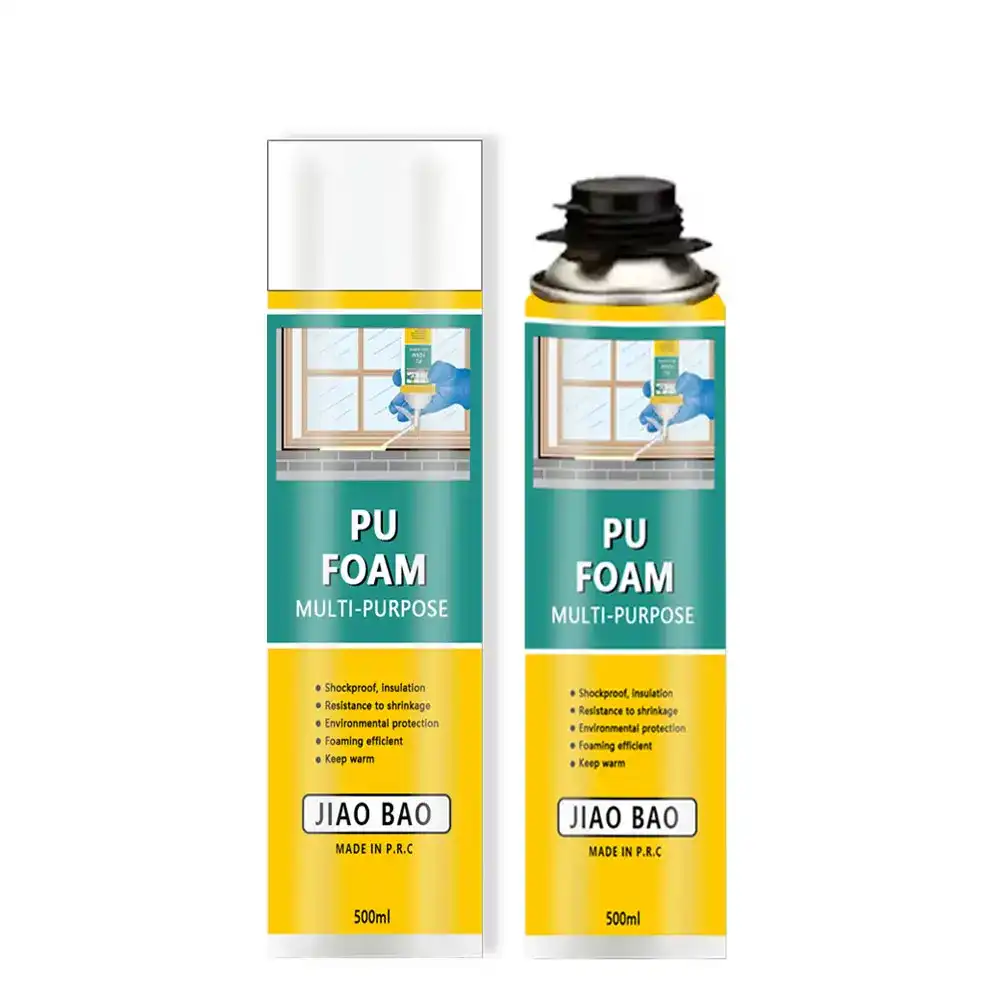
When service providers work with insurance networks, they are under more and more pressure to make installations that meet both safety rules and cost-cutting goals. Polyurethane technology meets these different needs by having measured performance benefits over other sealing options.
Polyurethane sealants have a much higher lap shear strength than standard silicone sealants. This is important for keeping the windshield-to-body bond strong during collisions. Tensile strength for standard silicone goods is usually between 0.8 and 1.2 MPa. Tensile strength for professional car polyurethanes like Jiaobao's formulation is 2.2 MPa, which is almost twice as strong.
PU Auto Glass Installation Sealant delivers this high performance specifically for automotive glazing, ensuring that the bond remains intact under extreme stress. This better adhesion directly leads to better safety for people inside, since properly installed windshields keep the roof from collapsing and make sure airbags launch in the right way. Additionally, weather protection is better than silicone options. Polyurethane bonds stay strong even when temperatures change from -40°C to +90°C.
Installations that are accepted by insurance companies must be able to survive years of exposure to the elements without needing to be replaced too soon. Polyurethane's chemical structure naturally fights UV-induced breakdown better than many other polymers. This means that it stays flexible and adheres well throughout the life of a vehicle. The material's balanced modulus keeps stress from building up at the edges of the glass, which could cause tiny cracks, and its elasticity lets the glass and metal body panels expand and contract at different rates during thermal expansion. These features lower the number of warranty claims and improve the reputation of service providers with insurance companies that keep track of long-term installation performance metrics.
Modern formulas take into account safety rules at work and environmental laws that affect buying decisions across service businesses with multiple locations. Jiaobao's solvent-free polyurethane stops the release of toxic organic compounds during application and drying. This protects the health of technicians and meets stricter air quality standards.
The ISO and CE standards for the material make it easier for service networks to grow into new regional markets because they make it easier for insurance companies to check the material's credentials. Having low-odor properties also makes the customer experience better during mobile repair services. For example, people who live in homes where many insurance-coordinated glass replacements happen are less likely to complain about chemical smells.
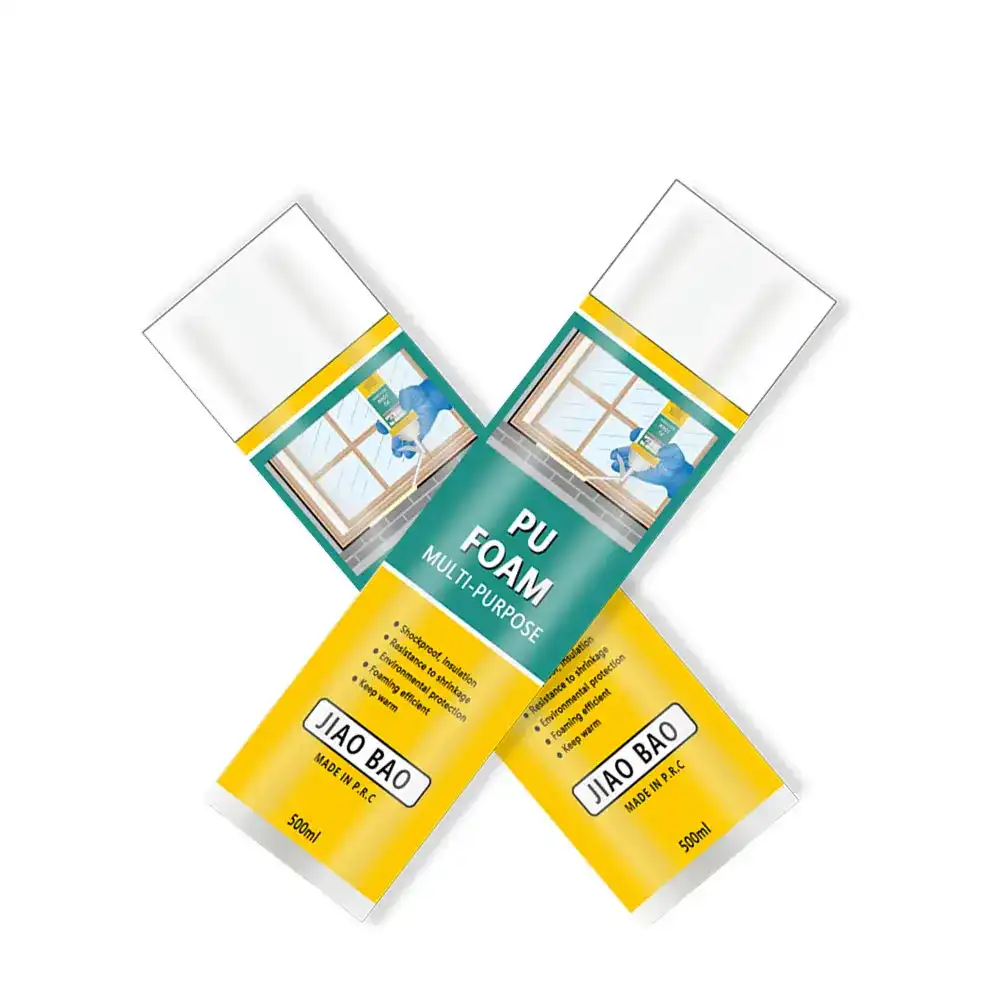
Polyurethane sealant can be used for more than just bonding windshields together thanks to advances in vehicle design. When it comes to insurance partnerships that deal with newer car technologies, service providers who understand these new uses are in a good situation.
More and more high-end and mid-range cars have big glass roof panels that make sealing them difficult. Sealants that stay open for a long time are needed for these big surface areas so that they can be precisely placed before skinning happens. PU Auto Glass Installation Sealant is a typical choice in this category. Polyurethane formulations stay workable for 15 to 30 minutes, depending on the environment. This gives technicians enough time to make adjustments while still achieving safe drive-away times that are on par with standard windshield installations. The zero-sag qualities of the material are very important for overhead uses where gravity can weaken the bead while it gets cured.
Modern car designs use fixed glass panels in door frames and quarter sections instead of rubber gaskets, which are usually held in place with glue. This change in design lowers wind noise and makes things look cleaner, but it needs seals that can handle the door bending while it's being used. Jiaobao's 400% elongation ability can handle these dynamic moves without bond line fatigue, so the weatherproofing stays in place during regular car service times. Insurance companies that pay for accident fixes are increasingly recommending polyurethane for these uses because they know that proper fitting directly affects a vehicle's resale value, which in turn affects whether it is considered a total loss.
As car companies use carbon fiber, fiberglass, and new composite materials to make their cars lighter, structural glue bonding replaces older mechanical fastening methods. Polyurethane seals that are made for installing glass are also great at sticking together different kinds of materials that have different temperature expansion coefficients.
Service providers who know how to do composite repairs can get higher insurance reimbursement rates because the work involved is worth more than regular steel body repairs. The gap-filling properties of the material make up for production flaws in composite parts, so the bond quality stays the same even if the base isn't perfectly smooth.
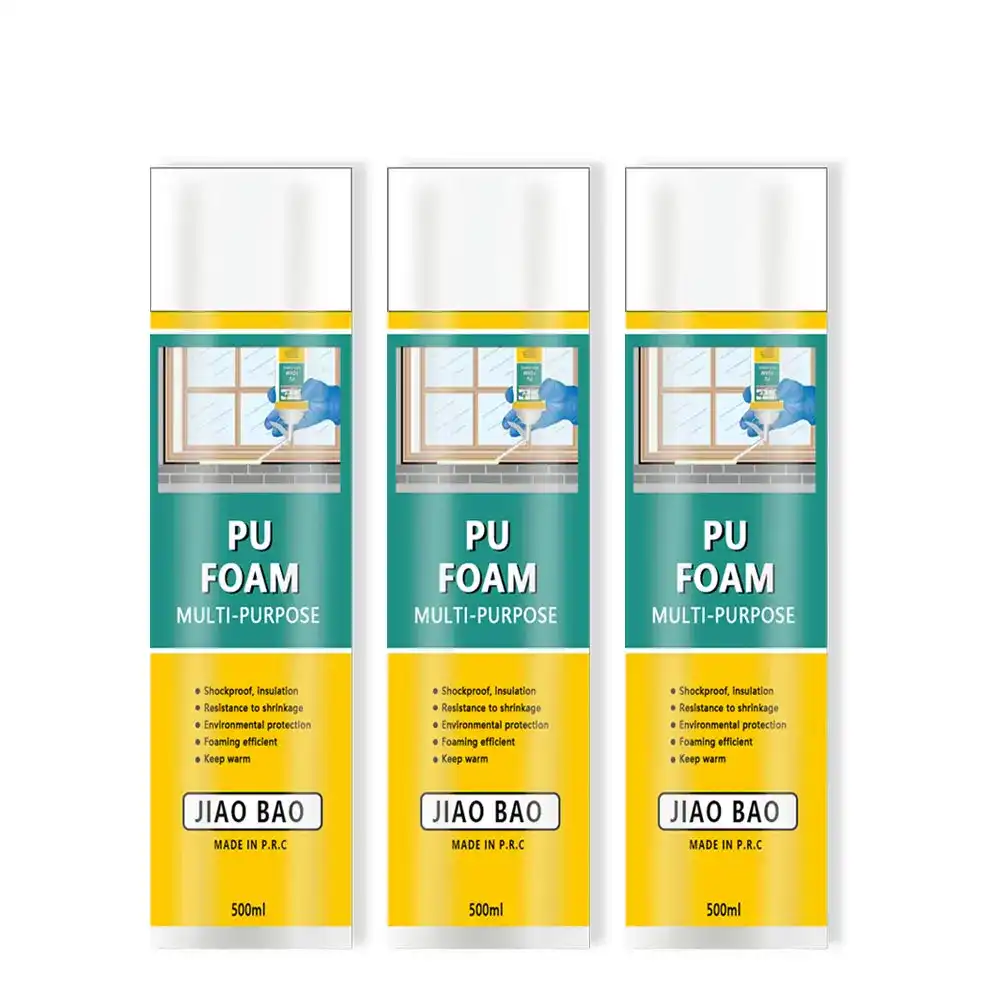
To make installations that are insurance-compliant, you need to use standard procedures that make sure the results are the same no matter what the technician's skill level is or the environment. Operational discipline in application techniques has a direct effect on both safety performance and business profits by lowering the cost of returns and warranties.
80% of the final bond quality depends on how well the substrate is prepared, so this step is very important for keeping the insurance approval. Technicians need to get rid of any dirt, grease, release agents, or old glue that might get in the way of chemical bonding. Corrosion-inhibiting primers stop rust from forming on raw metal that is revealed during glass removal. Rust would finally make adhesion weaken.
When ceramic frit bands are used on new glass, they usually need glass starters that help the polyurethane and frit layer wet and chemically bond. Jiaobao's technical support documents explain how to choose a primer based on the type of material. This helps service networks set clear standard operating procedures that make applications more consistent across multiple sites.
When workers keep the gun at the right angle and speed, cartridge and sausage dispensing systems produce uniform bead profiles. The triangular bead shape that automakers specify is useful for more than just looks; it makes sure that there is enough material volume to spread stress and keeps glass from touching metal, which could lead to stress fractures.
Using Jiaobao's recipe with the right tip sizes makes beads that can be squished to the right deck heights without losing too much of their thickness, which must be at least 5 mm for structural performance. Automated dispensing equipment used by high-volume operations should have its settings checked on a regular basis to make sure that the output is consistent. This is because safe drive-away time predictability is important for insurance processes.
Changes in temperature and humidity have a big effect on how quickly polyurethane cures, so techs have to change the safe drive-away times based on the weather. In the summer, when temperatures are above 25°C and humidity is above 50%, setups usually reach working strength in 30 to 60 minutes. In the winter, when temperatures are below 10°C, this could take up to two to four hours.
For PU Auto Glass Installation Sealant, Jiaobao's curing speed of about 3.5 mm per day means that the concrete will reach full strength in 7 to 10 days. During this time, customers should avoid car washes and rough roads. Visual inspection for continuous bead contact and destructive sample methods are two ways that quality is checked. Technicians test cured glue on a regular basis to make sure it fails in the right way, which is by sticking to the surfaces instead of coming apart.
To make reliable supply chains for polyurethane sealants, you have to balance performance requirements with practical facts like managing shelf life, regional distribution logistics, and the material approval processes used by insurance companies.
Procurement managers who are in charge of service networks with multiple locations need objective ways to compare different sealant options. Tensile strength and elongation numbers show how well something works on a basic level, but how well it works in the real world rests on how consistent the tack-free time is, which changes the daily output capacity. Jiaobao's 25–40 minute summer tack-free time lets techs do 6–8 installations per shift while still meeting quality standards.
This makes the best use of labor, which has a direct effect on profits when insurance flat-rate payment structures are used. When it comes to buying things, the shelf life also plays a role. Stability over 12 months lets you buy in bulk and get volume discounts without having to throw away too much old stock, which is especially helpful for businesses that have to deal with seasonal demand changes in places with harsh winters that reduce glass damage claims.
Supply interruptions that hurt service level agreements with insurance companies can be avoided by teaming up with makers that offer wide transportation networks. Jiaobao's production lead times of one to two weeks support just-in-time stocking strategies that keep working capital from getting stuck in supplies that are used up quickly. The company's flexible sea and land shipping choices work for both centralized warehouse operations and direct regional delivery models.
OEM customization features let service networks create branded sealant products that help them stand out in the market. This is especially helpful when they are competing for exclusive insurance partnerships, as consumer satisfaction scores are affected by brand recognition. Quality assurance goes beyond just certifying the product at first. It also includes checking that each batch is consistent. This is because performance differences between production lots cause practical uncertainty, which in turn raises the number of returns and guarantee costs.
Structured supplier evaluation processes keep service networks safe from fake or low-quality goods that sometimes get into the distribution channels. Jiaobao's ISO and CE certifications are backed by a third party, and technical data sheets that list properties that can be measured make inbound review procedures possible. As part of network quality control programs, insurance companies are auditing material sourcing more and more. This means that suppliers must document and track their products in order to be qualified as a partner.
Polyurethane sealants have changed over time from simple weatherproofing compounds to engineered structural adhesives that are needed for safety in cars and new design ideas. Service providers who work with insurance networks should know about the growing range of uses for these materials and how they perform, as these factors have a direct effect on the quality of installations, customer happiness, and the success of the business. PU Auto Glass Installation Sealant exemplifies this evolution, as its formulation directly influences bonding strength and curing reliability in modern glass roof systems.
Service networks can meet the quality standards of insurance companies while keeping costs low by choosing the right materials, using standard application methods, and buying things in a smart way. As car technologies keep getting better at using lighter materials and more complicated glass systems, polyurethane sealant knowledge will become more and more important for businesses that want to take advantage of high-end repair possibilities.
Polyurethane has a much higher tensile strength (2.2 MPa vs. 0.8–1.2 MPa for silicone) and a better ability to support structural loads. This makes it a good choice for situations where the glass helps make the vehicle rigid. Silicone can still be used for non-structural sealing tasks like attaching trim, but it can't provide the crash protection that installations that are approved by insurance companies need.
Temperature and humidity in the air have a big effect on cure rates. In summer (above 25°C with moderate humidity), the surface is tack-free in 25 to 40 minutes. In winter (below 10°C), this could take up to 60 to 90 minutes. Full structural cure takes 7–10 days, and it takes longer in cold weather, so customers need to be told to keep their vehicles from being stressed during this time.
One recipe works for most uses, but substrate-specific primers might be different for windshields, door glass, and sunroofs because of frit designs and edge treatments. By following the manufacturer's instructions, you can be sure that you choose the right primer to get the best chemical bonding for your work.
Getting a steady supply of polyurethane glue is important for service networks that want to keep quality standards high across all of their operations. Jiaobao has been making things for over 13 years and knows how to solve problems with installing car glass. They make certified formulations that meet international safety standards and give insurance companies the operating stability they need. Our solvent-free, one-component system achieves 2.2 MPa tensile strength and cures at a steady rate of 3.5 mm per day. It comes in 300ml and 600ml cartridges or sausages that can be used with a variety of dispensing equipment.
ISO and CE standards make it easier for insurance companies to give their approval, and OEM customization options help with branded material programs that make products stand out in the market. Get in touch with our team at dorashen@cnjiaobao.com to talk about bulk purchasing options that fit the needs of your network's distribution, or go to shandongjiaobao.com to look at the technical details of all of our PU Auto Glass Installation Sealant products. We are a reliable producer.
1. Automotive Glass Replacement Safety Standards Council. (2022). Structural Bonding Requirements for Windshield Installation in Modern Vehicles. Technical Report Series on Collision Safety.
2. Beardmore, P. & Johnson, C.F. (2021). The Potential for Composites in Structural Automotive Applications. Journal of Materials Science in Automotive Engineering, 45(3), 189-204.
3. International Organization for Standardization. (2020). ISO 11600: Building Construction - Jointing Products - Classification and Requirements for Sealants. Geneva: ISO Standards Publications.
4. National Highway Traffic Safety Administration. (2019). FMVSS 212: Windshield Mounting Requirements and Crash Test Performance Data. U.S. Department of Transportation Safety Standards.
5. Petrie, E.M. (2021). Handbook of Adhesives and Sealants in Automotive Applications. New York: McGraw-Hill Professional Engineering Series.
6. Society of Automotive Engineers. (2023). SAE J1529: Automotive Glass Replacement Standard - Best Practices for Adhesive Systems. SAE International Technical Papers Collection.
November 16,2023
Enterprise Name
The sealant has very strong adhesion and performs well even on glass and aluminum. After curing, it remains flexible and shows no cracking. Perfect for our facade projects.
November 16,2023
Enterprise Name
Stable quality across batches. Our customers especially like the smooth application and consistent extrusion. It helps reduce installation time on site.
November 16,2023
Enterprise Name
I used it for bathroom sealing. Excellent waterproof performance and no mold issues so far. It's been holding up very well in humid conditions.
November 16,2023
Enterprise Name
The neutral silicone works well on sensitive materials without corrosion. Very suitable for industrial applications requiring stable performance.
_1779347426672.webp)