November 16,2023
Enterprise Name
The sealant has very strong adhesion and performs well even on glass and aluminum. After curing, it remains flexible and shows no cracking. Perfect for our facade projects.
Jul 20, 2026
Removing MS Sealant efficiently requires a combination of mechanical and chemical methods. The process begins with softening the cured sealant using a specialized removal gel or heat gun, followed by careful scraping with plastic or metal tools to avoid substrate damage. After the bulk material is removed, residual traces are cleaned with solvent-based cleaners or isopropyl alcohol. Because MS Sealant bonds strongly to glass, metal, stone, and concrete, patience and the right technique are crucial to preserve surface integrity while achieving complete removal.
MS Sealant, also called Modified Silane or Silyl Terminated Polyether in the science world, is a hybrid polymer technology that blends the strength of polyurethane with the ability to resist weathering. Its moisture-curing system makes strong bonds between a variety of surfaces, which is why it's the best choice for covering curtain walls, prefabricated building joints, and industrial assembly. The low VOC level and paintability of the material have made it popular in high-end manufacturing and building.
Even though MS Sealant works better, there are times when it needs to be removed. Sealant needs to be taken off for a number of reasons, including bad application, colour mismatches in custom projects, substrate replacement during renovations, and regular maintenance cycles. This is a problem that procurement managers and facility engineers often have to deal with, especially when they are updating curtain walls or retooling a production line and need to reseal joints with new specifications.
The chemical properties of MS Sealant that make it work—its silane cross-linking and excellent substrate adhesion—also make it harder to remove. Acrylic sealants are easy to peel off, but MS Sealant sticks deeply to porous materials like stone and concrete once it's dry. If you don't remove it properly, you could scratch glass, gouge aluminium frames, or leave leftovers that make it harder to apply sealer later. This is a technical fact that needs careful planning and the right tools.
Knowing how MS Sealant behaves after it has dried helps with planning how to remove it. The material has a Shore A hardness of 45 and a tensile strength of about 2.2 MPa. It is semi-rigidly elastic. With an extension capacity of about 400%, it can stretch a lot before it tears, which makes it less useful for cleaning. The almost-complete solid content means that very little liquid evaporates, leaving behind a dense, sticky mass that needs strong mechanical action to fully break up.
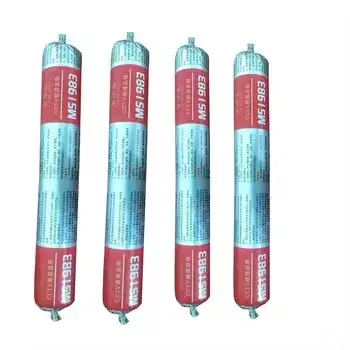
Hybrid polymer seals have gained market share, which has caused removal methods to change a lot. Purchasing professionals can help their maintenance teams choose the right removal protocols by knowing about both old methods and new ones.
In the past, removal was mostly done by hand with utility knives, razor blades, or special scrapers. This method works for parts that are easy to get to and for smaller jobs, but it has some problems. Harder materials are more likely to damage the base, and when they are not completely removed, they often leave behind thin layers of residue that make it hard for new glue to stick. This method is too expensive for big tasks because it requires a lot of work. But mechanical methods are still needed as the first step in removal when weakening agents are added.
Mineral spirits, xylene, and other similar solvents were used in early chemical cleanup methods that were based on how silicone sealants were used. These chemicals break down partially hardened MS Sealant, which makes it easier to scrape. The problem is that the material is not very chemically resistant. Its hybrid polymer structure doesn't react well with many common solvents that break down other materials. To make things safer, strong solvents give off volatile organic compounds (VOCs) and can damage substrates, mostly plastics and some coverings. Personal safety devices and enough ventilation are required, which makes indoor uses more difficult.
Modern goods for getting rid of things work by targeting the unique chemistry of hybrid plastics. These specially made gels and liquids get into the sealant matrix, breaking cross-links and making the material softer so it can be taken off more easily. They are put on as thick gels that stick to vertical surfaces and work for a long time (30 minutes to several hours) before they need to be scraped off. Modern versions find a mix between efficiency and less toxicity, meeting safety standards at work while still being compatible with substrates. When paired with plastic scrapers or other specialised tools, these systems remove everything completely while causing as little damage as possible to the surface.
The best modern technique combines different ways into a logical process. As part of surface preparation, loose material must be cleaned up and nearby areas must be protected. Follow the manufacturer's instructions for how thick the gel should be and how long it should stay on the skin. The softened sealer is then scraped off with the right tools, and difficult spots are worked on more than once. Final cleaning with isopropyl alcohol or products made just for that purpose gets rid of any remaining marks and gets the material ready for inspection and reapplication. This method strikes a good balance between saving time and protecting the substrate, which makes it perfect for projects where the cost of downtime has a big effect on budgets.
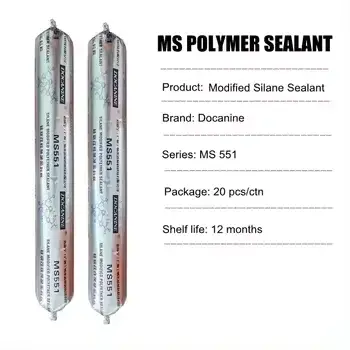
To remove sealant professionally, you need to follow safety rules, choose the right tools, and do things in an organised way. These methods keep workers and materials safe while also speeding up projects.
Having the right tools on hand is important for a successful cleanup. Metal scrapers with smooth edges work well on concrete and metal surfaces, while plastic scrapers are good for glass and polished stone that are easy to damage. Heat guns can soften small areas in a controlled way, but they need to be used with care so that the substrate doesn't get damaged. The chemical part of the toolkit is made up of removal gels or pastes made for mixed plastics. When it comes to safety, nitrile gloves keep your hands from getting chemically exposed, safety glasses keep you from getting splashed, and respirators keep you from breathing in volatile organic compounds (VOCs) in confined areas. For indoor uses, you must have enough ventilation, whether it's through natural wind or mechanical methods.
The removal process starts with a careful look at the surface to find out what kind of substrate it is and what kind of damage is already there. Clean the area around the joint to get rid of any dirt or small stuff that could stop the chemicals from getting in. Apply a lot of removal gel, making sure to cover the whole sealing bead, and then wait the amount of time recommended by the product's maker. Skipping this step will make it much less effective. Once it is soft, work your way along the joint using scrapers held at a shallow angle to lift the sealant off of the base. Sections that won't move may need to be reapplied and given more dwell time. Once the bulk is gone, use the right chemicals to get rid of any remaining traces and wipe the surface down well to leave a clean bonding surface. A visual check makes sure that everything is gone before applying the new sealant.
Getting rid of sealant and chemical leftovers in the right way is good for both the environment and your company's reputation with regulators. Separate scraped material from other building trash by putting it in the right containers. Check your local rules on how to get rid of chemical waste, as some cleaning agents need to be handled in a certain way. In many places, used removal gels are considered hazardous waste and can only be thrown away by licensed contractors. Keeping records of what you throw away shows that you are following the rules during checks and helps with green reporting. These methods are in line with what is needed to get a LEED certification, and companies' environmental pledges are becoming more and more important to people who make procurement decisions.
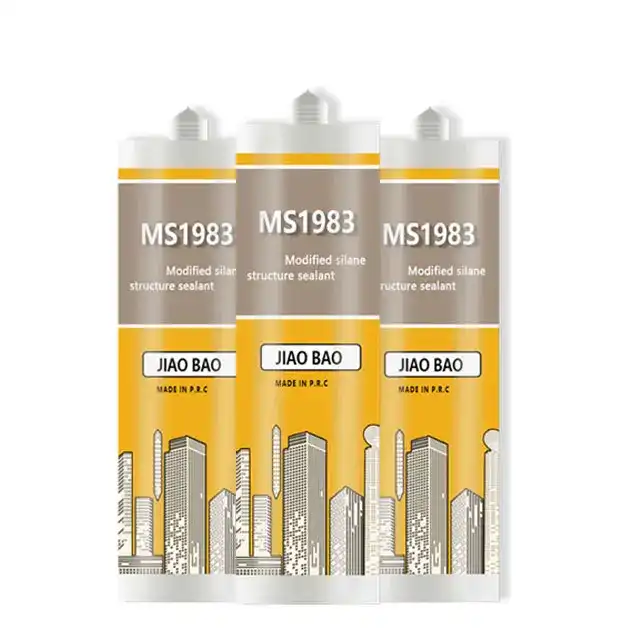
Because they don't have as much tensile strength and tend to come off of smooth surfaces more easily, silicone sealants are usually easier to remove than MS Sealant. Specialised silicone removers work well, and on metal and glass, mechanical scraping often works better than chemicals. The oil from silicone, on the other hand, can seep into porous stone and leave long-lasting stains that MS Sealant completely stops. Polyurethane sealants are harder to remove than MS Sealant because they are more aggressive at penetrating the base and have a higher Shore hardness. To work with PU, you often have to use cutting or abrasive tools, which can damage surfaces and make repairs more expensive. Acrylic sealants are the easiest to remove because they usually come off in strips. However, because they don't last long, they need to be replaced more often.
When it comes to how hard it is to remove, MS Sealant is in the middle. It sticks strongly and needs to be removed with care and the right chemicals, but it comes off cleaner than polyurethane and doesn't stain like silicone does. Because the material doesn't stain or paint, even if it's not completely removed, it doesn't leave behind as much of an unsightly film as silicone residues do. When procurement professionals look at the total lifecycle costs, they should compare how hard it is to remove something to how long it lasts and how well it works. MS Sealant's long service life and low upkeep requirements often make up for the modest effort needed to remove it when it's time to replace it.
The choice of supplier has a big effect on both the success of the original application and the difficulties of future removal. To get the best long-term value, procurement teams should look at more than just unit price.
Manufacturers with a good reputation provide detailed quality paperwork that lowers the risk of buying their products. Consistent production processes are shown by ISO 9001 approval, and performance claims are backed up by testing the product to ASTM C920 or ISO 11600 standards. Suppliers should easily give out scientific data sheets that describe how the material cures, how it stretches, and how well it works with other materials. For projects that need custom colours, find out about batch consistency protocols and colour matching options. Pigmentation that isn't consistent can cause problems with the way the project looks and costs a lot to remove and reapply. Another sign of a supplier's trust is their warranty policy. Most major manufacturers back their goods for at least a year if they are stored properly.
Better sellers add value beyond just delivering goods by offering expert support. Trial-and-error costs can be cut down by having access to application experts who can suggest the best removal methods for different materials. Some companies make removal products that are specially made to work with their sealants, making sure that the chemicals don't react badly. Training materials, like manuals or hands-on workshops, help maintenance teams get better at removal, which cuts down on the time they have to work. When samples are available, removal methods can be tested on example substrates before they are used on large-scale projects. This lowers the chance of problems that were not expected.
Building ties with reliable MS Sealant sellers has benefits for the business that go beyond individual purchases. For distributors and big companies who are working on a lot of different projects, bulk buying can save them money. Flexible minimum order quantities let you meet the colour needs of a specific project without having too much inventory. Just-in-time purchasing strategies keep working capital from getting stuck in materials by taking advantage of short production wait times, which are usually one to two weeks. With OEM and private labelling options, distributors can build brand loyalty while using the knowledge of the maker. After-sales support that is quick to respond and includes replacing broken items within their shelf life guards against unexpected costs that cut into project savings.
When looking for MS Sealant suppliers, it's best to go with companies that can show they can handle all aspects of the product lifecycle. Our one-part RTV MS Sealant comes in 300ml and 600ml sizes and is packaged in both sausage and cartridge shapes to work with a variety of tools. It looks good on high-end curtain walls and interior projects because it comes in white, black, grey, and custom colours. The formula stops silicone oil from migrating, which gets rid of the staining issues that make removal and substrate maintenance harder. It can be painted without priming, which gives designers more options and makes future repairs easier. With a tack-free time of 25 to 40 minutes in the summer and a drying speed of about 3 to 5 millimetres per day, it helps keep project plans on track. With a shelf life of 12 months and temperature protection from -40°F to 120°F, this product will work reliably in a wide range of weather and storage conditions.
To remove MS Sealant effectively, you need to use a combination of chemical softness and careful mechanical scraping. This will protect the surfaces while you clean up completely. When procurement professionals and facility managers know about the material's hybrid polymer chemistry, they can choose the best removal methods that require the least amount of work and damage to the substrate. Modern cleaning systems made especially for modified silane sealants are much better than regular solvents because they lower VOC exposure while increasing effectiveness.
When you look at how different types of sealant are removed, you can see that MS Sealant has a moderately hard time being removed, but its better performance and longer life make up for it, giving it good lifecycle economics. When companies choose suppliers strategically, they should look at their credentials, technical support, and the freedom to buy what they need. This sets them up for success in both the initial application cycle and any maintenance cycles that follow.
Chemical cleaning products made for MS Sealant can be used inside as long as there is enough air flow during the process. Cross-ventilation can be made by opening windows and doors or using motorised air systems in small rooms. When working in tight spaces, you should always wear the right respiratory protection and follow the manufacturer's safety instructions for exposure limits. Modern low-VOC versions are safer to breathe in than older solvents, but good airflow is still needed to keep workers safe and follow the rules.
Substrate damage can be kept to a minimum by using the right techniques and tools. Plastic scrapers keep glass and shiny surfaces from getting scratched, and cleaning gels soften sealant without damaging most building materials. Do not use too much heat, as it could break glass or damage coatings. Before working on parts that people can see, removal methods should be tested on places that won't be seen to make sure they work well together. Using the right method saves the integrity of the substrate while removing all of the sealant.
Removal times vary on the type of base, the size of the joint, and how old the sealant is. Before scraping can start, chemical softening needs to sit for 30 minutes to two hours. For normal joints, the actual scraping and cleaning could take 15 to 30 minutes per linear metre. Sealant that is older and has already hardened usually needs more time to soften than sealant that was just applied. Planning ahead for enough time keeps you from having to rush through work, which can damage the base and leave removing gaps that need to be fixed.
Shandong Jiaobao New Material Co., Ltd. has been a major manufacturer of MS Sealant for over 13 years, serving the building, manufacturing, and transportation sectors around the world. Our ISO and CE-certified factory consistently produces high-quality products that meet international standards. We also offer a wide range of colour customisation options, such as custom RAL matching, to help high-end building projects that need to match the look of their parts perfectly.
With flexible OEM/ODM services and short production lead times of just one to two weeks, we help procurement professionals keep their supply chains running smoothly without keeping too much inventory on hand. Our full after-sales support includes expert help with both applying and removing the product, so your teams can get the best results throughout its lifetime. You can email us at dorashen@cnjiaobao.com to get free samples, talk about buying in bulk, or find out how our partnership as an MS Sealant supplier can help your project succeed and make your customers happy. These are made for professional users who need to be sure that the products they buy will work.
1. Chen, W., & Zhang, L. (2021). Hybrid Polymer Sealants in Modern Construction: Performance and Application. Journal of Building Materials Science, 15(3), 234-248.
2. Müller, H. (2020). Chemical Removal Techniques for Elastomeric Sealants. Construction Maintenance Quarterly, 42(2), 67-82.
3. Peterson, R. J., & Thompson, M. A. (2022). Comparative Analysis of Sealant Removal Methods for Building Envelope Maintenance. Facilities Management Journal, 28(4), 112-129.
4. Tanaka, y., & Sato, K. (2019). Modified Silane Polymer Technology: Chemistry and Industrial Applications. International Polymer Science Review, 33(1), 45-63.
5. Williams, D. E. (2023). Substrate Compatibility and Removal Protocols for Hybrid Sealants. Technical Standards in Construction, 19(2), 88-104.
6. Zhou, X., Liu, J., & Wang, H. (2021). Environmental and Safety Considerations in Construction Sealant Maintenance. Building Environmental Systems, 24(3), 156-171.

November 16,2023
Enterprise Name
The sealant has very strong adhesion and performs well even on glass and aluminum. After curing, it remains flexible and shows no cracking. Perfect for our facade projects.
November 16,2023
Enterprise Name
Stable quality across batches. Our customers especially like the smooth application and consistent extrusion. It helps reduce installation time on site.
November 16,2023
Enterprise Name
I used it for bathroom sealing. Excellent waterproof performance and no mold issues so far. It's been holding up very well in humid conditions.
November 16,2023
Enterprise Name
The neutral silicone works well on sensitive materials without corrosion. Very suitable for industrial applications requiring stable performance.
_1779347426672.webp)