November 16,2023
Enterprise Name
The sealant has very strong adhesion and performs well even on glass and aluminum. After curing, it remains flexible and shows no cracking. Perfect for our facade projects.
Jul 31, 2026
When sourcing the right windshield bonding solution, professional installers and procurement managers consistently turn to PU Automotive Glass Adhesive Sealant for its unmatched combination of structural strength and weather resistance. Unlike traditional gasket systems, modern polyurethane-based adhesives provide critical safety benefits by contributing up to 30% of a vehicle's structural rigidity while ensuring rapid curing and long-term durability. Selecting a reliable adhesive directly impacts installation efficiency, customer safety, and warranty claims, making informed procurement decisions essential for automotive repair shops, OEMs, and glass replacement service providers.
PU Automotive Glass Adhesive Sealants represent a significant advancement in the technology used to bond windshields together. The silane-modified polyether resins in these one-component moisture-curing systems react with atmospheric humidity to form strong elastomeric bonds.
The PU Automotive Glass Adhesive Sealant uses a special kind of resin that's been treated with silane. This helps get rid of harmful chemicals like isocyanates, solvents, and PVC.Because of this, the sealant has no strong smell and still works as well as professional-grade products.It has a tensile strength of up to 2.2 MPa and can stretch up to 400% before breaking, which means it can move with the car’s frame as it moves during driving. The sealant cures by using moisture from the air, not heat or sunlight. This makes it useful in many different environments, like indoor shops or outside work areas.Under normal conditions, it cures about 3.5 mm every day.Also, it has a 99% solid content, so it doesn’t shrink much as it dries.
When the sealant touches glass, painted metal, or coated surfaces, the silane groups in the resin create chemical bonds with the surface. This bond is often stronger than the sealant itself.Since it doesn’t need a primer, it saves time and money during installation.However, it’s still important to clean the surface properly with cleaners or activators to get the best results. The time it takes to become touch-dry depends on the weather. In summer, it’s 25 to 40 minutes, and in winter, it’s 15 to 30 minutes.You can safely drive the car away between 1 to 4 hours, depending on how warm and humid it is.This lets the vehicle be ready quickly without risking safety.
Older silicone sealants aren’t strong enough to meet today’s safety rules for cars. Though silicone is flexible and resistant to sunlight, it can’t hold up during a crash because it’s not strong enough to keep the windshield in place.Epoxy resins are strong but not flexible, so they can break over time when the car’s frame moves or expands with heat. Polyurethane is the best choice because it’s strong and flexible. It has a hardness of about 45 on the Shore A scale, which means it’s firm enough to help the car’s structure stay intact but still flexible enough to handle vibrations and movement.This is why car makers use polyurethane adhesives in their original equipment installations.
Understanding the performance differences among available products helps procurement teams make cost-effective decisions aligned with specific operational requirements.
Adhesion strength is the most important factor to look for. High-quality PU Automotive Glass Adhesive Sealants show 100% cohesive failure in peel tests, which means the sealant breaks apart inside itself instead of peeling away from the surface.This shows that it has formed a strong chemical bond with both glass and metal surfaces. Durability is linked to how much the adhesive can stretch. Adhesives that can stretch 400% can handle a lot of bending without breaking, which is important for cars that travel over different types of roads and in various weather conditions.This helps prevent cracks or separation that can happen with more rigid adhesives. Our formula stays flexible even in cold weather, so it works well in northern climates where winters can be very cold. The material doesn’t become hard or lose its stickiness when it gets really cold, making sure it works well all year long.
UV exposure represents a significant challenge for automotive sealants. While ceramic frit on windshield edges provides primary UV protection, incidental exposure occurs during installation and in areas with minimal frit coverage. Quality polyurethane formulations incorporate UV stabilizers that prevent degradation from sunlight exposure, whether the vehicle is stored indoors or parked outside throughout its service life.
Temperature cycling from -40°C to +90°C tests sealant resilience. Our adhesive maintains bond integrity across this extreme range, preventing the thermal stress failures that compromise lesser products. This temperature stability is particularly valuable for vehicles operating in diverse climates or experiencing seasonal temperature swings.
Professional installers value thixotropic properties that prevent sagging during application. Our formulation maintains a triangular bead shape on vertical surfaces without slumping, ensuring the proper contact area with both the glass and the body panel. Zero millimeter sagging eliminates the need for rework caused by adhesive that flows or droops before curing begins.
Viscosity optimization allows for smooth extrusion from manual or pneumatic dispensing equipment without excessive force. This reduces technician fatigue during high-volume operations and extends equipment service life by minimizing wear on dispensing mechanisms.
Proper application technique directly impacts bond strength and long-term performance. Following established procedures ensures installations meet safety standards and minimize warranty claims.
Clean substrate surfaces are non-negotiable for reliable adhesion. Use appropriate tools to remove all contamination, including oils, release agents, old adhesive residue, and loose paint. Glass surfaces must be cleaned with isopropyl alcohol or manufacturer-specified glass cleaners to remove fingerprints and environmental contaminants.
Body panel preparation varies by condition. Factory e-coat or intact paint typically requires only cleaning with activators that promote chemical bonding. Exposed metal or scratched paint demands the application of a black primer to prevent corrosion and ensure proper adhesion. Skipping primer on compromised surfaces invites rust formation and eventual bond failure.
Allow cleaned surfaces to dry completely before adhesive application. Moisture or solvent residue interferes with the curing chemistry and weakens bond formation. While ambient humidity supports curing, surface wetness prevents proper initial contact and adhesion.
Apply the adhesive in a continuous triangular bead around the windshield perimeter. Proper bead size ensures adequate contact area while preventing squeeze-out that requires cleanup. The triangular profile allows air to escape during glass placement while maintaining structural integrity.
Position the windshield carefully to avoid adhesive smearing or air entrapment. Once placed, avoid repositioning as this disrupts the developing bond. Light pressure ensures full contact across the bead without excessive squeeze-out.
Ambient temperature and humidity significantly influence curing speed. Higher temperatures and humidity accelerate the moisture-curing reaction, while cold, dry conditions slow the process considerably. Technicians must adjust safe drive-away time based on current environmental conditions rather than relying solely on general guidelines.
Our adhesive's rapid strength development allows for competitive drive-away times without compromising safety. The initial green strength holds the windshield securely within minutes, while full cure develops over the subsequent hours. This characteristic supports efficient shop operations and customer satisfaction through quick vehicle turnaround.
Inadequate surface preparation causes the majority of adhesion failures for PU Automotive Glass Adhesive Sealant. Contamination invisible to the naked eye prevents proper bonding. Always follow cleaning protocols completely rather than rushing through preparation steps when using PU Automotive Glass Adhesive Sealant.
Insufficient bead size compromises structural integrity. While excessive adhesive wastes material, undersized beads fail to provide adequate bonding area or gap-filling capacity. Follow manufacturer specifications for bead dimensions appropriate to specific vehicle models.
Premature vehicle operation before adequate cure development risks bond failure during normal driving stress or collision scenarios. Communicate proper drive-away times clearly to customers and resist pressure to release vehicles early, as safety cannot be compromised for convenience.
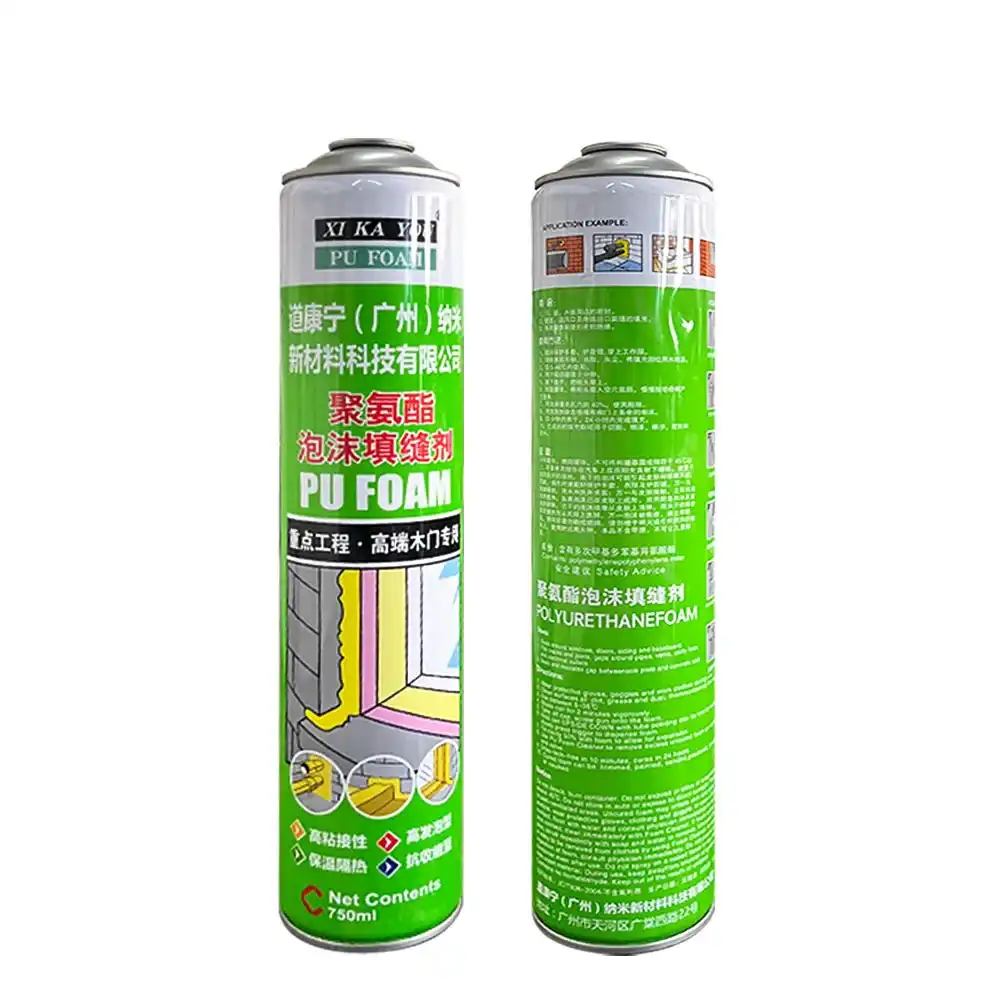
Strategic sourcing decisions balance product performance, supplier reliability, and total cost of ownership to optimize procurement value.
Established manufacturers with documented quality systems provide superior reliability compared to unproven suppliers. ISO 9001 certification indicates systematic quality management, while IATF 16949 certification specifically addresses automotive supply chain requirements. These certifications demonstrate commitment to consistent product quality and traceability.
Shandong Jiaobao New Material Co., Ltd. brings over 13 years of manufacturing experience to automotive adhesive production. This extensive background supports stable formulations, consistent batch-to-batch performance, and responsive technical support. Established manufacturers maintain comprehensive testing protocols, including adhesion peel tests, sag resistance verification, and cure rate monitoring, to ensure every batch meets specifications.
Volume procurement typically unlocks favorable pricing while ensuring supply continuity. Standard packaging options include 300ml and 600ml volumes in both sausage and cartridge configurations, accommodating different dispensing equipment and volume requirements. Larger operations benefit from bulk packaging that reduces per-unit costs and packaging waste.
Lead times averaging one to two weeks support responsive inventory management without excessive safety stock. This quick turnaround capability helps procurement teams balance inventory carrying costs against stockout risks, which is particularly valuable for seasonal demand fluctuations in automotive service markets.
Flexible shipping options by sea or land freight accommodate diverse geographic locations and urgency requirements. Moisture-sensitive polyurethane formulations require proper packaging integrity, typically achieved through aluminum cartridges or sausages that prevent premature curing inside containers.
Storage conditions significantly impact shelf life. Our adhesive maintains performance for 12 months when stored in original sealed containers at moderate temperatures. Avoid temperature extremes and direct sunlight exposure in storage areas. Rotate inventory using first-in, first-out principles to ensure fresh product reaches technicians.
Custom formulation capabilities address specialized application requirements. Some installations demand specific modulus ranges, accelerated cure times, or conductivity properties for vehicles with windshield-integrated antennas. Experienced manufacturers can adjust formulations to meet unique performance specifications while maintaining core adhesion and durability characteristics.
Private labeling opportunities allow distributors and larger service chains to build brand identity while leveraging proven manufacturing capabilities. OEM partnerships typically include customized packaging, color options (black, white, grey, or matched to specifications), and technical support to ensure successful market introduction.
Aligning product specifications with operational requirements ensures optimal performance and value from your adhesive selection.
Installation volume and setting dictate practical considerations. High-volume shops benefit from fast tack-free times and rapid strength development that support quick vehicle throughput. Mobile service operations require reliable performance across varied ambient conditions without climate control. Understanding your specific operational context guides appropriate product selection.
Vehicle types serviced influence technical requirements for PU Automotive Glass Adhesive Sealant. Passenger vehicles demand standard structural adhesives, while commercial transportation applications involving buses or trucks require higher modulus formulations like PU Automotive Glass Adhesive Sealant to handle larger glass areas and greater stress loads. Matching product specifications of PU Automotive Glass Adhesive Sealant to application demands prevents both over-specification that increases costs and under-specification that risks performance failures.
Tensile strength above 2.0 MPa provides adequate structural performance for most automotive applications. Our 2.2 MPa specification exceeds typical requirements, delivering a safety margin for demanding conditions. An elongation capacity of 400% ensures flexibility to accommodate chassis flexing and thermal expansion without bond compromise.
Shore A hardness around 45 balances structural contribution with vibration damping. Softer formulations provide excellent noise and vibration isolation but sacrifice structural rigidity, while harder variants increase stiffness at the expense of flexibility. The specified hardness range optimizes both characteristics.
Automotive safety standards mandate windshield retention during collision scenarios. Federal Motor Vehicle Safety Standard 212 in the United States establishes retention requirements that quality adhesives must satisfy. Choosing certified products from reputable manufacturers ensures compliance with these critical safety regulations.
Documentation supporting performance claims provides assurance for quality-conscious procurement teams. Test reports demonstrating adhesion strength, environmental durability, and compliance with relevant standards validate product suitability for professional automotive applications.
Purchase price represents only one component of true product cost. Factor in application efficiency, cure speed impacts on throughput, warranty claim rates, and technical support availability when comparing options. Products that enable faster installations, reduce rework, and minimize callbacks often provide superior value despite higher unit costs.
Our competitive pricing combined with reliable performance and responsive service delivers a favorable total cost of ownership. The combination of proven formulations, quality manufacturing, and customer-focused support reduces the hidden costs that plague procurement teams working with marginal suppliers.
Selecting the optimal polyurethane adhesive like PU Automotive Glass Adhesive Sealant for windshield installation requires balancing technical performance, supplier reliability, and operational fit. Quality formulations of PU Automotive Glass Adhesive Sealant deliver the structural strength and environmental durability essential for automotive safety while supporting efficient installation processes. Shandong Jiaobao's silane-modified polyether resin technology in PU Automotive Glass Adhesive Sealant combines primerless convenience with professional-grade adhesion and flexibility, backed by over a decade of manufacturing expertise. Procurement teams benefit from understanding key specifications, application requirements, and supplier capabilities for PU Automotive Glass Adhesive Sealant to make informed decisions that protect both safety standards and business profitability.
Polyurethane adhesives cure through moisture reaction, a process accelerated by warmth and humidity. Summer conditions with temperatures above 25°C and moderate humidity produce tack-free times of 25-40 minutes, while winter environments may reduce this to 15-30 minutes for initial skin formation. Complete cure development to the bead center takes longer in cold, dry conditions, extending safe drive-away times accordingly. Professional installers adjust their scheduling based on current environmental conditions rather than relying on single-time estimates.
Our PU Automotive Glass Adhesive Sealant bonds effectively to standard automotive glass, including laminated windshields, tempered side windows, and heated rear glass. The silane-modified formula adheres to ceramic frit bands typically found on windshield perimeters without requiring separate primers. Surface preparation with appropriate cleaners ensures reliable adhesion across different glass treatments and coatings found in modern vehicles.
Proper ventilation remains essential during adhesive application and curing, even with low-odor formulations. Technicians should wear nitrile gloves to prevent skin contact and protect the adhesive from contamination by skin oils. Safety glasses protect eyes from accidental contact during dispensing. While our formulation eliminates harmful isocyanates found in some polyurethanes, maintaining good hygiene practices and workspace ventilation supports safe professional use.
Shandong Jiaobao New Material Co., Ltd. stands ready to support your automotive adhesive procurement requirements with proven product quality and customer-focused service. Our silane-modified polyurethane formulations deliver the structural performance and environmental durability your installations demand, while our 13 years of manufacturing experience ensures consistent batch-to-batch quality.
Whether you operate a high-volume repair facility, manage mobile glass replacement services, or distribute automotive supplies, we offer competitive pricing, short lead times, and flexible OEM customization to match your specific needs. ISO-certified production processes and comprehensive quality testing guarantee products that meet international standards and regulatory requirements. Contact our team today at dorashen@cnjiaobao.com to discuss your requirements with knowledgeable specialists who understand B2B automotive adhesive procurement. As a PU Automotive Glass Adhesive Sealant provider that wants your business to succeed, you can ask for product samples, technical datasheets, or volume pricing.
1. Society of Automotive Engineers. (2019). Automotive Adhesives and Sealants: Performance Requirements and Testing Methods. SAE International Standards Publication.
2. Mitchell, R.L. & Thompson, D.K. (2021). Polyurethane Chemistry in Automotive Applications. Journal of Applied Polymer Science, Volume 138, Issue 24.
3. Federal Motor Vehicle Safety Standards. (2020). Standard No. 212: Windshield Mounting. National Highway Traffic Safety Administration.
4. International Organization for Standardization. (2018). ISO 11600: Building Construction - Jointing Products - Classification and Requirements for Sealants. ISO Technical Committee 59.
5. Harrison, J.P. (2022). Modern Auto Glass Installation: Techniques and Materials. Automotive Service Excellence Training Manual, Third Edition.
6. Chen, W. & Rodriguez, M. (2020). Moisture-Cure Polyurethane Sealants: Formulation Variables and Performance Optimization. Adhesives and Sealants Industry Magazine, August 2020 Edition.
November 16,2023
Enterprise Name
The sealant has very strong adhesion and performs well even on glass and aluminum. After curing, it remains flexible and shows no cracking. Perfect for our facade projects.
November 16,2023
Enterprise Name
Stable quality across batches. Our customers especially like the smooth application and consistent extrusion. It helps reduce installation time on site.
November 16,2023
Enterprise Name
I used it for bathroom sealing. Excellent waterproof performance and no mold issues so far. It's been holding up very well in humid conditions.
November 16,2023
Enterprise Name
The neutral silicone works well on sensitive materials without corrosion. Very suitable for industrial applications requiring stable performance.
_1779347426672.webp)