November 16,2023
Enterprise Name
The sealant has very strong adhesion and performs well even on glass and aluminum. After curing, it remains flexible and shows no cracking. Perfect for our facade projects.
Jul 31, 2026
Commercial buildings demand sealing solutions that withstand decades of environmental stress while maintaining structural integrity. NP Silicone Sealant for Curtain Wall applications has become the preferred choice for architects and construction managers seeking reliable weatherproofing and flexible joint movement. This neutral-cure elastomeric material excels in glass façade systems, aluminum panel installations, and expansion joints where temperature fluctuations cause continuous material movement. Beyond curtain walls, commercial applications extend to plaza deck waterproofing, precast concrete panel connections, and metal roof perimeter sealing—all requiring the same balance of adhesion strength and elastic recovery that defines high-performance neutral silicone technology.
Engineered materials that allow buildings to move without compromising the protective shell are used in modern business construction. NP Silicone Sealant for Curtain Walls represent a significant improvement over older acetoxy formulas, especially when they are used to attach to metal surfaces that are likely to rust. The chemistry behind these products gets rid of acidic waste during curing, so they can be used with anodized aluminum, stainless steel, and coated glass, which are all common materials in modern curtain wall assemblies.
Acidic silicones give off acetic acid vapors, but neutral-cure formulations use oxime or alkoxy cross-linking systems instead. This chemical difference keeps the substrate from corroding while keeping the adhesion performance the same. The one-component RTV (room temperature vulcanizing) style makes it easier to use on building sites because it doesn't need any special mixing ratios or tools other than caulking guns.
Curtain wall systems are always changing sizes because the glass panels get bigger when the sun shines on them and the aluminum frames get smaller when it cools down at night. Due to its natural flexibility, quality neutral silicone like NP Silicone Sealant for Curtain Wall keeps its bond integrity through these movements. According to ASTM C920 testing standards, NP Silicone Sealant for Curtain Wall can usually move 25%. This flexibility keeps the glue from failing and lets water in, which can happen with stiff sealants that aren't NP Silicone Sealant for Curtain Wall.
Commercial facades use a variety of materials that need to stick well together without the use of special primers. It sticks well to glass, aluminum extrusions, natural stone, ceramic panels, and concrete, and it's often used in the same joint assembly. This ability to work with multiple substrates makes it easier to keep track of materials and ensures uniform performance in a wide range of building circumstances. The formula that doesn't stain works especially well on projects with porous stone cladding, where oil migration from bad sealants can permanently change the color.
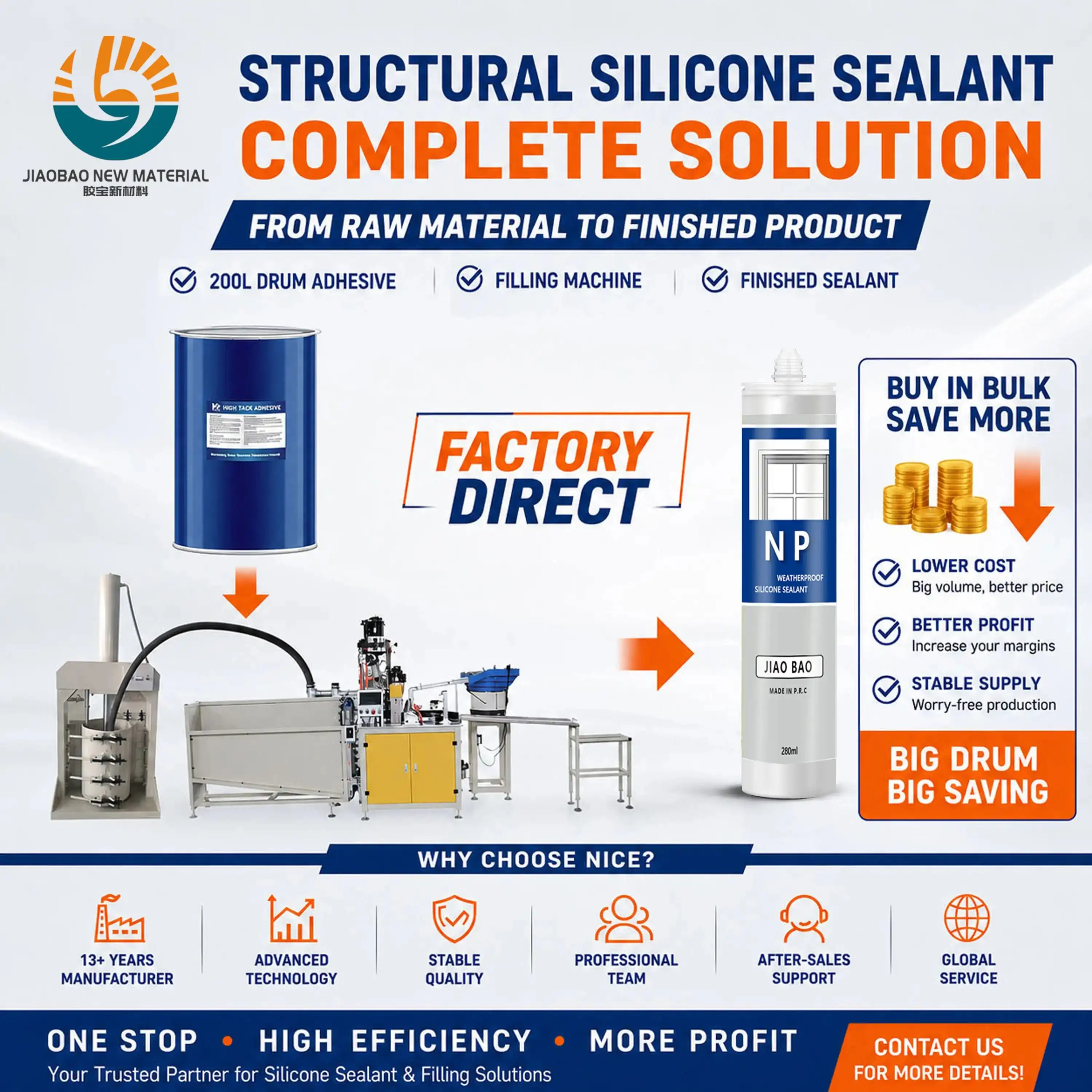
To make a choice, you need to know how different types of caulk react to stress in business buildings. Many types of products say they can be used on facades, but their long-term durability varies a lot depending on UV exposure, temperature changes, and the amount of joint movement they have to handle.
Paint can be used on polyurethane sealants, and the materials are cheaper, which makes them appealing for some uses. However, their limited UV stability becomes a problem in curtain wall parts that are open to the sun, where damage happens more quickly. Neutral silicone doesn't lose its shape or surface texture after years of being exposed to UV light. This is a big benefit for sites that face south or on roofs, where repair costs are much higher than the initial material savings.
High-modulus silicones were made especially for load-bearing glass holding and are used in structural glazing systems. These mixtures are very different from weatherproofing materials like NP Silicone Sealant for Curtain Wall, which put flexibility over load capacity. If you choose the right product, you can avoid making mistakes that cost a lot of money. For example, using structural grades in expansion joints puts too much stress on the foundations, and using weather-sealing products for structural glazing lowers the safety limits.
Some standards still use old sealant technologies, like polysulfide compounds, especially for secondary seals on insulated glass. Because they don't resist UV light well and aren't as flexible, they're not good for exposed curtain wall joints, where neutral silicone works better. Butyl seals are useful for certain hidden tasks, but they aren't weatherproof enough to protect the building skin as a whole. Knowing these differences helps buying pros avoid choosing products that don't work well together, which can cause problems early on.
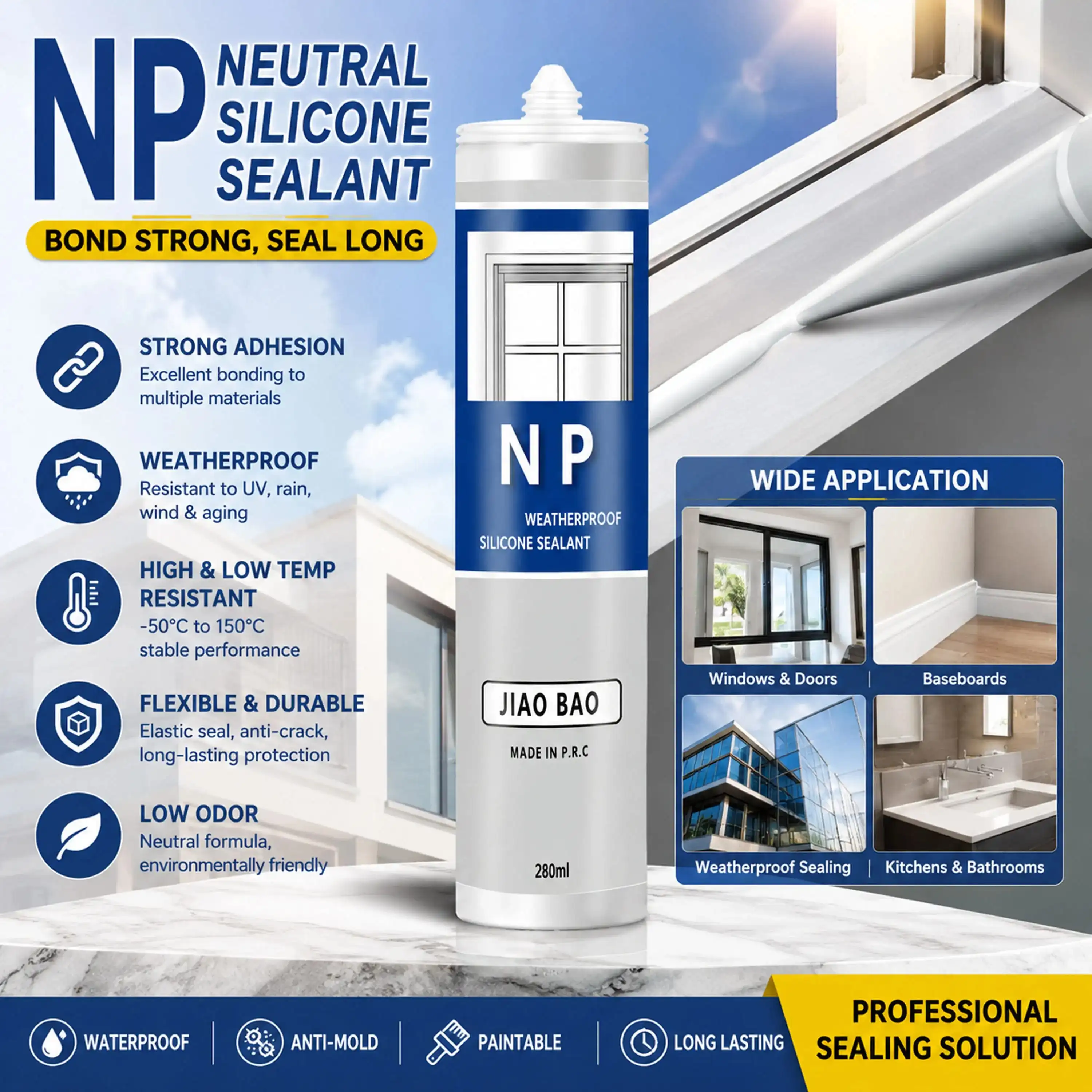
To get the performance you want, you have to follow the installation instructions exactly. Even the best NP Silicone Sealant for Curtain Wall doesn't work well when it's put on top of dirty surfaces or in parts that weren't built correctly. Since 2013, when we started making weather-resistant sealants, we've learned that common application mistakes hurt the long-term effects.
How clean the substrate is has a direct effect on how long the adhesive lasts. To get rid of mill oils and manufacturing leftovers, aluminum frames need to be cleaned with a solvent. On the other hand, isopropyl alcohol is needed to clean glass surfaces to get rid of silicone contamination from handling. Abrasive cleaning is good for stone and concrete bases because it brings out new material underneath worn-down surfaces. Most of the adhesion problems seen during warranty inspections are caused by skipping these preparation steps.
The right joint shape keeps the stress on the sealant within the limits of its elasticity during thermal cycles. In most cases, the ratio of width to depth is 2:1, and installing backer rods stops three-sided adhesion that makes movement difficult. Stress is concentrated at the bond lines in joints that are too shallow, and shapes that are too deep waste material without improving performance. Cohesive tearing can be avoided during high temperature events by figuring out the right joint measurements based on how much the joint is expected to move.
Our one-component RTV cures when it reacts with wetness in the air, which means that the humidity level in the air is very important for good cross-linking. When you apply in the rain or when there is a lot of humidity, the surface skinning process speeds up. This could trap liquids and make the inner cure weak. On the other hand, conditions that are very dry slow down the curing process, making it easier for contamination to spread. At standard conditions (25°C, 50% relative humidity), the full cure time is 7–14 days. During this time, the surface needs to be kept safe from foot traffic and cleaning until the hardness development is complete.
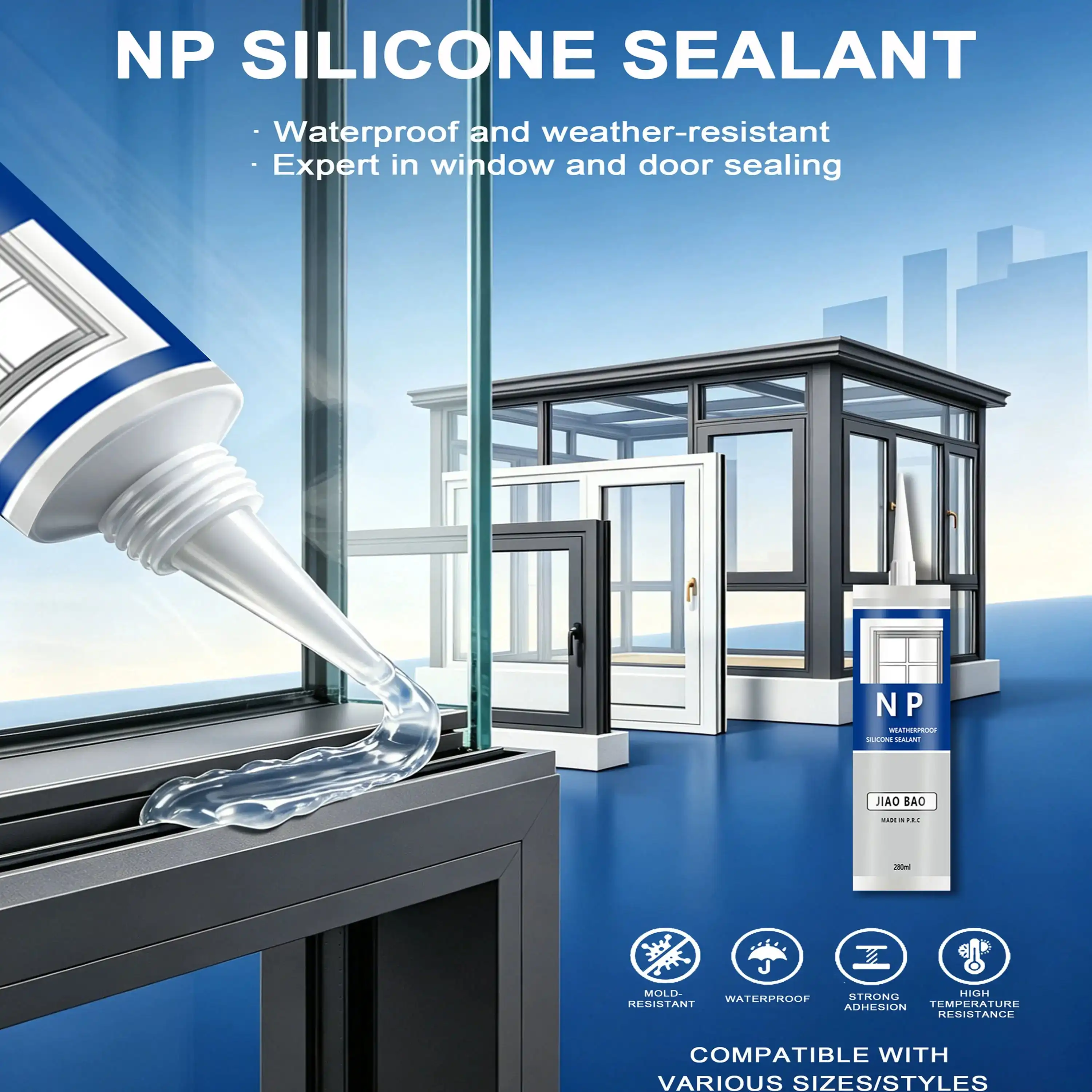
Choosing high-quality materials is only one part of completing a project successfully. The way the materials are bought has a big impact on how well the project stays on plan and how much it costs. Our factories make products that meet international standards and give us flexibility that you can't get from suppliers of raw materials.
More and more, commercial projects need proof that they follow building rules and efficiency standards. ISO 9001 certification shows that quality controls are in place during production, and CE marking proves that an item meets the requirements of international regulations. Instead of making vague claims about performance, product datasheets should list specific test standards (ASTM C920, GB 13477) and results that can be checked. When procurement teams work with makers who provide a lot of technical information, like safety data sheets, application guides, and third-party test results, they lower the risk of the project.
The best packing choice depends on the size of the project. For smaller setups or color-matched jobs that need more than one SKU, our 300ml cartridges work well. On the other hand, our 600ml sausage forms make large-volume curtain wall projects more efficient. The ability to change colors other than white, black, and grey makes it possible to match designer finishing in terms of looks. Talking about expected volume early on in the procurement process helps manufacturers plan production runs that work with building schedules and get the best prices.
Construction plans don't leave much room for delays in getting materials. When manufacturers have proven production capacity and a store of raw materials, they can react to pressing orders within one to two weeks. This keeps projects from being held up, which costs a lot of money. Our production plant in Shandong keeps base polymers and fillers in stock, which lets us make standard and unique colors quickly. This level of manufacturing is different from trading businesses that depend on third-party producers, where lead times can get longer during busy construction seasons.
Real-world performance verifies technical specs by showing observable outcomes over a long period of time. Commercial projects in different climate zones show how choosing the right sealant can affect the cost of maintenance and the longevity of the building envelope.
In the northeastern United States, a 42-story retrofit project had to replace polysulfide sealants that had worn down in the joints of aluminum curtain walls. Engineers chose NP Silicone Sealant for Curtain Wall because it doesn't corrode and is more flexible in cold weather. After five years of use, during which there were several polar vortex events with temperatures below -30℃, eye checks showed that there was no loss of adhesion or cohesive failure. Previous sealant specifications called for replacement every 15 years. This project avoided that, which cut lifecycle costs by about 60% compared to the original construction costs.
Marine settings have their own problems, like salt crystallization in sealant joints and UV breakdown that happens faster. A high-end hotel building with large glass facades needed weather proofing that could withstand all of these stresses. Our NP Silicone Sealant for Curtain Wall formulation's natural resistance to UV light and ability to stretch back to its original shape stopped the cracking that was seen in similar projects that used polyurethane options. After the house was moved into, there were no complaints of water getting in during seasonal storms. This level of performance was due to the sealant's ability to stay flexible and adhere to the substrate even after being exposed to salt water for a long time.
More and more, factory-glazed panels that need perimeter sealing to be used in modular construction methods. Prefabricated concrete and glass panels with NP Silicone Sealant for Curtain Wall for panel-to-panel connections were used on a business site on the West Coast. The glue could be used on a variety of surfaces, which made installation easier. It could also move 25%, which allowed for different materials to move differently. This example shows how choosing the right sealant can help with new ways of building while still meeting performance standards for the surface.
The performance of the skin of a commercial building rests on choosing and using the right sealing technologies. NP Silicone Sealant for Curtain Walls are perfect for challenging curtain wall uses because they are compatible with a variety of substrates, resistant to weather, and able to accommodate movement. Understanding the technical differences between sealant formulas, knowing the right way to apply them, and working with makers who can do the job well are all things that will make sure the project goes well. There are measurable performance benefits in the case studies that lead to lower lifecycle costs and longer building durability. As building methods change and performance standards rise, neutral silicone technology keeps getting better by adding more colors and better formulations that meet both functional and aesthetic needs.
Neutral cure silicones use oxime or alkoxy cross-linking systems that, when they cure, release byproducts that are safe for metals like stainless steel and aluminum. Acidic mixtures give off acetic acid vapors that can damage delicate materials, which limits how they can be used in current curtain wall systems. The neutral chemical also cuts down on smells during installation, which makes the job place better.
Good neutral silicones stay flexible at temperatures ranging from -50℃ to +150℃. This keeps them from getting hard in cold places and softening when the sun heats them up. This thermal stability makes sure that the joints can move normally even when the temperature changes with the seasons. Applications in harsh conditions should check the exact temperature values of the product to make sure there are enough performance margins.
Because they have low surface energy, most NP Silicone Sealant for Curtain Walls don't let paint stick to them. For projects that need paintable joints, polyurethane or mixed polymer seals made to work with topcoats should be used. On the other hand, color-matched silicone doesn't need to be painted and is better at withstanding weather in outdoor uses.
Since 2013, Shandong Jiaobao New Material Co., Ltd. has been making weather-resistant neutral silicone sealants. They provide reliable solutions to curtain wall builders and business building projects all over the world. Our one-component RTV recipe has a 25% movement range and a Shore A 30 hardness, which gives it the stretchiness needed for dynamic facade parts. Our goods meet ISO and CE approval standards and come in 300ml and 600ml sizes with colors that can be changed. We also keep our prices low. We have production lead times of one to two weeks and a variety of logistics options, such as sea and land transport, to fit the needs of any project.
Our technical team offers application support and sample testing to make sure the products you're looking for are right for the job, whether it's a high-rise renovation or a new commercial development. Get in touch with us at dorashen@cnjiaobao.com to talk about the details of your project and find out how working with an expert NP Silicone Sealant for Curtain Wall manufacturer can lower your sourcing risks and improve the performance of the building envelope.
1. American Society for Testing and Materials. "Standard Specification for Elastomeric Joint Sealants." ASTM C920-18, West Conshohocken, PA, 2018.
2. Glass Association of North America. "Glazing Manual." GANA Publication, Topeka, KS, 2020 Edition.
3. National Institute of Building Sciences. "Building Envelope Design Guide - Sealants and Joints." Whole Building Design Guide, Washington, DC, 2019.
4. American Architectural Manufacturers Association. "Metal Curtain Wall Manual." AAMA CW-13, Schaumburg, IL, 2017.
5. International Code Council. "International Building Code: Chapter 14 - Exterior Walls." IBC 2021 Edition, Country Club Hills, IL.
6. Sealant, Waterproofing & Restoration Institute. "Guide to Sealant Selection for Commercial Construction." SWRI Technical Manual Series, Kansas City, MO, 2022.
November 16,2023
Enterprise Name
The sealant has very strong adhesion and performs well even on glass and aluminum. After curing, it remains flexible and shows no cracking. Perfect for our facade projects.
November 16,2023
Enterprise Name
Stable quality across batches. Our customers especially like the smooth application and consistent extrusion. It helps reduce installation time on site.
November 16,2023
Enterprise Name
I used it for bathroom sealing. Excellent waterproof performance and no mold issues so far. It's been holding up very well in humid conditions.
November 16,2023
Enterprise Name
The neutral silicone works well on sensitive materials without corrosion. Very suitable for industrial applications requiring stable performance.
_1779347426672.webp)